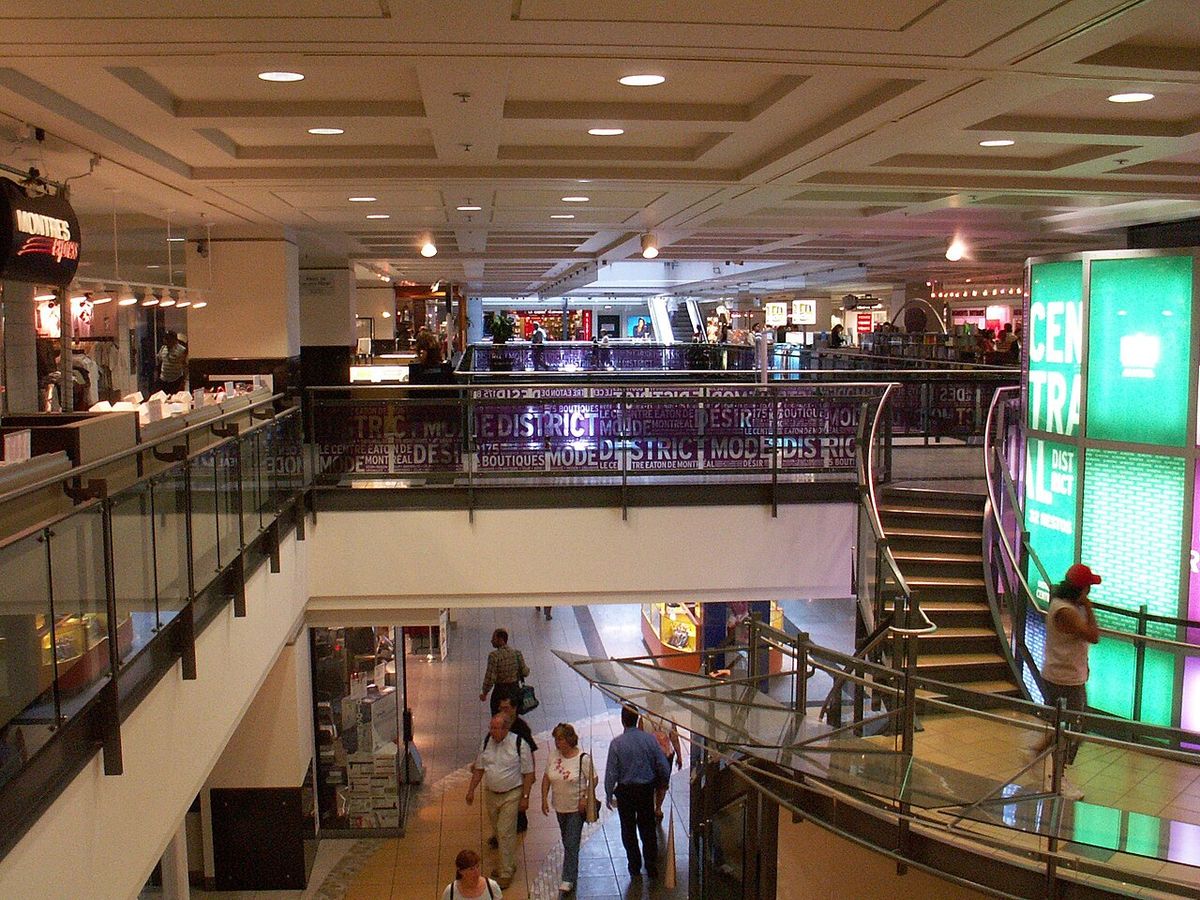
Mile End, Montreal
Mile End is a historic neighbourhood and municipal electoral district located within the Plateau-Mont-Royal borough of Montreal, Quebec. Recognized as a cultural and artistic centre since the 1980s, it has been home to a significant number of musicians, writers, and visual artists, contributing to its international reputation. The area is defined by its distinctive architecture, famous culinary landmarks like its well-known bagel bakeries, and a dense concentration of independent music venues, galleries, and publishers. While celebrated for its creative energy, Mile End has also experienced significant gentrification and rising rents in recent decades, shifting its demographic and commercial character. Its history as a crossroads for successive immigrant communities and its evolution into a cultural centre make it a notable and dynamic part of Montreal.
Geography and Layout
The neighbourhood of Mile End is unofficially bounded by Mount Royal Avenue to the south, Van Horne Avenue to the north, Hutchison Street to the west, and Saint Denis Street to the east. These boundaries encapsulate the area most commonly associated with the Mile End name today, which corresponds largely to the municipal electoral district of the same name. The district is one of three within the Plateau Mont Royal borough, alongside Jeanne Mance and De Lorimier, and elects one city councillor and one borough councillor. The main north-south thoroughfares running through the area are Saint-Laurent Boulevard, Clark Street, Saint Urbain Street, Waverly Street, Esplanade Street, Jeanne-Mance Street, and Park Avenue. Key east-west arteries include Mount Royal Avenue, Villeneuve Street, Saint Joseph Boulevard, Laurier Avenue, Fairmount Avenue, Saint Viateur Avenue, Bernard Street, and Van Horne Avenue. The Canadian Pacific railway line, which historically spurred the area's growth, cuts across the northern part of the neighbourhood, interrupting several streets and creating a distinct separation from the area to the north, which developed as Little Italy.
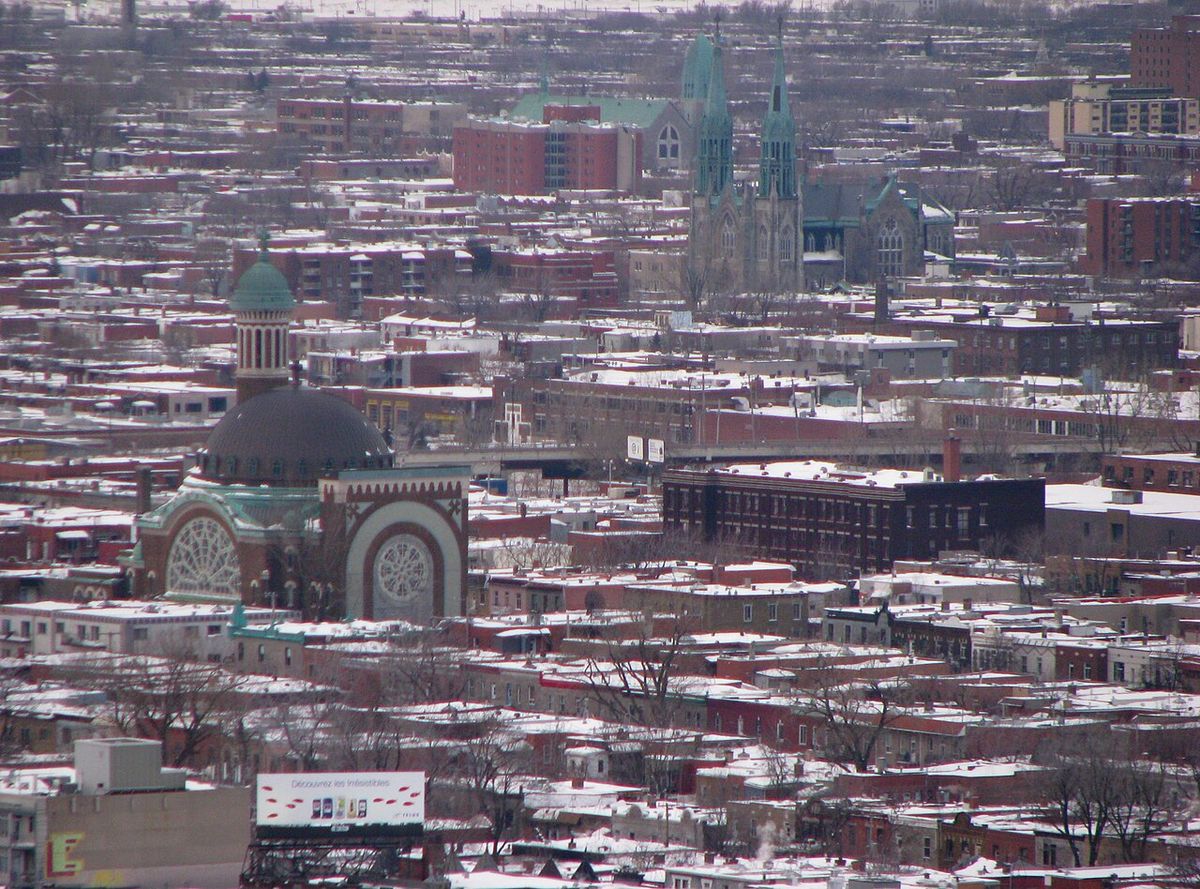
Historical Development
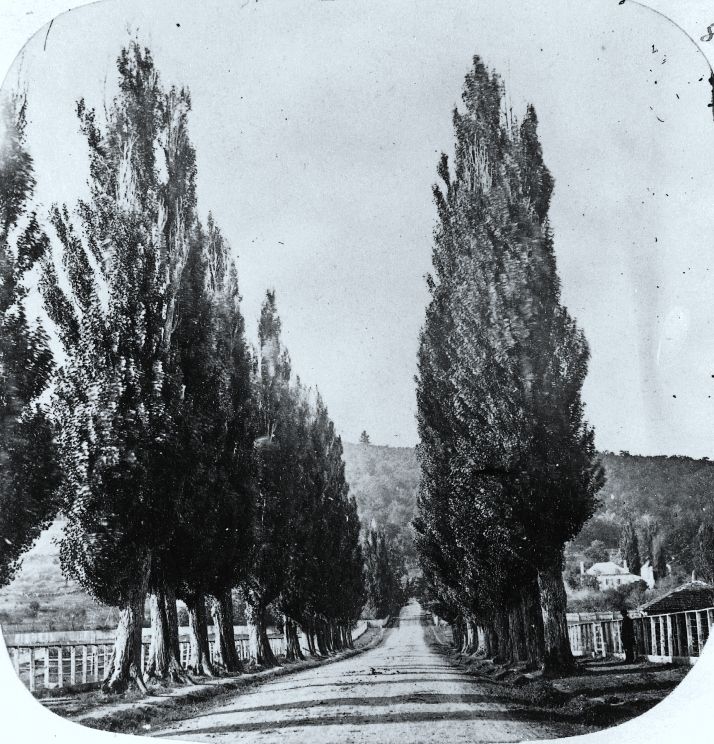
The name Mile End first appeared in the early 19th century, referring to the crossroads of Saint-Laurent Road and what is now Mont-Royal Avenue. The name was likely inspired by the London suburb of the same name, and while not precisely a mile from any official marker, it was roughly a mile north of Sherbrooke Street along Saint-Laurent, which marked the city's edge at the time. An important early landmark was the Mile End Hotel and tavern, operated by American-born entrepreneur Stanley Bagg from at least 1810, with advertisements referencing it appearing in The Gazette by 1815. The area's development was initially tied to the Chemin des Tanneries, which led to tanneries and limestone quarries used for Montreal's construction.
The arrival of the Quebec, Montreal, Ottawa and Occidental Railway in 1876, later acquired by Canadian Pacific, provided the first major growth spurt and established a separate identity. The first Mile End train station was built in 1877 near Bernard Street and Saint-Laurent, serving as the departure point for the first transcontinental trains to the Prairies in 1885 and to British Columbia in 1886. In 1878, the village of Saint-Louis-du-Mile-End was incorporated with a population of 1,319, covering the western third of Côte Saint-Louis. The introduction of electric tramway service in 1893 spurred a second wave of growth, transforming the area into a streetcar suburb. The village became the town of Saint-Louis in 1895 and was annexed by the City of Montreal on 29 May 1909, effective 1 January 1910, becoming Laurier Ward. Its population exploded from about 3,537 in 1891 to roughly 37,000 by 1911.
The ethnic composition of Mile End changed constantly over the course of the twentieth century as the area became home to successive waves of new immigrants. The southwestern portion of Mile End was first a bourgeois suburb, then Montreal's principal Jewish area until the 1950s, and later home to Greek and Portuguese communities. After gaining a reputation as a neighbourhood of artists and musicians in the 1980s, the area underwent gentrification in the 1990s. The area north of the railway developed separately and became Montreal's Little Italy, home to the Jean Talon Market which opened in 1933. Much of Mile End served as the heart of Montreal's garment district for many decades due to the proximity of rail transportation.
- 1931: Mile End train station closed as service moved to the new Park Avenue Station (Jean-Talon).
- 1933: Jean Talon Market opened in the adjacent Little Italy district to the north.
- 1964/1969: St. Michael's church began sharing its space with the Polish Catholic mission, formally merging to become St. Michael's and St. Anthony's parish.
- 1978 & 1980s: Municipal electoral reform led to the creation of smaller districts and boroughs. The name Mile End was revived for an electoral district in 1982.
Cultural Significance and Artistic Hub
Since the 1980s, Mile End has gained national and international recognition as a major centre for arts and culture. It became known as the heart of Montreal's independent music scene, a status highlighted by music magazines like Spin and Pitchfork Media in 2005. The neighbourhood has been home to a remarkable number of influential musicians and bands, including Arcade Fire, Godspeed You! Black Emperor, Bran Van 3000, Ariane Moffatt, Grimes, Plants and Animals, Wolf Parade, and Mac DeMarco. This creative ecosystem is supported by a dense network of venues, recording studios, and independent labels. Key performance spaces have included Casa del Popolo, La Sala Rossa, and the Mile End Cabaret (now Théâtre Fairmount) on Saint Laurent and Park Avenue, alongside now-closed venues like Résonance Café and The Green Room.
The area is also a major centre for publishing and literary arts. The acclaimed comic book and graphic novel publisher Drawn & Quarterly was founded in Mile End in 1989 and opened its flagship store on Bernard Avenue in 2007, establishing a literary hub. The neighbourhood's public library, opened in a former Anglican church in 1993, was renamed the Mordecai Richler Library in 2015 in honour of the author who grew up on Saint Urbain Street and chronicled the area in novels like The Apprenticeship of Duddy Kravitz. Other cultural institutions include the feminist Anglophone theatre company Imago Theatre and the art gallery and co-op Ame Art, formed in 1998. The area's cinematic appeal is such that it has frequently been used as a stand-in for New York City in film and television productions like Quantico and Brooklyn, leading to filming restrictions in the core of the neighbourhood in 2016.
Mile End is known for its artistic culture and is home to many musicians, writers, and filmmakers. The comic book company Drawn & Quarterly was founded there in 1989 and maintains its head office and flagship store in the neighbourhood. The area features many art galleries, boutiques, and cafés, and was described in 2005 as the heart of Montreal's independent music scene. It is also home to the city's two most famous bagel bakeries, Fairmount Bagel and St. Viateur Bagel, and the brewpub Dieu du Ciel! which offers beers named after the area.
- Drawn & Quarterly: Independent comics publisher and flagship store (founded 1989, store opened 2007).
- Mordecai Richler Library: Public library housed in a converted church (opened 1993).
- Imago Theatre: One of Montreal's oldest Anglophone theatres, a feminist company.
- hotel2tango: Famous independent recording studio.
- Pop Montreal: Headquarters of the annual international music festival.
- Ubisoft Montreal: Major video game developer studio, established in a renovated factory in 1997.
Commerce, Landmarks and Daily Life
Mile End is characterized by a mix of traditional landmarks and contemporary commercial strips that define its daily character. The neighbourhood is famously home to Montreal's two most renowned bagel bakeries, Fairmount Bagel and St. Viateur Bagel, which have operated for decades and are institutions in their own right. The main commercial corridors include Bernard Street, Saint Viateur Avenue, and Laurier Avenue West, which have become increasingly upscale. These streets are lined with independent boutiques, designers' workshops, art galleries, and a high density of cafes. The first branch of the Montreal supermarket chain PA Supermarché opened in the area, and a branch of the popular vegetarian restaurant Lola Rosa is also located here. Local entrepreneurs have often paid homage to the area through their products, such as the brewpub Dieu du Ciel! which offers an English-style mild ale named "Mild End" and a Belgian-style saison called "Saison St-Louis," named after the historic village.
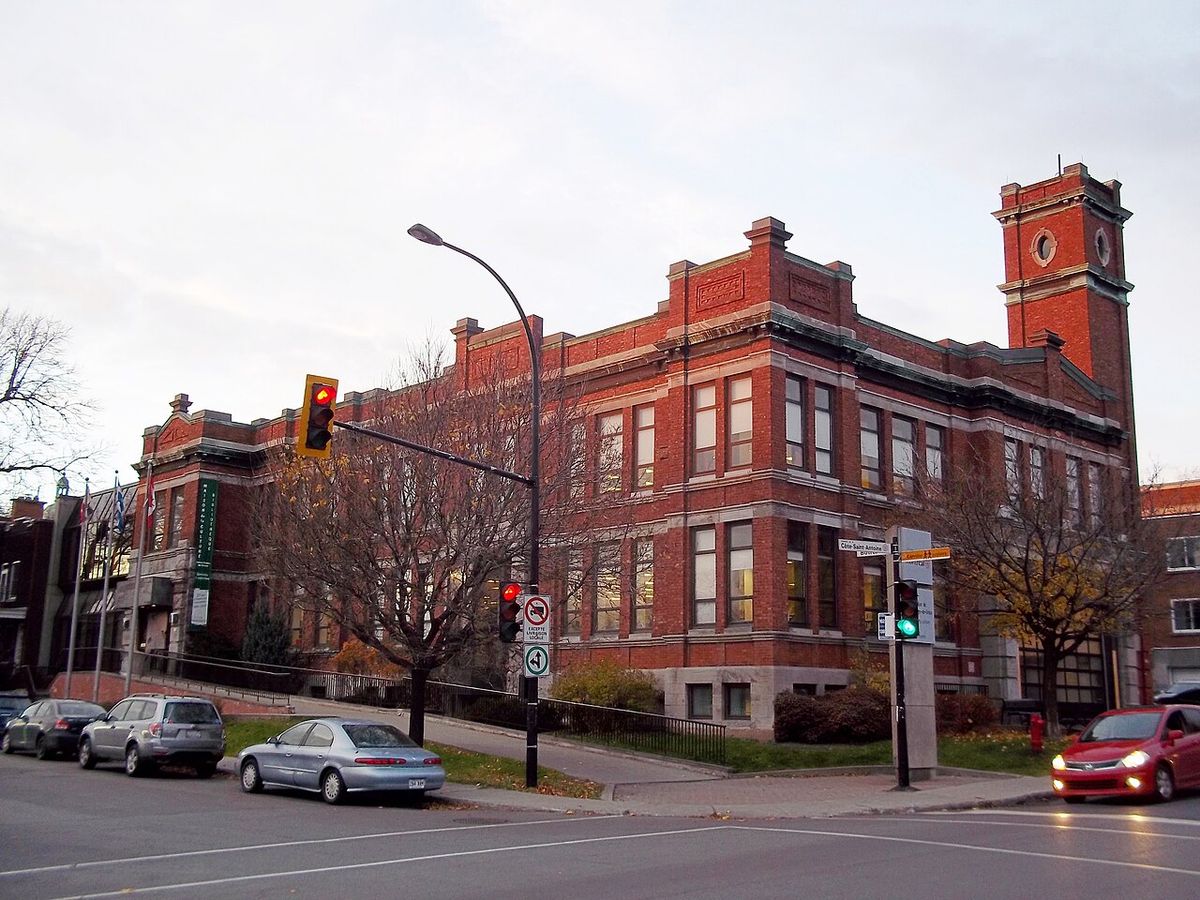
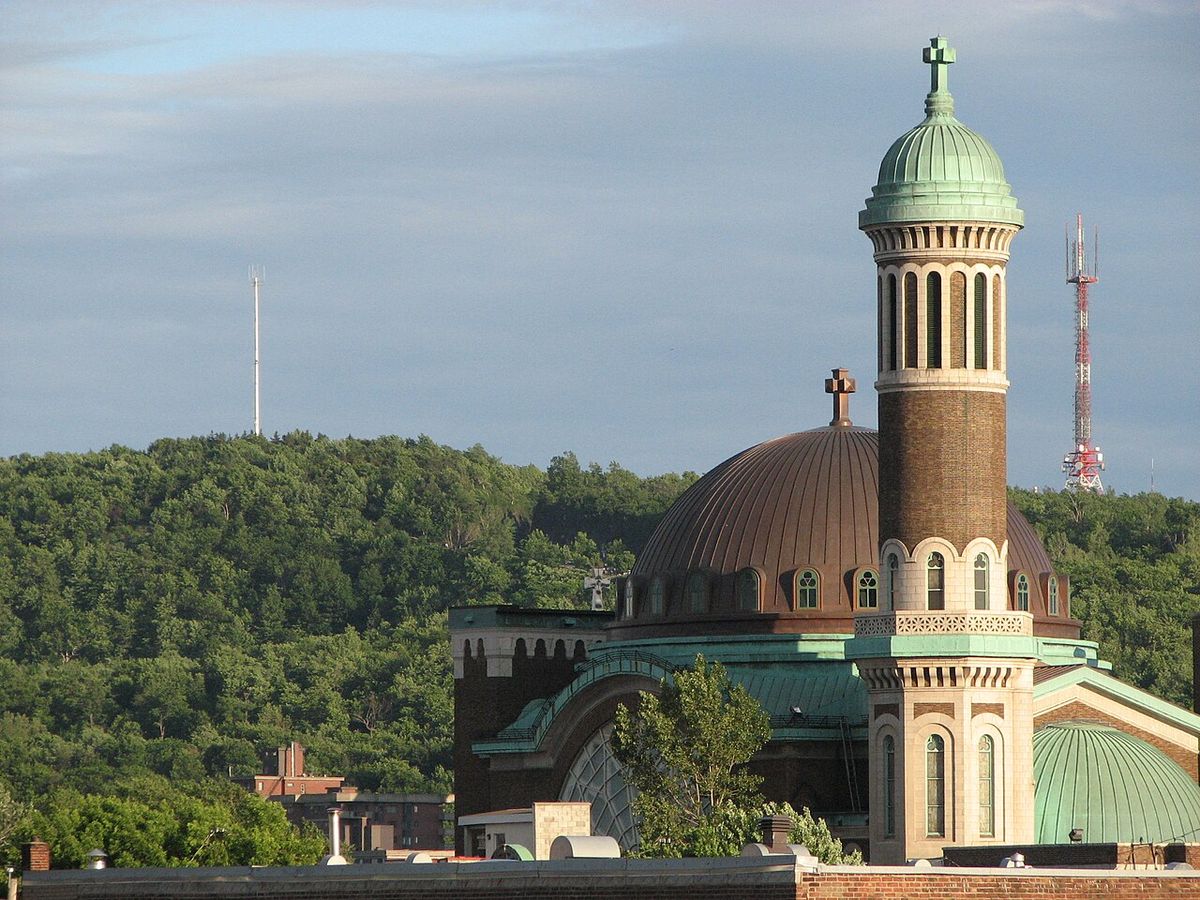
Historic architecture remains a key feature, from the former Saint-Louis town hall built in 1905 on Saint-Laurent and Laurier, which now serves as a fire hall and museum, to the distinctive Church of St. Michael the Archangel. Another brewpub, HELM, names all its beers after the neighbourhood and its streets. A remnant of the 1911 Mile End train station structure survives as a performance venue called Entrepôt 77. The area's built environment and local businesses create a distinct streetscape that blends historical layers with contemporary commercial activity, offering residents and visitors a unique urban experience.
Demographic Shifts and Gentrification
Following its early period as a bourgeois suburb, it became Montreal's principal Jewish district until the 1950s, a community immortalized by author Mordecai Richler. This was followed by significant Greek and Portuguese communities, while a visible Hasidic Jewish presence has persisted in parts of Mile End and neighbouring Outremont. The area north of the railway tracks developed separately as Little Italy, home to a major Italian immigrant community and the Jean Talon Market. This process has been characterized by steadily increasing rents and the arrival of more upscale businesses, particularly on the Laurier West strip. The rising costs have pressured long-standing small businesses and altered the social composition of the area. For example, the community bookstore S.W. Welch on Saint Viateur Avenue was the subject of a large public protest in March 2021 before ultimately closing in July 2023. These economic pressures have contributed to a gradual displacement of artists and lower-income residents to adjacent, more affordable neighbourhoods like Park Extension. The changes represent a significant shift in the community's character over recent decades, moving much of the original artist community further from downtown.
Notable Residents and Personalities
Mile End has been the home and creative incubator for a wide array of notable individuals, particularly in the arts. Actor William Shatner spent his childhood in Mile End before moving to Notre-Dame-de-Grâce for high school. The neighbourhood's modern artistic reputation is deeply tied to its musical residents, with bands like Arcade Fire, Godspeed You! Black Emperor, and Wolf Parade, along with solo artists such as Grimes and Mac DeMarco, all living and working in the area and contributing to its status as an indie music centre. This creative environment extends to other fields, with the area housing the headquarters of influential cultural enterprises like Drawn & Quarterly and Pop Montreal, founded by individuals integral to the local scene.
Questions about Mile End, Montreal
Why is Mile End famous?
Mile End is internationally famous as a cultural and artistic hub, particularly for its independent music scene. Since the 1980s, it has been home to many celebrated musicians and bands like Arcade Fire and Godspeed You! Black Emperor. It is also known for its famous bagel bakeries (Fairmount and St. Viateur), its literary scene anchored by Drawn & Quarterly, and its portrayal in the works of author Mordecai Richler. The neighbourhood frequently appears on lists of the world's coolest and most unique urban districts.
What is the history behind the name 'Mile End'?
The name dates to the early 19th century and referred to the crossroads of Saint-Laurent Road and what is now Mont-Royal Avenue. It is likely inspired by the London suburb of the same name. Contrary to myth, it is not exactly a mile from a specific marker, but it was roughly a mile north of Sherbrooke Street along Saint-Laurent, which was the city boundary at the time. The area's first notable business was the Mile End Hotel and tavern, operated by Stanley Bagg from at least 1810.
What are the must-visit places in Mile End?
Essential visits include the legendary bagel bakeries, Fairmount Bagel and St. Viateur Bagel. The Drawn & Quarterly bookstore is a central part of the literary and comics scene. For architecture, the Byzantine-style Church of St. Michael the Archangel is a landmark. Wilensky's Light Lunch is a historic diner featured in Mordecai Richler's novels. The main commercial streets for cafes and boutiques are Bernard Street, Saint Viateur Avenue, and Laurier Avenue West.
How has Mile End changed in recent years?
Mile End has undergone significant gentrification since the 1990s, leading to sharply rising rents and the proliferation of more upscale businesses. This has pressured longstanding small businesses, with notable closures like the S.W. Welch bookstore in 2023. The cost of living has displaced many artists and lower-income residents to adjacent neighbourhoods. Despite these changes, it remains a cultural destination, though its demographic and commercial character continues to evolve.
Is Mile End a good place to live?
Mile End is a highly desirable neighbourhood known for its walkability, active street life, rich cultural offerings, and beautiful architecture. It offers excellent access to cafes, restaurants, parks, and unique shops. However, its popularity has made it one of Montreal's more expensive rental markets, and the ongoing gentrification has made affordability a challenge for many. Its central location and distinct character make it appealing, but potential residents should be prepared for high housing costs.
Where is Mile End located in Montreal?
Mile End is a neighbourhood and municipal electoral district located in the Plateau Mont Royal borough of Montreal. Its unofficial geographical boundaries are Mount Royal Avenue to the south, Van Horne Avenue to the north, Hutchison Street to the west, and Saint Denis Street to the east. The area is one of three electoral districts within the borough, alongside Jeanne Mance and De Lorimier. Main north south arteries include Saint Laurent Boulevard, Clark Street, Saint Urbain Street, and Park Avenue. East west streets include Mount Royal Avenue, Laurier, Fairmount, Saint Viateur, Bernard and Van Horne.
Sources and further reading
- Mile End, Montreal (Wikipedia)
- Montréal neighbourhood: Discover Mile End (mtl.org)
- The magic of Mile End: An iconic Montréal neighbourhood ... (cbc.ca)
- An insider's guide to Montreal's Mile End neighbourhood (travel.destinationcanada.com)
Checked by the Your Space Hamilton desk. Last updated 2026-10-21.