Little Portugal, Toronto
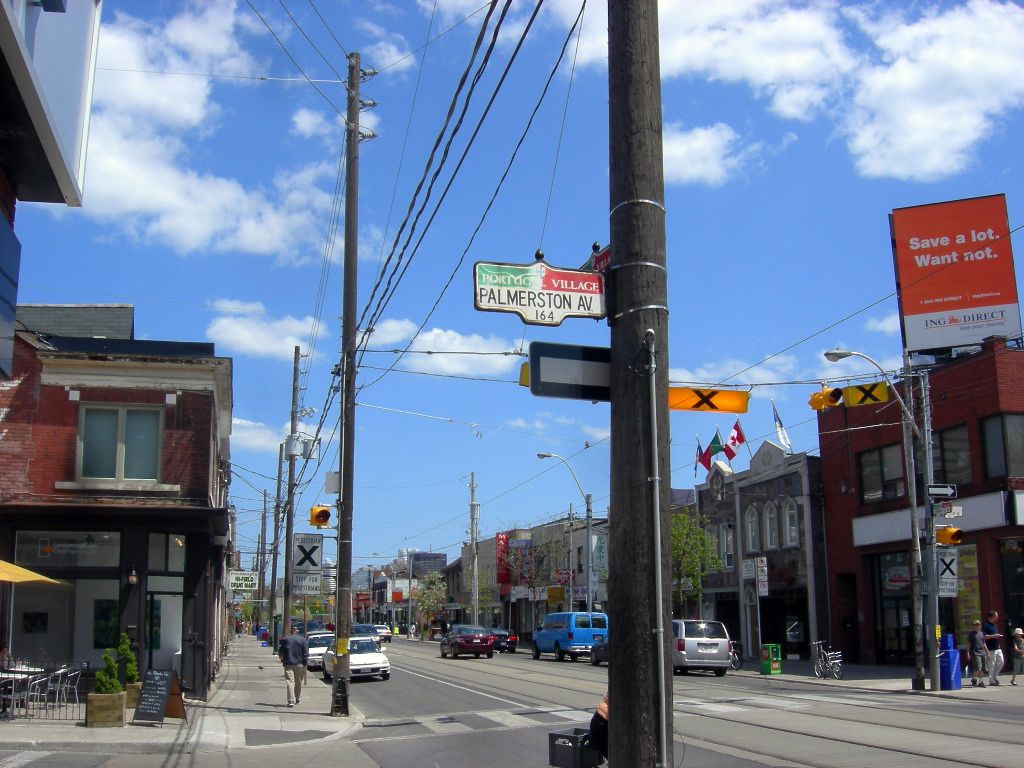
Little Portugal, also known as Portugal Village, is a neighbourhood and ethnic enclave located west of downtown in the Old City of Toronto, Ontario. Bounded by Lansdowne Avenue to the west, College Street to the north, Ossington Avenue to the east, and the GO Transit and Union Pearson Express railway tracks to the south, the area is a predominantly residential community with a strong Portuguese cultural identity. Its commercial heart lies along Dundas Street West and College Street, which are lined with Portuguese businesses, restaurants, and bars. The neighbourhood is a significant cultural hub, hosting the Do West Fest street festival which drew 750,000 attendees in 2024, and has experienced rapid population growth of 29.1 percent between 2011 and 2016, reaching a density of 12,859 people per square kilometre.
Geography and Historical Subdivisions
Little Portugal is situated within the traditional boundaries of the Old City of Toronto, west of the downtown core. A distinct sub-area within the neighbourhood is known as Beaconsfield Village, bounded by Dufferin Street on the west, Dundas Street on the north, Ossington Avenue on the east, and Queen Street on the south. This name dates back to the original subdivision of lots in the area around Beaconsfield Avenue, which was named after British Prime Minister Benjamin Disraeli, who was given the title Lord Beaconsfield by Queen Victoria. The neighbourhood's character is defined by its fine stock of mid-century homes and its mix of residential and commercial land uses, with Portuguese storefronts providing a distinct streetscape along the main arteries. The area is mainly residential, with commercial activity concentrated along the Dundas Street West and College Street corridors.
Demographic Composition and Growth Trends
Little Portugal is a fast-growing ethnic enclave where Portuguese Canadians form the largest single ethnic group. According to the 2016 census, over 50 percent of the neighbourhood's population identifies as Portuguese, making it the predominant cultural and linguistic influence in the area. The total population recorded in 2016 was 15,559 residents, living at a density of 12,859 people per square kilometre, which is significantly higher than many other Toronto neighbourhoods. The period from 2011 to 2016 saw extraordinary growth, with the population expanding by 29.1 percent, a rate more than six times higher than the 4.5 percent growth seen across the entire City of Toronto during the same five-year period. While Portuguese remains dominant, the area has seen an increase in residents of Brazilian background in recent years. The second most common language groups spoken in homes after Portuguese are Chinese, Spanish, and Vietnamese, indicating the neighbourhood's evolving and diverse demographic profile as it continues to attract new residents from various backgrounds.
Commercial Corridors and Business Improvement Areas
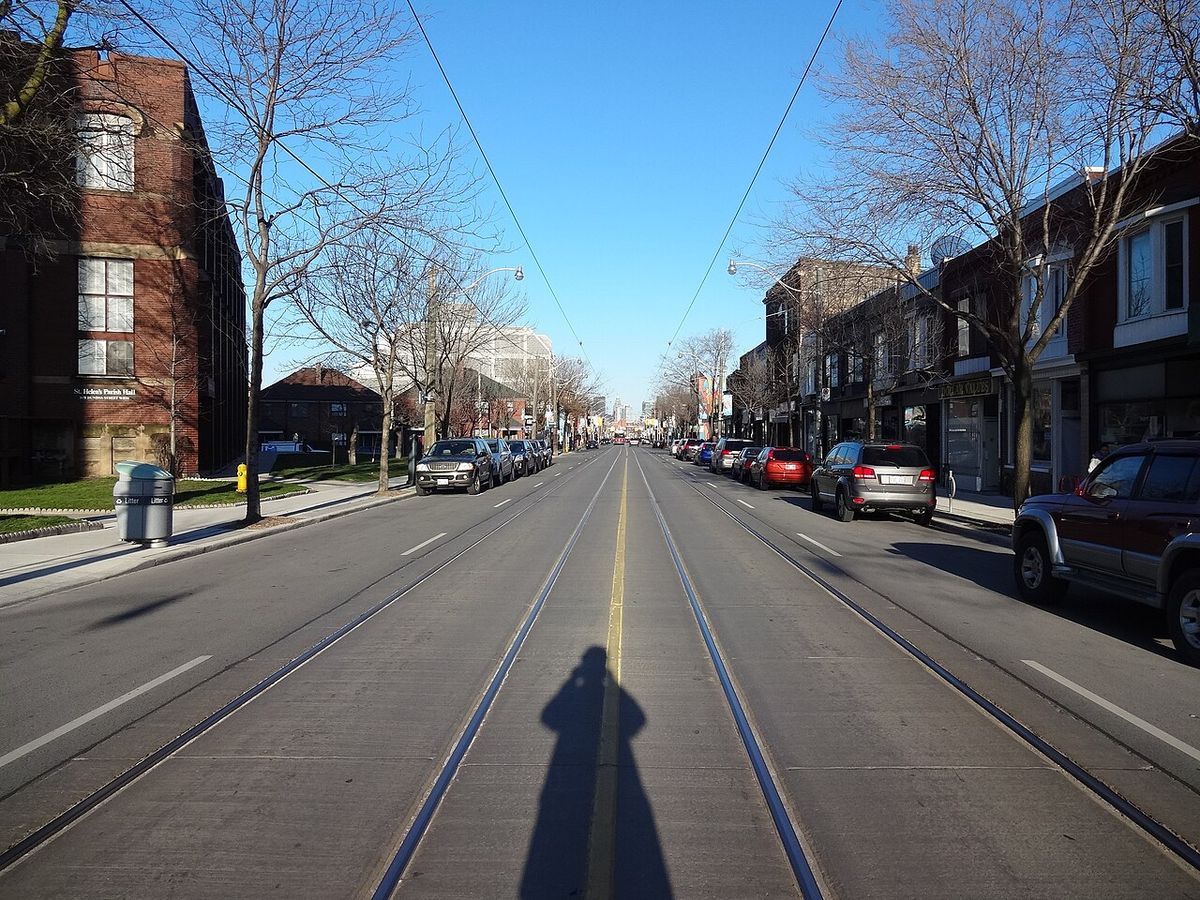
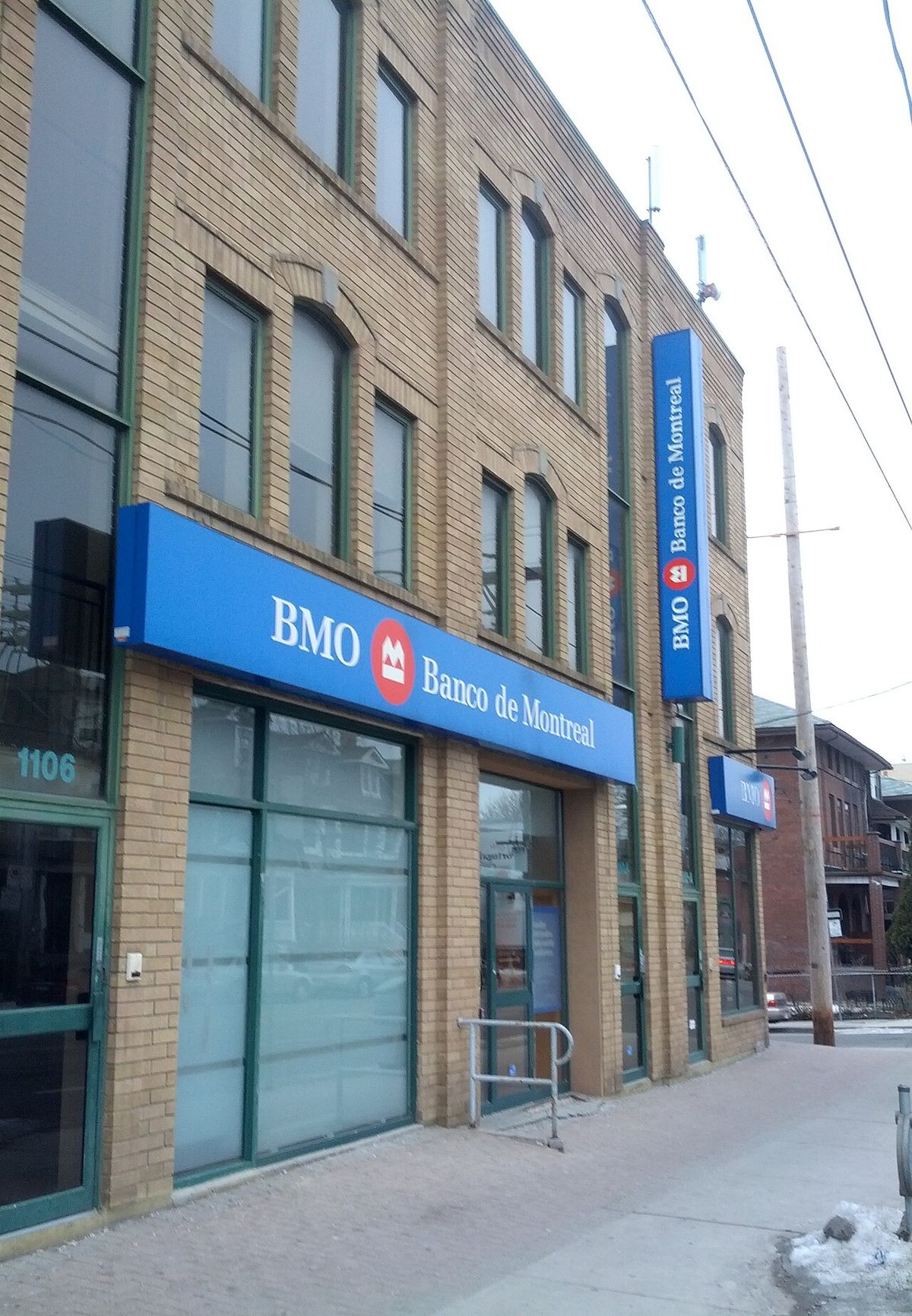
The commercial life of Little Portugal is concentrated along its two main east-west arterial roads, Dundas Street West and College Street. Dundas Street West is a four-lane road running through the centre of the neighbourhood, with storefronts along most of its length featuring primarily local businesses. The stretch from Ossington Avenue westward is officially named Rua Açores, reflecting the Portuguese heritage of the area. College Street West runs approximately a quarter-mile north of Dundas, meeting it just west of Lansdowne Avenue, and features several clusters of Portuguese restaurants and bars both east and west of Dufferin Avenue. To support local commerce, two Business Improvement Areas (BIAs) have been established with specific geographic boundaries. The Dundas West Business Improvement Area was organized in 2006 for businesses on Dundas Street from the CNR tracks on the west to Rusholme Road on the east. The Little Portugal Business Improvement Area was formed in 2007 for the stretch of Dundas Street from Rusholme Road, just east of Dufferin, eastward to Roxton Road, which is one block east of Ossington Avenue. These BIAs work to promote and enhance their respective commercial sections through streetscape improvements, marketing, and community events.
Transportation Infrastructure and Accessibility
Little Portugal is well-served by the Toronto Transit Commission's network of streetcars and buses, providing residents with multiple transit options. The 505 Dundas streetcar line provides east-west service along Dundas Street West, while the 506 Carlton line runs along College Street, connecting the neighbourhood to downtown and other parts of the city. North-south bus service is provided by several routes, including the 47 Lansdowne bus on Lansdowne Avenue, the 29 Dufferin and 929 Dufferin Express buses on Dufferin Street, and the 63 Ossington bus on Ossington Avenue. This comprehensive transit network offers residents efficient connections to downtown Toronto and other neighbourhoods without requiring automobile travel. The southern boundary of the neighbourhood is physically defined by the railway corridors used by GO Transit commuter rail and the Union Pearson Express airport link, though these services do not have stations within the neighbourhood's boundaries. The area's walkability is enhanced by its grid street pattern and the concentration of commercial services along the main streets, making it accessible for pedestrians and cyclists as well as transit users.
Educational Institutions and Community Facilities
The neighbourhood is served by a variety of public and Catholic schools, reflecting its family-oriented character and providing educational options for children of different ages. Public elementary schools include Shirley Street Public School for junior elementary grades, Alexander Muir/Gladstone Avenue Public School for junior and senior elementary, and Ossington/Old Orchard Junior Public School. Alternative education options include The Grove Community School for elementary students and City View for senior school students, offering different pedagogical approaches for families. St. Helen's Catholic School provides Catholic elementary education for families seeking faith-based schooling. A major community hub is McCormick Park on Brock Avenue, which is home to the McCormick Recreation Centre and Arena. This facility has long been a focal point for youth living in the area and hosts recreational programs and activities. The neighbourhood also contains sites of historical interest, such as the former Ideal Bread Company bakery at 183 Dovercourt Road, which operated from 1919 to 1957 and marketed Wonder Bread in Canada from 1934 to 1940. The building was converted into the Argyle Lofts residential complex in 2007, representing adaptive reuse of industrial heritage.
Key community landmarks and institutions include McCormick Park on Brock Avenue, which is home to the McCormick Recreation Centre and Arena and serves as a major hub of activity. The former Ideal Bread Company bakery at 183 Dovercourt Road, which operated from 1919 to 1957, has been converted into a residential complex known as the Argyle Lofts since 2007. The area is served by several schools, including Shirley Street Public School, Alexander Muir/Gladstone Avenue Public School, and Ossington/Old Orchard Junior Public School. Other educational institutions are The Grove Community School, an alternative elementary school, City View, an alternative senior school, and St. Helen's Catholic School. The neighbourhood also hosts the annual Do West Fest street festival along Dundas Street West.
- McCormick Recreation Centre and Arena on Brock Avenue
- Shirley Street Public School (Junior Elementary)
- Alexander Muir/Gladstone Avenue Public School (Junior and Senior Elementary)
- The Grove Community School (Alternative Elementary School)
- St. Helen's Catholic School (Catholic Elementary School)
- Ossington/Old Orchard Junior Public School
- City View Alternative Senior School
- Argyle Lofts (former Ideal Bread factory at 183 Dovercourt Road)
Cultural Events and Community Festivals
Little Portugal hosts Do West Fest, one of Toronto's major summertime street festivals that has become a signature event for the neighbourhood. This annual celebration of music, arts, food, and community takes place along Dundas Street West, covering 16 blocks from Ossington Avenue to Lansdowne Avenue, effectively shutting down the main commercial corridor for the duration of the festival. The festival draws very large crowds, with an attendance of 750,000 people over its three-day schedule in 2024, demonstrating its popularity and scale. The event provides a significant economic boost to local businesses along the festival route and reinforces the area's identity as a cultural destination within Toronto. The scale of the festival highlights the neighbourhood's capacity to host large gatherings and its appeal to visitors from across the Greater Toronto Area and beyond. Such community events are central to the social life of the neighbourhood and its connection to the wider city, while also celebrating the Portuguese heritage that gives the area its name and character.
Historical Development and Architectural Character
The architectural character of Little Portugal is defined by a fine stock of mid-century homes, which contribute to its residential streetscapes and provide housing for the growing population. The neighbourhood's history as part of the former Town of Brockton is still evident in its street patterns and lot subdivisions, particularly in the area west of Dufferin Street. The conversion of industrial buildings to residential use, such as the Argyle Lofts in the former Ideal Bread factory, represents a trend of adaptive reuse within the community as manufacturing has declined. The area's evolution from part of Brockton to a Portuguese ethnic enclave to a rapidly growing mixed neighbourhood reflects broader patterns of urban change in Toronto over the past century and a half.
Residential Character and Housing Stock
Little Portugal is predominantly a residential area with a mix of housing types that have developed over different historical periods. The neighbourhood features a fine stock of mid-century homes that provide the primary housing for the community's 15,559 residents. These homes typically include single-family dwellings, semi-detached houses, and some low-rise apartment buildings that characterize the area's streetscapes. The conversion of former industrial buildings like the Ideal Bread factory into residential lofts at Argyle Lofts represents a more recent form of housing development through adaptive reuse. The residential character is complemented by commercial activity along the main streets, creating a live-work environment where residents can access services within walking distance. The area's population density of 12,859 people per square kilometre reflects the relatively compact nature of the housing stock and the efficient use of land in this inner-city neighbourhood.
Questions about Little Portugal, Toronto
What is the population and demographic makeup of Little Portugal?
According to the 2016 census, Little Portugal had a population of 15,559 residents with a density of 12,859 people per square kilometre. Over 50 percent of the population identifies as Portuguese, making it the largest ethnic group in the neighbourhood. Between 2011 and 2016, the population grew by 29.1 percent, far exceeding the city-wide growth rate of 4.5 percent. The area has also seen an increase in residents of Brazilian background, and other language groups include Chinese, Spanish, and Vietnamese.
What is Do West Fest and when does it occur?
Do West Fest is an annual street festival held in Little Portugal along Dundas Street West. The festival celebrates music, arts, food, and community, and it stretches 16 blocks from Ossington Avenue to Lansdowne Avenue. It is one of Toronto's major summertime festivals, attracting large crowds. In 2024, the three-day event drew an attendance of 750,000 people. The festival provides a significant economic boost to local businesses along its route and reinforces the neighbourhood's cultural identity.
What are the main commercial areas and how are they organized?
The main commercial streets are Dundas Street West and College Street, both four-lane arterial roads lined with Portuguese businesses, restaurants, and local shops. The stretch of Dundas Street West from Ossington Avenue westward is officially named Rua Açores. The area has two Business Improvement Areas: the Dundas West BIA, established in 2006 for businesses from the CNR tracks to Rusholme Road, and the Little Portugal BIA, established in 2007 for businesses from Rusholme Road to Roxton Road. These organizations work to promote and improve their respective commercial sections.
What public transportation options are available in Little Portugal?
The neighbourhood is served by the Toronto Transit Commission (TTC) through multiple routes. The 505 Dundas and 506 Carlton streetcar lines run along Dundas Street and College Street, respectively. North-south bus routes include the 47 on Lansdowne Avenue, the 29 and 929 on Dufferin Street, and the 63 on Ossington Avenue. The southern boundary is defined by GO Transit and Union Pearson Express rail corridors, though there are no stations within the neighbourhood itself. This network provides comprehensive transit access throughout the area.
What schools and community facilities serve Little Portugal?
The neighbourhood is served by several schools including Shirley Street Public School, Alexander Muir/Gladstone Avenue Public School, Ossington/Old Orchard Junior Public School, The Grove Community School, City View, and St. Helen's Catholic School. A major community hub is McCormick Park on Brock Avenue, home to the McCormick Recreation Centre and Arena. The former Ideal Bread factory at 183 Dovercourt Road was converted into the Argyle Lofts residential complex in 2007. The area also hosts the Do West Fest street festival along Dundas Street West.
Where is Little Portugal located in Toronto?
Little Portugal is located west of downtown in the Old City of Toronto. It is specifically bound by Lansdowne Avenue to the west, College Street to the north, Ossington Avenue to the east, and the GO Transit and Union Pearson Express railway tracks to the south. The area is mainly residential with Portuguese businesses concentrated along Dundas Street West and College Street. Historically, the area west of Dufferin Street was part of the former Town of Brockton. A sub area bounded by Dufferin Street, Dundas Street, Ossington Avenue, and Queen Street is also known as Beaconsfield Village.
Sources and further reading
- Little Portugal, Toronto (Wikipedia)
- Little Portugal (destinationtoronto.com)
Checked by the Your Space Hamilton desk. Last updated 2026-10-31.