Jane and Finch
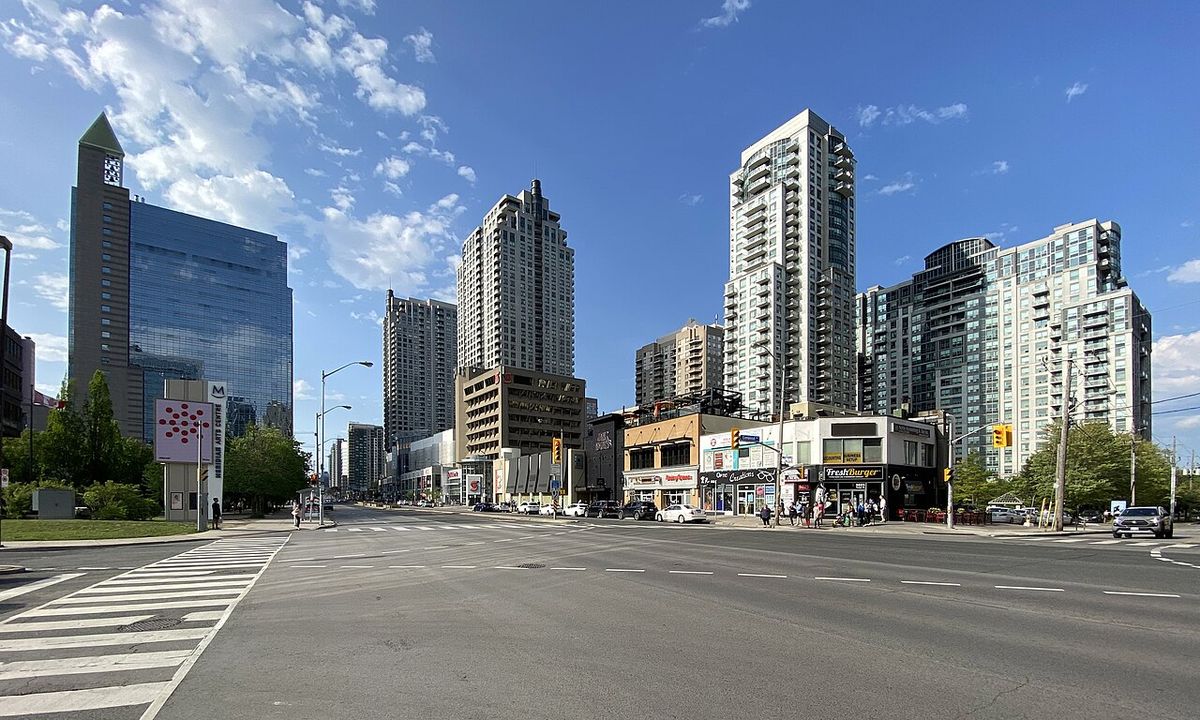
Jane and Finch is a densely populated, low-income neighbourhood situated in the northwest of Toronto, Ontario, within the former city of North York. Centred at the intersection of Jane Street and Finch Avenue West, the area is defined by its high concentration of public housing, its diverse population, and its complex history of rapid development and community-led resilience. The neighbourhood, often referenced as a case study in urban planning and social equity, comprises two official city planning districts: Black Creek to the north of Finch Avenue and Glenfield-Jane Heights to the south. It gained national attention for its high rates of poverty and youth crime, but also for its active grassroots activism and its notable contributions to Canadian music, sports, and culture.
History and Development
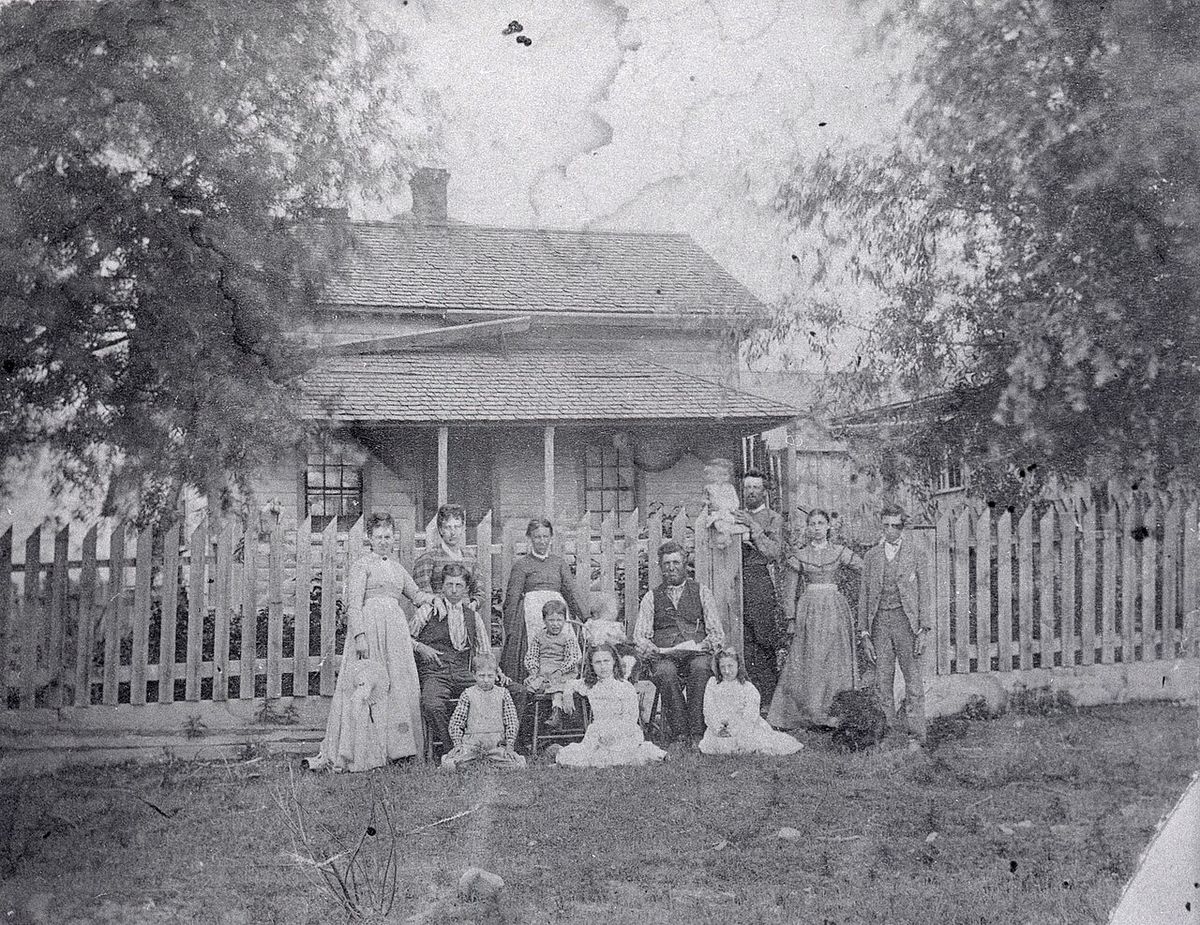
The earliest known human habitation in the area dates to the fifteenth century, with the Parsons Site near Black Creek containing the remains of a large Haudenosaunee (Iroquoian) village. This archaeological site, featuring longhouses, palisades, and a burial ground, documents a significant Indigenous presence prior to European colonization. Following settlement, the area was known as Ellia before the massive urban transformation of the 1960s radically reshaped its character. Development plans from the Ontario Housing Corporation and the North York Planning Department aimed to create a more urban-looking suburb, leading to the construction of numerous high-rise apartment buildings.
This period saw astronomical population growth, skyrocketing from 1,300 residents in 1961 to 33,000 by 1971, accounting for over 40% of North York's growth during that decade. A defining feature was the high proportion of public housing, with 22.5% of all residential dwellings in Jane and Finch designated as such by 1967, compared to just 3% across North York. The rapid, high-density development, while providing housing, soon led to identified social challenges. A 1975 planning study cited problems like overcrowded schools, disconnected social services, inadequate recreation facilities, and issues with youth crime as direct results of the community's explosive growth.
In response, a grassroots community movement began in 1973, with residents, politicians, and workers organizing to improve the neighbourhood's negative image and foster community pride. This activism led to the creation of over 30 community associations and service organizations based on mutual aid. Despite these efforts, poverty intensified significantly between 1981 and 2001, with the number of poor economic families in the broader North York area growing by 80.5%. The Jane and Finch area was the most prominent example, with several neighbourhoods shifting into categories of very high poverty. During this period, the demographic composition changed dramatically, with immigrant families rising to 62.4% of the total family population by 2001 and the racialized population increasing by 219%.
21st Century Challenges and Initiatives
A 2002 report noted it had one of Toronto's highest proportions of youth, sole-supported families, refugees, immigrants, and public housing tenants. At that time, only 70% of residents had proper indoor plumbing, compared to 95% of Canadians nationally, and brownouts were common. Over half the neighbourhood's residents lived below the poverty line, a reality detailed in the United Way's "Poverty by Postal Code" report. The area also dealt with high crime rates, particularly youth crime, consistently recording the highest youth crime risk index score in Toronto. This led to targeted interventions from various levels of government, including the Canadian government's Positive Alternatives to Youth Gangs (PAYG) program.
The Toronto City Summit Alliance's Strong Neighbourhoods Task Force later identified the Black Creek area as one of 13 citywide Priority Neighbourhoods due to a shortage of social services. Jane and Finch was also one of three Toronto neighbourhoods selected for the Prevention and Intervention Toronto (PIT) program, funded by the National Crime Prevention Centre, focusing on youth aged 13 to 24 involved with or at risk of joining gangs. Major police raids targeting local gangs occurred in 2007, 2011, and 2017, with Toronto's police chief noting these gangs had "infiltrated various communities" across Ontario and beyond. Infrastructure and identity also evolved in the 21st century, with a 2008 rebranding effort placing banners on hydro poles dubbing the area "University Heights" to reference its proximity to York University.
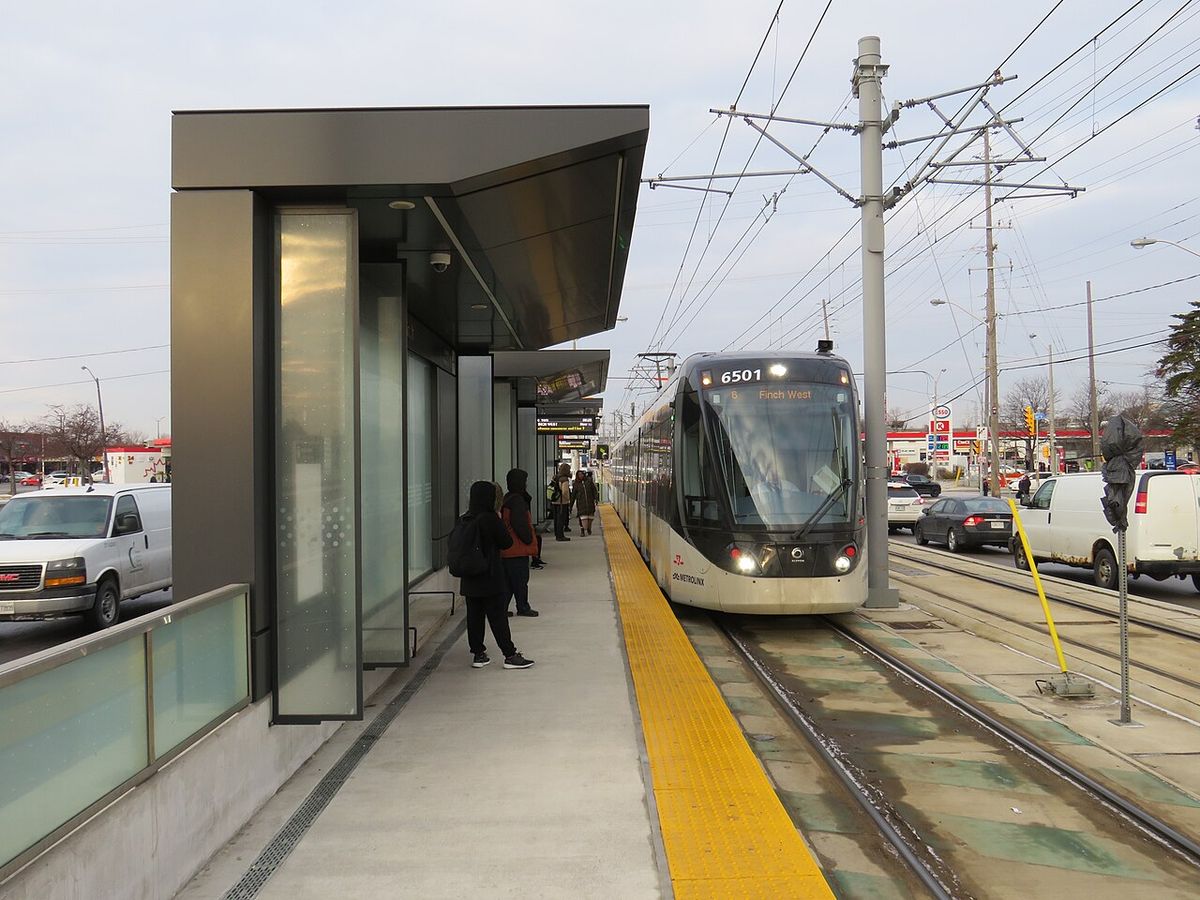
Transit access improved significantly with the 2017 opening of the Finch West subway station on Line 1, located about 1.5 km east at Keele Street. A more direct connection arrived on December 7, 2025, with the opening of the Line 6 Finch West light rail line along Finch Avenue. This new line features four stops within the neighbourhood itself at Norfinch Oakdale, Jane and Finch, Driftwood, and Tobermory. Line 6 connects the neighbourhood to Line 1 at Keele Street to the east and Humber College to the west. Public transit in the neighbourhood is provided by the Toronto Transit Commission, which also operates several bus routes in the area.
Demographics and Population
The neighbourhood is characterized by exceptional cultural and ethnic diversity, with a large immigrant and racialized population. The demographic profiles of the northern and southern sections, while sharing broad characteristics, show distinct compositional differences. The northern half, corresponding to the Black Creek community, had a population of 21,145 in 2021, while the southern half, Glenfield-Jane Heights, had a larger population of 30,025. As of 2021, the northern half of the neighbourhood had a population of 21,145. Its major ethnic populations were 30.9% Black, with 5.6% of Jamaican origin, 15.6% European, with 5.6% Italian, 12.8% Southeast Asian, with 9.4% Vietnamese, 9.5% South Asian, with 4.4% East Indian, and 7.8% Latin American. The southern half had a population of 30,025. Its major ethnic populations were 23.3% Black, with 5.7% Jamaican, 21.4% European, with 12.7% Italian, 16.2% Southeast Asian, with 13.8% Vietnamese, 10.8% Latin American, and 6.8% South Asian, with 3.7% East Indian. By 2001, immigrant families accounted for 62.4% of the total family population in these communities.
Education
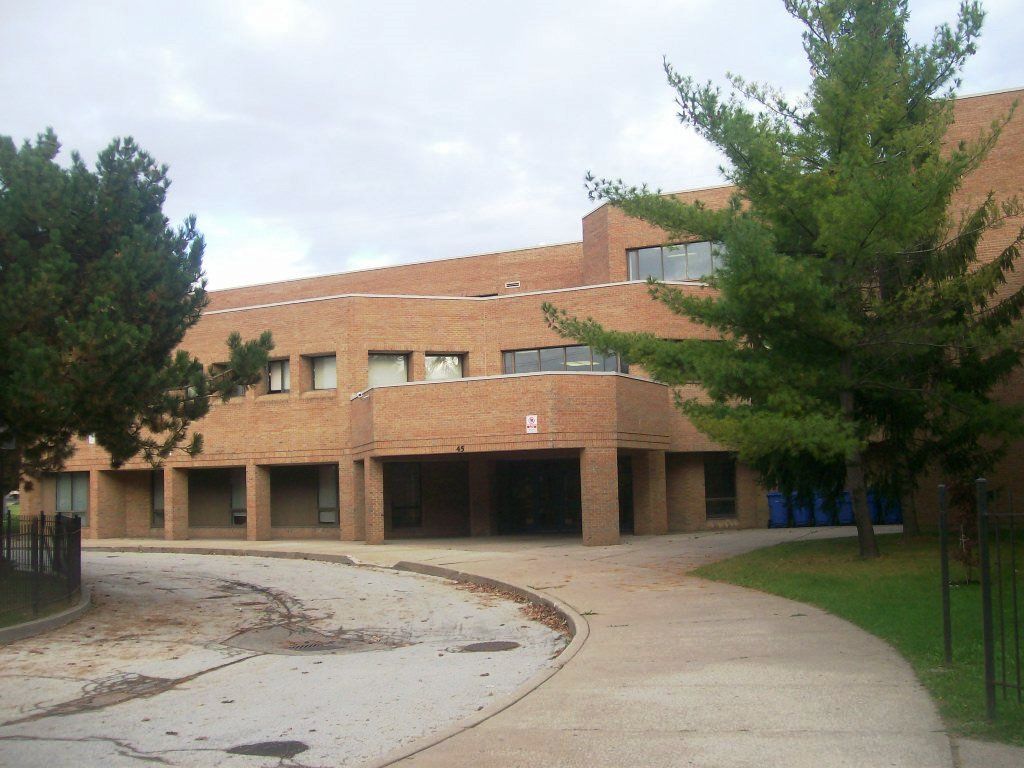
Public education in Jane and Finch is provided by two main school boards: the secular Toronto District School Board (TDSB) and the separate Toronto Catholic District School Board (TCDSB). Both boards operate several elementary schools within the neighbourhood. For secondary education, the TDSB operates two public high schools: Westview Centennial Secondary School and C. W. Jefferys Collegiate Institute. The TCDSB does not operate a regular secondary school in the neighbourhood as of 2026, with Catholic high school students attending institutions in adjacent areas.
The TCDSB previously operated Regina Pacis Catholic Secondary School, which opened in 1980 but closed in 2002. The former Regina Pacis building now houses the Norfinch Campus of Monsignor Fraser College, a specialized TCDSB institution offering alternative and adult secondary education. French-language education for eligible residents is provided by the public Conseil scolaire Viamonde and the separate Conseil scolaire catholique MonAvenir, though neither board currently operates a school within the neighbourhood boundaries, requiring students to travel to other parts of Toronto. The neighbourhood's educational institutions have played significant roles in the community, often serving as hubs beyond academics, and have contended with historical challenges like school overcrowding tied to the area's rapid growth.
Recreation and Community Facilities
Jane and Finch is home to numerous municipal parks and recreational facilities managed by the Toronto Parks, Forestry and Recreation Division. These green spaces are vital community assets, providing venues for sports, leisure, and social gathering. Several parks are situated along the Black Creek ravine, which forms part of Toronto's extensive ravine system and offers a natural corridor through the urban area. Key municipal parks in the area include:
- Fennimore Park
- Driftwood Park
- Edgeley Park
- Hullmar Park
- Oakdale Park
- Remberto Navia Sports Field
- Silvio Colella Park
- Topcliff Park
The division also operates several community centres that serve as focal points for programs and services, including the Driftwood Community Centre, Domenico DiLuca Community Recreation Centre, Northwood Community Centre, and Oakdale Community Centre. These centres offer a range of recreational, social, and educational programs for all ages. Other notable cultural and recreational landmarks in the neighbourhood include Black Creek Pioneer Village, an open-air museum depicting 19th-century Ontario pioneer life, and the private Oakdale Golf & Country Club, which hosted the Canadian Open in 2023 and will host it again in 2026. Two Toronto Public Library branches, York Woods and Jane/Sheppard, provide essential access to literature, digital resources, and community programming for local residents.
Transportation
The neighbourhood's transportation network is defined by several major roadways and, since 2025, a new light rail line. The area is centred on its namesake intersection of Jane Street and Finch Avenue West. Other key thoroughfares forming its boundaries or passing through it include Steeles Avenue to the north, Sheppard Avenue to the south, and the controlled-access Highway 400 to the west. These arterial roads facilitate vehicular movement but also contribute to the area's segmented urban form. Public transit is provided by the Toronto Transit Commission (TTC), with the most significant recent development being the Line 6 Finch West light rail transit line that opened on December 7, 2025.
Line 6 Finch West is a light rail line running along Finch Avenue. There are four stops in the neighbourhood, which are Norfinch Oakdale, Jane and Finch, Driftwood, and Tobermory. The Jane and Finch stop is located at the Jane-Finch intersection itself. This line connects the neighbourhood to the Finch West subway station on Line 1 Yonge-University, located one kilometre east at Keele Street. It also continues west to Humber College. The Toronto Transit Commission operates this line as well as several bus routes in the neighbourhood.
Notable Residents and Cultural Impact
Despite facing significant socio-economic challenges, Jane and Finch has been a prolific incubator of talent, particularly in music, sports, and media. The neighbourhood's cultural output, especially in hip hop and R&B, has had a substantial influence on Canadian culture. Its residents often draw on their community experiences in their art, bringing national attention to the area's realities. The list of notable individuals from Jane and Finch is extensive and diverse, spanning several fields of achievement.
Key figures from the neighbourhood include:
- Chuckie Akenz: Hip hop musician.
- Anthony Bennett: Top overall pick in the 2013 NBA draft.
- Jully Black: Juno Award-winning R&B musician.
- Oshae Brissett: Professional basketball player (born 1998).
- Dream Warriors: Influential hip hop group.
- Dwight Drummond: CBC broadcaster.
- Nora Fatehi: Bollywood actress.
- Jessie Reyez: Juno Award-winning R&B/pop musician.
- Carlos Newton: Former UFC Welterweight Champion.
- Paul Nguyen: Community activist and creator of Jane-Finch.com.
Notable people from Jane and Finch include TV personality Cabral "Cabbie" Richards and actor Louis Ferreira. Community activist Paul Nguyen, creator of Jane-Finch.com, is also from the area. In 1983, filmmaker Jennifer Hodge de Silva produced the documentary Home Feeling: Struggle for a Community. This film revealed tensions between police and area residents.
Questions about Jane and Finch
Where exactly is the Jane and Finch neighbourhood located in Toronto?
Jane and Finch is located in the northwest end of Toronto, within the district of North York. It is centred at the intersection of Jane Street and Finch Avenue West. The area is roughly bounded by Highway 400 to the west, Black Creek to the east, Sheppard Avenue to the south, and Steeles Avenue to the north. It is not a single official planning district but encompasses two: the Black Creek community north of Finch Avenue and Glenfield-Jane Heights south of Finch Avenue.
Why is Jane and Finch often associated with poverty and crime?
The association stems from decades of socio-economic data and reports. The neighbourhood has consistently had one of the highest proportions of low-income earners, public housing tenants, and sole-supported families in Toronto. By 2002, over half its residents lived below the poverty line. It has also recorded the highest youth crime risk index in the city, leading to targeted police interventions and gang prevention programs. These challenges are largely attributed to the rapid, high-density development of the 1960s that created a concentration of public housing without commensurate social infrastructure, a problem later compounded by systemic issues.
What is the population and demographic makeup of Jane and Finch?
The area is exceptionally diverse. In the northern Black Creek section, major ethnic groups include Black (30.9%), European (15.6%), and Southeast Asian (12.8%). In the southern Glenfield-Jane Heights section, major groups are Black (23.3%), European (21.4%), and Southeast Asian (16.2%). The neighbourhood has a very high percentage of immigrants and racialized residents, with immigrant families making up 62.4% of the total family population in these communities as of 2001.
What new public transit serves the Jane and Finch area?
The most significant recent transit addition is the TTC's Line 6 Finch West, a light rail line that opened on December 7, 2025. It runs along Finch Avenue and has four stops within the neighbourhood: Norfinch Oakdale, Jane and Finch, Driftwood, and Tobermory. This line connects residents directly to the Finch West subway station on Line 1 Yonge-University at Keele Street to the east, and to Humber College to the west. Prior to this, the main rapid transit access was the Finch West subway station, which opened in 2017 about 1.5 km east of the core intersection.
Which famous musicians and athletes come from Jane and Finch?
The neighbourhood has produced a remarkable number of notable figures. In music, Juno Award-winning R&B artists Jully Black, Glenn Lewis, Melanie Fiona, and Jessie Reyez hail from the area, alongside hip hop pioneers Michie Mee and the Dream Warriors. In sports, it is known for basketball talent like NBA first overall draft pick Anthony Bennett, Oshae Brissett, and former UFC Welterweight Champion Carlos Newton. Other notable residents include broadcaster Dwight Drummond, Bollywood actress Nora Fatehi, and TV personality Cabral "Cabbie" Richards.
What community resources and recreational facilities are available in Jane and Finch?
The neighbourhood has several parks and community centres run by the city, including Driftwood Park, Oakdale Community Centre, and the Domenico DiLuca Community Recreation Centre. It is home to Black Creek Pioneer Village, a historic open-air museum. The private Oakdale Golf & Country Club, which hosted the 2023 Canadian Open, is located within the neighbourhood. Two Toronto Public Library branches, York Woods and Jane/Sheppard, provide services. Multiple grassroots community organizations, developed since the 1970s, offer social, health, and recreational programs to address local needs.
Sources and further reading
- Jane and Finch (Wikipedia)
- Our Neighbourhood (innercityoutreach.ca)
- Jane/Finch Centre (janefinchcentre.org)
- Jane Finch Initiative Planning Study (toronto.ca)
Checked by the Your Space Hamilton desk. Last updated 2026-10-19.