University of New Brunswick
The University of New Brunswick (UNB) is a public research university and Canada's oldest English-language university, founded in 1785 by Loyalist settlers. It has two primary campuses in Fredericton, established in 1785, and Saint John, which opened in 1964. UNB is a foundational institution of higher education in Atlantic Canada, recognized for its pioneering engineering faculty, which is Canada's oldest, and its extensive research output. The university has educated numerous premiers of New Brunswick, such as Frank McKenna and Blaine Higgs, federal ministers, Supreme Court justices, and celebrated artists like the Confederation Poets Bliss Carman and Sir Charles G.D. Roberts.
Historical Foundations and Evolution
The University of New Brunswick's origins are deeply tied to the Loyalist migration following the American Revolution. In 1785, seven Loyalist men, including Ward Chipman and William Paine, petitioned Governor Thomas Carleton to establish an academy, citing the urgent need for education for their sons in the new province. This led to the creation of the Academy of Liberal Arts and Sciences, which was granted 6,000 acres of land in Fredericton Parish. The institution evolved into the College of New Brunswick by a provincial charter in 1800 and later received a royal charter in December 1827 to become King's College, initially under the control of the Church of England. The college became non-sectarian in 1859, when it was formally renamed the University of New Brunswick, marking its transition to a public institution.
The university awarded its first degrees to three recipients on February 21, 1828. Throughout the 19th century, UNB expanded its academic scope, establishing a Faculty of Applied Science and becoming one of only two Canadian universities, alongside the University of Toronto, to offer a Forestry Engineering degree. A significant milestone was reached in September 1886 when Mary Kingsley Tibbits became the first regularly admitted female student, following political intervention after she was initially refused admission. The early 20th century saw the establishment of a bicameral governance system in 1906, creating a senate for academic policy and a board of governors for financial matters, a structure that provided a model for modern university administration in Canada.
The mid-20th century was a period of substantial growth and structural change. The university's presence in Saint John, which began with the affiliation of the Saint John Law School in 1923, was formalized with the opening of a satellite campus in 1964. Initially operating from Beaverbrook House with 100 students, the Saint John campus moved to its permanent Tucker Park site in 1969. The UNB Act of 1968 reorganized governance to give faculty greater control over academic affairs, with the senate becoming majority-faculty and the president chairing both governing bodies. The Association of University of New Brunswick Teachers, formed in 1954, became the bargaining agent for full-time academic staff in 1979 and for contract staff in 2008.

Campuses and Architecture
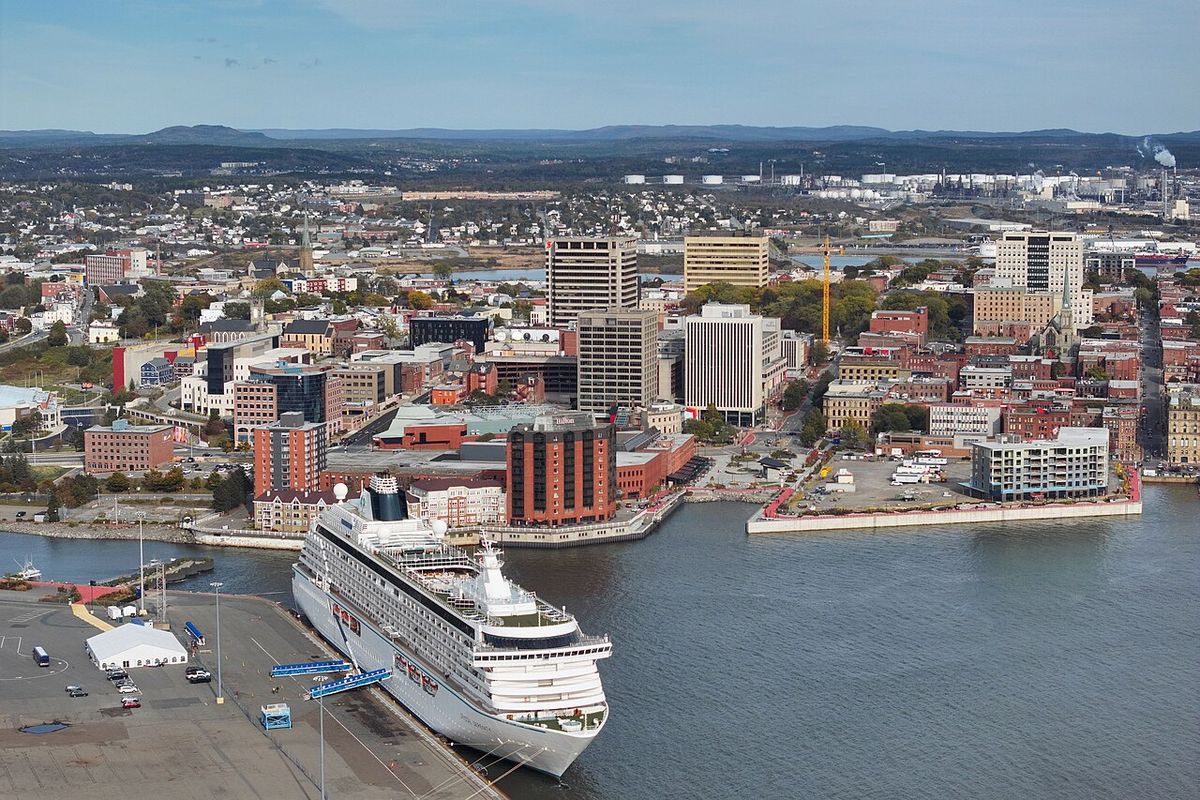
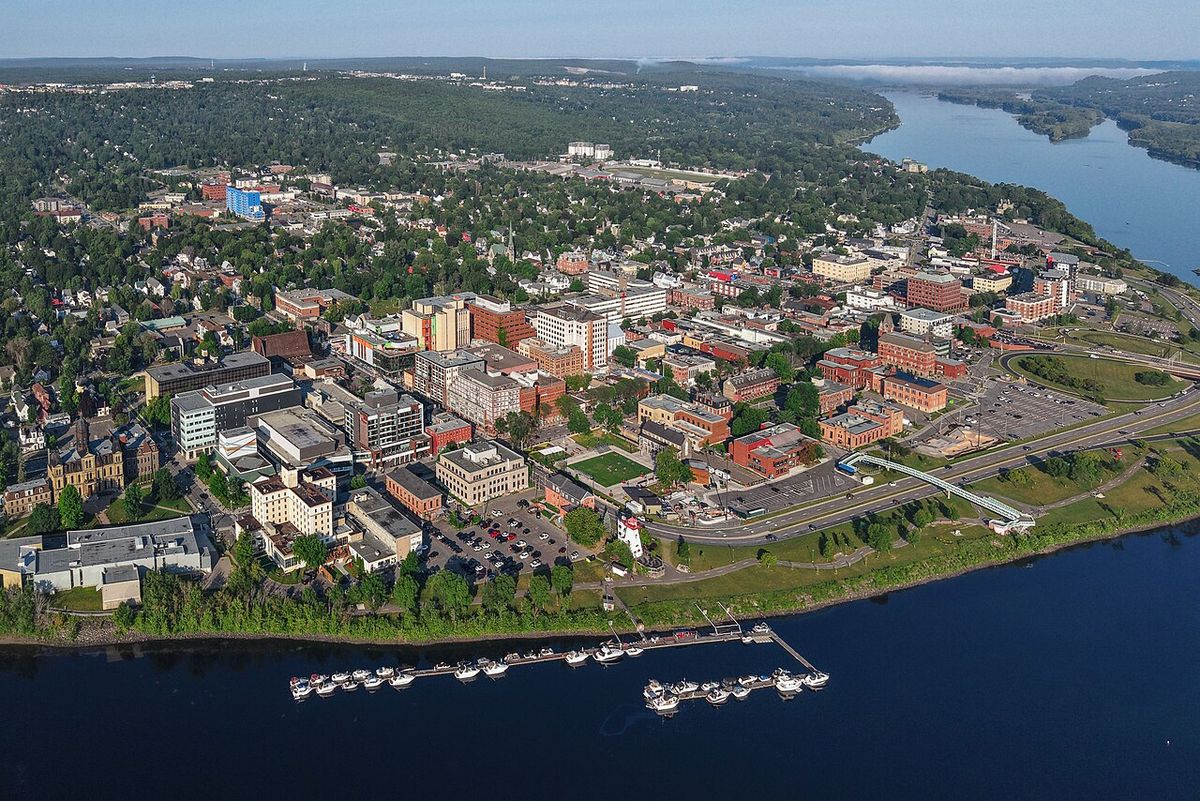
The University of New Brunswick operates two distinct primary campuses, each with its own character and history. The original and larger campus is in Fredericton, situated on a hill overlooking the Saint John River and known for its Georgian red-brick buildings and steep terrain. It shares the College Hill neighbourhood with St. Thomas University, though the institutions remain separate. The Saint John campus is located in the Millidgeville area's Tucker Park, offering views of the Kennebecasis River and situated adjacent to the Saint John Regional Hospital. This campus is more compact and modern, closely integrated with the city's healthcare and community infrastructure.
The Fredericton campus features several architecturally and historically significant buildings. Sir Howard Douglas Hall (Old Arts), built in 1827, and the William Brydone Jack Observatory, from 1851, are both designated National Historic Sites of Canada. Architect G. Ernest Fairweather designed key early structures like the Old Civil Engineering Building and the Gymnasium. Memorial Hall, built in 1924 as a science building, serves as a war memorial honouring 35 alumni who died in the First World War. More recent additions include the Brigadier Milton F. Gregg, V.C., Centre for the Study of War and Society, established in 2006, and the large, multi-use Richard J. Currie Center, which opened in 2013.
The Saint John campus has developed significantly since its founding. Its early facilities included Hazen Hall, Ganong Hall, and the Ward Chipman Library, which opened with the Tucker Park site in 1969. Expansion continued with the G. Forbes Elliot Athletics Centre in 1975, the Canada Games Stadium in 1985, and the Thomas J. Condon Student Centre in 1986. The campus transitioned from a commuter school with the 1993 opening of the Sir James Dunn Residence. A landmark building, the Hans W. Klohn Commons, opened in 2011 as one of Atlantic Canada's most environmentally friendly structures, housing the library and academic support services. The Barry and Flora Beckett Residence, a geothermally-heated building with 104 beds, opened in Winter 2021. The former Ward Chipman Library was demolished in 2023 to make way for the new Health and Social Innovation Centre.
Academic Profile and Research Excellence
The University of New Brunswick offers a comprehensive range of academic programmes through fourteen faculties, providing over 75 degrees at the undergraduate and graduate levels. UNB conducts approximately 75 percent of all university research in New Brunswick, demonstrating its central position in the province's innovation ecosystem. The university is home to more than 60 research centres and institutes and holds 14 Canada Research Chairs. Its research spending has a significant economic impact, generating an estimated $32.2 million in added provincial income in the 2013-14 period alone. Between 2004 and 2009, UNB achieved a 77 percent increase in research revenue, the highest growth among comprehensive universities in Canada.
UNB's research partnerships and specializations are globally recognized. The university is a research partner with the NASA Jet Propulsion Laboratory and has developed technology used by Google. It is a global leader in powered prosthetic research and MRI technology development, and hosts one of North America's premier motion analysis labs. UNB is also home to the world's first research centre in dermoskeletics. This research intensity is matched by strong academic rankings. In 2021, UNB received a 5-star rating from the QS World University Rankings, and the 2026 Centre for World University Rankings placed it in the top 5.3 percent of 21,291 universities globally.
The university supports innovation and entrepreneurship, having been named the most entrepreneurial university in Canada at the 2014 Startup Canada Awards. By 2015, UNB had supported the launch of 23 new startup companies. Professional programmes also receive high acclaim. The law school was ranked second nationally for elite firm hiring by Maclean's in 2012 and is consistently ranked among the top five in Canada by Canadian Lawyer Magazine. UNB's commitment to interdisciplinary and community-engaged research is evident in initiatives like the Connect to Care mobile health unit, launched to support individuals experiencing homelessness in Fredericton.
The Faculty of Engineering and Notable Programmes
The Faculty of Engineering is a central part of UNB's identity and reputation, being the first faculty in Canada to offer engineering degrees when it opened in the late 1800s. This historic programme continues to excel, with the Times Higher Education’s 2023 World University Rankings by Subject placing UNB Engineering among the top 250 engineering programmes globally, which represents the top 3 percent of over 7,000 universities worldwide that offer engineering. The faculty's legacy includes educating many of the first Dominion Forest Rangers between 1899 and 1906, when forestry engineering was a rare specialization. The engineering curriculum is continually updated to address modern challenges, with new programmes like the Bachelor of Science in Environmental Engineering on the Saint John campus preparing students to develop sustainable solutions in an era defined by climate change.
Beyond engineering, UNB offers a diverse array of strategic and in-demand programmes across its campuses. The Saint John campus is home to Dalhousie Medicine New Brunswick, an anglophone medical school established in 2010 through a partnership with Dalhousie University and the provincial government, which admits 40 students annually. Other notable programmes include a Bachelor of Science with a major in Applied Coastal Ecology, a Bachelor of Science in Environmental Management, and a research-intensive doctoral programme in Human Movement Science, Sport, Recreation, Health and Wellness. The university also emphasizes data science, promoting it as a tool to solve complex global problems in healthcare, environmental protection, and artificial intelligence.
- Faculty of Engineering: Canada's first engineering programme, ranked in global top 250.
- Dalhousie Medicine New Brunswick: Anglophone medical school on UNB Saint John campus, admits 40 students yearly.
- Bachelor of Science in Environmental Engineering: First fourth-year engineering degree offered on the Saint John campus.
- Bachelor of Science, Applied Coastal Ecology: Focus on climate change and coastal region protection.
- PhD in Human Movement Science: Interdisciplinary research doctoral programme.
- Data Science: Programme focused on solving problems in healthcare, AI, and business.
The University of New Brunswick offers over 75 degrees in fourteen faculties at the undergraduate and graduate levels. It was named the most entrepreneurial university in Canada at the 2014 Startup Canada Awards. The university has two primary campuses in Fredericton and Saint John, New Brunswick. Its total student enrolment was 10,777 between the two principal campuses during the 2024 to 2025 year.
Notable People and Institutional Recognition
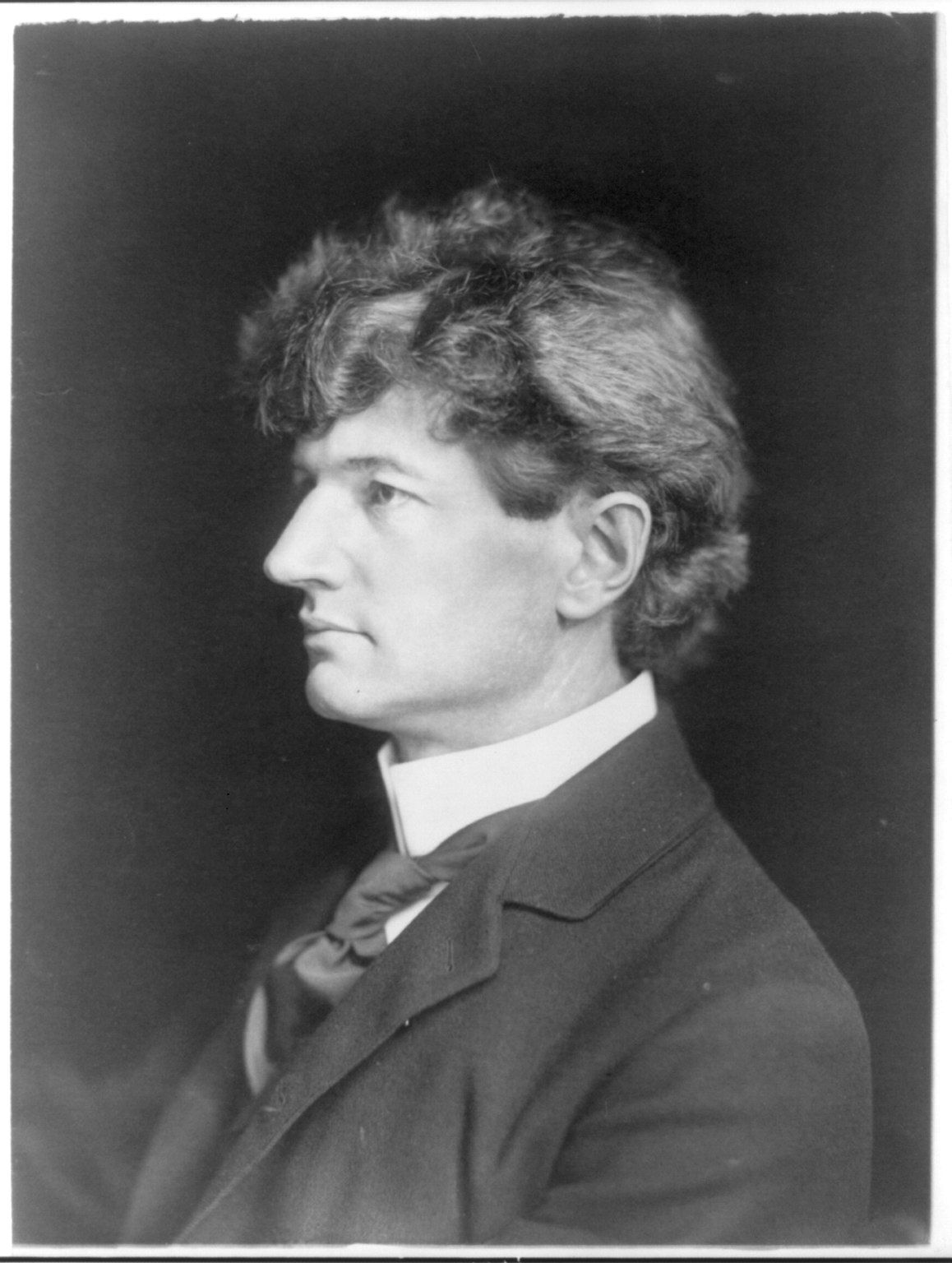
The University of New Brunswick has been shaped and celebrated by a distinguished community of alumni, faculty, and benefactors. Its graduates include three justices of the Supreme Court of Canada: Oswald Smith Crocket, James Wilfred Estey, and Gérard La Forest. In politics, UNB counts numerous federal cabinet ministers, such as Sir John Douglas Hazen and Gerald Merrithew, and Premiers of New Brunswick, including Frank McKenna and the current premier, Blaine Higgs. The arts are strongly represented through the Confederation Poets. Alumni Bliss Carman and Sir Charles G.D. Roberts are central figures in Canadian literary history. The university has also attracted prominent international figures, with both John F. Kennedy and Robert F. Kennedy receiving honorary Doctor of Laws degrees and delivering convocation addresses in 1957 and 1967, respectively.
Many university buildings have received funding from Lord Beaverbrook and other prominent industrialists and philanthropists. The K.C. Irving Hall is a building on the Saint John campus. The university's largest expansion coincided with the baby boom, when its Fredericton campus tripled in size. The Saint John campus expanded over the years with buildings like the Canada Games Stadium in 1985.
UNB's institutional achievements are reflected in consistent national and international rankings. In Maclean's 2023 rankings of comprehensive universities, UNB placed eighth, tied with Toronto Metropolitan University. The university's global standing is affirmed by the Centre for World University Rankings 2026, which placed it in the top 5.3 percent of universities worldwide. Beyond metrics, UNB's impact is demonstrated through initiatives like the newly established Marshall Land Systems research alliance with Welsh universities, exploring defence technology, and the ongoing scholarly work of faculty such as Dr. Kimberly Wilbur, whose interdisciplinary research focuses on improving care for vulnerable populations.
Student Life and Community Engagement
Student life at the University of New Brunswick is enriched by the distinct environments of its two campuses and a strong tradition of community involvement. The Fredericton campus, with its historic setting and shared hill with St. Thomas University, offers a classic university atmosphere, while the Saint John campus provides a more intimate, integrated experience with the city's healthcare and innovation sectors. These events highlight the diversity of the student body, with graduates hailing from across Canada and the international community. The university actively fosters connections between campus life and the wider community through research and service initiatives. The Connect to Care project, led by nursing researcher Dr. Ali McGill, operates a mobile health unit in Fredericton to improve access to primary care, mental health services, and social supports for people experiencing homelessness. Academically, students engage in community-focused learning, such as through film courses that challenge education graduates to explore storytelling and power dynamics. Athletics and recreation are also central, with facilities like the Canada Games Stadium in Saint John and the Richard J. Currie Center in Fredericton supporting varsity sports, intramurals, and student wellness.
UNB supports its students through comprehensive services, including academic help centres housed in the Hans W. Klohn Commons, such as the Writing Centre and Math and Science Help Centre. For international students, the Saint John campus offers an English for Academic Purposes program to aid in language transition. The university's commitment to truth and reconciliation is reflected in events like the annual National Day for Truth and Reconciliation ceremony on the Saint John campus. UNB cultivates an entrepreneurial spirit, providing support for student startups and celebrating unconventional paths to success, reinforcing its identity as an institution that values diverse experiences and contributions to society.
Governance and Leadership
The governance of the University of New Brunswick is structured through a bicameral system established in the 20th century, comprising a Board of Governors and a Senate. The Board of Governors is responsible for financial policy, property, and business affairs, while the Senate has authority over academic programmes, courses, and standards. The UNB Act of 1968 refined this model to increase faculty representation, mandating that the majority of the Senate be elected faculty members. The president and vice-chancellor serves as the chief executive officer and chairs both governing bodies, providing a link between academic and financial oversight. As of 2026, the university is engaged in a search process to appoint its 20th president and vice-chancellor, following the conclusion of the previous president's term.
The faculty and staff are represented by the Association of University of New Brunswick Teachers (AUNBT), which was founded in 1954. The AUNBT became the certified bargaining agent for all full-time academic staff in 1979 and later achieved certification for contract academic staff in 2008. This association is central to labour relations and advocating for the interests of educators and researchers at the university. The chancellor, a ceremonial role, is currently held by Allison McCain. Institutional leadership has historically involved prominent figures like Chancellor Lord Beaverbrook and President Colin B. Mackay, who were instrumental in key decisions such as the relocation of the Faculty of Law from Saint John to Fredericton in 1959.
| Governing Body | Primary Responsibility | Key Composition |
|---|---|---|
| Board of Governors | Financial policy, property, business affairs | Includes four faculty representatives |
| Senate | Academic policy, programmes, standards | Majority are faculty members elected by peers |
| President and Vice-Chancellor | Chief executive officer, institutional leadership | Chairs both Board and Senate |
| Association of UNB Teachers (AUNBT) | Bargaining agent for academic staff | Represents full-time and contract faculty |
The University of New Brunswick is the oldest English language university in Canada. It has a bicameral system of university government consisting of a senate and a board of governors. The president is appointed by the board to provide institutional leadership. In 1968, the university's governance was reorganized to give faculty members more control of academic affairs.
Questions about University of New Brunswick
What is the University of New Brunswick known for?
The University of New Brunswick is best known as Canada's oldest English-language university, founded in 1785. It is internationally recognized for its Faculty of Engineering, which was the first to offer engineering degrees in Canada and is consistently ranked among the top global programmes. UNB is also a major research university, conducting about 75 percent of all university research in New Brunswick, with strengths in areas like powered prosthetics, MRI technology, and environmental science. The university has a strong entrepreneurial reputation, having been named Canada's most entrepreneurial university in 2014.
Where are UNB's campuses located?
UNB has two primary campuses in New Brunswick. The main and larger campus is in Fredericton, situated on a hill overlooking the Saint John River. The second campus is in the Millidgeville neighbourhood of Saint John, located in Tucker Park next to the Saint John Regional Hospital. UNB operates two small satellite health sciences campuses in Moncton and Bathurst. The Fredericton campus is historic and spacious, while the Saint John campus is more compact and integrated with the city's healthcare and community infrastructure.
How many students attend the University of New Brunswick?
For the 2024 to 2025 academic year, the total student enrolment across the two main campuses was 10,777. The Fredericton campus had 8,536 students, and the Saint John campus had 2,241 students. The university celebrates its graduates through convocation ceremonies each fall. The 2026 Fall ceremonies, for instance, honoured 635 graduates. UNB's student body includes individuals from across Canada and the international community, pursuing over 75 different degree programmes.
What are some of the notable buildings or landmarks at UNB?
The Fredericton campus features two National Historic Sites: Sir Howard Douglas Hall (Old Arts) from 1827 and the William Brydone Jack Observatory from 1851. Other significant buildings include Memorial Hall, a war memorial built in 1924, and the modern Richard J. Currie Center from 2013. On the Saint John campus, the Hans W. Klohn Commons, opened in 2011, is noted as one of Atlantic Canada's most environmentally friendly buildings. The campus also houses the Dalhousie Medicine New Brunswick facility and the Barry and Flora Beckett Residence, a geothermally-heated student residence that opened in 2021.
Who are some famous alumni of the University of New Brunswick?
UNB alumni include prominent figures in law, politics, and the arts. Three Supreme Court of Canada justices are alumni: Oswald Smith Crocket, James Wilfred Estey, and Gérard La Forest. In politics, graduates include former Prime Minister R.B. Bennett, premiers Frank McKenna and Blaine Higgs, and several federal cabinet ministers. The university is also known for its literary alumni, poets Bliss Carman and Sir Charles G.D. Roberts, who were central to the Confederation Poets movement. Other notable graduates encompass a wide range of fields from engineering to entrepreneurship.
What support does UNB offer for international students?
UNB provides several forms of support for international students, including financial aid through entrance scholarships, in-course scholarships, and bursaries. For students who need to improve their English proficiency, the Saint John campus offers an English for Academic Purposes (EAP) program. The university's Co-op program allows international students to gain valuable Canadian work experience through up to four full-time work terms, which enhances employability after graduation. UNB also offers guidance on admission requirements and application processes for its over 100 study options.
Sources and further reading
- University of New Brunswick (Wikipedia)
- UNB News News and stories from one of Canada's top ... (blogs.unb.ca)
- UNB: University of New Brunswick (unb.ca)
- University of New Brunswick (UNB) 2026 (yesstudyvn.com)
Checked by the Your Space Hamilton desk. Last updated 2026-10-24.