Frieda Fraser
Frieda Fraser (30 August 1899, 29 July 1994) was a Canadian physician, scientist and academic who made significant contributions to infectious disease research in the pre-penicillin era. A professor at the University of Toronto for over three decades, she conducted pioneering work on scarlet fever and tuberculosis at the Connaught Laboratories. Her life with partner Edith Williams, a veterinarian, is documented in a major archive of letters that provides a vital record of same-sex relationships in early 20th-century Canada. Fraser's career illustrates the challenges and achievements of women in science and medicine during a period of major change in Canadian history.
Early life and education
Ethel Frida Fraser was born on 30 August 1899 in York, a municipality that later became part of Toronto, Ontario. Her parents were Helene Zahn, a native of Germany, and William Henry Fraser, a lecturer in Italian and Spanish at the University of Toronto. Fraser was home schooled alongside her brothers, William Kaspar and Donald, becoming fluent in German and French. In 1914, she enrolled at Havergal College, a private girls' school in Toronto, and her father died two years later in 1916. Her brother Donald became a strong source of encouragement for her academic pursuits after this event. Fraser entered University College at the University of Toronto in 1917, where she studied physics and biology and joined the Kappa Alpha Theta sorority. It was during her undergraduate years that she met Edith Williams, who would become her life partner. Fraser earned her Bachelor of Arts in 1922 and immediately enrolled in the university's medical school.
Her medical class was the first at the University of Toronto to require a six-year program of study, and it operated under quotas that strictly limited the number of female students. Fraser persevered and earned her Bachelor of Medicine degree in 1925. Facing the widespread reluctance of Canadian hospitals to accept women as interns, she sought opportunities in the United States. In the summer of 1925, she began a two-year internship at the New York Infirmary for Women and Children, an institution founded and staffed by women. This move marked the beginning of her professional journey and a more intense phase of her correspondence with Edith Williams, as their families attempted to keep them apart by sending Williams to England.
Medical training in the United States
Fraser's internship in New York from 1925 to 1926 was primarily in gynaecology and obstetrics, fields that were among the few available to women doctors at the time. Her work involved visiting immigrant patients in the tenement houses of Manhattan's Lower East Side, exposing her to severe poverty and diverse ethnic communities. Her medical perspective during this period was influenced by contemporary eugenics studies, which linked health outcomes to ethnic origin. This experience also convinced her of a critical lack of accessible birth control information for both physicians and patients, leading her to seek knowledge from non-medical sources and become an early advocate. The predominantly female environment of the New York Infirmary, where she lived on-site, contrasted sharply with her next posting in Philadelphia.
After a brief visit to Toronto, Fraser moved to Philadelphia in January 1927 for post-doctoral training in bacteriology under Muriel McPhedran at the Phipps Institute for the Study, Treatment and Prevention of Tuberculosis. In Philadelphia, she lived in her own apartment and often struggled for professional acceptance in a less supportive environment. In March 1927, she was offered a research position at the Connaught Laboratories in Toronto, where her brother Donald worked. Accepting this position, which was to begin in October 1927, meant she would not be joining Edith Williams in England as they had hoped. This decision cemented her commitment to a career in medical research in Canada over clinical practice or life abroad.
Research career at Connaught Laboratories and University of Toronto
Frieda Fraser returned to Toronto in 1928 to begin her research at the Connaught Laboratories, a facility dedicated to vaccine development. Simultaneously, she started her academic career as a demonstrator in the Department of Hygiene and Preventive Medicine at the University of Toronto, becoming a founding faculty member of the university's new School of Hygiene. She obtained her medical licence in 1931 after passing her examinations. Her academic rank progressed steadily from part-time lecturer in 1933 to full-time lecturer in 1934, then to assistant professor, associate professor, and finally full professor. In 1955, she was appointed a professor of microbiology, a position she held until her retirement in 1965.
Fraser's research focused on infectious diseases, particularly scarlet fever, septic sore throat, puerperal fever, and tuberculosis. In the early 1930s, alongside Dr. Helen Plummer, she worked to isolate the precipitin in strains of streptococci most likely to cause disease. This work was crucial for developing antitoxins for immunization before antibiotics were available. The process involved isolating the disease-causing bacteria, injecting small doses of its toxin into horses to build immunity, and then using the antibody-rich serum from the horses to treat humans. Her 1941 typing of scarlet fever streptococci was a significant breakthrough for tracking the disease's epidemiology. Even after sulfonamide drugs and later penicillin reduced the need for scarlet fever immunizations, Fraser adapted her research.
Her later work expanded into studying the effects of new antibiotics like bacitracin, polymixin, and subtilin on various pathogens. She investigated preparations of penicillin for use against the tubercular bacillus and as a treatment for gonorrhoea. Fraser also pursued the development of an antigen for tuberculosis. Throughout her tenure, she taught preventive medicine to students pursuing Bachelor of Science or nursing degrees, influencing a generation of healthcare professionals.
Life with Edith Williams
Frieda Fraser and Edith Williams, whom she met around 1917, maintained a lifelong partnership despite familial opposition. After Fraser returned to Toronto in 1928, they lived separately, with Fraser residing with her brother and Williams with her mother, as both felt obligated to care for their families. Economic realities and lower pay for professional women also made independent cohabitation difficult. When Williams inherited a farm near Aurora, Ontario, they saw it as a potential shared home, but plans were delayed when Williams was initially denied entry to the Ontario School of Agriculture. For years, they lived within a 30-minute walk of each other in Toronto. Williams was finally accepted into the Ontario Veterinary College in 1937, graduating in 1941 to begin her practice as a veterinarian.
The couple's life together entered a new phase after the death of Fraser's mother in 1937. For the first time, they established a shared home in Toronto. During the Second World War, they took in a foster child, Jenny Rodd, a war refugee from England who stayed with them until the war ended. Rising homophobia in the postwar era and into the 1950s and 1960s compelled them to conceal the intimate nature of their relationship from their ward and present an ambiguous front to society. Their social circle became intentionally limited to close, trusted friends. In 1959, they purchased a house together on Burlington Crescent in Toronto, near Williams's veterinary clinic, where they lived until retirement.
Key aspects of their shared life and partnership include: Meeting and early relationship (c. 1917): Met at University of Toronto and began a lifelong partnership. Long separation (1925 to 1941): Maintained relationship through extensive correspondence while living in different countries and cities. Foster care (WWII years): Cared for English war refugee Jenny Rodd. Toronto home (1959 to 1965): Purchased and lived together at Burlington Crescent. Retirement in Burlington (1965 onward): Moved to the Fraser family farm house on the Niagara Escarpment. Williams's illness and death (1976 to 1979): Williams suffered a severe stroke in 1976 and died in 1979 after additional strokes.
Both women enjoyed an active outdoor life, with Williams being an avid mountain climber and Fraser a dedicated gardener. Their archives contain numerous photographs taken with groups of women on camping and canoe trips. After Williams suffered a severe stroke in 1976 and died in 1979, Fraser returned to their home in Burlington. She remained there until three weeks before her own death, when her family placed her in a nursing home in Burlington, Ontario.
Archival legacy and personal identity
The personal and professional papers of Frieda Fraser and Edith Williams were donated by Fraser's family to the University of Toronto Archives. The collection is particularly notable for containing nearly one thousand letters exchanged between the two women from 1925 to 1941, the period when they were often living apart. Until 2001, this archive was closed and required family permission for access. Scholars now recognize it as one of the largest known collections detailing women's same-sex relationships in early 20th-century North America, offering invaluable insights into the construction of sexual identity outside of modern terminology.
In their letters, Fraser and Williams did not use the term "lesbian," though they were aware of it. Rejecting contemporary cultural norms that pathologized same-sex attraction, they instead referred to themselves as "devoted women." This phrase allowed them to define their partnership as a conscious, moral choice distinct from depictions of depravity. Their correspondence served as a private space to create and affirm their relationship, frankly discussing other same-sex couples and evaluating their own attractions. Both women dismissed Freudian and other pseudo-scientific theories that posited a universal heterosexual drive, believing instead that their attraction was an innate biological fact, not a result of lifestyle or psychological maladjustment.
During her lifetime, Fraser became a benefactor to Canadian artist Frances M. Gage, agreeing to finance Gage for two years of her education at the Art Students League of New York. Gage had worked in Williams' veterinary clinic and her potential sculptural talent came recommended through mutual friends Frances Loring and Florence Wyle. This patronage demonstrates Fraser's support for the arts. Her family later donated the couple's papers, including their extensive correspondence, to the University of Toronto archives.
Later years, death, and recognition
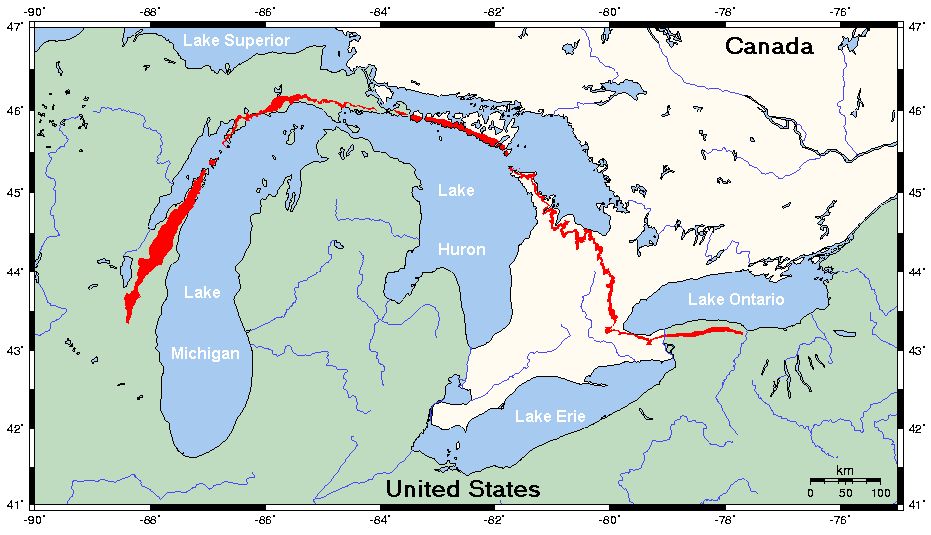
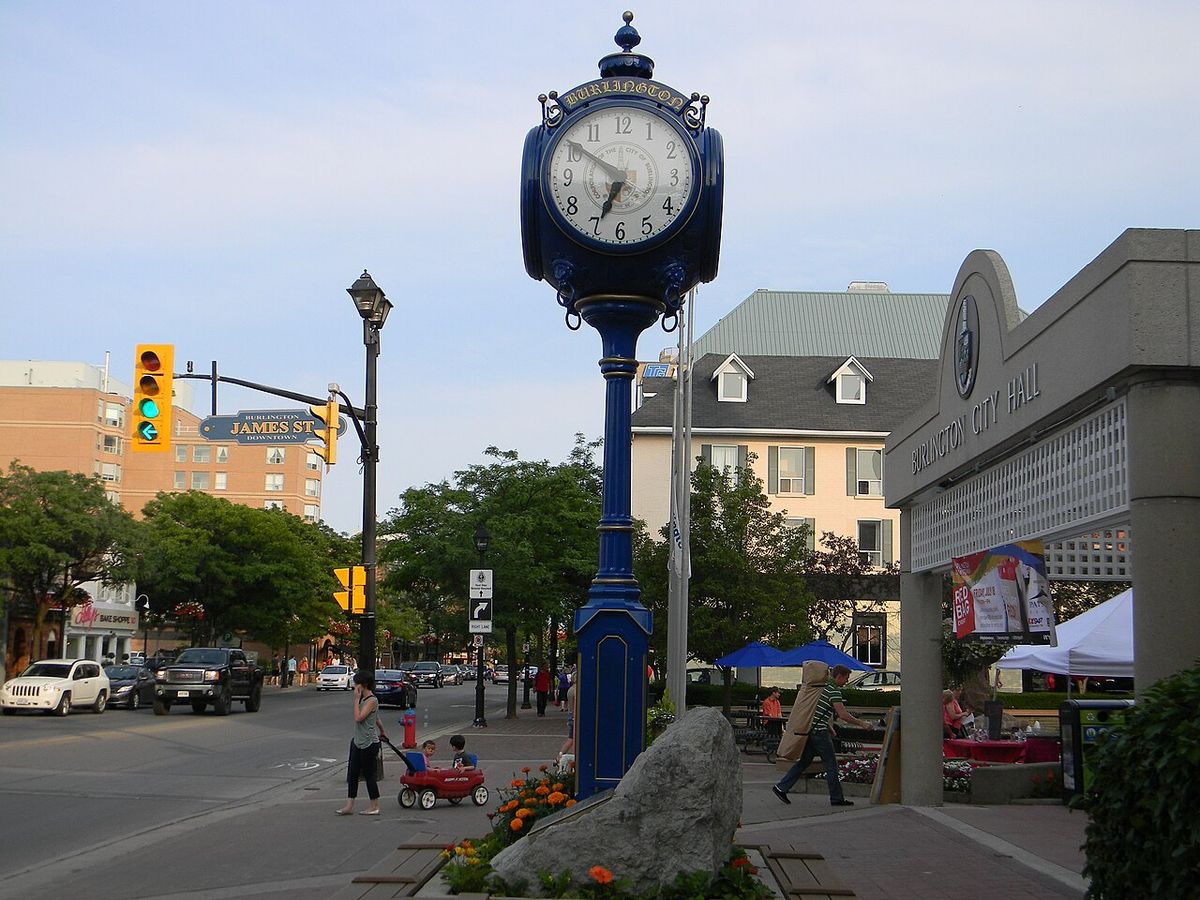
Frieda Fraser and Edith Williams retired together in 1965. They sold their Toronto home and moved permanently to the Fraser family farm house in Burlington, Ontario, located on the scenic Niagara Escarpment near the Bruce Trail. There, Fraser tended to the garden while Williams, a skilled cook, hosted frequent guests. Their retirement was active, filled with outdoor excursions, mountaineering, and socializing with close friends. This period ended when Williams suffered a severe stroke near the end of 1976. Fraser drove daily from Burlington to visit Williams during her repeated hospitalizations at Queen Elizabeth Hospital in Toronto. Edith Williams died in 1979 after a series of additional strokes. She died on 29 July 1994 in a nursing home in Burlington. Her legacy is preserved through her scientific contributions to immunology and bacteriology, and through the extensive archival record of her life with Edith Williams. The Fraser-Williams letters provide a rare and detailed window into the experiences of a professional same-sex couple during the social constraints of mid-20th century Canada, making them a critical resource for historians of medicine, women's studies, and LGBTQ+ history in Canada.
Key research contributions and academic timeline
Frieda Fraser's scientific work was characterized by its focus on practical immunology and its adaptation to the advent of antibiotic medicine. Her career can be charted through key appointments and research milestones that reflect the evolution of infectious disease treatment in Canada. Her research on scarlet fever was particularly impactful in the pre-antibiotic era, contributing directly to the development of antitoxin therapies. The shift in her work after 1947 to studying antibiotics like penicillin demonstrates how she and her colleagues at Connaught Laboratories adapted to revolutionary changes in medicine. Her enduring contribution to academia was through her teaching, where she educated future scientists and nurses in the principles of preventive medicine and microbiology for over three decades.
| Year | Professional Milestone | Research Focus |
|---|---|---|
| 1925 | Earns M.B. from University of Toronto | Begins internship in New York |
| 1927 | Post-doctoral training in Philadelphia | Specializes in bacteriology and tuberculosis |
| 1928 | Joins Connaught Laboratories. Becomes demonstrator at U of T | Infectious disease research |
| Early 1930s | Lecturer in Department of Hygiene | Isolates scarlet fever streptococci strains with Helen Plummer |
| 1941 | Promoted within academic ranks | Types scarlet fever streptococci for epidemiological tracking |
| Post-1947 | Shifts research focus | Studies antibiotics (penicillin, bacitracin) against TB and gonorrhoea |
| 1949 | Becomes full professor | Teaches preventive medicine |
| 1955 | Appointed Professor of Microbiology | Leads department until retirement |
Questions about Frieda Fraser
What was Frieda Fraser's most important scientific contribution?
Frieda Fraser's most important scientific contribution was her research on infectious diseases like scarlet fever and tuberculosis in the pre-penicillin age. Along with Dr. Helen Plummer, she isolated the precipitin present in the strains of streptococci likely to lead to disease, which was crucial for developing antitoxins for immunization. Her 1941 typing of the streptococci of scarlet fever was an important breakthrough for tracking the disease's epidemiology. She also conducted significant research on antibiotics like penicillin after 1947.
Where did Frieda Fraser work?
Fraser spent almost her entire career in Toronto. After her internships in the United States, she returned to Canada in 1928 to work as a researcher at the Connaught Laboratories, a major centre for vaccine development. Simultaneously, she began a long academic career at the University of Toronto, starting as a demonstrator and rising to become a full professor and head of microbiology. She was a founding faculty member of the university's School of Hygiene and taught there until her retirement in 1965.
Who was Edith Williams?
Edith Williams was Frieda Fraser's life partner. They met as students at the University of Toronto around 1917. Williams became a veterinarian, graduating from the Ontario Veterinary College in 1941 and running her own practice in Toronto. She and Fraser shared a life for over six decades, living together in Toronto and later retiring to a farm in Burlington, Ontario. Their extensive correspondence forms a major archival collection that documents their personal and professional lives.
Where can I learn more about Frieda Fraser's life?
The primary source for learning about Frieda Fraser is the Fraser Family archival collection held at the University of Toronto Archives and Records Management Services. This collection includes her professional papers, personal documents, and the complete correspondence with Edith Williams. While access was initially restricted, the archive is now an essential resource for researchers. Her life and work are also documented in academic histories of medicine, women in science, and LGBTQ+ history in Canada.
Why are Frieda Fraser's letters important to Canadian history?
Frieda Fraser's letters are important to Canadian history because they form one of the largest known collections detailing the experiences of women's same-sex sexuality in early twentieth century North America. The nearly one thousand letters exchanged with her life partner, Edith Williams, from 1925 to 1941 provide a vital primary source for lesbian history. The collection is a unique archive for studying how sexual identity was developed and acknowledged in that era. The two women used their letters to create and define their relationship, frankly discussing their attraction and other same-sex partnerships. They referred to themselves as "devoted women" to distinguish their partnership from the negative cultural depictions of the time. This archive is an important legacy for understanding the historical context of same-sex relationships in Canada.
When and where did Frieda Fraser die?
Frieda Fraser died on 29 July 1994 in a nursing home in Burlington, Ontario. She moved to the nursing home only three weeks before her death. Prior to that, she had lived at the Fraser family farm in Burlington, Ontario, where she and Edith Williams retired in 1965. After Williams suffered a severe stroke in 1976 and died in 1979, Fraser continued to live at the farmhouse. The farm was located on the Niagara Escarpment near the Bruce Trail.
Sources: Wikipedia and current public reporting, checked by the Your Space Hamilton desk. Last updated 2026-10-28.