Sarnia
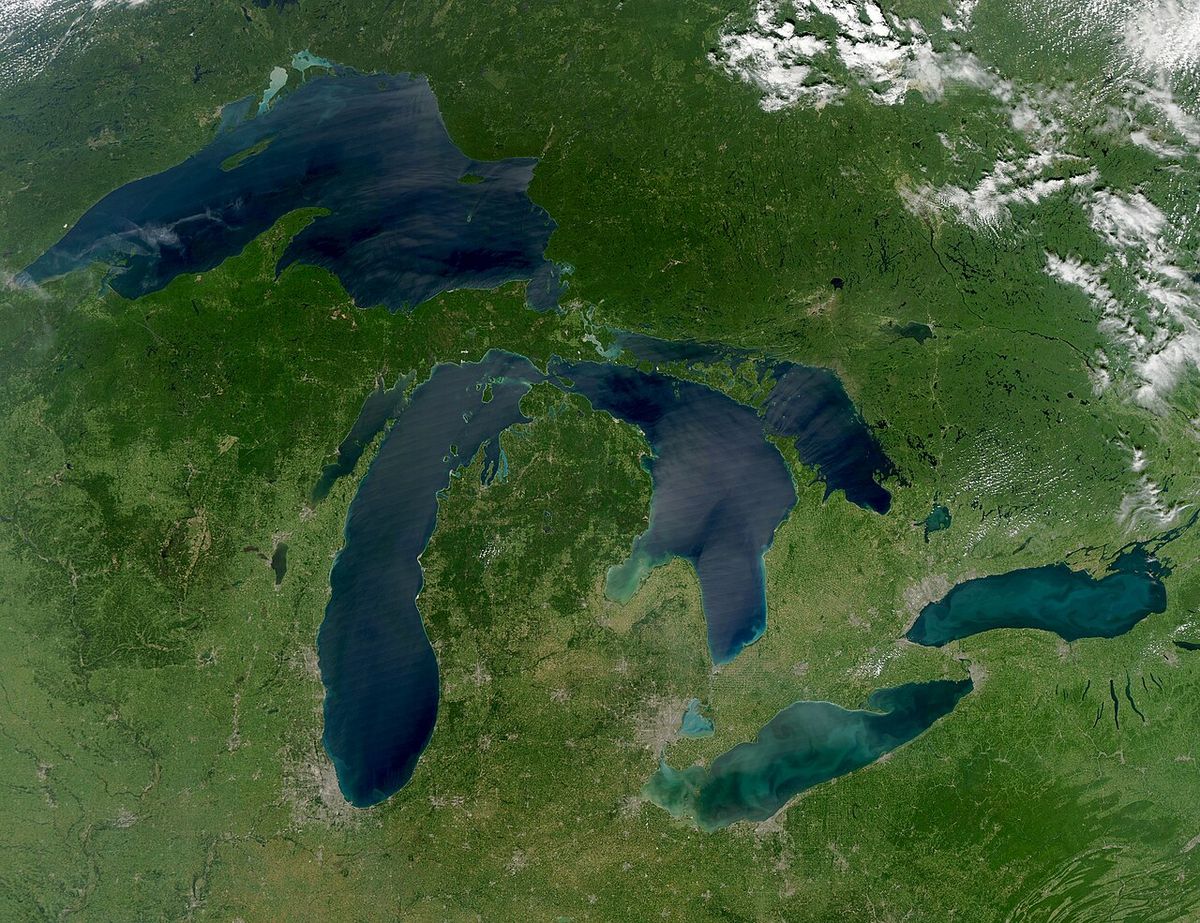
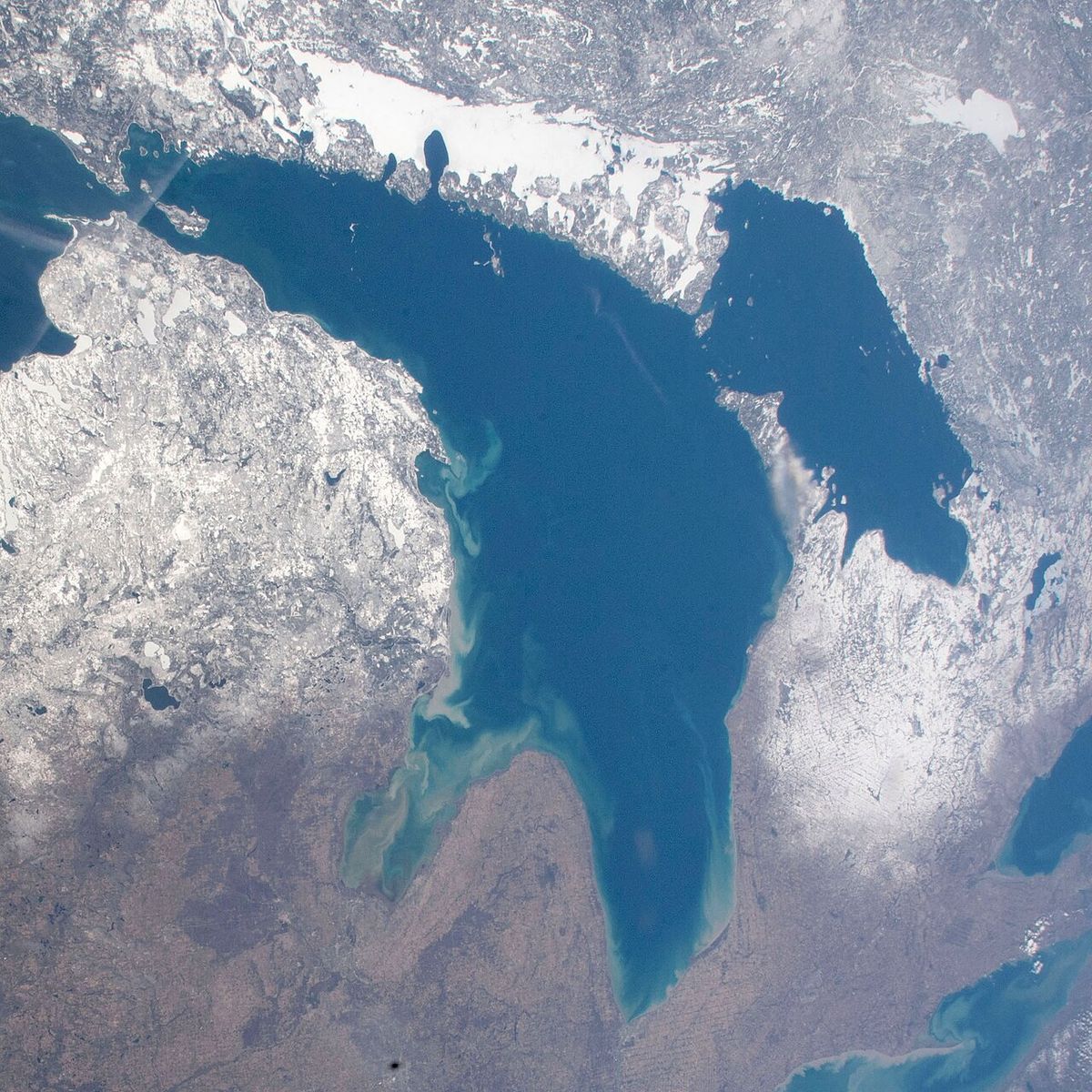
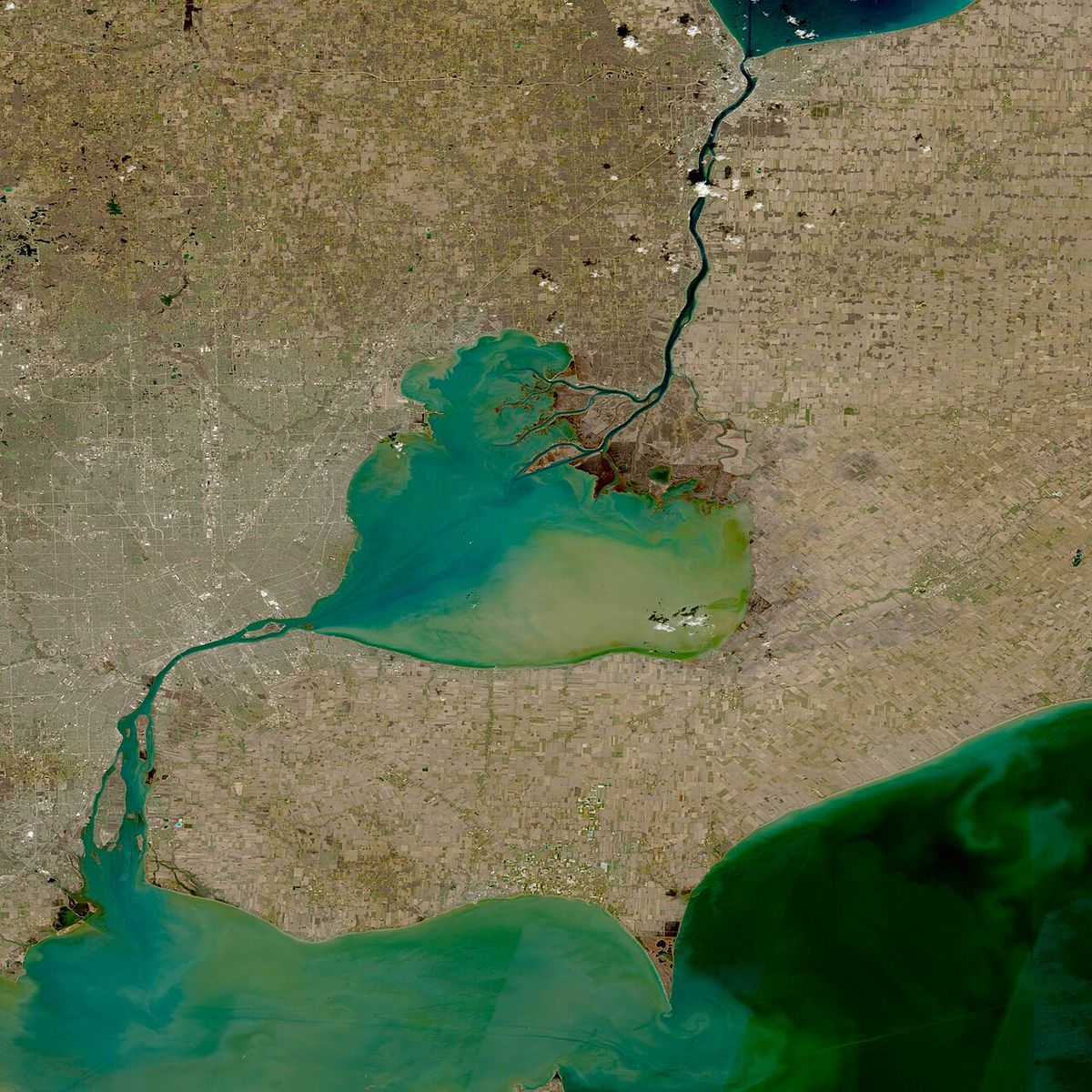
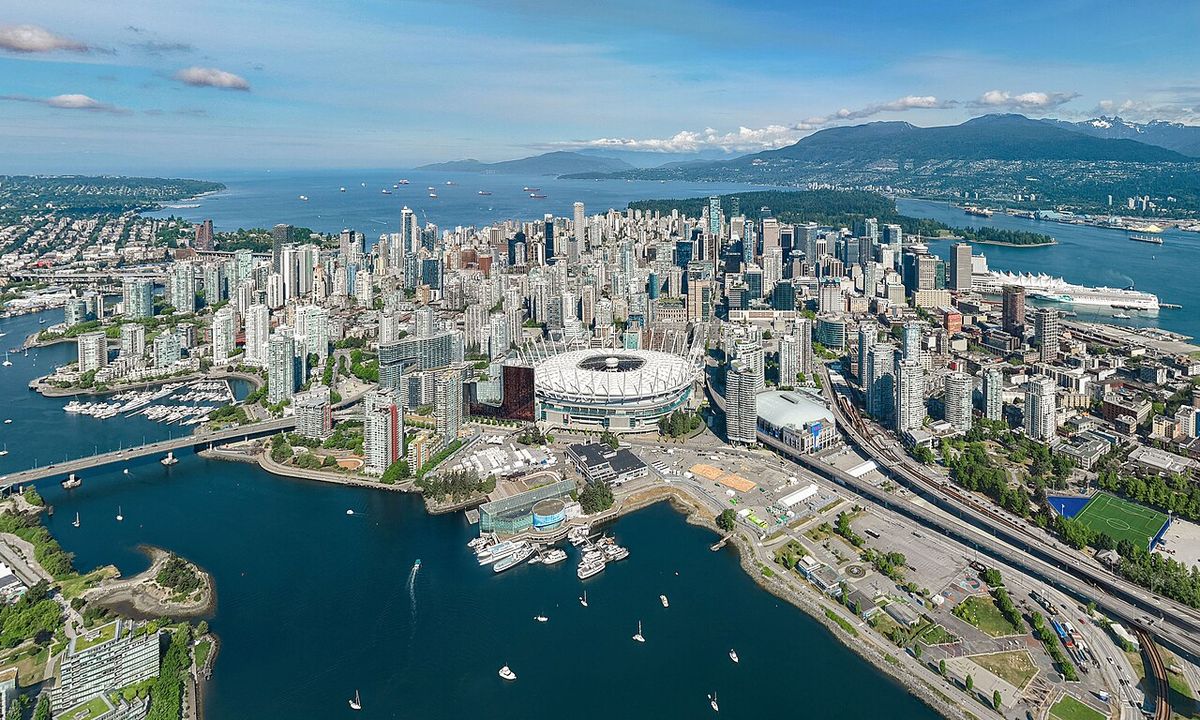
Sarnia is a city in Lambton County, Ontario, Canada, and the largest urban centre on the shores of Lake Huron. Located on the eastern bank where Lake Huron flows into the St. Clair River, it sits directly across from Port Huron, Michigan, forming a key part of the Canada-United States border region. The city's deep natural harbour and historical ties to the petroleum and petrochemical industries have shaped its identity as a major centre for refining, manufacturing, and Great Lakes shipping. With a 2021 population of 72,047, Sarnia is a community defined by its industrial heritage, its evolving economic diversification, and its significant role in southwestern Ontario.
History and Naming
The site that became Sarnia was first noted by European explorers in 1679, when French explorer La Salle and his men pulled his barque Le Griffon north against the current of the St. Clair River, marking the first large vessel to sail into Lake Huron. The first permanent European settlers were ethnic French fur traders from Detroit who arrived between 1807 and 1810, establishing farms and attracting further settlement. The area was surveyed in 1829, followed by a wave of Scottish immigrants in the early 1830s who became the dominant English-speaking group. The settlement was initially known as "The Rapids," but villagers sought a new name in the 1830s, with English settlers favouring "Buenos Aires" and Scots favouring "New Glasgow." In 1835, Lieutenant Governor Sir John Colborne, a former governor of Guernsey, suggested Port Sarnia, with Sarnia being the Latin name for Guernsey. The name was formally adopted by a vote of 26 to 16 on 4 January 1836.
Port Sarnia grew throughout the 19th century, driven by the lumber industry and virgin timber wealth. Parliament passed An Act to Incorporate the Town of Sarnia on 19 June 1856, and the name was officially changed from Port Sarnia to Sarnia, effective 1 January 1857. The town's growth accelerated with the 1858 discovery of oil in nearby Oil Springs by James Miller Williams and the arrival of the Great Western Railway in 1858 and the Grand Trunk Railway in 1859. A major engineering milestone was achieved in 1890 with the opening of the Grand Trunk Railway's St. Clair Tunnel under the river, the first railroad tunnel ever constructed under a river. On 7 May 1914, Sarnia officially became a city, adopting the nickname "The Imperial City" to mark the visit of Canada's Governor General, the Duke of Connaught. The discovery of oil in nearby Oil Springs in 1858 also stimulated growth. The opening of the St. Clair Tunnel under the river in 1890 created the first railroad tunnel under a river and linked rail lines directly to the United States. The establishment of Polymer Corporation for synthetic rubber production during World War II further enhanced Sarnia's industrial prominence.
- 1679: French explorer La Salle travels the St. Clair River rapids.
- 1807 to 1810: First permanent European settlers arrive from Detroit.
- 1836: Name Port Sarnia is formally adopted.
- 1857: Incorporated as the Town of Sarnia.
- 1858: Oil discovered in nearby Oil Springs.
- 1890: St. Clair Tunnel, the first underwater rail tunnel, opens.
- 1914: Incorporated as the City of Sarnia.
- 1991: Amalgamated with Clearwater to form Sarnia-Clearwater.
- 1992: Reverted to the name Sarnia.
Geography and Climate
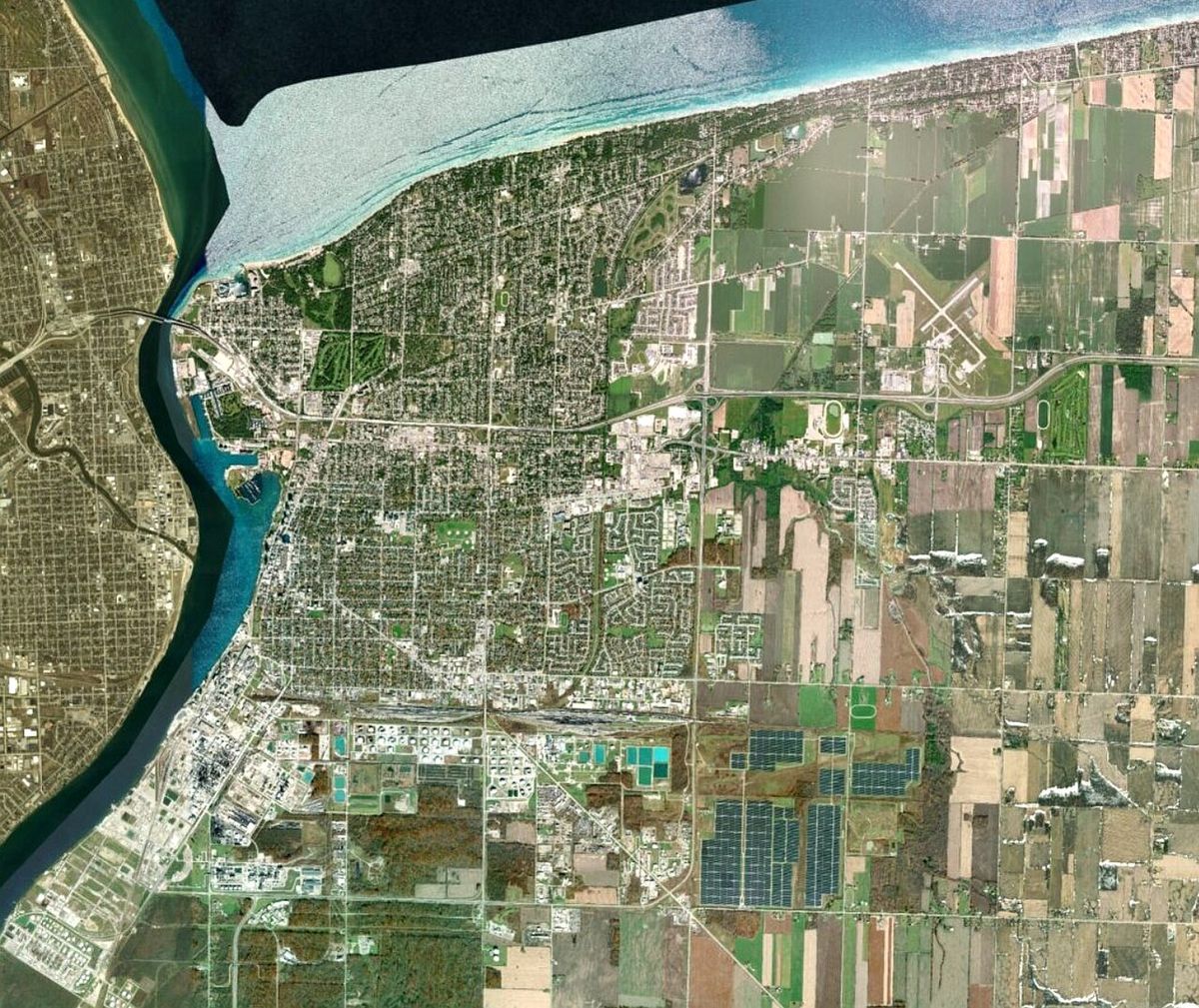
Sarnia is situated on the eastern shore of Lake Huron at its extreme southern point, where the lake flows into the St. Clair River. The surrounding terrain is predominantly flat, with elevations ranging from 169 to 281 metres above sea level, and the soil is notably rich clay suitable for cultivation. The city's long shoreline on Lake Huron has a significant moderating effect on its humid continental climate, making temperature extremes less severe than in inland areas. Winters are cold but feature fewer extreme cold days, with daily lows below -10°C occurring an average of 29 days per year and below -20°C only two days per year. The city occasionally experiences lake-effect snow from Arctic air crossing the warmer lake waters.
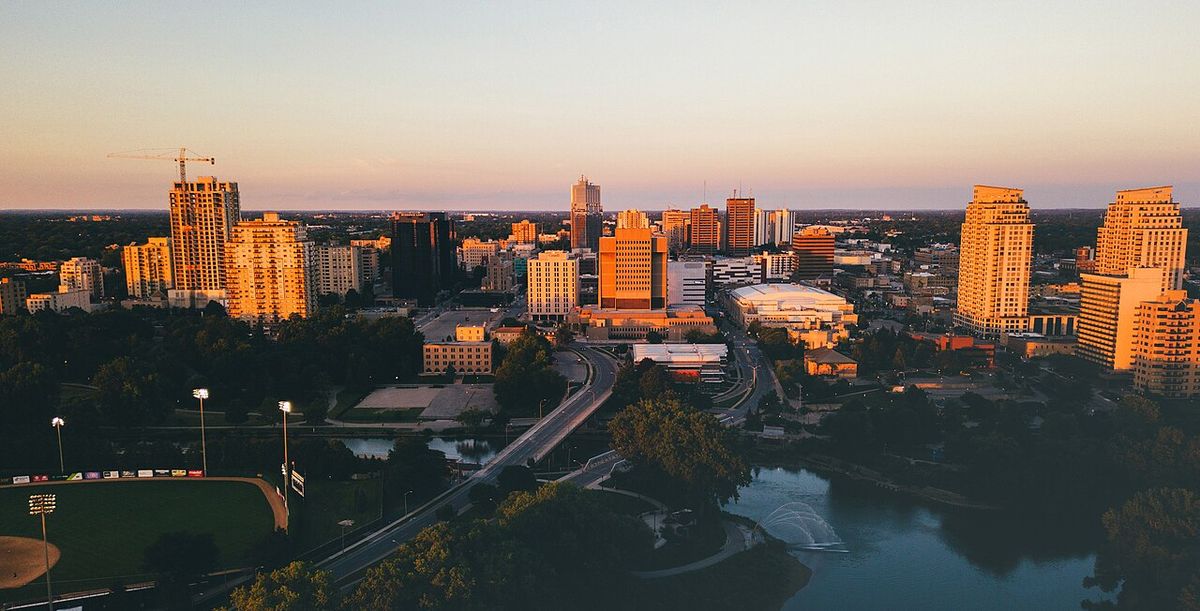
Summers in Sarnia are warm and humid, with the city ranking second in Canada for the number of high humidex days at or above 35°C, averaging 23.16 days per year. Thunderstorms are frequent from April to September and can occasionally become severe. The moderating lake also causes a seasonal lag, leading to a milder period following summer and a delay in the first fall frost, while cooler temperatures tend to persist longer into spring and early summer. Sarnia receives an average of 112.0 cm of snow annually, significantly less than inland cities like London, Ontario. The city is organized into various neighbourhoods, with the North End area beginning north of Highway 402 and communities like Bright's Grove and Huron Heights along the northeastern Lake Huron shore.
Demographics
According to the 2021 Census of Population, Sarnia had a population of 72,047, a slight increase of 0.6% from 71,594 in 2016. The population density was 439.6 persons per square kilometre across a land area of 163.9 square kilometres. The city's demographic profile shows an aging population, with a median age of 46.0, which is higher than the Canadian median of 41.6. The 2021 census reported that 86.2% of the population identified as White, 8.3% as visible minorities, and 5.5% as Indigenous. The largest visible minority groups were South Asian (2.7%), Black (1.6%), and Latin American (0.9%). In terms of language, 87.5% of residents reported English as their mother tongue, 2.2% reported French, and 3.4% reported another language.
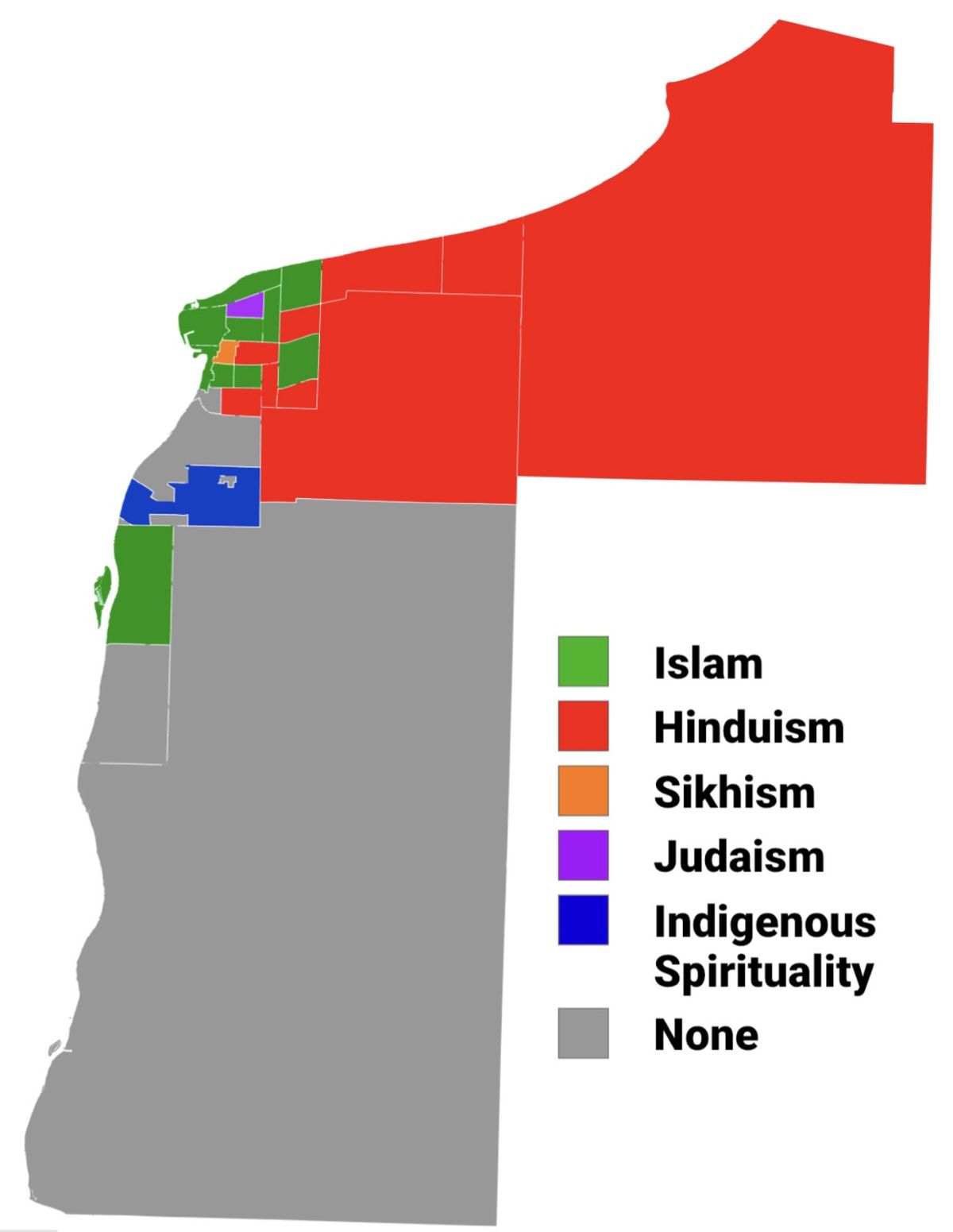
Religious affiliation in Sarnia has shifted significantly, with 56.8% of residents identifying as Christian in 2021, down from 69.5% in 2011. Catholics comprised 25.2% of the population, Protestants 21.1%, and unspecified Christians 6.6%. The proportion of residents with no religious affiliation or secular views rose to 39.5%, up from 27.9% in 2011. The largest non-Christian religions were Islam (1.2%) and Hinduism (1.1%). Economically, the median income for all persons aged 15 and older in 2015 was $33,833, while the median family income was $86,654. The 2021 median house price in Sarnia was $430,000, substantially lower than the Ontario provincial average of $887,290.
Economy and Chemical Valley
Sarnia's economy has long been dominated by the petrochemical and refining industries, centred in an area known as Chemical Valley south of downtown. The industry's roots date to 1858 with oil discovery in Oil Springs and were solidified during World War II when Polymer Corporation was established to produce synthetic rubber. Large pipelines transport Alberta oil to Sarnia, where major companies like Shell Canada, Imperial Oil, and Suncor Energy operate refineries. The presence of extensive underground salt beds also provided key ingredients for chemical production. Chemical Valley is home to 62 facilities and refineries, directly employing nearly 8,000 people and supporting an additional 45,000 area jobs. In 1971, the economic importance of this sector was nationally recognized when an image of a Sarnia oil refinery was printed on the reverse of the Canadian ten-dollar bill.
The industrial complex has also been a source of significant environmental challenges. In 2011, Sarnia had the highest level of particulate air pollution of any Canadian city, though it has since improved to rank 30th. Approximately 45% of particulate matter originates from local industries, with the remainder drifting as transboundary air pollution from the United States. The Canada Wide Daily Standard for airborne particulate matter (PM2.5) is 30 micrograms per cubic metre. Beyond traditional petrochemicals, Sarnia's economy is diversifying into bio-industries and renewable energy. The Sarnia Photovoltaic Power Plant, operated by Enbridge, was the world's largest photovoltaic solar facility when it reached 97 MW output in 2010. The Western University Research Park, Sarnia-Lambton Campus, established in 2003, houses the Bioindustrial Innovation Centre, focusing on industrial biotechnology commercialization.
Major industrial and energy companies operating in Sarnia include Shell Canada, Imperial Oil, and Suncor Energy which operate refineries. Chemical companies such as NOVA Chemicals, Bayer, Cabot Corporation, and Ethyl Corporation also operate there. TransAlta Energy Corporation runs the largest natural gas co-generation plant in Canada on a former Dow Chemical site. Lanxess produces butyl rubber at its Sarnia location.
- Shell Canada: Operates a major oil refinery.
- Imperial Oil: Operates a refinery and petrochemical facilities.
- Suncor Energy (Sunoco): Operates a refinery in the region.
- NOVA Chemicals: A major chemical manufacturer.
- Lanxess: Produces over 150,000 tonnes of butyl rubber annually, including food-grade rubber for chewing gum.
- TransAlta Energy Corporation: Operates Canada's largest natural gas co-generation plant on the former Dow Chemical site.
- Enbridge: Operates the Sarnia Photovoltaic Power Plant.
Transportation and Infrastructure
Sarnia's location on the St. Clair River places it at the heart of one of the world's busiest shipping corridors. Lake freighters and oceangoing ships, known as "salties," pass at a rate of about one every seven minutes during the shipping season. The city's port features a large grain elevator, built in 1927 and ranked as the 15th-largest operating in Canada in the early 21st century, handling significant cargoes of grain and petroleum products. Road access is provided by Ontario Highway 402, which runs east-west through the city. Sarnia Transit provides local public transportation and has announced initiatives like free service on municipal election day and an annual Halloween bus tour. The city's infrastructure also supports a growing focus on active transportation, with trails like the Howard Watson Nature Trail and the Suncor Energy Foundation Nature Way being key community assets. The original St. Clair railroad tunnel, an engineering marvel of its time, has been sealed following the opening of the new tunnel. This integrated network of marine, rail, and road transport continues to support Sarnia's role as a vital logistics and industrial hub for southwestern Ontario and international trade.
Municipal Governance and 2026 Election
Sarnia is governed by a mayor and city council, with municipal elections held every four years. The next scheduled election is set for Monday, 26 October 2026, with in-person voting taking place from 10 a.m. to 8 p.m. at nine voting places across the community. The city also offers internet voting, which opens in advance and closes at 8 p.m. on election day. Sarnia Transit will provide free service on 26 October 2026 to assist voters in accessing polling stations. Unofficial results will be reported on a poll-by-poll basis after the polls close. The election process includes opportunities for advance voting and public engagement, such as candidate debates and community events organized by groups like nuSarnia, which hosts pop-up conversations to gather resident priorities.
Community engagement for the 2026 election has been active, with events scheduled throughout September and October 2026. These include a candidates' meet-and-greet at Lambton Mall on 3 October, a downtown market event on 2 October, and a pop-up on the Midtown Trail on 24 October. Priorities identified by residents through these engagements have included parks and public spaces, tourism and events, and housing. City council meetings are held regularly and are live-streamed for public viewing, such as the meeting scheduled for 1 p.m. on Monday, 22 June 2026. The municipal government's decisions directly affect local neighbourhoods, housing, transportation, parks, and the overall quality of life in Sarnia, making civic participation a key focus for community organizations and residents alike.
Recent Developments and Community Life
In recent years, Sarnia has faced economic and social challenges, including plant shutdowns in the petrochemical sector that have led to job losses and contributed to population fluctuations. A 2011 study projected a 17% population decline over 25 years, prompting economic restructuring plans focused on hybrid zoning and bringing work closer to neighbourhoods. The city and Lambton County have implemented an economic development plan emphasizing bio-industries and renewable energy. From 2020 to 2022, Sarnia experienced an increase in its homicide rate, with eight homicides reported in that period compared to one from 2016 to 2019, which local reports linked to drug-related issues and a lack of opportunities for youth.
Community life in Sarnia is anchored by its neighbourhoods, parks, and recreational trails. The city maintains numerous parks, including Canatara Park and Wildwood Park, though facilities sometimes close for servicing, as with the Wildwood Park washrooms until 29 July 2026 and the Suncor Energy Foundation Nature Way closure starting 5 August 2026. Annual events like Sarnia Transit's Halloween Bus Tour, scheduled for 24 October 2026 with tickets priced at $3.25, foster community spirit. The village of Blue Water, built to house Chemical Valley workers, was demolished in 1961, with only a historical marker remaining. Historian Lorraine Williams later documented its history in two books and was instrumental in gaining approval for the historical plaque. Sarnia continues to balance its industrial heritage with a push toward a more diversified, sustainable economy and an engaged civic community, as seen in the lead-up to the 2026 municipal election.
Questions about Sarnia
What is Sarnia known for?
Sarnia is best known as the home of Chemical Valley, a major petrochemical and refining complex that has been a central part of its economy since the mid-20th century. It is also a significant Great Lakes port, handling large volumes of grain and petroleum shipments via lake freighters and oceangoing ships. Historically, the area was important to Canada's early oil industry following the 1858 discovery in nearby Oil Springs. The city's location on the St. Clair River across from Port Huron, Michigan, makes it a key border crossing and transportation hub.
What is the population of Sarnia?
According to the 2021 Canadian census, the population of Sarnia was 72,047. This represents a slight increase of 0.6% from its 2016 population of 71,594. The city covers a land area of 163.9 square kilometres, resulting in a population density of 439.6 persons per square kilometre. The demographic profile shows an aging population, with a median age of 46.0, which is higher than the national median. The population is predominantly White (86.2%), with visible minorities making up 8.3% and Indigenous peoples 5.5%.
Why is it called Chemical Valley?
The name Chemical Valley refers to the large concentration of petrochemical plants, refineries, and industrial facilities located south of downtown Sarnia along the St. Clair River. The area is home to 62 such facilities, including operations by Shell, Imperial Oil, Suncor, and NOVA Chemicals. The industry took root during World War II with the establishment of Polymer Corporation for synthetic rubber production and expanded due to the availability of oil via pipeline and local salt deposits. While a major employer, the complex has also been associated with significant air and water pollution, though levels have improved from earlier peaks.
When is the next Sarnia municipal election?
The next Sarnia municipal election is scheduled for Monday, 26 October 2026. In-person voting will take place from 10 a.m. to 8 p.m. at nine voting places across the city. Internet voting will also be available in advance and will close at 8 p.m. on election day. To assist voters, Sarnia Transit will offer free service on 26 October 2026. The election will determine the mayor, city council, and school board trustees, with unofficial results reported poll-by-poll after the polls close.
What is there to do in Sarnia?
Sarnia offers a variety of recreational activities centred on its extensive Lake Huron shoreline and park system. Canatara Park and the beaches along Lake Huron are popular destinations. The city maintains a network of trails, including the Howard Watson Nature Trail and the Suncor Energy Foundation Nature Way, for walking and cycling. Community events like Sarnia Transit's annual Halloween Bus Tour, scheduled for 24 October 2026, provide family-friendly entertainment. The city's history can be explored through sites related to its shipping and industrial heritage, and the downtown area features shops and markets, such as the Downtown Market which hosted an election event in October 2026.
How does Lake Huron affect Sarnia's climate?
Lake Huron has a pronounced moderating effect on Sarnia's humid continental climate, making temperature extremes less severe than in inland areas. The lake is cooler than the air in summer and warmer in winter, which leads to milder conditions. This results in fewer extreme cold days, with temperatures below -20°C occurring on average only two days per year. The lake effect also occasionally produces snow squalls in winter. In summer, the moderation causes a seasonal lag, delaying the onset of the first fall frost. However, summers can be very humid, with Sarnia ranking second in Canada for the number of high humidex days at or above 35°C.
Sources and further reading
- Sarnia (Wikipedia)
- City of Sarnia, The place you want to be (sarnia.ca)
Checked by the Your Space Hamilton desk. Last updated 2026-10-28.