Oakville, Ontario
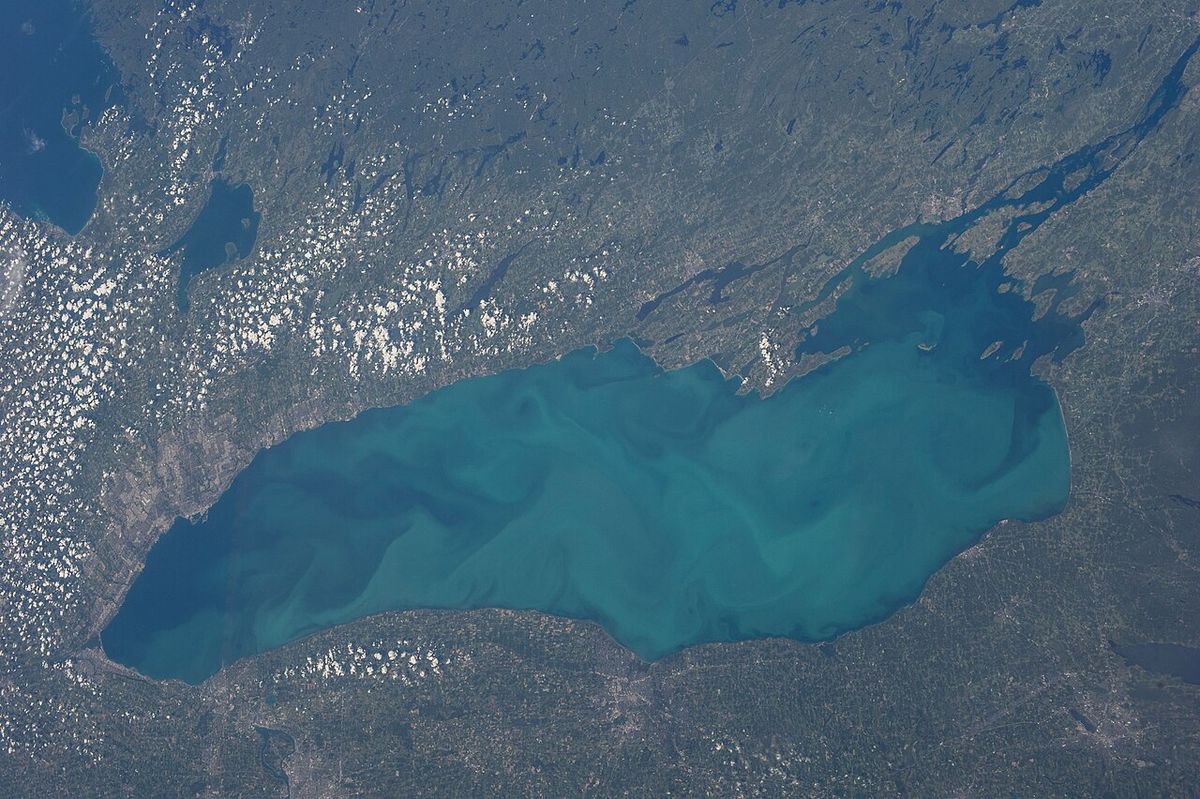
Oakville is a town and the seat of Halton Region in Ontario, located on the shores of Lake Ontario within the Greater Toronto Area. As of 2024, it is the largest town in Ontario with an estimated population of 233,700, a figure projected to reach approximately 248,459 by 2026. Founded in 1857, Oakville is known for its picturesque harbours, extensive parkland, and active arts and dining scene. Its strategic location, economic vitality, and high quality of life make it a significant and desirable community within Canada's largest urban region.
History and Settlement
The history of Oakville is deeply connected to land acquisition from the Indigenous Mississaugas of the Credit and subsequent settlement by British immigrants. In 1805, the Legislative Assembly of Upper Canada purchased the lands between Etobicoke and Hamilton, except for areas around key waterways. The Crown later bought the area surrounding Sixteen Mile Creek and Bronte Creek, auctioning 960 acres to William Chisholm in 1827. Chisholm, a War of 1812 veteran and legislator, founded the Town of Oakville in 1857 and established a shipbuilding industry along Navy Street and Sixteen Mile Creek that lasted into the 20th century. Early economic activity centred on shipping wheat and lumber via schooners and the railway, supported by local mills and small manufacturers producing goods from wagons to watches.
By the mid-19th century, Oakville had grown to a population of 1,500 with three churches and various trades. The 1850s brought an economic recession that closed the town's foundry, but new industries like basket-making emerged, and the community was connected by the Grand Trunk Railway. The first electric lights were installed in 1889 to illuminate a temperance rally. Significant 20th-century industrialization came with the opening of oil refineries by Cities Service Canada and Shell Canada, the Procor factory, and, most importantly, the Ford Motor Company's Canadian headquarters and plant near the Queen Elizabeth Way. A major municipal restructuring occurred in 1962 when Oakville merged with the villages of Bronte, Palermo, Sheridan, and the remainder of Trafalgar Township, expanding its northern boundary.
The Old Oakville Heritage Conservation District became the town's first designated heritage conservation district in 1981. Oakville has a long and important role in Black Canadian historical narratives as one of the many Underground Railroad Station Stops along the Canada U.S.A border. The town served as a location for fugitive enslaved Black people to escape slavery in America and establish themselves. This population was very influential in establishing the town's prosperous economy.
Geography and Neighbourhoods
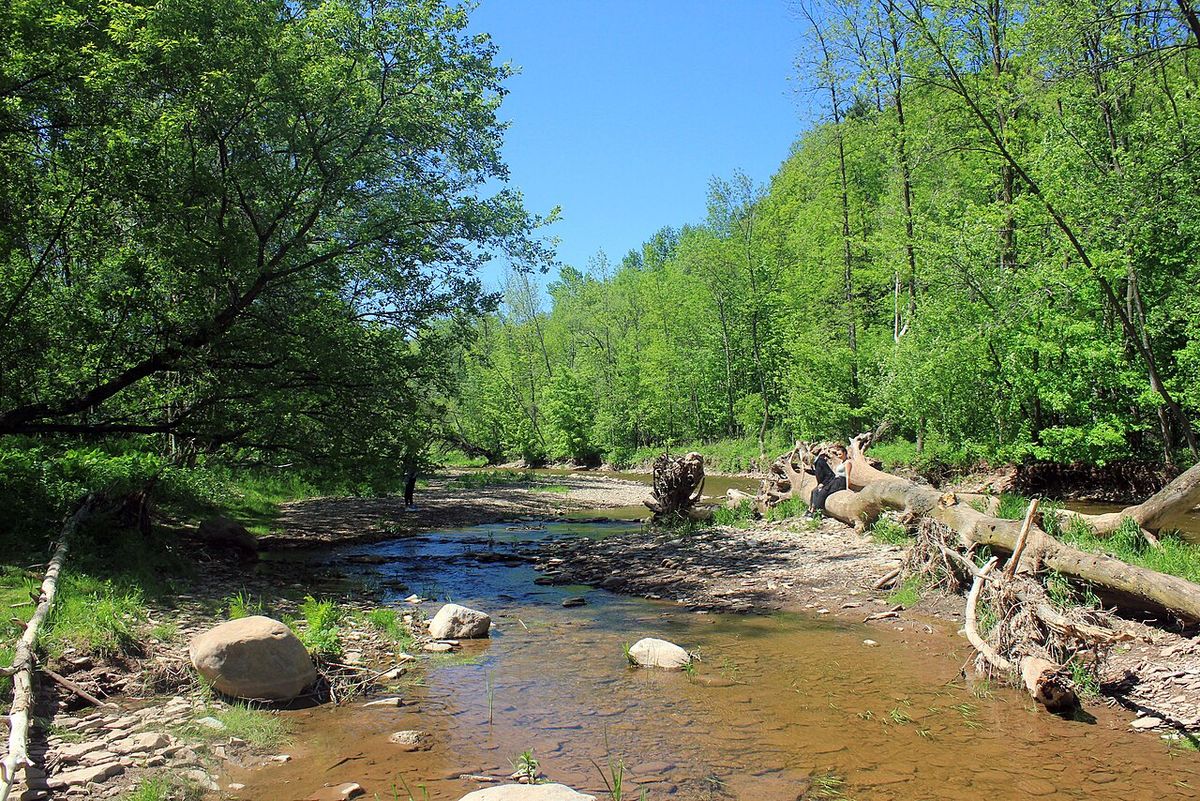
Oakville is situated in Southern Ontario on the north shore of Lake Ontario, bordering Burlington to the southwest, Milton to the northwest, and Mississauga to the northeast. The town's geography is characterized by creek valleys, notably those of Sixteen Mile Creek and Bronte Creek (historically Twelve Mile Creek), which flow into Lake Ontario and define much of its natural landscape. Oakville's climate is a humid continental type, with cold, snowy winters and warm summers, moderated by the lake which creates microclimates within the town boundaries. The town's planning department divides it into distinct communities based on traditional neighbourhoods, each with its own character.
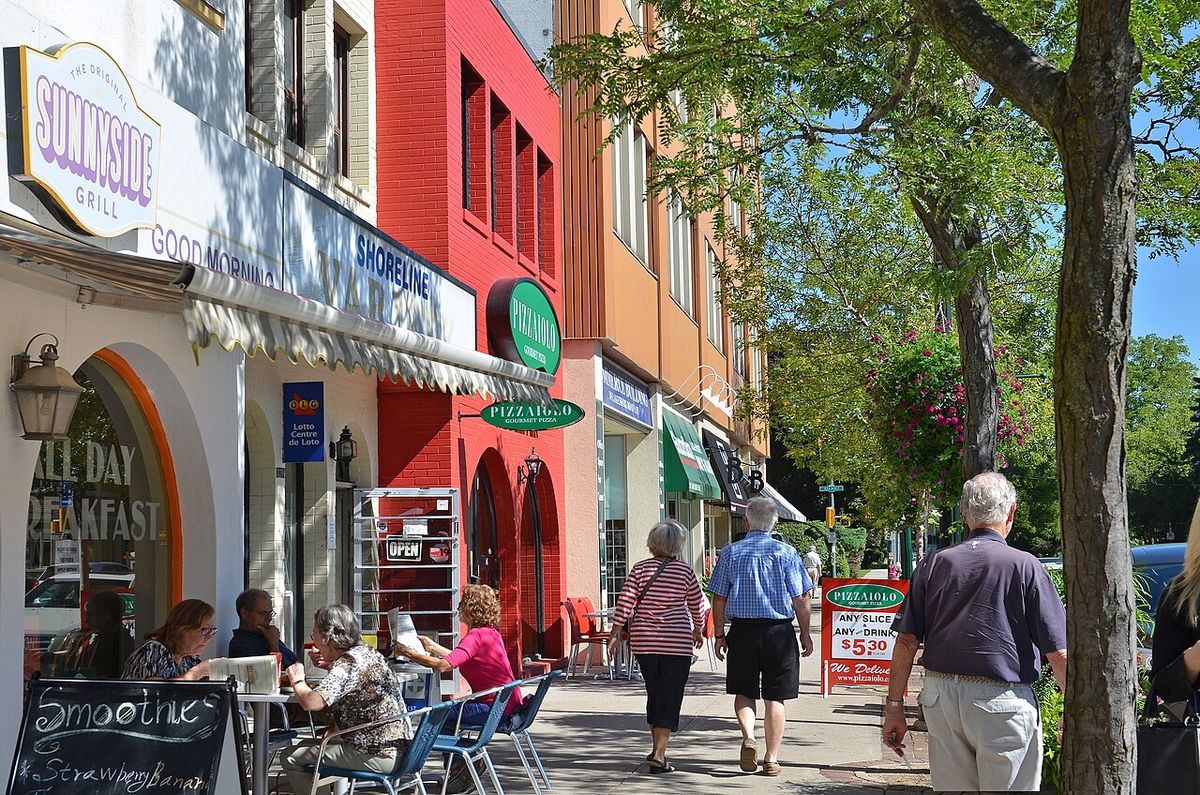
The town is known for its extensive green space, offering residents and visitors 1,420 hectares of parkland, over 200 parks, and approximately 150 kilometres of trails. This includes 31 waterfront parks, two harbours, and numerous recreational facilities such as sports fields, dog parks, and splash pads. Oakville's commitment to green space is a fundamental part of its livability. The town features three primary commercial and cultural districts, each with a distinct atmosphere.
- Downtown Oakville: The historic core centred on Lakeshore Road, featuring heritage buildings, boutique shops, and restaurants.
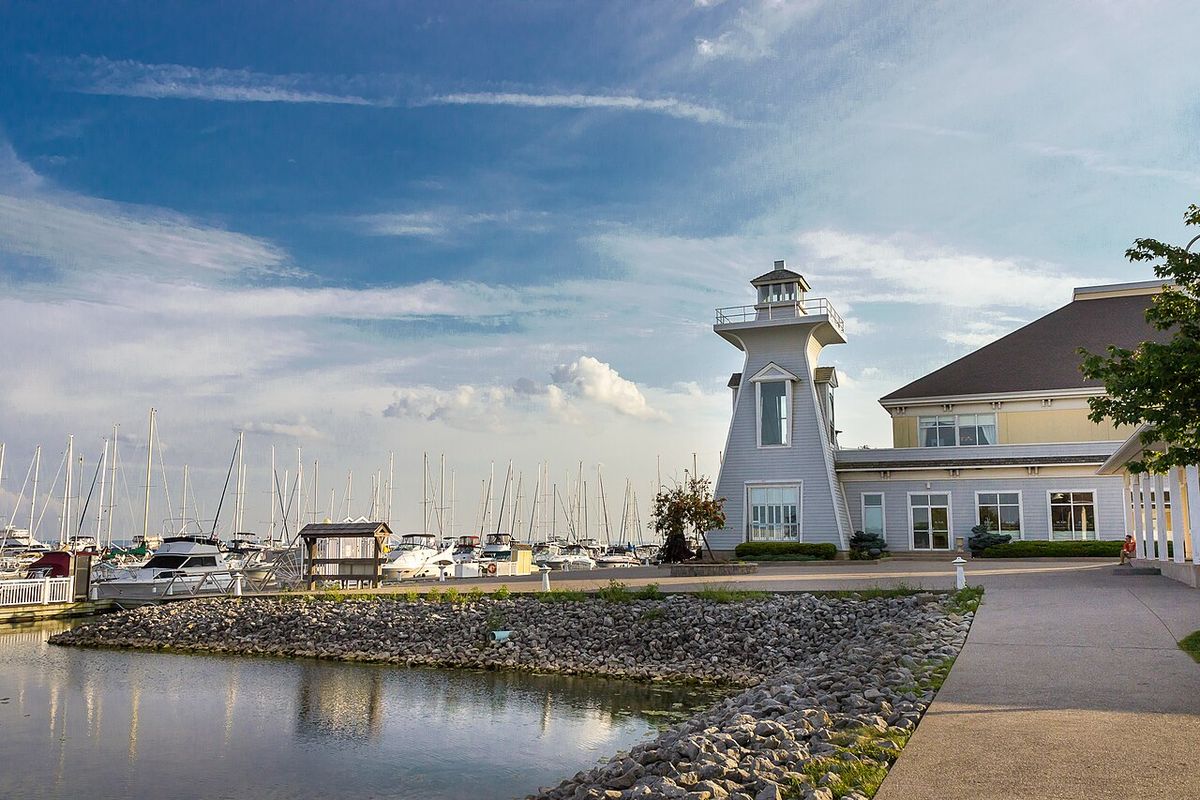
- Bronte Village: A historic harbour community at the mouth of Bronte Creek, known for its fishing heritage and waterfront dining.
- Kerr Village: An eclectic area named after the Kerr family, with a mix of independent businesses and community events.
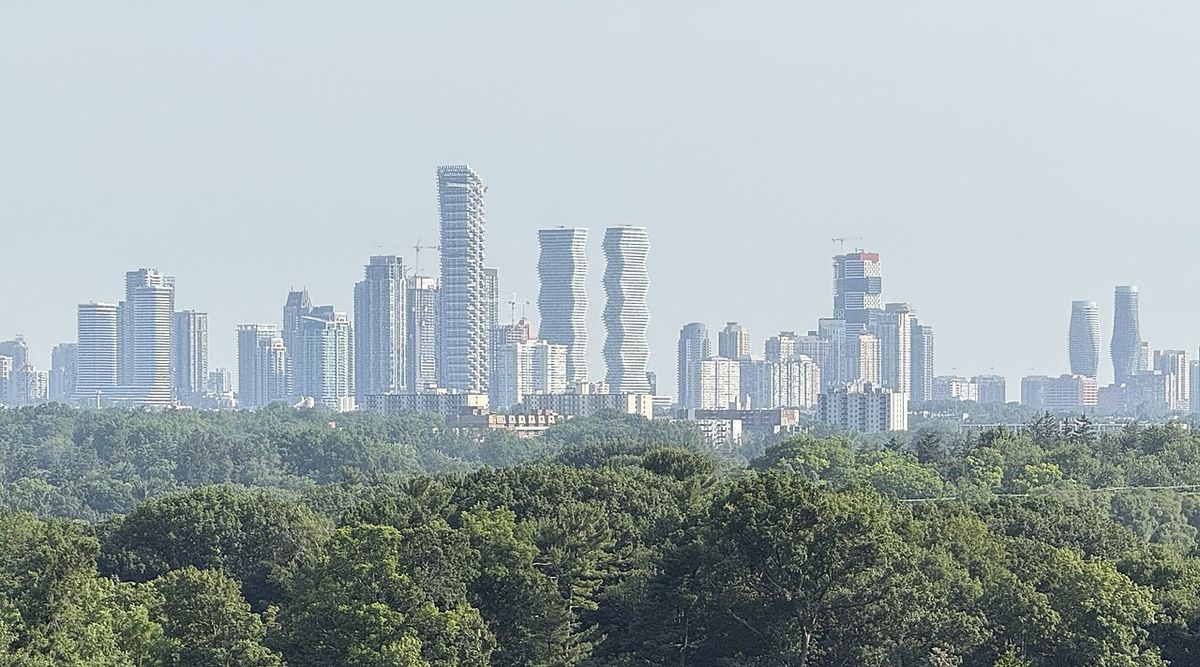
Oakville's Planning Department divides the town into communities based on traditional neighbourhoods. The town is part of the Greater Toronto Area, the largest urban area in Canada. In the 2021 Canadian census the town had a population of 213,759. With an estimated 233,700 people as of 2024, Oakville is Ontario's largest town.
Demographics and Population Trends
Oakville has experienced substantial and consistent population growth, transforming from a small town into a major urban centre within the Greater Toronto Area. According to the 2021 Canadian census, the population was 213,759, a 10.3 percent increase from the 193,832 recorded in 2016. Estimates placed the population at 233,700 in 2024, and projections suggest it will reach approximately 248,459 by 2026. This growth represents an annual change of about 2.2 percent, continuing a historical trend that saw particularly rapid expansion between 1961 and 1971. With a land area of 138.94 square kilometres, the population density in 2021 was 1,538.5 people per square kilometre.
The demographic profile of Oakville is shaped by significant immigration and a relatively young population. Immigrants made up 41.2 percent of the population in 2021, with the top places of birth being China, India, the United Kingdom, Pakistan, and the Philippines. The median age is 41.6 years, with 18 percent of the population under 15 years old and 15.7 percent aged 65 and over. Linguistic diversity is notable, with English as the mother tongue for 57.4 percent of residents, followed by Mandarin, Arabic, Spanish, and Urdu. In terms of ethnic origin, the 2016 census reported 68.5 percent of the population as White, followed by South Asian, Chinese, Arab, and Black communities.
Religious affiliation in Oakville is varied, reflecting its multicultural composition. The 2021 census found 52.7 percent of residents identifying as Christian, with Catholics forming the largest denomination at 28.8 percent. Other significant religious groups include Muslims (10.4 percent), Hindus (4.5 percent), Sikhs (1.9 percent), Buddhists (1.1 percent), and Jewish (0.6 percent). A substantial 28.3 percent of the population reported no religious affiliation. This demographic diversity contributes to the town's cultural richness and community life.
Economy and Major Employers
Oakville's economy has evolved from its 19th-century roots in shipbuilding, milling, and agricultural shipping to become a modern centre for corporate headquarters, advanced manufacturing, and a strong service sector. The town's strategic location along major transportation corridors like the Queen Elizabeth Way and Highway 403, with proximity to Toronto and the United States border, has been a key factor in its economic development. More than half of the combined population of Canada and the United States, approximately 135 million people, lives within 800 kilometres of Oakville, making it a centrally located business centre. The town is home to a number of regional and national head offices, which form the backbone of its employment base.
The automotive industry has long been a major part of the local economy, anchored by the Ford Motor Company's Canadian headquarters and manufacturing plant. Other significant corporate presences include Siemens Canada and The Weather Network, which has broadcast nationally from Oakville since 2005. While heavy industry has diminished with the closure of oil refineries formerly operated by Shell and Petro-Canada, the economy has diversified. The town supports three main business districts in Downtown Oakville, Bronte Village, and Kerr Village, which are filled with independent shops, restaurants, and professional services. Retail is also served by Oakville Place, an indoor shopping mall that opened in 1981 with approximately 42,000 square metres of space.
The municipal government is a major employer and steward of the local economy. In 2026, the Town Council, under Mayor Rob Burton, approved a budget with a 1.96 percent overall property tax increase, focused on maintaining services and investing in future infrastructure. A key feature of the 2026 budget was the introduction of a dedicated stormwater fee to fund a Rainwater Management Plan, replacing previous costs embedded in property taxes. The budget allocated $2 million for immediate stormwater resiliency projects, with an additional $89.2 million planned through 2035 to protect the community from flooding. These investments are part of a broader strategy to support a sustainable and resilient local economy.
Arts, Culture, and Community Events
Oakville has a dynamic and well-supported arts and culture scene, anchored by several key institutions. The Oakville Centre for the Performing Arts is a premier venue hosting over 260 music, drama, and variety performances annually by local and international artists. It is the performance home for the Oakville Symphony Orchestra, the Oakville Children's Choir, and the Oakville Ballet Company. The Oakville Arts Council further promotes artistic talent across disciplines. Oakville Galleries, a not-for-profit art museum, exhibits contemporary art from its two sites at Gairloch Gardens and Centennial Square. Sheridan College's Trafalgar Campus is nationally renowned for its music theatre program, which produced the hit show Come From Away.
The town's cultural calendar is filled with annual festivals and events that draw local and regional visitors. Several longstanding events have defined the community's summer rhythm, though some have evolved or concluded in recent years. The Downtown Oakville Jazz Festival is a free annual summer festival established in 1992 with performances along Lakeshore Road. The Oakville Waterfront Festival began in 1982 at Coronation Park, featuring concerts, rides, and fireworks. It was cancelled after 2010 but had a one-off return in August 2013. Kerrfest is an annual free outdoor music festival held in Westwood Park each September since 2014. The For the Love of the Arts Festival is an annual multi-disciplinary community festival inaugurated in 2002, presenting local talent in arts, crafts, and performance. These events, alongside the town's museums, public art, and historic sites, foster a strong sense of community and make Oakville an attractive destination. The town also serves as a filming location for television and movies, including The Santa Clause, Dream House, and The Handmaid's Tale, adding to its cultural profile.
Sports and Recreation
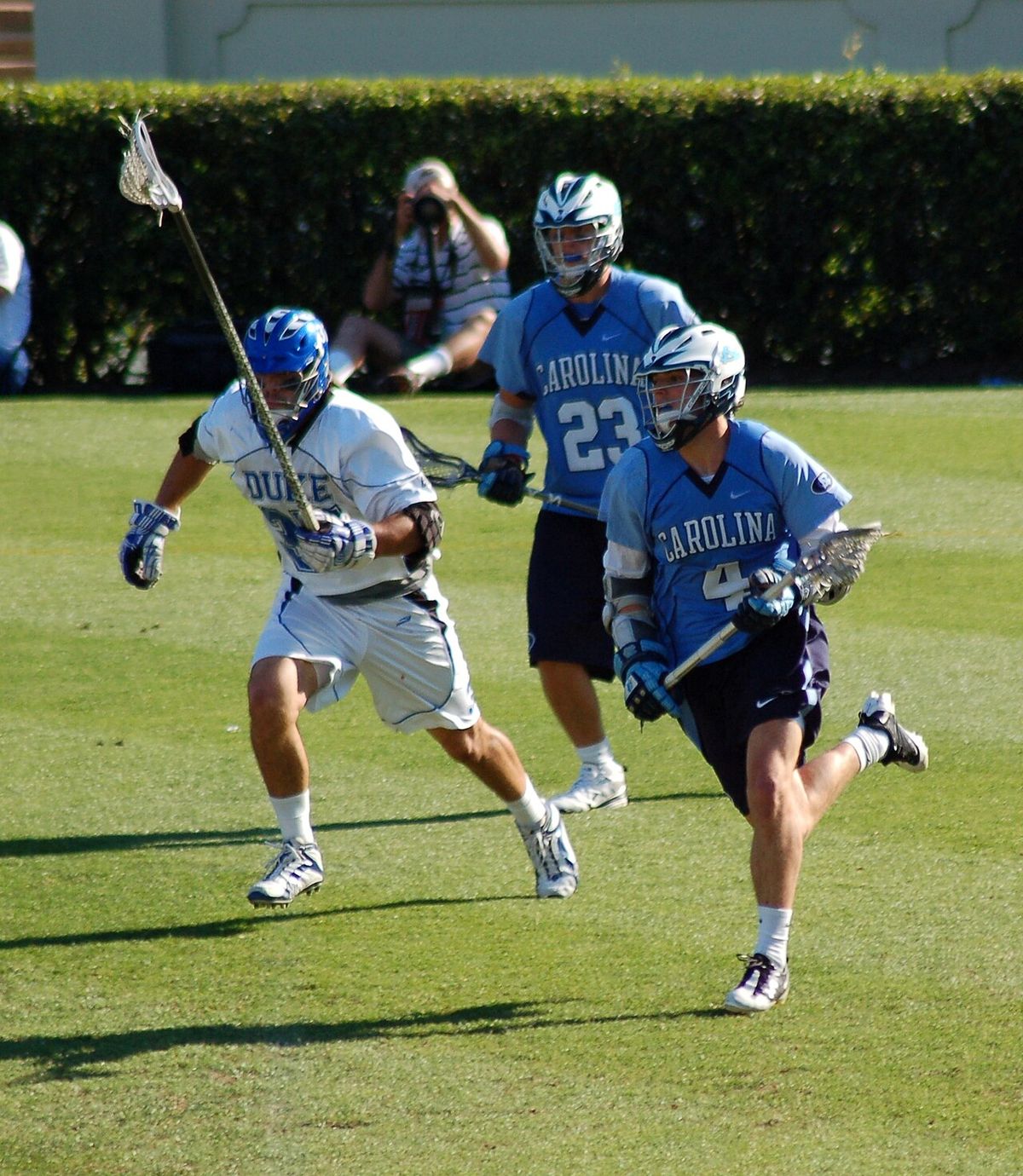
Oakville offers extensive sports and recreational facilities, supporting both community participation and high-performance athletics. The town maintains about 83 soccer fields, 74 baseball diamonds, and numerous other amenities across its vast park system. Soccer is particularly prominent, with Oakville SC being one of the largest soccer clubs in North America, operating semi-professional teams in League1 Ontario and a youth system with over 60 fields, including a FIFA-certified indoor pitch. Lacrosse also has a strong presence, with the Toronto Rock professional box lacrosse team headquartered and practising in Oakville. The Oakville Minor Lacrosse Association is the third largest in Ontario, with over 1,500 players, and the junior Oakville Buzz won the national Founders Cup in 2006.
Golf holds a special place in the town's sporting heritage through the Glen Abbey Golf Course. Designed by Jack Nicklaus, the course opened in 1977 and has hosted the Canadian Open championship 30 times. It is also the home of Golf Canada and the Canadian Golf Hall of Fame. After a development proposal from its owner, Clublink, sparked community opposition, the plan was withdrawn in 2021, securing the course's future for golf. In hockey, the Oakville Blades have operated as a Tier II Junior 'A' franchise since 1966, while youth hockey is represented by the Oakville Rangers for boys and the Oakville Hornets for girls. Skate Oakville, based at the Sixteen Mile Creek Sports Complex, was recently the largest skating club in Canada.
The town has produced several Olympic champions, particularly in paddling sports. Three Olympians, kayaker Adam van Koeverden and canoeists Mark Oldershaw and Larry Cain, trained at the Burloak Canoe Club. Open-water swimming is popular through the Lake Ontario Swim Team, which organizes an annual 3.8 km race from Edgemere Promenade to Oakville Harbour. The Oakville Aquatic Club and Dolphins Swim Club represent competitive swimming. The Oakville Half Marathon, held in Shell Park with shorter distance events, is a key annual athletic event. This comprehensive sports infrastructure supports Oakville's active community and contributes to its high quality of life.
Government and Infrastructure
Oakville operates under a two-tier municipal government system within the Regional Municipality of Halton, of which it is the seat. The local governing body is the Oakville Town Council, consisting of a mayor and fourteen councillors. The town is divided into seven wards, each represented by two councillors. One councillor from each ward serves exclusively on the Town Council, while the other also sits on the 21-member Halton Regional Council. As of 2026, Rob Burton serves as Mayor. At the provincial level, Oakville is represented in the Legislative Assembly of Ontario by Stephen Crawford (Oakville) and Effie Triantafilopoulos (Oakville North-Burlington), both Conservatives. Federally, the town is represented in the House of Commons by Anita Anand (Oakville East) and Sima Acan (Oakville West), both Liberals.
Transportation infrastructure is critical to Oakville's connectivity. Major roadways include the Queen Elizabeth Way and Highway 403, which run concurrently through most of the town, Highway 407 ETR, and arterial roads like Dundas Street, Trafalgar Road, and Lakeshore Road. Public transit is provided by Oakville Transit, with local bus routes connecting to four GO Transit rail stations within or near the town: Oakville GO and Bronte GO on the Lakeshore West line. GO Transit and Via Rail provide regional and intercity rail service along the Quebec City-Windsor Corridor. Emergency services are delivered by the Halton Regional Police Service and the Oakville Fire Department, which operates nine fire stations. Volunteer marine search and rescue on western Lake Ontario is provided by the Oakville Marine Search and Rescue organization, founded in 1954.
Education in Oakville features a mix of public and private institutions, with one of the highest ratios of private schools to student population in Canada. Public schools are operated by the Halton District School Board and the Halton Catholic District School Board, with French-language education provided by Conseil scolaire Viamonde and Conseil scolaire catholique MonAvenir. St. Thomas Aquinas Catholic Secondary School and White Oaks Secondary School offer the International Baccalaureate Program. Notable private schools include Appleby College, established in 1911, and St. Mildred's-Lightbourn School. Sheridan College's Trafalgar Campus is the town's primary post-secondary institution, specializing in arts, business, and its renowned music theatre program.
Media and Livability
Oakville's media is served by a mix of local outlets and larger Greater Toronto Area broadcasters. The primary local print publication is the Oakville Beaver, a weekly newspaper. The town is also served by neighbourhood-specific monthly magazines such as Neighbours of Joshua Creek, Neighbours of Glen Abbey, and Neighbours of Olde Oakville, along with the online daily newsletter Oakvillenews.org. Specialty radio stations include AM 1250 CJYE, a Christian music station, and AM 1320 CJMR, a multicultural station. Television coverage comes from national broadcaster The Weather Network, based in Oakville since 2005, and the Hamilton-based station CHCH-DT, which serves the Halton region, though its Halton bureau in downtown Oakville has closed. YourTV also operates a studio at the Cogeco headquarters near the Burlington border.
The town consistently ranks highly in livability surveys, attributed to its amenities, natural environment, and community services. In 2026, the Town of Oakville reported being ranked the second most livable city in Ontario and the sixth in Canada. Factors contributing to this include access to high-quality healthcare, extensive parkland and trails, a low crime rate, and excellent educational facilities. The town's 2026 budget emphasized maintaining these qualities through strategic investments in libraries, community centres, roads, and transit, all while keeping property tax increases below the rate of inflation. The introduction of a dedicated stormwater fee was part of a long-term plan to fund climate resiliency and infrastructure protection.
Oakville maintains three international sister city relationships, fostering cultural and economic exchanges. The partnership with Dorval, Quebec, established in 1957, is commemorated by Dorval Drive in Oakville. The twinning with Neyagawa, Osaka, Japan on April 6, 1984, is reflected in Neyagawa Boulevard, and an apartment complex in Neyagawa is named after Oakville. A sister city relationship with Huai'an, Jiangsu, China was formalized in June 2015. These connections highlight Oakville's position as a community with both local charm and global outlook, committed to sustainability, cultural richness, and a high standard of living for its residents.
Questions about Oakville, Ontario
What is the population of Oakville, Ontario?
Oakville's population was 213,759 according to the 2021 Canadian census. The population was estimated to be 233,700 in 2024, and projections for 2026 suggest it will reach approximately 248,459. The town has experienced steady growth, with a 10.3 percent increase between the 2016 and 2021 censuses and an estimated annual growth rate of about 2.2 percent. This makes Oakville the largest town in Ontario by population.
What are the main industries and employers in Oakville?
Oakville's economy is diverse, with a strong presence of corporate headquarters and advanced manufacturing. A major employer is the Ford Motor Company, which has its Canadian headquarters and a manufacturing plant in the town. Other significant corporate offices include Siemens Canada and The Weather Network. The town also has a active small business sector concentrated in its three main districts: Downtown Oakville, Bronte Village, and Kerr Village. Historically, shipbuilding and oil refining were important, though those heavy industries have since closed.
What is Glen Abbey Golf Course and why is it significant?
Glen Abbey Golf Course is a world-renowned golf course in Oakville designed by Jack Nicklaus. It opened in 1977 and has hosted the Canadian Open championship 30 times, making it a historic venue for professional golf in Canada. The course is also the home of Golf Canada and the Canadian Golf Hall of Fame. In 2018, the owner proposed redeveloping the land, but after significant community and municipal opposition, the development plan was withdrawn in 2021, ensuring the course remains operational.
What arts and cultural facilities are available in Oakville?
Oakville offers several key arts and cultural institutions. The Oakville Centre for the Performing Arts hosts over 260 performances yearly and is home to the Oakville Symphony Orchestra and Oakville Children's Choir. Oakville Galleries is a contemporary art museum with sites at Gairloch Gardens and Centennial Square. Sheridan College's Trafalgar Campus is famous for its music theatre program. The town also hosts annual festivals like the Downtown Oakville Jazz Festival, Kerrfest, and the For the Love of the Arts Festival, providing diverse cultural experiences.
How is Oakville governed and who is the current mayor?
Oakville has a two-tier municipal government within the Regional Municipality of Halton. The local Town Council consists of a mayor and fourteen councillors representing seven wards. As of 2026, the mayor is Rob Burton. One councillor from each ward serves on both the Town Council and the Halton Regional Council. Provincially, the town is represented by MPPs Stephen Crawford and Effie Triantafilopoulos, and federally by MPs Anita Anand and Sima Acan.
Why is Oakville considered a good place to live?
Oakville is frequently ranked as one of the most livable cities in Canada due to its high-quality public services, excellent schools, and extensive recreational amenities. It has over 1,400 hectares of parkland, 200 kilometres of trails, and a low crime rate. The town has an active arts scene, diverse dining options, and a strong economy. Strategic investments in infrastructure, like those outlined in the 2026 budget focused on stormwater management and community facilities, along with its location near Toronto, contribute to its desirability and high quality of life.
Sources and further reading
- Oakville, Ontario (Wikipedia)
- Oakville Council approves 2026 budget with focus on ... (oakville.ca)
- About the Town of Oakville (visitoakville.com)
- Oakville Population 2026 (worldpopulationreview.com)
Checked by the Your Space Hamilton desk. Last updated 2026-10-25.