Lethbridge
Lethbridge is a city in southern Alberta, Canada, and the commercial, financial, and transportation hub for the region. With a population of 106,550 as of the 2023 municipal census, it is the fourth city in the province to surpass 100,000 residents. The city's economy, historically rooted in coal mining and agriculture, has diversified significantly, with major employers in government, health, education, and retail sectors. Lethbridge is also a key educational centre, home to the University of Lethbridge, the only university in Alberta south of Calgary, alongside Lethbridge Polytechnic and Red Crow College.
History and Development
The area now known as Lethbridge has a long history of Indigenous habitation, with the Blackfoot, Tsuut’ina, Cree, Nakoda, and Kutenai peoples all having names for the location, often referencing its steep riverbanks and coal deposits. The Blackfoot referred to it as Aksaysim (steep banks) and Sik-ooh-kotok (coal), while the Cree called it Kuskusukisay-guni (black rocks). The modern city's origins are tied to the whisky trade, beginning with the establishment of Fort Hamilton, later nicknamed Fort Whoop-Up, by traders John J. Healy and Alfred B. Hamilton in 1869. The illicit trade led to violence, including the Cypress Hills Massacre of many Assiniboine people in 1873, prompting the arrival of the North-West Mounted Police in October 1874 to restore order. The city's name derives from William Lethbridge, president of the North Western Coal and Navigation Company, which began large-scale coal mining operations in 1882 after initial drift mines were opened by Nicholas Sheran in 1874.
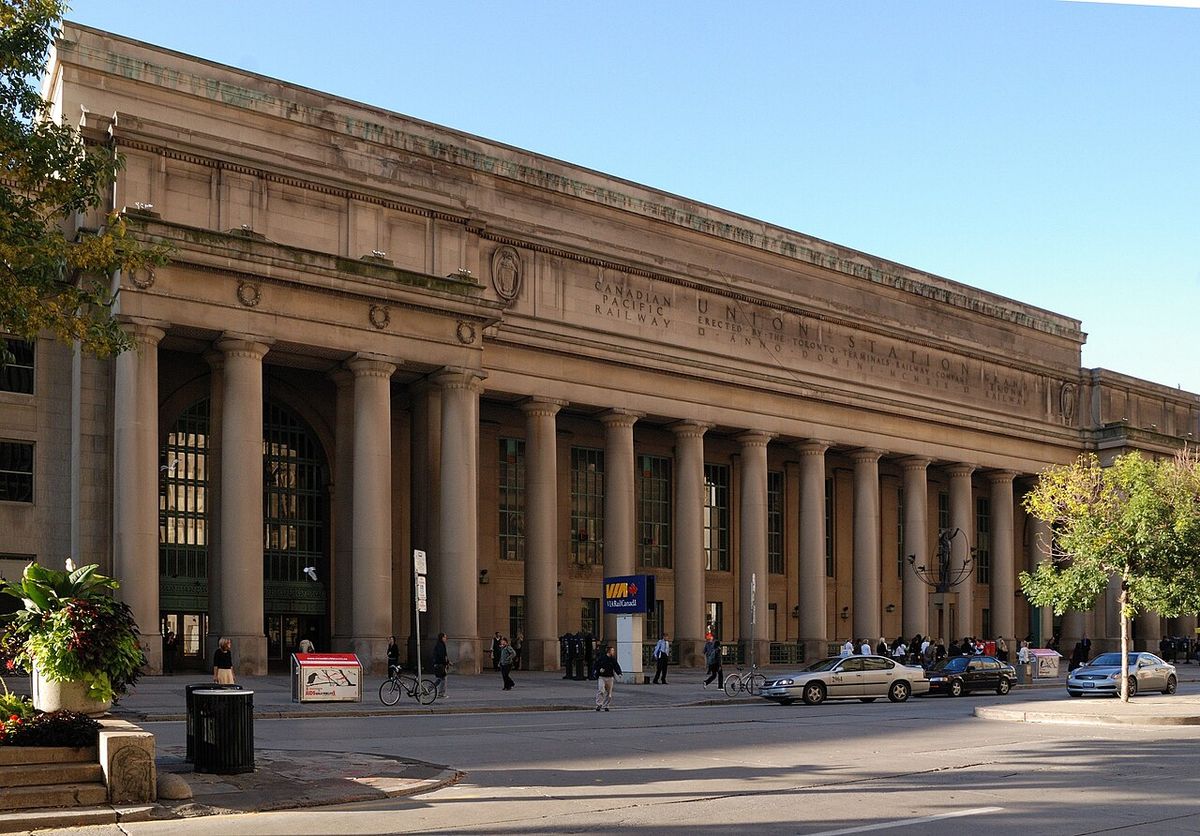
The local economy was built on coal, with drift mining initiated by Nicholas Sheran in 1874. By the turn of the 20th century, mines employed about 150 men and produced 300 tonnes of coal daily, making Lethbridge the largest coal producer in the Northwest Territories by 1896. Production peaked during World War I before declining. An internment camp was operated at the Lethbridge Exhibition Building from September 1914 to November 1916. The arrival of the Alberta Railway and Coal Company's line on August 28, 1885, and the Canadian Pacific Railway's decision to move its Crowsnest Line divisional point to Lethbridge in 1905, cemented the city's role as a regional rail hub. A new Union Station was built in 1906. A major development boom between 1907 and 1913 saw the construction of vital municipal infrastructure, including a water treatment plant, power plant, streetcar system, and Exhibition Park, transforming Lethbridge from a mining town into a significant urban centre.
Coal production peaked during World War I, but the interwar period brought an economic slump marked by drought and the decline of mining. The last coal mine in the city closed in 1957, as oil and natural gas production gradually replaced coal. Post-World War II growth was fueled by irrigation projects on nearby farmland, leading to population and economic expansion. The city's educational prominence was established with the opening of Lethbridge Polytechnic in April 1957 and the University of Lethbridge in 1967. The university's move to a new campus on the west side of the Oldman River in 1971 spurred further development in that area. From March 2018 to August 2020, Lethbridge was home to ARCHES, a 24-hour supervised drug consumption site that was, at its peak, the busiest such facility in North America with an average of 663 visits per day before its closure following the provincial withdrawal of funding after the discovery of misappropriation of public funds.
Geography and Climate
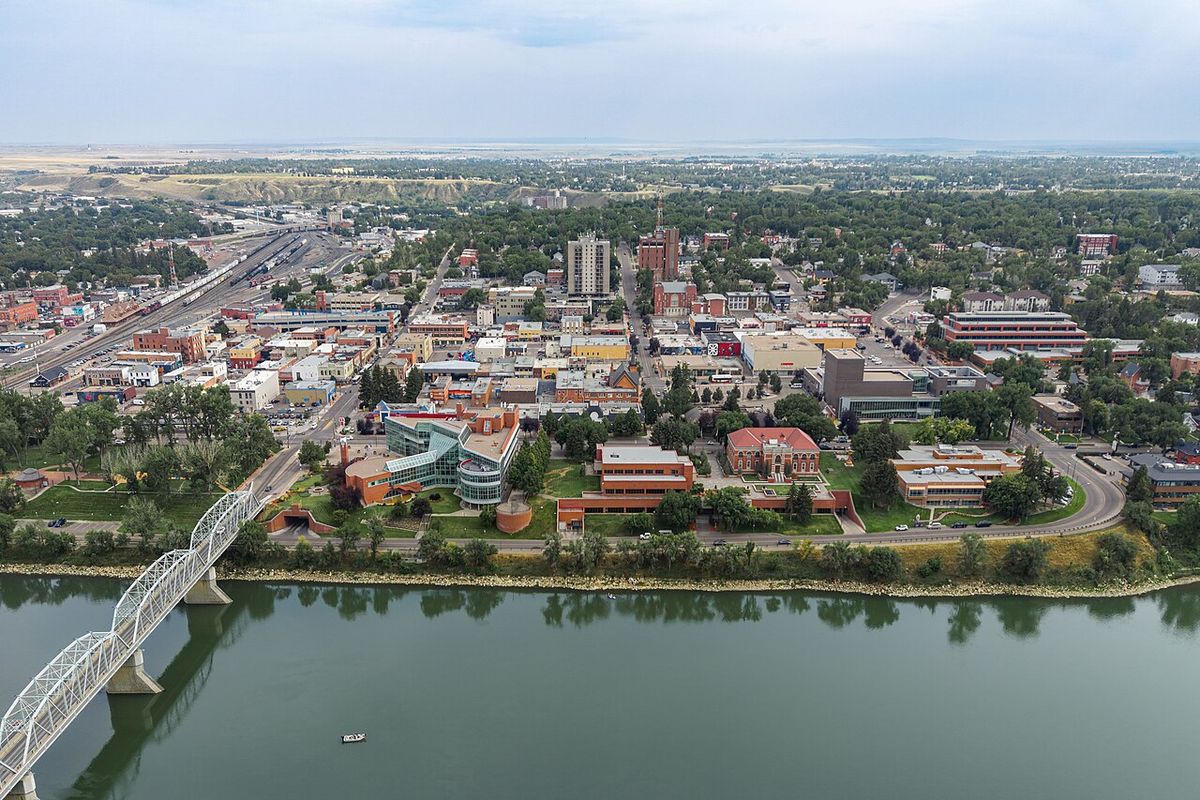
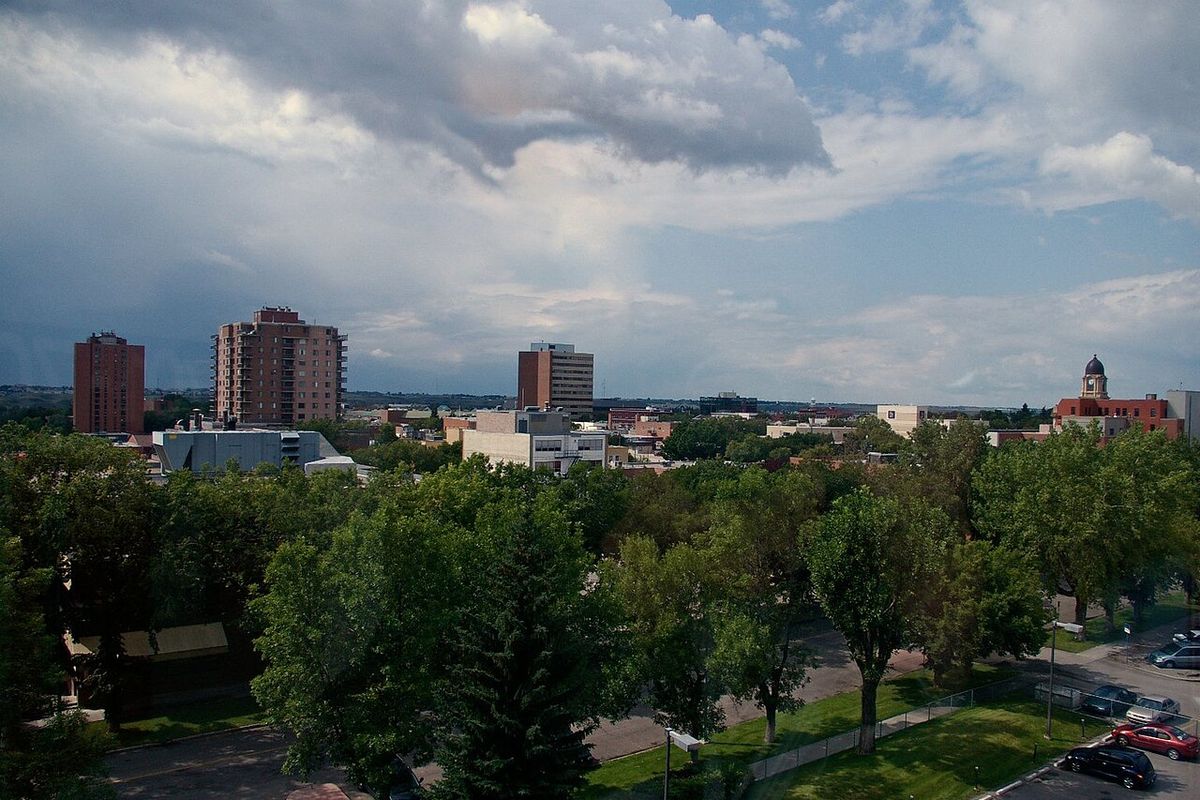
Lethbridge is situated in southern Alberta at coordinates 49.7° north latitude and 112.833° west longitude, covering an area of 127.19 square kilometres. The city is divided into three distinct geographical areas by the Oldman River and major transportation corridors, specifically the Crowsnest Trail and the Canadian Pacific Kansas City rail line. The Oldman River Valley, with 16 square kilometres of protected parkland, forms one of the largest urban park systems in North America. West Lethbridge, with a population of 40,898, is the newest and largest area, home to the University of Lethbridge campus and characterized by a young median age. Although farms existed there earlier, the first housing development was not completed until 1974, with access via Whoop-Up Drive opening in 1975. North Lethbridge, originally settled by coal miners and with a population of 28,172, has the oldest population and contains several industrial parks, including the former Hamlet of Hardieville which was annexed in 1978. South Lethbridge, with 32,412 residents, is the commercial heart of the city, containing the downtown core, the bulk of retail and hospitality establishments, and Lethbridge Polytechnic.
The city experiences a semi-arid climate, classified as BSk under the Köppen system. Its high elevation of 929 metres and proximity to the Rocky Mountains, approximately 210 kilometres southeast of Calgary, result in cooler summers and milder winters than much of the Canadian Prairies, with frequent Chinook winds reducing the severity and duration of cold periods. Lethbridge is the eleventh driest city in Canada, averaging 380.2 millimetres of precipitation annually with 264 dry days. Mean relative humidity in the afternoon ranges from 38 percent in August to 58 percent in January. It is also notably windy, ranking as Canada's second city for days with wind speeds of 40 km/h or higher, averaging 116 such days per year. Summer daytime temperatures typically peak near 26.4 degrees Celsius in late July or early August, with the city experiencing a maximum of 35.0 degrees Celsius or greater on average once or twice yearly. The highest recorded temperature was 40.5 degrees Celsius on August 10, 2018. The record low is -42.8 degrees Celsius, recorded on January 7, 1909. December 18, 1924. January 3, 1950. And December 29, 1968.
Demographics and Population Trends
Lethbridge has experienced steady population growth, becoming Alberta's fourth city to exceed 100,000 residents according to its 2019 municipal census, which recorded 101,482 people. The 2023 municipal census recorded a population of 106,550, reflecting a 4.99 percent increase from 2019. According to the 2021 federal census, the city proper had a population of 98,406 living in 40,225 private dwellings, a 6.1 percent increase from 2016. With a land area of 121.12 square kilometres, the 2021 population density was 812.5 people per square kilometre. The Lethbridge Census Metropolitan Area, which includes surrounding communities, had a population of 123,847 in 2021. The 2020 estimate for the metropolitan area was 128,851, indicating continued regional growth. The city serves as a major employment centre, with a trading area population of 341,180, including parts of British Columbia, and provides jobs for up to 86,000 commuters from within a 100-kilometre radius.
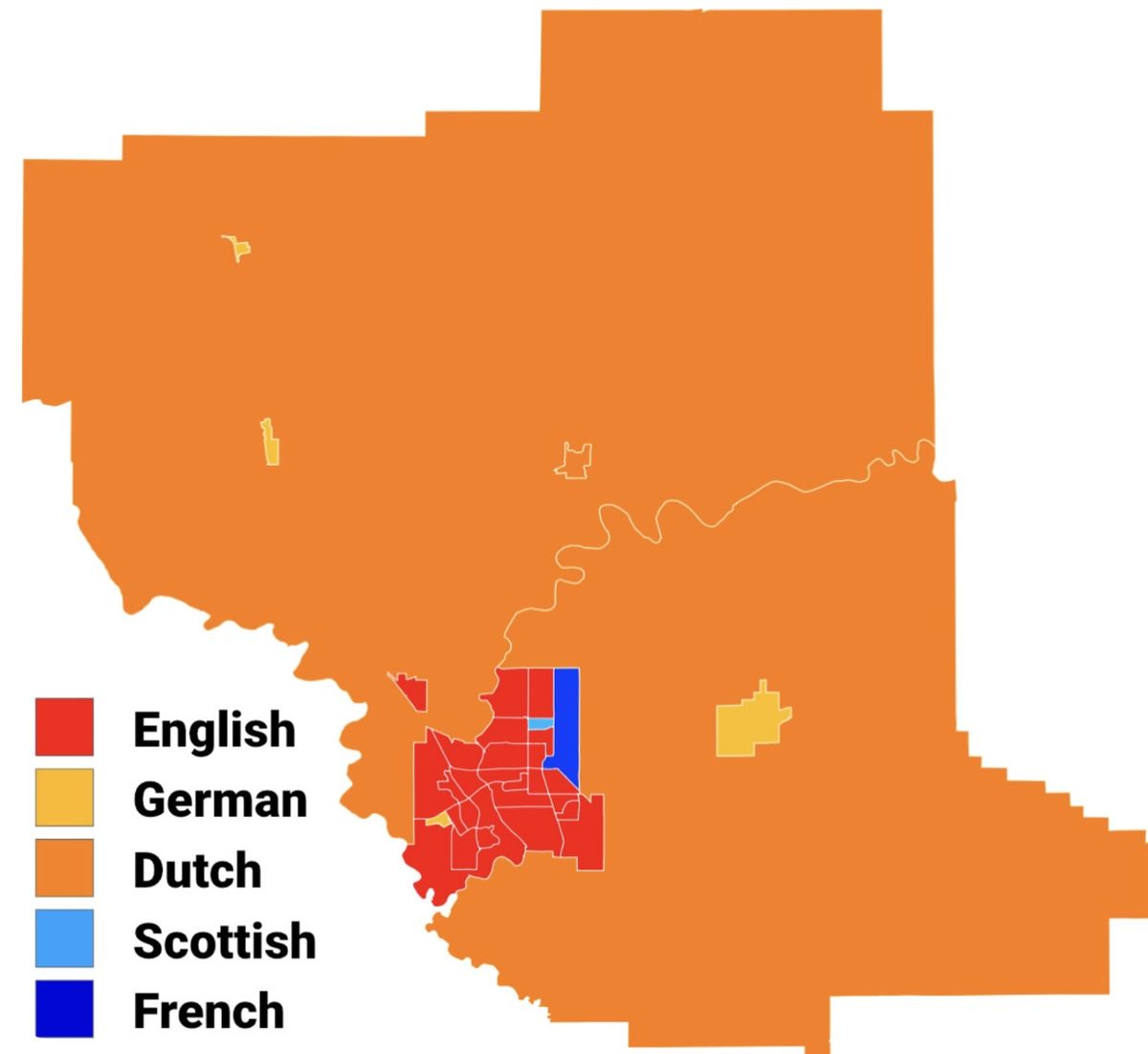
The ethnic composition of Lethbridge is predominantly of European descent, with the most common ethnic origins in the 2021 census being English (22.9 percent), German (19.2 percent), Scottish (17.3 percent), Irish (13.6 percent), and Canadian (13.4 percent). Other significant groups include Dutch (7.3 percent), French (7.3 percent), Ukrainian (6.7 percent), Norwegian (4.7 percent), and Polish (3.7 percent). The city is also home to the largest Bhutanese community in Canada. Visible minorities made up 12.9 percent of the population in 2016, while 7.1 percent identified as Aboriginal. In terms of religion, 49.8 percent of residents identified as Christian in 2021, down from 64.6 percent in 2011, with 16.1 percent Catholic, 12.9 percent Protestant, and 11.3 percent Christian of unspecified denomination. A significant 5.8 percent were adherents of The Church of Jesus Christ of Latter-day Saints. Those with no religious affiliation rose to 44.3 percent. The largest non-Christian religions were Islam (1.9 percent), Hinduism (1.3 percent), and Buddhism (1.1 percent). English is the first language for 83.9 percent of residents, with Spanish (1.6 percent), Tagalog (1.4 percent), and Nepali (1.0 percent) being the most common other mother tongues. German (0.9 percent), French (0.8 percent), Chinese languages (0.7 percent), and Arabic (0.7 percent) are also spoken.
Economy and Major Employers
Lethbridge functions as the primary commercial, distribution, financial, and industrial centre for southern Alberta, though Medicine Hat plays a similar role in the southeast. While historically anchored in agriculture and coal, the economy has diversified, with half of the workforce now employed in the health, education, retail, and hospitality sectors. The top five employers in the city are government-based. The city remains important for agri-food processing and is home to the federal Lethbridge Research and Development Centre. Several notable companies have been headquartered in Lethbridge, including Minute Muffler, founded in 1969, and the international shipping firm H & R Transport, based there since 1955. Canadian Freightways was headquartered in the city from 1935 until it moved operations to Calgary in 1948, though its call centre remains. Taco Time Canada was based in Lethbridge from 1978 to 1995, and Braman Furniture had its headquarters there from 1991 to 2008.
Transportation infrastructure is a key component of the local economy, with the city served by Lethbridge Airport, four provincial highways, rail service, and Red Arrow bus lines. The Canadian Pacific Railway moved its rail yards from downtown to nearby Kipp in the mid-1980s, ending the city's status as a major rail hub. The city provides municipal water to several surrounding communities, including Coaldale, Coalhurst, Diamond City, Iron Springs, Monarch, Shaughnessy, and Turin. Economic development is guided by organizations like Economic Development Lethbridge, established in 2002, and regional partnerships such as SouthGrow, an alliance of 25 local communities representing over 140,000 people. In 2006, a partnership called the Southern Alberta Alternative Energy Partnership was formed with SouthGrow and the Alberta SouthWest Regional Alliance to promote business in wind power, solar power, and biofuel sectors. As of 2026, city council's strategic priorities include supporting existing businesses and attracting new investment, with a proposed water infrastructure expansion project aimed at supporting up to 22,000 new homes and fostering job growth across the region.
Arts, Culture, and Major Institutions
Lethbridge was designated a Cultural Capital of Canada for the 2004 to 2005 season, reflecting its active arts scene. The Southern Alberta Ethnic Association, also known as the Multicultural Heritage Centre, promotes multiculturalism and ethnic heritage in the community. The Allied Arts Council of Lethbridge, founded in 1958, is the city's largest arts organization and led the Arts Re:Building Together Campaign starting in the spring of 2007. This initiative raised awareness and support for improving three key facilities: the Yates Memorial Centre, the Bowman Arts Centre, and the Southern Alberta Art Gallery. City Council approved four arts capital projects for its Ten-Year Capital Plan in July 2007, leading to the renovation and expansion of the Southern Alberta Art Gallery, plans for a new Community Arts Centre in downtown, the establishment of a city Public Art Program, and research into a new Performing Arts Centre.
The city's major cultural venues include the Yates Memorial Centre, home to the 500-seat proscenium Yates Theatre and the 180-seat black box Sterndale Bennett Theatre, and the Bowman Arts Centre. The city has a public library and three major museum and gallery institutions. The Southern Alberta Art Gallery is a contemporary gallery, Casa is a community arts centre administered by the Allied Arts Council, and the University of Lethbridge Art Gallery produces contemporary exhibitions from its collection of Canadian, American, and European art. The city also has a rich performing arts tradition with several longstanding groups. The Lethbridge Symphony was founded in 1960 and incorporated as a non-profit in 1961, and has spawned groups like the Southern Alberta Chamber Orchestra. Lethbridge Musical Theatre, which remains active, produces an annual show, such as a 2026 production of RENT in collaboration with Theatre Outré. The community choir Vox Musica, tracing its roots to 1968, rehearses and performs at Southminster United Church. New West Theatre is a major presenter of theatrical productions in the city, and the University of Lethbridge drama department also mounts productions.
- Major Annual Festivals and Events: Whoop-Up Days (rodeo and fair), Kiwanis Music Festival, Lethbridge Independent Film Festival, Centric Music Festival, Lethbridge Pride Fest, Street Machine Weekend, Lethbridge Dragon Boat Festival, Word on the Street, Lethbridge Electronic Music Festival.
- Key Museums and Galleries: Southern Alberta Art Gallery (contemporary art), Casa (community arts centre), University of Lethbridge Art Gallery.
- Performing Arts Groups: Lethbridge Symphony, Lethbridge Musical Theatre, New West Theatre, Vox Musica Choral Society, Southern Alberta Chamber Orchestra.
- Major Venues: Yates Memorial Centre, VisitLethbridge.com Arena, Southern Alberta Art Gallery, Genevieve E. Yates Memorial Centre.
The city's coat of arms, designed by Reverend John Stanley Chivers and adopted on September 16, 1907, symbolizes its economic foundations with imagery of a locomotive (transportation), a sheaf of wheat (agriculture), and a hand with a pickaxe (coal mining) on a shield divided into blue, red, and brown. A circular scroll reads 'City of Lethbridge • 1890 • 1906', the town and city incorporation years. The compartment depicts a southern Alberta scene with strip farming and a mine tipple against mountains, resting on the motto Ad occasionis januam (Gateway to Opportunity). A mural crown in the crest symbolizes city status and Canada's historical allegiance to the British crown.
Government and Recent Initiatives
The City of Lethbridge operates under a council-manager form of government, with a mayor and councillors elected at large. As of 2026, the mayor is Blaine Hyggen, who has stated the council's top priority is focusing on key ongoing work and initiatives. City Hall is located at 910 4 Avenue South, and the main public contact number is 311 or 403-320-3111. In April 2026, city council approved its 2026 to 2029 Strategic Plan, which is committed to supporting existing businesses, attracting investment, and fostering growth. A key infrastructure priority is a proposed water system expansion designed to support 22,000 new homes and create job growth and investment opportunities across southern Alberta. The city also maintains an active public engagement website for resident feedback on projects and initiatives, and uses cookies on its website as explained in its Privacy Policy.
Current municipal operations focus on several ongoing projects and services detailed in recent communications. The 2026 Intersection Improvement Program includes work at major junctions like Mayor Magrath Drive South and 20 Avenue South, with construction starting on October 21, 2026. The city provides waste collection notifications and promotes diversion programs, including free compost initiatives and yard waste site information, to divert waste from the landfill. Public safety is managed by the Lethbridge Police Service, formed in 2004 through the amalgamation of the Lethbridge and Coaldale police services. Lethbridge Fire and Emergency Services respond to incidents such as an apartment fire on 2 Avenue South on October 18, 2026. The city also maintains a system for reporting biohazards, debris, evidence of sleeping rough, encampments, and needle debris. Traffic cameras and a web map provide real-time information on road conditions and construction closures, such as on Whoop Up Drive. The city has also installed permanent nets on a sports field, as noted on its official social media account.
Education and Research
Lethbridge is a leading centre for post-secondary education in southern Alberta. The University of Lethbridge, founded in 1967, is the only university in the province located south of Calgary. Its modern campus on the west side of the Oldman River, opened in 1971, is a hub for undergraduate and graduate studies and marked the beginning of major developmental expansion into West Lethbridge. Lethbridge Polytechnic, established in April 1957 as Lethbridge College, provides career-oriented diploma and certificate programs in a wide array of technical and professional fields. Red Crow College serves as a key institution for Indigenous and community education. These institutions collectively make the city a significant draw for students from across the region.
Beyond post-secondary institutions, the city is a centre for agricultural research and innovation. The federal Lethbridge Research and Development Centre, operated by Agriculture and Agri-Food Canada, conducts scientific research to support the prairie agricultural industry. This focus on research and development complements the city's historical economic base in agriculture and its ongoing diversification into value-added agri-food processing. The presence of these educational and research institutions contributes significantly to the local economy and workforce development, attracting students and professionals from across the region and beyond. The city's role as an educational hub is further emphasized by the fact that half of its workforce is employed in the health and education sectors, highlighting the importance of these institutions to the local job market.
Sports, Recreation, and Tourism
Lethbridge offers a wide range of sports, recreation, and tourism amenities centred on its natural landscape and built facilities. The Oldman River Valley parks system is a major feature of outdoor recreation, providing 16 square kilometres of protected land for activities like hiking, cycling, and nature observation. The VisitLethbridge.com Arena is the city's premier event destination, hosting hockey games, concerts, family shows, and community events. The city's tourism promotion is managed through VisitLethbridge.com, which guides visitors to attractions, accommodations, and signature adventures in the region. The site also promotes special travel packages and exclusive promotions for visitors.
Annual sporting and special interest events form a major part of the local calendar. The best-known event is Whoop-Up Days, a rodeo and fair held every August. Other major gatherings include the Street Machine Weekend for car enthusiasts and the Lethbridge Dragon Boat Festival. The city actively markets itself for meetings and business travel, with resources available through the tourism website. For arts patrons, ticketed events are regularly held at venues like the Yates Memorial Theatre, with productions such as the 2026 presentation of RENT by Lethbridge Musical Theatre. The city is also home to the Metis Nation of Alberta, adding to its cultural tourism appeal. Visitor information highlights downtown Lethbridge for its shopping, dining, and services, with events often scheduled from September through October.
Questions about Lethbridge
What is the population of Lethbridge?
According to the city's own 2023 municipal census, the population of Lethbridge is 106,550. This made it the fourth city in Alberta to surpass 100,000 residents. The 2021 federal census recorded a slightly different figure of 98,406 for the city proper, while the broader Lethbridge Census Metropolitan Area had a population of 123,847. The city has seen consistent growth, with its 2023 count representing a 4.99 percent increase from the 101,482 people recorded in the 2019 municipal census.
What is Lethbridge known for?
Lethbridge is known as the commercial, financial, and transportation hub of southern Alberta. It is historically significant for its coal mining heritage and its role as a major agricultural centre and is home to the Lethbridge Research and Development Centre. The city is a key educational destination, home to the University of Lethbridge and Lethbridge Polytechnic. Culturally, it hosts major annual events like Whoop-Up Days, a large rodeo and fair, and was designated a Cultural Capital of Canada for 2004 to 2005. The city is also noted for its windy, semi-arid climate and the extensive Oldman River Valley park system.
What universities and colleges are in Lethbridge?
Lethbridge has three major post-secondary institutions. The University of Lethbridge, founded in 1967, is the only university in Alberta located south of Calgary and moved to its current west-side campus in 1971. Lethbridge Polytechnic, originally established as Lethbridge College in April 1957, offers a wide range of diploma and certificate programs. Red Crow College also provides educational services in the community, with a focus on Indigenous and lifelong learning. These institutions make the city a significant educational centre for the region.
What is the weather like in Lethbridge?
Lethbridge has a semi-arid climate with warm summers and mild winters compared to other prairie cities, largely due to frequent Chinook winds. It is one of the driest and windiest cities in Canada, averaging 380.2 mm of precipitation with 264 dry days and 116 days with wind speeds of 40 km/h or higher per year. Summer daytime highs typically reach the mid-20s Celsius, peaking around 26.4°C, while winter cold spells are less severe. The highest temperature ever recorded was 40.5°C in August 2018, and the record low is -42.8°C, last recorded in 1968.
What are the main geographical areas of Lethbridge?
Lethbridge is divided into three main areas by the Oldman River and major transport routes. North Lethbridge, with 28,172 residents, historically populated by coal miners, contains industrial parks and has the oldest population. South Lethbridge, with 32,412 residents, is the commercial core, containing downtown, most retail and hospitality businesses, and Lethbridge Polytechnic. The Crowsnest Trail and CPKC rail line separate North and South Lethbridge.
What is the economic base of Lethbridge?
While historically based on coal mining and agriculture, Lethbridge's economy has diversified. Today, half of the workforce is employed in the health, education, retail, and hospitality sectors, with the top employers being government-based. The city remains a centre for agri-food processing and agricultural research at the Lethbridge Research and Development Centre. It also serves as a major distribution and transportation hub for southern Alberta, with a trading area of 341,180 people. Key local companies have included Minute Muffler and H & R Transport. Recent economic development initiatives focus on supporting existing businesses and attracting investment in sectors like alternative energy through the Southern Alberta Alternative Energy Partnership.
Sources and further reading
- Lethbridge (Wikipedia)
- City of Lethbridge: Home (lethbridge.ca)
- Visit Lethbridge: Lethbridge Events and Accommodations (visitlethbridge.com)
Checked by the Your Space Hamilton desk. Last updated 2026-10-26.