Hanna, Alberta
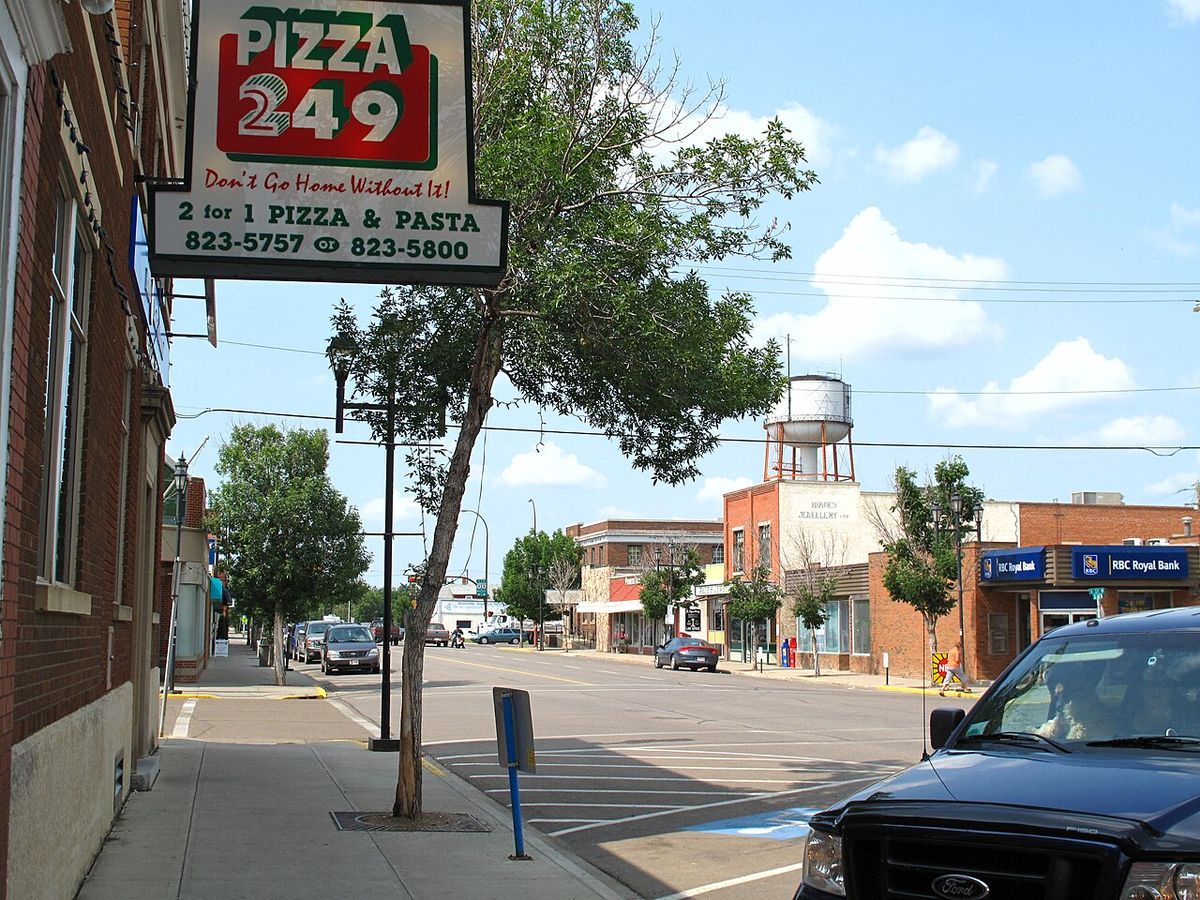
Hanna is a town in the central plains of Alberta, Canada, situated approximately 57 kilometres northeast of Drumheller. Founded in 1912 and incorporated in 1914, it was established as a division point on the Canadian Northern Railway and named for the railway's third vice president, David Blyth Hanna. The town serves as a regional administrative and economic hub, surrounded by Special Area No. 2, and is known for its resource-based economy and as the childhood home of several members of the rock band Nickelback. With a population of 2,394 as of the 2021 census, Hanna is a focal point for the surrounding agricultural and energy-producing region known as Short Grass County.
History and Settlement
The settlement of Hanna began in 1912 with the construction of the Canadian Northern Railway's Goose Lake line, which connected Saskatoon to Calgary. The town was officially incorporated two years later in 1914, taking its name from David Blyth Hanna, a key figure in the railway's development. Its strategic location made it a division point for the railway, necessitating significant infrastructure including a 10-stall roundhouse for locomotive maintenance and servicing. The early economy was heavily tied to the railway and the surrounding agricultural land, which attracted settlers to the region. The community faced severe hardship during the Depression-era drought, which devastated local farms and contributed to widespread economic distress. In response to these persistent challenges, the provincial government established the Special Areas administration in 1939, designating the region to provide enhanced support for residents, with Hanna later becoming a district office for this government body.
Demographics
Hanna has experienced a gradual population decline over recent census periods, reflecting broader rural trends in the province. According to the 2021 census conducted by Statistics Canada, the town had a population of 2,394 people living in 1,100 of its 1,257 total private dwellings. This represented a decrease of 6.4 percent from the 2016 population of 2,559. The town's land area was recorded as 8.4 square kilometres, resulting in a population density of 285.0 persons per square kilometre. The previous census in 2016 showed a population of 2,559, which was itself a 4.3 percent decline from the 2,673 residents counted in 2011. The 2016 land area was slightly larger at 8.81 square kilometres, yielding a density of 290.5 persons per square kilometre. These figures illustrate the town's stable but slowly contracting size within its municipal boundaries.
Economy and Natural Resources
The economy of Hanna is diversified across several primary industries that leverage the region's natural resources and geographic position. Agriculture forms a foundational pillar of the local economy, with the town serving as the commercial centre for a large trading area known as Short Grass County. Oil production and natural gas extraction are significant contributors, alongside power generation and coal mining operations. The town is also home to approximately 200 businesses that support these sectors and provide services to the community and surrounding area. Tourism represents a growing component of the economy, drawing visitors to the region's unique prairie landscape and local heritage. The area's substantial natural resource base includes deposits of coal, petroleum, natural gas, and bentonite clay, which have historically driven industrial development and employment.
Notable Residents
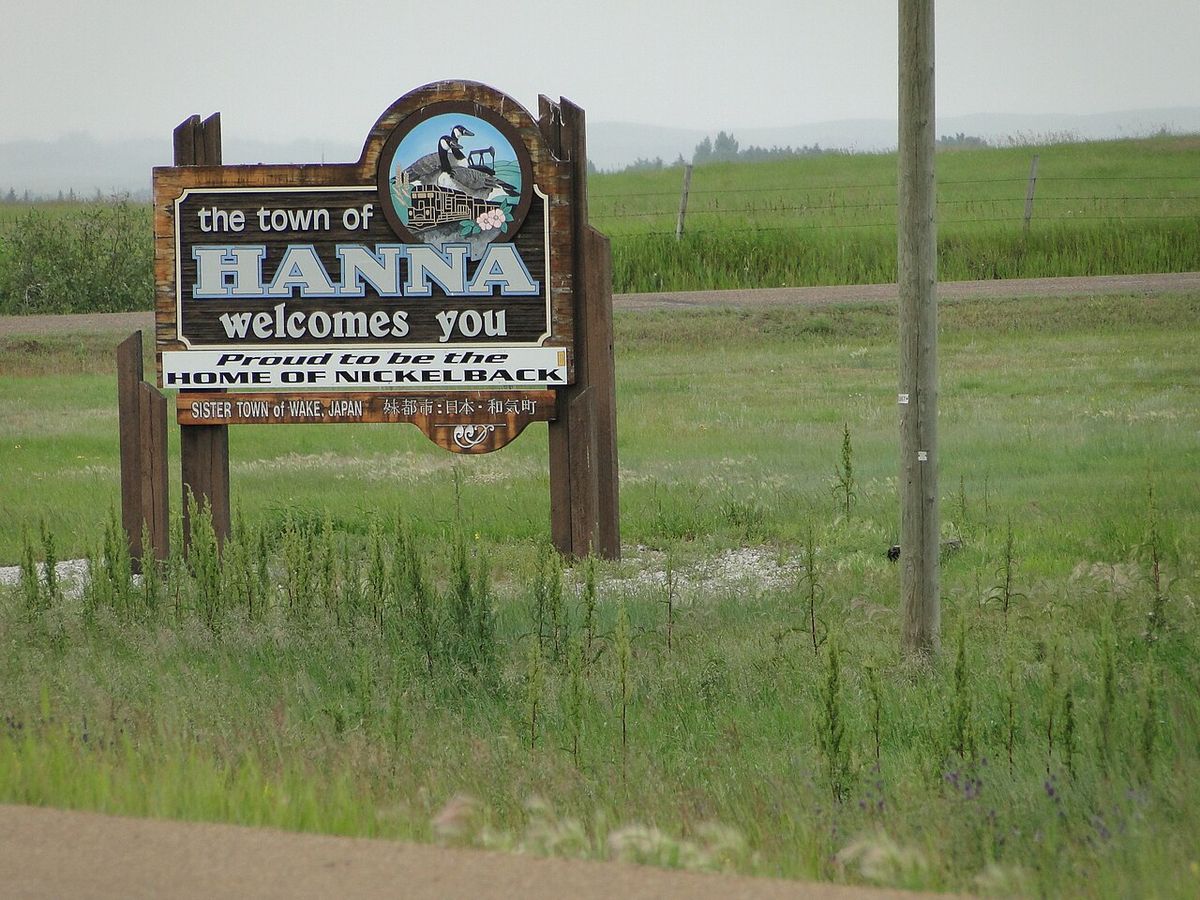
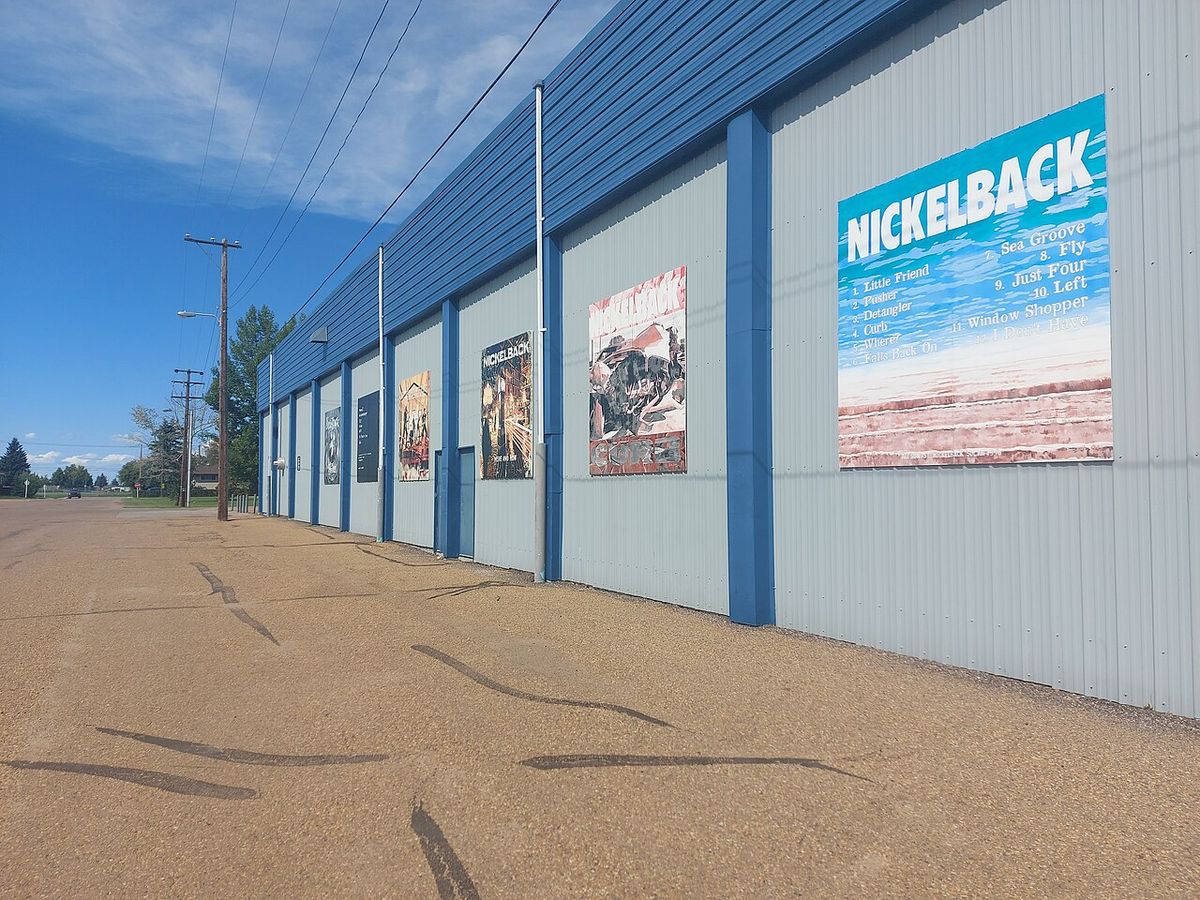
Hanna has been the hometown or residence of several individuals who gained prominence in various fields, particularly music, sports, and politics. The town is famously associated with members of the multi-platinum rock band Nickelback, including Chad Kroeger, Mike Kroeger, Brandon Kroeger, and Ryan Peake. The music video for their hit song "Photograph" was filmed in Hanna and features Chad Kroeger reflecting on his upbringing there. In professional hockey, former player Lanny McDonald, a Hockey Hall of Fame chairman and Stanley Cup trustee, hails from Hanna, as does Jim Nill, the general manager of the Dallas Stars and a former player. The political sphere includes notable figures such as Shirley McClellan, a former provincial politician, and Glen Motz, the Conservative Member of Parliament for Medicine Hat, Cardston, Warner. Other distinguished residents from Hanna include:
- Blake Nill, a prominent college football coach and former professional player.
- Milt Pahl, a former provincial politician.
- Dave Ruhl, a former professional wrestler.
- Marjorie Willison, an author and radio personality.
Community and Administration
Hanna functions as a vital service centre for the expansive and sparsely populated region that surrounds it. The town is geographically encircled by Special Area No. 2, a unique municipal governance model in Alberta designed for areas with low population density and economic challenges. The district office for the Alberta government's Special Areas administration is located within Hanna, making it a key administrative hub for provincial services and land management in the region. This administrative role highlights the town's importance beyond its municipal borders, providing governance, planning, and support for a large portion of east-central Alberta. The community maintains a sister town relationship with Wake, Okayama in Japan, fostering international cultural exchanges. Local governance and numerous community organizations work to provide amenities, recreational facilities, and events that serve both Hanna residents and the population of the wider trading area.
Key Historical and Economic Facts
The town of Hanna was first settled in 1912 and was incorporated in 1914. It was named after David Blyth Hanna, the third vice president of the Canadian Northern Railway. The Canadian Northern Railway's Goose Lake line running between Saskatoon and Calgary was built there at that time. Hanna served as a division point of the Canadian Northern Railway and had a 10-stall railway roundhouse.
- The town was first settled in 1912 with the arrival of the Canadian Northern Railway.
- Hanna was officially incorporated as a town in 1914.
- The Alberta government established the Special Area to support residents in 1939.
- The town is the centre of a large trading area called Short Grass County.
- Hanna is home to approximately 200 local businesses.
- Major natural resources in the area include coal, petroleum, natural gas, and bentonite.
- The Canadian Northern Railway built a 10-stall roundhouse in Hanna.
- The town's sister city is Wake, Okayama in Japan.
Recent Population Trends
The population data from the last three national censuses reveals a consistent downward trend for the Town of Hanna. The following table illustrates the key demographic statistics from the 2011, 2016, and 2021 census periods, showing changes in population, dwelling counts, and density. The number of occupied private dwellings also decreased from 1,149 to 1,100, while the reported land area saw a slight reduction, contributing to a small drop in population density. These figures are critical for municipal planning and understanding the socio-economic dynamics affecting small prairie towns like Hanna, which must adapt to changing demographic realities while maintaining essential services.
| Census Year | Population | % Change | Private Dwellings (Occupied) | Land Area (km²) | Density (/km²) |
|---|---|---|---|---|---|
| 2016 | 2,559 | -4.3 | 1,149 | 8.81 | 290.5 |
| 2021 | 2,394 | -6.4 | 1,100 | 8.4 | 285.0 |
Questions about Hanna, Alberta
Where is Hanna, Alberta located?
Hanna is located in Central Alberta, Canada, approximately 57 kilometres northeast of the town of Drumheller. It is situated within the prairie region and is completely surrounded by Special Area No. 2. The town serves as a district administrative office for this special government area, which manages a large portion of southeastern Alberta.
What is Hanna, Alberta known for?
Hanna is known for its history as a Canadian Northern Railway division point and its role as an administrative centre for Special Area No. 2. It is also widely recognized as the childhood home of several members of the rock band Nickelback. The town's economy is based on agriculture, oil and gas, coal mining, and power generation, making it a hub for the Short Grass County trading area.
When was Hanna, Alberta founded?
The town was first settled in 1912 and was incorporated in 1914. The Canadian Northern Railway's Goose Lake line running between Saskatoon and Calgary was built there at that time. Hanna was named after David Blyth Hanna, the third vice president of the Canadian Northern Railway. It was a division point of the Canadian Northern Railway and had a 10-stall railway roundhouse.
What is the population of Hanna, Alberta?
According to the 2021 Census of Population conducted by Statistics Canada, the Town of Hanna had a population of 2,394. This figure represents a decrease of 6.4 percent from its 2016 population of 2,559. The town's land area is 8.4 square kilometres, resulting in a population density of 285.0 people per square kilometre in 2021. This demographic data is collected and published by the national statistics agency. The population change is part of ongoing trends recorded for the community.
Who are some famous people from Hanna, Alberta?
Notable people from Hanna include several members of the rock band Nickelback, specifically Chad Kroeger, Mike Kroeger, Brandon Kroeger, and Ryan Peake. The music video for their song Photograph was filmed in Hanna and references Chad Kroeger's upbringing there. Other notable individuals are former professional hockey player and Stanley Cup trustee Lanny McDonald, Dallas Stars general manager Jim Nill, and former provincial politician Shirley McClellan. The list also includes Conservative MP Glen Motz, author Marjorie Willison, and Robert Raymond Cook, who was the last person executed in Alberta.
What are the main industries in Hanna, Alberta?
The main industries in Hanna are agriculture, oil production, power generation, tourism, and coal mining. The town serves as the centre for a large trading region known as Short Grass County. It is home to approximately 200 businesses that support these economic activities. The local area possesses significant natural resources including coal, petroleum, natural gas, and bentonite. These resources form the foundation for the key industrial sectors that drive the town's economy.
Sources and further reading
- Hanna, Alberta (Wikipedia)
- Hanna, Alberta | Live the Lifestyle in the Harvest Sky Region. (hanna.ca)
Checked by the Your Space Hamilton desk. Last updated 2026-11-02.