Chatham-Kent
Chatham-Kent is a single-tier municipality in Southwestern Ontario, Canada, formed in 1998 through the amalgamation of the City of Chatham with numerous surrounding towns and townships. With a population of 103,988 as of the 2021 census, it is a predominantly rural region whose main population centres include Chatham, Wallaceburg, Tilbury, Blenheim, Ridgetown, Wheatley, and Dresden. The municipality holds significant historical importance as a terminus of the Underground Railroad and a former centre of Black Canadian life and culture in the 19th century. Today, its economy is anchored by manufacturing, agriculture, and a growing service sector, while its expansive geography includes significant shoreline on Lake Erie and Lake St. Clair.
History and Heritage
The area now known as Chatham-Kent is part of the traditional territory of the Odawa, Potawatomi, Ojibwe, and Wyandot First Nations. Following the Treaty of Paris in 1763, control passed from France to Britain, and the land title was later surrendered through the 1790 McKee's Purchase, an event designated as a National Historic Significance in 1931 with a plaque located in Blenheim Park. European settlement began with a naval dockyard established in 1792 at the fork of the Thames River and McGregor's Creek, with the community named after William Pitt, the 1st Earl of Chatham. After the American Revolution, a group of Christian Munsee settled in what is now the Moraviantown reserve, and the War of 1812 saw the Battle of the Thames occur between Moraviantown and Thamesville on October 5, 1813. Throughout the 19th century, the region became a crucial destination for freedom seekers via the Underground Railroad, earning Chatham the nickname 'black mecca of Canada' by the 1850s, a name preserved by the Black Mecca Museum in the city. Important sites from this era include the Josiah Henson Museum of African-Canadian History near Dresden, established in 1841 as part of the Dawn Settlement, and the community of North Buxton, which is part of the African Canadian Heritage Tour.
The militant abolitionist John Brown held a Convention of Colored Men in Chatham on May 8-10, 1858, where he recruited several local men and accepted financial help from activist Mary Ellen Pleasant for his raid on Harpers Ferry. By this period, Black Canadians made up one-third of Chatham's population and controlled a significant portion of its political power, with nearby Dresden and Buxton also home to thousands of land-owning black residents. After the abolition of slavery in the United States, many black families left the area, and today the city of Chatham is just 3.3% black, with Chatham-Kent as a whole being 2.1% black. The area became a centre for early automobile manufacturing, hosting companies like the Chatham Motor Car Company, Gray-Dort Motors from 1915 to 1925, and the Denby Motor Truck Company of Canada from 1919 to 1921.
A notable culinary claim is the invention of the Hawaiian pizza at Chatham's Satellite Restaurant in 1962 by Sam Panopoulos. The modern municipality was created by a provincially mandated amalgamation in 1998, consolidating the City of Chatham, the County of Kent, and all its constituent towns, including Blenheim, Bothwell, Camden, Dresden, Harwich, Raleigh, Ridgetown, Romney, Thamesville, Tilbury, Wallaceburg, and Wheatley. This consolidation was controversial, with 18 city councillors boycotting the official vote, and the final decision imposed by a provincial commissioner. A 2003 study found 48% of respondents felt the value they received as taxpayers became worse after amalgamation, and 64% did not think of the community as 'the Municipality of Chatham-Kent.' The merger led to unified municipal services, including the Chatham-Kent Fire Department and the Chatham-Kent Police Service, which consolidated former departments in Chatham, Wallaceburg, Dresden, and Tilbury. Public bus service was expanded to serve all of Chatham-Kent, with routes to Wallaceburg and Dresden added starting in 2007.
Key Historical Sites and Events- McKee's Purchase (1790): Land surrender treaty, designated a National Historic Event in 1931.
- Battle of the Thames (October 5, 1813): Fought during the War of 1812 between Moraviantown and Thamesville.
- Underground Railroad Terminus (19th century): Chatham was a major destination, referred to as the 'black mecca'.
- Josiah Henson Museum: Established near Dresden in 1841 as part of the Dawn Settlement for escaped slaves.
- John Brown's Convention (May 8-10, 1858): Held in Chatham to plan the Harpers Ferry raid.
- Invention of Hawaiian Pizza (1962): Attributed to Sam Panopoulos at the Satellite Restaurant.
- Historic Festivals: Include the Battle of Longwoods reenactment on Labour Day and the annual Buxton Homecoming in September.
Geography and Climate
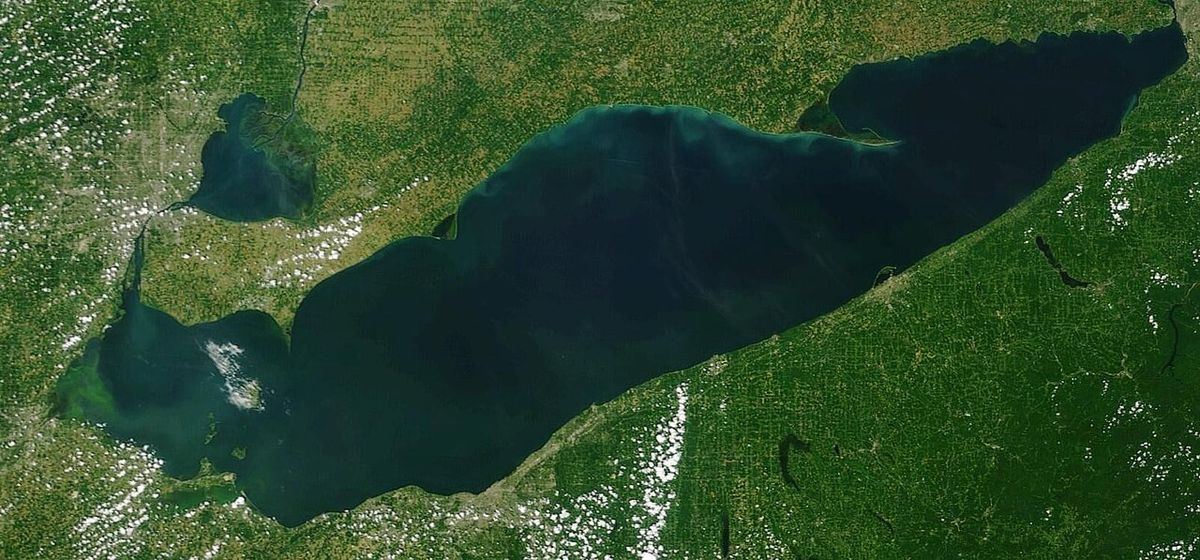
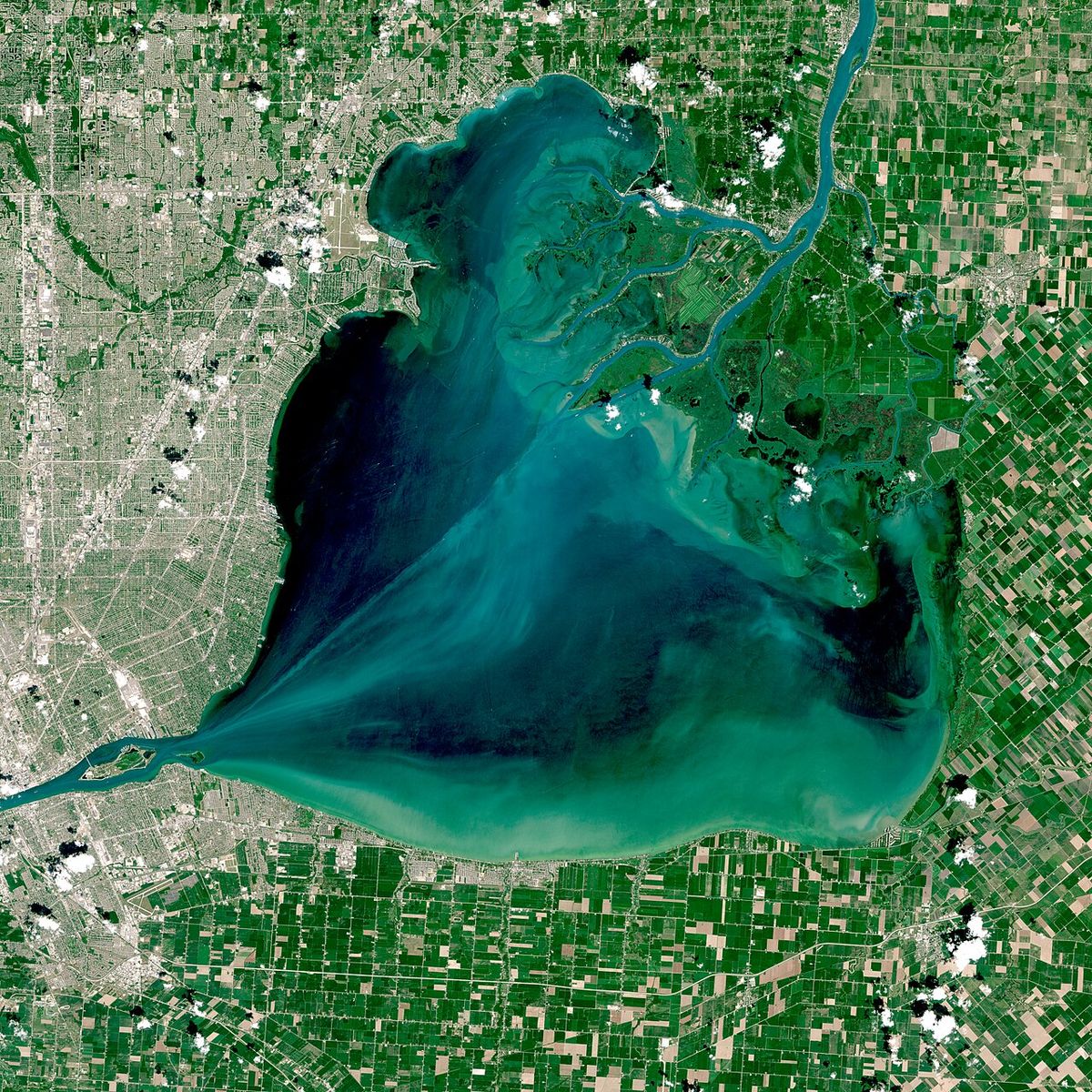
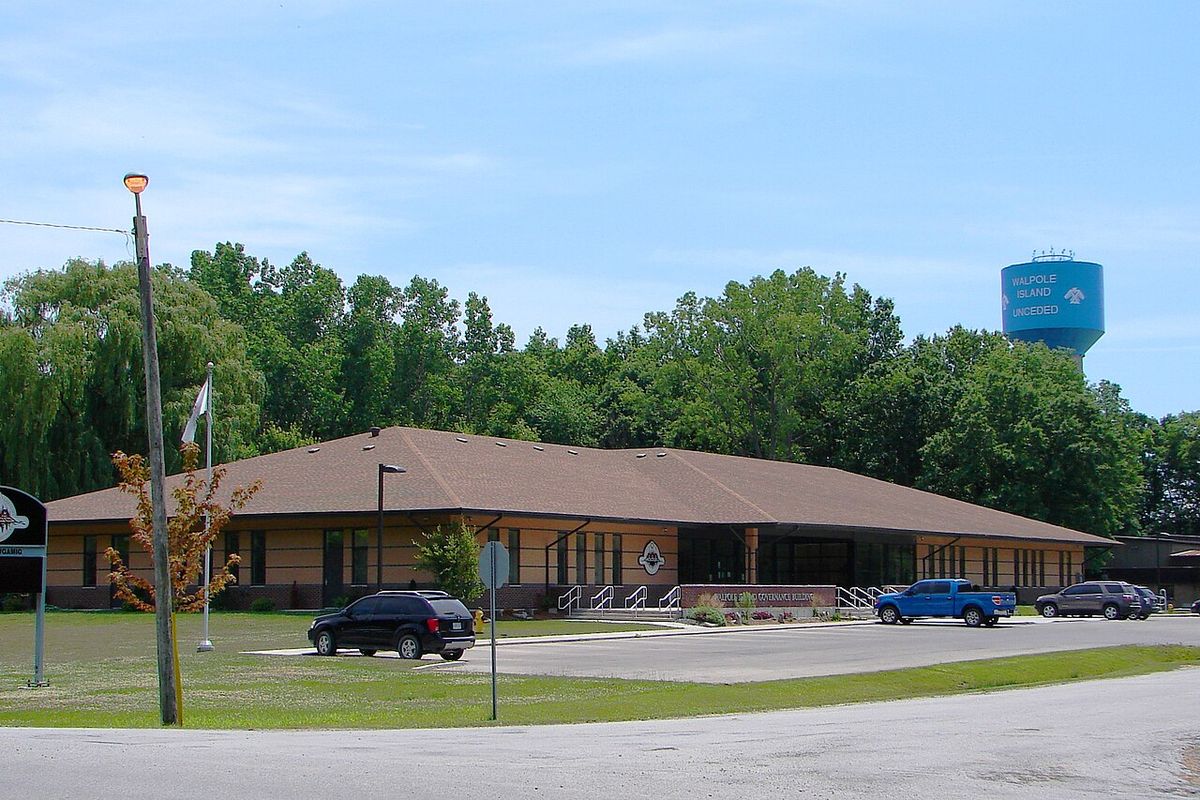
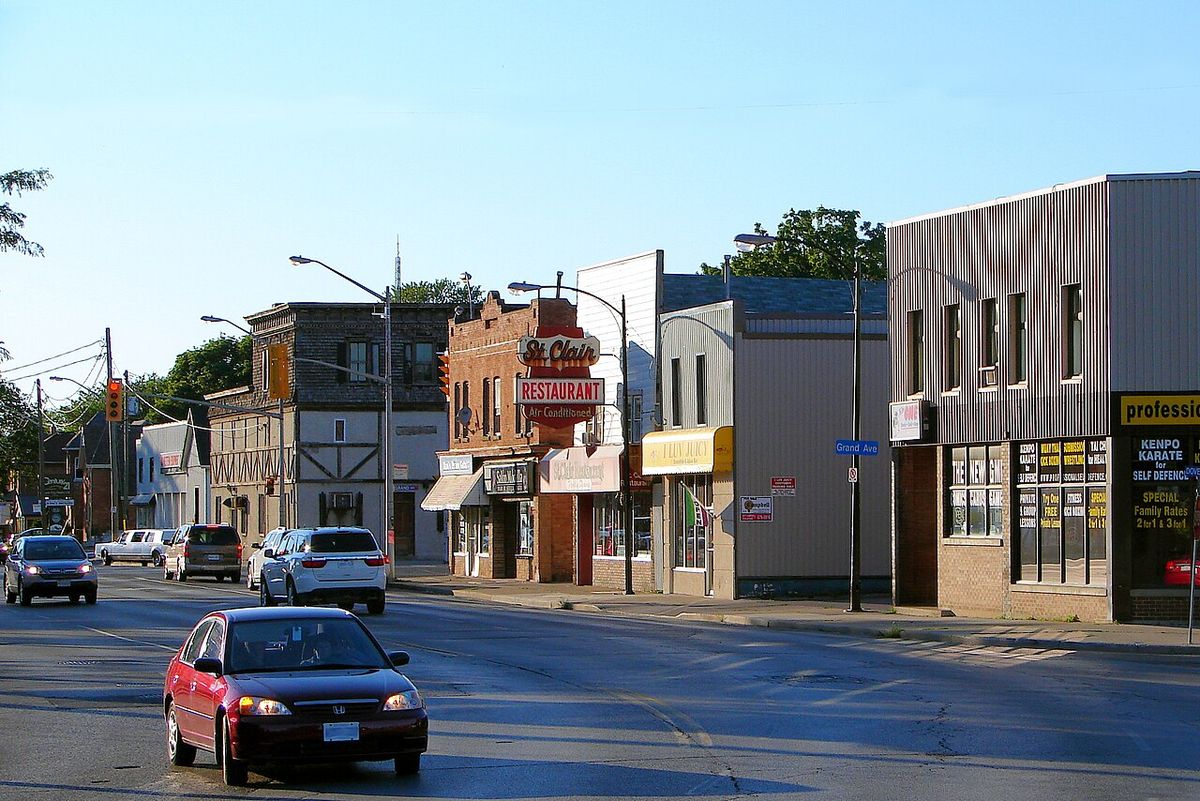
Encompassing 2,458 square kilometres, Chatham-Kent is the ninth largest municipality by area in Canada. Its landscape is primarily agricultural, with major waterways including the Lower Thames River, which flows to Lake St. Clair in the west, and the Sydenham River, which runs through Wallaceburg and Dresden. The municipality has approximately 88 kilometres of shoreline along Lake Erie and 24 kilometres along Lake St. Clair. Within its borders lies the enclave of the Moravian 47 Indian reserve, while the Walpole Island First Nation borders the municipality to the north and is part of the Chatham-Kent census division. Chatham-Kent experiences a humid continental climate characterized by cold, snowy winters and warm to hot, humid summers. Winter temperatures can drop below -15°C during cold snaps, but mild stretches above freezing are common, while summer typically features heat waves with temperatures exceeding 30°C often. The region's climate and fertile soil make it a productive agricultural area, and it is bordered by the municipalities of St. Clair, Dawn-Euphemia, Southwest Middlesex, and West Elgin, with the City of Cleveland, Ohio, visible across Lake Erie to the south.
Demographics and Language
According to the 2021 census, Chatham-Kent had a population of 103,988 living in 44,028 of its 46,752 total private dwellings, a change of 2.3% from its 2016 population of 101,647. The population density is 42.4 people per square kilometre, reflecting its rural character. Over 44,000 of the municipality's residents live in the former City of Chatham, with other significant population centres including Wallaceburg, Blenheim, Tilbury, Ridgetown, and Dresden. The ethnic composition is predominantly of European descent, with the most common ethnic origins based on the 2006 census being Canadian, English, French, Scottish, and Irish. Other notable groups include those of German, Dutch, Belgian, First Nations, Italian, African, Polish, and Ukrainian descent. The Black population, once a dominant demographic force in the 19th century, now represents 2.1% of the municipality. The municipality has a notable francophone community, a legacy of mid-19th century settlement by French-speaking farmers.
Communities such as Pain Court, Tilbury, and Grande Pointe are designated French language service areas under Ontario's French Language Services Act, where French is still spoken by a significant percentage of the population. Approximately 8,500 residents have French as a mother tongue and 1,500 use French as their home language. Together with neighbouring Essex County, this area forms one of the concentrations of Franco-Ontarians in the province. The francophone community is supported by elementary and secondary French-language schools and the cultural organization La Girouette, based in Chatham. Knowledge of official languages is predominantly English, with 92.2% of the population speaking only English, 7.2% fluent in both English and French, and less than 0.1% speaking only French.
The Municipality of Chatham-Kent had a population of 103,988 in the 2021 census. The larger Chatham-Kent census division, which includes the independent Delaware Nation at Moraviantown First Nation, had a population of 104,316 in 2021. This represents a population change of 2.3 percent from the 2016 census figure of 101,647 for the municipality. With a land area of 2,451.9 square kilometres, the population density of Chatham-Kent in 2021 was 42.4 people per square kilometre.
Economy and Major Industries
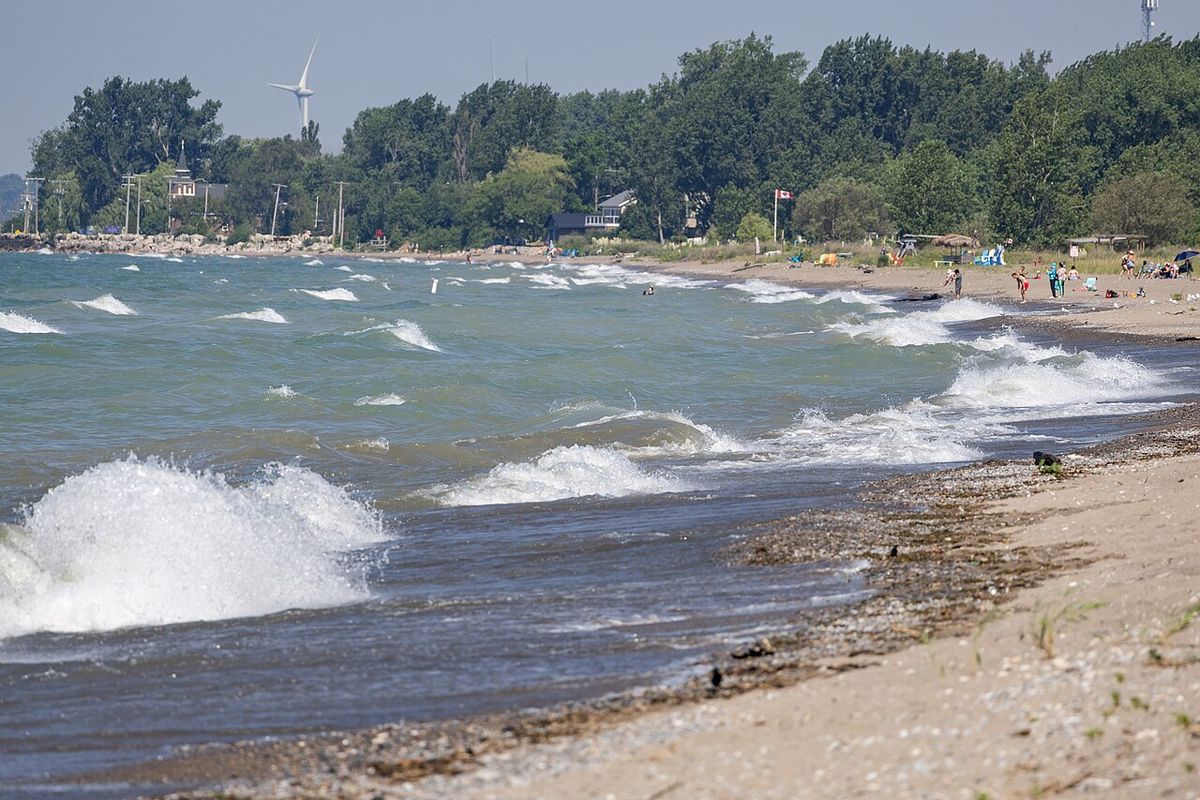
The economy of Chatham-Kent is diverse, with leading sectors including manufacturing, health care, and retail trade. Manufacturing employs 12.9% of the labour force, with a strong historical and continuing presence in the automotive sector. Health care and social assistance accounts for 12.3% of employment, while retail trade makes up 11.2%. Agriculture remains a foundational industry, employing 7.5% of the workforce, followed by accommodation and food services at 6.7%, construction at 6.5%, and educational services at 5.9%. The municipality is a major agribusiness hub, hosting the headquarters of Corteva Agriscience, a major agricultural seed breeding and biotechnology company, on the outskirts of Chatham. GreenField Specialty Alcohols operates one of the world's largest ethanol plants in Chatham, opened in 1996, producing industrial, medical, and beverage alcohol. There are also a number of vineyards in the municipality, contributing to the agri-food sector.
The automotive industry has deep roots, dating back to Gray-Dort Motors Ltd., and today features plants such as Autoliv Canada in Tilbury manufacturing airbags, Mahle in Tilbury and Ridgetown producing emissions controls and sensors, Dana Canada in Chatham making heat shields, and Vitesco Technologies in Chatham designing actuators. Chatham-Kent also has a strong reputation in the classic car sector, home to RM Auctions, a vintage automobile auction house, and RM Restorations, a restoration company. Numerous car shows are hosted annually, including the downtown Retrofest, contributing to the nickname 'The Classic Car Capital of Canada.' Other significant employers include the federal government, with over 450 employees in several departments, and Enbridge Gas Inc., which has a major corporate office in Chatham. The Canada Pension Plan Disability Unit in downtown Chatham's Judy Lamarsh Building is the single largest disability processing centre in Canada, handling 50% of all CPP Disability benefits and Old Age Security claims.
Major Employers and Economic Sectors- Manufacturing: Automotive parts (Autoliv, Mahle, Dana, Vitesco), ethanol production (GreenField), and agricultural technology (Corteva).
- Agribusiness: Headquarters for Corteva Agriscience, numerous vineyards, and a large ethanol plant.
- Health Care: Chatham-Kent Health Alliance operates hospitals in Chatham and Wallaceburg.
- Public Sector: Federal government offices, including the major CPP Disability processing centre.
- Retail: Chatham serves as a regional retail hub with big-box stores in a Super Centre on St. Clair Street. Wallaceburg also has several large stores.
- Energy: Enbridge Gas corporate office and wind farms near the shores of Lake Erie.
- Tourism & Hospitality: Features the John D. Bradley Convention Centre and Cascades casino, opened in 2019.
Attractions and Culture
Chatham-Kent offers a range of attractions rooted in its natural environment, history, and community events. The long, white sandy beaches, fishing, and hiking trails make Erieau a popular vacation spot, and the municipality contains two provincial parks: Rondeau Provincial Park and Wheatley Provincial Park, along with numerous local conservation areas. Downtown Chatham is the cultural heart, home to the restored Capitol Theatre, which opened in 1930 as the largest in the region and is now run by the municipality. The Thames Art Gallery and ARTspace, located in the historic downtown, feature exhibitions of work by local artists from the Chatham-Kent area while also housing other Canadian and international works. A major annual event is Retrofest, a classic car show organized by the Historic Downtown Chatham BIA in partnership with the Kent Historic Auto Club that draws hundreds of enthusiasts.
The Chatham-Kent John D. Bradley Convention Centre was constructed on the site of the former Wheels Inn family resort in 2011, and a new Cascades casino opened nearby on Richmond Street in July 2019. Historical tourism is significant, with sites related to the Underground Railroad and annual events like the Buxton Homecoming each September, which celebrates the area's Black culture and early settlers. The municipality hosts many historic festivals, such as the Battle of Longwoods reenactment on Labour Day weekend at the Fairfield Museum. Chatham-Kent is also home to many historic buildings which are part of an annual ghost tour offered at Halloween, where participants take a guided walk of downtown while learning ghost stories tied to local buildings. The area's classic car culture is celebrated through multiple events, reinforcing its identity in that niche.
Infrastructure and Services
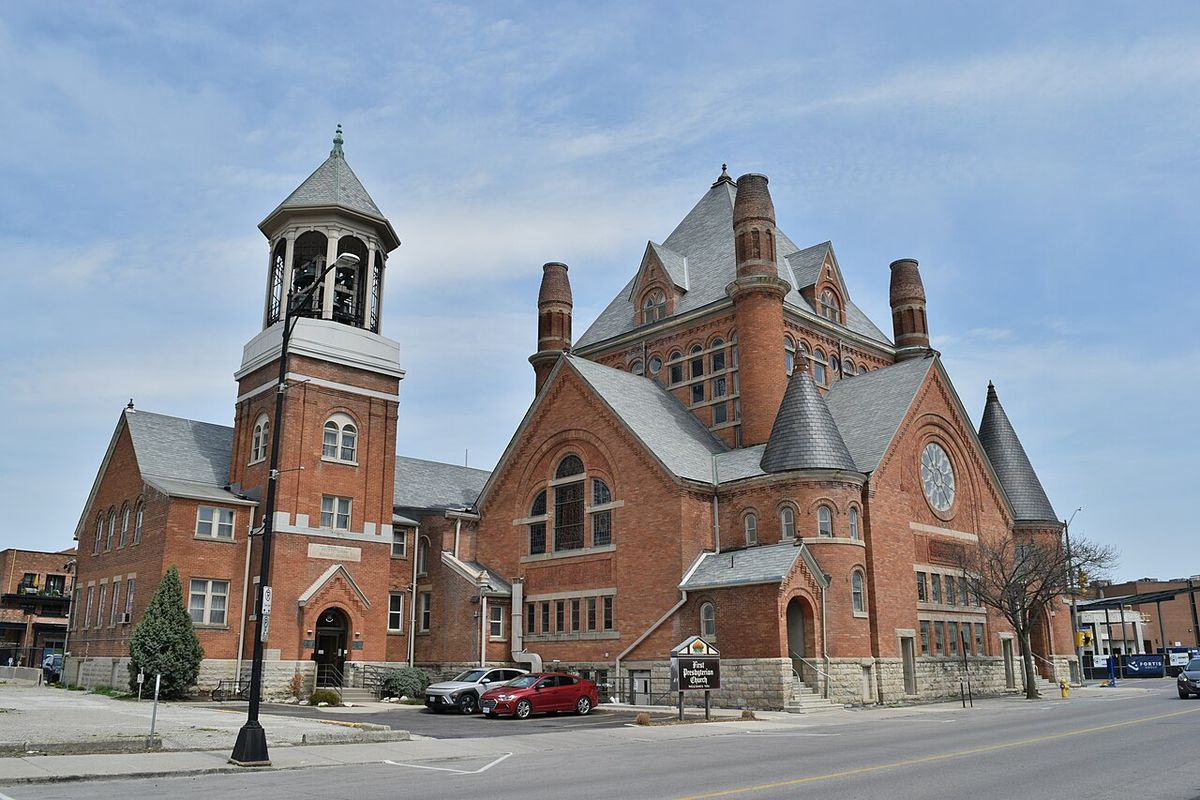
Chatham-Kent provides integrated municipal services following the 1998 amalgamation. The Chatham-Kent Police Service was formed by consolidating the police services from the former municipalities of Chatham, Wallaceburg, Dresden, and Tilbury. Similarly, the Chatham-Kent Fire Department was created from earlier separate fire departments. Public transit bus service has been expanded to serve the entire municipality, with routes set up to include the former towns of Wallaceburg and Dresden starting in 2007. Health care is delivered primarily through the Chatham-Kent Health Alliance, which operates a single hospital campus in Chatham combining the Public General and St. Joseph hospitals, while the former Sydenham District Hospital remains in Wallaceburg. The eastern portion of the municipality is also served by the Four Counties Health Services in Newbury in Middlesex County. Chatham is a location within the Ontario Health atHome network, providing home care services, supported living programs, and long-term care throughout the community.
The municipality is served by the daily Chatham Daily News and several weekly community papers located in Chatham and the various towns. Television and radio signals are received from nearby cities including Windsor, London, Detroit, Toledo, and Cleveland. Education includes both English and French-language school boards, with La Girouette, a French socio-cultural organization in Chatham, promoting French-Canadian culture and language in the area. The municipality's large geographic area and dispersed population centres necessitate a decentralized approach to service delivery, with former town halls often serving as local service centres. The controversial amalgamation process has led to ongoing discussions about service efficiency and community identity, as reflected in the 2003 study where a majority of respondents did not yet identify with the new municipal name.
Questions about Chatham-Kent
What is Chatham-Kent known for?
Chatham-Kent is historically known as a major terminus of the Underground Railroad, earning 19th-century Chatham the title 'black mecca of Canada'. It is also recognized for its agricultural industry, classic car culture, and as the claimed birthplace of the Hawaiian pizza, invented there in 1962. Geographically, it features significant shoreline on Lake Erie and Lake St. Clair and contains Rondeau Provincial Park. The municipality is also a centre for automotive parts manufacturing and agri-business.
What is the population of Chatham-Kent?
As of the 2021 Canadian census, the population of Chatham-Kent was 103,988. This represents a modest increase of 2.3% from the 2016 population of 101,647. The population density is low at 42.4 people per square kilometre, reflecting the municipality's large geographic area and predominantly rural character. Over 44,000 residents live in the former City of Chatham, which remains the largest population centre.
What are the main industries in Chatham-Kent?
The leading industries in Chatham-Kent are manufacturing, health care, and retail trade. Manufacturing, particularly automotive parts and agri-tech, employs 12.9% of the workforce. The region is a major centre for agribusiness, hosting the headquarters of Corteva Agriscience and one of the world's largest ethanol plants operated by GreenField Specialty Alcohols. Other significant sectors include agriculture, public administration, and energy, with a corporate office for Enbridge Gas located in Chatham. The federal government is also a large employer, with a major CPP Disability processing centre.
What historical sites are in Chatham-Kent related to Black history?
Key sites include the Josiah Henson Museum of African-Canadian History near Dresden, established in 1841 at the Dawn Settlement as a refuge for escaped slaves. The Black Mecca Museum in Chatham preserves the city's legacy as an Underground Railroad destination. The community of North Buxton, part of the African Canadian Heritage Tour, was a successful Black settlement. Annual events like the Buxton Homecoming in September celebrate this heritage. Historical markers also note the location of John Brown's 1858 convention in Chatham.
When was Chatham-Kent formed?
The current Municipality of Chatham-Kent was created in 1998 by the amalgamation of the City of Chatham and the County of Kent. This consolidation combined numerous towns and townships including Blenheim, Bothwell, Camden, Dresden, Wallaceburg, and Tilbury into a single-tier municipality. The provincial government imposed this decision after local opposition, including a boycott by city councillors. Following amalgamation, services like police, fire, and transit were consolidated into unified departments such as the Chatham-Kent Police Service.
Does Chatham-Kent have a francophone community?
Yes, Chatham-Kent has a significant francophone community. This stems from mid-nineteenth century settlement by French speaking farmers in areas like Pain Court, Tilbury, and Grande Pointe. These communities are officially designated French language service areas under Ontario's French Language Services Act. Approximately 8,500 residents report French as their mother tongue. The municipality supports French language education through elementary and secondary schools, and the cultural organization La Girouette, based in Chatham, promotes French Canadian culture.
Sources: Wikipedia and current public reporting, checked by the Your Space Hamilton desk. Last updated 2026-11-01.