Area codes 416, 647, 437, and 942
Area codes 416, 647, 437, and 942 are telephone overlay area codes in the North American Numbering Plan for the city of Toronto, Ontario. Area code 416 was one of the original 86 North American area codes assigned in 1947, covering a large portion of southern Ontario. Through geographic splits and the subsequent addition of overlay codes to meet demand, these codes now serve the single municipality of Toronto, making it a unique case in Canada. The area codes are central to the identity of Canada's largest city and its extensive local calling area, which is one of the largest toll-free calling zones in North America.
Historical Development and Splits
Area code 416 was one of the 86 original North American area codes assigned by the American Telephone and Telegraph Company in 1947 for Operator Toll Dialing. It initially covered all of southern Ontario, including the populous Golden Horseshoe region. The first split occurred in 1953, when the western portion of 416, including Kitchener, was combined with part of area code 613 to form the new area code 519. This left 416 largely covering the core of the Golden Horseshoe, a configuration that remained stable for four decades despite rapid growth in the Greater Toronto Area. By the late 1980s, the proliferation of telecommunication services brought 416 close to exhausting its available central office codes. This led to a second major split on October 2, 1993, which reduced the 416 numbering plan area to the six municipalities of Metropolitan Toronto. The rest of the Golden Horseshoe, including the regional municipalities of Durham, Halton, Hamilton-Wentworth, Peel, and York, was assigned the new area code 905. Permissive dialling, allowing calls with either code, was in effect until March 26, 1994.
Following the amalgamation of Metropolitan Toronto into the single City of Toronto in 1998, 416 became the only Canadian area code to serve just one rate centre and one municipality. This unique status, combined with the city's high population density, meant numbers were used quickly. Splitting the city between two geographic area codes was ruled out due to the lack of a suitable boundary. Instead, the Canadian Radio-television and Telecommunications Commission approved the overlay solution, where new codes share the same geographic territory. On March 5, 2001, area code 647 was overlaid onto 416, creating Canada's first telephone area code overlay and making ten-digit dialling mandatory for all local calls in Toronto. The continued demand from mobile phones and other services led to the introduction of a second overlay, area code 437, on March 25, 2013. A 2020 exhaust analysis projected a need for further relief, leading to the activation of a third overlay, area code 942, on April 26, 2025. Area code 387 has been reserved for potential future use.
Service Area and Number Allocation
The incumbent local exchange carrier for the Toronto numbering plan area is Bell Canada. Almost all Bell Canada landlines in Toronto retain area code 416 numbers. The overlay codes, particularly 647, were allocated disproportionately to the growing mobile telephone market and to competitive local exchange carriers such as Rogers Communications, Telus, and various independent companies offering cable and voice-over-IP services. Telephone number portability is the standard, allowing customers to keep their number when switching providers, with few exceptions for legacy services like pocket pagers. The Toronto rate centre is by far the largest in Canada, having absorbed numerous historical exchanges like Agincourt, Don Mills, and Scarborough since 1977. This consolidation, unlike in other merged Canadian cities, means number exhaustion issues are managed for a single, massive rate centre rather than across multiple smaller ones. The overlay model has become the preferred solution for exhaustion relief across Canada, with all eight of the country's original numbering plan areas now having at least one overlay code.
The Extensive Local Calling Area
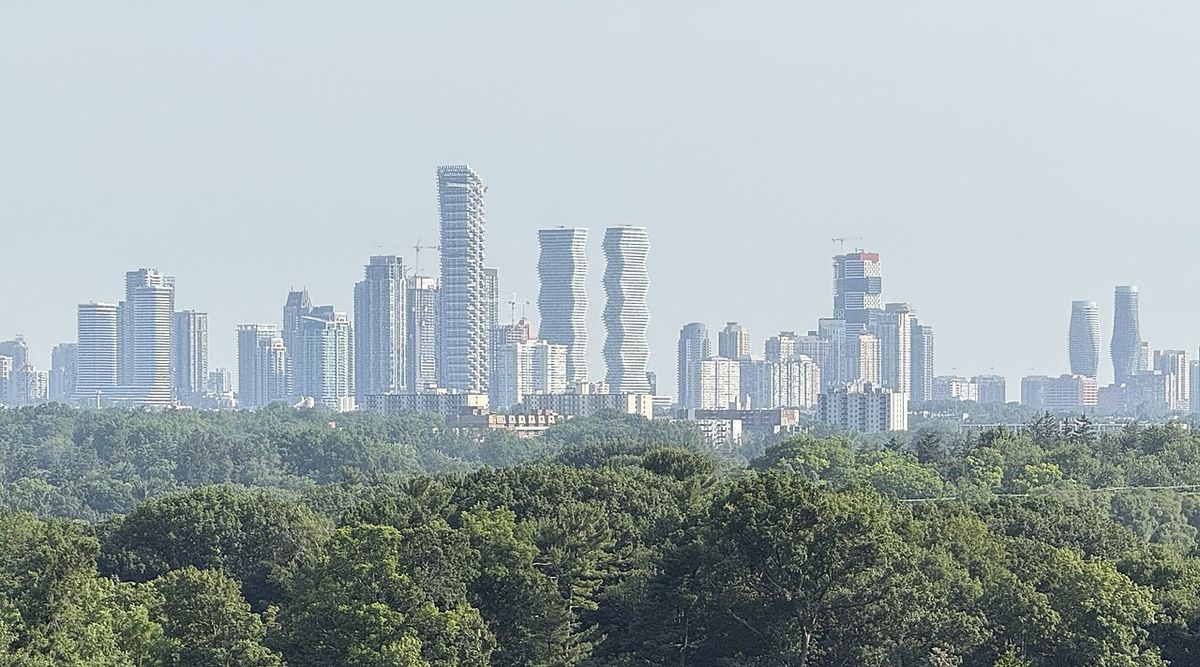
Toronto is the centre of the largest local calling area in Canada and one of the largest toll-free calling zones in North America. A local call from a 416, 647, 437, or 942 number encompasses a vast region that extends far beyond the city's municipal boundaries into the surrounding 905 area code. As of 2013, numerous suburbs were included in this local calling zone, meaning calls to and from Toronto are not long distance. The local calling area includes points in Durham, Peel, York, and Halton regions, such as Ajax, Brampton, Markham, Mississauga, Oakville, Richmond Hill, and Vaughan. It also extends to parts of area code 519, including Caledon. This arrangement creates a complex calling map where many of these suburban locations are long distance to each other, particularly those situated on opposite sides of Toronto. The demand for 416 numbers from residents and businesses in these suburbs, seeking a local Toronto number for mobile or VoIP services, has increased the perceived status and local significance of the original area code.
Cultural Significance and Representation
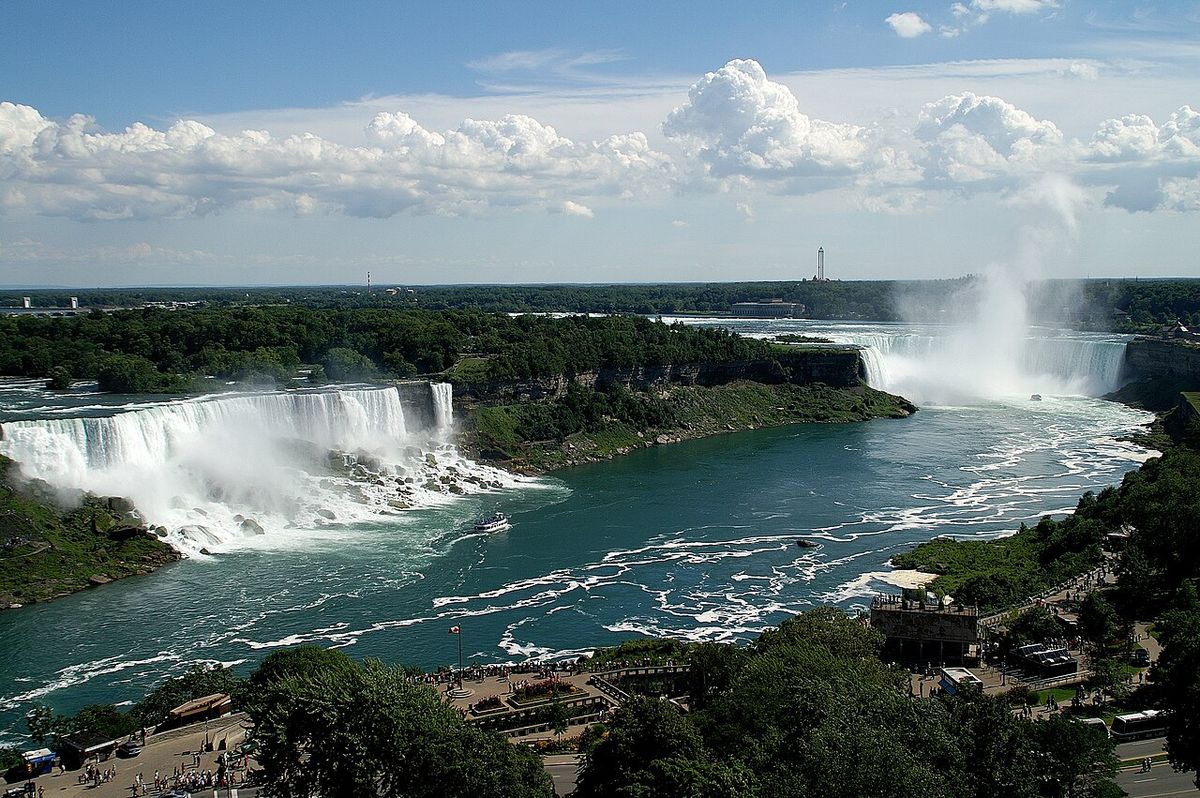
The area codes, particularly 416 and 905, have taken on strong cultural and geographic meanings within the Greater Toronto Area. The term "the 416" is commonly used to describe Toronto proper and its residents, who are sometimes called "416ers." Conversely, "the 905" or "the 905 belt" refers to the suburban municipalities surrounding Toronto, with their inhabitants known as "905ers." This usage typically excludes more distant parts of the 905 area code, such as Niagara Falls. The 647 and subsequent overlay codes do not carry the same strong geographic associations, as they are heavily associated with nomadic services like mobile phones. Some businesses and individuals have paid a premium for a 416 number, as it conveys the impression of a long-established, local Toronto entity rather than a new market entrant. The codes have been referenced in various aspects of popular culture, cementing their place in Toronto's identity.
- In 1994, the Pizza Pizza food delivery chain obtained a Canadian registered trademark for its memorable 416 telephone number, 967 to 1111, which was featured in radio jingles since the 1970s.
- Toronto rapper Maestro Fresh Wes paid homage in his 1998 song "416/905 (TO Party Anthem)".
- An earlier pop culture reference appeared on March 17, 1966, in an episode of The Munsters titled "A Visit from Johann," which depicted a person-to-person call to a Happy Valley Lodge in the 416 area code.
Evolution from Manual Exchanges to All-Digit Dialling
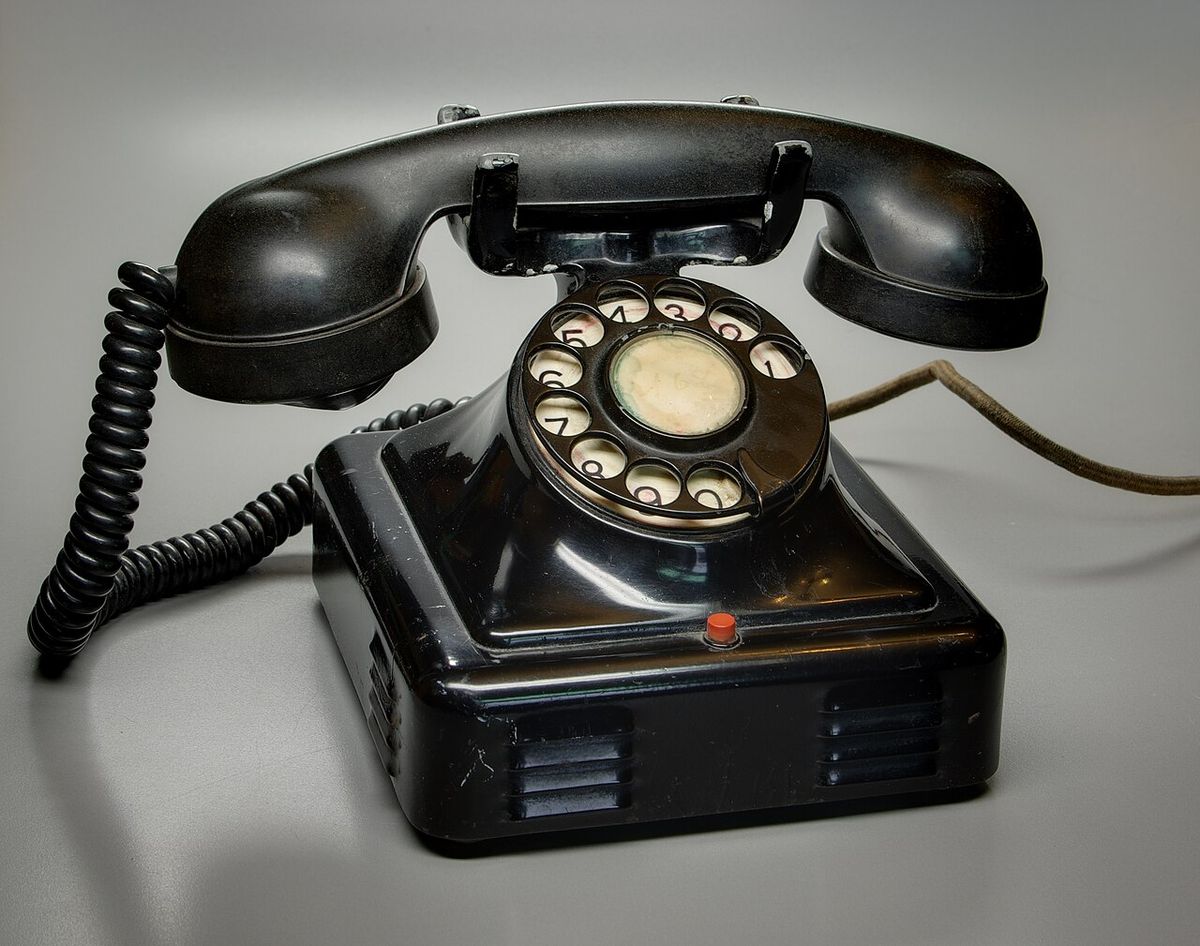
Toronto's telephone system originated with manual exchanges, each identified by a name and serving a block of four-digit line numbers. The GRover exchange at Kingston Road and Main Street in East Toronto became the first dial exchange in Canada in 1924, with Montreal following a year later. Numbers were dialled using a two-letter, four-digit (2L-4N) format, where the letters corresponded to the exchange name, such as GR for GRover. Conversion to a seven-digit (2L-5N) format began in 1951 to prepare for direct distance dialling, which was fully introduced in 1958. This process involved lengthening existing numbers by adding a digit, with specific exchanges converted in phases throughout the 1950s. As the city expanded into new suburbs in the late 1950s, additional named exchanges were created using the 2L-5N format to serve areas like Don Mills, Agincourt, and Scarborough. The use of exchange names was completely phased out between 1961 and 1966 in favour of all-numeric, seven-digit telephone numbers. Many of Toronto's modern central office prefixes have historical roots in these old exchange names, providing a link to the city's neighbourhood history.
For example, the 416 to 363 prefix originated from the EMpire exchange, while 416 to 921 came from WAlnut. Prefixes like 416 to 691 (OXford) are typically associated with the Beaches and East York areas. All central office codes for the Toronto overlays reside within the single Toronto rate centre. In some cases, 416 prefixes are served from wire centres physically located outside Toronto city limits, such as the MALTON22 centre in Mississauga, which serves an airport hotel strip that is within Toronto. This technical arrangement allows for efficient service delivery while maintaining the integrity of the Toronto rate centre, and it highlights how the physical infrastructure sometimes extends beyond municipal boundaries to serve the city's needs.
Exhaustion Analysis and Future Planning
The introduction of overlay codes has been a direct response to the recurring exhaustion of telephone number prefixes in Toronto. A 2020 exhaust analysis by the North American Numbering Plan Administrator projected that central office prefixes in the Toronto numbering plan area would be exhausted by 2025. This projection drove the relief planning that culminated in the activation of area code 942 in April 2025. The overlay method has become the standard across Canada for managing number scarcity, as it avoids the significant disruption and cost associated with mandatory number changes for existing customers. As of April 2023, all eight of Canada's original numbering plan areas have been overlaid with at least one additional area code. Only three Canadian area codes, 709 (Newfoundland and Labrador), 807 (Northwestern Ontario), and 867 (Northern Canada), remain as single-code areas where seven-digit dialling for local calls is still permitted. The table below shows the implementation timeline for Toronto's area codes and their status.
| Area Code | Type | Status as of 2025 |
|---|---|---|
| 416 | Original | Active, overlaid |
| 647 | First Overlay | Active |
| 437 | Second Overlay | Active |
| 942 | Third Overlay | Active |
| 387 | Reserved | For future use |
The continued activation of new overlay area codes reflects Toronto's sustained growth and increasing demand for telephone numbers. A 2020 exhaust analysis projected exhaustion in 2025 for central office prefixes in the service area. In relief planning since 2023, area code 942 was activated for service in the numbering plan area on April 26, 2025, to provide new numbering resources. Area code 387 has been reserved for future use in Toronto. This planning ensures the city's numbering plan can support its future needs.
Questions about Area codes 416, 647, 437, and 942
What area do the 416, 647, 437, and 942 area codes cover?
Area codes 416, 647, 437, and 942 are telephone overlay area codes in the North American Numbering Plan for the city of Toronto, Ontario, Canada. They all cover the same geographic area, which is the single municipality of the City of Toronto. With the 1998 amalgamation, 416 became the only Canadian area code to serve just one rate centre and just one city. The other codes are overlays added to the same service area.
Why does Toronto have so many area codes?
Toronto has multiple area codes due to the exhaustion of available telephone number prefixes caused by the city's large population and high demand for communication services. The original area code, 416, was split in 1993, leaving it only for Toronto. As demand continued to grow from mobile phones, fax machines, and new telecom providers, overlay codes were added to provide new numbers without forcing existing customers to change their numbers. Area code 647 was added in 2001, 437 in 2013, and 942 in 2025 to meet this ongoing demand.
Do I need to dial the area code for local calls within Toronto?
Yes, ten digit dialling is mandatory in Toronto. This requirement has been in place since the implementation of the first overlay, area code 647, on March 5, 2001. The overlay system, where multiple codes serve the same region, makes ten digit dialling necessary. Only three Canadian area codes, which are 709, 807, and 867, are still single code areas without an overlay and still allow seven digit dialling for local calls.
What is the difference between a 416 number and a 647 number?
Functionally, there is no difference. Both are local Toronto numbers. However, 416 numbers are historically associated with landlines, particularly those from the incumbent carrier, Bell Canada. When overlays were introduced, 647 numbers were allocated disproportionately to mobile phones and competitive carriers like Rogers and Telus. Culturally, a 416 number is sometimes perceived as signifying a long-established Toronto business or residence, while 647, 437, and 942 are more neutral. All numbers are portable between providers and service types.
Which suburbs are a local call from a Toronto area code?
The local calling area from Toronto is one of the largest in North America. It includes numerous suburbs in the surrounding 905 area code, such as Ajax, Brampton, Markham, Mississauga, Oakville, Richmond Hill, and Vaughan. Calls to these locations from a 416, 647, 437, or 942 number are not long distance. The zone also includes parts of area code 519, like Caledon. Notably, many of these suburbs are long distance to each other, especially if they are on opposite sides of Toronto.
Is there a new area code coming for Toronto?
Area code 942 was activated for service in the Toronto numbering plan area on April 26, 2025, to provide new numbering resources. This activation followed a 2020 exhaust analysis by the North American Numbering Plan Administrator which projected a shortage of central office prefixes by 2025. The 942 code is the third overlay added to the original 416 area code, following overlays 647 in 2001 and 437 in 2013. Area code 387 has been reserved by numbering plan authorities for potential future use in Toronto. This reservation indicates that additional overlays may be activated as needed based on ongoing demand and exhaust projections, as overlays have become the preferred solution for number exhaustion in Canada to avoid renumbering existing subscribers.
Sources and further reading
- Area codes 416, 647, 437, and 942 (Wikipedia)
- Toronto Phone Numbers: Everything You Need to Know ... (numberbarn.com)
- 416 to the 942? Toronto's getting a new area code but ... (cbc.ca)
Checked by the Your Space Hamilton desk. Last updated 2026-10-21.