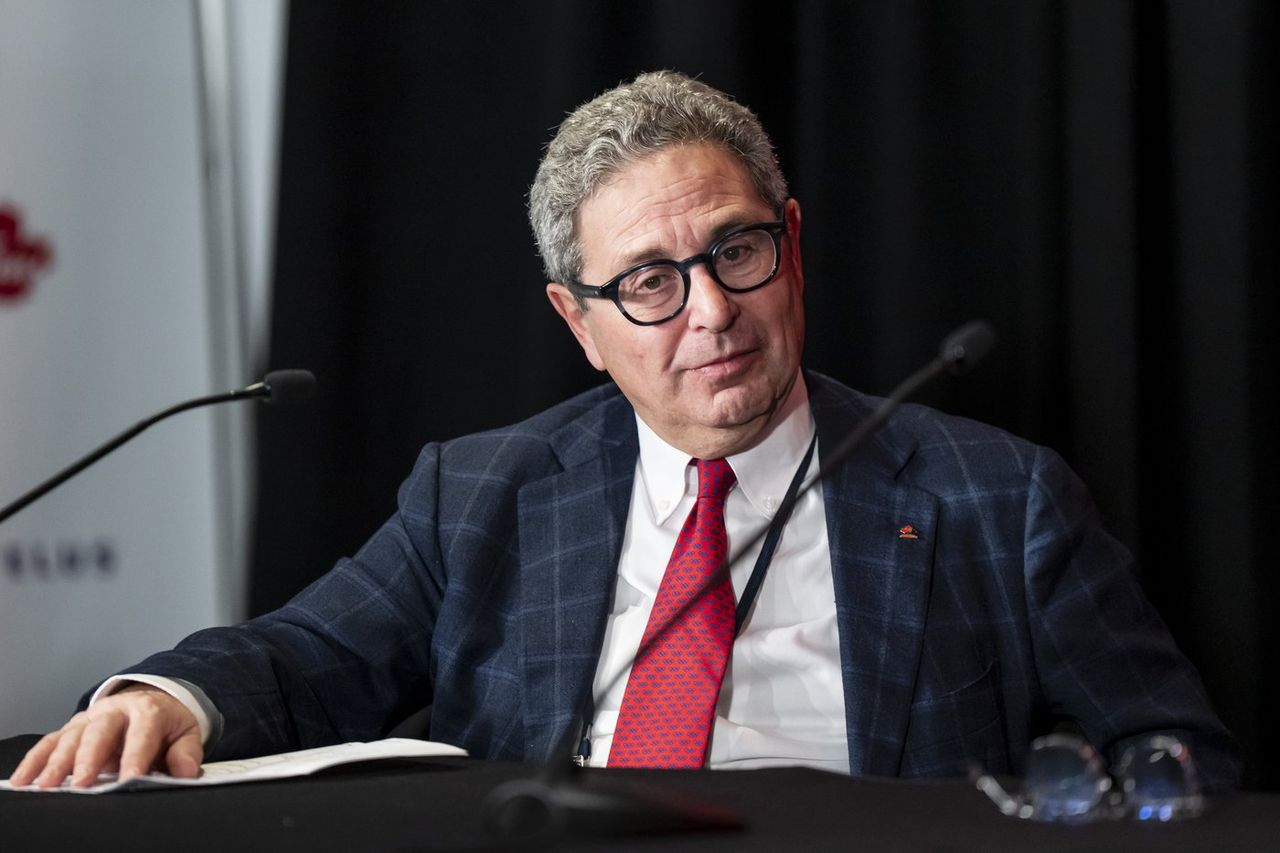
Jonathan Goldbloom to Step Down as Hockey Canada Board Chair Amid Governance Overhaul
Hockey Canada announces the departure of board chair Jonathan Goldbloom, who led the organization through a turbulent period of governance reforms following sexual assault allegations involving junior team players.
Jonathan Goldbloom will step down as chair of Hockey Canada's board of directors this fall, marking the end of a consequential tenure that began during one of the national sports organization's most turbulent periods. The Montreal resident, who first joined Hockey Canada's transition board in December 2022 before being elected chair in November 2023, announced Tuesday he would not seek re-election when his term expires in December. His departure takes effect October 5, concluding nearly four years of volunteer service during which he helped guide the organization through sweeping governance reforms.
Leadership Transition Timeline
Goldbloom's exit triggers a carefully planned succession process, with Hockey Canada confirming the board will appoint an interim chair to serve until the organization's annual meeting on December 5. This staggered transition period allows for continuity during a critical phase of Hockey Canada's operations. The outgoing chair was originally elected to a three-year term in November 2023, taking over from Hugh L. Fraser at a time when the organization was implementing fundamental structural changes.
The timing of Goldbloom's departure aligns strategically with Hockey Canada's competitive calendar, specifically the beginning of the Olympic and Paralympic quadrennial. In his resignation statement, Goldbloom emphasized the importance of having fresh leadership guide the organization through this four-year cycle that culminates in the 2026 Winter Games. The transition also coincides with ongoing implementation of governance reforms initiated in response to the 2018 junior team scandal.
Era of Governance Reforms
Goldbloom's tenure was fundamentally shaped by the need to implement recommendations from former Supreme Court Justice Thomas Cromwell's comprehensive governance review. The 2022 report, commissioned in the wake of sexual assault allegations involving members of the Canadian men's junior hockey team, exposed systemic failures within Hockey Canada's leadership structure and organizational culture. As part of the transition board formed in December 2022, Goldbloom played a key role in overseeing structural changes designed to rebuild public trust in the national sport organization.
His elevation to chair in November 2023 marked the beginning of a stabilization phase for Hockey Canada, with the organization introducing improved accountability measures and enhanced athlete safety protocols. These reforms addressed persistent criticism over Hockey Canada's handling of abuse allegations and financial management practices, particularly the controversial use of registration fees to settle lawsuits. During this period, Goldbloom helped handle the organization through continued public scrutiny and restored relationships with key stakeholders including Sport Canada.
Goldbloom's Legacy Statement
In his departure announcement, Goldbloom struck a reflective yet optimistic tone about Hockey Canada's trajectory.
"Hockey Canada has come such a long way since our transition board of directors was elected in 2022,"he stated, acknowledging the collective effort behind the organization's progress while avoiding direct reference to the scandals that necessitated reform. The outgoing chair characterized his nearly four years of volunteer service as
"the privilege of a lifetime"and expressed particular appreciation for the professional relationships developed during his tenure.
Goldbloom's statement carefully balanced institutional progress with personal sentiment, emphasizing both organizational achievements and individual connections. His pledge to remain engaged as
"Team Canada's No. 1 fan"following his departure from governance duties suggests an ongoing commitment to the organization's success, albeit in a non-administrative capacity. This formulation allows for continued support while making clear his leadership role is concluding.
Challenges for Successor
The incoming chair will inherit an organization at a critical juncture, still working to fully restore its reputation with players, parents, sponsors and government partners. Immediate priorities include completing implementation of Cromwell's governance recommendations and managing public perception ahead of major international competitions. Hockey Canada continues to face scrutiny over its handling of historical abuse cases and demands for greater financial transparency, particularly regarding legal settlements and executive compensation.
Sport Canada, the federal government's sports funding agency, has maintained enhanced oversight of Hockey Canada since temporarily freezing its funding in 2022. This ongoing governmental supervision creates both compliance obligations and opportunities for the new leadership to demonstrate reformed practices. Additional challenges include addressing participation concerns, as some provincial hockey associations report registration declines potentially linked to the organization's reputational issues.
Broader Context in Canadian Sports
Hockey Canada's leadership transition occurs against the backdrop of wider reckoning about safety, accountability and governance in national sport organizations. Multiple Canadian sport governing bodies have faced similar crises in recent years, leading to parallel governance reviews and leadership changes across the athletic landscape. The federal government has responded with stricter funding requirements and enhanced oversight mechanisms for organizations receiving public money, creating a more demanding regulatory environment.
This broader context makes Hockey Canada's succession planning particularly significant, as the organization remains a bellwether for cultural change in Canadian athletics. The national hockey body's prominence and cultural importance mean its reform efforts are closely watched as indicators of whether meaningful transformation is occurring across Canadian sports. The board's ability to recruit credible new leadership will be interpreted as evidence of either progress or stagnation in addressing systemic issues.
Why It Matters
Goldbloom's departure represents both a milestone and a crucial test for Hockey Canada's reform agenda. While his tenure successfully stabilized the organization during its most acute crisis, fundamental questions about cultural transformation and long-term accountability remain unresolved. The leadership transition offers an opportunity to demonstrate whether governance changes have created durable systems of oversight and responsibility, or merely surface-level improvements designed to weather temporary scrutiny.
For Canada's hockey community - from grassroots volunteers to elite athletes - the coming appointment signals whether the national body can truly move beyond its recent scandals. With participation rates and public trust still in recovery, the next chair's ability to unite diverse stakeholders behind a reformed vision will determine Hockey Canada's capacity to fulfill its mandate as steward of Canada's most culturally significant sport. The organization's future relevance and effectiveness may hinge on this transition being handled with the same seriousness as the reforms Goldbloom helped implement.