From No Name Price Hikes to Netflix Cancellations: 9 Canadian Consumer Trends You Need to Know
A comprehensive look at Canada's evolving consumer landscape, from grocery store price surges to streaming service frustrations, revealing how Canadians are responding to rising costs and changing retail dynamics.
Canadian consumers are facing a series of significant shifts in the retail and entertainment landscape that are reshaping spending habits and brand loyalties. From grocery aisles to streaming services, these changes reflect broader economic pressures and evolving consumer expectations in a time of financial uncertainty.
No Name Brand's Pricing Paradox
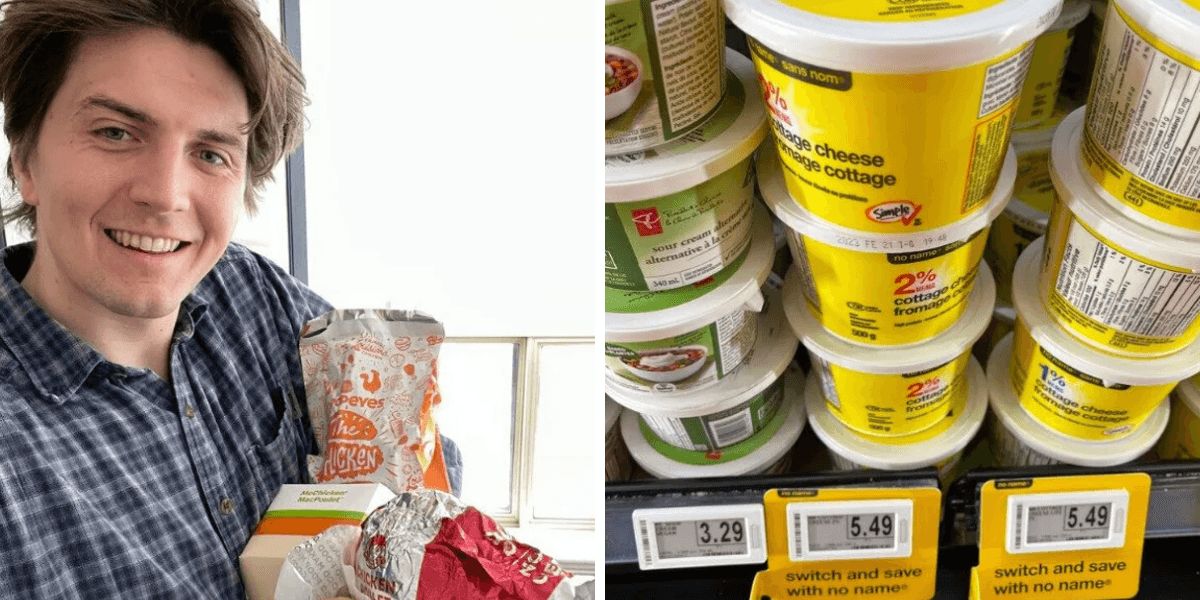
The iconic yellow packaging of Loblaws' No Name products, long considered the hallmark of budget grocery shopping, is losing its price advantage. Recent shopper reports indicate that these traditionally economical products are now being outpriced by national brands in several key categories. One striking example came from a social media post showing Black Diamond brand cheese slices priced 50 cents lower than their No Name equivalent. This reversal of the expected price hierarchy has left many consumers questioning the brand's value proposition.
Loblaws President Galen Weston Jr. has built marketing campaigns around the No Name brand's affordability, making these price increases particularly notable. The trend raises serious questions about whether the brand can maintain its identity as a cost-saving option when its pricing increasingly mirrors or exceeds that of branded products. Some customers have speculated about strategic pricing maneuvers, with one commenter suggesting the increases might be setting the stage for future sales promotions. This skepticism reflects growing consumer distrust in grocery pricing strategies amid persistent food inflation.
The Fast Food Chicken Sandwich Showdown
Fast food aficionado Tristan Wheeler recently conducted an exhaustive taste test to settle one of fast food's most heated debates: which chain makes the best chicken sandwich? Wheeler put offerings from McDonald's, A&W, Wendy's and Popeyes through rigorous evaluation, examining each sandwich's construction, ingredient quality, and flavor profile.
His methodology went beyond casual sampling, systematically assessing elements like breading crispiness, sauce distribution, meat tenderness, and overall balance. While Wheeler hasn't yet revealed his top pick, his thorough approach suggests the winner distinguished itself through superior execution rather than brand reputation alone. This type of comparative analysis has become increasingly important to value-conscious consumers who want to ensure their dining dollars deliver maximum satisfaction.
Netflix's Password Policy Backlash
Netflix's recent crackdown on password sharing appears to be having unintended consequences in Canada, with many subscribers opting to cancel rather than pay for additional memberships. A revealing discussion on the Reddit board r/AskACanadian showed numerous accounts of users ending their subscriptions following the policy change.
One comment particularly captured the sentiment of marginal users:
"Had a subscription for years despite barely using it myself. Netflix is so out of touch they really had no idea how many people probably existed like I did."This response suggests Netflix may have miscalculated how many subscribers maintained accounts primarily for occasional use or family access. The streaming service now faces the challenge of balancing revenue protection with customer retention in an increasingly competitive market.
Travel Troubles and Triumphs
In a humorous travel mishap, two Canadian adventurers discovered they'd accidentally booked flights to Bucharest, Romania instead of their intended destination, Budapest, Hungary. The similarity in city names led to the mix-up, which they only caught when reviewing their itinerary. Rather than canceling, the travelers embraced the error, turning their mistake into an impromptu exploration of Transylvania's storied landscapes.
In another travel-related development, an Emirates business class passenger received a $12,000 USD payout after a tribunal ruled the airline failed to deliver the advertised amenities. The case sets an important precedent for consumer rights in premium air travel, emphasizing that airlines must provide what they promise, especially for high-ticket services.
Zellers' Nostalgic Comeback
The much-anticipated Zellers revival is taking an unconventional approach with a roving food truck set to visit locations across Ontario and Alberta. While the relaunch won't include the iconic in-store restaurants that older shoppers remember, it will feature pricing reminiscent of the chain's early 2000s heyday. This scaled-down approach allows the brand to test the waters of its nostalgic appeal without committing to full brick-and-mortar locations.
Canadian Natural Wonders Recognized
Ontario's Manitoulin Island, the world's largest freshwater island at 2,765 square kilometers, continues to draw attention for its diverse landscapes and recreational opportunities. From dramatic cliffs to serene beaches, the island offers numerous outdoor experiences within its substantial area.
Meanwhile, Vancouver Island has gained international recognition after being named one of the world's most beautiful places by CNN. The network described it as "Canada in miniature" due to its concentrated representation of the country's diverse geography. This designation highlights how the island combines coastal rainforests, mountain ranges, and rugged shorelines into a uniquely accessible package.
The Psychology of Consumer Spending
The grocery price increases affecting No Name products exemplify broader inflationary pressures that are forcing Canadians to reevaluate their purchasing habits. As traditional budget options become less affordable, shoppers are becoming more strategic and less brand-loyal in their grocery decisions.
Similarly, the Netflix cancellations demonstrate how consumers are scrutinizing recurring expenses more carefully. Services that once seemed like automatic purchases are now subject to strict cost-benefit analysis, particularly when policy changes reduce their perceived value. This heightened price sensitivity is reshaping consumer behavior across multiple sectors.
Broader Economic Implications
These consumer trends collectively paint a picture of a population becoming more deliberate and value-conscious in its spending. The erosion of trust in traditional discount grocery options, combined with resistance to restrictive entertainment policies, suggests companies can no longer take customer loyalty for granted.
The implications extend far beyond individual purchasing decisions. Retailers and service providers across industries may need to reevaluate their pricing strategies and customer value propositions. In an environment where consumers feel increasingly squeezed financially, brands that can demonstrate authentic value while maintaining transparency will have a distinct competitive advantage moving forward.
Looking Ahead
As Canadian consumers continue to adapt to these challenging economic conditions, their evolving behaviors will likely drive significant changes in the retail and entertainment landscapes. Companies that can anticipate and respond to these shifts, whether by offering genuine value, maintaining pricing integrity, or respecting consumer intelligence, will be best positioned to thrive in this new era of cautious spending.