Renoir Museum Heist and Other Notorious Art Thefts: A Look at High-Profile Cases
Recent thefts at the Renoir Museum in France highlight a recurring global problem of high-value art heists, from the Louvre to Boston's Isabella Stewart Gardner Museum.
Renoir Museum Targeted in Latest Art Heist
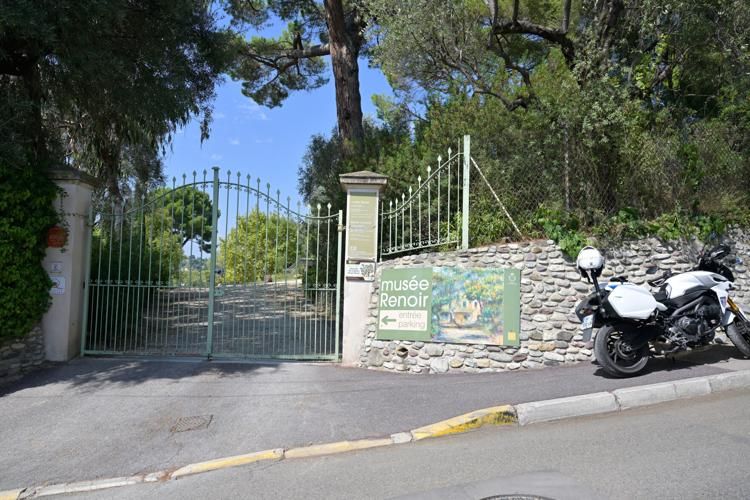
Thieves made a bold strike against cultural heritage when they targeted the Renoir Museum on the French Riviera, stealing four valuable paintings by the celebrated French impressionist Pierre-Auguste Renoir. According to the mayor of Cagnes-sur-Mer, the thieves abandoned two of the stolen works - "Portrait of Madame Colonna Romano" and "Young Woman at the Well" - in the museum garden during their escape. The museum houses a collection of 12 Renoir works, making this theft a significant loss representing one third of their holdings. While the museum has not provided an estimated value for the stolen pieces, Renoir's paintings regularly fetch millions at auction, with his works consistently ranking among the most sought-after impressionist pieces in the art market. This incident raises fresh concerns about museum security and the persistent threat of art theft worldwide, particularly at smaller regional museums that may lack the resources of major institutions.
Recent Italian Museum Theft and Recovery
Earlier this year, the art world was shaken by another high-profile theft at the Magnani Rocca Foundation near Parma, Italy, demonstrating that art thieves continue targeting works by French impressionist and post-impressionist masters. Thieves made off with three significant works: Renoir's "Fish," Paul Cézanne's "Still Life with Cherries," and Henri Matisse's "Odalisque on the Terrace." While considered minor works by these masters, their combined value was estimated in the millions of euros, reflecting how even secondary works by renowned artists command substantial sums on both legitimate and black markets. The Italian Carabinieri's specialized art recovery squad demonstrated the effectiveness of dedicated art crime units when they successfully located the paintings in August and detained five individuals believed to belong to an organized crime network. This case highlights both the vulnerability of cultural institutions and the importance of international cooperation in art crime investigations.
Napoleon's Crown Jewels Stolen from the Louvre
One of the most audacious museum heists in recent memory occurred in October when thieves targeted the Louvre in Paris, proving that even the world's most famous museums are not immune to sophisticated theft operations. In a meticulously planned operation, they used a basket lift to scale the museum's facade shortly after opening hours, exploiting a moment when security might be focused on visitor management rather than external threats. Within minutes, they shattered display cases containing nine pieces from Napoleon Bonaparte's jewelry collection, escaping with treasures valued at approximately 88 million euros. While authorities apprehended four suspects, most of the stolen items - including a sapphire diadem and necklace - remain missing, suggesting the possibility they may have already been broken down or smuggled abroad. The only recovered piece, Empress Eugénie's damaged crown, was found discarded outside the museum, indicating the thieves may have encountered unexpected difficulties during their escape. This security breach prompted significant changes at the Louvre, including new leadership and enhanced protective measures at the world's most visited museum, demonstrating how major institutions must continually adapt to evolving security threats.
The Mona Lisa's Infamous 1911 Theft
The Louvre's history of art thefts includes what may be the most consequential in art history - the 1911 disappearance of Leonardo da Vinci's Mona Lisa. Vincenzo Peruggia, a former museum employee, exploited his insider knowledge by hiding inside the building overnight and simply walking out with the painting concealed under his coat, a method that would be nearly impossible with modern security systems. The two-year search for the missing masterpiece and its eventual recovery in Florence transformed the portrait from a respected Renaissance work into a global icon, illustrating how high-profile art crimes can dramatically alter public perception and appreciation of artworks. This theft fundamentally altered the painting's cultural status, demonstrating how criminal acts can paradoxically increase an artwork's fame and value, creating a feedback loop where notoriety breeds further interest and prestige.
Unsolved Gardner Museum Heist
March 18, 1990, marks one of the most baffling art crimes in history - the theft of 13 works from Boston's Isabella Stewart Gardner Museum. Two men posing as police officers gained entry, subdued the guards, and spent 81 minutes carefully selecting artworks by Rembrandt, Vermeer, Degas and Manet, suggesting they had detailed knowledge of the collection's layout and value. The thieves even cut some paintings from their frames, leaving behind empty spaces that still haunt the museum today as poignant reminders of cultural loss. With an estimated value approaching half a billion dollars, this remains the largest-value art theft in U.S. history, and the complete lack of resolution after more than three decades continues to frustrate investigators and art lovers alike. The case's enduring mystery - no arrests, no recovered artworks - has inspired countless theories but few concrete answers about the fate of these cultural treasures, with some experts speculating the works may have been destroyed or remain hidden in private collections.
German Museum Heists and the Golden Toilet
European museums have faced their own spectacular thefts that reveal different aspects of art crime motivations and methods. In 2017, Berlin's Bode Museum lost its massive "Big Maple Leaf," a 100-kilogram solid gold Canadian coin valued at 3.75 million euros, in a theft that emphasized how thieves sometimes target objects primarily for their material value rather than artistic significance. Thieves allegedly used a wheelbarrow to transport their heavy haul before presumably cutting it into pieces for sale, demonstrating how precious metal artworks can be literally liquidated on black markets. Two years later, Dresden's historic Green Vault was robbed of three sets of 18th-century royal jewels worth hundreds of millions - a theft that shocked the art world due to the historical significance of the pieces, which would be nearly impossible to sell intact on legitimate markets. In a more bizarre case that blended art theft with political satire, thieves in 2019 stole a fully functional golden toilet titled "America" from England's Blenheim Palace. This satirical work by Maurizio Cattelan, weighing 98 kilograms of 18-carat gold, has never been recovered and is believed to have been dismantled, raising questions about whether the theft was motivated by the artwork's monetary value or its provocative commentary on wealth inequality.
The Cultural Impact of Art Theft
Art heists represent more than just property crimes - they are attacks on cultural heritage and collective memory that can have lasting consequences for public access to artistic treasures. When artworks disappear, whether through theft or destruction, society loses irreplaceable connections to history and creative achievement that cannot be fully compensated by insurance payments or reproductions. Museums face an ongoing challenge to protect their collections while maintaining public access, a balance that becomes increasingly difficult as thieves employ more sophisticated methods and institutions must weigh visitor experience against security needs. While some stolen works are eventually recovered, many vanish forever, potentially destroyed or hidden in private collections where they cannot be studied or appreciated by the public. The psychological impact on museum staff and communities can be profound, as these institutions serve as guardians of cultural identity and their violation can feel like a personal assault on shared heritage.
Security Challenges in the Art World
The recent spate of high-profile thefts reveals systemic vulnerabilities in museum security systems that require urgent attention from cultural policymakers and law enforcement agencies. Many institutions operate with limited budgets for protection measures, relying on outdated technology or insufficient personnel, creating opportunities that professional thieves are quick to exploit. Thieves often target these weaknesses, sometimes with inside help - as seen in the Bode Museum case where a security guard was implicated - highlighting the need for better vetting and monitoring of museum staff. The art market's opacity also facilitates theft, as stolen works can sometimes be sold through underground networks or to unaware collectors through complex chains of intermediaries. International cooperation between law enforcement agencies has improved through organizations like INTERPOL's stolen art database, but the global nature of the art trade makes recovery efforts complex and often frustratingly slow, particularly when dealing with jurisdictions that may not prioritize art crime investigations.
Preventive Measures and Future Outlook
The continuing pattern of high-profile art thefts suggests museums must develop more proactive and innovative approaches to collection security in the 21st century. While physical security measures like alarms, cameras and guards remain essential, institutions are increasingly turning to technological solutions such as microdot identification systems, blockchain-based provenance tracking, and advanced forensic marking techniques that can help identify stolen works years after theft. There is also growing recognition that security must extend beyond museum walls, with greater emphasis on monitoring online art markets and auction houses where stolen works may eventually surface. Perhaps most importantly, the art world needs to foster greater public awareness about the consequences of art theft and the importance of verifying provenance, as reducing demand for stolen works may ultimately prove more effective than any security system in protecting cultural heritage for future generations.