TIFF 2026 Opens Amid U.S.-Canada Trade Tensions, Lake Ontario Renaming Controversy
The 51st Toronto International Film Festival launched with pointed remarks about strained U.S.-Canada relations following Trump's executive order renaming Lake Ontario, as films and speeches reflected the political climate while maintaining the event's artistic focus.
The 51st Toronto International Film Festival kicked off this week against a backdrop of rising diplomatic tensions between Canada and the United States, transforming North America's premier cinematic event into an unexpected platform for cultural dialogue. While the festival maintained its traditional focus on global cinema and red carpet glamour, the political climate seeped into speeches, film selections and audience reactions throughout the opening days.
Festival Leadership Addresses Political Tensions
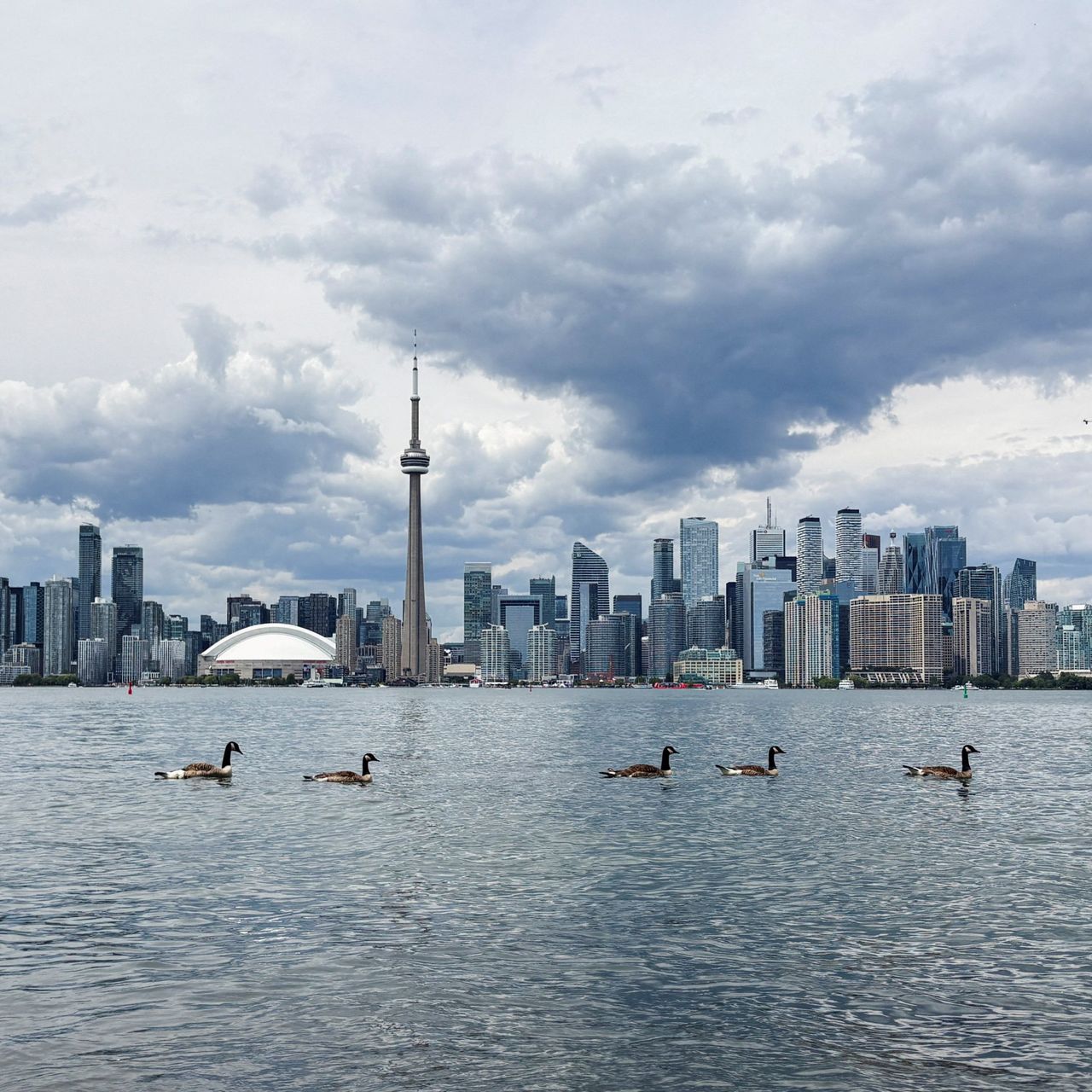
TIFF CEO Cameron Bailey set the tone during his opening night introduction of the disability rights drama "Being Heumann" by directly confronting the Lake Ontario renaming controversy. His carefully orchestrated call-and-response with the audience - "Welcome to TIFF and welcome to the beautiful shore of, say it with me, Lake Ontario" - served as both a geographical affirmation and quiet political statement. This moment of collective participation became an early festival highlight, reinforcing Canadian identity while acknowledging the elephant in the room.
Toronto Mayor Olivia Chow expanded on this theme by drawing parallels between the film's narrative of disability rights activism and Canada's current political challenges. Her observation that the movie shows how people can "move mountains, even against the might of the U.S. government" reflected growing Canadian determination in the face of economic pressure, while maintaining the festival's celebratory atmosphere.
Escalating Trade War Context
The festival's political undercurrents emerge from months of worsening trade relations between the neighboring nations. In August, the Trump administration imposed 50% tariffs on $20 billion worth of Canadian exports, targeting key economic sectors. Canada responded with retaliatory tariffs of equal value on American goods including steel, dairy products, appliances and farm equipment, creating economic uncertainty on both sides of the border.
President Trump's characterization of Canada as "the worst country to deal with" and claims that "Canada's been ripping us off for a long time" have further strained relations. The unusual executive order renaming Lake Ontario as "Lake America" added symbolic weight to these economic disputes, prompting some technology companies to alter digital maps for U.S. users while most media outlets maintained traditional nomenclature.
Films Mirror Political Reality
Several festival selections unexpectedly resonated with current events, creating moments of heightened relevance. Director Peter Farrelly's spontaneous expression of happiness at being "back on the shores of Lake Ontario" during his "I Play Rocky" presentation demonstrated how the naming controversy had entered artistic consciousness.
Canadian filmmaker Michael Dowse's "The Stunt Driver" emerged as an unintentional commentary on cross-border relations through its portrayal of 1970s stuntman Ken Carter's attempt to jump the St. Lawrence River between Canada and the U.S. The film's comic nationalism, particularly in scenes where Carter declares Canadians "God's chosen people" and derides American stunt performer Evel Knievel, drew enthusiastic responses from TIFF audiences attuned to contemporary tensions.
Behind the Scenes Perspectives
Director Michael Dowse acknowledged the unexpected timeliness of his film's themes, noting how protagonist Ken Carter's patriotic persona and maple leaf imagery gained new layers of meaning. While recognizing the accidental political relevance, Dowse emphasized his personal affection for Americans, characterizing the trade conflict as excessive posturing with his remark that "this whole trade war feels like bravado on roids."
His decision not to directly reference the Lake Ontario controversy during his premiere, despite considering it, reflected the delicate balance many artists maintain between creative expression and political commentary during periods of diplomatic strain.
Broader Political Context
The festival unfolds during an unprecedented period of U.S.-Canada tension, with President Trump recently suggesting potential Canadian affiliation with the European Union could constitute a "hostile act." These developments have created economic uncertainty while testing traditionally strong cultural ties between the neighboring nations.
As the trade war impacts industries on both sides of the border, TIFF's role as a major cultural crossroads takes on new significance. The festival continues to attract substantial American participation from both the film industry and general attendees, maintaining its position as a vital platform for North American cultural exchange despite political challenges.
Artistic Response to Geopolitics
This year's TIFF illustrates how cultural institutions inevitably reflect and respond to their political moment. While primarily dedicated to artistic celebration, the festival has become an informal arena for expressing national identity and addressing international tensions through both programming and public statements.
The subtle but consistent engagement with current events demonstrates how cultural diplomacy operates at grassroots levels, with filmmakers, organizers and audiences all contributing to an ongoing dialogue about national values and international relationships. As political tensions persist, TIFF's ability to balance artistic focus with cultural commentary highlights the unique role of arts institutions in maintaining cross-border connections.
Economic Impacts on Cultural Exchange
The trade war's potential effects on film production and distribution loom over festival discussions, with tariffs threatening to increase costs for cross-border collaborations. Many industry professionals at TIFF express concern about maintaining the free flow of artistic talent and resources between the two countries despite economic barriers.
This context gives added significance to the festival's continued success in attracting American filmmakers and studios, demonstrating the resilience of artistic partnerships even during political disagreements. The strong Canadian presence in both the industry and audience ensures national perspectives will continue to inform festival discussions while maintaining international artistic bridges.
Looking Ahead
As the festival continues, attention will remain divided between cinematic achievements and the political subtext surrounding them. The programming maintains its global focus while Canadian content carries additional cultural weight this year.
Ultimately, this edition of TIFF may be remembered not only for its artistic contributions but for capturing a significant moment in U.S.-Canada relations. The festival's nuanced response to current events - blending defiance, humor and cultural pride - offers a model for maintaining international artistic collaboration during challenging political times.