Edmonton's Infill Development Debate Intensifies as Residents, Developers Clash Over Neighborhood Character
The controversy surrounding Edmonton's infill housing policies has reached new heights as residents employ legal tactics and property purchases to oppose multi-unit developments, prompting provincial officials to review city zoning regulations.
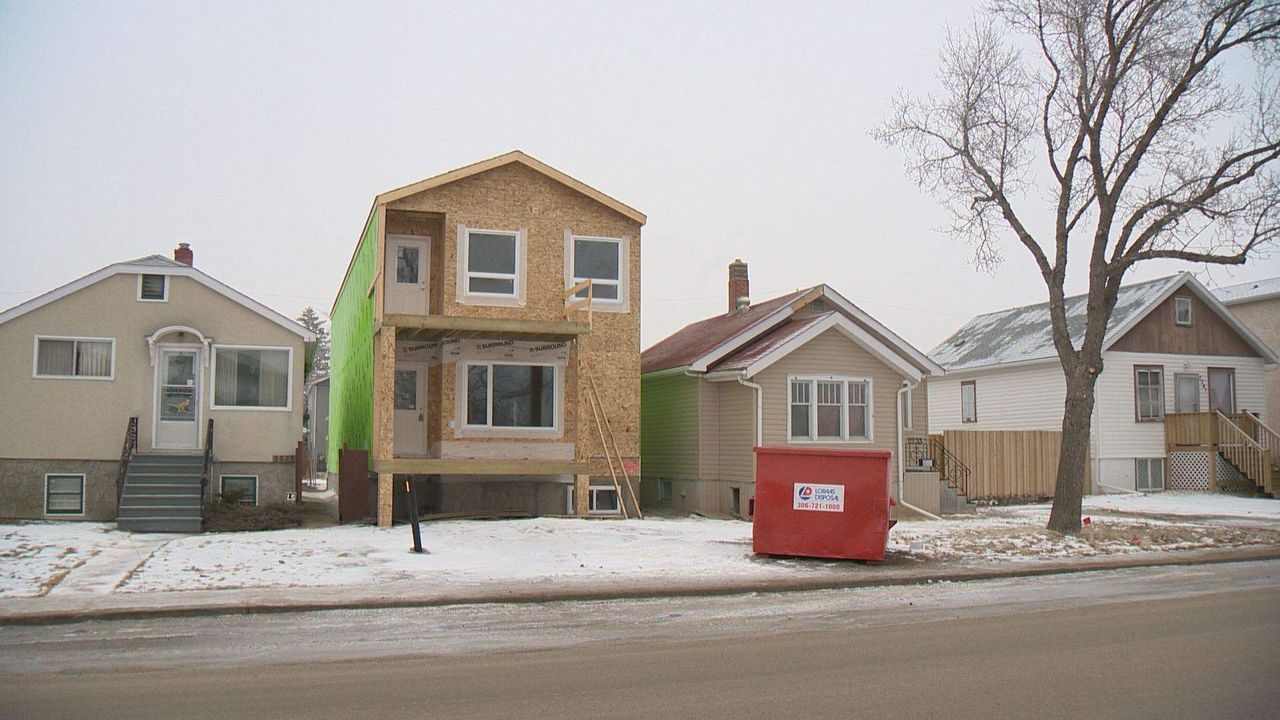
The ongoing debate about infill development in Edmonton has escalated into a significant urban planning controversy, highlighting the tension between municipal housing policies and neighborhood preservation efforts. This conflict has drawn attention from provincial authorities as residents increasingly take matters into their own hands to protect their communities from what they view as disruptive redevelopment.
Community Resistance Takes Concrete Form
The case of McQueen neighborhood exemplifies the growing grassroots opposition to Edmonton's infill policies. Real estate professional Terry Paranych described how a proposed eight-unit development on a corner lot at 146 Street and 110 Avenue sparked immediate community concern. Paranych noted the special character of the location: "This is a very quiet residential street. It's a one-entry crescent with a beautiful green space and the community was very, very concerned about it." His intervention led to purchasing the property from another developer, replacing the eightplex plan with a more traditional 2,500-square foot single-family home featuring four bedrooms, a veranda, and an attached double garage.
This marked the sixth such intervention for Paranych in less than a year, demonstrating the frequency of community pushback against dense infill projects. In another revealing instance, he persuaded a neighbor moving overseas to sell their property to him rather than to a developer, then placed a restrictive covenant on the land before selling it to a young family. "We care about the community," Paranych emphasized, explaining his motivation for these purchases. His approach reflects a growing sentiment among some residents and developers who believe neighborhood character should guide development rather than blanket zoning policies.
Legal Strategies to Control Development
Beyond individual property purchases, Edmonton residents are increasingly utilizing restrictive covenants as legal instruments to shape neighborhood development. These binding agreements, which can limit building height, unit count and other development aspects, have seen particular adoption in south Edmonton communities like Duggan and Rideau Park. Hundreds of homeowners there signed 20-year covenants that permit some infill but impose strict limits including a maximum height of two storeys (eight meters) and requirements for on-site parking.
The use of restrictive covenants has historical precedent in Edmonton's development. The prestigious Glenora neighborhood, established in the 1910s, maintains its exclusive character through the Carruthers Caveat - a covenant ensuring only single-family homes on expansive lots can be built. While originally implemented to maintain neighborhood prestige, contemporary applications reflect broader concerns about parking availability, property values, and maintaining community cohesion amid rapid change.
Policy Changes Spark Controversy
Edmonton's 2023 zoning bylaw changes, which permit multi-unit buildings up to three storeys in all residential areas, created the conditions for current tensions. The city intended these changes to increase housing affordability and choice while reducing urban sprawl. This policy direction received federal support in early 2024 through $175 million from the Housing Accelerator program aimed at creating over 5,200 new housing units. However, many residents feel these policies were implemented without adequate community consultation or consideration of neighborhood-specific contexts.
Paranych contrasted his community-focused development approach with what he views as problematic industry practices: "There's just no consultation, and they just put them up - and that's why the communities are clearly upset." He described long-time residents feeling pressured by rapid redevelopment around them, with some fearing significant property value losses of $400,000 to $500,000. His rhetorical question captured resident anxieties: "Could you imagine buying a home, moving into a neighborhood to become a fabric of that community, and then something on either side goes next to you and you lose $400,000 or $500,000 in value of your home?"
Provincial Government Considers Intervention
The intensity of community opposition has drawn provincial attention, with Alberta Premier Danielle Smith announcing that Municipal Affairs Minister Dan Williams is reviewing Edmonton's citywide rezoning approach. On her radio program, Smith relayed constituent concerns: "Hey, this doesn't make sense to build these massive units in our neighborhood." She described scenarios where conversion of multiple adjacent lots from single-family homes to townhouse complexes effectively creates "massive apartment building complexes" in traditionally low-density areas.
Smith's comments suggest potential provincial intervention in municipal zoning decisions, raising constitutional questions about the balance between local autonomy and provincial oversight in land-use planning. The premier framed the review as responsive to constituent concerns rather than ideological opposition to density, stating "It is very much on our radar."
Economic and Social Dimensions of the Conflict
The debate extends beyond zoning to encompass economic and social considerations. Critics of current infill policies point to the tax implications, noting how multi-unit developments on single-family lots can significantly increase municipal tax revenue while altering neighborhood dynamics. The example of a Holyrood single-family home paying $5,000-$6,000 annually in taxes compared to a duplex where each side pays that amount on the same lot illustrates these financial motivations.
Proponents of densification argue cities must adapt to growing populations, suggesting multiplexes offer a way to make established neighborhoods more sustainable without expanding urban boundaries. However, opponents counter that this approach sacrifices neighborhood character and fails to consider the preferences of existing residents who chose these areas specifically for their low-density qualities.
Searching for Balanced Solutions
Paranych, with twenty years of infill development experience, advocates for a middle path that respects existing communities while accommodating growth. His approach emphasizes proactive engagement: "We talk to the neighbors, we talk to the community, we get involved and we want their input on what we're going to be, ultimately, building on their streets." This collaborative model contrasts with what he describes as disruptive high-density projects introduced without meaningful consultation.
The controversy reflects fundamental urban planning challenges facing many growing cities: how to increase housing supply amid affordability crises while maintaining neighborhood character; how to distribute density fairly across communities; and how to involve residents meaningfully in decisions affecting their homes. As Edmonton continues evolving, these tensions between preservation and progress will likely require more nuanced policy solutions that consider both citywide housing needs and neighborhood-specific contexts.
Future Directions for Edmonton's Development
The current conflict suggests a need for more tailored approaches to infill development that balance housing objectives with community impacts. Potential policy adjustments might include neighborhood-specific zoning that responds to local character, enhanced consultation processes that give residents earlier and more substantive input, and design standards ensuring new construction complements existing streetscapes.
As the provincial review proceeds, Edmonton may need to reconsider aspects of its zoning approach to better accommodate diverse neighborhood contexts. The outcome could establish important precedents for how Canadian cities manage similar tensions between housing density and neighborhood preservation in coming years, making Edmonton's experience a potential case study for urban planners nationwide.