Carney proposes private investment in Canada's major airports, sparking debate over costs and control
Prime Minister Mark Carney wants private investors to operate Canada's four largest airports while Ottawa retains ownership of land and assets. The proposal would shift operational management of Toronto, Montreal, Calgary and Vancouver airports to private entities under concession agreements, drawing mixed reactions from industry groups and opposition parties concerned about potential cost increases for travellers.
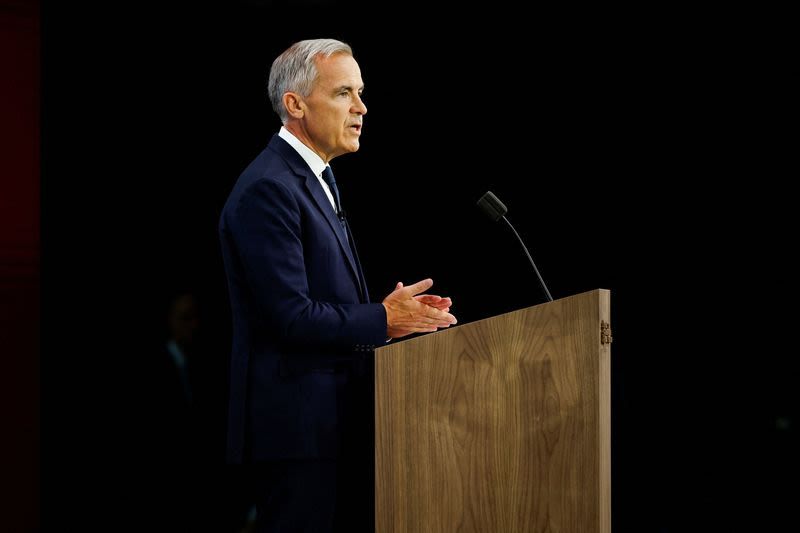
Prime Minister Mark Carney has unveiled a significant policy shift that would introduce private sector operation of Canada's four busiest airports while maintaining federal ownership of the underlying land and physical assets. The proposal, announced at a government-led investment summit in Toronto, specifically targets Pearson International Airport in Toronto, Montreal-Trudeau International Airport, Calgary International Airport and Vancouver International Airport - facilities that collectively handle the majority of Canada's air passenger traffic.
The proposed privatization model
Under Carney's plan, private investors would assume operational control through concession agreements that function as long-term leases, typically spanning decades. This model would see Transport Canada retain regulatory oversight while private entities manage day-to-day airport functions. The federal government would redirect funds currently allocated for major airport operations toward smaller regional airports, a move Carney suggests could ultimately reduce costs for travellers at less busy destinations across Canada.
Karen Hennessey, a partner in the business law group at Gowling WLG's Ottawa office, provided legal analysis of the proposal. "This isn't going to be the situation where the concessionaire is allowed to just take over and run it the way they would run any other business," Hennessey explained. She emphasized that any concession agreement would need to clearly define government expectations regarding service levels, performance metrics, public safety standards, passenger cost controls and employee management practices. The negotiation process could take between six to nine months if both parties are motivated, though complex deals of this nature often require longer timelines.
Current Canadian airport operations
Canada's existing airport operational structure differs significantly from the proposed model. Currently, private not-for-profit airport authorities lease facilities from the federal government and independently manage all operational aspects, from runway maintenance and baggage handling to terminal building upkeep. These authorities operate without direct government funding, maintaining financial independence through user fees and other revenue streams.
Deborah Flint, CEO of the Greater Toronto Airports Authority which operates Pearson International Airport, acknowledged the current system's successes while expressing openness to potential improvements. "The existing public ownership model has served travellers well," Flint stated, while remaining receptive to "enhancements" that could incorporate private-sector investment. She highlighted Pearson's management track record through multiple expansion projects as evidence of the current model's effectiveness.
International precedents and comparisons
While private airport operation remains uncommon in North America, global precedents offer important insights. A study published in the Journal of Air Transport Management found that in 2018, 51 percent of the world's top 100 busiest airports featured some form of private sector participation. Europe led in private involvement at 43 percent, followed by the Asia-Pacific region at 26 percent. Carney referenced Canadian pension funds' existing investments in foreign airports as evidence that domestic institutional investors already possess relevant expertise.
The Australian experience provides particularly relevant case studies. The Australian Competition and Consumer Commission has documented that passengers often face price increases when airports transition to privatized local monopolies. Their most recent report notes that while infrastructure improvements typically lead to higher passenger costs, service satisfaction levels generally remain positive. A 2023 University of Alberta study corroborated these findings, showing that privately operated airports tended to experience fewer flight cancellations and higher customer satisfaction with terminal amenities, though at an average cost increase of approximately $20 per passenger.
Political and industry reactions
The proposal has generated starkly different responses across Canada's political spectrum. The NDP and Bloc Québécois issued strongly worded rejections of the plan. NDP Leader Avi Lewis framed the proposal as "turning critical public assets into decades-long money printing machines for CEOs and their shareholders," while the Bloc warned of inevitable cost increases for travellers. Conservative Leader Pierre Poilievre adopted a more measured stance, stating his party would reserve judgment until seeing specific policy details. "We want to make sure that it doesn't end up being sweetheart deals for corporate power brokers and Liberal insiders," Poilievre cautioned during a Vancouver press conference.
Industry responses reflected cautious pragmatism. The Canadian Airports Council, representing airport authorities across the country, emphasized its openness to investment discussions that prioritize both growth and affordability. Council CEO Monette Pasher noted in a statement that Ottawa had already initiated conversations about extending airport leases, suggesting potential middle ground between full privatization and the status quo.
Previous Canadian privatization attempts
This marks not Canada's first consideration of airport privatization. The Justin Trudeau government commissioned a study on the subject in 2016, led by former cabinet minister David Emerson. That review suggested the federal government could sell long-term leases for major airports to raise capital, noting that Canada's air travel costs exceeded those in comparable markets. However, facing mixed feedback and strong opposition from airline industry groups, the government ultimately abandoned privatization plans in 2018.
Massimo Bergamini, then-CEO of the National Airlines Council of Canada, had vehemently opposed the 2016 proposal, demanding "clear repudiation of an idea that carries no demonstrable benefits for travellers, communities or Canada's airlines." The current revival of this debate occurs under different economic conditions and political leadership, with Carney positioning the plan as a means to improve airport operations while redirecting federal resources to regional aviation development.
Broader implications for infrastructure policy
Carney's proposal represents more than an aviation sector policy change - it signals a potential philosophical shift in how Canada manages critical transportation infrastructure. The plan tests whether private sector discipline can deliver operational efficiencies without the cost increases observed in other jurisdictions that have privatized airports. Success would require carefully structured contracts that balance investor returns with public interest protections, particularly regarding fee structures and service quality.
The debate will likely center on whether Canadians primarily view airports as public services requiring direct government stewardship or as complex businesses that could benefit from private sector management. With legislative changes required and complex negotiations ahead, the final policy implementation - if pursued - may differ substantially from the current proposal. The government's ability to craft agreements that safeguard passenger interests while attracting quality investment will determine whether this becomes a model for future infrastructure management or another abandoned privatization initiative.
Implementation challenges and timeline
Substantial hurdles remain before any privatization could occur. Hennessey emphasized that "getting the structure right is more important than moving quickly," suggesting a lengthy negotiation period. The process would require amendments to existing legislation and the development of comprehensive concession agreements addressing numerous operational details. Historical precedent suggests strong opposition from certain stakeholder groups could emerge as details become clearer, potentially complicating implementation.
The government faces the challenge of demonstrating how this model would differ from previous rejected proposals and how it would avoid the pitfalls experienced in other countries. With airport operations representing critical economic infrastructure, the policy debate will likely intensify as more Canadians become aware of the potential implications for their travel experiences and costs.