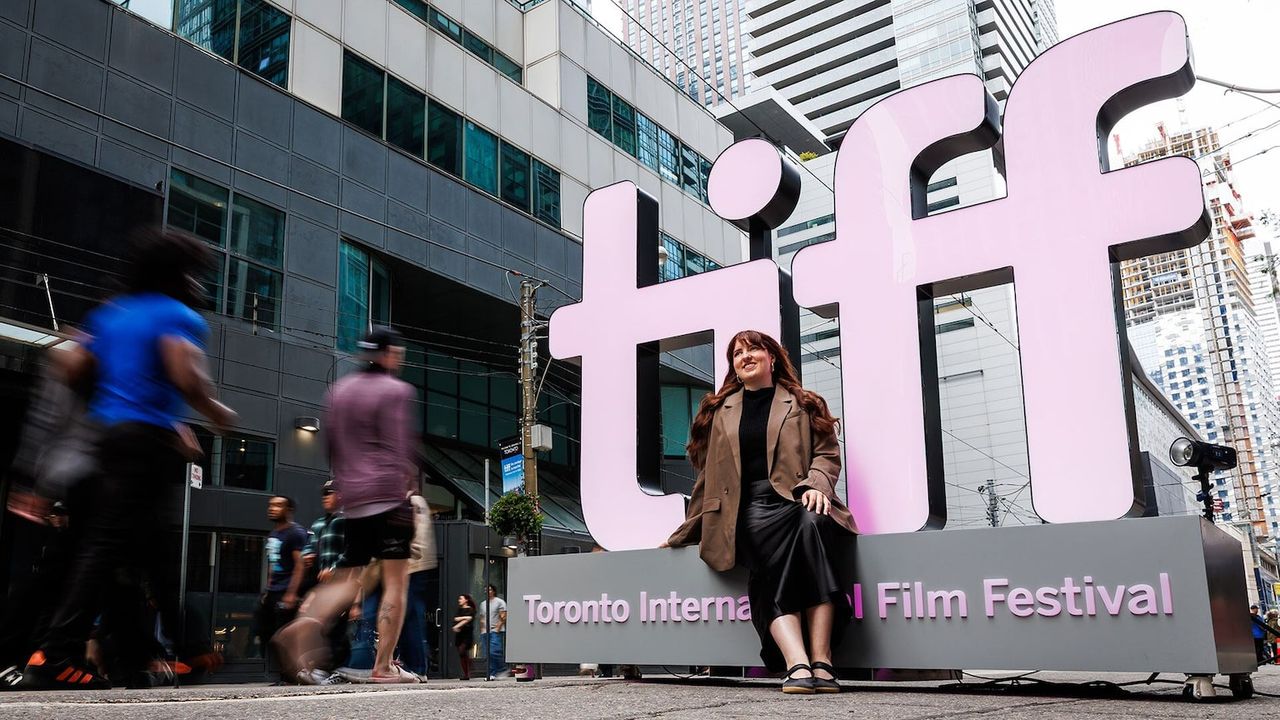
TIFF 2026 Wraps With Star-Studded Parties Across Toronto's Entertainment District
The 2026 Toronto International Film Festival concluded with A-list celebrities attending exclusive afterparties at venues like Darling Girl, Cassius Cucina Contemporanea, and RBC House, while maintaining its position as a crucial industry networking hub.
The 2026 Toronto International Film Festival concluded its 11-day run with a flourish of celebrity sightings and high-profile celebrations that underscored the event's dual role as both a prestigious film showcase and a vital networking hub for the global entertainment industry. As the festival wound down, Hollywood's elite continued to make their presence felt across Toronto's Entertainment District, transforming ordinary city blocks into a constellation of exclusive events where business and pleasure intersected beneath the glow of camera flashes.
Venues Transformed Into Celebrity Hotspots
The festival's social calendar reached its climax with several notable gatherings that attracted top-tier talent from both sides of the camera. The documentary 'Darlene Love: I Know Where I've Been' celebrated its successful TIFF premiere with an afterparty at Darling Girl, a stylish new venue in the historic St. Lawrence Market area. The event brought together the film's iconic subject, American singer Darlene Love, with director Barry Avrich and producers Taraji P. Henson and Mark Selby, creating a memorable evening that honored Love's remarkable career and the film's reception at the festival.
On King Street, Cassius Cucina Contemporanea established itself as a festival mainstay by hosting multiple premiere celebrations and private events throughout TIFF's run. The versatile space accommodated various functions tied to the festival's most anticipated films, serving as a meeting point for international stars including Cole Sprouse, James McAvoy, and Canadian television standout Annie Murphy. The venue's central location and adaptable layout made it particularly valuable during the festival's busiest days when multiple events required simultaneous hosting spaces.
READ MORE: Major TTC and GO Transit Service Disruptions to Impact Toronto Travel This Weekend
READ MORE: New Terry Fox documentary 'Run Terry Run' premieres at TIFF ahead of annual run
Corporate Hospitality Meets Hollywood Glamour
The transformation of Greek restaurant Petros82 on Adelaide Street into RBC House exemplified how TIFF blends corporate sponsorship with exclusive access. The temporary venue hosted industry-focused parties for high-profile premieres, attracting Academy Award winner Michelle Yeoh, acclaimed performer Cynthia Erivo, and international stars Orlando Bloom and Lily-Rose Depp. These carefully curated gatherings serve multiple purposes within the festival ecosystem, providing platforms for talent to connect with financiers, distributors, and press in more relaxed environments than formal screenings or press lines.
Photographers Ryan Emberley and Matt Tibbo, working on behalf of RBC, captured many of these interactions, documenting the informal moments that often lead to future collaborations. Their images of stars mingling with industry executives and fellow artists circulated widely, generating additional publicity for both the festival and its sponsors while offering glimpses behind the scenes of the film business.
The Business Behind the Parties
While the social aspect of TIFF provides ample material for celebrity gossip columns, these events serve serious professional functions within the film industry. The festival's parties have evolved into essential marketplaces where deals are initiated, relationships are forged, and projects find their paths to realization. The presence of major stars at relatively intimate venues creates unique opportunities for filmmakers to pitch ideas and for financiers to assess potential investments in more organic settings than traditional meetings.
This business dimension helps explain why TIFF maintains its position as one of the world's most important film festivals despite intense competition from other events. The combination of prestigious screenings with high-value networking opportunities creates a virtuous cycle that continues to attract top talent and industry decision-makers year after year.
Economic Impact on Toronto
The festival's annual occupation of Toronto's Entertainment District generates significant economic activity that ripples through the city's hospitality sector. Restaurants, hotels, and venues report substantial revenue increases during TIFF, with many businesses relying on the festival for a meaningful portion of their annual earnings. The 2026 edition followed this pattern, with participating venues experiencing strong demand for private events and premium services.
Beyond direct financial benefits, TIFF enhances Toronto's international profile as a cultural destination. The festival's ability to attract global stars while maintaining its distinct Canadian character reinforces the city's reputation as a cosmopolitan hub with thriving creative industries. This soft power benefit, while difficult to quantify, contributes to Toronto's ongoing efforts to position itself as a peer to traditional entertainment capitals like Los Angeles and New York.
Celebrity Culture and Festival Identity
The social media buzz surrounding celebrity sightings at TIFF parties, particularly involving figures like Cole Sprouse and Rami Malek, reflects how the festival balances artistic credibility with mainstream appeal. While maintaining its reputation for showcasing quality cinema, TIFF has skillfully leveraged star power to broaden its audience and media coverage. This dual focus has helped the festival remain relevant in an era when entertainment consumption patterns are rapidly changing.
As TIFF looks to future editions, the challenge will be preserving the intimate, filmmaker-focused atmosphere that distinguished its early years while accommodating the growing commercial and celebrity aspects that have become integral to its current success. The 2026 festival demonstrated that these priorities need not conflict, with serious films finding audiences and meaningful conversations occurring alongside the glittering parties that capture public imagination.
The enduring appeal of TIFF's social scene suggests that the human element of filmmaking, the relationships, chance encounters, and shared celebrations, remains as vital as the artistic work itself. In an industry increasingly dominated by digital distribution and virtual interactions, the festival continues to offer something increasingly rare: real moments of connection in physical spaces, where the magic of cinema extends beyond the screen and into the life of the city that hosts it.