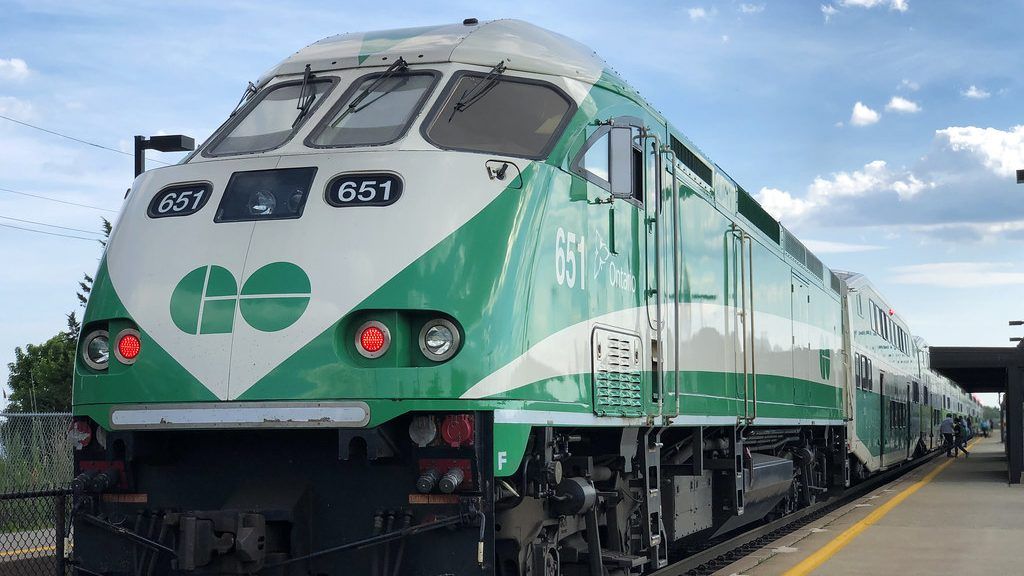
Major TTC and GO Transit Service Disruptions to Impact Toronto Travel This Weekend
Planned construction work will disrupt subway service on TTC Line 1 and train service on GO Transit's Lakeshore East and Stouffville lines during a busy event weekend featuring concerts, Blue Jays games and festivals across Toronto. The coordinated service changes require careful planning for thousands attending events like Weezer and Rahat Fateh Ali Khan concerts at Scotiabank Arena, Shaboozey and Logic performances, and Blue Jays home games.
Toronto commuters face significant transportation challenges this weekend as multiple transit agencies implement coordinated service changes for essential infrastructure work. The disruptions coincide with a packed schedule of major events expected to draw tens of thousands of visitors to the city's downtown core, creating potential bottlenecks across the transportation network during a period when many residents and visitors will be relying on public transit.
Comprehensive TTC Line 1 Shutdown
The Toronto Transit Commission will completely suspend subway service on the northern segment of Line 1 between Finch and Sheppard-Yonge stations from 11:59 p.m. Friday, September 25 through the end of service on Sunday, September 27. This 48-hour shutdown represents one of the most significant service disruptions in recent months, affecting one of the busiest sections of Toronto's subway system during a high-traffic weekend. The closure allows crews to perform critical signal system upgrades as part of the multi-year modernization project replacing the line's aging infrastructure with new automated train control technology.
While shuttle buses will operate between the affected stations, transit officials warn these replacement services typically experience slower travel times and potential crowding issues. All stations will remain open to facilitate fare transactions and connections to surface routes, maintaining access for customers needing to purchase or reload PRESTO cards or tickets. This temporary service alteration follows a pattern of periodic weekend closures that have become necessary to advance the signal modernization project without severely impacting weekday commuters.
READ MORE: TIFF 2026 Wraps With Star-Studded Parties Across Toronto's Entertainment District
READ MORE: Klein pledges to restore 150 Winnipeg bus stops, extend late-night service
Extensive GO Transit Service Changes
Two major GO Transit corridors will experience substantial service modifications due to separate construction projects occurring simultaneously with the TTC disruptions. On the Lakeshore East line, trains will not operate between Rouge Hill and Danforth GO stations throughout the weekend, creating a significant gap in service along this busy commuter route. Instead, hourly service will run between Durham College Oshawa and Ajax stations, with connecting bus service bridging the gap from Ajax to Pickering GO before continuing directly to Union Station.
The Stouffville line faces even more extensive changes with all train service canceled for the entire weekend. Replacement buses will follow a modified route that significantly alters normal travel patterns, stopping at all stations from Old Elm to Unionville GO before running express to Union Station. This service adjustment leaves three stations - Milliken, Agincourt and Kennedy GO - completely without service, forcing commuters who normally use these stations to find alternate transportation methods. GO Transit has specifically advised affected passengers to consider TTC alternatives for their journeys, though these options may involve multiple transfers and longer travel times.
Major Events Compound Transit Challenges
The timing of these transit disruptions presents particular challenges as Toronto hosts multiple high-profile events expected to draw large crowds from across the region. The Rogers Centre will host Blue Jays home games that typically attract tens of thousands of baseball fans, while Scotiabank Arena prepares for concerts by alternative rock band Weezer and Pakistani qawwali singer Rahat Fateh Ali Khan. The RBC Amphitheatre adds to the entertainment options with performances by country-rap artist Shaboozey and hip-hop acts Logic and G-Eazy, appealing to different demographic groups across the city.
These major venues join numerous festivals and cultural events scattered across the city in creating exceptional travel demand at a time when transit capacity will be significantly reduced. Event organizers and transit officials have jointly warned attendees to plan for extended travel times and potential crowding on alternative routes. The convergence of multiple large-scale events with major transit disruptions creates a perfect storm of transportation challenges that could test the resilience of Toronto's transit network.
Alternative Transportation Strategies
For those handling the Line 1 closure, transit planners suggest several alternative routes that may help mitigate the impact of the shutdown. Travelers can use the parallel University section of Line 1 by transferring at Sheppard-Yonge station, though this detour may add significant time to downtown trips due to the circuitous routing. The 97 Yonge bus offers surface-level service along much of the affected corridor, while other north-south routes like the 160 Bathurst North or 125 Drewry may provide alternatives depending on specific travel needs and origin points.
GO Transit customers face additional complications due to the modified service patterns on affected lines. The transit agency strongly recommends using their trip planning tools for real-time updates, noting that connection times between buses and trains may require additional buffer time for weekend journeys. The replacement bus services will operate on different schedules than the regular train service, with potential variations in frequency that could affect travel plans. Customers are advised to check schedules carefully and allow extra time for all connections during this period of disruption.
Infrastructure Challenges and Future Planning
These service changes reflect the complex balancing act facing Toronto's transit operators as they attempt to maintain aging systems while implementing critical upgrades necessary for future reliability and capacity. Weekend closures represent a strategic compromise that minimizes disruption to weekday commuters while allowing intensive work that would be impossible to complete during normal operating hours. However, the growing frequency of such disruptions highlights the pressing need for infrastructure investment across the regional transportation network to reduce the need for these service interruptions.
The collision between transit maintenance needs and Toronto's expanding event calendar raises important questions about coordination between civic agencies responsible for transportation and major event planning. As the city continues to attract major concerts, sporting events and festivals that drive tourism and local economic activity, the strain on transportation systems during maintenance periods becomes increasingly apparent. This weekend's disruptions serve as a case study in the broader challenges facing a growing city attempting to modernize its infrastructure while maintaining quality service for residents and visitors alike.
For travelers handling this weekend's disruptions, the immediate solution involves careful planning - allowing extra time, considering alternate routes, and staying informed through official transit agency channels. Looking ahead, these recurring service interruptions underscore the importance of continued investment in transit infrastructure to support both Toronto's daily mobility needs and its vibrant cultural calendar, ensuring the city can accommodate both growth and maintenance requirements without overly burdening transit users.