Vancouver Coastal Sea wolf
The Vancouver Coastal sea wolf, also known as the Vancouver Island wolf or sea wolf, is a unique subspecies of grey wolf endemic to the coastal rainforests and islands of the Pacific Northwest. Scientifically classified as Canis lupus crassodon, this wolf is distinguished by its semi-aquatic lifestyle and a diet heavily reliant on marine resources. It holds significant ecological and cultural importance in British Columbia and Alaska, particularly within the traditions of First Nations such as the Tsimshian, Tlingit, and Haida. The subspecies faces ongoing conservation challenges from habitat loss, human-wildlife conflict, and regulated hunting, despite a population currently considered stable.
Physical Description and Identification
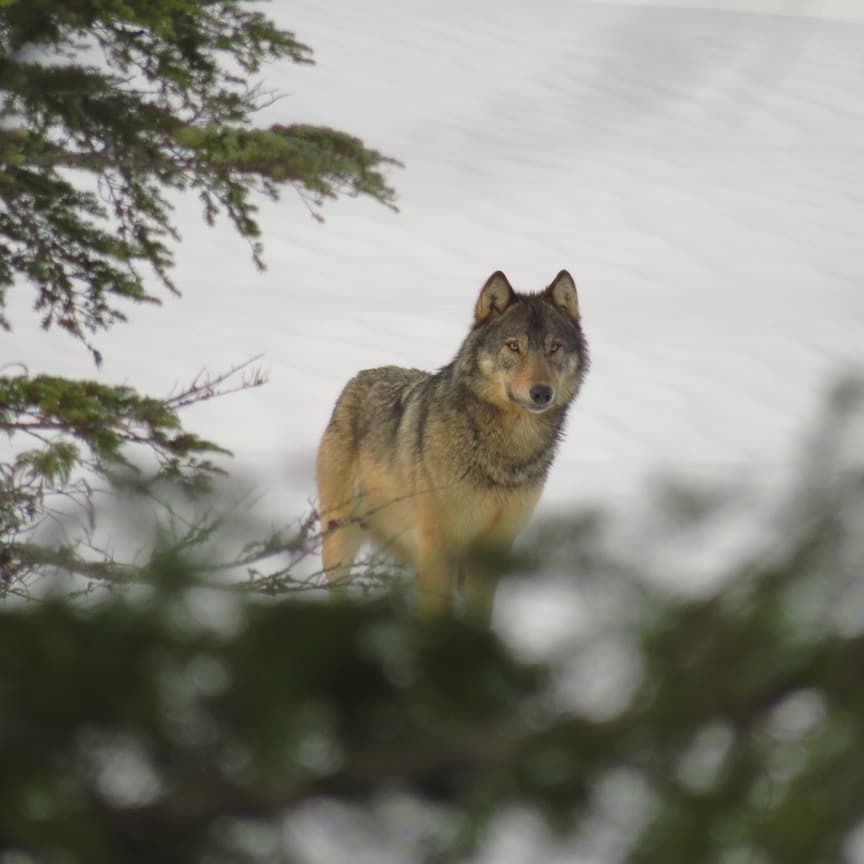
The Vancouver Coastal sea wolf is noticeably smaller and lighter than its interior grey wolf counterparts. These wolves typically measure between 1.2 and 1.5 metres from nose to tail-tip and weigh between 29 and 40 kilograms, whereas mainland British Columbia wolves can weigh 36 to 68 kilograms. Sexual dimorphism is present, with males generally being larger than females. Their coat colour exhibits considerable individual variation, ranging through shades of reddish-brown, grey, beige, and white, with occasional entirely white or melanistic individuals. Key physical adaptations for their coastal life include a sleeker body shape for efficient swimming and powerful jaw muscles used for crushing hard-shelled prey. Other identifying features are their large, square-shaped jaws, long bushy tails, and ears with rounded tips. As wolves age, their muzzles often turn white, providing a visual indicator of an individual's maturity within the pack.
Range and Habitat
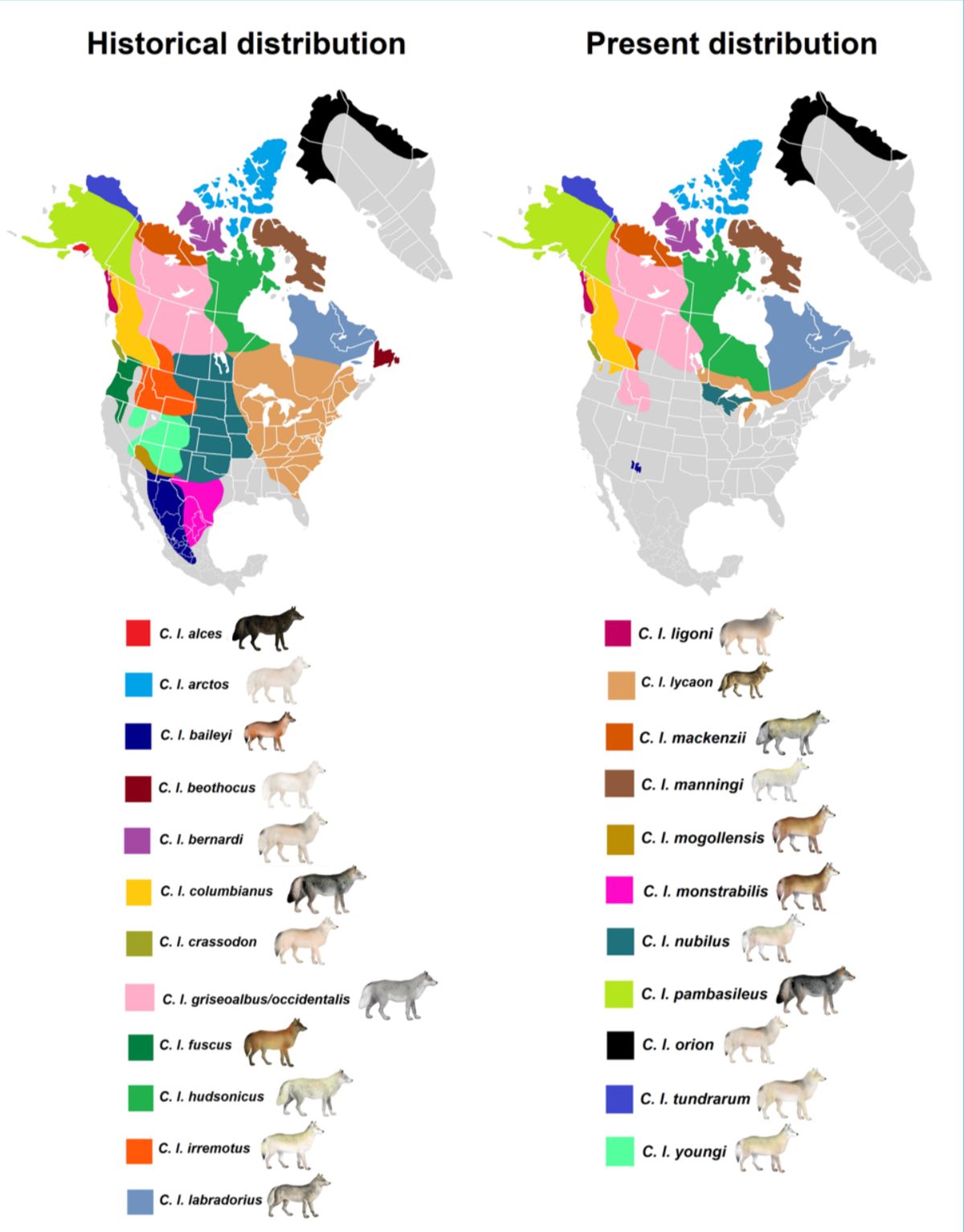
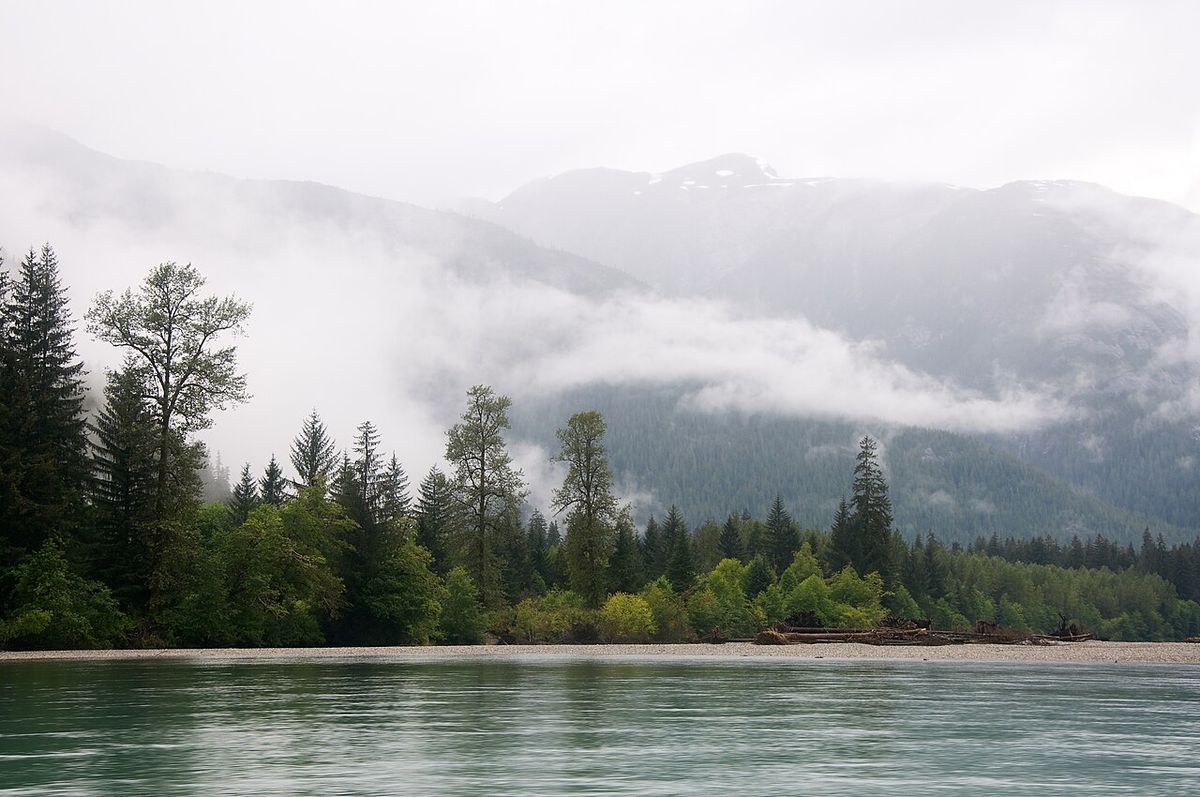
The range of the coastal sea wolf extends from southern Alaska down along the entire coast of British Columbia. This includes the vast expanse of the Great Bear Rainforest and numerous islands within the Salish Sea, with Vancouver Island being a primary stronghold. Their habitat is predominantly the dense coastal temperate rainforest, where they find shelter and den sites among the roots of large trees. A defining characteristic of their ecology is their ability and propensity to swim significant distances, which allows them to inhabit and move between offshore islands and islets. This semi-aquatic lifestyle enables them to exploit resources across a fragmented coastal landscape, from remote mainland shores to isolated archipelagos like the Discovery Islands. The wolves' presence is closely tied to the shoreline, where they forage during low tides, making the interface between rainforest and ocean their core territory.
Diet and Foraging Behaviour
The diet of the Vancouver Coastal sea wolf is exceptionally diverse and heavily marine-based, with between 75% and 90% of their food sourced from the ocean. They are adept foragers along the shoreline, digging for clams, mussels, and crabs in the sand and using their powerful jaws to break open shells. Salmon is a critical food source, comprising up to a quarter of their marine diet, but wolves typically consume only the heads to avoid fatal salmon poisoning disease. They also actively hunt marine mammals like river otters, seals, and their pups, often waiting at the shoreline to ambush them. Scavenging is another important strategy, with wolves feeding on herring eggs, barnacles, abalone, and even swimming kilometres to reach whale carcasses. Their terrestrial prey includes black-tailed deer, moose, elk, beaver, and more recently, the eastern cottontail rabbit. Dietary preferences shift with age, season, and prey availability, with younger pups consuming more deer fawns and wolves turning to beaver more frequently in winter months.
Their foraging demonstrates remarkable adaptability and intelligence. Wolves have been documented tugging crab trap floats ashore to retrieve bait, a behaviour described as highly efficient and focused. Packs will also coordinate to chase down terrestrial prey, using their numbers and speed to bite the legs of animals like deer until they can be overwhelmed. This varied diet is a key factor distinguishing them genetically and ecologically from interior wolf populations. The specific marine resources consumed vary by location, with island wolves consuming significantly more seafood than their mainland coastal neighbours, a difference confirmed by genetic and dietary studies.
Life Cycle and Social Structure
Coastal wolves typically live in family groups known as packs, which are centred on an adult breeding pair and their offspring. Once wolf pups reach approximately two years of age, they disperse to find mates and establish their own territories, using howling and pheromonal signals for communication. The reproductive cycle is tightly regulated, with females coming into estrus for only about five to seven days each year, usually in January. Following mating, the gestation period lasts approximately 62 to 75 days, resulting in a single annual litter of up to eight pups. The early development of wolf pups is a critical and vulnerable period, as newborns are born blind and unable to regulate their body temperature, requiring the mother to remain in the den with them for the first month.
Weaning is a gradual process that begins around five weeks of age as pups start consuming regurgitated solid food provided by pack members. By eight to ten weeks, weaning is complete and pups transition entirely to solid foods. The pack structure provides cooperative care and hunting, which is essential for raising pups and securing the diverse diet required in the coastal environment. The life cycle stages from pup to dispersing adult ensure genetic flow between packs and adaptation to the dynamic coastal ecosystem.
Key stages in the early life of a coastal wolf pup begin with birth after a gestation period of around 62 to 75 days. Newborn pups are unable to see and cannot regulate their own body temperature, requiring their mother to stay with them in the den for about a month. Around three weeks of age, pups start to consume small amounts of regurgitated solid food brought by adults, and weaning begins by about five weeks as milk consumption decreases. Pups typically leave their natal pack to find a mate when they are around two years old.
- Birth: Pups are born blind and unable to regulate body temperature after a 62-75 day gestation.
- 3 Weeks Old: Pups begin consuming small amounts of regurgitated solid food from adult pack members.
- 5 Weeks Old: The weaning process starts as milk consumption drops and solid food intake increases.
- 8-10 Weeks Old: Weaning is complete, and pups stop nursing entirely, relying wholly on solid foods.
- 1 Month Old: Pups begin to walk and swim, allowing the mother to leave the den for longer periods.
- 2 Years Old: Pups disperse from their natal pack to find mates and establish new territories.
Taxonomy, Genetics, and Distinctiveness
The taxonomic classification of coastal wolves has been subject to scientific debate. They are formally recognized as the subspecies Canis lupus crassodon in the authority Mammal Species of the World, though some scientists group them within the broader grey wolf subspecies Canis lupus nubilus. Genetic studies have consistently shown coastal wolves to be distinct from interior grey wolf populations. Mitochondrial DNA analyses indicate they are the last remnants of a once-widespread group largely extirpated in the last century and that North American wolves originally expanded from southern refuges after the last glacial period. More recent research, including a 2016 study examining 42,000 genetic markers, confirms coastal wolves as a genetically and phenotypically distinct ecotype.
This coastal ecotype is defined by local adaptation to a wet, marine-influenced environment. Key distinguishing traits include a smaller overall body size, darker pelage on average, and distinct cranial and dental morphology. Research from the Raincoast Conservation Foundation and partnerships with First Nations, such as the Haíɫzaqv (Heiltsuk) Nation, has further revealed genetic divergence even between island and mainland coastal wolves, correlated with differences in their marine-based diets. These wolves are considered an Evolutionarily Significant Unit, representing some of the most unique wolf genetics in North America. Genetic analyses from 2019 show that coastal wolves from British Columbia have contributed to the re-establishing wolf populations in Washington State, demonstrating their role in broader regional recovery.
Historically proposed subspecies and classifications related to coastal wolves include Canis lupus crassodon, which is the scientific name for the Vancouver Island wolf. Other proposed subspecies names from the region are Canis lupus ligoni for the Alexander Archipelago wolf and Canis lupus columbianus for the British Columbia wolf. Genetic studies have indicated that these coastal wolves are distinct from inland grey wolves, and some research has proposed that these three coastal types should be recognized as a single subspecies. These wolves are also recognized as a distinct ecotype, a genetically and ecologically distinct population adapted to coastal habitats.
- Canis lupus crassodon: The Vancouver Island wolf, first described by American zoologist Eugene Raymond Hall in 1932.
- Canis lupus ligoni: The Alexander Archipelago wolf of southeast Alaska.
- Canis lupus columbianus: The British Columbia wolf.
- Canis lupus nubilus: A broader subspecies grouping proposed by taxonomist Nowak that some scientists use.
- Evolutionarily Significant Unit (ESU): A designation given by Raincoast Conservation Foundation research in 2009, recognizing their unique genetic lineage.
Conservation Status and Human Threats
Despite facing multiple pressures, the Vancouver Coastal sea wolf is currently listed as Least Concern by the International Union for Conservation of Nature (IUCN), with a population trend assessed as stable to increasing. Conservation management in British Columbia is guided by a two-zone framework developed by the B.C. Ministry of Forests. In areas where wolves are considered a significant cause of decline for threatened species like the boreal woodland caribou, targeted removal may be used as a last-resort measure. In regions where they do not pose such a threat, populations are managed for natural persistence within the ecosystem. The ministry implements specific limits during trapping and hunting seasons and has plans to centralize monitoring data from research, harvest reports, and observations.
Human activities present the most significant challenges to coastal wolves. Regulated hunting and trapping are still permitted on Vancouver Island, where each licensed hunter is allowed to take up to three wolves per year. The 2020 shooting of the famous solitary wolf "Takaya" highlighted this issue and sparked international calls for legal reform. Habitat fragmentation from logging and road development increases human access, leads to vehicle strikes, and can reduce the availability of traditional prey, pushing wolves further inland and closer to human settlements. This proximity fuels human-wildlife conflict, including wolves preying on domestic livestock or pets and becoming habituated to human presence, as occurred on Vargas Island in 2000 when tourists hand-fed wolves. Urbanization and climate change also pose long-term threats by altering marine and terrestrial food webs. Conservation efforts led by organizations like the Raincoast Conservation Foundation, in partnership with Coastal First Nations, focus on research, policy advocacy, and combining scientific data with ancestral knowledge to secure protections for these unique predators.
Major documented threats to the Vancouver Coastal sea wolf include commercial hunting and trapping, which are still legal in areas like Vancouver Island. Human-wildlife conflict is a growing challenge, often leading to habituation and lethal interactions when wolves approach people or pets. Urbanization and logging practices fragment their forest habitats, increase road access, and can change the availability of their preferred prey. They are also sometimes blamed for declines in other vulnerable species, leading to pressure for population control measures.
- Regulated Hunting and Trapping: Legal harvests where hunters can take up to three wolves per year on Vancouver Island.
- Habitat Fragmentation: Caused by logging and road development, leading to increased human access and vehicle strikes.
- Human-Wildlife Conflict: Results from wolves preying on livestock or pets and from habituation, as seen on Vargas Island in 2000.
- Historical Culling: Targeted removal in areas where wolves are blamed for declines of other species like the Vancouver Island marmot.
- Prey Base Changes: Logging alters habitats for deer and other terrestrial prey, forcing dietary shifts.
- Climate Change: Long-term alterations to marine and coastal ecosystems affecting food sources like salmon.
Cultural Significance and Research
The Vancouver Coastal sea wolf holds an important place in the cultures and spiritual beliefs of the Indigenous peoples of the Pacific Northwest. For millennia, the Tsimshian, Tlingit, and Haida peoples have featured wolf-like beings in their mythologies. Legendary creatures such as the Gonakadet and the Wasgo, a sea wolf often depicted as a powerful hybrid being, are inspired by the coastal wolves and symbolize strength, family, and a connection to the marine environment. This longstanding cultural relationship informs the wolf's integral role as part of the region's heritage. Modern conservation partnerships actively draw upon Indigenous knowledge to guide research and stewardship practices. Collaborative studies, like the long-term project initiated in 2014 with the Haíɫzaqv Nation, have been instrumental in revealing the genetic and dietary distinctiveness of island wolves, validating knowledge held by First Nations for generations.
Research into coastal wolves employs a combination of field observation, genetic analysis, and community science. Key findings have documented their swimming capabilities, detailed their unique diet through scat analysis, and mapped their genetic relationships across the coast. The rise in wildlife tourism has also increased public fascination and documentation, though it carries the risk of disturbing the wolves. The story of Takaya, the subject of a 2019 documentary, brought unprecedented public attention to the life of a single coastal wolf and the policies affecting his survival. Ongoing work by scientists and First Nations partners continues to build a comprehensive understanding of this ecotype to inform effective conservation policy and ensure these wolves remain a defining part of the coastal landscape. This research confirms they are one of six identified wolf ecotypes in North America, a population separated from others by its distinct habitat and ecological niche.
Questions about Vancouver Coastal Sea wolf
What do coastal wolves eat?
Coastal wolves have one of the most diverse diets of any wolf population. Approximately 75% to 90% of their diet is sourced from the ocean. This includes salmon, seals, river otters, and shellfish like clams and mussels. They are known to eat only the heads of salmon to avoid a fatal parasitic disease. They also hunt terrestrial prey such as black-tailed deer, beaver, and elk, and are adept scavengers, feeding on herring eggs, whale carcasses, and other shoreline offerings.
Are coastal wolves endangered?
Currently, coastal wolves are not classified as endangered. The International Union for Conservation of Nature (IUCN) lists them as Least Concern, with a population trend considered stable to increasing. However, they face significant threats including regulated hunting and trapping, habitat loss from logging and development, human-wildlife conflict, and climate change. Conservation efforts by groups like the Raincoast Conservation Foundation aim to address these pressures.
What was the story of the wolf named Takaya?
Takaya was a male Vancouver Island wolf who gained international fame for his uniquely solitary life on small islands near Victoria, British Columbia. His life was extensively documented, including in the 2019 documentary 'Takaya: Lone Wolf'. On March 24, 2020, Takaya was shot and killed by a hunter shortly after he had been relocated from an urban area. His death sparked widespread public outcry and renewed calls for stronger legal protections and reforms to wolf hunting regulations in British Columbia.
What is a Vancouver Coastal sea wolf?
The Vancouver Coastal sea wolf, also known as the Vancouver Island wolf or sea wolf, is a subspecies of grey wolf endemic to the coast of the Pacific Northwest. Its scientific name is Canis lupus crassodon. This wolf is unique due to its semi-aquatic lifestyle and a diet that is almost entirely marine-based. It is smaller than interior wolves, weighing between 29 and 40 kilos, and its coat colour varies from reddish-brown to grey, beige, and white. Its range extends from southern Alaska down the British Columbia coast, including the Great Bear Rainforest and islands like Vancouver Island. The wolves play important roles in the cultures and spiritual beliefs of local Indigenous peoples, inspiring mythical creatures among the Tsimshian, Tlingit, and Haida.
How far can a sea wolf swim?
A Vancouver Coastal sea wolf can swim up to 12 to 13 kilometres, which is roughly 7.5 miles, between landmasses. This strong swimming ability is a defining feature of the subspecies and allows for seasonal movements and following salmon migrations. Their movements between islands are sometimes seasonal and are part of their foraging behaviour. This swimming capability is crucial for accessing different parts of their coastal and island habitat. It enables them to hunt marine prey and scavenge along extensive shorelines. Their proficiency in water is a key adaptation to their coastal environment.
Where is the best place to see a coastal wolf in Canada?
The best place to see a coastal wolf in Canada is in remote coastal areas like the Great Bear Rainforest and on islands in the Salish Sea, including Vancouver Island. They are notoriously elusive, so sightings require patience and quiet observation, often during early morning low tides when they forage along shorelines. They inhabit coastal rainforests and find dens among tree roots. Due to their wariness of humans, signs like tracks or salmon with only the heads eaten are more common encounters than direct sightings. Their historical range includes southern Alaska down the British Columbia coast. Increased human activity and tourism present challenges for viewing them without causing habituation.
Sources and further reading
- Vancouver Coastal Sea wolf (Wikipedia)
- Vancouver Coastal Sea Wolf, Vic High Marine Biology (vichighmarine.ca)
- The Vancouver Coastal Sea Wolf (critter.science)
- Call of the Wild: the Elusive Sea Wolf (bluewateradventures.ca)
- Coastal wolves, Raincoast Conservation Foundation (raincoast.org)
Checked by the Your Space Hamilton desk. Last updated 2026-10-31.