Sea otter
The sea otter (Enhydra lutris) is a marine mammal native to the northern and eastern North Pacific Ocean coasts. It is the heaviest member of the weasel family but among the smallest marine mammals, relying on the densest fur in the animal kingdom for insulation instead of blubber. The species is a keystone predator, crucial for maintaining the health of kelp forest ecosystems by controlling sea urchin populations. Its dramatic recovery from near extinction due to the historic fur trade is a landmark story in Canadian and global marine conservation, though it remains classified as endangered.
Evolution and Taxonomy
The sea otter is the sole living member of the genus Enhydra within the diverse Mustelidae family, which includes other otters, weasels, and badgers. It is unique among mustelids for its fully aquatic life, lacking functional anal scent glands and rarely leaving the water. Genetic analysis indicates its lineage diverged from its closest freshwater otter relatives approximately five million years ago. The Enhydra lineage became isolated in the North Pacific around two million years ago, leading to the modern species. Fossil evidence includes the extinct Enhydra macrodonta and Enhydra reevei from the Pleistocene epoch. The species was first scientifically described by Carl Linnaeus in 1758, though it underwent several name changes before the current Enhydra lutris was accepted in 1922. The full genome of the northern sea otter subspecies was sequenced in 2017, providing a new tool for studying its adaptation to marine life. Sea otters have experienced several severe population bottlenecks in their deep history, long before human hunting, which have contributed to low genetic diversity within the species.
Three distinct subspecies are recognized, each with a specific geographical range. Enhydra lutris lutris, the Asian sea otter, is found around Russia's Kuril and Commander Islands. Enhydra lutris kenyoni, the northern sea otter, ranges from the Aleutian Islands in Alaska south to Oregon. Enhydra lutris nereis, the southern sea otter, is native to the central and southern coast of California. The Asian subspecies is the largest and has a slightly wider skull, while northern sea otters have longer lower jaws and southern sea otters possess longer snouts and smaller teeth. These physical differences reflect adaptations to their respective environments and available prey.
Physical Characteristics and Adaptations
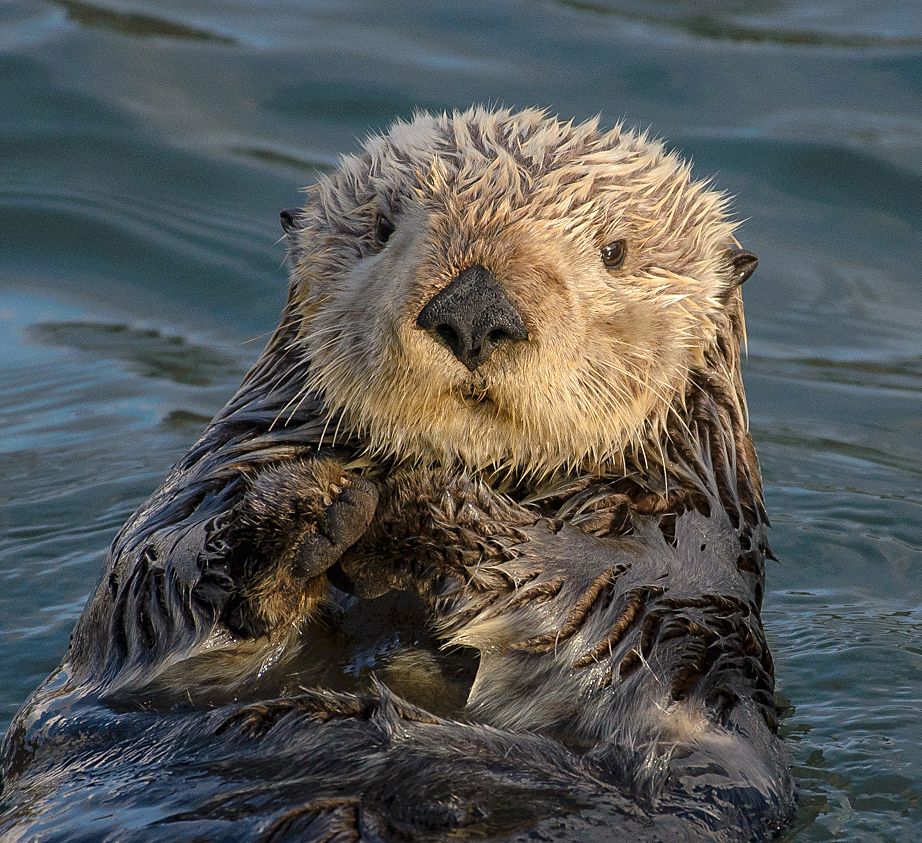
The sea otter is compact and muscular, with males typically larger than females. Adult males usually weigh between 22 and 45 kilograms and measure 1.2 to 1.5 metres long, while females weigh 14 to 33 kilograms and are 1.0 to 1.4 metres long. Its most defining feature is its extraordinarily dense fur, which contains up to 150,000 hairs per square centimetre, the densest of any animal. This fur consists of long, waterproof guard hairs and a soft, insulating underfur layer, with air trapped between the fur and skin providing critical warmth. Unlike other marine mammals, it lacks a blubber layer entirely. The sea otter's skeleton is unusually dense, which helps reduce buoyancy, and its bones can be stained purple from consuming sea urchins.
Its anatomy is highly specialized for an aquatic life. The hind feet are long, fully webbed, and flattened, providing primary propulsion for swimming at speeds up to 9 kilometres per hour. The front paws are short with retractable claws and tough pads for gripping slippery prey. It can close its nostrils and small ears underwater. The sea otter has a large lung capacity, about 2.5 times greater than similar-sized land mammals, contributing to its buoyancy. On land, it moves with a clumsy, rolling gait but can run in a bounding motion. Its 32 teeth, particularly the molars, are flattened for crushing hard-shelled invertebrates, and it is one of the only carnivores with two pairs of lower incisors instead of three.
Diet and Unique Foraging Behaviour
The sea otter is a voracious predator with a diet consisting primarily of benthic invertebrates. Its daily routine is dominated by the need to consume 25 to 38 percent of its body weight to fuel its exceptionally high metabolism, which is two to three times that of comparable land mammals. It forages in nearshore environments, diving to the sea floor where it uses its sensitive whiskers and front paws to locate prey by touch in murky waters. Typical dives last about one minute, though it can hold its breath for up to five minutes. Its digestive system is highly efficient, processing food in as little as three hours.
The sea otter is renowned as one of the few mammal species to use tools, a behaviour central to its foraging strategy. It uses rocks to dislodge prey and to hammer open hard-shelled animals like clams, mussels, and abalones. It often carries a favourite rock in a loose pouch of skin under its foreleg. To eat a sea urchin, it bites through the less-spiny underside and licks out the soft tissue. To pry a strongly attached abalone from a rock, it may deliver rapid hammering blows with a stone. This tool use, combined with its role in controlling herbivorous sea urchins, is fundamental to its status as a keystone species in coastal ecosystems.
- Primary prey: Sea urchins, various mollusks (clams, mussels, abalone), and crustaceans.
- Foraging method: Short dives to the seafloor, using touch to find prey.
- Tool use: Employs rocks as hammers and anvils to open hard-shelled prey.
- Feeding posture: Eats while floating on its back, using its forepaws to manipulate food.
- Storage: Uses a loose skin pouch under its foreleg to carry food and tools to the surface.
Social Structure and Behaviour
Sea otters exhibit a fission-fusion social structure where they forage alone but congregate in groups called rafts for resting and grooming. These single-sex rafts typically contain 10 to 100 animals, with male rafts often being larger. The largest recorded raft contained over 2000 sea otters. To avoid drifting while resting, individuals often wrap themselves in kelp fronds. They are diurnal, with peak foraging activity in the early morning and late afternoon, though females with pups may also feed at night. A significant portion of their day, up to 60 percent in areas with scarce food, is dedicated to foraging. The remainder is spent grooming their critical fur to maintain its insulating and waterproofing qualities.
During the breeding season, which peaks in autumn, males establish and defend territories favoured by females. Males without territories form large bachelor groups. Females move freely between territories, often outnumbering resident males. Mating pairs bond for about three days, and copulation is often aggressive, with males gripping the female's nose or head, sometimes leaving visible scars. Vocal communication includes cooing sounds from content females, grunts from males, and whistles or hisses from distressed adults. Preliminary research indicates more complex, long-term social associations within rafts than previously assumed, including persistent male-female pairs and female groups, suggesting a richer social network. Sea otters also demonstrate social learning, with knowledge passed from mothers to pups and among peers.
Reproduction and Life Cycle
Sea otters are polygynous, with males mating with multiple females within their territory or seeking out receptive females elsewhere. Females typically give birth to a single pup after a gestation period that includes delayed implantation, lasting between four and twelve months. Pups are born in the water and are highly dependent, with eyes open and a coat of buoyant baby fur. The mother provides constant care, grooming the pup, teaching it to forage, and often carrying it on her chest. Pups begin to dive and practice handling food at about two months but may nurse for up to eight months or longer. Females are capable of reproducing every year, but the high energetic demands of pup rearing often lead to a longer interval between births. Females reach sexual maturity between three and four years of age, while males mature around five years but often do not successfully mate until they are older and can secure a territory. The high mortality rate for pups, often due to starvation, predation, or separation from the mother, is a significant factor in population dynamics. The intensive maternal investment means the health and foraging success of the mother is directly linked to pup survival, making adult female mortality a critical concern for population recovery efforts.
Conservation Status and Population History
The sea otter's history is a stark narrative of overexploitation and partial recovery. Prior to the maritime fur trade that began in 1741, the global population was estimated at 150,000 to 300,000 individuals. Intensive hunting for their prized pelts drove the species to the brink of extinction, reducing numbers to a mere 1,000 to 2,000 animals by 1911. This catastrophic decline represented a secondary, human-caused population bottleneck that compounded earlier natural bottlenecks, severely reducing the species' genetic diversity. An international ban on hunting, conservation laws, and reintroduction programs have enabled a significant rebound. The species now occupies about two-thirds of its historic range, with the total population estimated in the tens of thousands.
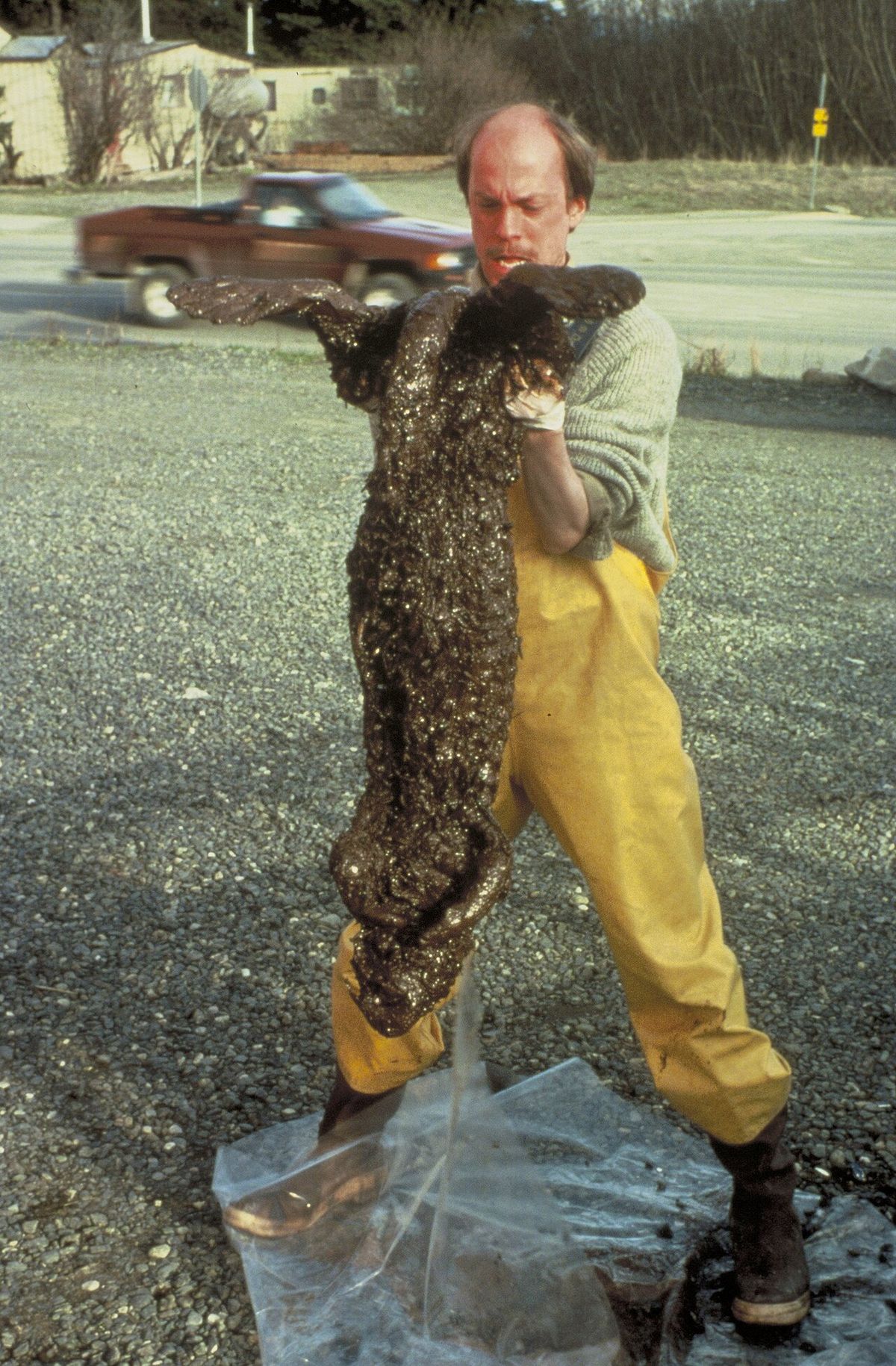
Despite this progress, the sea otter remains classified as endangered. Recovery has been uneven, with some populations, like the southern sea otter in California, growing slowly or plateauing at levels well below their historic numbers. Other populations, such as those in the Aleutian Islands and parts of Russia, have experienced unexplained declines in recent decades. The small population in Japan remains precarious. Ongoing threats include oil spills, which can fatally compromise their fur's insulation, entanglement in fishing gear, disease outbreaks, and, in some areas, conflict with commercial shellfish fisheries. Its role as a keystone species makes its recovery vital for the health of kelp forest ecosystems along the North Pacific coast.
| Subspecies | Geographic Range | Conservation Trend |
|---|---|---|
| Asian sea otter (E. l. lutris) | Russia's Kuril & Commander Islands | Small, precarious population |
| Northern sea otter (E. l. kenyoni) | Aleutian Islands, Alaska, to Oregon | Some populations have declined recently |
| Southern sea otter (E. l. nereis) | Central and southern California | Population has plateaued at depressed levels |
Questions about Sea otter
Why are sea otters important to kelp forests?
Sea otters are a keystone species, meaning they have a disproportionately large impact on their ecosystem. They primarily eat sea urchins, which are herbivores that graze on kelp. Without otters to control their numbers, sea urchin populations can explode and create 'urchin barrens', areas where kelp forests are completely destroyed. By preying on sea urchins, otters allow kelp forests to thrive, which in turn provides habitat for countless other marine species, protects coastlines, and sequesters carbon.
How do sea otters stay warm without blubber?
Sea otters rely entirely on their fur for insulation, which is the densest in the animal kingdom. Their coat has two layers: long, waterproof guard hairs and a thick, soft underfur. They groom constantly to keep this fur clean and well-maintained, trapping a layer of air next to their skin. This air layer is heated by their body, creating a protective barrier against the cold water. Their extremely high metabolic rate, two to three times that of similar-sized land mammals, also generates the internal heat needed to survive in chilly Pacific waters.
What is a sea otter raft?
A raft is a group of sea otters resting together on the water's surface. While they forage alone, they gather in these single-sex groups to sleep, groom, and socialize. Rafts can range from just 10 animals to over 100, with male rafts typically being larger. The largest raft ever observed contained more than 2000 sea otters. To prevent themselves from drifting apart or out to sea while resting, individuals often wrap themselves in strands of kelp, anchoring the group in place.
How do sea otters use tools?
Sea otters are one of the few mammal species known to use tools. They commonly use rocks as hammers and anvils to break open the hard shells of prey like clams, mussels, and abalones. They often carry a favourite rock in a loose pouch of skin under their forearm. When feeding on an abalone, which clings extremely tightly to rocks, an otter will repeatedly hammer the shell with a stone. They also use rocks to dislodge other prey and have been observed using other objects, like glass bottles, in a similar manner.
How much do sea otters eat in a day?
To fuel their high metabolism and generate heat, sea otters must eat enormous amounts of food daily. They consume an estimated 25 to 38 percent of their own body weight every day. Their diet is primarily invertebrates like sea urchins, crabs, clams, and snails. This intense foraging pressure makes them a key regulator of nearshore ecological communities and can sometimes bring them into conflict with commercial fisheries targeting similar species.
Are sea otters endangered in Canada?
Yes, the sea otter remains classified as an endangered species. This status reflects its ongoing vulnerability despite significant recovery efforts. Historically, sea otter numbers plummeted from an estimated 150,000 to 300,000 individuals to a mere 1,000 to 2,000 due to extensive hunting for their fur between 1741 and 1911. Although international bans and conservation programs have helped the species rebound to occupy about two thirds of its former range, populations in key areas like the Aleutian Islands and California have recently declined or plateaued at low levels. The species is also threatened by low genetic diversity resulting from historical population bottlenecks, which were exacerbated by the fur trade. These combined factors contribute to its continued endangered classification.
Sources and further reading
- Sea otter (Wikipedia)
- Learn More About Sea Otters (marinemammalcenter.org)
- 12 Facts About Otters for Sea Otter Awareness Week (doi.gov)
- Sea Otter, Animal profile, pictures, facts, range map (kids.nationalgeographic.com)
- Sea otter (montereybayaquarium.org)
Checked by the Your Space Hamilton desk. Last updated 2026-10-20.