North American river otter
The North American river otter (Lontra canadensis) is a semiaquatic mammal endemic to the North American continent, found throughout most of Canada and along the coasts and inland waterways of the United States. As a member of the weasel family, this versatile predator is equally adept in water and on land, known for its playful behaviour and thick, water-repellent fur. The species is a significant component of Canadian aquatic ecosystems but has faced historical population declines due to habitat loss and pollution. Successful reintroduction and conservation efforts across many provinces have helped the otter reclaim parts of its former range, making it a notable symbol of wildlife recovery.
Taxonomy and Evolution
The North American river otter was first described scientifically by German naturalist Johann Christian Daniel von Schreber in 1777. Initially classified in the genus Lutra, the species was later reclassified into the genus Lontra, which includes all New World river otters. Its specific epithet, canadensis, means 'of Canada', reflecting its prominent presence in the country. Molecular biological analyses indicate that the North American river otter and the South American giant otter diverged from a common ancestor during the Miocene epoch, between 23.03 and 5.33 million years ago. This divergence is much earlier than what the fossil record suggests, with fossils of the modern river otter appearing in North America only about 1.9 million years ago. The species' ancestors are believed to have migrated to North America from the Old World via the Bering Land Bridge and later moved south across the Panamanian Land Bridge.
There are several recognized subspecies of the North American river otter, which are listed alphabetically. These include L. c. canadensis, found in eastern Canada, the United States, and Newfoundland, and L. c. pacifica, which ranges from Alaska and Canada through the northern United States to central California. Other subspecies are L. c. kodiacensis from Kodiak Island, Alaska. L. c. lataxina in the United States. L. c. mira in Alaska and British Columbia. L. c. periclyzomae on the Queen Charlotte Islands in British Columbia. And L. c. sonora in the United States and Mexico. These subspecies demonstrate the otter's adaptation to a wide range of habitats across the continent.
Physical Description
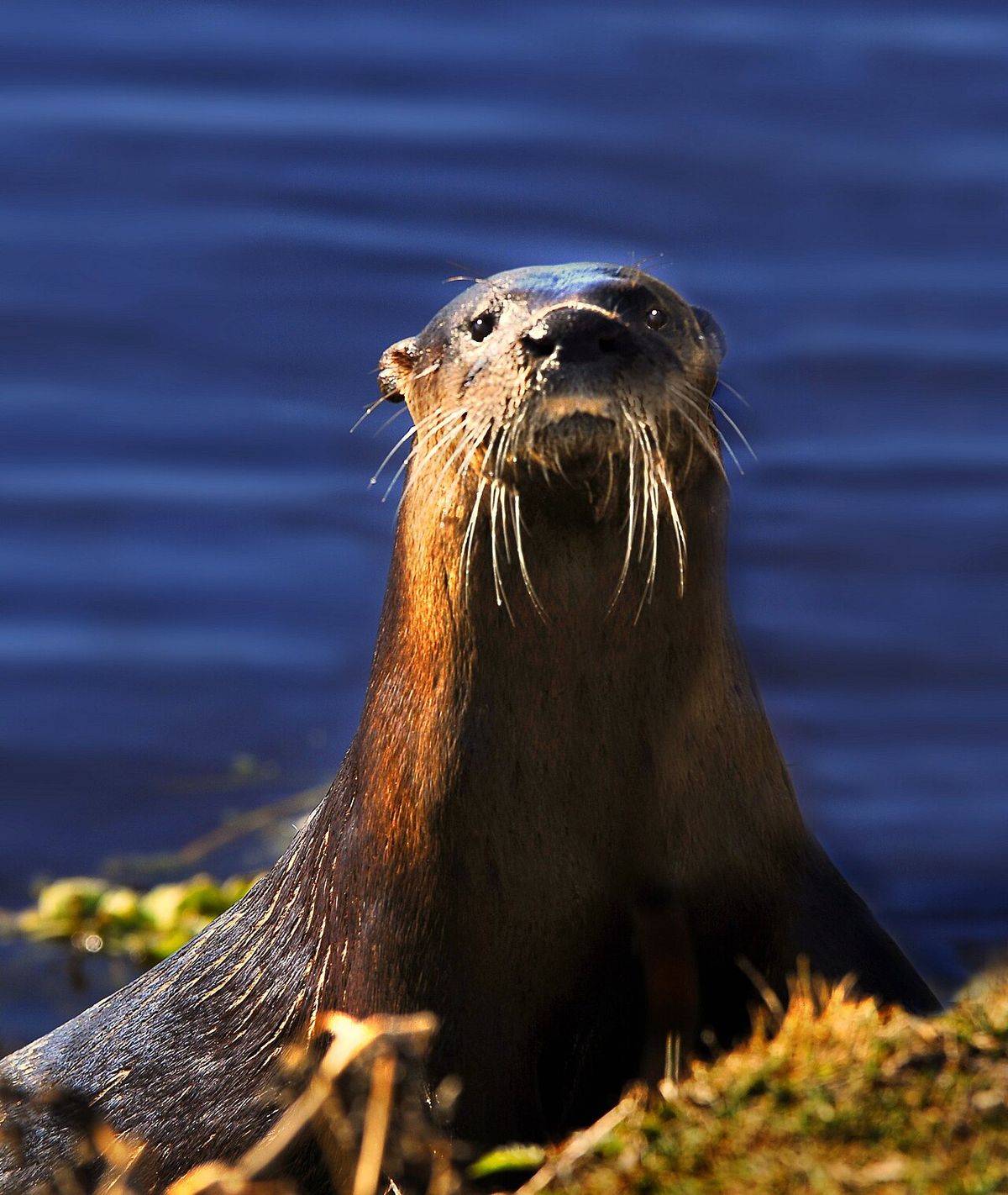
The North American river otter possesses a long, streamlined body adapted for swimming, with a muscular tail that makes up about one-third of its total length. Adult body length ranges from 66 to 107 centimetres, with tails adding another 30 to 50 centimetres. There is significant sexual dimorphism, with males being larger than females. An average adult male weighs about 11.3 kilograms, while a female averages 8.3 kilograms, though large males can exceed 15 kilograms. The otter's most distinctive feature is its dense, water-repellent coat of fur, which provides crucial insulation in cold water. Its long, sensitive whiskers, or vibrissae, are used to detect prey in dark or murky waters where visibility is poor.
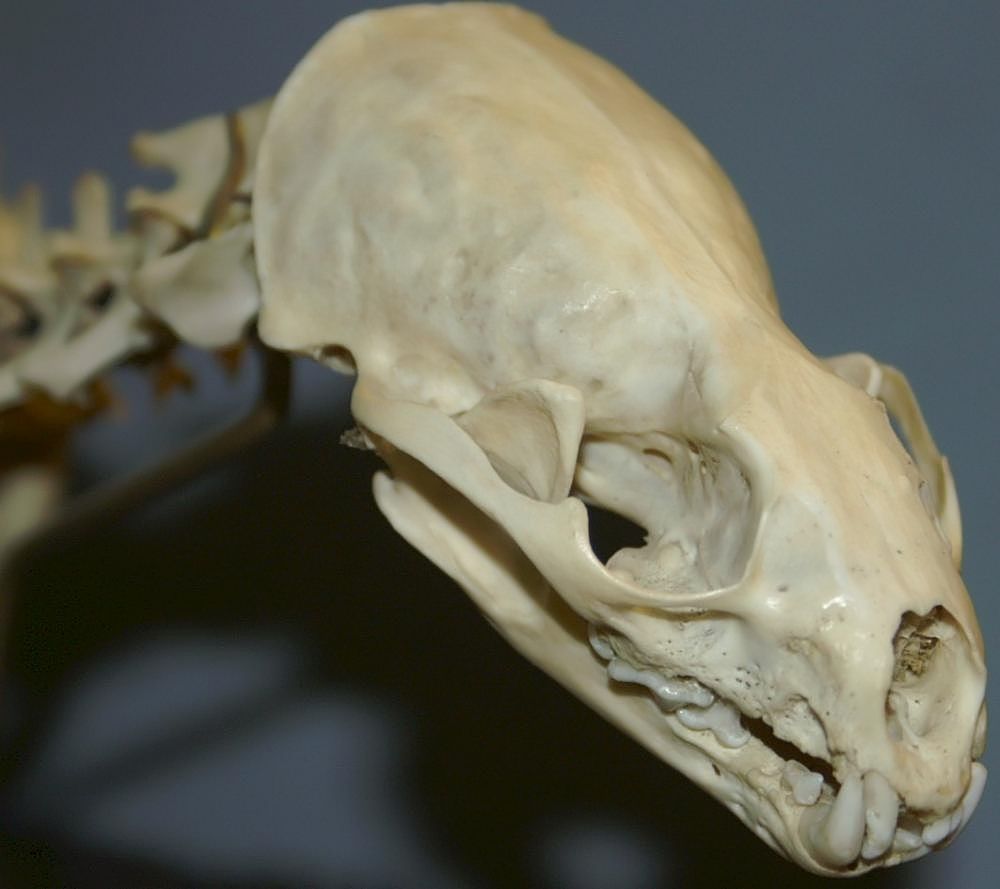
The species' physical adaptations for an aquatic life are extensive. It has a transparent inner eyelid, called a nictitating membrane, which protects its eyes while swimming underwater. Its vision is adapted for underwater sight, which results in nearsightedness on land, often causing otters to approach boats or people closely. The otter's dentition is specialized for a carnivorous diet, featuring 36 teeth including sharp canines and carnassials for delivering lethal bites, and large molars for crushing hard-shelled prey like molluscs. The dental formula is 3.1.4.1 over 3.1.3.2, and additional premolars may sometimes be present.
Distribution and Habitat in Canada
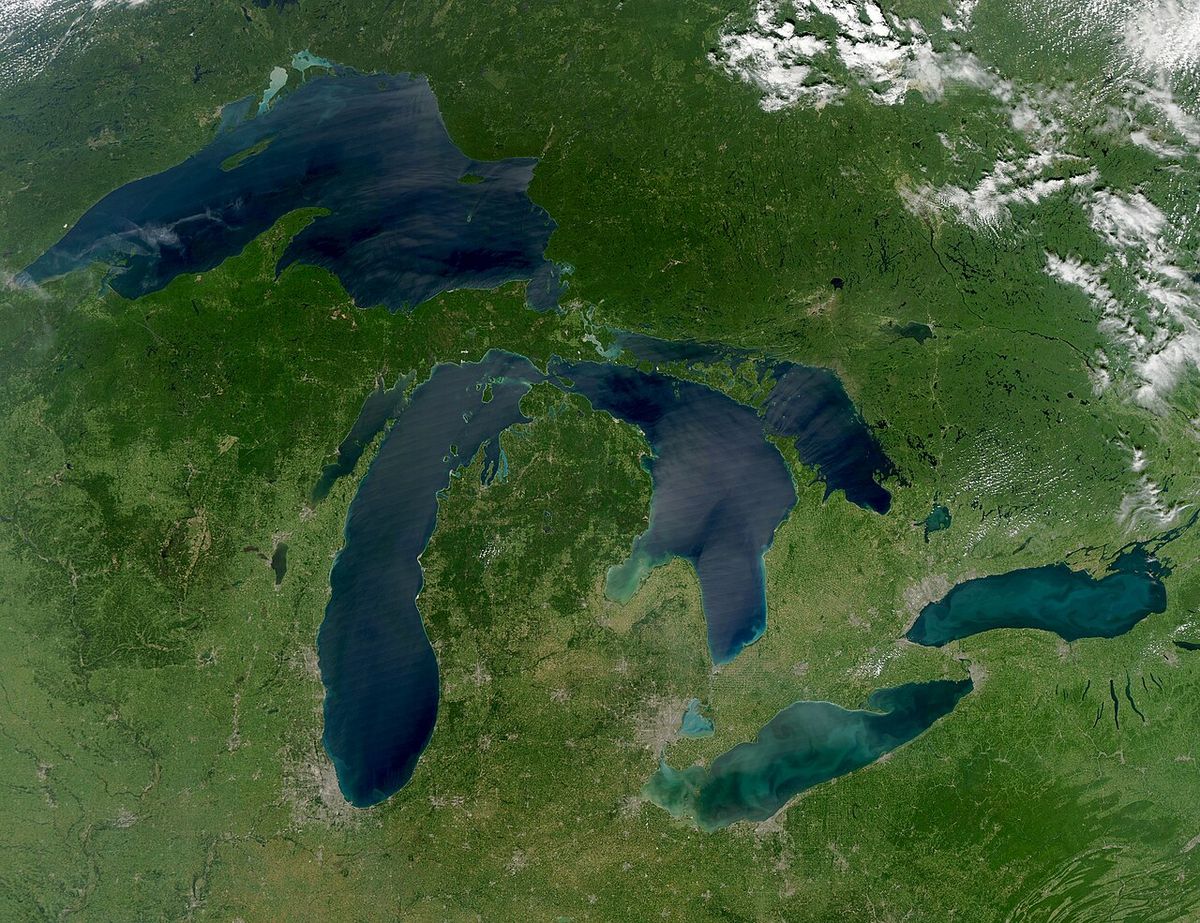
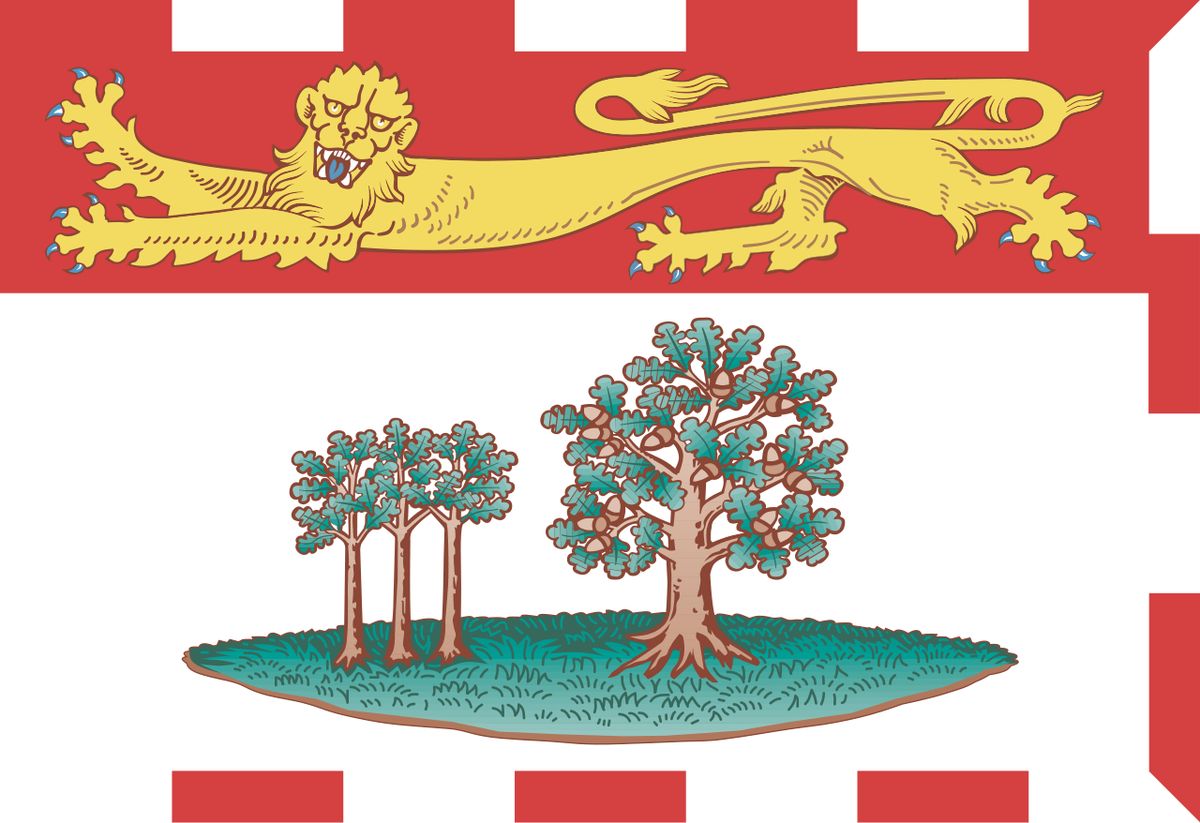
The North American river otter occupies all Canadian provinces and territories, with its presence recently re-established on Prince Edward Island following historical absence. Its range extends throughout Alaska, including the Aleutian Islands and the north slope of the Brooks Range. In Canada, otters inhabit a vast array of aquatic environments, from coastal shorelines and tidal flats in the Maritimes to the inland lakes and rivers of the boreal forest and the Great Lakes region. They are found in both freshwater and coastal marine habitats, including lakes, rivers, marshes, and estuaries. The species' main habitat requirements are a reliable food supply and easy access to permanent water bodies, but it is highly sensitive to water pollution, which can lead to local disappearances.
Historically, otters were populous throughout most major drainages in Canada prior to European settlement, with the largest populations found in areas rich in aquatic habitats like coastal marshes and the Great Lakes region. While habitat loss and pollution reduced their range in some areas, concerted conservation efforts have led to significant recoveries. For example, reintroduction projects in the 1980s in provinces like Minnesota, which borders Ontario and Manitoba, helped populations rebound through improvements in water quality and habitat restoration. Otters establish dens, known as holts, near the water's edge, often using burrows created by other animals like beavers or natural hollows under logs or in riverbanks.
- Found in all Canadian provinces and territories, recently re-established on Prince Edward Island.
- Inhabits coastal shorelines, tidal flats, lakes, rivers, marshes, and estuaries.
- Requires permanent watersheds and is highly sensitive to pollution.
- Uses dens (holts) often made from old beaver lodges or riverbank hollows.
- Historical range reduced but recovering due to reintroduction and conservation.
Diet and Hunting Behaviour
The North American river otter is a highly active and opportunistic predator whose diet is governed by the seasonal availability and vulnerability of prey. The otter consumes a wide variety of fish species, typically focusing on those that are slow-swimming and abundant, such as suckers, catfish, sunfish, and carp. Game fish like trout and pike are less common in their diet due to their speed and access to escape cover, but otters will prey on them during spawning runs when the fish are more vulnerable. Adult otters are capable of consuming 1.0 to 1.5 kilograms of fish per day.
Where regionally available, crustaceans like crayfish become the second-most important prey item and can even surpass fish in the diet at certain times of the year, such as in central California marshlands. The otter's diet is extensive and also includes various amphibians like frogs and salamanders, freshwater clams and mussels, snails, small turtles, insects, and occasionally small mammals and birds. They are not scavengers and avoid carrion. Otters hunt alone or in pairs and can hunt both in water and on land. They are known to take larger fish onto land to eat, while consuming smaller prey in the water. Their hunting techniques rely on play to develop skills, and they are capable of ambushing surprisingly large prey, such as hibernating common snapping turtles.
| Prey Category | Examples | Importance in Diet |
|---|---|---|
| Fish | Suckers, catfish, carp, perch | Primary component year-round |
| Crustaceans | Crayfish | Secondary, regionally dominant |
| Amphibians | Frogs, salamanders | Common seasonal prey |
| Molluscs | Clams, mussels, snails | Supplemental |
| Other | Turtles, insects, small mammals | Occasional |
Social and Reproductive Behaviour
North American river otters exhibit flexible social structures, capable of living solitarily or in social groups. They are renowned for their playful behaviour, which often consists of wrestling and chasing conspecifics. This play serves to develop survival skills, strengthen social bonds, and practice hunting techniques. Otters are not aggressively territorial but maintain home ranges through scent marking. An individual's territory can be as large as 78 square kilometres, though typical ranges are between 8 and 39 square kilometres, and these areas may shift during the mating season. Their physical agility, including the ability to dive, burrow, and twist rapidly, provides effective evasion from predators.
Reproduction involves a process called delayed implantation, which distinguishes the species from the Eurasian otter. Breeding occurs in late winter or early spring, but the fertilized egg does not implant immediately, allowing for birth at an optimal time. In early spring, expectant mothers seek out dens, often repurposing burrows made by other animals like beavers, to give birth. Litter sizes range from one to six kits, though one to three is most common. Each newborn pup weighs approximately five ounces. The mothers raise the young alone, introducing them to water when they are about two months old. The pups are capable of sustaining themselves by autumn but often stay with their family group, which can sometimes include the father, until the following spring before dispersing to establish their own ranges.
Conservation and Human Interaction
The range and population of the North American river otter were significantly reduced following European colonization of the Americas, primarily due to habitat loss, water pollution, and unregulated trapping for its valuable fur. In some regions, populations are still managed to allow for regulated trapping. The species is highly susceptible to environmental pollution, which has been a major factor in its decline. However, the latter half of the 20th century saw the initiation of numerous successful reintroduction projects across North America to halt and reverse population reductions. In Canada and the United States, these efforts have expanded the otter's distribution considerably.
Reintroduction programs have been particularly successful in several regions. For instance, otters were reintroduced to Kentucky in the early 1990s and recovered so well that a regulated trapping season was implemented by 2006. In Colorado, otters reintroduced in the 1980s were reported as 'thriving' by 2010. In Minnesota, populations rebounded due to reintroductions, water quality improvements, and harvest regulations. While generally beneficial to ecosystems, otters can come into conflict with human interests, such as at fish hatcheries or in small ponds where they can significantly impact confined fish populations. In such cases, careful management, including potential removal or relocation, is considered. Their return to urban areas, like a notable sighting in San Francisco in 2012, signals improving environmental conditions in some waterways.
- Populations reduced by habitat loss, pollution, and historical trapping.
- Susceptible to environmental contaminants, affecting waterway health.
- Numerous reintroduction programs in the US and Canada have aided recovery.
- Can conflict with aquaculture. Management sometimes required.
- Recent sightings in urban areas indicate successful recolonization.
Questions about North American river otter
Where can you find North American river otters in Canada?
North American river otters are found in every Canadian province and territory. They inhabit a wide variety of aquatic environments, including coastal shorelines, lakes, rivers, marshes, and estuaries from coast to coast. They were historically absent from Prince Edward Island but have recently begun re-establishing themselves there. In northern regions, they are common, and they can even be seen in some urban areas, such as near the Great Lakes.
What do North American river otters eat?
They prefer slow-swimming species like suckers, catfish, and carp. Where available, crayfish and other crustaceans are a major part of their diet, sometimes even surpassing fish. They also eat amphibians like frogs and salamanders, freshwater clams and mussels, snails, small turtles, insects, and occasionally small mammals or birds. An adult otter can consume 1.0 to 1.5 kilograms of fish per day.
Are North American river otters endangered?
The North American river otter is not currently considered endangered across most of its range, including Canada. However, its populations faced significant historical declines due to habitat loss, pollution, and trapping. Through successful reintroduction programs, habitat restoration, and improved water quality regulations, otter numbers have rebounded in many areas. They remain sensitive to environmental pollution, which is a continuing threat to local populations, but overall the species is widespread and stable.
How long do North American river otters live?
The lifespan of a North American river otter differs significantly between wild and captive settings. In the wild, they typically live 8 to 13 years, facing threats from predation, accidents, and environmental factors. In captivity, where they are protected from these dangers and receive consistent care, they can live much longer, with lifespans ranging from 21 to 25 years. Their longevity is influenced by the availability of food, the quality of their habitat, and exposure to pollutants.
How can you tell a North American river otter from other otters?
The North American river otter can be distinguished from its Eurasian cousin by several physical characteristics. It has a longer neck, a narrower face, a smaller space between its ears, and a shorter tail relative to its body size. Its dense, brown fur and streamlined body are adapted for cold water. Behaviourally, it is known for its playful nature and is often seen in family groups. The species also exhibits delayed implantation in reproduction, a trait not shared by the Eurasian otter.
Why are North American river otters important to the ecosystem?
North American river otters function as apex predators in aquatic ecosystems, helping to regulate populations of fish, crayfish, and other prey species. Their presence is often an indicator of a healthy, unpolluted waterway, as they are sensitive to environmental contaminants. By preying on sick or slower fish, they can influence the overall health of fish populations. Their foraging activities and use of dens, often created by other species like beavers, also contribute to the dynamic structure of wetland habitats.
Sources and further reading
- North American river otter (Wikipedia)
- North American river otter (nationalzoo.si.edu)
- North American River Otter (nwf.org)
- An introduction to The North American River Otter (crittercarewildlife.org)
- Lontra canadensis (northern river otter) | INFORMATION (animaldiversity.org)
Checked by the Your Space Hamilton desk. Last updated 2026-10-22.