Marten
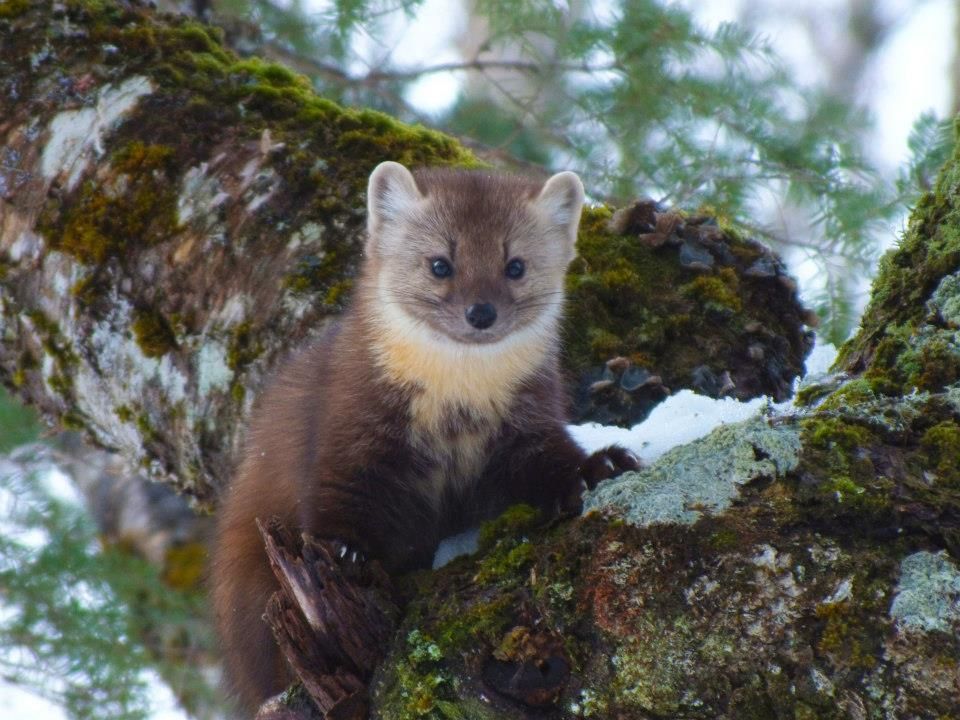
The marten is a weasel-like mammal belonging to the genus Martes within the mustelid family, known for its slender body, bushy tail, and large paws with partially retractile claws. These agile, omnivorous animals are adapted to cold climates and inhabit coniferous and northern deciduous forests across the Northern Hemisphere, including much of Canada's boreal forest. Historically, marten pelts were a highly valued commodity in the North American fur trade, particularly for the Hudson's Bay Company, and remain a locally traded good in some northern communities. The animal's ecological role and its historical economic importance make it a significant species within Canada's natural and cultural heritage.
Taxonomy and Evolution
The marten is classified within the genus Martes, which is part of the subfamily Guloninae in the family Mustelidae. Recent DNA research indicates the genus Martes may be paraphyletic, with some studies suggesting the American marten (Martes americana) is more closely allied with the genera Eira and Gulo, forming a distinct New World clade. The genus first evolved up to seven million years ago during the Miocene epoch, demonstrating a long evolutionary history. Several fossil species have been described, providing insight into the lineage's development over millions of years, including Martes campestris and Martes wenzensis from the Pliocene and Martes vetus from the Pleistocene.
Another described fossil species, Martes nobilis from the Holocene, is now considered synonymous with the living American marten. The name 'marten' has a complex etymological history, originating from Middle English 'martryn', which was borrowed from Anglo-French. This traces back through Old French 'martre' to a Germanic source, related to Old English 'mearþ' and Old Norse 'mörðr'. The ultimate origin of the word remains unknown, with some speculative links to ancient terms for 'bride' or possible substrate languages, and the form 'marten' emerged in the late 16th century, possibly influenced by the masculine name Martin.
Physical Description and Habitat
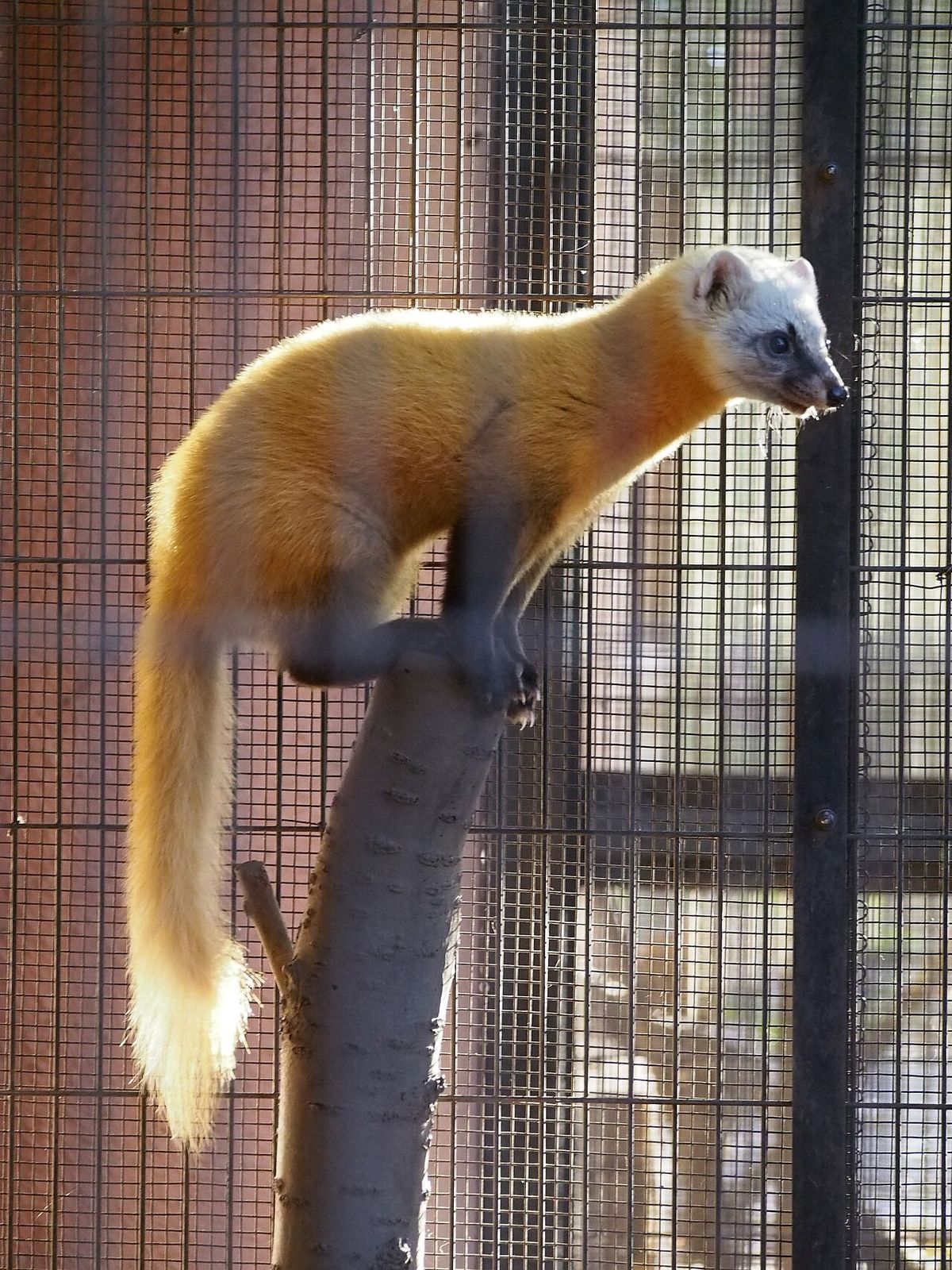
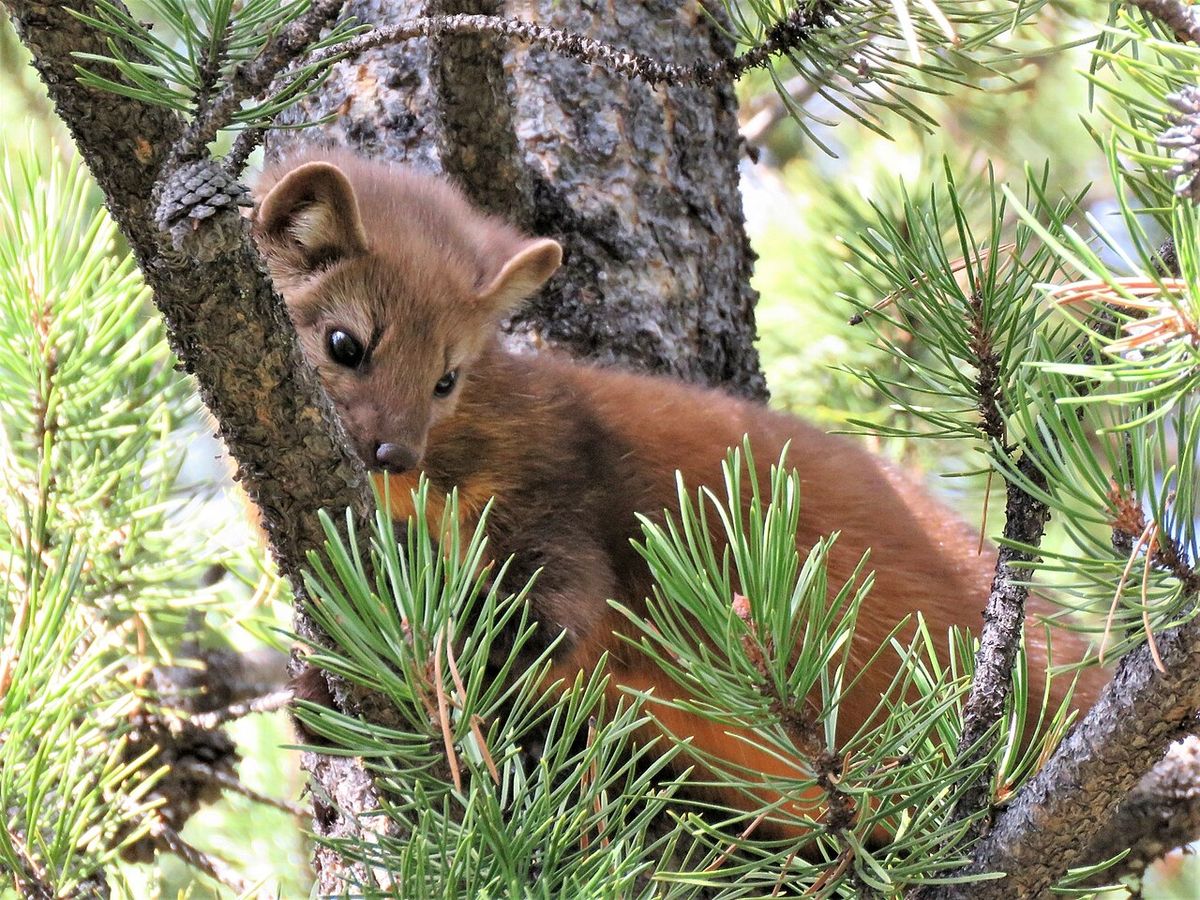
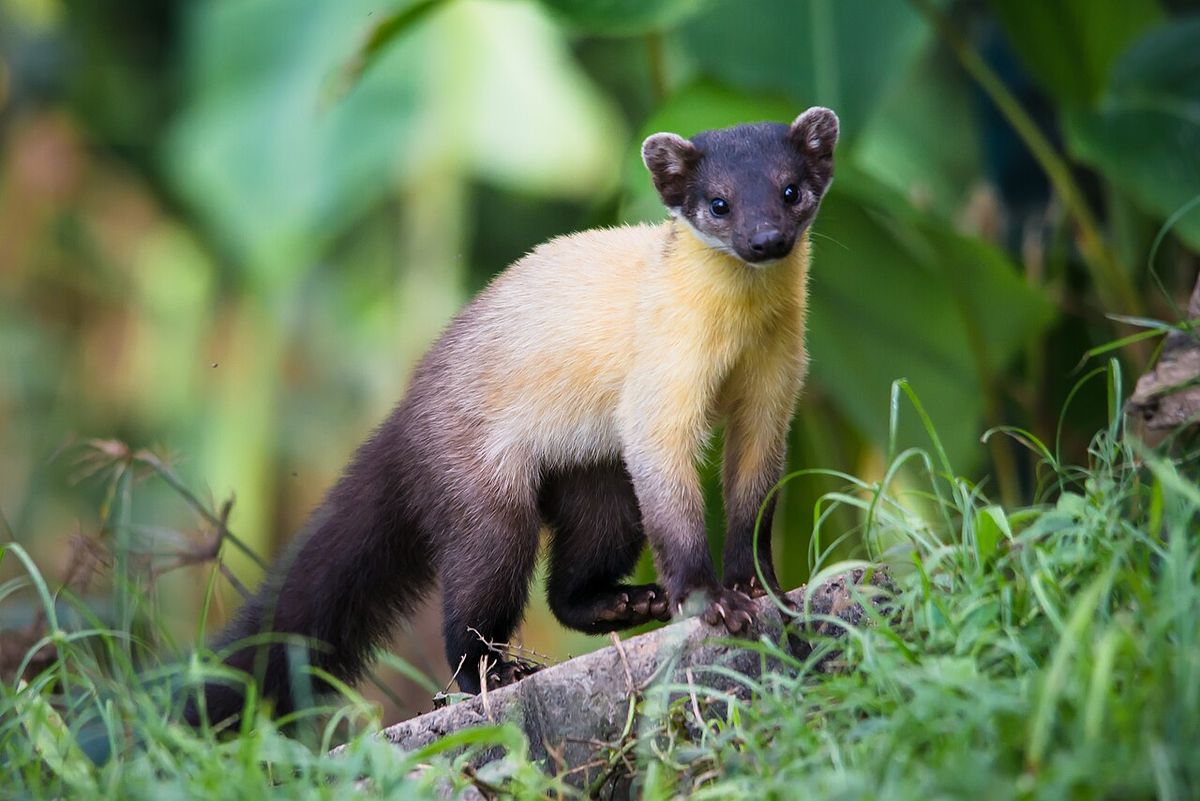
Martens are characterized by their slender, agile bodies, which are perfectly adapted for an arboreal and terrestrial lifestyle in dense forests. They possess bushy tails that aid in balance and large paws with partially retractile claws, providing excellent grip for climbing trees. Their fur, which varies in colour from yellowish to dark brown depending on the species, is dense and soft, offering crucial insulation in cold climates. This valuable fur has historically been a primary driver for their trapping across the Northern Hemisphere, prized by animal trappers for centuries for the fur trade.
These mammals are adapted to living in the taiga, also known as the boreal forest, which stretches across northern regions including Canada, Scandinavia, and Russia. They inhabit both coniferous forests, dominated by spruce, pine, and fir, and northern deciduous forests, relying on these environments for cover and food. Their range across the Northern Hemisphere is extensive, but they are always associated with forested ecosystems that provide den sites and hunting grounds. Their physical adaptations, such as their fur and paws, are direct responses to the challenges of these often snowy and rugged environments where they are primarily nocturnal and solitary.
Behaviour and Ecology
Martens are solitary animals for most of the year, meeting only to breed in late spring or early summer. Litters of up to five blind and nearly hairless kits are born in early spring within a secure den, often in a hollow tree or rocky crevice. The young are weaned after approximately two months and become independent, leaving their mother to fend for themselves at about three to four months of age. Their omnivorous diet is highly adaptable and includes small mammals, birds, insects, fruits, and berries, allowing them to exploit a wide range of food sources throughout the seasons in their forest homes.
Where different marten species occur in the same area, such as the pine marten and the stone marten in parts of Europe, they exhibit spatial niche segregation to reduce direct competition. This segregation is driven by differences in food preferences, cold tolerance, predator avoidance strategies, and specific habitat needs, as seen in studies from Belarus and Italy. For instance, studies in Belarus show pine martens are more densely distributed in clay-rich, biodiverse woodlands, while stone martens adapt to habitats with resource limitations like sandy soils, relying more on seasonally available resources such as berries and carrion. In well-resourced habitats like those in Ireland and Italy, the pine marten displays seasonal stability in its home range, suggesting that resource abundance can enhance spatial exclusivity and reduce direct competition between the species.
Historical and Economic Role in Canada
The marten has played a significant role in Canadian history, primarily through the fur trade that shaped early exploration and economy. During the 18th and 19th centuries, marten pelts were a major trade commodity, commissioned by enterprises like the Hudson's Bay Company. The pelts were highly valued for their fine, warm fur and were commonly fashioned into garments such as mittens for use in cold climates. This trade created economic networks that extended into the most remote northern communities and influenced relationships between Indigenous trappers and European traders over many decades of colonial history.
The marten is populous in the northern Ontario community of Big Trout Lake. The marten pelt is still traded locally there. The locals place a high value on this pelt. They typically trade it for consumable goods.
Cultural Significance Worldwide
In the Middle Ages, marten pelts were highly valued goods used as a form of payment in Slavonia, the Croatian Littoral, and Dalmatia. The marturina was a form of tax named after this. The banovac, a coin struck and used between 1235 and 1384, included the image of a marten. This is one of the reasons why the Croatian word for marten, kuna, was the name of the former Croatian currency.
- The obverse of the 1, 2, and 5 kuna coins, minted since 1993, featured a marten.
- A marten was depicted on the reverse of the 25-kuna commemorative coins.
- After Croatia adopted the euro as the national currency in 2023, a marten continues to be depicted on the obverse of the Croatian 1 euro coin.
- A running marten is shown on the coat of arms of Slavonia and subsequently on the modern design of the coat of arms of Croatia.
- The official seal of the Croatian Parliament from 1497 until the late 18th century had a similar marten design.
The Finnish communications company Nokia derives its name, via the river Nokianvirta, from a type of marten locally known as the nokia. In the Illiad, the fleet-footed spy Dolon wore a marten-pelt cap. The Latin word for helmet, galea, originally meant "marten pelt". It is unclear whether early Romans wore these helmets for symbolical reasons or for their fine fur.
Conservation and Coexistence
Martens inhabit coniferous and northern deciduous forests across the Northern Hemisphere. They are adapted to living in the taiga. The stone marten and the pine marten segregate spatially where they occur in sympatry. This spatial niche segregation is due to the differences regarding their food preferences, adaptability to cold climates and avoidance of predators.
Martens are omnivorous. The fur is valued by animal trappers for the fur trade. The marten is populous in the northern Ontario community of Big Trout Lake. The marten pelt is still traded locally there. The locals place a high value on this pelt, typically trading it for consumable goods.
Questions about Marten
What is a marten and where does it live?
A marten is a slender, weasel-like mammal belonging to the genus Martes in the mustelid family. It is characterized by a bushy tail, large paws with partially retractile claws, and fur that ranges from yellowish to dark brown. Martens are adapted to cold climates and inhabit coniferous and northern deciduous forests across the Northern Hemisphere, including the vast boreal forests of Canada, Scandinavia, and Russia. They are agile animals well-suited to life in the taiga and are largely nocturnal in their habits.
What role did martens play in the Canadian fur trade?
Marten pelts were a highly valued commodity during the North American fur trade in the 18th and 19th centuries. Companies like the Hudson's Bay Company actively commissioned these furs, which were often fashioned into warm garments such as mittens for use in harsh winters. The trade established important economic links with Indigenous trappers and influenced the development of remote northern communities for generations. The pelt remains a locally traded item in some areas like Big Trout Lake in northern Ontario, where it is exchanged for goods, maintaining a traditional practice.
Are martens solitary or social animals?
Martens are solitary animals for the majority of the year, coming together only to breed during late spring or early summer. After breeding, females give birth to litters of up to five kits in early spring, which they raise alone in a den. The young are weaned at about two months and become independent shortly after. The kits leave their mother to establish their own territories and fend for themselves at three to four months of age, beginning their solitary adult lives.
What do martens eat?
Martens are omnivorous, meaning they have a varied diet of both animal and plant matter available in their forest habitats. They consume small mammals like voles and squirrels, birds, eggs, and a variety of insects throughout the year. Their diet also includes fruits and berries when in season, which provides crucial dietary flexibility to adapt to seasonal changes in food availability. This adaptable feeding strategy allows them to survive in diverse forest conditions across their wide geographic range.
Why was the marten featured on Croatian currency?
The marten was featured on Croatian currency due to its historical significance. In the Middle Ages, marten pelts were highly valued goods used as a form of payment in regions of Croatia. A tax named the marturina was derived from this practice. The image of a marten was included on the medieval banovac coin used between 1235 and 1384. The Croatian word for marten, kuna, became the name of the former national currency, and the marten was depicted on various kuna coins. With the adoption of the euro in 2023, a marten continues to be depicted on the Croatian 1 euro coin.
How do different marten species avoid competition?
Different marten species avoid competition through spatial niche segregation. The stone marten and the pine marten segregate spatially where they occur in sympatry. This segregation is due to differences in their food preferences, adaptability to cold climates, and avoidance of predators. Studies show the pine marten is more densely distributed in clay-rich, biodiverse woodlands, while the stone marten adapts to habitats with greater resource limitations, such as sandy soils. In resource-rich habitats, the pine marten displays seasonal stability in home ranges, which reduces direct competition.
Sources and further reading
- Marten (Wikipedia)
- Get to Know the Pine Marten (naturecanada.ca)
- Marten, Natural Resources Canada (natural-resources.canada.ca)
- Animal facts: Pine marten (canadiangeographic.ca)
- Marten (sierraclub.bc.ca)
Checked by the Your Space Hamilton desk. Last updated 2026-10-21.