Gopher
Pocket gophers, commonly referred to as gophers, are burrowing rodents endemic to North and Central America. They are distinguished by their fur-lined cheek pouches, which they use to transport food, and their extensive subterranean tunnel systems. Across Canada and the United States, several species are familiar inhabitants of grasslands, agricultural fields, and sometimes suburban lawns. While their digging aerates soil and contributes to ecological processes, their appetite for plant roots and tubers also leads them to be considered significant agricultural and garden pests.
Physical Description and Characteristics
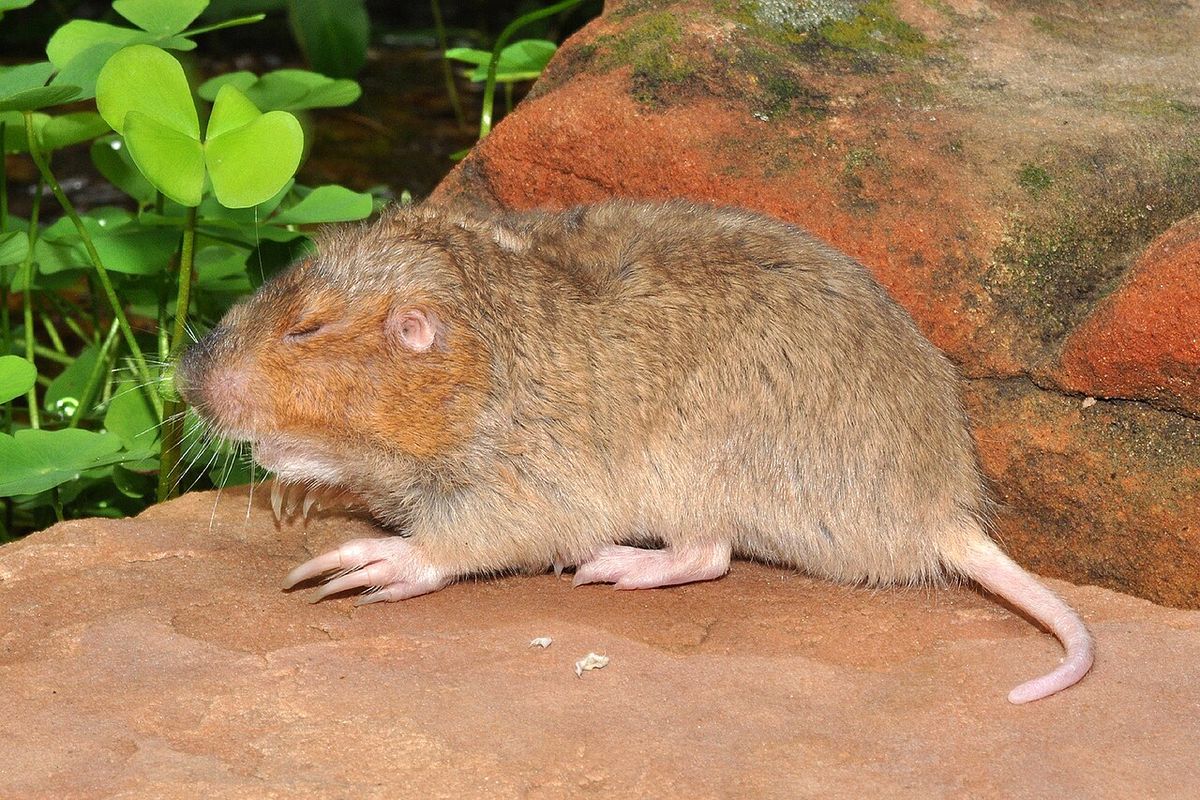
Pocket gophers are small, stout rodents with bodies exquisitely adapted for a fossorial, or burrowing, lifestyle. They typically measure 15 to 20 centimetres in body length with a short, hairy tail adding another 2.5 to 5 centimetres, which they use as a sensory organ to feel around tunnels when walking backwards. Average weight is around 200 grams, though some species can approach one kilogram, and males are generally larger than females, sometimes nearly double the weight of females. Their fur colour, most often shades of brown or grey, frequently matches the local soil, providing camouflage, with only a few species exhibiting reddish or black fur. Key physical adaptations include small eyes and ears, reduced to minimize dirt infiltration, and powerful forelimbs with long, sharp, curved claws for digging.
The animals' namesake feature is their large, fur-lined cheek pouches, or pockets, which open externally on the side of the mouth and can be turned inside out for cleaning. These pouches extend back to the shoulders and are used to carry food back to storage chambers within their burrows. Their front teeth are large, chisel-like incisors that grow continuously, allowing them to gnaw through tough roots and excavate soil without wearing them down. These rodents often carry external parasites such as lice, ticks, fleas, and mites, and they are preyed upon by a variety of predators including weasels, snakes, and hawks. Their loose skin and powerful, short limbs further contribute to their efficiency as tunnelers, enabling them to move through tight spaces underground.
Behaviour and Life Cycle
Pocket gophers are solitary and aggressively territorial animals, maintaining individual tunnel systems except during the brief breeding season. They are larder hoarders, using their expansive cheek pouches to transport food to underground storage chambers, where they can collect large hoards of plant material. Their extensive network of tunnels provides protection from predators and weather, a place to sleep in nesting chambers lined with soft plant material like grass or leaves, and a dedicated means of foraging without surfacing. Unlike some ground squirrels, gophers do not live in large communities and seldom find themselves above ground, making their presence known primarily by the soil mounds they create. Tunnel entrances are marked by characteristic fan-shaped mounds of loose soil, and a single gopher can create one to three new mounds per day, averaging about 70 mounds per month.
Depending on the species and local conditions, breeding may occur in a specific annual season or may be repeated multiple times throughout the year. A typical litter consists of two to five blind and helpless young, although litter size can be much higher in some species. The young are born in the nesting chambers and are weaned at around 40 days old. Average lifespans in the wild are one to three years, with a maximum lifespan for the pocket gopher of about five years. However, individuals in the genus Geomys have had lifespans documented as up to seven years in the wild. Their behaviour adjusts seasonally, with deeper burrows dug in dry, hard summer soil to find moisture and shallower burrows used in the softer soil of winter, sometimes utilizing snow cover for insulation and possibly entering hibernation in harsh climates.
Habitat, Range, and Diet
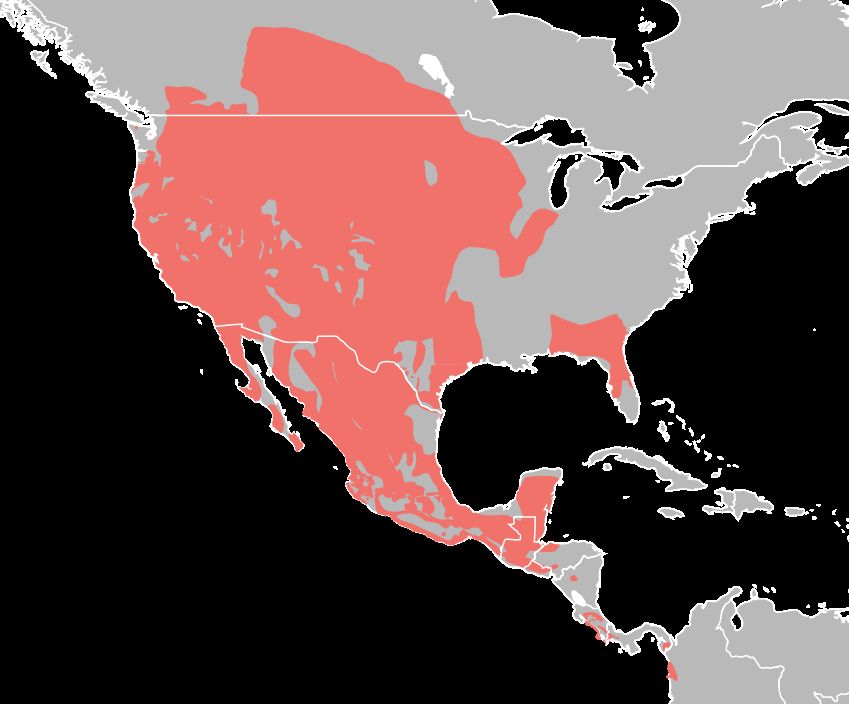
Pocket gophers are endemic exclusively to North and Central America, with their roughly 41 species distributed from Canada through the United States and Mexico into Central America and Colombia. They inhabit areas where the soil is soft and easily tunneled, commonly found in grasslands, domestic lawns, prairies, and agricultural fields. Their preferred habitat is moist soil, which is easier to excavate and often supports the lush plant life they consume, and they will frequently visit vegetable gardens and farms as a result. Each gopher inhabits its own individual tunnel system, with territories varying in size based on resource availability. For example, the home range of Botta's pocket gopher (Thomomys bottae) is about 150 square metres. Males and females may share some burrows and nesting chambers only if their territories border each other, but they generally live alone.
Gophers are strict herbivores with a diet focused almost entirely on underground plant parts, which distinguishes them from omnivorous rodents. They feed on the roots, tubers, bulbs, and lower stems of various vegetation, using their powerful incisors and claws to gnaw through tough material and excavate soil. Their selective feeding includes favourite foods such as grasses, clovers, alfalfa, carrots, lettuce, radishes, and other vegetables with juice. They are known to attack lawns, orchards, and gardens in search of these foods, and they can also damage shrubs and vines. This foraging activity can leave behind stretches of denuded soil where plants have been killed from the roots up, contributing directly to their reputation as significant agricultural and horticultural pests.
Ecological Role and Environmental Impact
The burrowing activity of pocket gophers plays a major role as ecosystem engineers within their habitats. Their constant digging and turning over of soil creates a significant soil biomantle, promoting deep aeration and the mixing of mineral and organic layers. The stashing and subsequent decomposition of plant material in their larder chambers produces a natural, deep fertilization of the soil, enriching it with organic matter. The soil disturbance they create can lead to the early establishment of ecological succession, favouring communities of r-selected and other ruderal plant species that colonize disturbed ground. In this way, gophers physically reshape their environment, influence plant community dynamics, and contribute to nutrient cycling.
Conversely, these same industrious behaviours frequently bring gophers into direct and costly conflict with human agricultural and domestic interests. Their extensive tunneling can severely damage lawns, orchards, and gardens by undermining root systems and creating unsightly and hazardous mounds of dirt. The tunnels themselves can divert irrigation water, leading to soil erosion and wasted water resources, and gophers are known to gnaw on the plastic tubing of irrigation lines and sprinkler systems, causing leaks. An individual gopher can excavate hundreds of feet of tunnels underground and produce an average of 70 mounds per month, each mound representing a tunnel entry. This destructive potential is taken so seriously that Geomys and Thomomys species are classed as 'prohibited new organisms' under New Zealand's Hazardous Substances and New Organisms Act 1996, which legally prevents them from being imported into the country.
Genera and Species Diversity
The family Geomyidae contains roughly 41 species of pocket gophers, distributed across several genera, though considerable debate exists among taxonomists about which populations constitute full species. These genera have distinct evolutionary lineages and geographic ranges, from the widespread northern species to those confined to specific regions of Central America. The genus Thomomys, known as western pocket gophers, is the most widely distributed in North America, extending into the northwestern United States, Canada, and the southeastern United States. The genus Geomys, or eastern pocket gophers, lives principally in the southwestern United States, east of the Sierra Nevada mountains. Other genera, including Heterogeomys and Orthogeomys, contain the giant pocket gophers or taltuzas, which inhabit Mexico, Central America, and Colombia.
Taxonomists often debate the classification of pocket gophers, leading to ongoing scientific discussion. For instance, some authors treat the genus Cratogeomys as a subgenus of Pappogeomys. Similarly, the genus Heterogeomys is sometimes considered a subgenus of Orthogeomys. This means the provided list of genera and species cannot be regarded as definitive. The list illustrates the diversity within the Geomyidae family, which includes genera like Geomys, Thomomys, and Zygogeomys.
- Cratogeomys: Species include the yellow-faced pocket gopher (C. castanops), Oriental Basin pocket gopher (C. fulvescens), and Goldman's pocket gopher (C. goldmani).
- Geomys: This genus includes the desert pocket gopher (G. arenarius), the widespread plains pocket gopher (G. bursarius), the Texas pocket gopher (G. personatus), and the southeastern pocket gopher (G. pinetis).
- Heterogeomys: Contains species like the variable pocket gopher (H. heterodus), the hispid pocket gopher (H. hispidus), and Underwood's pocket gopher (H. underwoodi).
- Orthogeomys: A genus with limited range, containing the giant pocket gopher (O. grandis) of Guatemala, Honduras, and Mexico.
- Thomomys: A large genus including the northern pocket gopher (T. talpoides) found in Canada, Botta's pocket gopher (T. bottae), the mountain pocket gopher (T. monticola), and Townsend's pocket gopher (T. townsendii).
- Zygogeomys: A monotypic genus containing only the Michoacan pocket gopher (Z. trichopus).
Burrowing Systems and Seasonal Adaptations
Pocket gophers are consummate engineers of the underground, creating complex, multi-purpose tunnel systems that can span hundreds of feet in length and contain multiple chambers. These systems include deep tunnels for nesting and food storage, shallower foraging tunnels, and a network of connecting passageways. Nesting chambers are typically located at the ends of tunnels and are carefully lined with soft, shredded plant material for comfort and insulation. Separate chambers are used for storing collected food hoards and for waste disposal, maintaining hygiene within the living quarters. The pests are excellent at tunneling due to a combination of strong claws, short limbs, loose skin, and small eyes and ears, all traits that minimize resistance and damage while moving through earth.
Gopher behaviour and habitat use undergo significant seasonal shifts dictated by soil conditions, temperature, and food availability. During the hot, dry summer months, soil becomes harder, prompting gophers to dig their primary burrows deeper to access moisture and cooler temperatures. They may also create multiple entrances during this time to improve ventilation within the tunnel network and provide additional escape routes from predators. In winter, they move to shallower burrows closer to the surface where the soil is softer and take advantage of insulating snow cover. In areas with harsh conditions, they may hibernate, surviving on stored food. During spring and fall, their activity is highly variable, often focusing foraging efforts closer to the surface when new plant growth is abundant or adjusting to rainfall patterns. The table below consolidates these seasonal behavioural patterns and their environmental drivers.
| Season | Burrow Depth & Structure | Primary Activities & Adaptations |
|---|---|---|
| Summer | Deeper main burrows. Multiple tunnel entrances. | Digging to find moisture and cooler temperatures. Emphasis on ventilation and escape routes. |
| Autumn (Fall) | Variable depth. Expansion of foraging tunnels. | Intensive foraging and food storage in larder chambers for winter. Territory maintenance. |
| Winter | Shallower burrows near the surface. | Utilizing snow cover for insulation. Reduced activity or hibernation in cold climates. Living off stored food. |
| Spring | Variable, often shallower foraging tunnels. | Increased surface foraging to take advantage of new plant growth. Breeding activities for many species. |
Interactions with Humans: Pest Control and Cultural Presence
Human interactions with pocket gophers are predominantly defined by their status as persistent pests, leading to a constant demand for control methods. Intercepting and removing gophers is notably difficult without proper tools and expertise, as traps must be placed correctly at each entrance to an active tunnel, a process that is both time-consuming and often costly. Many property owners seek humane removal through wildlife control specialists who have the training to address infestations effectively. Preventive measures include installing stainless steel or galvanized wire mesh barriers underground around garden beds and using castor oil-based repellents in the soil. Relocating trapped wildlife is frequently regulated or prohibited by local laws, which requires professional guidance to ensure compliance.
Despite their pest reputation, gophers hold a curious place in popular culture, often subject to misidentification. The state of Minnesota's nickname, the 'Gopher State,' and the University of Minnesota's Golden Gophers athletics teams are well-known examples, though the mascot Goldy Gopher actually represents the thirteen-lined ground squirrel, not a true pocket gopher. The character Gopher in Disney's Winnie the Pooh franchise and the mischievous gopher puppet in the film Caddyshack are more accurate fictional depictions. In technology, the Go programming language uses the Go Gopher as its official mascot. The etymology of the word 'gopher' remains uncertain, with proposed origins ranging from the French 'gaufre' (waffle), describing the honeycomb-like tunnel pattern, to a possible derivation from Muskogean languages.
Questions about Gopher
What is the difference between a gopher and a groundhog?
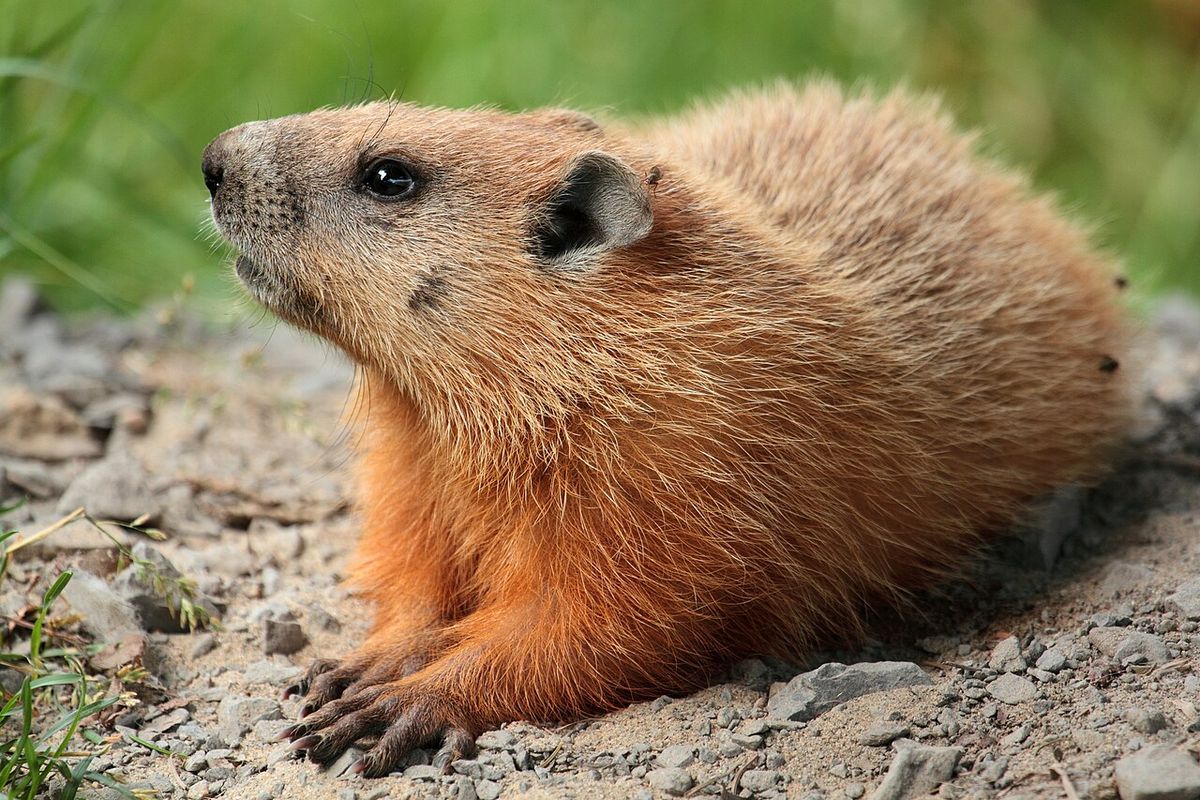
Gophers (pocket gophers) and groundhogs (woodchucks) are both rodents but belong to different families and have distinct characteristics. Pocket gophers are smaller, with an average body length of 15 to 20 centimetres, and are adapted for a life almost entirely underground, possessing fur-lined cheek pouches. Groundhogs are much larger marmots, members of the squirrel family Sciuridae, and are known for their above-ground activity and seasonal weather prediction folklore on Groundhog Day. While gophers create extensive, hidden tunnel systems, groundhogs live in more visible burrow entrances and often sit upright outside them. The Wasatch pocket gopher is a real animal, but it is not the rodent involved in Groundhog Day traditions.
Are gophers found in Canada?
Yes, several species of pocket gophers are native to Canada, primarily from the genus Thomomys, the western pocket gophers. The northern pocket gopher (Thomomys talpoides) has a range that extends into parts of western Canada, including British Columbia, Alberta, Saskatchewan, and Manitoba. The mountain pocket gopher (Thomomys monticola) is another species with a range that may reach into Canadian territories. These rodents inhabit areas with soft, workable soil such as grasslands, prairies, and agricultural fields. Their presence, while a natural part of the ecosystem, can sometimes lead to conflicts in agricultural regions due to their prolific burrowing and feeding habits on crops.
Why are they called 'pocket' gophers?
The name 'pocket gopher' derives from the animal's most distinctive feature: its large, fur-lined cheek pouches. These pouches are essentially external pockets that open on the outside of the cheeks, unlike those of some other rodents. They extend from the side of the mouth well back onto the shoulders and can be turned inside out for cleaning. Gophers use these pockets to gather and transport food, such as roots and tubers, back to storage chambers in their burrows, functioning as built-in shopping bags. This anatomical trait is the definitive characteristic that sets true pocket gophers (family Geomyidae) apart from other burrowing animals like ground squirrels, which may also have cheek pouches but are not referred to with the 'pocket' descriptor.
What damage can gophers cause to a garden or farm?
Gophers can cause extensive and costly damage to gardens, lawns, and farms through their relentless feeding and tunneling. They consume the roots, tubers, and bulbs of crops and ornamental plants, which can kill vegetation outright and leave large areas of bare, denuded soil. Their extensive underground tunnel systems can collapse plant root systems, divert and waste irrigation water, and accelerate soil erosion. They are also known to gnaw through plastic irrigation lines and sprinkler systems, causing direct damage to infrastructure. Above ground, the mounds of dirt they create at tunnel entrances are unsightly, can damage mowing and farming equipment, and create tripping hazards. A single gopher can dig hundreds of feet of tunnels and create an average of 70 mounds per month, making even a small population highly destructive.
How long do gophers live, and what are their main threats?
The average lifespan of a pocket gopher in the wild is relatively short, typically between one and three years due to high mortality from various threats. Their main threats include predation by animals such as weasels, snakes, and hawks, as well as disease and parasites like lice, ticks, and fleas. The maximum lifespan for most species is about five years, though some in the genus Geomys have been documented living up to seven years. Their solitary, energy-intensive lifestyle of constant digging and territorial defence also contributes to their mortality. In captivity or under ideal conditions without predation, they could potentially live longer, but in the wild, their life expectancy remains low due to these persistent natural pressures.
What are the most effective and humane ways to manage a gopher problem?
Effectively and humanely managing gopher problems requires an integrated approach focusing on exclusion, deterrence, and professional removal. Installing physical barriers, such as stainless steel or galvanized gopher wire buried around garden beds, can prevent access to plant roots. Castor oil-based granular or liquid repellents applied to the soil can create an unpleasant environment that may encourage gophers to leave the area. For removal, live trapping is an option but requires precise placement in active tunnels and a strong understanding of local wildlife regulations, as relocating animals is often illegal. Due to the complexity and labour involved, many property owners hire professional wildlife control specialists who have the expertise and tools for humane trapping and exclusion, ensuring the problem is resolved without unnecessary harm to the animals.
Sources and further reading
- Gopher (Wikipedia)
- Gophers 101 (gopherblock.com)
- What Does a Gopher Look Like (crittercontrol.com)
Checked by the Your Space Hamilton desk. Last updated 2026-10-24.