Black squirrel
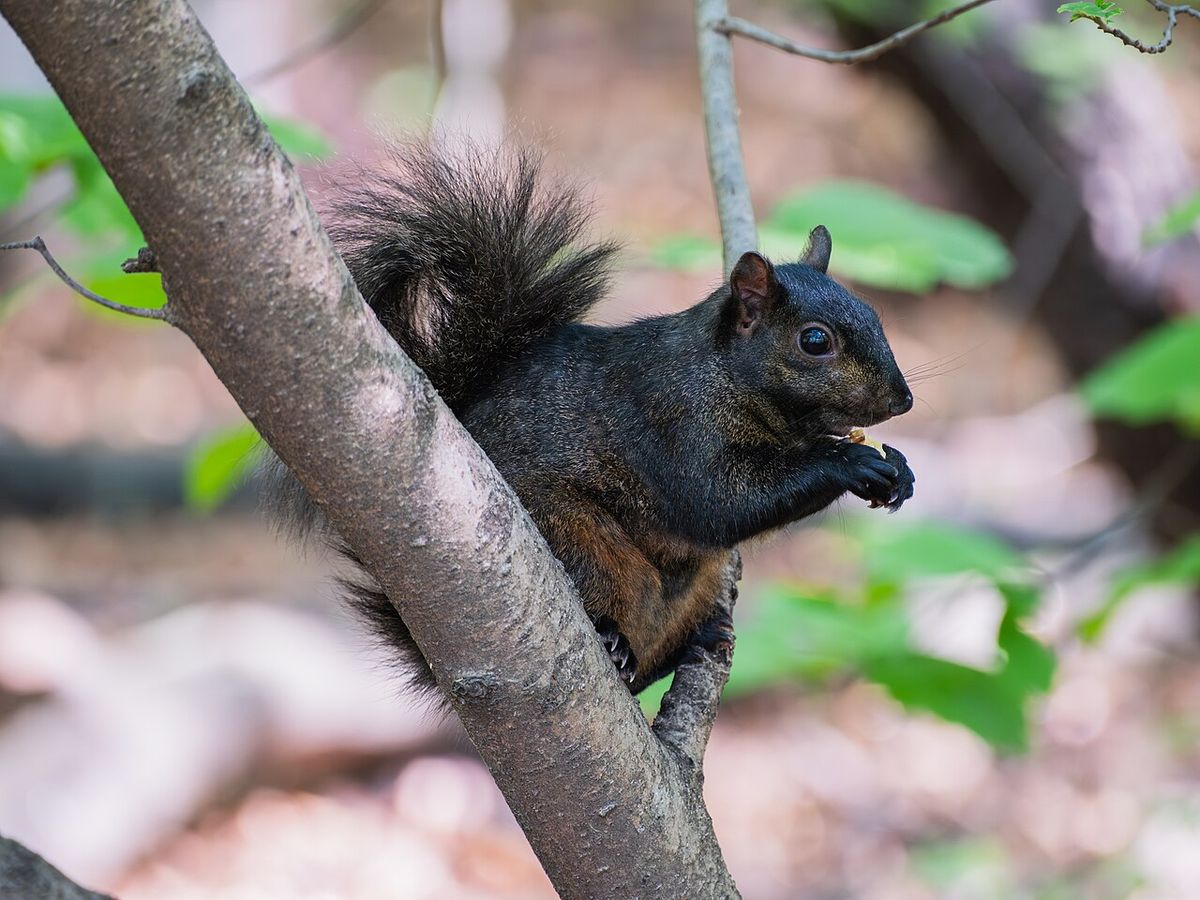
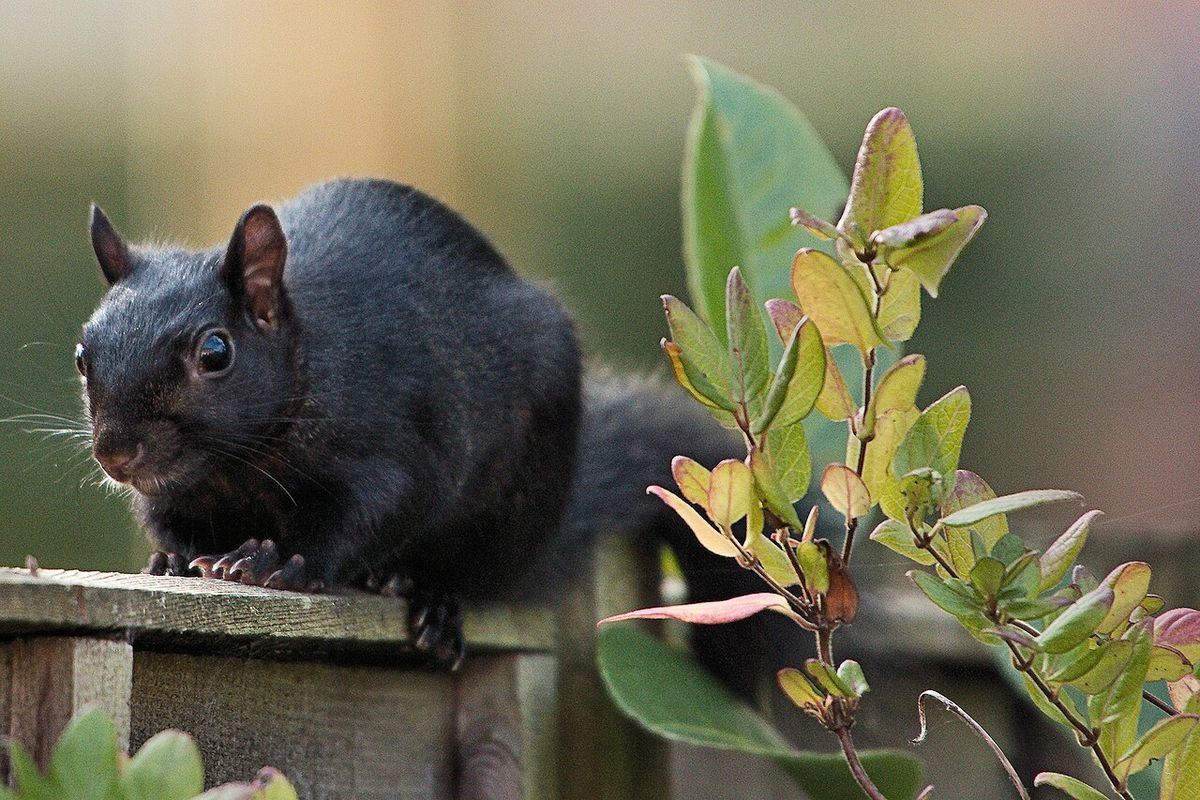
The black squirrel is a melanistic colour morph of several North American squirrel species, most notably the eastern gray squirrel (Sciurus carolinensis) and the fox squirrel (Sciurus niger). Its distinctive black fur is caused by genetic variations, including a specific 24-base-pair deletion in the MC1R gene in eastern gray squirrels. In Canada, black squirrels are a common sight, forming the majority of the eastern gray squirrel population in Ontario and significant populations in other provinces. The morph's prevalence in northern climates is linked to theories of thermoregulation, as the darker coat may provide a thermal advantage in colder regions.
Genetic Basis and Physical Description
The black coloration in squirrels is a form of melanism, a genetic condition resulting in increased dark pigment. In eastern gray squirrels, the black morph is primarily determined by a specific allele known as MC1R∆24, which features a 24-base-pair deletion in the melanocortin 1 receptor gene. Research published in FEBS Letters in 2014 confirmed this deletion as a key determinant of coat colour. For fox squirrels, the genetic cause varies by population. Western populations share the same 24 bp deletion in the MC1R gene, while southeastern populations exhibit a black coat due to a point mutation in the agouti-signaling protein gene. A study in BMC Evolutionary Biology indicated that the variant pigment gene likely originated in black fox squirrels and was later passed to eastern gray squirrels through interspecies mating, given the identical gene found in both species.
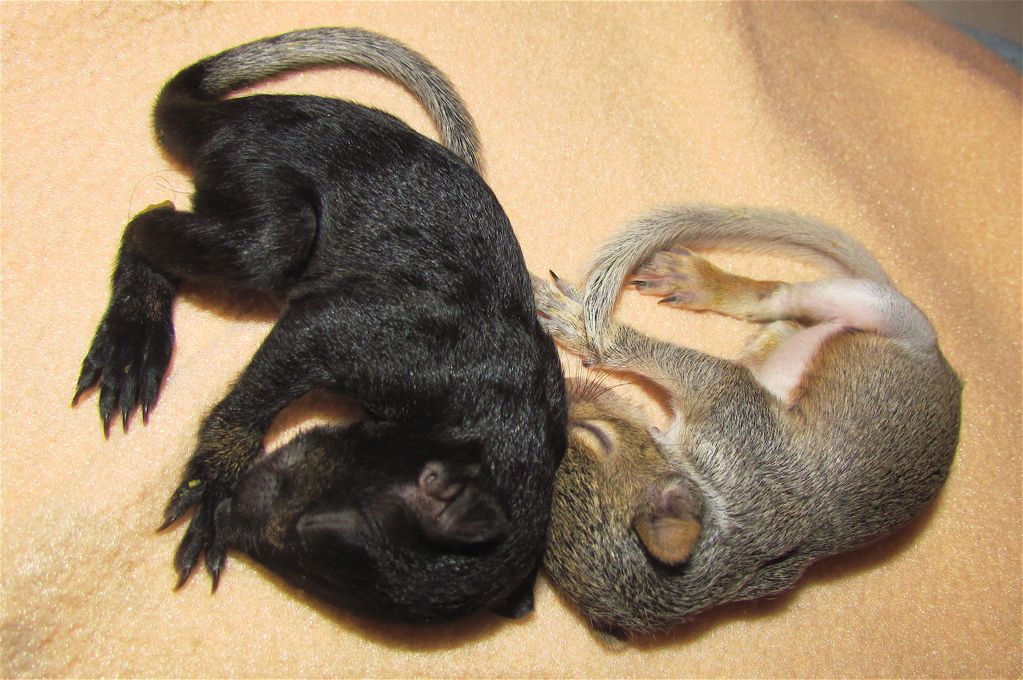
Not all black squirrels are jet black. Their shade depends on the number of black pigment gene copies. An eastern gray squirrel with two copies of the black gene will be jet black, while an individual with one black and one standard gray gene will display a brown-black colour. It is estimated that approximately nine percent of melanistic eastern gray squirrels are the jet black variety. In regions with high concentrations of black squirrels, mixed-colour litters are common. Reproduction follows Mendelian patterns. Gray mating pairs cannot produce black offspring, as black squirrels must possess at least one copy of the black pigment gene.
Melanism also occurs, though far more rarely, in other squirrel species such as the Columbian ground squirrel, Eurasian red squirrel, Richardson's ground squirrel, and western gray squirrel. Research has shown that the mechanism differs among species. For instance, no association between melanism and MC1R variations was found in Eurasian red squirrels, suggesting a polygenic origin. In Richardson's ground squirrels, melanism is attributed to recessive genes. This diversity in genetic causes highlights melanism as a convergent evolutionary trait appearing independently across different squirrel lineages.
Proposed Evolutionary Advantages
Two dominant theories attempt to explain the selective advantages of melanism in squirrels: improved crypsis (concealment) and enhanced thermoregulation. The concealment theory posits that black squirrels have an advantage in dimly lit, conifer-dominated forests common in northern latitudes, as their darker coats blend with the shadowy understory. Conversely, the standard gray morph may be better concealed in deciduous forests, especially in winter when leaf loss allows more light to reach the forest floor. A 1989 study on fox squirrels found that non-melanistic colour was better for concealment when the animal was stationary, but melanistic colour provided better camouflage when the squirrel was in motion. This theory is extended to fox squirrels in the southeastern United States, where melanism may aid in hiding against the blackened substrate of forests that undergo periodic burnings.
The thermoregulation theory is strongly supported by physiological data and is particularly relevant to the Canadian context. Research indicates black-coated animals have an 18 percent lower heat loss in temperatures below -10 °C (14 °F), a 20 percent lower metabolic rate, and a higher capacity for non-shivering thermogenesis compared to gray morphs. This thermal efficiency is believed to be a selective advantage that facilitated the northward expansion of the eastern gray squirrel's range after the last glacial period. Black morphs have been reported as far north as Sudbury, Ontario, beyond the species' traditional range. A strong negative correlation exists between the frequency of black squirrels and areas with high air temperatures, further supporting the thermal hypothesis.
A 2019 study in the European Journal of Ecology on fox squirrels provided nuanced support for the thermoregulation theory. It found melanistic fox squirrels experienced a noticeable increase in surface temperature (fur and skin) in both sunny and cloudy weather, whereas non-melanistic squirrels only warmed up under direct sun. This ability to gain heat under varied conditions is believed to explain why melanistic squirrels are more active during winter mornings. The study noted, however, that there was no difference in metabolic heat production between the colour morphs, indicating the advantage is primarily in external heat absorption and retention rather than internal generation.
Distribution and Population in North America
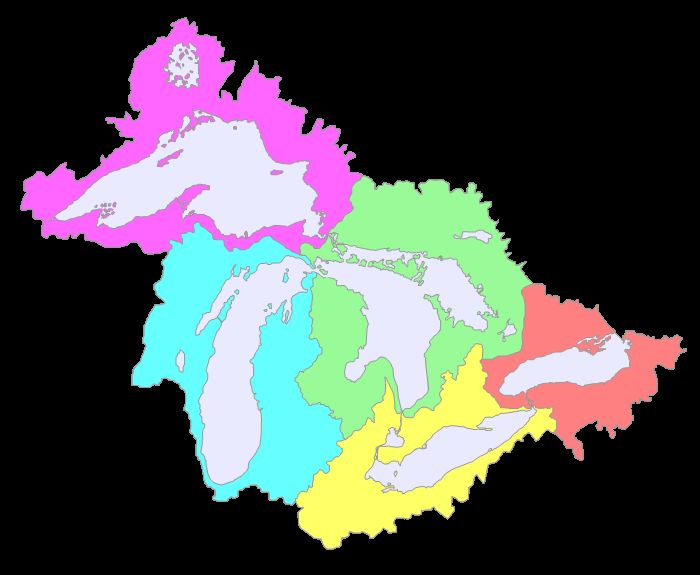
Natural populations of black morph squirrels occur within the native ranges of their parent species, but their frequency is highly variable and often low. Black fur is generally rare, occurring at rates estimated to be less than one percent across the range, with some suggestions that only one in 10,000 eastern gray squirrels is melanistic. However, this frequency increases dramatically in specific regions. The highest concentrations of black eastern gray squirrels are found in the northern portions of its range around the Great Lakes Basin. There is a notable increase in their frequency between the 41st and 45th parallels north. Populations south of the Great Lakes are more localized and fragmented.
In Canada, Ontario is the stronghold for the black eastern gray squirrel, where they form the predominant colour morph. Data from the citizen science platform iNaturalist indicates that 66 percent of documented squirrels in Ontario are the black morph. Within the Great Lakes region, black morphs account for approximately 15 percent of eastern gray squirrels. Black squirrels are also found more commonly in urban areas compared to rural forests. Significant introduced populations exist outside the native range, such as in Calgary, Alberta, where most eastern gray squirrels, including black morphs, originated from escaped pets or zoo animals in the 1930s.
The distribution of black fox squirrels follows a different pattern, with the highest frequencies occurring in the southeastern United States. Here, the frequency can reach a maximum of about 13 percent. A notable outlier population exists around Council Bluffs, Iowa, and the Omaha-Council Bluffs metropolitan area, where approximately half of the fox squirrels in Council Bluffs are melanistic. This population has expanded across the Missouri River, with melanistic fox squirrels now comprising 4.6 to 7.6 percent of the fox squirrels in Omaha, Nebraska. The Delta fox squirrel, a subspecies found in the Mississippi Alluvial Valley, commonly exhibits a glossy solid black phase alongside a reddish phase.
Introduced and Reintroduced Populations
Beyond their natural range, black squirrels have been deliberately introduced or accidentally released in numerous locations across North America and the United Kingdom, often leading to established populations. Many of these introductions were part of formal reintroduction programs aimed at restoring squirrel populations decimated by hunting and habitat loss in previous centuries. The population in Washington, D.C., originated from eighteen black morphs captured at Rondeau Provincial Park in Ontario and released in 1902 and 1906. In Battle Creek, Michigan, John Harvey Kellogg reportedly introduced 400 eastern gray squirrels, including black morphs, in 1915. Kent State University in Ohio coordinated with governments to release ten black squirrels from London, Ontario, in 1961, leading to a population that expanded through northeastern Ohio.
- Washington, D.C., USA (1902 & 1906): Eighteen black morphs from Rondeau Provincial Park in Ontario were released in parks around the National Mall, possibly to revitalize local squirrel populations. By 2005, black morphs comprised an estimated 5 to 25 percent of eastern gray squirrels in the area.
- Battle Creek & East Lansing, Michigan, USA (1915 & 1958/1962): John Harvey Kellogg introduced 400 eastern gray squirrels, including black morphs, to Battle Creek. Later, black squirrels from the Kellogg Biological Station were released on the Michigan State University campus in East Lansing.
- Kent, Ohio, USA (1961): Kent State University, with government coordination, released ten black squirrels from London, Ontario, to reintroduce the morph. The population grew to about 150 by 1964 and has since spread through northeastern Ohio.
- Quad Cities, USA (19th century): Black squirrels were reportedly introduced to the Rock Island Arsenal and later escaped, populating areas on Rock Island.
- Marysville, Kansas, USA (1920s): Black morphs were accidentally released from a circus exhibit. An attempt to transplant them to Hobbs, New Mexico, failed when the local squirrel population killed the newcomers.
- Pioneer Valley, Massachusetts, USA (late 1940s): Black squirrels from Michigan were released in Stanley Park, Westfield, by founder Frank Stanley Beveridge, leading to populations in Amherst and Westfield.
- United Kingdom (date uncertain): Black morphs of eastern gray squirrels are present, originating from North American imports, not from a mutation within the existing UK squirrel population.
These introduced populations are often embraced as local curiosities and symbols. In some non-native contexts, such as parts of British Columbia, eastern gray squirrels are considered invasive species. They can impact local ecosystems. Eastern gray squirrels, including their black morphs, were introduced into British Columbia during the early 1900s.
Behavioural and Ecological Comparisons
Research into potential behavioural differences between colour morphs has yielded mixed results, suggesting environment may be as influential as genetics. A 1990 study on eastern gray squirrels found no major difference in general behaviour or in reactions to human or canid predators between black and gray morphs. However, a 2010 study indicated that gray morphs were more prone to initiate flight after hearing a red-tailed hawk call. Researchers hypothesize this difference may not stem directly from pigmentation but from the environments each morph typically inhabits. Black morphs are more frequent in urban settings and may have developed a higher tolerance for human-related stimuli. Activity patterns show clearer distinctions, particularly in fox squirrels, as a 2019 study found melanistic fox squirrels were more active than their non-melanistic counterparts during the winter and spring months, being 30 percent more active during the mornings.
A 2019 study found melanistic fox squirrels were more active than their non-melanistic counterparts during the winter and spring months, being 30 percent more active during the mornings. Non-melanistic fox squirrels were more active during autumn. This aligns with the thermoregulation data, as the black squirrels' ability to gain surface heat earlier in the day likely permits extended morning activity in colder weather. The same study confirmed there was no noticeable difference in metabolic rate between the colour morphs of fox squirrels. The historical population dynamics of black morphs are complex, with some evidence suggesting they were more common before the 1700s, with their decline possibly linked to extensive deforestation and hunting, which may have favoured the gray morph's concealment in altered landscapes.
Some evidence suggests black eastern gray squirrels were relatively common throughout their range before the 1700s, with their decline possibly linked to extensive deforestation and hunting, which may have favoured the gray morph's concealment in altered landscapes. This theory is challenged by observations of high black squirrel frequencies in rural southern Ontario, an area dominated by farmland. The current prevalence of black squirrels in urban areas across their range, including many Canadian cities, may be influenced by a combination of founder effects from introductions, reduced predation pressure, and the potential thermal benefits in sometimes sparse urban tree canopies. These factors contribute to the ongoing ecological story of this distinctive colour morph.
Cultural Significance and Branding
The striking appearance of the black squirrel has made it a popular symbol for municipalities, universities, and communities, particularly in regions where they are common or have been successfully introduced. These entities often adopt the black squirrel for branding, marketing, and as a unique community mascot. In several cases, this cultural adoption has been formalized through local ordinances designed to protect the animals. In Ontario, where the black squirrel is a common part of the urban wildlife landscape, it is a familiar sight to residents and visitors in cities like Toronto. The story of the black squirrels sent from Rondeau Provincial Park to Washington, D.C., is a point of historical connection between Ontario and the American capital.
In the United States, the black squirrel is central to the identity of several towns and institutions. Kent State University in Ohio uses the black squirrel as an unofficial mascot, commemorating its successful reintroduction program. The city of Marysville, Kansas, brands itself in connection with the black squirrel and holds an annual Black Squirrel Festival. Battle Creek, Michigan, also celebrates its black squirrel population introduced by John Harvey Kellogg. Some municipalities have passed laws that discourage harming or threatening black squirrels, reflecting their valued status within the community. This cultural embrace shows how a unique biological trait can become intertwined with local identity and pride.
In Calgary, the introduced population of black eastern gray squirrels is a notable feature of the city's wildlife, distinct from the native red squirrels. Several municipalities in the United States have adopted a black squirrel for branding purposes, using it as a symbol and/or mascot. Some municipalities have passed ordinances that discourage attempts to threaten them. These examples show the animal's role as a recognized symbol in various locations.
Questions about Black squirrel
What causes a squirrel to be black?
Black fur in squirrels is caused by genetic melanism. In eastern gray squirrels and western fox squirrels, it is primarily due to a 24-base-pair deletion in a gene called MC1R. In southeastern fox squirrels, a point mutation in the agouti-signaling protein gene is responsible. The black colour is a inherited trait, not a result of environment or diet. A squirrel with two copies of the black gene will be jet black, while one with one black and one gray gene will be brown-black.
Are black squirrels a separate species?
No, black squirrels are not a separate species. They are a colour morph (a genetic variant) of existing squirrel species, most commonly the eastern gray squirrel and the fox squirrel. They can interbreed with the gray or red morphs of their own species. Other species, like the Eurasian red squirrel or Richardson's ground squirrel, can also rarely exhibit black morphs, but these are caused by different genetic mechanisms.
Why are black squirrels so common in Ontario?
Black squirrels are the predominant colour morph of the eastern gray squirrel in Ontario, accounting for about 66 percent of records. Their high frequency is linked to the thermal advantage of dark fur in colder climates, as Ontario lies within the northern part of the species' range. The genetic trait may have been selectively advantageous post-glaciation. Ontario, particularly Rondeau Provincial Park, was the source for several introduced populations in the United States.
Do black squirrels behave differently from gray squirrels?
Major behavioural differences are minimal. Studies show no significant difference in general behaviour or response to some predators. However, melanistic fox squirrels are about 30 percent more active during winter and spring mornings, likely due to their ability to absorb heat more efficiently. Black morphs are also more frequently found in urban areas, which may lead to differences in tolerance for human activity compared to rural gray squirrels.
Can two gray squirrels have black babies?
No, two gray eastern gray squirrels cannot produce black offspring. Gray squirrels have two copies of the standard gray pigment gene. To produce a black baby, at least one parent must carry a copy of the black pigment gene. A black squirrel can have one or two copies of this gene. In areas with many black squirrels, mixed-colour litters containing both gray and black babies are common.
Where did the black squirrels in Calgary come from?
The black eastern gray squirrels in Calgary, Alberta, are an introduced population. Eastern gray squirrels, including their black morphs, were introduced into other areas of Canada during the 19th and 20th centuries. This population has established itself in the city. They are distinct from Alberta's native red squirrels.
Sources and further reading
- Black squirrel (Wikipedia)
- Oshawa Animal Control: Learn More About the Black ... (skedaddlewildlife.com)
- What about black squirrels? (carphills.com)
- The Magical Meaning of Black Squirrels (marblecrowblog.com)
Checked by the Your Space Hamilton desk. Last updated 2026-10-23.