Bighorn sheep
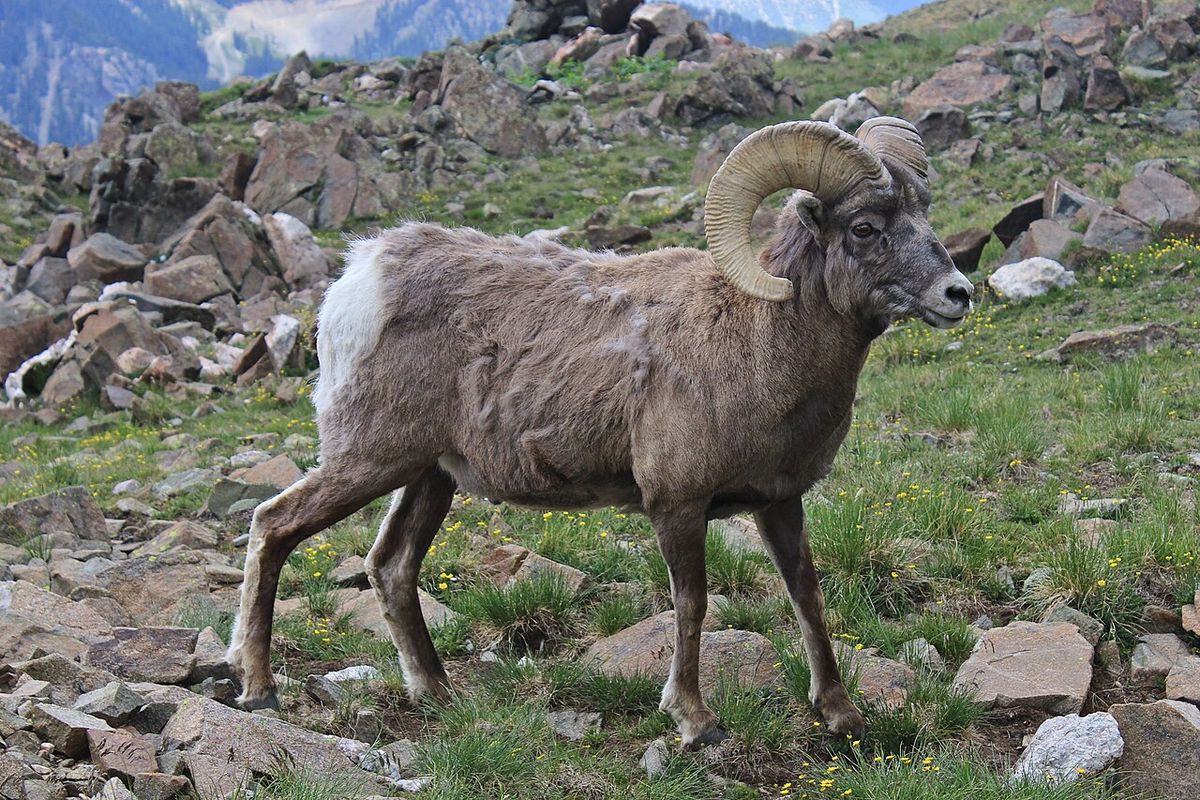
The bighorn sheep (Ovis canadensis) is a large species of wild sheep native to North America, renowned for the massive, curved horns of the males, or rams. These horns can weigh up to 14 kg (30 lb), while the sheep themselves typically weigh up to 143 kg (315 lb). This mammal is found from the alpine meadows of the Canadian Rockies to the desert mountains of the southwestern United States and Mexico, holding ecological and cultural importance. Recent genetic testing indicates three distinct subspecies of Ovis canadensis, one of which is endangered: O. c. sierrae. Today, they are a symbol of wilderness, serve as a valued game species, and are the provincial mammal of Alberta and the state animal of Colorado.
Taxonomy and Evolution
The bighorn sheep is one of two species of mountain sheep in North America, the other being the Dall sheep (Ovis dalli). Wild sheep ancestors crossed the Bering land bridge from Siberia into Alaska during the Pleistocene epoch, approximately 750,000 years ago, subsequently spreading throughout western North America as far south as Baja California and northwestern mainland Mexico. Genetic divergence from their closest Asian ancestor, the snow sheep, occurred about 600,000 years ago, and within North America, wild sheep further diverged into the two extant species. The status of these species is somewhat questioned given that hybridization has occurred between bighorn and Dall sheep in their recent evolutionary history. Historical taxonomy, such as Ian McTaggart-Cowan's 1940 classification of seven subspecies, has been largely superseded by modern genetic analysis. Starting in 1993, DNA studies by Ramey and colleagues revealed that many of these divisions were not genetically distinct. The most extensive genetic study to date, published in 2016, supports the recognition of three primary subspecies based on microsatellite and mitochondrial DNA.
Subspecies and Populations
Current scientific consensus recognizes three subspecies of bighorn sheep, each with distinct ranges and characteristics. The Rocky Mountain bighorn sheep (O. c. canadensis) occupies the U.S. and Canadian Rocky Mountains and the Northwestern United States, and individuals from this region are relatively large, with males occasionally exceeding 230 kilograms. The Sierra Nevada bighorn sheep (O. c. sierrae) is a genetically distinct subspecies found only in California's Sierra Nevada, though historical observer records suggest they may have once ranged as far west as the California Coastal Ranges via the Transverse Ranges, with an account of "wild sheep" near the Mission San Antonio dating to circa 1769. Sierra Nevada rams are smaller, weighing up to only 90 kilograms, with females to 60 kilograms. The desert bighorn sheep (O. c. nelsoni) inhabits the desert regions of the Southwestern United States and Northwestern Mexico, and the 2016 genetics study suggested a more modest divergence within this group into three lineages: Nelson's (O. c. nelsoni), Mexican (O. c. mexicana), and Peninsular (O. c. cremnobates). These three lineages occupy desert biomes that vary significantly in climate, suggesting exposure to different selection regimens. Two populations are listed as endangered by the United States government: the Sierra Nevada bighorn sheep and the Peninsular bighorn sheep, which is considered a distinct population segment of desert bighorn sheep. Historically, several other subspecies were described, including the Badlands bighorn sheep (O. c. auduboni), which occurred in North Dakota, South Dakota, Montana, Wyoming, and Nebraska and became extinct since 1925, and Weems' bighorn sheep (O. c. weemsi) of southern Baja California.
The bighorn sheep is a species native to North America. Most scientists currently recognize three primary subspecies based on genetic studies. These are the Rocky Mountain bighorn sheep, the Sierra Nevada bighorn sheep, and the desert bighorn sheep. The Sierra Nevada bighorn sheep is one of the subspecies considered endangered. Historically, other subspecies classifications, such as the extinct Badlands bighorn sheep, have been proposed.
| Subspecies / Population | Primary Range | Notes |
|---|---|---|
| Rocky Mountain bighorn (O. c. canadensis) | Canadian and U.S. Rocky Mountains, Northwestern U.S. | Largest-bodied subspecies. Found from British Columbia to Arizona. |
| Sierra Nevada bighorn (O. c. sierrae) | Sierra Nevada, California | Endangered. Formerly called California bighorn sheep. |
| Desert bighorn (O. c. nelsoni) | Deserts of Southwestern U.S. and Northwestern Mexico | Includes Nelson's, Mexican, and Peninsular lineages. Ranges from California through Arizona. |
| Badlands bighorn (O. c. auduboni) † | North Dakota, South Dakota, Montana, Wyoming, Nebraska | Extinct since 1925. Also called Audubon's bighorn sheep. |
Physical Description and Adaptations
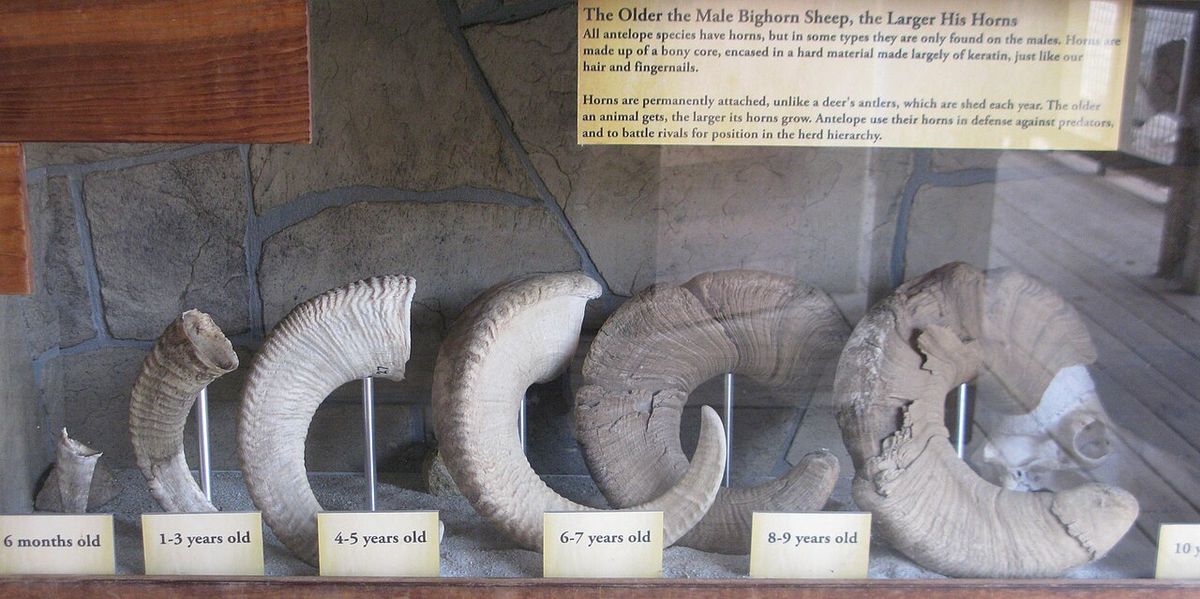
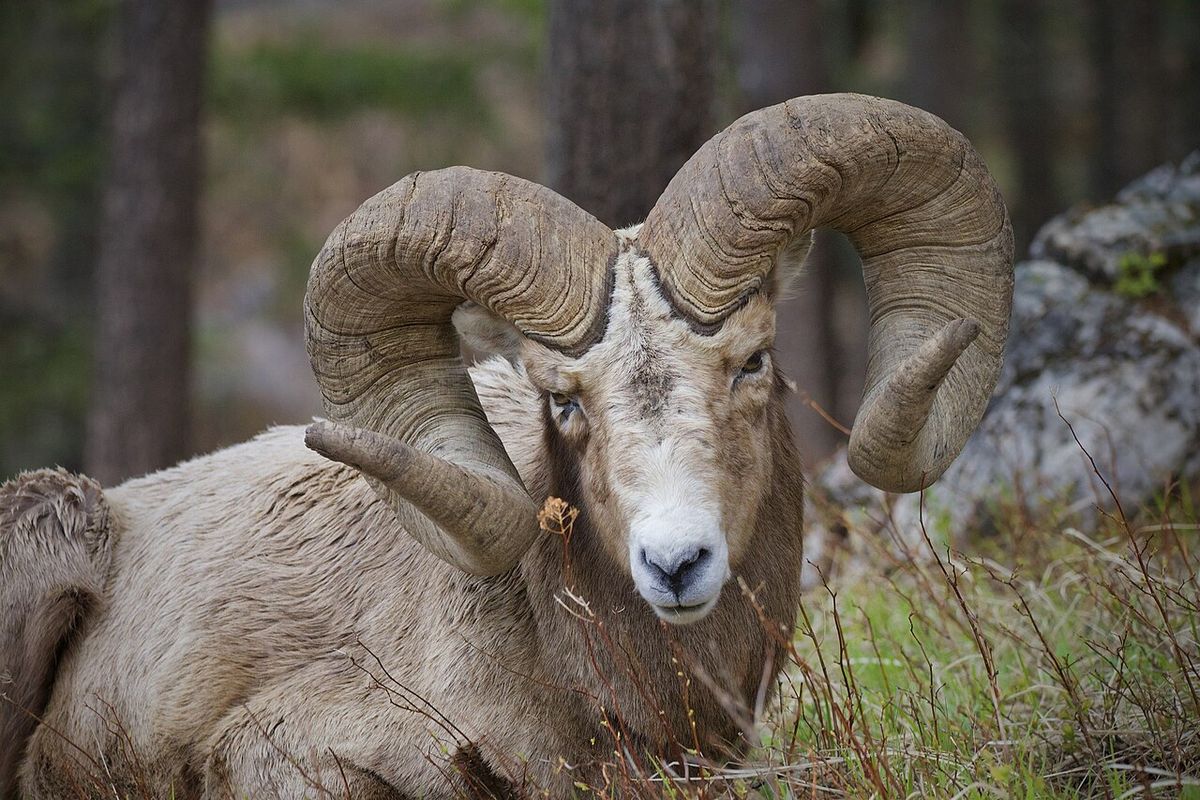
Bighorn sheep are powerfully built animals, named for the impressive, spiralled horns of the rams. A ram's horns can constitute a significant portion of its body mass, weighing up to 14 kilograms, which is as much as all the bones in its body. Ewes also possess horns, but they are shorter and straighter, and both sexes have a colour range from light brown to greyish or dark, chocolate brown. The animals have a distinctive white rump patch and white lining on the backs of all four legs, and sexual dimorphism is pronounced, with males being considerably larger than females. Rocky Mountain bighorn rams are the largest, occasionally exceeding 230 kilograms, while Sierra Nevada rams are smaller, weighing up to only 90 kilograms. Rams stand 90 to 105 centimetres at the shoulder and measure 1.6 to 1.85 metres in length from nose to tail, and females are typically 75 to 90 centimetres tall at the shoulder and 1.28 to 1.58 metres long. Adaptations for their famous head-butting clashes include large horn cores, enlarged cornual and frontal sinuses, and internal bony septa, all of which help absorb impact and protect the brain from injury during combat. Bighorn sheep also possess several scent glands, including preorbital glands on the anterior corner of each eye, inguinal glands in the groin, and pedal glands on each foot, with secretions from these glands believed to support dominance behaviours within the herd.
Habitat, Ecology and Threats
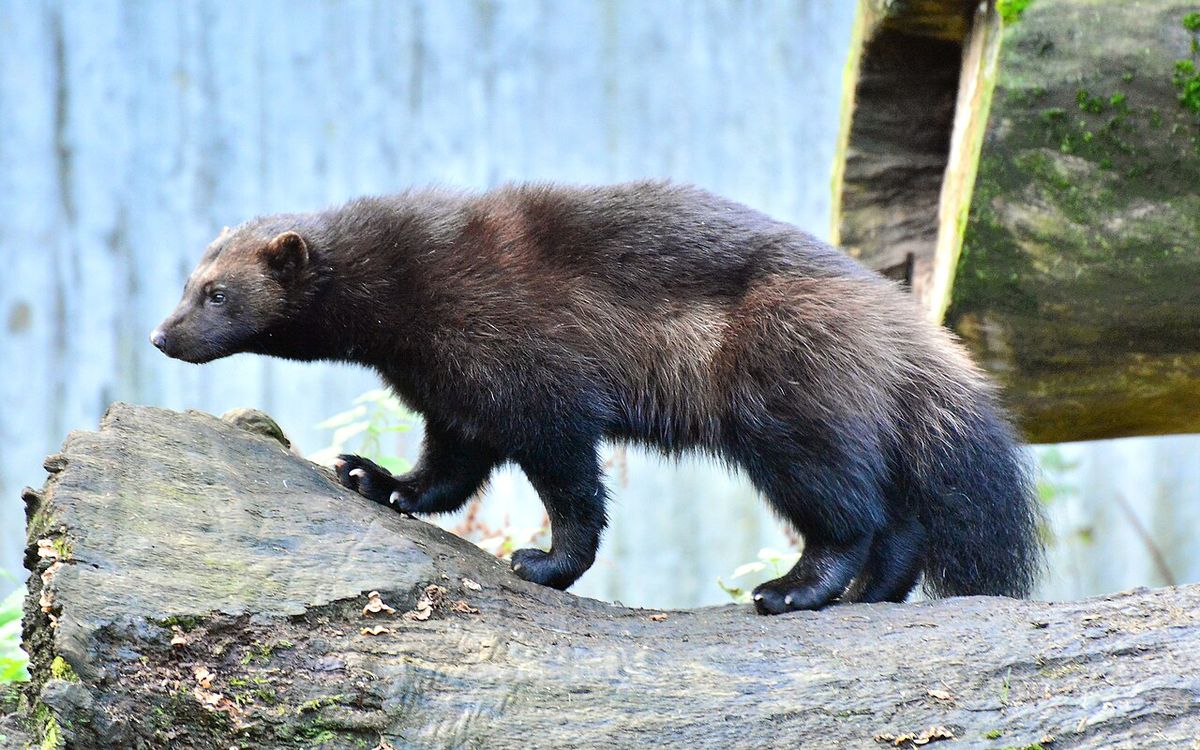
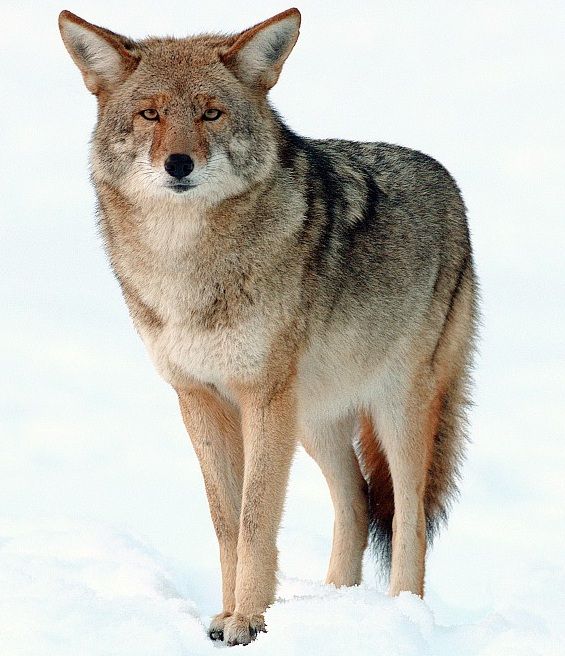
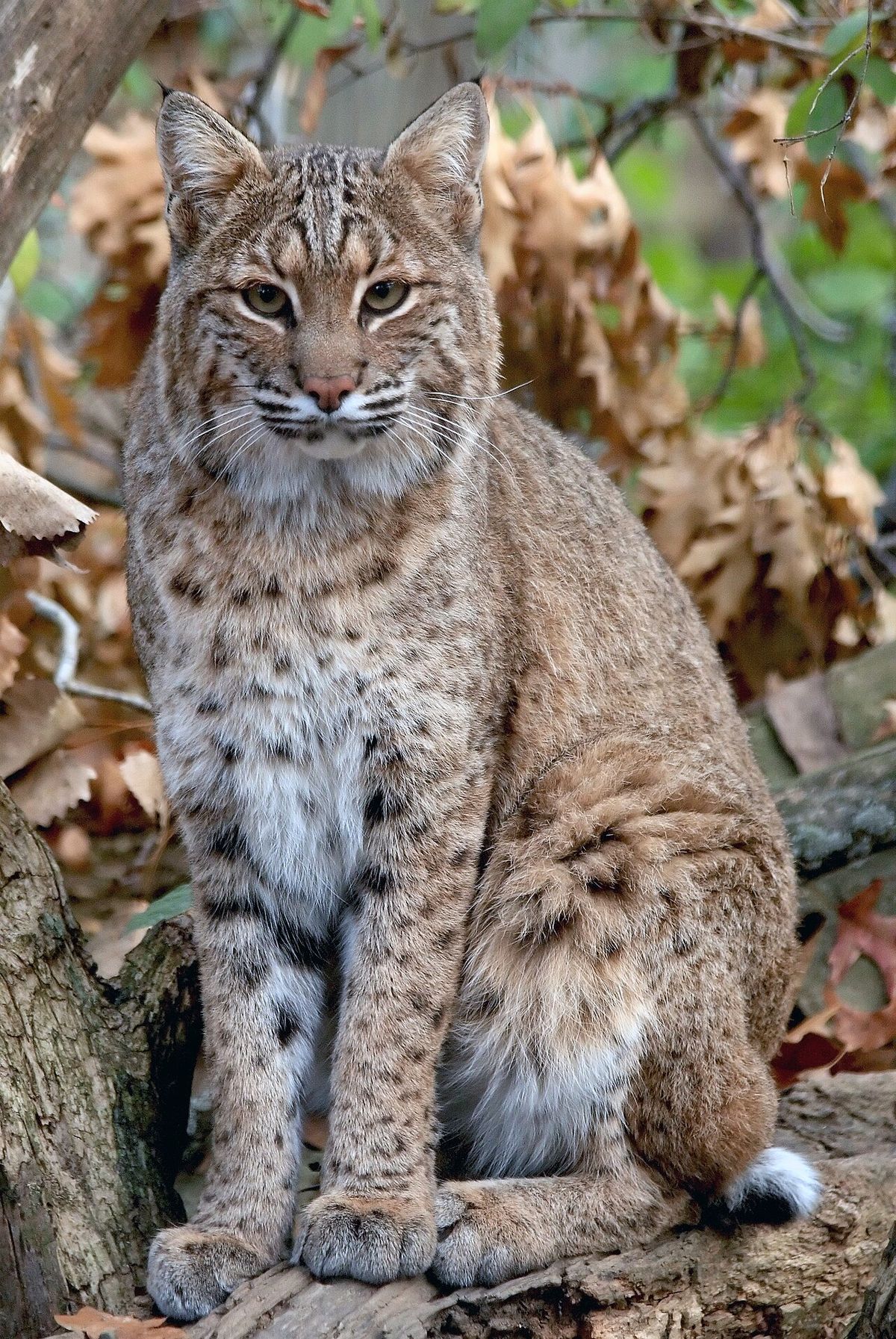
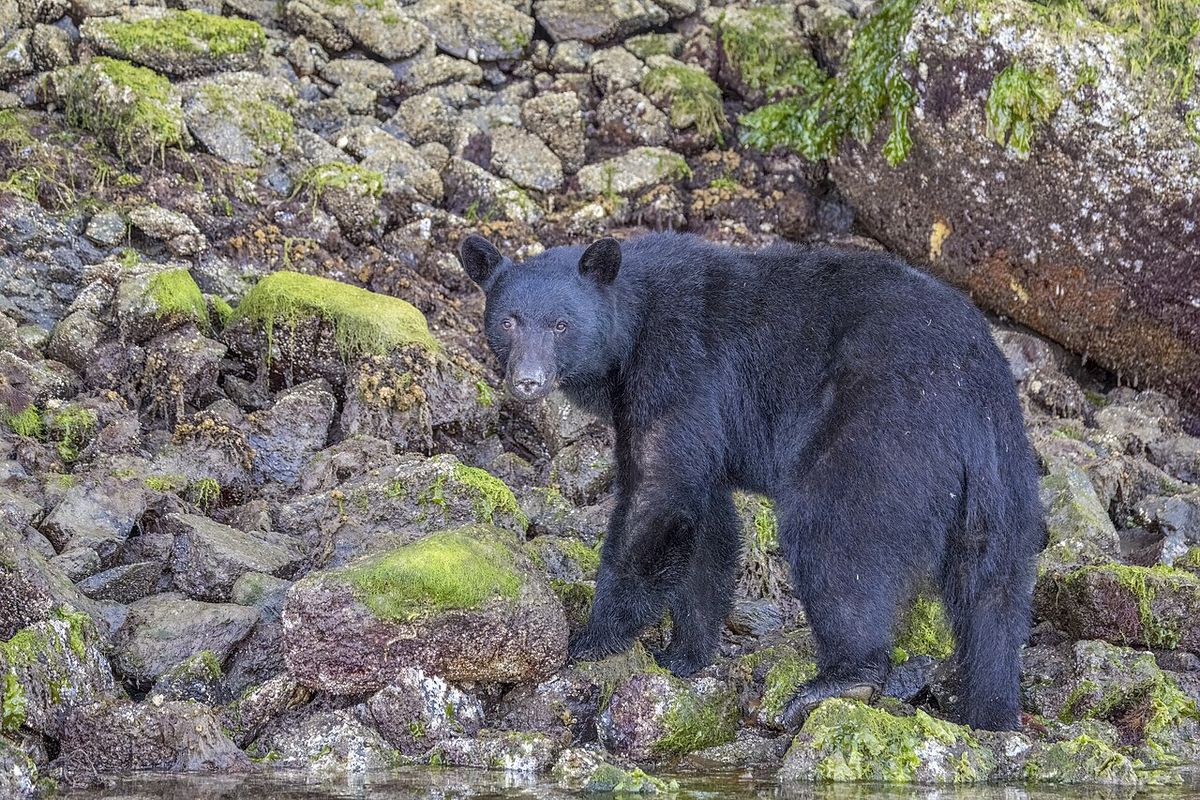
Bighorn sheep occupy a variety of mountainous habitats across North America, from cool alpine regions to hot desert ecosystems. Rocky Mountain and Sierra Nevada bighorns inhabit alpine meadows, grassy mountain slopes, and foothill country near rugged, rocky cliffs and bluffs. They prefer areas with annual snowfall less than about 150 centimetres, as deep snow impedes movement, and they often migrate to lower elevations in winter, meaning a bighorn's winter range usually has lower elevations than its summer range. Desert bighorns are indigenous to the hot desert ecosystems of the Southwestern United States and Mexico, and all bighorns are well adapted to climbing steep terrain, which provides cover from predators. Key predators of adults include mountain lions, wolves, coyotes, bobcats, black bears, and grizzly bears, with lambs also vulnerable to golden eagles, gray foxes, wolverines, jaguars, ocelots, and lynxes. Bighorn sheep are considered a good indicator of land health because the species is sensitive to many human-induced environmental problems, and in addition to their aesthetic value, they are considered desirable game animals by hunters. Their diet consists primarily of grasses and shrubs, particularly in fall and winter, and they frequently visit natural salt licks to obtain essential minerals, and foraging behaviour differs between sexes, with females tending to walk and forage more, possibly to avoid predators and protect lambs, while males tend to eat and then rest to ruminate for more effective digestion and greater increase in body size.
The species faces significant ecological threats, most notably infectious diseases transmitted from domestic sheep, and many populations in the United States experience regular outbreaks of infectious pneumonia. Key pathogens include Mycoplasma ovipneumoniae and some strains of Mannheimia haemolytica, which are carried asymptomatically in domestic sheep but can trigger severe outbreaks in bighorn herds. These outbreaks can lead to all-age die-offs, sometimes killing up to 90 percent of a local population, and are often followed by years of lamb pneumonia that severely limit recruitment and population recovery. Additional mortality occurs as a result of accidents involving rock falls or falling off cliffs, which is a hazard of living in steep, rugged terrain. Fire suppression techniques may also pose an indirect threat by limiting visibility through shrublands and therefore increasing cover and predation rates by mountain lions, which are perhaps best equipped with the agility to prey on them in uneven, rocky habitats.
Social Structure, Reproduction and Lifespan
Bighorn sheep are social animals that live in large herds, and they do not typically follow a single leader ram, unlike the mouflon, the ancestor of the domestic sheep, which has a strict dominance hierarchy. Before the annual mating season or rut, the rams attempt to establish a dominance hierarchy to determine access to ewes for mating, and during this pre-rut period, most of the characteristic horn clashing occurs, although this behaviour may occur to a limited extent throughout the year. This agonistic behaviour involves two rams walking away from each other, turning to face, and then jumping and lunging into headbutts, and the frequent sparring often results in the horn tips being broken off, a condition known as brooming. Ewes exhibit a stable, nonlinear hierarchy that correlates with age, and females may fight for high social status when they are integrated into the hierarchy at one to two years of age. Rocky Mountain bighorn rams employ at least three different courting strategies during the rut, which peaks in November in temperate climates.
- Tending: The most common and successful strategy, where a ram follows and defends an estrous ewe, and ewes are most receptive to these males, presumably feeling they are the most fit.
- Coursing: A tactic when rams fight for an already tended ewe, which ewes typically avoid, so the strategy is ineffective.
- Blocking: Rams prevent a ewe from accessing tending areas before she even enters estrus.
Following a six-month gestation, ewes give birth to one, or rarely two, lambs in May, with most births occurring in the first two weeks of the lambing period. Pregnant ewes in the Rocky Mountains often migrate to alpine areas in spring to give birth in safer terrain from predation, but are away from areas with good quality forage. Lambs born earlier in the season are more likely to survive than lambs born later, as late-born lambs may not have access to sufficient milk, as their mothers are lactating at a time when food quality is lower. Newborn lambs weigh from 3.6 to 4.5 kilograms and can walk within hours, and they are then weaned when they reach four to six months old. The lifespan of bighorn sheep shows a difference between the sexes, with ewes typically living 10 to 14 years and rams living 9 to 12 years.
Conservation History and Modern Management
Two centuries ago, bighorn sheep were widespread throughout the western United States, Canada, and northern Mexico, with population estimates between 150,000 and 200,000 animals. A drastic decline occurred from approximately 1870 through 1950 due to unregulated hunting, habitat destruction, overgrazing of rangelands, and diseases contracted from domestic livestock, with the most drastic decline occurring from about 1870 through 1950. By 1900, the continental population had crashed to just several thousand from a peak that was in the millions, and the sheep entered into the mythology of Native Americans before this crash. This effort, joined by groups like the National Wildlife Federation, the Izaak Walton League, and the National Audubon Society, led to the creation of the Kofa National Wildlife Refuge and the Cabeza Prieta National Wildlife Refuge on over 600,000 hectares of land set aside on January 18, 1939. Since the 1940s, numerous state and federal agencies have actively pursued bighorn sheep restoration through reintroductions and habitat protection, but these efforts have met with limited success, and most of the historical range of bighorns remains unoccupied today. Hunting for male bighorn sheep is allowed as a management tool, but it is heavily regulated in both Canada and the United States. The table below summarizes key historical threats and the corresponding conservation responses implemented over the last century.
| Historical Threat | Impact Period | Conservation Response |
|---|---|---|
| Disease from domestic sheep (e.g., psoroptic scabies, pneumonia) | 1870 to 1950+ | Separation of herds, disease monitoring, restricted livestock contact |
| Habitat loss and overgrazing | Ongoing | Creation of protected areas (e.g., national wildlife refuges, parks) |
| Population decline and local extirpation | Post-1900 | Restoration and reintroduction programs initiated in the 1940s |
Cultural Significance and Representation
The bighorn sheep holds a significant place in the culture and history of North America, and it entered into the mythology of Native Americans. For the Apsaalooka (Crow) people, the sheep were among the most admired animals, and what is today called the Bighorn Mountain Range was central to the Apsaalooka tribal lands. A Crow legend recounted in the Bighorn Canyon National Recreation Area book by storyteller Old Coyote tells of a man possessed by evil spirits who tries to kill his heir by pushing him over a cliff, but the victim is saved by getting caught in trees and then rescued by bighorn sheep. The man takes the name of their leader, Big Metal, and is granted power, wisdom, sharp eyes, sure-footedness, keen ears, great strength, and a strong heart, with the message that the Apsaalooka people will survive only so long as the river winding out of the mountains is known as the Bighorn River. European explorers like Meriwether Lewis and William Clark recorded numerous sightings of Ovis canadensis in their journals, sometimes using the name argali or argalia due to an assumption they were the same as the Asiatic argali (Ovis ammon). Clark's 1814 Track Map indicated a tributary of the Yellowstone River named Argalia Creek and a tributary of the Missouri River named Argalia River in Montana, though these names did not persist, unlike the Bighorn River and Little Bighorn River, the latter being the namesake of the Battle of the Little Bighorn. Lewis and Clark also recorded the use of bighorn sheep horns by the Shoshone people in making composite bows. Beyond mythology and history, bighorn sheep are hunted for their meat and horns, used in ceremonies, as food, and as hunting trophies, and they also serve as a source of ecotourism, as tourists come to see the bighorn sheep in their native habitat. The species has been adopted as an official symbol in several jurisdictions and has appeared in various artistic works.
- The Rocky Mountain bighorn sheep is the provincial mammal of Alberta and the state animal of Colorado, incorporated into the symbol for the Colorado Division of Parks and Wildlife.
- The desert bighorn sheep is the state mammal of Nevada.
- The sheep was featured in artist Andy Warhol's 1983 "Endangered Species" portfolio of ten endangered species prints, created to raise environmental awareness in support of the U.S. Endangered Species Act passed by Congress in 1973.
- It appeared in the 1967 children's book Buford the Little Bighorn by Bill Peet, where the character Buford has a huge pair of horns in the Spring, Summer, Fall, and Winter.
- Bighorn sheep were once known by the scientific identification "argali" or "argalia" before their distinct taxonomy was settled.
Questions about Bighorn sheep
Where can you see bighorn sheep in Canada?
In Canada, bighorn sheep are primarily found in the Rocky Mountains, particularly in Alberta and British Columbia. They inhabit alpine meadows, grassy mountain slopes, and foothill country near rugged, rocky cliffs and bluffs. Popular viewing areas include national parks like Banff and Jasper, as well as provincial parks and wildlife management areas along the Rocky Mountain range. The Rocky Mountain bighorn sheep is also the provincial mammal of Alberta, highlighting its significance in the region, and they prefer drier slopes where the annual snowfall is less than about 150 centimetres.
Why are bighorn sheep horns so large?
The massive, curved horns of male bighorn sheep, which can weigh up to 14 kilograms, serve two primary functions. They are used as weapons and shields during dramatic head-butting clashes between rams competing for dominance and mating rights during the rut. The horns, along with enlarged cornual and frontal sinuses and internal bony septa in the skull, are also adaptations that absorb the tremendous impact of these collisions, protecting the ram's brain from injury. The frequent sparring often breaks off the horn tips, a natural condition known as brooming, and these horns are so large they can weigh as much as all the bones in the male's body.
What is the main threat to bighorn sheep populations?
The most severe threat to bighorn sheep is infectious pneumonia, primarily introduced through contact with domestic sheep. Pathogens like Mycoplasma ovipneumoniae and some strains of Mannheimia haemolytica, carried asymptomatically by domestic sheep, can trigger outbreaks in bighorn herds that kill up to 90 percent of a population. These events are often followed by multiple years of lamb pneumonia outbreaks, which severely limit recruitment and hamper population recovery. Historical threats included unregulated hunting and habitat loss, but disease remains the primary modern challenge for conservation, and bighorn sheep are highly susceptible to several diseases carried by domestic sheep.
How many subspecies of bighorn sheep are there?
Based on the most current genetic evidence from a 2016 study, scientists recognize three primary subspecies of bighorn sheep. These are the Rocky Mountain bighorn sheep (Ovis canadensis canadensis), the Sierra Nevada bighorn sheep (O. c. sierrae), and the desert bighorn sheep (O. c. nelsoni). Earlier classifications, such as one from 1940, listed up to seven subspecies, but DNA testing has shown most of those divisions are not genetically distinct. The desert bighorn lineage itself shows a more modest divergence into three groups: Nelson's, Mexican, and Peninsular. The Sierra Nevada and Peninsular desert bighorn populations are listed as endangered in the United States.
What do bighorn sheep eat and how do they forage?
Bighorn sheep are herbivores with a diet that varies by season and habitat. They primarily graze on grasses and browse on shrubs, with a particular reliance on browse during fall and winter. They also regularly seek out natural salt licks to obtain essential minerals that are not sufficiently available in their plant diet. Their foraging behaviour differs by sex, with females tending to walk and forage more, possibly to avoid predators and protect lambs, while males tend to eat and then rest and ruminate, which lends to more effective digestion and greater increase in body size. This behavioural difference is an adaptation linked to their social roles and vulnerability.
How did bighorn sheep get to North America and when?
Bighorn sheep ancestors originated in Asia and migrated to North America during the Pleistocene epoch, approximately 750,000 years ago. They crossed the Bering land bridge, which connected Siberia and Alaska when sea levels were lower. After arriving in Alaska, these wild sheep spread southward through western North America as far as Baja California and northwestern mainland Mexico. Genetic divergence from their closest Asian ancestor, the snow sheep, occurred about 600,000 years ago, and in North America, they eventually diverged into the two species found today: the Dall sheep in the north and the bighorn sheep across the south, though hybridization has occurred in their recent history.
Sources and further reading
- Bighorn sheep (Wikipedia)
- Animal Facts: Bighorn sheep (canadiangeographic.ca)
- Bighorn Sheep, Wilder Institute's Calgary Zoo (calgaryzoo.com)
- Bighorn Sheep, Rocky Mountain (nps.gov)
- The Bighorn Sheep: Majestic and Memorable (naturecanada.ca)
Checked by the Your Space Hamilton desk. Last updated 2026-10-23.