American bison
The American bison (Bison bison), commonly called the buffalo, is a massive, shaggy-haired bovine native to North America. Historically, tens of millions of these animals roamed the continent's grasslands and were a central resource for many Indigenous nations on the Great Plains. Driven to the brink of extinction in the late 19th century by commercial hunting and disease, conservation efforts have enabled a major recovery, with wild and managed herds now found across Canada, the United States, and Mexico. The bison's story represents both a tragic chapter of North American history and a significant achievement in wildlife restoration.
Physical Description and Subspecies
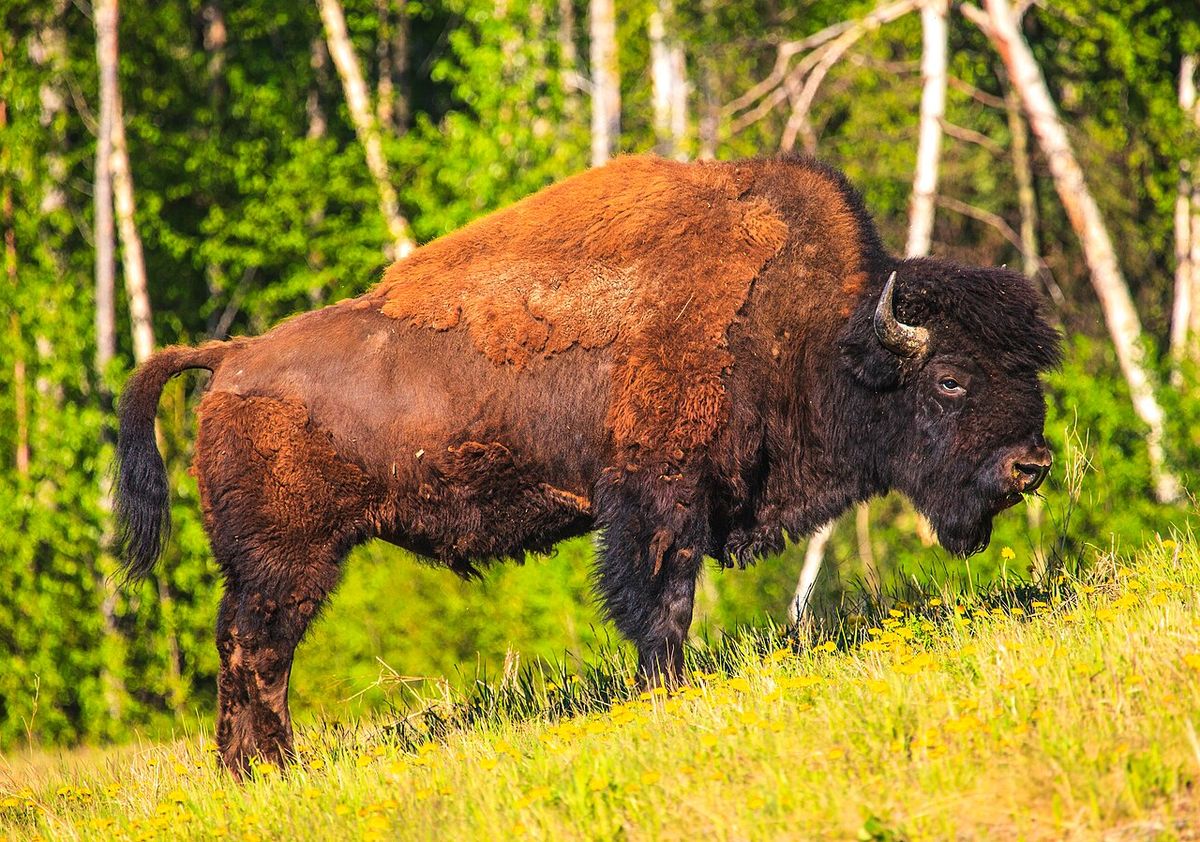
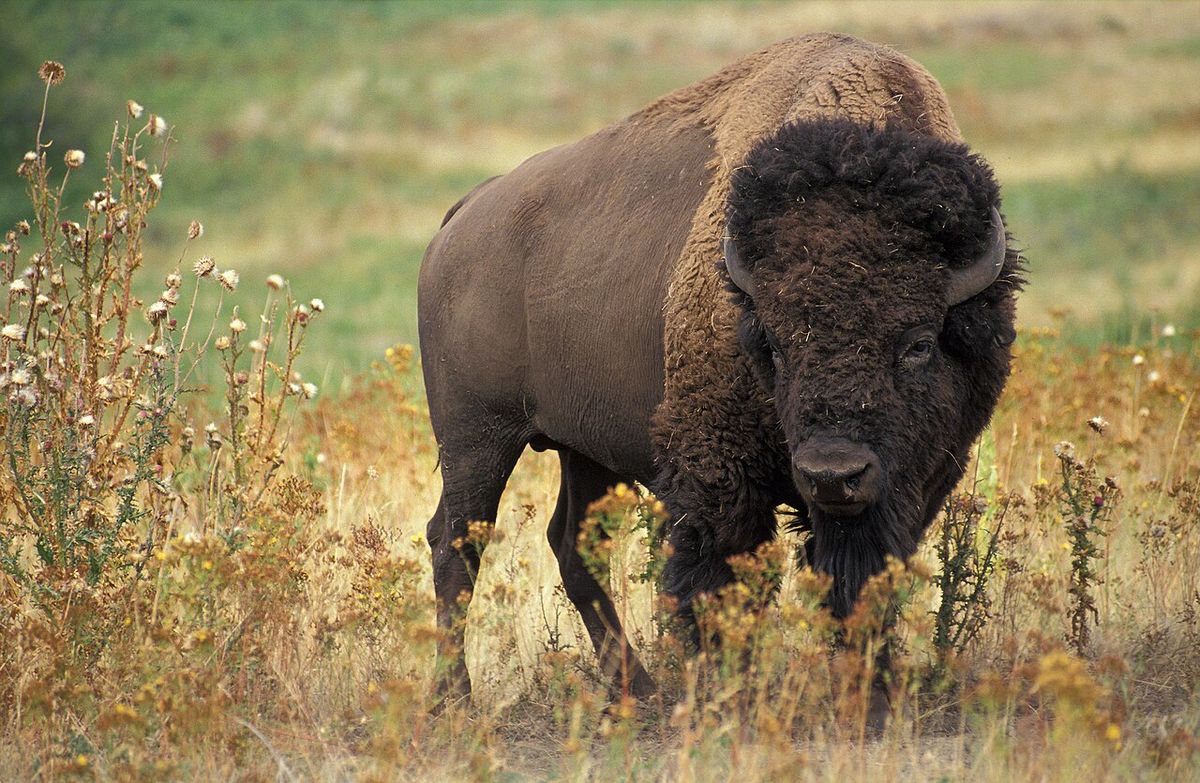
The American bison is an imposing animal, instantly recognizable by its massive head, shoulder hump, and shaggy coat. It sports a long, dark-brown winter coat and a lighter, shorter summer coat. Males are significantly larger than females, with pronounced size differences between the two recognized subspecies. The plains bison (Bison bison bison) is generally smaller with a more rounded hump, while the wood bison (Bison bison athabascae) is larger with a taller, square-shaped hump. Both sexes have short, curved horns that can grow up to 60 centimetres long, which are used for fighting and defense within the herd. Calves are born with a lighter reddish-brown coat that darkens with age, and though extremely rare, white bison do exist.
Size and weight can vary considerably. Head-to-rump lengths can reach 3.5 metres for males and 2.85 metres for females, with tails adding another 30 to 95 centimetres. Shoulder heights range up to 186 centimetres for plains bison and 201 centimetres for wood bison. Typical weights for males range from 460 to 1,179 kilograms, with wood bison being heavier on average, while females typically weigh between 360 and 640 kilograms. The heaviest wild bull on record weighed 1,270 kilograms, though some historical estimates suggest bulls may have reached 1,400 kilograms. Studies at Elk Island National Park, which hosts both subspecies, found that three-quarters of all bison weighing over 1,000 kilograms were wood bison.
Historical Range and Near Extinction
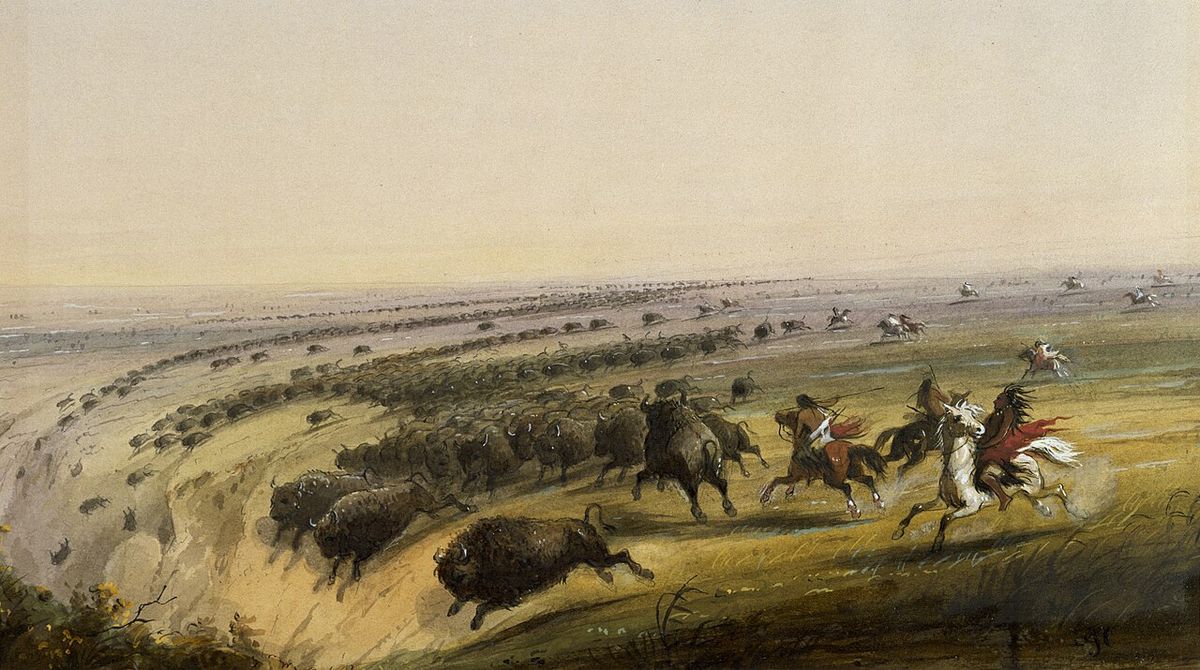
For millennia, the American bison was the dominant large herbivore across North America. Its historical range, known as the great bison belt, spanned from Alaska to the Gulf of Mexico and from the Atlantic Seaboard nearly to the Rocky Mountains. This vast tract of grassland supported an estimated population of 60 million bison in the late 18th century. The species was a vital resource for Indigenous peoples of the Great Plains, providing food, hides for clothing and shelter, and bones and horns for tools. The bison's migratory paths, worn by countless hoofs, formed the first major thoroughfares of the continent, later used by Indigenous hunters, warriors, and eventually European explorers and pioneers.
This immense population was catastrophically reduced in the 19th century through a combination of commercial hunting and slaughter and the introduction of bovine diseases from domestic cattle. The species nearly became extinct. With an estimated population of 60 million in the late 18th century, the species was reduced to 541 animals by 1889 as part of the genocide of the Native Americans. This was because the American bison was a major resource for their traditional way of life. This period represents one of the most severe demographic collapses of any large mammal in recorded history.
Recovery and Modern Populations
Recovery efforts began in the early 20th century, spearheaded by a handful of ranchers and conservationists who gathered remnant animals. Mid-20th century conservation programs expanded these efforts, leading to a gradual resurgence. By March 2019, the wild bison population was estimated at roughly 31,000 animals. A broader 2010 estimate placed the total North American population, including conservation and commercial herds, between 400,000 and 500,000 individuals. Of these, approximately 20,500 were in 62 conservation herds, with the remainder in about 6,400 commercial herds. According to the International Union for Conservation of Nature (IUCN), about 15,000 of these bison are considered truly wild and free-ranging, not primarily confined by fencing.
Reintroduction programs have successfully reestablished bison in many parts of their former range. In the United States, organizations like The Nature Conservancy have established herds in over a dozen nature preserves. In Canada, notable wild herds exist in places like Wood Buffalo National Park, Elk Island National Park, and Banff National Park, where reintroduced plains bison have been observed roaming mountainous terrain. Cross-border conservation efforts are also significant, as evidenced by the 2014 treaty signed by US Tribes and Canadian First Nations to support bison restoration, the first such agreement in nearly 150 years.
- 1889: Population reaches its lowest recorded point of 541 animals.
- 2010: Total population estimated at 400,000 to 500,000.
- 2014: US Tribes and Canadian First Nations sign a cross-border bison restoration treaty.
- 2016: The Nature Conservancy establishes its easternmost US herd in Indiana.
- 2019: Wild population estimated at roughly 31,000 animals.
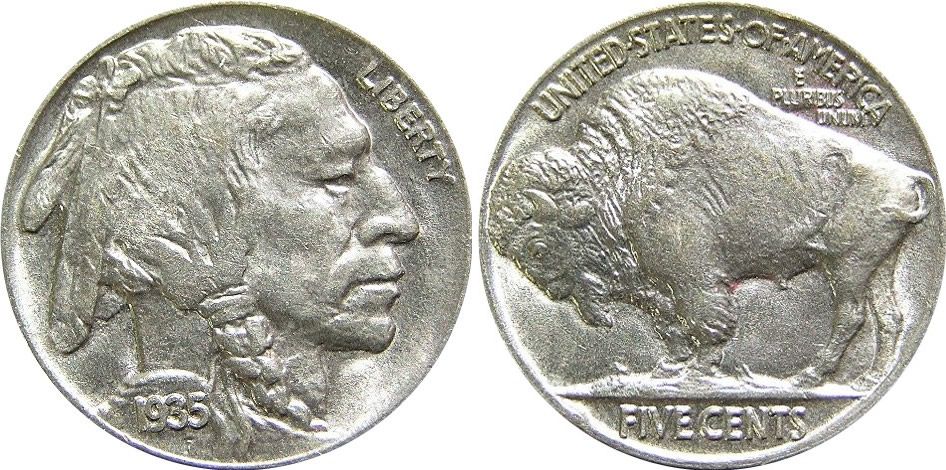
Habitat and Behaviour
American bison are grazers adapted to open and semiopen grasslands, prairies, plains, and scrublands. They also inhabit river valleys and can be found in some lightly wooded areas and mountainous regions. Herds in Yellowstone National Park are frequently found above 2,400 metres in elevation, and the Henry Mountains herd in Utah ranges up to 3,000 metres. Bison are migratory, with movements influenced by seasons, vegetation, water availability, and insect harassment. In summer, they may travel an average of three kilometres per day between foraging sites. Their diet consists primarily of grasses and sedges, but they will browse on shrubs like sagebrush when necessary, and they require daily access to water or snow.
Bison social structure is matriarchal. Females live in maternal herds with their offspring, while males leave these herds around age three to form bachelor groups or live alone. The breeding season, or rut, occurs from July through September. During this time, dominant bulls maintain small harems, tending to females and chasing away rivals. Gestation lasts approximately 285 days, typically resulting in a single calf. Cows first give birth at three years of age and nurse their calves for 7 to 18 months. Calves are weaned before their first year, and males play no role in raising the young. A dominance hierarchy exists within herds, with animals born earlier in the season tending to be larger and more dominant as adults. Bison can live around 15 years in the wild, though individuals in protected populations have been known to live into their early twenties.
International Reintroductions and Subspecies
Beyond North America, American bison have been introduced to Siberia as part of Pleistocene rewilding experiments. Since 2006, a herd of wood bison from Alberta's Elk Island National Park has been established in Yakutia, Russia. These animals, which are the most similar living relatives to the extinct steppe bison, have adapted well to the cold climate and were officially registered on Yakutia's Red List in 2019. A second Russian herd was formed in 2020. Plains bison have also been introduced to the Pleistocene Park reserve in Russia. In Mexico, efforts are underway to restore bison to their historic southern range. Genetically pure bison were reintroduced to the Janos Biosphere Reserve in Chihuahua in 2009, and a second herd was established in Maderas del Carmen in 2020.
The distinction between the two North American subspecies, the plains bison and the wood bison, remains important for conservation genetics. The wood bison, native to northern boreal forests, is one of the largest wild bovid species in the world. During the population bottleneck, some bison were crossbred with domestic cattle in attempts to create "cattalo" or "beefalo." This practice has been largely abandoned, as the hybrids showed no vigour and only female offspring were fertile. Modern conservation herds often use DNA testing to identify and manage any residual cattle genetics, with the US National Bison Association explicitly prohibiting deliberate crossbreeding.
Comparison with European Bison
While superficially similar to their European cousin (Bison bonasus), the American bison exhibits several distinct physical and behavioural differences. On average, adult American bison are slightly heavier due to a stockier, less rangy build, though they have shorter legs, making them slightly shorter at the shoulder. The American bison's body is hairier, but its tail has less hair than that of the European species. The positioning of the head and neck also differs. The European bison's nose is set farther forward relative to its forehead, and it tends to browse on shrubs more than the American bison, which is primarily a grazer.
Behaviourally, the two species have different fighting styles influenced by horn structure. The horns of the European bison point forward, facilitating interlocking fights similar to domestic cattle. The American bison, with its different horn orientation, more often relies on charging. American bison are also noted to be more easily tamed and have historically bred more readily with domestic cattle than European bison have. These differences highlight their separate evolutionary paths since their common ancestor, the steppe bison, migrated across Beringia into North America between 195,000 and 135,000 years ago.
Cultural and Ecological Significance
The American bison holds deep cultural and spiritual significance for many Indigenous peoples of the Great Plains, for whom the animal was a primary resource for thousands of years. This connection is reflected in the distinct words for male and female bison in many Plains Indigenous languages, a linguistic feature not generally applied to other large mammals. Ecologically, bison are a keystone species that shaped the grassland ecosystems they inhabited. Their grazing patterns, wallowing, and nutrient cycling through dung helped maintain prairie biodiversity. Their historic migratory trails, which followed ridges and watersheds, literally shaped the landscape and later provided routes for human travel and settlement. The bison's story is a powerful narrative of loss and recovery, with its near-eradication coinciding with the devastation of Indigenous cultures and the transformation of the North American plains.
Its ongoing restoration, through concerted conservation and reintroduction programs, represents a complex effort to heal ecological and cultural wounds. While the vast, unfettered herds of the past are gone, the bison persists as a resilient symbol of wilderness and an active participant in the management and restoration of North America's native grasslands. In the United States, it is honoured as the national mammal, and its grazing activity directly influences the health and composition of the prairie plant communities. The animal's recovery from near extinction is one of the continent's most notable conservation achievements.
Questions about American bison
What is the difference between a bison and a buffalo?
In American English, both buffalo and bison are considered correct terms for the American bison. However, in British English, the word buffalo is reserved for the African buffalo and water buffalo and not used for the bison. The American bison is not a true buffalo. The term buffalo was used to refer to the American mammal as early as 1625. The word bison was applied to the American buffalo in the 1690s.
How many American bison are left?
Population estimates in 2010 ranged from 400,000 to 500,000. According to the IUCN, roughly 15,000 bison are considered wild, free-range bison not primarily confined by fencing. Recovery efforts expanded in the mid-20th century, with a resurgence to roughly 31,000 wild bison as of March 2019. This represents a dramatic recovery from the population low of just 541 animals in 1889.
Where can you see wild bison in Canada?
In Canada, significant wild and conservation herds can be found in several national parks. Wood Buffalo National Park in Alberta and the Northwest Territories hosts wood bison, while Elk Island National Park in Alberta has both wood and plains bison. Reintroduced plains bison also roam freely in Banff National Park in Alberta. Other herds are managed in provincial parks and wildlife reserves across the prairie provinces and the Yukon.
What do American bison eat?
American bison are primarily grazers, meaning their diet consists mainly of grasses and sedges. On mixed prairies, cool-season grasses can make up 79 to 96 percent of their intake. In times of scarcity or in certain habitats, they will also browse on shrubs like sagebrush. They require daily access to fresh water or snow. Their grazing behaviour is a major factor in maintaining the health and biodiversity of grassland ecosystems.
How big do American bison get?
American bison are massive animals. Males (bulls) are significantly larger than females (cows). Bulls can reach head-rump lengths up to 3.5 metres and weigh between 460 and 1,179 kilograms, with record weights over 1,270 kilograms. Cows typically reach 2.85 metres in length and weigh between 360 and 640 kilograms. The wood bison subspecies is generally larger and heavier than the plains bison.
Why were bison nearly driven to extinction?
Bison were brought to the brink of extinction in the late 19th century by a combination of factors. Commercial hunting for hides and meat was rampant. More systematically, the US government and settlers encouraged mass slaughter to remove a vital food and resource base from Indigenous Plains nations, facilitating their displacement and subjugation. The introduction of bovine diseases from domestic cattle further decimated herds. From tens of millions, the population crashed to just 541 by 1889.
Sources and further reading
- American bison (Wikipedia)
- It's Bison, Not Buffalo. And Other American Bison Facts (nationalzoo.si.edu)
- American Bison or Buffalo: Facts & Where to See Them (nature.org)
- 15 Facts About Our National Mammal: The American Bison (doi.gov)
- American Bison (kids.nationalgeographic.com)
Checked by the Your Space Hamilton desk. Last updated 2026-10-19.