Hurricane Noel
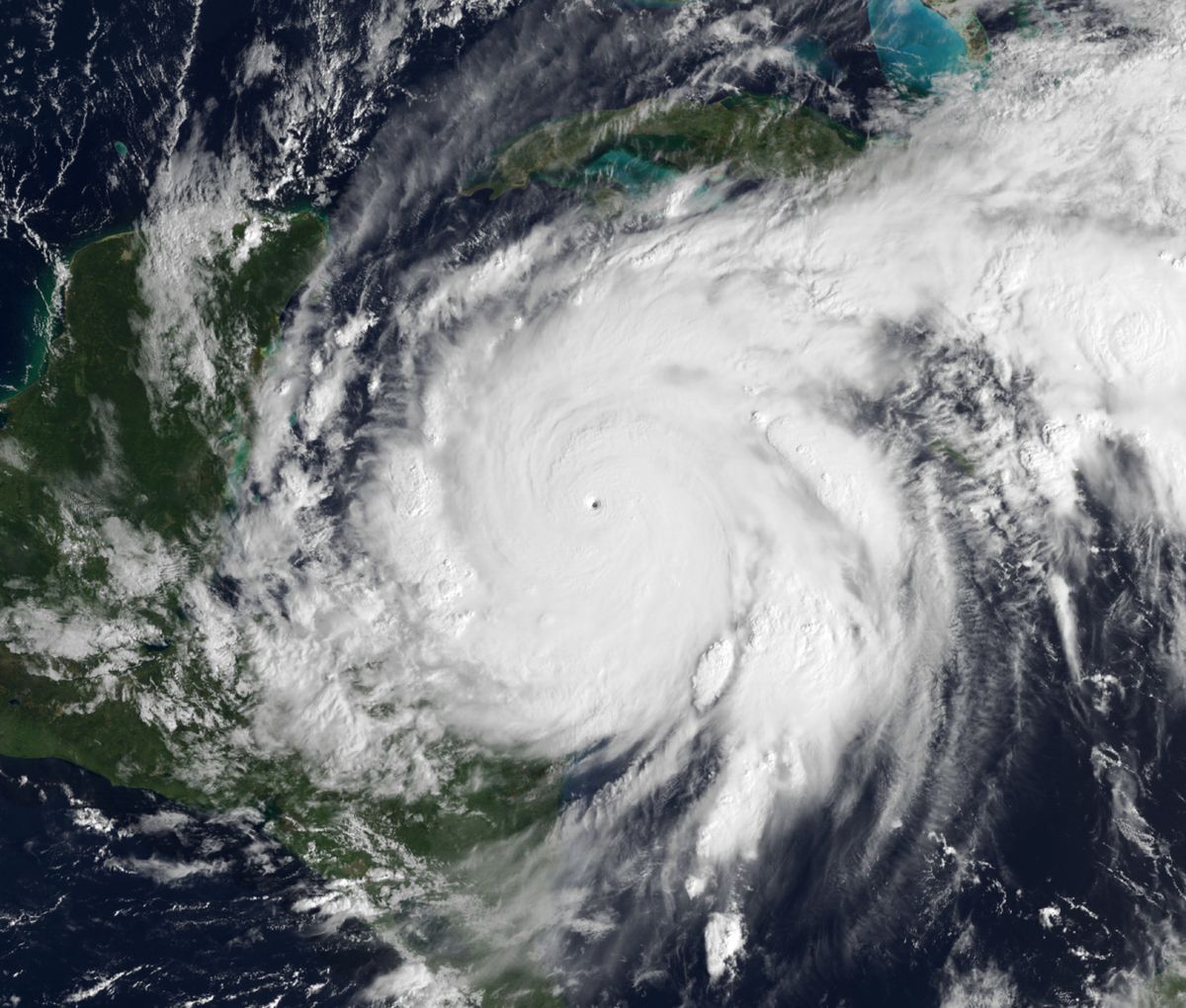
Hurricane Noel was a deadly tropical cyclone that carved a destructive path across the Caribbean and Atlantic Canada in late October and early November 2007. As the sixteenth tropical depression and fourteenth named storm of the 2007 Atlantic hurricane season, Noel formed in the north-central Caribbean on October 27 and later intensified into a hurricane. The storm caused catastrophic flooding and mudslides, resulting in at least 163 direct fatalities, primarily in the Dominican Republic and Haiti, making it the deadliest North Atlantic hurricane of that season. For Canada, Noel's transition into a powerful extratropical storm brought significant impacts to Atlantic Canada, Eastern Quebec, and Labrador, with heavy rainfall, strong winds, and snowfall causing widespread damage.
Meteorological History and Evolution
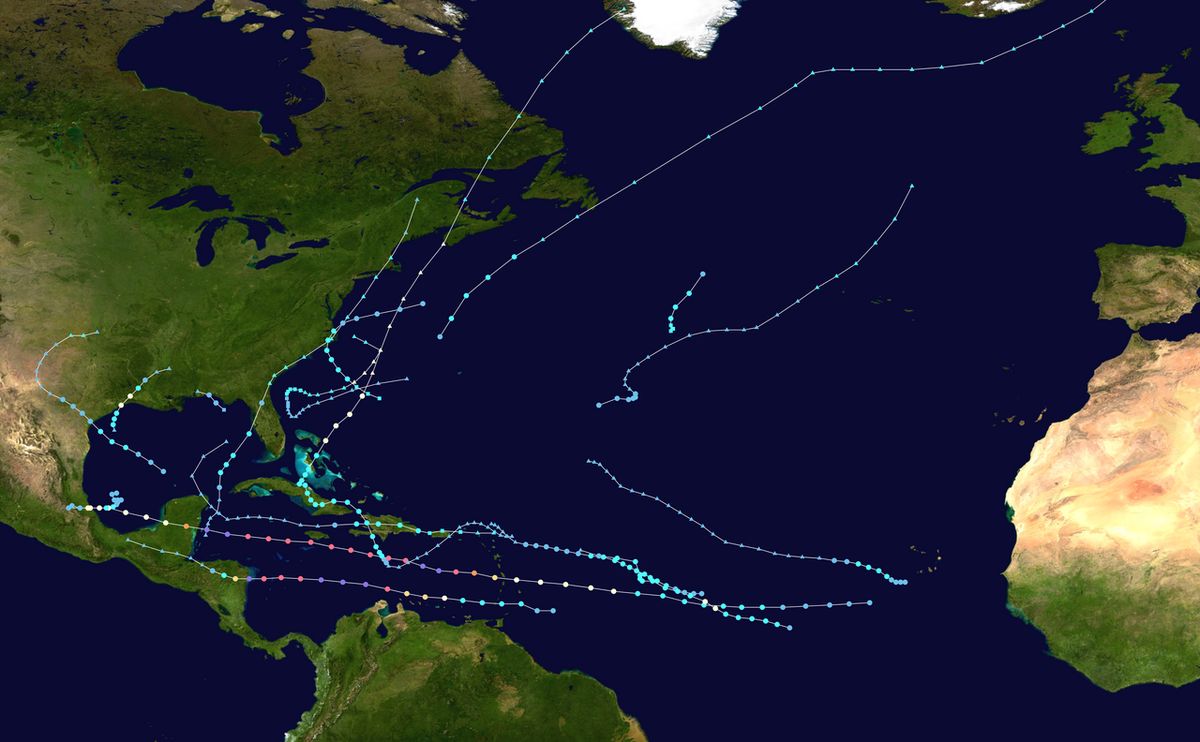
Hurricane Noel originated from a tropical wave that exited the coast of Africa on October 16, 2007. This wave interacted with a trough near the Lesser Antilles, leading to the development of a low-pressure area by October 23. Despite strong wind shear initially hindering development, the system organized into Tropical Depression Sixteen by 0000 UTC on October 28, located approximately 215 miles south-southeast of Port-au-Prince, Haiti. Just hours later, it strengthened into Tropical Storm Noel. The storm drifted near Hispaniola, interacting with mountainous terrain and an upper-level low that disrupted its organization. On October 29, Noel crossed western Haiti as a disorganized tropical storm with winds of 60 mph before paralleling the northeastern coast of Cuba and making landfall near Gibara, Cuba, on October 30 with similar strength.
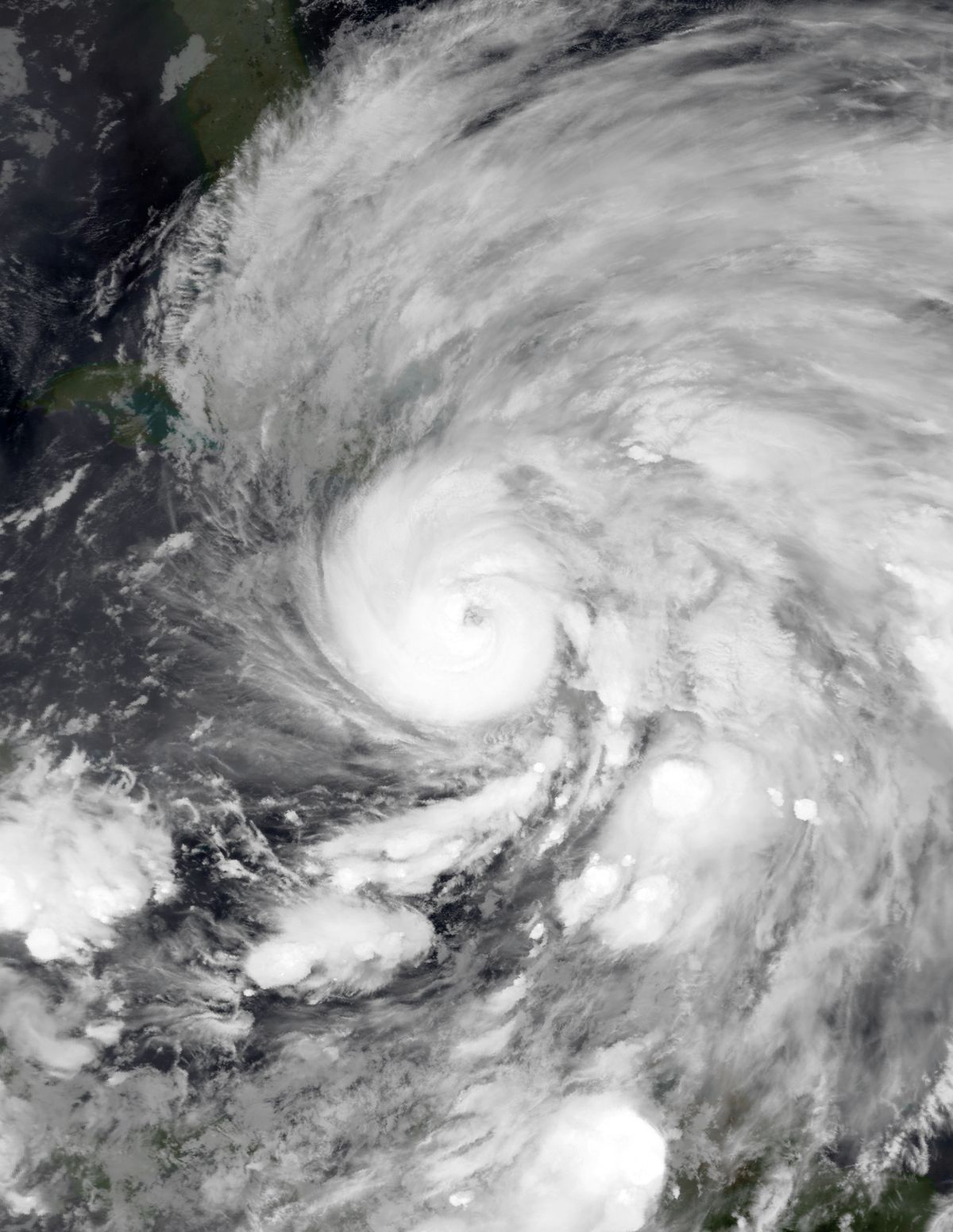
The storm's centre remained coherent as it tracked through eastern Cuba, though winds diminished. Emerging off Cuba's north coast on October 31, Noel began drifting north-northwestward. The Canadian Hurricane Centre initiated tracking of the storm on this date. Convection increased, and on November 1, the storm passed over New Providence in the Bahamas near Nassau. Accelerating northeastward ahead of an approaching trough, Noel developed an eye feature and was upgraded to hurricane status early on November 2, about 180 miles north-northeast of Nassau. As it moved over cooler waters, Noel began losing tropical characteristics, with its wind field expanding. The National Hurricane Center issued its final advisory as Noel transitioned into an extratropical cyclone on November 2.
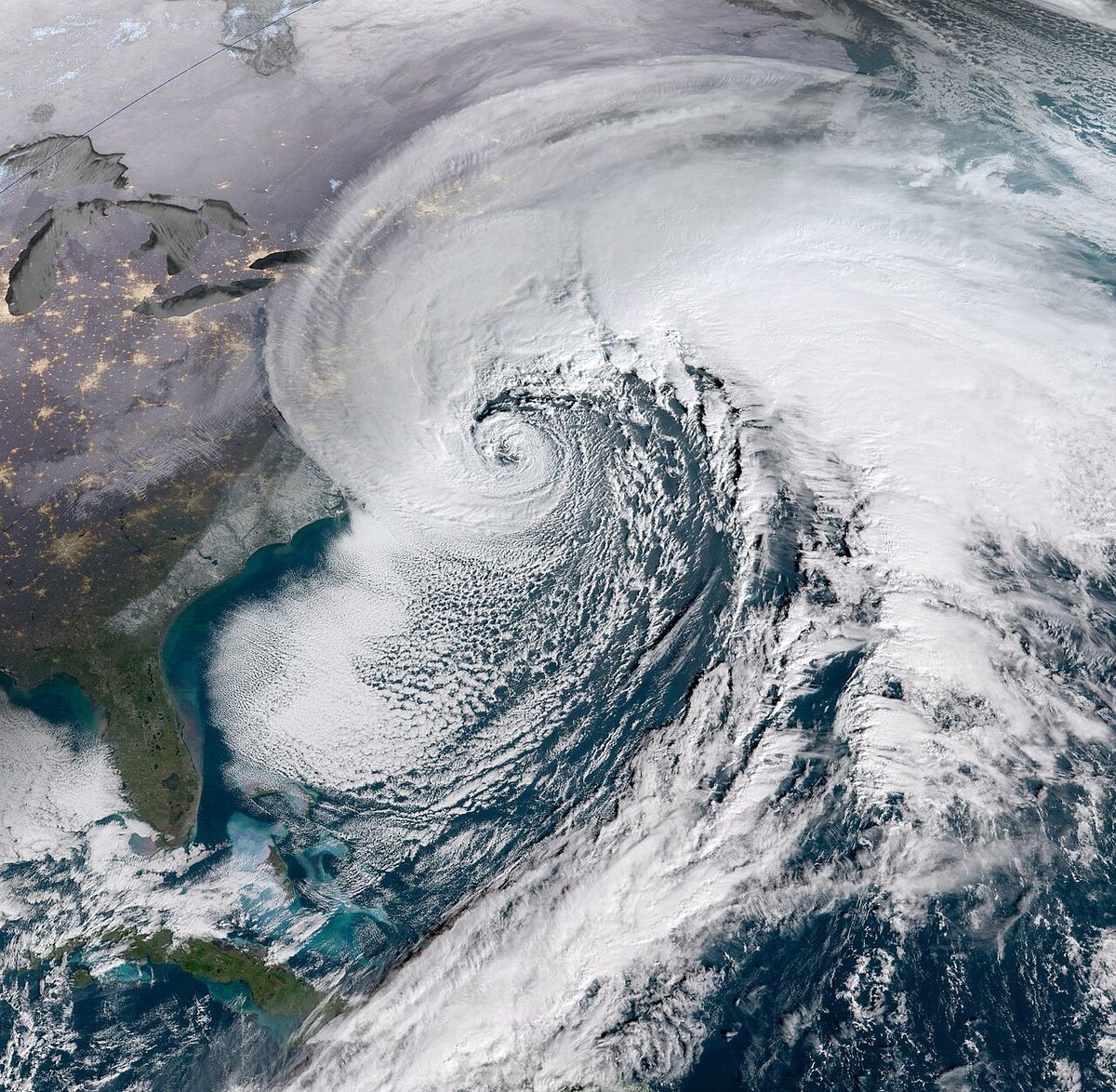
As an extratropical system, the remnant low attained winds of 85 mph on November 3. It turned north-northeast, tracking across Nova Scotia and New Brunswick on November 4, producing strong winds across Atlantic Canada and New England. At 2200 UTC on November 4, while over Labrador, the Canadian Hurricane Centre declared Noel had lost all tropical characteristics, changing its designation from post-tropical to extratropical. The system registered its lowest pressure of 966 mb near Labrador. The low continued northeast, making landfall over southwest Greenland on November 5 before dissipating. Noel's remnants later merged with the powerful European windstorm Cyclone Tilo over the Norwegian Sea on November 7.
Preparations in the Caribbean
Warnings and preparations began across the Caribbean as the system organized. In Puerto Rico and the U.S. Virgin Islands, widespread flood and flash flood watches were issued, with residents advised to stay off roadways. Upon classification as a tropical cyclone, Haiti issued a tropical storm warning for its southwestern peninsula. A red alert was activated for seven departments, health centres were told to prepare emergency plans, and evacuations occurred in flood-prone areas. In the Dominican Republic, 14,500 people sought shelter, about 1,000 inmates were evacuated from a prison north of the capital, and the Dominican Red Cross activated search and rescue teams. Cuba issued a hurricane watch for its southeastern region and tropical storm warnings for several provinces.
The Cuban Institute of Meteorology advised caution due to saturated grounds from prior rain. Schools closed, thousands of cattle were moved to higher ground in Camagüey, and roughly 3,000 students harvesting coffee were sent home. The U.S. Naval base at Guantanamo Bay stacked sandbags in vulnerable areas. For the Bahamas, tropical storm warnings were in effect for the southeastern and northwestern islands. Most government offices closed, and on Andros Island, residents took extra care to secure boats. The Coordination Centre in the Dominican Republic set up a crisis room with workers on 24-hour shifts to manage the emergency response.
Preparations in the United States and Canada
As Noel churned offshore, the National Hurricane Center issued a tropical storm watch for southeastern Florida on October 31. Coastal flood warnings, high surf advisories, and high wind warnings were posted for the coastlines of Florida, the Carolinas, and north to Maryland and Long Island, New York. As the extratropical storm progressed, wind advisories were issued for New England, and a winter storm watch was posted for northern Maine. The Red Cross opened shelters on Nantucket and along coastal Massachusetts, while stores on Cape Cod closed and the U.S. Coast Guard warned sailors. In Canada, extensive warnings were issued prior to Noel's arrival.
The Canadian Hurricane Centre issued hurricane-force wind warnings for waters southwest of the Maritimes and gale warnings elsewhere off southeastern Canada. The Halifax and Montreal Storm Prediction Centres issued high wind and heavy rain warnings for the Maritimes, Newfoundland, Labrador, and Eastern Quebec, with heavy snow warnings for some regions. Air Canada cancelled 13 flights in and out of Halifax, and 500 Red Cross volunteers were put on standby throughout Nova Scotia. These measures aimed to mitigate the impacts of the powerful post-tropical storm expected to bring damaging winds and flooding rain to the region.
Impact on the Caribbean and Bahamas
The storm's precursor disturbance dropped heavy rain across the northern Lesser Antilles and Puerto Rico for several days. In Puerto Rico, precipitation peaked at 17.23 inches at Carite Lake, causing flash flooding, mudslides, and rivers like the Río de la Plata to rise up to 8.9 feet above flood stage. No official fatalities were reported there. The Dominican Republic bore the brunt of the catastrophe, with a peak rainfall of 21.65 inches at Padre Las Casas. Extreme flooding and mudslides swept buildings down mountainsides, damaged over 24,500 homes, and destroyed 6,000. At least 21 bridges were washed away, isolating villages. The storm caused at least 87 fatalities, with 42 others missing, and left over 65,000 people homeless. Crop damage, primarily to plantain, banana, tomato, and onion, totalled $77.7 million (2007 USD).
In Haiti, Noel was the second wettest tropical cyclone on record, dropping 25.78 inches at Camp Perrin. Five days of rain caused severe flooding affecting about 3,252 families, damaging 500 houses and destroying 400. The main road to Port-au-Prince was blocked among others. The storm caused 73 deaths, with 17 missing, displaced 7,500 people, and injured 104. In Jamaica, heavy rains triggered a mudslide that collapsed a house, killing one person. Eastern Jamaica was hit hard, with at least 20 mudslides reported. In Cuba, rainfall reached 14.3 inches in 24 hours at Mangos de Baraguá, causing severe flooding that damaged over 21,000 homes in Granma province alone and destroyed 120 in Camagüey. Over 98,000 people evacuated, and one fatality was reported, with total damage estimated at $500 million (2007 USD). The Bahamas experienced record rainfall of 15 inches at one station, with extensive flooding forcing over 700 evacuations, particularly on Abaco and Long Island, where waters reached 5 feet deep.
- Dominican Republic: 87 fatalities, 42 missing, over 65,000 homeless.
- Haiti: 73 fatalities, 17 missing, 7,500 displaced.
- Cuba: 1 fatality, 98,000 evacuated, $500 million in damage.
- Jamaica: 1 fatality from a mudslide.
- Bahamas: Widespread flooding, over 700 evacuated.
Impact on Atlantic Canada and the Northeastern United States
As a powerful extratropical system, Noel brought significant weather to Eastern Canada and the northeastern United States. Its large circulation produced strong winds across Atlantic Canada and New England. In Canada, the storm tracked across Nova Scotia and New Brunswick on November 4, delivering heavy rainfall across Atlantic Canada and snowfall over parts of Eastern Quebec and Labrador. The combination of wind and rain caused flooding and wind damage, particularly in coastal communities. The storm's impact was felt from Maine through to Labrador, disrupting transportation and causing power outages. The storm's classification as a post-tropical storm by the Canadian Hurricane Centre until late on November 4 highlights the operational focus on its transitioning nature and persistent threats of wind and rain.
In the United States, coastal flood warnings, high surf advisories, and high wind warnings were posted for the coastlines of Florida, North Carolina, and South Carolina as Noel churned offshore. Similar advisories were in effect from Virginia Beach, Virginia to Ocean City, Maryland. A coastal flood watch was issued for parts of New York, including Long Island. As the extratropical storm progressed north, wind advisories were posted along the coast of New England, and a winter storm watch was issued for northern Maine. The impacts in the United States were less severe than those experienced in the Caribbean.
The 2007 Season and Historical Context
Hurricane Noel was a defining storm of the 2007 Atlantic hurricane season, which saw 15 named storms. Noel was the fourteenth named storm and the sixth hurricane of that season. Its legacy is marked by its high death toll, which made it the deadliest North Atlantic hurricane of 2007. The storm exemplifies the dangers of tropical systems that undergo extratropical transition, maintaining or even increasing their wind field and impacting regions far from the tropics, as seen with its effects on Atlantic Canada. The 2007 season stands in contrast to forecasts for more recent seasons, such as 2026, where a strong El Niño event is predicted to suppress Atlantic hurricane activity.
Hurricane Noel formed from a tropical wave that exited the coast of Africa on October 16. The wave tracked westward and interacted with a trough, causing a low-pressure area to develop by October 23. Despite strong wind shear, the system organized into Tropical Depression Sixteen on October 28. It strengthened into Tropical Storm Noel later that day. The storm's path took it across western Haiti and the north coast of eastern Cuba before it turned northward. Noel attained hurricane status on November 1 and accelerated northeastward.
Response and Aftermath
The immediate aftermath in the Caribbean involved large-scale rescue and relief operations. In the Dominican Republic, 1,522 people were rescued from floodwaters in the days following the storm. The isolation of many villages complicated damage assessments and the delivery of aid. Severe damage to 40 percent of water distribution systems and 60 percent of 122 aqueducts raised public health concerns, with some medical centres reaching capacity. In Haiti, the Civil Protection Office coordinated initial response efforts. In Canada, the activation of 500 Red Cross volunteers in Nova Scotia and the cancellation of flights indicated a coordinated response to the storm's impacts.
Prior to Noel's arrival in Atlantic Canada, the Canadian Hurricane Centre issued hurricane-force wind warnings for waters to the southwest of the Maritimes and gale warnings for other waters. The Meteorological Service of Canada issued high wind and heavy rain warnings for the Maritimes, Newfoundland, Labrador, and Eastern Quebec, as well as heavy snow warnings for some regions. After becoming extratropical, Noel's large circulation produced strong winds across Atlantic Canada and New England. The extratropical low continued northeast, making landfall over southwest Greenland on November 5. Noel's remnants subsequently merged with the powerful European windstorm Cyclone Tilo over the Norwegian Sea on November 7.
Questions about Hurricane Noel
How many people died because of Hurricane Noel?
Hurricane Noel caused at least 163 direct deaths along its path. The majority of these fatalities occurred in the Dominican Republic, where at least 87 people were killed, and in Haiti, where 73 deaths were reported. Additional deaths occurred in Jamaica and Cuba. The deaths were primarily due to catastrophic flooding and mudslides triggered by the storm's torrential rainfall.
Did Hurricane Noel hit Canada?
Yes, Hurricane Noel impacted Canada after transitioning into a powerful extratropical storm. On November 4, 2007, the system tracked across Nova Scotia and New Brunswick. It produced strong winds across Atlantic Canada and New England, heavy rainfall throughout Atlantic Canada, and snowfall over parts of Eastern Quebec and Labrador. The Canadian Hurricane Centre tracked it as a post-tropical storm until 2200 UTC on November 4.
Where did Hurricane Noel cause the most damage?
The most severe damage occurred in the Dominican Republic and Haiti. In the Dominican Republic, flooding damaged over 24,500 homes, destroyed 6,000, washed away at least 21 bridges, and caused $77.7 million in crop damage. Haiti experienced devastating floods that destroyed 400 homes and blocked major roads. Cuba also suffered significant damage, with over 21,000 homes damaged in Granma province alone and total losses estimated at $500 million.
When did Hurricane Noel form and how long did it last?
Hurricane Noel formed as Tropical Depression Sixteen at 0000 UTC on October 28, 2007. It was upgraded to Tropical Storm Noel at 1815 UTC on October 28. The National Hurricane Center issued its final advisory on Hurricane Noel on November 2 as it began transitioning into an extratropical cyclone. The Canadian Hurricane Centre declared it had lost all tropical characteristics at 2200 UTC on November 4. Noel's circulation dissipated over Greenland on the night of November 5.
What was the strongest wind speed recorded during Hurricane Noel?
The strongest wind speed recorded was 85 mph (137 km/h), attained by the storm's extratropical remnant on November 3, 2007. The storm's intensity is also indicated by its barometric pressure. Its lowest pressure as a tropical system was 980 mb, but it deepened to a minimum pressure of 966 mb on November 4 near Labrador, Canada, during its powerful extratropical phase. This strong low pressure system produced hurricane force wind warnings for waters near the Maritimes and caused significant wind damage in Eastern Canada and New England.
Why was Hurricane Noel so deadly?
Hurricane Noel was so deadly primarily due to the catastrophic flooding and mudslides triggered by its extreme rainfall in the Caribbean. The storm caused at least 163 direct deaths, with the majority in the Dominican Republic (87 fatalities) and Haiti (73 fatalities). In the Dominican Republic, rainfall peaked at 21.65 inches (550 mm), while in Haiti, Noel was the second wettest tropical cyclone on record, dropping 25.78 inches (654.8 mm) at Camp Perrin. This prolonged, heavy rain caused rivers to overflow, leading to severe flash flooding that damaged over 24,500 homes in the Dominican Republic alone and destroyed hundreds in Haiti. The floods and mudslides also washed away at least 21 bridges in the Dominican Republic, isolating villages and hampering rescue efforts, which contributed significantly to the high death toll.
Sources: Wikipedia and current public reporting, checked by the Your Space Hamilton desk. Last updated 2026-10-28.