Environment and Climate Change Canada
Environment and Climate Change Canada (ECCC) is the federal department responsible for coordinating the Government of Canada's environmental policies and programs. It is tasked with preserving and enhancing the natural environment, conserving renewable resources and water, and providing authoritative weather forecasts and warnings for the entire nation. The department plays a central role in Canada's response to climate change, administering key legislation and leading scientific research on atmospheric and water sciences. Its work directly impacts the daily lives of Canadians through weather services, environmental protection, and climate adaptation initiatives.
History and federal mandate
The Department of the Environment was created in 1971 following the passage of the Canada Water Act in 1970, which established a framework for federal-provincial cooperation on water resource management. Under the Constitution of Canada, environmental management is a shared responsibility between the federal and provincial governments, with provinces having primary authority for resource management like industrial waste discharges. The federal government, through ECCC, holds specific responsibilities for managing toxic substances, international environmental issues, and the cleanup of hazardous waste and oil spills where it is accountable. The Canadian Environmental Protection Act (CEPA 1999) became a central piece of legislation, designating ECCC as the lead department for many of these federal duties. The department also stewards the Environmental Choice Program, which provides an eco-labelling system for products and services meeting international standards.
In the early 2000s, the department was central to Canada's ratification of the Kyoto Protocol in 2002 under Minister David Anderson, who also succeeded in getting the Species at Risk Act passed in 2004. A significant policy shift occurred in December 2011 when the government of Prime Minister Stephen Harper, through Minister Peter Kent, announced Canada's withdrawal from the Kyoto Protocol. The 2012 federal budget's Jobs, Growth and Long-term Prosperity Act (Bill C-38) introduced major changes to environmental assessment and regulatory frameworks, replacing the Canadian Environmental Assessment Act. Following the election of the Trudeau government in 2015, the department's applied title was changed from Environment Canada to Environment and Climate Change Canada to reflect new government priorities. Subsequent years saw the passage of significant new laws, including the Greenhouse Gas Pollution Pricing Act in 2018 and the Impact Assessment Act in 2019.
The department's legislative history includes several key statutes that define its scope of work and shared jurisdiction. Under the Constitution of Canada, responsibility for environmental management is a shared responsibility between the federal government and provincial governments. The federal government passed the Canada Water Act in 1970 and created the Department of the Environment in 1971. The department administers and assists in the administration of nearly 24 acts through regulations and agreements. The Canadian Environmental Protection Act, 1999, is a central piece of Canada's environmental legislation.
- The Canada Water Act, proclaimed on September 30, 1970, provides the framework for cooperation with provinces on water conservation and use.
- The Canadian Environmental Protection Act, 1999, is the primary law for preventing pollution and managing toxic substances.
- The Species at Risk Act, passed in 2004, provides for the protection and recovery of endangered wildlife.
- The Greenhouse Gas Pollution Pricing Act was passed in 2018 to establish a national carbon pricing system.
- The Impact Assessment Act replaced the Canadian Environmental Assessment Act, 2012, in 2019.
- The Migratory Birds Convention Act, first enacted in 1917, protects bird species through regulations on hunting and research.
Organizational structure and operations
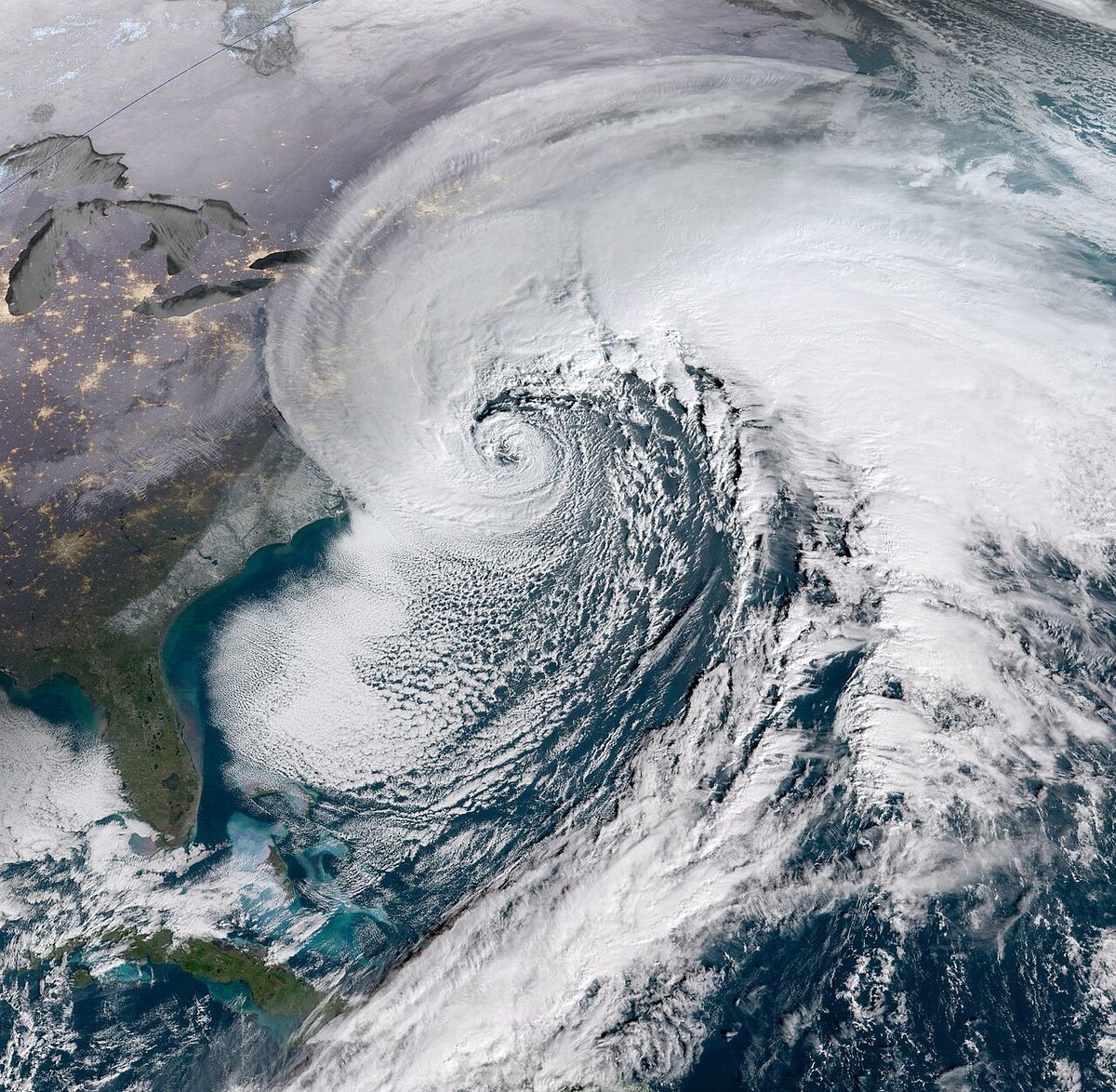
Environment and Climate Change Canada is organized into several geographic regions to manage its nationwide responsibilities effectively. These regions are the National Capital region, the Atlantic and Quebec Region, Ontario, and the West and North region, which covers the territories and western provinces. The department houses several key service branches and organizations that execute its core functions, including the Enforcement Branch, the Environmental Protection Branch, and the Science and Technology Branch. A critical component is the Meteorological Service of Canada (MSC), which is responsible for all weather forecasting, climate monitoring, and the provision of detailed meteorological information to the public. The MSC also operates specialized centres like the Canadian Hurricane Centre and the Canadian Ice Service for marine and ice condition forecasts.
The Impact Assessment Agency of Canada is an arms-length agency that reports to the Minister of Environment and Climate Change, conducting environmental assessments for major projects. Parks Canada, which manages the national parks system, was part of the department until 1998 when it was moved to Canadian Heritage, but it was returned to the environment minister's portfolio in 2003. The department's Science and Technology Branch conducts vital research through directorates such as Atmospheric and Climate Science and the Water Science and Technology Directorate, which includes the National Water Research Institute. Other important operational units include the National Pollutant Release Inventory, which tracks pollution data, and the Canadian Centre for Climate Services, which helps Canadians understand and reduce climate risks.
The department's operational branches are responsible for a wide array of specific technical and scientific tasks. These organizations include the Enforcement Branch and the Environmental Protection Branch. The Meteorological Service of Canada is responsible for weather forecasting and climate, air quality, and water monitoring. The Science and Technology Branch includes divisions for Atmospheric and Climate Science and the Water Science and Technology Directorate. The department also includes the National Pollutant Release Inventory and the Canadian Wildlife Service.
- The Meteorological Service of Canada handles weather forecasting, climate monitoring, and the Water Survey of Canada.
- Weather and Environmental Prediction and Services includes Defence Weather Services and Marine and Ice Services.
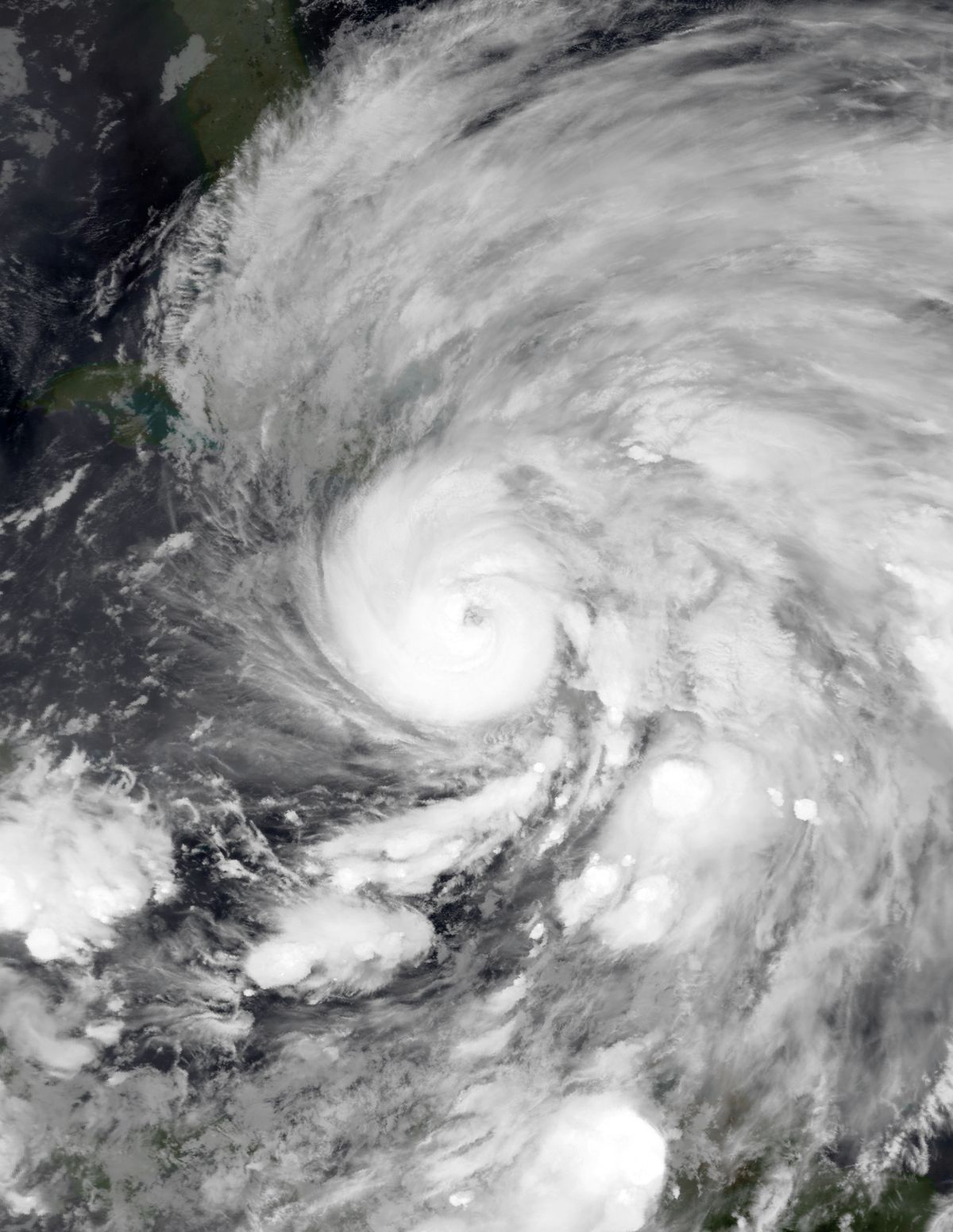
- The Canadian Hurricane Centre provides forecasts and warnings for Atlantic Canada.
- The Science and Technology Branch includes the Atmospheric and Climate Science directorate.
- The Water Science and Technology Directorate operates the National Water Research Institute.
- The Air Quality Mobile Source Emissions Measurement and Research unit studies pollution from vehicles.
- The Wildlife and Landscape Science directorate conducts research on habitats and species.
Enforcement and compliance
The Enforcement Branch of Environment and Climate Change Canada is responsible for ensuring compliance with several federal environmental statutes. Enforcement officers are appointed under the Canadian Environmental Protection Act and possess the powers of peace officers. There are two distinct designations within the branch: Environmental Enforcement Officers and Wildlife Enforcement Officers. Environmental Enforcement Officers administer the Canadian Environmental Protection Act and the pollution provisions of the Fisheries Act, focusing on issues like chemical spills and illegal discharges. Wildlife Enforcement Officers enforce laws concerning wildlife protection, including the Migratory Birds Convention Act, the Canada Wildlife Act, the Species at Risk Act, and laws regulating international trade in wild animals and plants.
All enforcement officers wear a distinctive dark green uniform with a black tie and a badge. While Environmental Enforcement Officers carry a baton and oleoresin capsicum (OC) spray, Wildlife Enforcement Officers are also equipped with firearms due to the nature of their field work. The minister has the authority to appoint officers from other agencies, such as the Royal Canadian Mounted Police, fishery officers, and provincial conservation officers, as enforcement officers under the department's statutes. A significant area of enforcement activity involves electronic waste, regulated under the Export and Import of Hazardous Waste and Hazardous Recyclable Material Regulations. Since Canada ratified the Basel Convention on August 28, 1992, the Enforcement Branch had initiated 176 investigations for violations under these regulations by August 2011, resulting in 19 prosecutions, some of which were still before the courts at that time.
Key legislation administered
The department administers or assists in the administration of nearly two dozen federal acts through regulations and voluntary or regulated agreements. One of the most significant is the Canadian Environmental Protection Act, 1999 (CEPA 1999), which provides the framework for preventing pollution and protecting the environment and human health. The Impact Assessment Act (IAA), passed in 2019, establishes the process for assessing the environmental effects of designated projects and replaced the previous Canadian Environmental Assessment Act, 2012. The Greenhouse Gas Pollution Pricing Act (GHGPPA), passed in 2018, establishes a national carbon pricing system to reduce greenhouse gas emissions, which was upheld as constitutional by the Supreme Court of Canada in a ruling on March 25, 2021. That ruling rejected an appeal from the provinces of Alberta, Ontario, and Saskatchewan, confirming the federal government's authority to implement the carbon pricing law.
Other crucial statutes include the Canada Wildlife Act, which allows for the creation and management of protected wildlife areas to preserve habitats, particularly for species at risk. The Migratory Birds Convention Act, first enacted in 1917, protects most bird species in Canada by regulating hunting, culling, and scientific research. The department also plays a role under the Canada Water Act, which provides the foundation for federal-provincial collaboration on water resource conservation and development. The Species at Risk Act, passed in 2004, provides a legal framework for the protection and recovery of endangered or threatened species and their critical habitats across Canada. The department also administers the Environmental Protection and Enhancement Act (2000) in certain contexts, which supports the protection and wise use of the environment through regulations on activities from pesticide sales to wastewater systems.
Climate science and recent forecasts
Environment and Climate Change Canada is a leading source of climate science and forecasting for the nation. The department's scientists produce critical reports, such as the Canada's Changing Climate Report (CCCR), with the second edition (CCCR2026) summarizing the latest climate science tailored for Canada. This report and other data confirm that Canada is warming at roughly twice the global average rate, leading to more frequent and severe weather extremes. In 2025, record spring and summer temperatures across multiple provinces and territories fueled the country's second-worst wildfire season on record, illustrating the tangible impacts of a warming climate. The department's climate models and the Meteorological Service of Canada provide essential data for understanding these trends and preparing for future events.
A major focus in recent forecasts has been the development of an exceptional El Niño event in the Pacific Ocean. ECCC's forecasting system, CanSIPSv3, predicts with high confidence that the 2026-27 El Niño will be a "very strong" event, potentially among the strongest in the modern observational record. Forecasts indicate a greater than 90 percent probability that sea surface temperatures in the key Niño-3.4 region will exceed 3.0°C above the historical baseline by late 2026. This event is expected to influence Canadian weather, contributing to a milder winter overall for much of the country in 2026-27 but also increasing the risk of extreme weather events. The department forecasts that 2026 will likely rank among the four hottest years ever recorded globally, continuing a trend where the past eleven years have been the eleven warmest on record. The department's monitoring and prediction of the 2026-27 El Niño event is based on specific scientific criteria and indices.
- An event is considered "very strong" if the sea surface temperature rise exceeds 2.0°C.
- The Oceanic Niño Index (ONI) is a three-month rolling average of the Niño-3.4 index.
- The Relative Oceanic Niño Index (RONI) measures sea surface temperature relative to the entire tropical ocean to separate ENSO from global warming.
- The CanSIPSv3 system forecast a greater than 99 percent probability of a very strong El Niño for 2026.
Public services and weather information
The department provides a vast array of public services, most notably through its weather information platforms operated by the Meteorological Service of Canada. Canadians can access 24/7 weather alerts, detailed local and national forecasts, radar and satellite imagery, and specialized forecasts for marine conditions and air quality. The WeatherCAN app and the ECCC website serve as authoritative sources for real-time information on active alerts for phenomena like thunderstorms, hurricanes, heat waves, and winter storms. The department also makes extensive historical climate data, climate normals, and environmental model data available to the public, academics, and the private sector to support research and decision-making. These services are critical for public safety, allowing individuals and communities to prepare for and respond to hazardous conditions.
Beyond weather, ECCC offers tools and resources to help Canadians understand and adapt to climate change. The Canadian Centre for Climate Services provides specialized information and support to reduce climate risks. The National Pollutant Release Inventory is a publicly accessible database where industries report their annual releases and transfers of pollutants. The department also engages in public education on topics like the health risks of extreme heat, offering toolkits and information on how to stay safe during heat waves. Through its enforcement activities and regulatory work, ECCC works to protect Canada's natural heritage, from wildlife and habitats to air and water quality, ensuring these resources are managed sustainably for future generations. The department's public weather portal includes an interactive map for viewing weather layers and an alert table for all active alerts across the country, which can be searched by province, alert type, or forecast location.
Recent and projected climate impacts
The summer of 2026 exemplified the type of extreme and variable weather that climate change is making more likely across Canada. Intense storms caused severe flooding in parts of Manitoba, while heat waves and thunderstorm watches affected Ontario, Quebec, and British Columbia. Widespread wildfires plagued northern regions, and events like a destructive storm in Winnipeg and cancelled Canada Day celebrations in Ottawa due to thunderstorms highlighted a pattern of disruption. Meteorologists note that a stuck jet stream, which separates cold northern air from warmer southern air, can lead to prolonged periods of extreme weather in different regions. The transition from a multi-year La Niña phase to a strong El Niño in 2026 also contributed to atmospheric instability and wild seasonal weather across the country, as El Niño conditions were officially declared by the U.S. Climate Prediction Center on June 11, 2026.
Scientific projections indicate that the strong El Niño developing in 2026 will have significant downstream effects. While a milder winter is anticipated for much of Canada, the increased risk of extreme weather may extend into the spring and summer of 2027, raising the potential for severe drought and another active wildfire season. Climate change is exacerbating the intensity of heat waves, making them more frequent, longer-lasting, and hotter, which directly threatens human health and safety even in historically moderate cities like Vancouver, Whitehorse, and Halifax. The combination of natural climate variability like El Niño and long-term human-caused global warming creates a complex and challenging forecast environment. Environment and Climate Change Canada continues to monitor these developments, providing the science and forecasts necessary for governments, industries, and citizens to adapt and build resilience.
The extreme weather events of the 2026 summer period affected numerous communities across the country, demonstrating widespread impacts. Climate change is causing more frequent and extreme heat waves in Canada. These extreme heat waves threaten the safety, well-being, and prosperity of Canadians. The department forecasts daily weather conditions and warnings for all of Canada. The department's role includes preserving and enhancing the quality of the natural environment in response to such events.
- Intense storms caused severe flooding in Manitoba, particularly in southwest Winnipeg where a house was damaged.
- Heat waves and thunderstorm watches were in effect for parts of Ontario, Quebec, and British Columbia.
- Kingston, Ontario, was under a tornado warning on June 27, 2026.
- Canada Day celebrations in Ottawa on July 1, 2026, were cancelled due to thunderstorms and flooding.
- Wildfires plagued northern regions throughout the season.
- In British Columbia, 21 communities broke maximum temperature records in June 2026.
Questions about Environment and Climate Change Canada
What is the main purpose of Environment and Climate Change Canada?
Environment and Climate Change Canada's primary mandate is to preserve and enhance Canada's natural environment, including air, water, and soil quality, and to conserve the country's renewable resources. The department coordinates federal environmental policies and programs, administers key legislation like the Canadian Environmental Protection Act, and leads Canada's efforts to address climate change. A critical public-facing role is operated by the Meteorological Service of Canada, which provides weather forecasts, warnings, and climate information to protect lives and property. The department also enforces environmental laws and conducts scientific research on atmospheric and water sciences to inform decision-making.
Who is the current minister of Environment and Climate Change?
The minister of environment and climate change is Julie Dabrusin, who was appointed to the role on May 13, 2025. The minister provides political direction for the department and is responsible for its performance to Parliament. Day-to-day operations are managed by the deputy minister, a senior public servant. The minister's portfolio includes oversight of the department's broad activities, from climate policy and environmental protection to the operations of the Meteorological Service of Canada and the Impact Assessment Agency of Canada.
What is the Meteorological Service of Canada?
The Meteorological Service of Canada (MSC) is the branch of Environment and Climate Change Canada responsible for all weather forecasting and climate monitoring in the country. It provides daily weather conditions, severe weather alerts, and detailed meteorological information to the public through various platforms, including its website, the WeatherCAN app, and Weatheradio. The MSC also operates specialized services like the Canadian Hurricane Centre, the Canadian Ice Service for marine conditions, and climate data archives. Its work is fundamental to public safety, transportation, agriculture, and many other weather-sensitive sectors of the Canadian economy.
What did Environment and Climate Change Canada forecast for 2026?
Environment and Climate Change Canada has forecast that 2026 will likely rank among the four hottest years ever recorded globally. The department's scientists are predicting the development of an exceptional El Niño event in the Pacific, which is virtually certain to be a "very strong" event peaking in late 2026 or early winter 2027. This El Niño is expected to contribute to a milder winter overall across much of Canada for the 2026-27 season. However, it also increases the risk of extreme weather events, with potential impacts extending into spring and summer 2027, including severe drought and wildfire conditions.
What laws do Environment and Climate Change Canada enforcement officers enforce?
Enforcement officers from Environment and Climate Change Canada enforce several federal statutes. Environmental Enforcement Officers administer the Canadian Environmental Protection Act, 1999 and the pollution provisions of the Fisheries Act. Wildlife Enforcement Officers enforce laws related to wildlife protection, including the Migratory Birds Convention Act, the Canada Wildlife Act, the Species at Risk Act, and The Wild Animal and Plant Protection and Regulation of International and Interprovincial Trade Act. Officers have the powers of peace officers and conduct investigations into violations such as illegal pollution discharges, improper hazardous waste exports, and wildlife offences.
What was Canada's Changing Climate Report (CCCR2026)?
Canada's Changing Climate Report (CCCR2026) is the second edition of a major scientific report produced by Environment and Climate Change Canada. It summarizes the latest climate change science from reports like those by the Intergovernmental Panel on Climate Change, but customizes the findings for the Canadian context. The report presents the main findings on how Canada's climate is changing, confirming that the country is warming at about twice the global average rate. It details observed and projected changes in temperature, precipitation, sea ice, and extreme events, serving as a key foundational document for policymakers, researchers, and the public to understand national climate risks.
Sources and further reading
- Environment and Climate Change Canada (Wikipedia)
- Environment Canada: Weather Information (weather.gc.ca)
- What the developing exceptional El Niño means for ... (climatedata.ca)
- Climate change and extreme heat waves in Canada (climateinstitute.ca)
- What's behind all the wild weather in Canada this summer? (cbc.ca)
Checked by the Your Space Hamilton desk. Last updated 2026-10-26.