Sea lamprey
The sea lamprey (Petromyzon marinus) is a jawless, parasitic fish native to the northern Atlantic Ocean and parts of the Mediterranean and Black Seas. In Canada, it is most notoriously known as a destructive invasive species in the Great Lakes, where it has significantly impacted native fisheries since its arrival in the early 20th century. Its eel-like body, circular sucker mouth lined with sharp teeth, and parasitic feeding behaviour have earned it the nickname 'vampire fish'. Control of the sea lamprey is a major binational management priority under the Great Lakes Fishery Commission, involving coordinated efforts between Canadian and American agencies.
Physical Description and Life Cycle
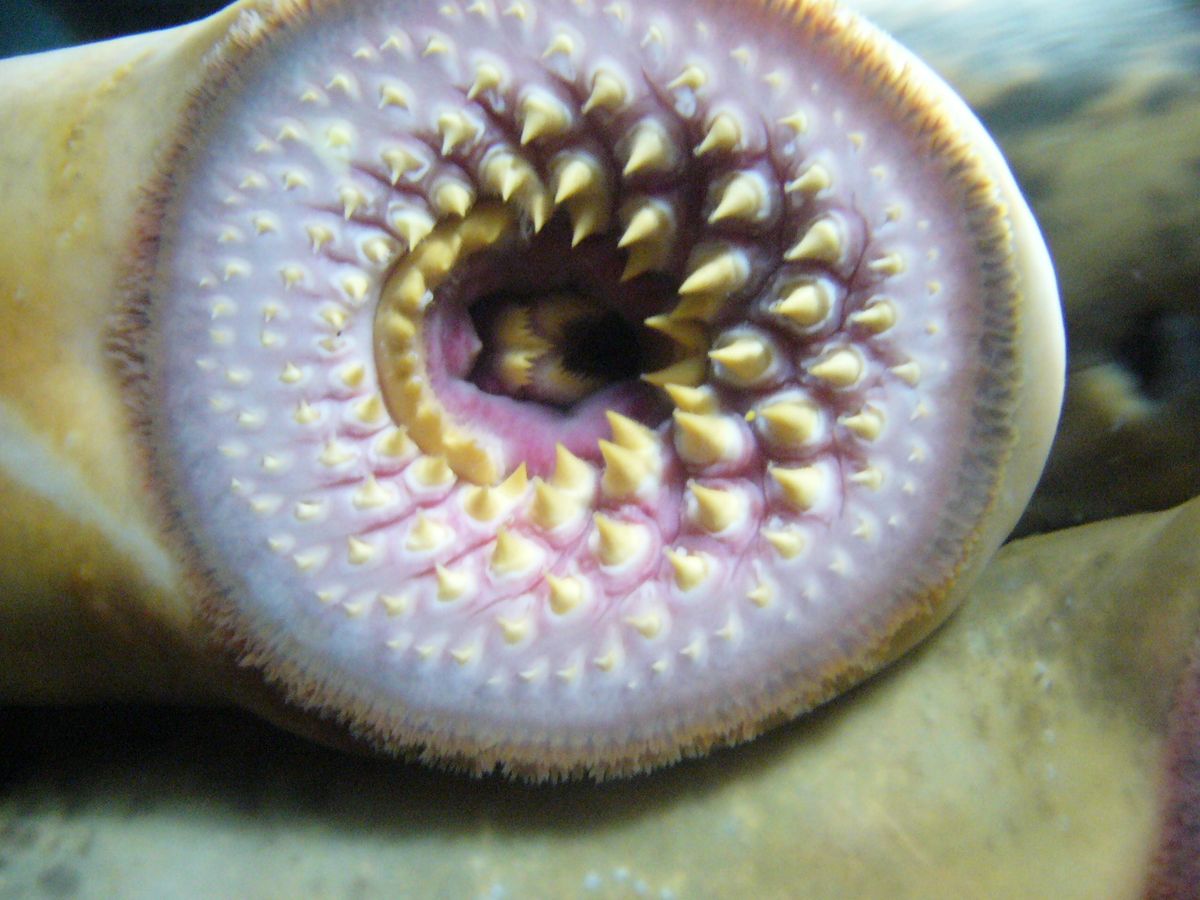
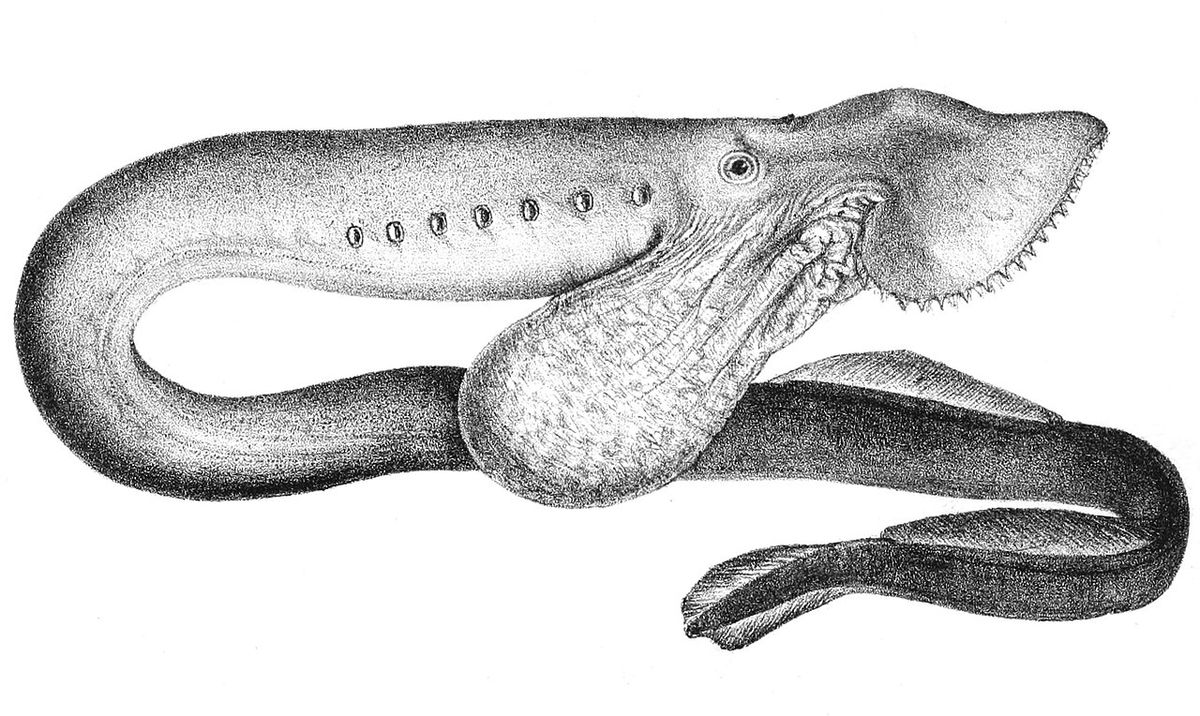
The sea lamprey possesses a distinctive, elongated body that lacks paired fins, giving it an eel-like appearance. Its most recognizable feature is its jawless, circular mouth, which functions as a suction cup and is lined with concentric rows of sharp teeth surrounding a rasping tongue. The body colour is typically olive or brown-yellow on the back and sides with black marbling, while the underside is lighter. Behind the eye are seven distinctive gill openings. The species has a complex life cycle that spans up to seven years and involves dramatic habitat shifts. Adults are anadromous, migrating from lakes or the sea into freshwater rivers to spawn. After spawning, which occurs in nests built by males in stream substrates, the adults die. The resulting larvae, called ammocoetes, burrow into sandy or silty stream bottoms where they live for several years, filter-feeding on plankton and detritus. They then undergo a metamorphosis into their parasitic juvenile form, ready to migrate to open water and begin feeding on fish. This metamorphosis marks the transition from a sedentary, filter-feeding lifestyle to a mobile, parasitic one, a change that involves significant physiological reorganization.
Native and Invasive Distribution
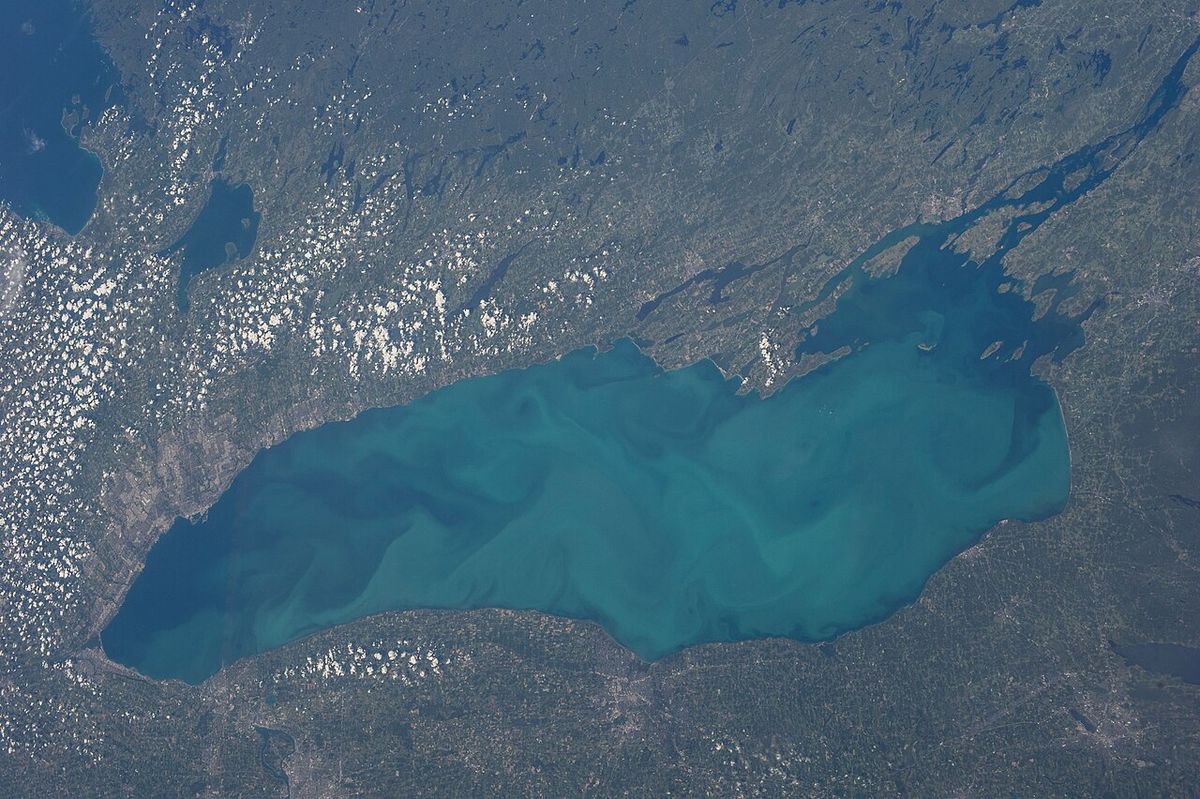
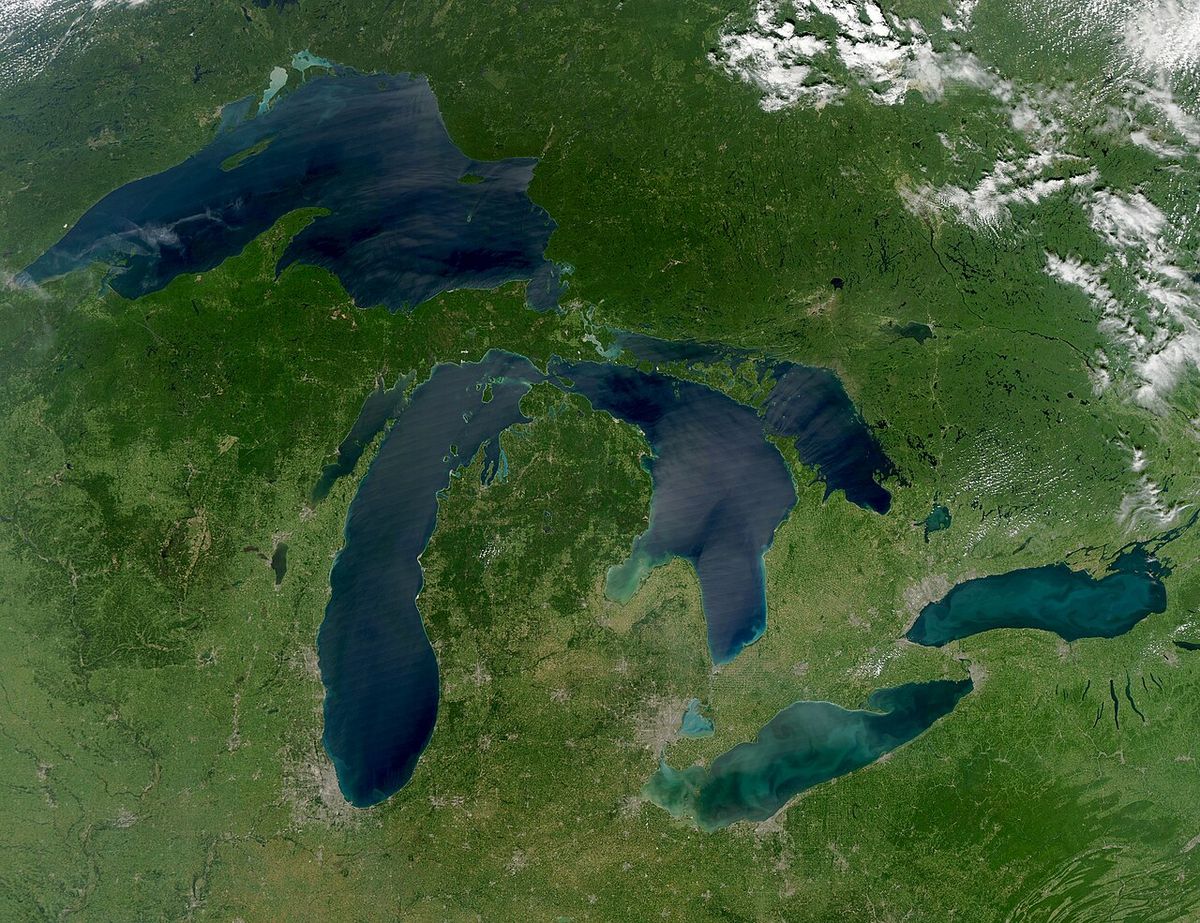
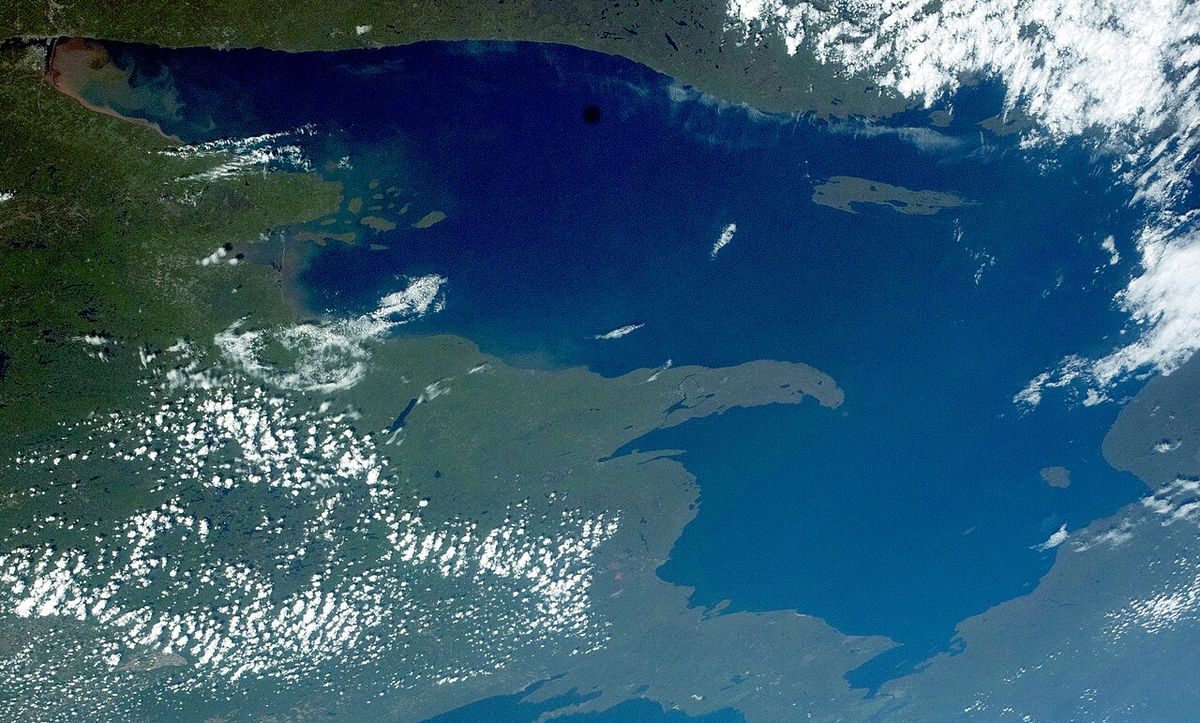
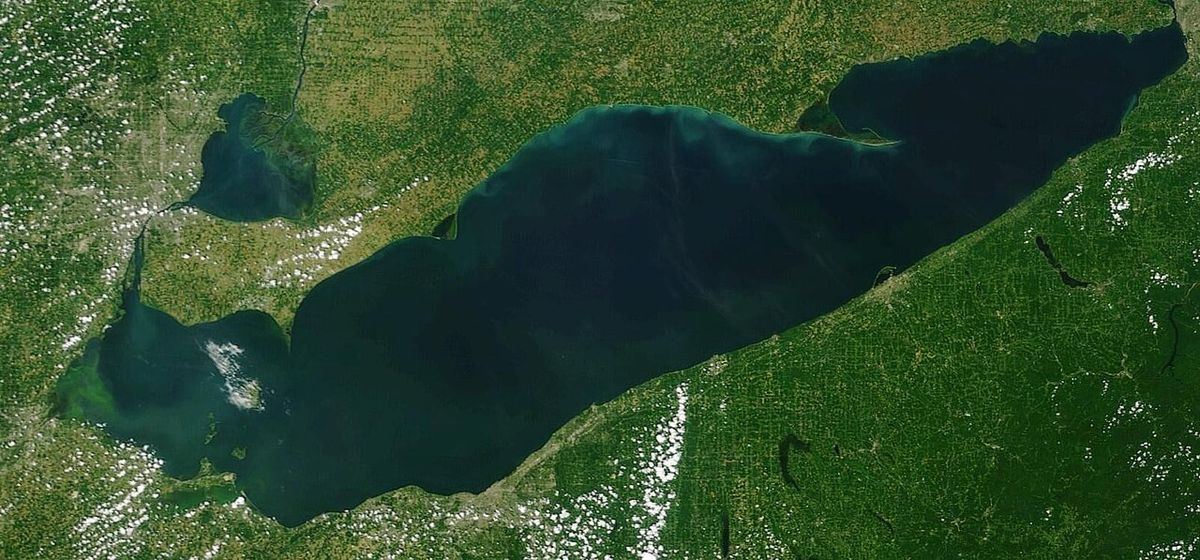
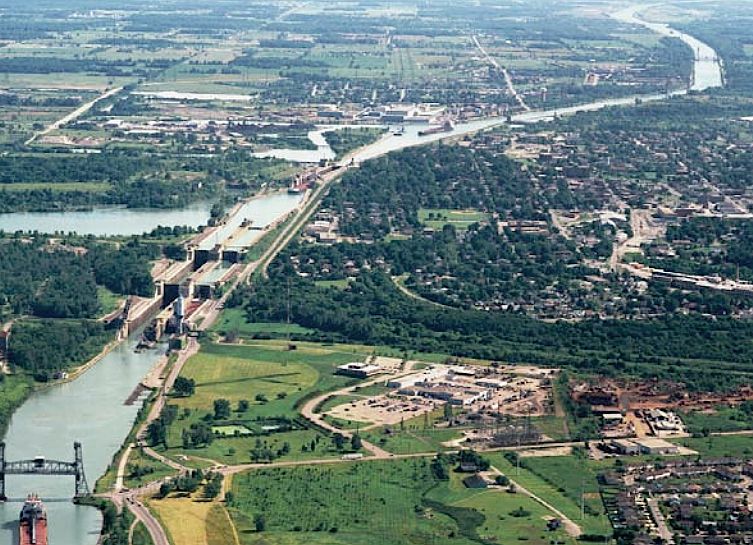
The sea lamprey is native to coastal regions of the Northern Hemisphere, including the northern and western Atlantic Ocean along the shores of Europe and North America, as well as the western Mediterranean and Black Seas. In its native marine environment, it can be found at depths up to 4,000 metres and tolerates a wide temperature range from 1 to 20 degrees Celsius. In North America, native populations exist in coastal waters and river systems like the Connecticut River basin. Its status as a devastating invasive species is centred on the Great Lakes watershed. It was likely present in Lake Ontario by the 1830s, possibly arriving via the Erie Canal after its 1825 opening. The completion of the Welland Canal, which bypassed Niagara Falls, allowed the lamprey to spread uncontrollably into the upper Great Lakes. The invasion timeline shows it reached Lake Erie by 1921, Lake Michigan by 1936, Lake Huron by 1937, and Lake Superior by 1938. It is also an invasive species in Lake Champlain, located between New York and Vermont. The largest European populations and main fisheries for the species are found in southwestern Europe, specifically in north-central Portugal, north-northwest Spain, and west-southwest France.
Parasitic Ecology and Feeding Mechanism
The sea lamprey is an obligate parasite during its adult stage, employing a highly specialized and destructive method of feeding. It uses its suction cup-like mouth to attach firmly to the skin of a host fish. Once attached, its sharp, probing tongue and keratinized teeth rasp away tissue to create a wound. A fluid produced in the lamprey's mouth, called lamphredin, is secreted into the wound and acts as an anticoagulant, preventing the victim's blood from clotting. The lamprey then feeds on the host's blood and bodily fluids. This feeding can continue for 12 to 18 months, and victims often die from excessive blood loss or subsequent infections. The sea lamprey preys on a wide variety of fish in its native range, including elasmobranchs such as sharks and rays which have high blood urea levels. Remarkably, the lamprey can tolerate and excrete these high urea concentrations obtained from ingested blood, aided by trimethylamine oxides also present in elasmobranch blood. After this extended feeding period, lampreys cease feeding, return to freshwater rivers to spawn, and die approximately a year and a half after completing their metamorphosis.
Ecological Impact in the Great Lakes
The introduction of the sea lamprey to the Great Lakes had catastrophic ecological and economic consequences. In their native Atlantic range, host fish co-evolved with lampreys and developed some resistance, but the fish in the Great Lakes had no such evolutionary defences. The lamprey attaches to host fish like lake trout, lake whitefish, chub, and lake herring using its suction-cup mouth, rasps a hole through scales and skin, and feeds on blood and bodily fluids. A single sea lamprey can kill up to 40 pounds of fish during its 12 to 18 month feeding period. The decimation of apex predators like lake trout in the 1930s and 1940s caused a cascade of ecological imbalances. One major result was the population explosion of another invasive species, the alewife, which further outcompeted and adversely affected native fish populations. The relationship between predators and prey in the entire Great Lakes ecosystem was fundamentally altered by the sea lamprey invasion. The lake trout, traditionally an apex predator in Lake Superior with no natural predators, was particularly vulnerable, and its drastic decline was a result of both lamprey predation and unsustainable fishing practices of the era.
Control and Management Programs
Controlling the sea lamprey population is a sustained, binational effort coordinated by the Great Lakes Fishery Commission, with field operations carried out by Fisheries and Oceans Canada and the United States Fish and Wildlife Service. The primary and most effective control method since the 1950s has been the application of a selective pesticide called TFM (3-trifluoromethyl-4-nitrophenol) to larval nursery streams. TFM targets lamprey larvae while minimizing harm to most other aquatic organisms, and as of 2018, no lampricide resistance had been detected in the Great Lakes. Additional control strategies include the use of physical barriers in key tributaries to block upstream spawning migrations. These barriers are often designed to allow the passage of other fish species while specifically impeding lampreys, though they can still inhibit some native species. Research into alternative control methods is ongoing and includes the study of pheromones to disrupt spawning behaviour.
Key elements of the integrated sea lamprey control program include the application of the selective pesticide TFM into rivers. Control programs are carried out under the Great Lakes Fishery Commission, a joint Canada-U.S. body, specifically by the agents of the Fisheries and Oceans Canada and the United States Fish and Wildlife Service. Research into synthesized pheromones is ongoing, as these are believed to influence sea lamprey migratory and spawning behaviours for potential use in environmentally friendly control. Another technique is the use of barriers in major reproduction streams to block upstream migration, though these are designed to allow passage of most fish species while impeding lampreys.
- Annual application of the lampricide TFM to infested tributaries across the Great Lakes basin.
- Construction and maintenance of selective barriers on major spawning streams to block migration.
- Deployment of traps to capture adult lampreys during their spawning migrations.
- Ongoing scientific research into behavioural controls using synthesized migratory and sex pheromones.
- Regular assessment of larval and adult populations to monitor control efficacy.
- Genetic and genomic research to understand lamprey biology, evolution, and immune function to identify potential vulnerabilities.
Physiological Adaptations and Genetic Research
The sea lamprey exhibits remarkable physiological adaptations, particularly its ability to osmoregulate across a wide range of salinities as it moves between freshwater rivers and the ocean. This is achieved through changes in the composition of cell membranes in the gills, which regulate the movement of ions like sodium and potassium. As larvae metamorphose and move towards saltwater, the ratio of saturated to polyunsaturated fatty acids in their gill membranes shifts, decreasing permeability to better handle higher salinity. Tight regulation of ion pumps like Na/K-ATPase and decreased expression of H-ATPase assist in maintaining internal fluid balance. The lamprey also maintains acid-base homeostasis efficiently, excreting excess acids at higher rates and in shorter times than most other saltwater fishes, primarily through ion transfer at the gill surface. Its genome was fully sequenced in 2013, revealing unusual characteristics such as high guanine-cytosine content and extensive repetitive DNA sequences. The lamprey genome undergoes drastic rearrangements during early embryogenesis, shedding about 20 percent of germline DNA from somatic tissues. With 164 to 174 chromosomes, it possesses the highest number among vertebrates. This genetic research provides insights into vertebrate evolution and has practical applications, such as the discovery of immune function genes CDA1 and CDA2, which are presumptive apolipoprotein B mRNA editing enzymes expressed in lymphocytes and are conserved across lampreys.
Human Use, Cultural Significance, and Restoration
In stark contrast to its pest status in North America, the sea lamprey is considered a delicacy in several European countries. Significant fisheries and culinary traditions exist in Portugal, Spain, and France, where the fish is often prepared grilled or cooked in its own blood. It is also served pickled in countries like Finland and is occasionally caught in Latvian rivers together with river lampreys. The genus name Petromyzon derives from Ancient Greek words for 'stone' and 'to suck', referring to its ability to attach to rocks, while the species name marinus is Latin for 'of the sea'. In a unique conservation approach within its native range, the Connecticut Department of Energy and Environmental Protection has actively facilitated the return of sea lampreys to the Connecticut River watershed. By improving fish passage around dams and other barriers, the department aims to restore the lamprey's natural lifecycle, where adults spawn and die in upstream rivers. Their subsequent decomposition provides a critical nutrient pulse, particularly of marine-derived nutrients, that benefits the entire freshwater ecosystem and provides a food source for native fish species, supporting population growth for vulnerable natives.
Population History and Control Statistics
The success of the sea lamprey control program in the Great Lakes is measured through extensive monitoring of larval and adult populations. While precise numbers fluctuate annually, the control efforts have achieved and maintained a dramatic reduction from historical invasion peaks. The application of TFM lampricide remains a fundamental component of population suppression, treating dozens of tributaries across the basin each year. The program's intent is to create a safer habitat and enable healthier population growth for vulnerable native fish species such as lake trout. The following table illustrates the documented invasion timeline of the sea lamprey into the Great Lakes following the bypass of Niagara Falls via the Welland Canal. This sequential spread highlights how human-made canals enabled the invasion, with the species first contained to Lake Ontario until canal construction provided a route into the upper lakes.
| Great Lake | Year of First Documented Invasion |
|---|---|
| Lake Ontario | 1830s (likely present earlier) |
| Lake Erie | 1921 |
| Lake Michigan | 1936 |
| Lake Huron | 1937 |
| Lake Superior | 1938 |
The ongoing management challenge is immense, covering a vast geographic area with thousands of potential stream habitats. Further research and the combined use of multiple control methods are considered necessary to forestall any future development of lampricide resistance. As of 2018, no lampricide resistance has been detected in the Great Lakes. The binational commitment to funding and scientific collaboration has been essential to preventing a resurgence and protecting a fishery valued in the billions of dollars.
Questions about Sea lamprey
Why is the sea lamprey a problem in the Great Lakes?
The sea lamprey is a severe problem because it is a parasitic invasive species with no natural predators in the Great Lakes. Native fish like lake trout and whitefish did not evolve with it and have no defences. A single lamprey can kill up to 40 pounds of fish by attaching with its sucker mouth and feeding on blood and bodily fluids. Its invasion in the mid-20th century decimated commercial and sport fisheries, causing cascading ecological damage and requiring costly, ongoing control programs. The elimination of native predators also allowed other invasive species, like the alewife, to explode in population.
How did the sea lamprey get into the Great Lakes?
Sea lampreys likely entered Lake Ontario through the Erie Canal after it opened in 1825, or were possibly native to that lake. They were confined to Lake Ontario by the natural barrier of Niagara Falls for nearly a century. The construction and subsequent modifications of the Welland Canal, which bypasses the falls, allowed them to spread into the upper Great Lakes. They were first found in Lake Erie in 1921, then rapidly spread to Lakes Michigan, Huron, and Superior by the late 1930s. This man-made corridor was the critical pathway for their invasion of the entire basin.
What is being done to control sea lamprey populations?
Control is a coordinated Canada-U.S. effort led by the Great Lakes Fishery Commission. The primary method is applying a selective pesticide called TFM to streams where lamprey larvae live. Other methods include building barriers to block spawning migrations and trapping adults. Research into alternative controls, such as using synthetic pheromones to disrupt mating, is ongoing. Genetic researchers have also mapped the sea lamprey genome to aid in understanding its biology and immune system.
Can you eat sea lamprey?
Yes, sea lamprey is edible and is considered a delicacy in parts of Europe, particularly in Portugal, Spain, and France, where it is prepared grilled, cooked, or in stews. It is also served pickled in Finland. However, in the Great Lakes region, they are not pursued for food due to their invasive status and the management focus on eradication. In its native Connecticut River range, conservation efforts sometimes promote its presence for its ecological role as a nutrient source after it spawns and dies.
What does a sea lamprey look like?
The sea lamprey has a smooth, scaleless, eel-like body that can grow up to 120 centimetres long. Its most distinctive feature is its jawless, circular mouth, which acts like a suction cup and is lined with concentric rows of sharp, horny teeth surrounding a rasping tongue. It has a single nostril on top of its head and seven distinctive pore-like gill openings on each side behind the eye. Its colour is typically olive or brown-yellow with dark marbling on its back, fading to a lighter shade on the belly. It lacks paired fins.
Where is the sea lamprey native to?
The sea lamprey is native to the coastal regions of the northern and western Atlantic Ocean, including the shores of Europe and North America. Its native range also extends into the western Mediterranean Sea and the Black Sea. In North America, native populations are found along the Atlantic coast and in river systems like the Connecticut River basin. It is specifically the populations in the inland Great Lakes and Lake Champlain that are invasive and cause significant ecological harm. The largest European populations support fisheries in Portugal, Spain, and France.
Sources and further reading
- Sea lamprey (Wikipedia)
- Sea lamprey management in Rouge National Urban Park (parks.canada.ca)
- Great Lakes Fishery Commission, Sea Lamprey (glfc.org)
- Sea Lamprey around the Apostle Islands (nps.gov)
- The Battle Continues to Protect Our Great Lakes Fishery (dfo-mpo.gc.ca)
Checked by the Your Space Hamilton desk. Last updated 2026-10-21.