Sandbanks Provincial Park
Sandbanks Provincial Park is a 1,550.87-hectare provincial park located on the northern shore of Lake Ontario in Prince Edward County, Ontario. Established in 1970, the park is renowned for containing the world's largest bay-mouth barrier dune formation, a spectacular geological feature created by longshore currents. It is one of Ontario's most popular and busiest parks, celebrated for its three expansive sandy beaches and offering year-round recreational opportunities including camping, swimming, and birdwatching. The park's unique terrain of massive dunes, some reaching 25 metres high, and its diverse ecosystems make it a significant natural attraction for Canadians and international visitors alike.
Geography and Natural Features
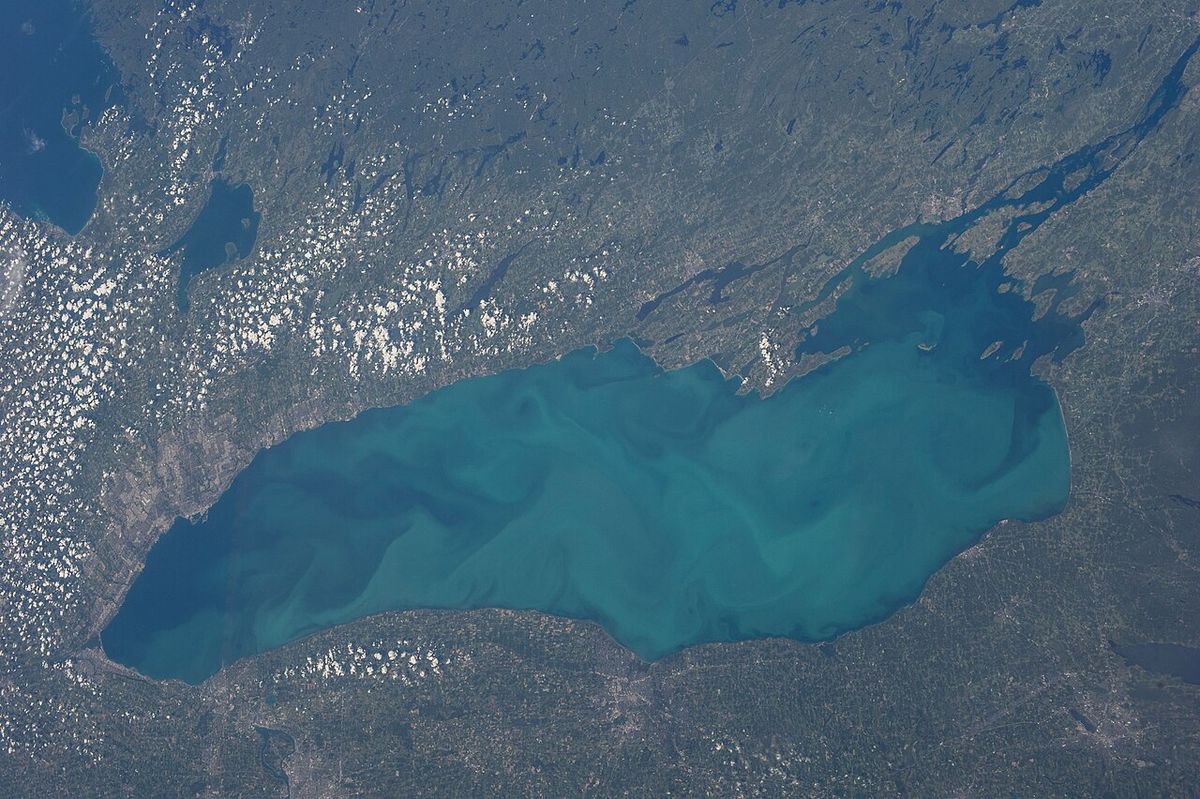
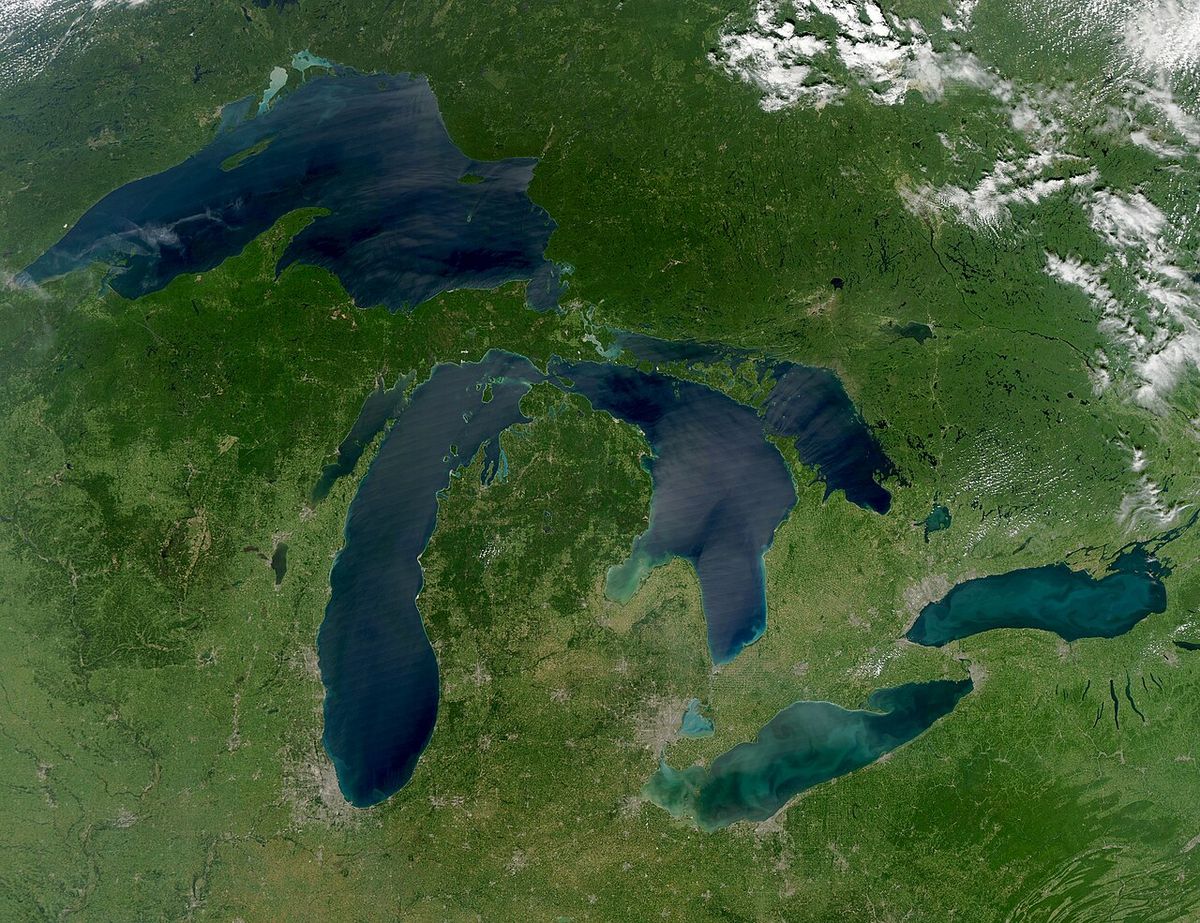
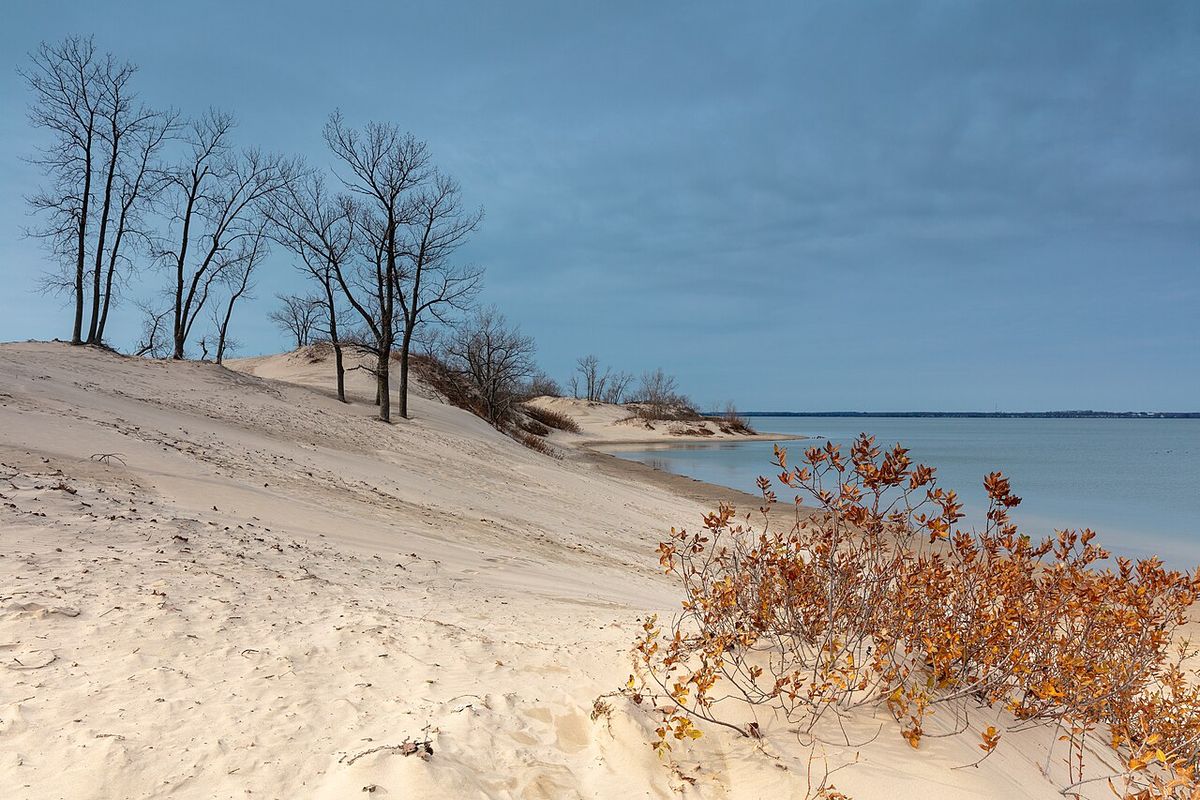
Sandbanks Provincial Park is situated on the northern shore of Lake Ontario, approximately 14 kilometres south of Picton in Prince Edward County. The park's defining geological feature is its extensive bay-mouth barrier dune system, which is the largest of its kind in the world. This formation was created over millennia by longshore currents flowing from west to east along the lake's northern shoreline, depositing sand and shaping the terrain. The dune system stretches roughly eight kilometres in length, varying in width from less than 100 metres at its northwestern tip to a broad swath of 1.5 kilometres in the southeast, where it extends from Lake Ontario into the calmer waters of West Lake.
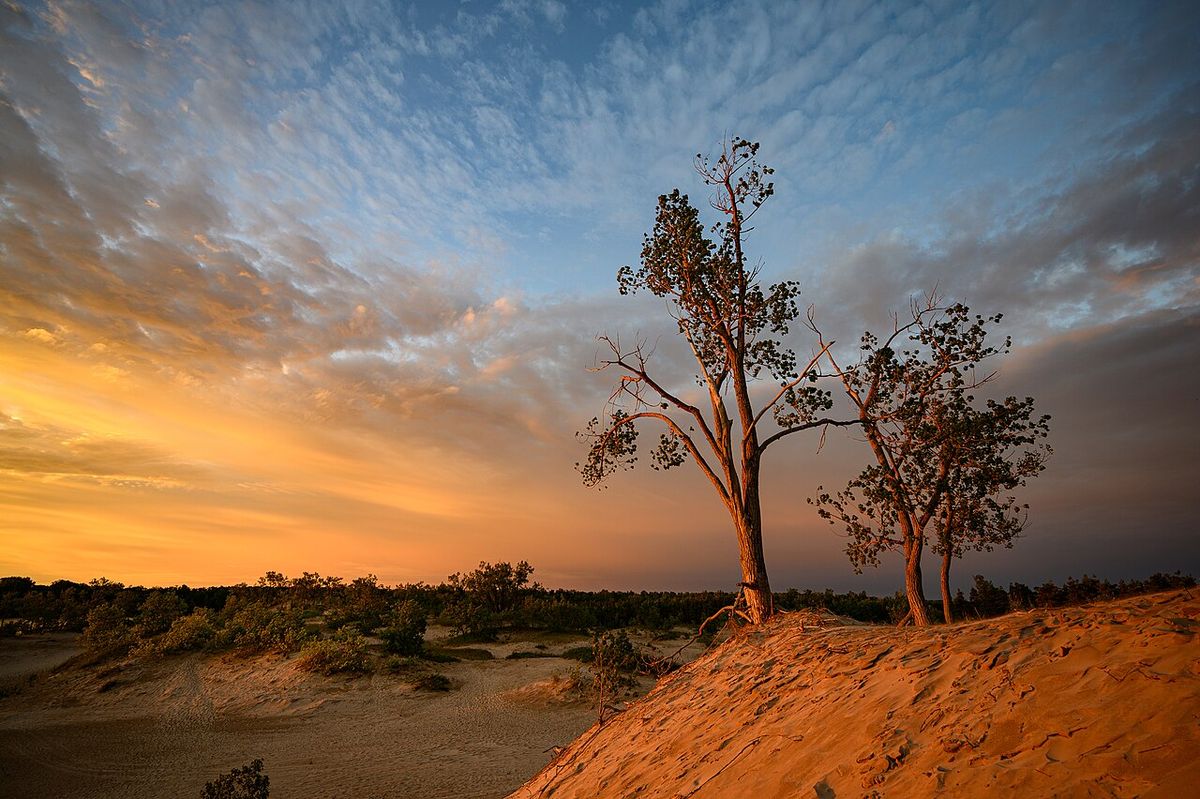
Within this primary dune complex lies a varied topography of foredunes, pannes, back dunes, and reforested sand ridges. Some of the dunes are remarkably tall, reaching heights of up to 25 metres, offering dramatic vistas and constantly shifting scenery. The pannes, which are low, wet areas behind the foredunes, support distinct plant communities adapted to the sandy, often waterlogged conditions. County Road 12, a major route connecting The Outlet to Bloomfield, runs directly through the park, providing vehicular access to its different sectors and beaches.
Flora and Fauna
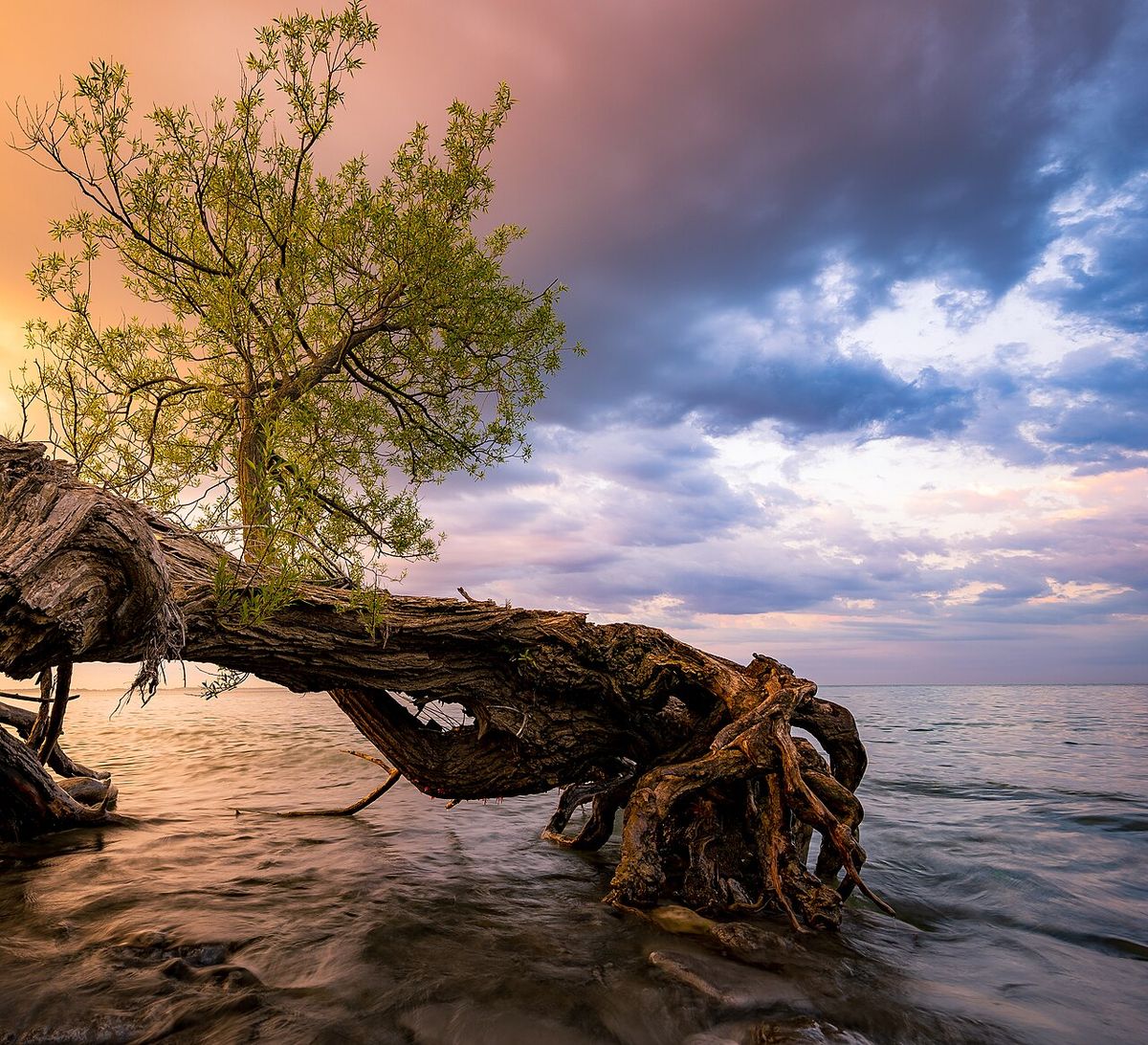
The plant life within Sandbanks Provincial Park is highly specialized, with different species thriving in the various micro-environments created by the dunes and adjacent forests. On the open sand dunes, hardy pioneer species such as sea rocket, American beachgrass, tall wormwood, Russian thistle, and sand cherry take root, stabilizing the shifting sands. The pannes are dominated by sedges and rushes, but also provide habitat for delicate orchids, purple gerardia, Kalm's lobelia, silverweed, and various twayblades. The forested areas and reforested sand ridges feature species like creeping juniper, white cedar, eastern hemlock, sugar maple, balsam fir, white spruce, and several types of pine.
The park also supports pockets of prairie habitat, where species such as hoary puccoon, sand dropseed, and butterflyweed can be found. Animal life is abundant and diverse, with the park being a significant site for numerous shorebird species during migration. Amphibians are common in the wetland areas, and the waters of Lake Ontario and West Lake within the park support a healthy fish population. Anglers can find largemouth and smallmouth bass, yellow pickerel (walleye), and northern pike, among other species.
History and Formation
The sand dunes at Sandbanks have a deep geological history, beginning with their formation by glacial processes approximately 12,500 years ago. During the 1880s, extensive timber cutting and unsustainable farming practices inland destabilized the soil, allowing the sand dunes to drift and expand dramatically. In 1881, this drifting sand buried the West Point Road under 30 metres of sand and forced the complete relocation of the nearby community of Athol after it faced a similar fate. By the 1920s, the encroaching dunes had covered an additional 34 hectares, threatening roads and orchards. This crisis prompted an intensive reforestation project aimed at stabilizing the sands. The project used fast-growing poplar trees to anchor the dunes and began the long process of recreating a Carolinian forest ecosystem. Official development of the area as a provincial park began in the 1960s. An initial 1964 development plan that proposed paving a road through the heart of the dunes was abandoned after public protests over the potential environmental damage. In response to conservation advocacy, the Ontario government pledged to protect the dunes, leading to the official establishment of Sandbanks Provincial Park in 1970.
Recreation and Visitor Information
Sandbanks Provincial Park is a premier destination for outdoor recreation in Ontario, consistently ranking among the province's most visited parks with annual attendance exceeding 700,000. The park's major draw is its three expansive, sandy beaches: Outlet Beach, Dunes Beach, and Lakeshore Beach. These beaches are so popular that the park frequently reaches its day-use vehicle capacity by mid-morning, especially on summer weekends and holidays. To manage crowds, Ontario Parks implemented a reservation system for daily vehicle permits, which must be booked up to five days in advance. The park operates year-round, with the full camping season for 2026 scheduled from April 24 to October 26.
The park offers over 600 campsites, including both electrical and non-electrical options, spread across various campgrounds. Roofed accommodations are also available for winter bookings. Other popular activities include walking and cycling on park trails, birdwatching, and fishing in Lake Ontario or West Lake. For many years, certain areas of the beach have also been used unofficially by naturists for nude bathing. Visitors are advised to check the park's official alerts for information on campsite closures, construction zones, and special events like guided hikes. The main park entrance broadcasts visitor information on two radio frequencies: 89.5 FM in English and 91.9 FM in French.
- Outlet Beach: A popular family beach on the calmer waters of West Lake.
- Dunes Beach: Known for its dramatic backdrop of massive sand dunes.
- Lakeshore Beach: Faces the open waters of Lake Ontario, often with stronger waves.
- Camping: Over 600 sites available for reservation.
- Day-Use Reservations: Required for vehicle entry. Bookable five days in advance.
- Winter Access: Roofed accommodations open year-round.
- Park Radio: 89.5 FM (English) and 91.9 FM (French) for updates.
Park Management and Visitation
Managing the high volume of visitors is a constant priority for Sandbanks Provincial Park. The park frequently reaches full day-use capacity on peak days, such as Canada Day (July 1) and other summer holidays, at which point entry is restricted to visitors with pre-booked daily permits or camping reservations. Campers are instructed to check in after 2:00 PM on their arrival date. The park's operating hours for its administration office are typically 8:30 AM to 4:00 PM on weekdays, while the East Gate is staffed seven days a week from 8:00 AM. The park telephone number is (613) 393-3319, and the central reservation line is 1-888-ONT-PARK.
Conservation efforts remain integral to park operations, balancing recreational use with the protection of the fragile dune ecosystems. Periodic campsite closures and construction projects are implemented for maintenance and ecological restoration. Visitors are encouraged to stay on designated trails to prevent damage to the delicate dune vegetation. The high visitation numbers highlight the park's popularity but also present challenges in preserving the natural environment that draws people to it. For visitors turned away due to capacity, Prince Edward County's tourism website offers alternative activity ideas for a "Plan B" day in the region.
| Activity | Details & Access |
|---|---|
| Day-Use Beach Access | Advance vehicle permit reservation required (5-day booking window) |
| Overnight Camping | Reservations for over 600 sites. 2026 season: Apr 24, Oct 26 |
| Roofed Accommodation | Available. Open for winter bookings (Jan 1, Dec 31, 2026) |
| Peak Capacity | Frequently reached by 10:00 AM. Full closures occur on busy holidays |
| Contact Information | Park Office: (613) 393-3319. Reservations: 1-888-ONT-PARK |
Cultural Appearances
The striking terrain of Sandbanks Provincial Park has made it a sought-after filming location for various film and television productions. Its vast, sandy vistas have convincingly stood in for more remote locations. Notably, the park was used to represent Sable Island, a remote sandbar in the Atlantic Ocean, in the 2002 television film Touching Wild Horses, which starred Jane Seymour. The park's beaches and dunes also provided a backdrop for scenes in the 2010 action film Resident Evil: Afterlife.
Beyond feature films, Sandbanks has featured in music videos and reality television. The music video for "Wave Babies," a 1985 song by the Canadian rock band Honeymoon Suite, was filmed on location at the park. More recently, the park served as the pit stop for Leg 7 of the eighth season of the Canadian reality competition series The Amazing Race Canada. These appearances have helped present the park's unique beauty to national and international audiences.
Questions about Sandbanks Provincial Park
Do I need a reservation to visit Sandbanks?
Yes, a reservation is required for day-use vehicle entry to access the beaches. Daily vehicle permits must be booked online up to five days in advance through the Ontario Parks reservation website. For overnight stays, reservations are required for all campsites and roofed accommodations. The park frequently reaches full capacity, and visitors without a reservation will be turned away.
When is Sandbanks Provincial Park open?
Sandbanks Provincial Park is open for year-round operation. The full camping season for 2026 runs from April 24 to October 26. Roofed accommodations are available for booking throughout the winter, from January 1 to December 31, 2026. Day-use areas are accessible during the camping season, though access requires a pre-booked vehicle permit.
What activities can I do at Sandbanks?
The park offers a wide range of activities centred on its beaches and natural features. Swimming at one of the three beaches is the most popular activity. Visitors can also camp at one of over 600 sites, go fishing in Lake Ontario or West Lake, hike or cycle on park trails, and observe birds and other wildlife. The park's unique dune formations also make it a fascinating destination for photography and nature study.
How busy does Sandbanks get?
Sandbanks is one of the busiest provincial parks in Ontario. It commonly reaches its day-use vehicle capacity by 10:00 AM on summer days and is often full for entire holiday weekends like Canada Day. In 2020, the park welcomed over 800,000 visitors, and it regularly sees over 700,000 visitors annually. This high demand is why the reservation system for daily visits is essential.
Where is Sandbanks Provincial Park located?
Sandbanks Provincial Park is located on the northern shore of Lake Ontario in Prince Edward County, Ontario, Canada. Specifically, it is situated 14 kilometres south of the town of Picton. The park is accessible via County Road 12, which runs through it, connecting the communities of The Outlet and Bloomfield. This 1,550.87 hectare park operates year round and is a major recreational destination. Its position on Lake Ontario is central to the formation of its famous dune system.
Why is Sandbanks Provincial Park famous?
Sandbanks Provincial Park is famous for containing the largest bay mouth barrier dune formation in the world. This impressive geological feature was created by longshore currents along Lake Ontario and includes dunes reaching up to 25 metres high. The park is also renowned for its three expansive sandy beaches, Outlet Beach, Dunes Beach, and Lakeshore Beach, which are considered among the best in Ontario. These natural attractions make it one of the province's most popular parks, welcoming over 700,000 visitors annually. Its unique landscape has also been used as a filming location for movies and television shows.
Sources and further reading
- Sandbanks Provincial Park (Wikipedia)
- Sandbanks Provincial Park reaches day-use capacity for ... (thecounty.ca)
Checked by the Your Space Hamilton desk. Last updated 2026-10-30.