Alewife
The alewife (Alosa pseudoharengus), also known as river herring or gaspereau in Atlantic Canada, is a species of anadromous fish native to the coastal waters of eastern North America. It is a small, silvery fish of the herring family, notable for its spring spawning migrations from the ocean into freshwater rivers and streams. In Canada, the alewife is ecologically significant both as a forage species and for its complex history in the Great Lakes, where it became a prolific invasive species following the opening of the Welland Canal. Its populations have faced significant declines in its native range, leading to conservation concerns and restoration efforts in watersheds like the Mystic River system.
Physical Description and Identification
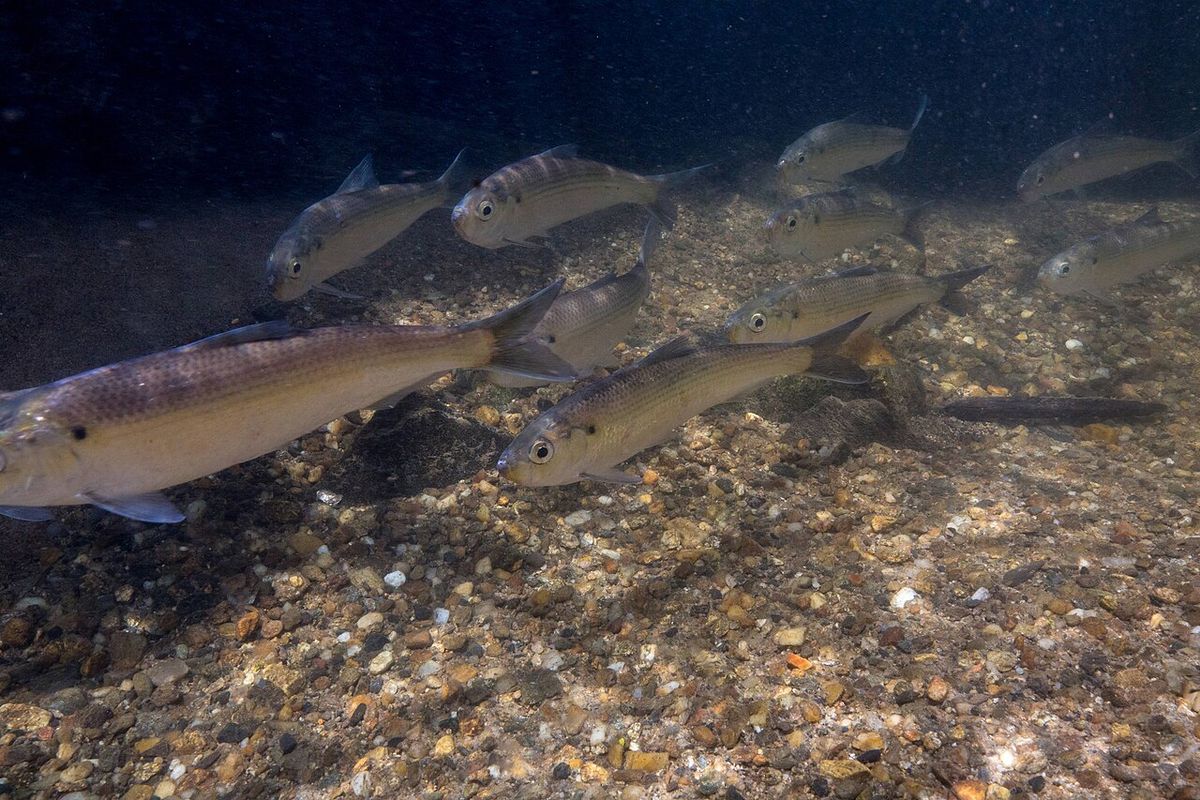
The alewife is one of the smaller species of shad, belonging to the subgenus Pomolobus, with a typical standard length of about 30 centimetres and a maximum of around 40 centimetres. Its body is deep and larger at the front compared to other fish found in the same waters. The head has a bronze colouration, while the back, or dorsum, ranges from grey-blue to a greyish green, and a humeral spot is often present. A key internal identification feature is its light-coloured peritoneum, the lining of the abdominal cavity, which is spotted or dusky. This trait separates it from the closely related blueback herring (Alosa aestivalis), which has a dark peritoneum. Additional distinguishing characteristics include an eye that is larger than its snout length, a toothless tongue, and an otolith, or ear bone, shaped like the letter 'L', unlike the hooked shape found in blueback herring.
Etymology, Folklore, and Regional Names
The origin of the common name 'alewife' is debated, with one folk etymology suggesting a comparison to a corpulent female tavernkeeper. In Atlantic Canada, particularly in southwestern Nova Scotia, the fish is commonly called a kiack or kyack. The widely used Acadian French name is gaspereau, derived from 'gasparot', a term first recorded by the explorer Nicolas Denys in 1672. The historian William Francis Ganong noted the name's use but could not trace its origin, stating it seemed not to be Indigenous. This name has been bestowed on numerous geographic features across the historic region of Acadia, including rivers, lakes, and communities.
The species exhibits two life history forms, an anadromous type that migrates from the sea to freshwater to spawn, and a completely landlocked form. The landlocked form is sometimes referred to as a sawbelly or mooneye, though the latter name is more accurately applied to fish of the genus Hiodon. Adult alewives are harvested during their spring spawning runs, often captured with large dip nets in shallow, constricted areas of rivers. They serve as a preferred bait in the Maine spring lobster fishery and are also consumed by humans, usually after being smoked. The historical and ongoing use of the fish is reflected in the many places named for it.
- Gaspereau River in Nova Scotia.
- Gaspereau River near Grand Lake, New Brunswick.
- Gaspereau River near Northumberland Strait, New Brunswick.
- Gaspereau Lake in Kings County, Nova Scotia.
- Gaspereau Lake in Clare, Nova Scotia.
- Gaspereau Lake in Antigonish County, Nova Scotia.
- Gaspereaux Lake in Maugerville Parish, New Brunswick.
- The community of Gaspereau and the Gaspereau Valley in Kings County, Nova Scotia.
Invasion and Impact in the Great Lakes
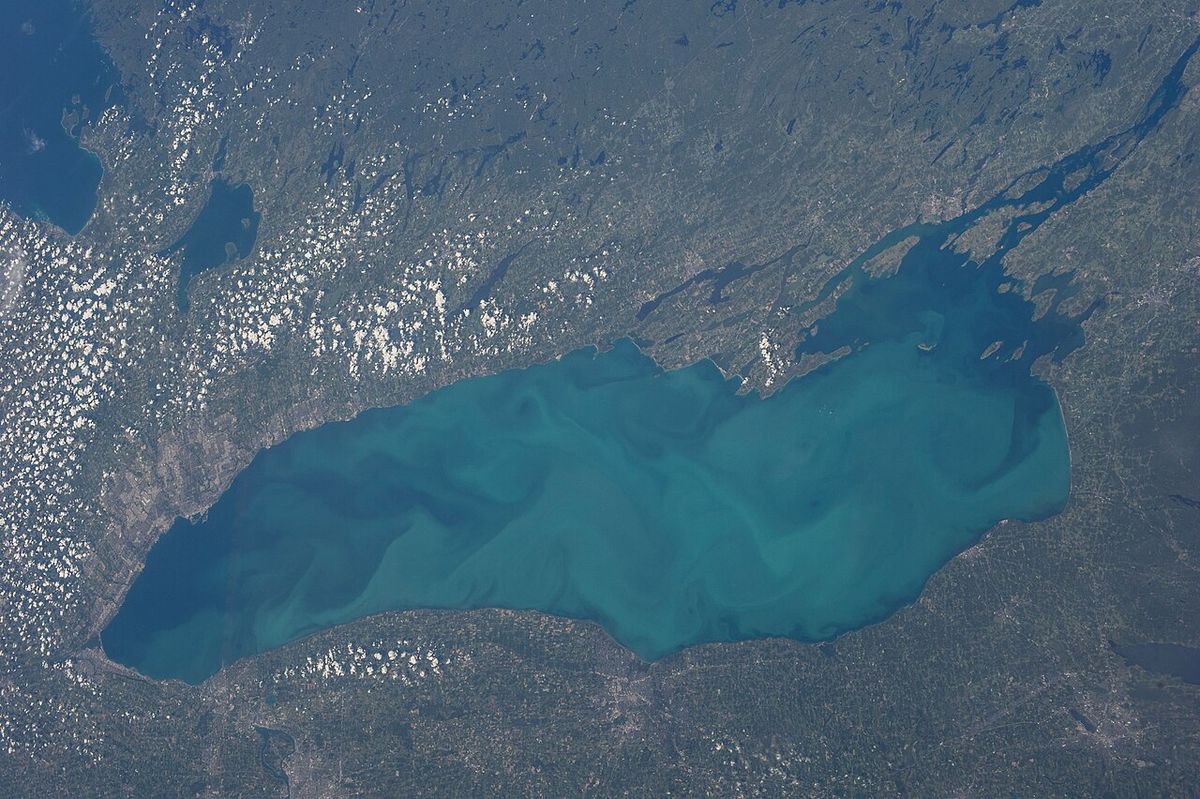
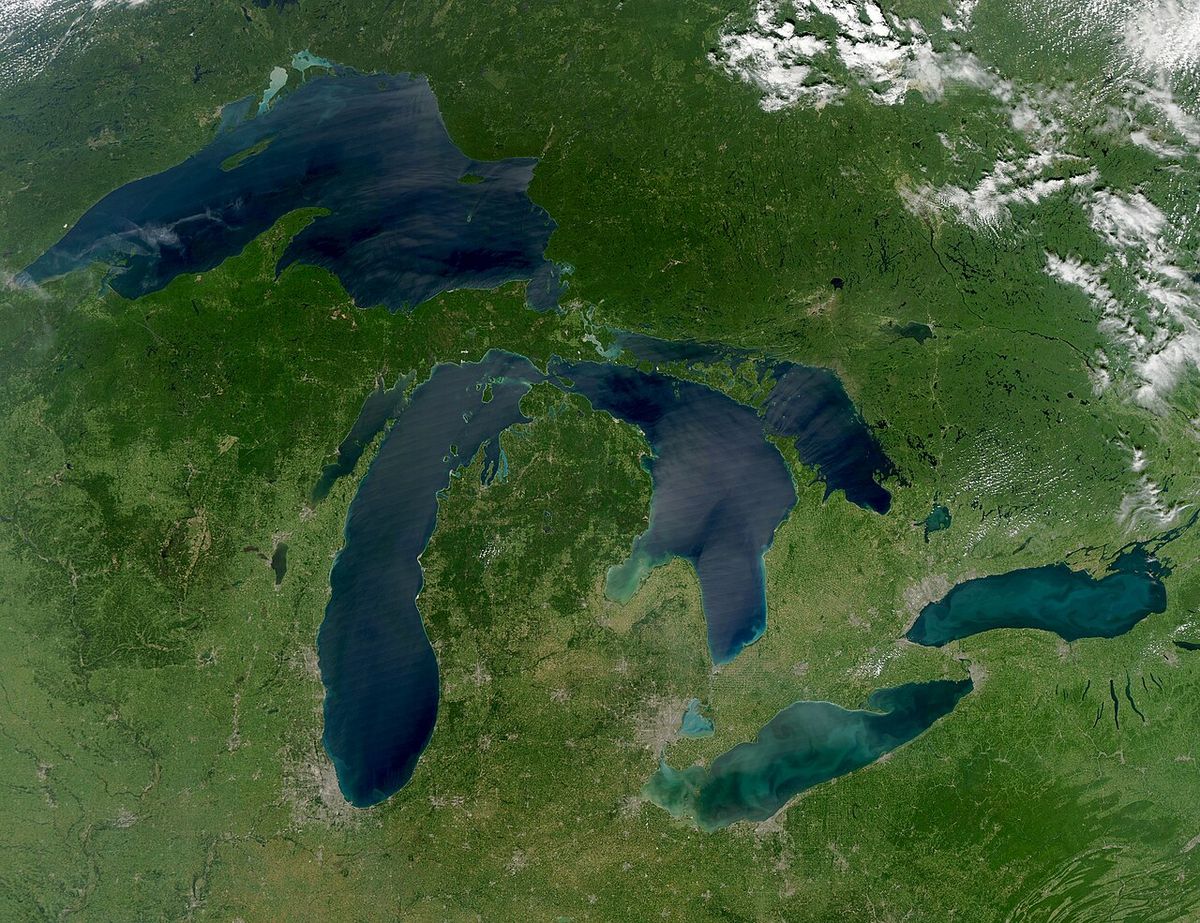
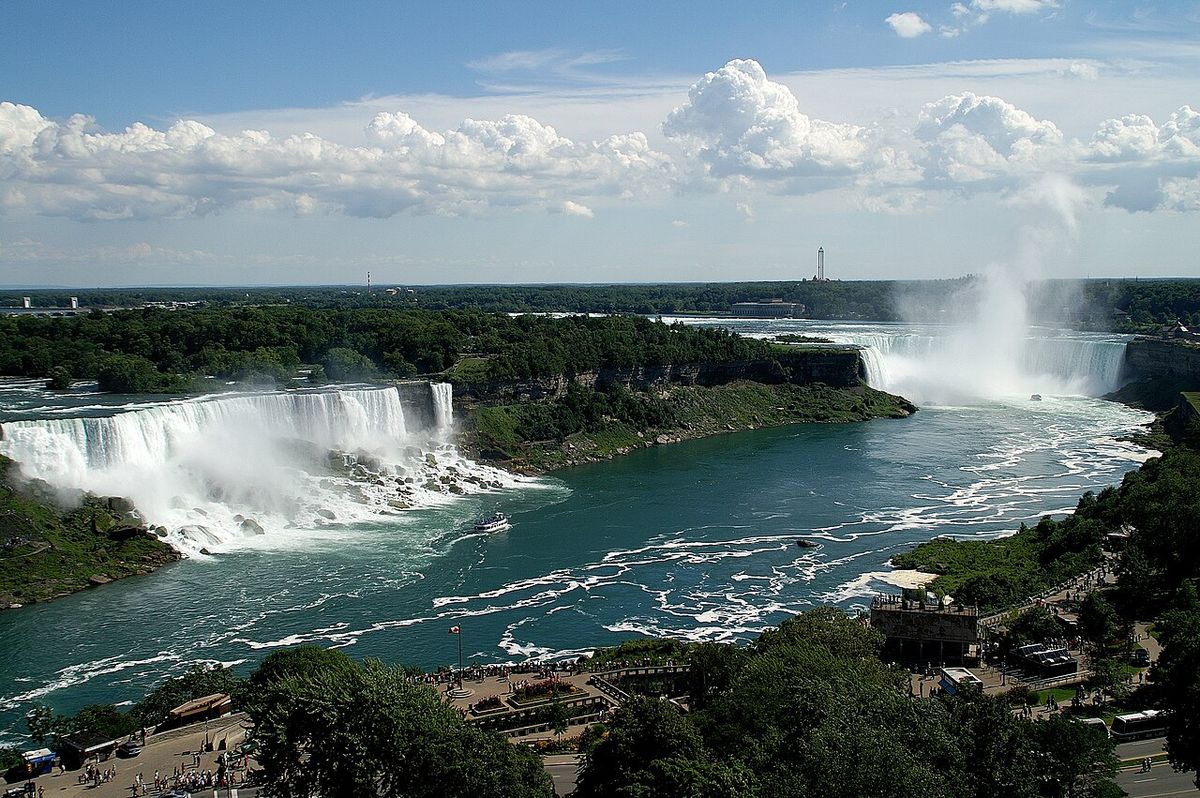
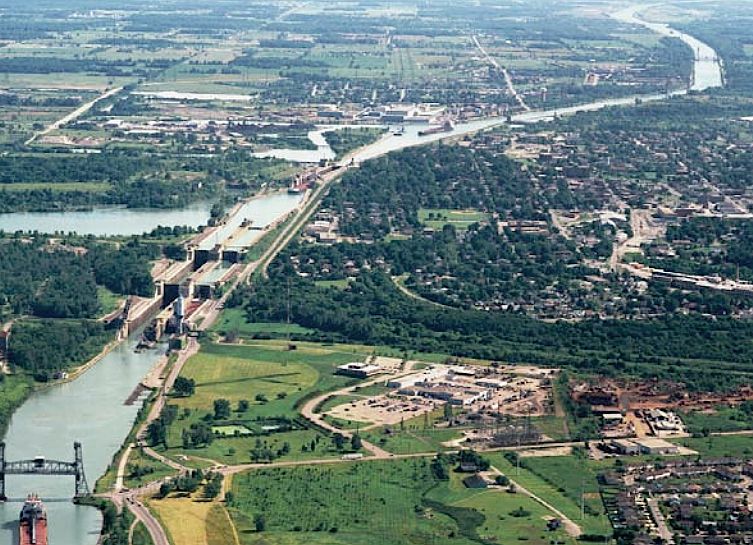
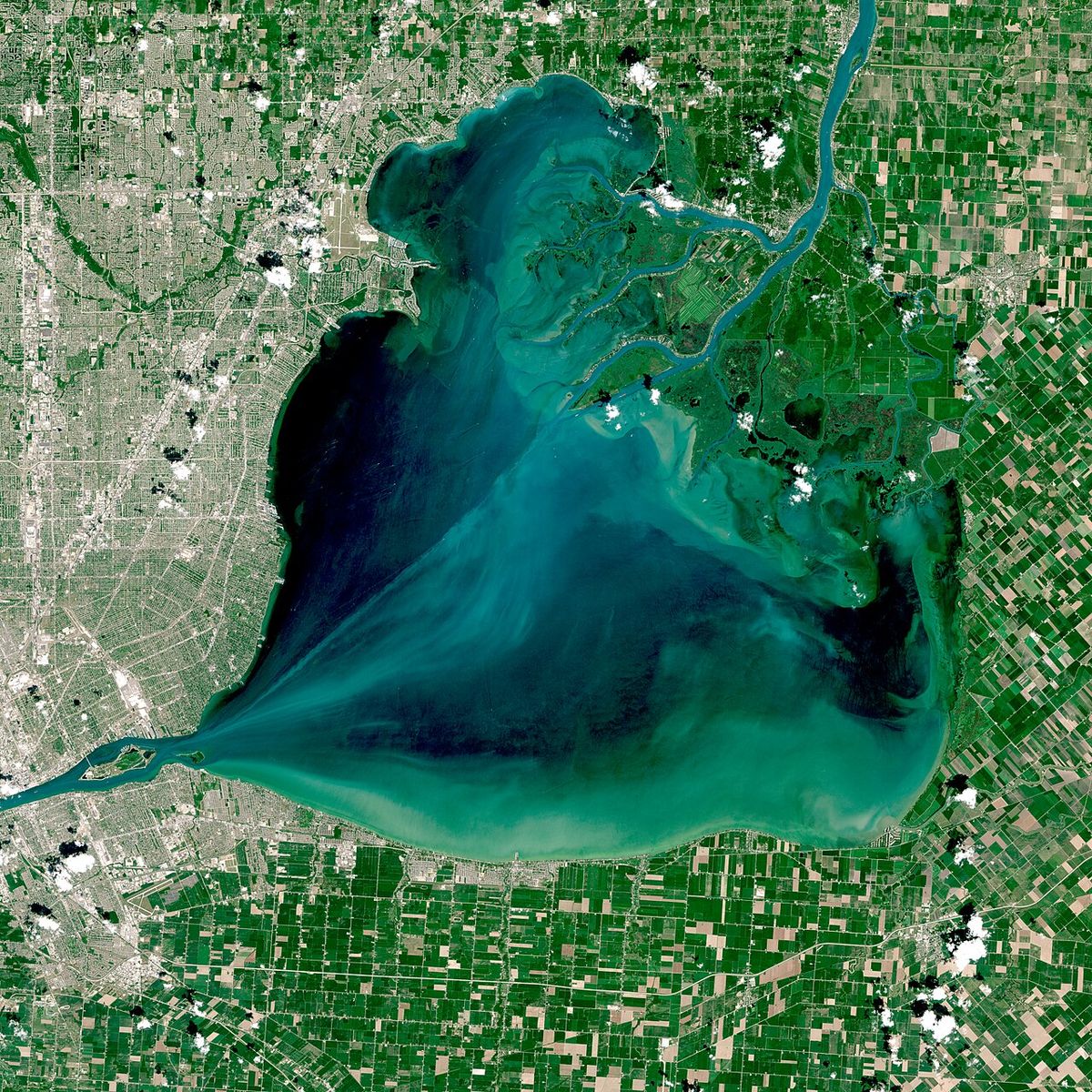
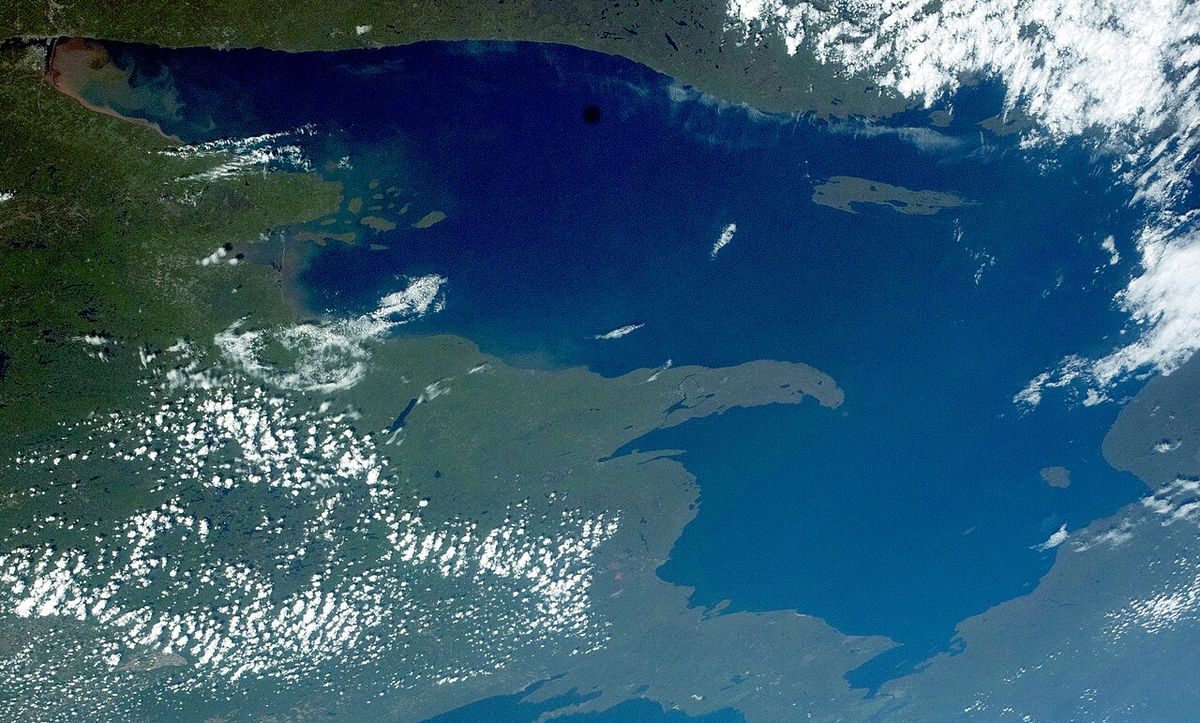
The alewife is infamous for its colonization of the Great Lakes, which it achieved by using the Welland Canal to bypass the natural barrier of Niagara Falls. While the United States Department of Agriculture suggests it may be native to Lake Ontario, it is definitively an invasive species in the upper Great Lakes. It spread from Lake Erie through the Detroit River and Lake St. Clair, eventually becoming abundant in Lakes Huron and Michigan. Its population exploded and reached peak abundance from the 1950s through the 1980s. This growth occurred during a period when the lakes lacked a dominant top predator due to the overfishing and sea lamprey-induced collapse of native lake trout, allowing the alewife to proliferate without natural checks.
The unchecked alewife population had severe ecological consequences for the Great Lakes ecosystem. The species is implicated in the decline of many native fish and zooplankton species through competition and predation. It is a common predator of numerous native and non-native zooplankton taxa. Research by Wells in 1970 found that increases in the alewife population in the Great Lakes between 1954 and 1966 were associated with population declines in certain larger species of zooplankton. A major alewife die-off in 1967 was temporally related to a population rebound in most of those affected species, demonstrating a direct link. Alewives themselves are prone to large seasonal die-offs, which for a time led to massive windrows of dead fish washing up on Great Lakes shorelines, creating a significant nuisance.
In an attempt to control the alewife population biologically, fisheries managers introduced non-native Pacific salmon. Coho salmon were introduced first, and later Chinook salmon were added as predators. This effort was only marginally successful in controlling alewife numbers but had the unintended consequence of creating a popular sport fishery for salmon, which prey heavily on alewife. The development of this salmon and alewife fishery became popular with many sport anglers across the region, though the alewife remains a problematic species within the lakes' altered food web.
Ecological Role as a Planktivore
The alewife plays a complex dual role in North American ecosystems as a voracious consumer of zooplankton. In its native Atlantic coastal range, it is an important forage fish, but in the Great Lakes, its predation pressure reshaped entire planktonic communities. Its diet primarily consists of various small zooplankton, and it is a documented predator on both native and non-native taxa. By selectively consuming larger zooplankton, alewife can cause a shift in the size structure of plankton communities, which has cascading effects on water clarity and the food available for other native fish larvae and species. This predation contributed to the decline of native zooplankton populations during periods of high alewife abundance, demonstrating a direct link between the invasive fish and changes in the base of the aquatic food web.
Alewife are a common predator of numerous native and non-native zooplankton taxa in the Great Lakes. Specific prey includes the invasive cladoceran Bythotrephes longimanus, also known as the spiny water flea. They also prey on native copepods such as Leptodiaptomus ashlandi, Leptodiaptomus minutus, Leptodiaptomus sicilis, and Limnocalanus species. Their predation has been associated with population declines in certain larger zooplankton species.
- Bythotrephes longimanus (the spiny water flea, an invasive species).
- Leptodiaptomus ashlandi (a native copepod).
- Limnocalanus species (native large copepods).
- Leptodiaptomus minutus (a native copepod).
- Leptodiaptomus sicilis (a native copepod).
- Leptodora kindtii (a native predatory cladoceran).
Conservation Status and Threats
Throughout much of its native range along the Atlantic coast, alewife populations have experienced substantial declines. A combination of human-caused threats is responsible for this trend, including the construction of dams and other barriers that have severely impeded access to crucial upstream spawning habitats. General habitat degradation, historical fishing pressure, and increased predation from recovering striped bass populations have also contributed to the decline. In response, several U.S. states have enacted moratoria on the taking and possession of alewife to aid recovery efforts, recognizing the need for immediate protective measures.
The alewife is a US National Marine Fisheries Service Species of Concern. This means the National Oceanic and Atmospheric Administration has some concerns about the species' status and threats. However, insufficient information is available to indicate a need to list the species under the US Endangered Species Act. Their populations have seen big declines throughout much of their range.
- Loss of habitat due to decreased access to spawning areas from dams and other impediments.
- General degradation of aquatic habitat.
- Historical and ongoing fishing pressure.
- Increased predation from recovering striped bass populations.
Restoration Projects and Cultural Presence
Active habitat restoration projects demonstrate a commitment to recovering alewife runs in specific watersheds. A prominent example is in eastern Massachusetts, within the Mystic River system. Alewife Brook flows through the municipalities of Arlington, Cambridge, and Somerville to the Mystic River. The brook has lent its name to the Alewife Brook Parkway, the Alewife Brook Reservation, and the Alewife station, the northern terminus of the Red Line on Boston's MBTA subway system. An extensive habitat restoration and education project, combined with a fish ladder equipped with monitoring cameras, is yielding increasing numbers of alewife back in the improving Mystic River watershed, showing positive results for local conservation.
In Boston, the name of this fish adorns the front of every northbound Red Line train, as the line ends at Alewife station. In Atlantic Canada, the fish is known as the gaspereau, from the Acadian French word gasparot. A number of locations are named after the Gaspereau around the historic region of Acadia. These include rivers, lakes, a community, and a valley in Nova Scotia and New Brunswick.
Management and State-Level Protections
Given the severe declines in Atlantic coast populations, state governments have taken legislative action to protect the alewife. These actions typically involve complete bans on harvesting the fish to allow stocks to recover without additional pressure. The states that have instituted moratoria represent a significant portion of the alewife's southern native range along the eastern seaboard. This coordinated, multi-state approach is crucial because alewife are migratory and their management requires cooperation across jurisdictions to be effective for a species that crosses state boundaries. In response to the declining population trend for alewives, several US states have instituted moratoria on taking and possession. The states that have done this are Massachusetts, Rhode Island, Connecticut, Virginia, and North Carolina. These moratoria are a direct response to the observed declining population trend.
- Massachusetts
- Rhode Island
- Connecticut
- Virginia
- North Carolina
These moratoria are a primary conservation tool in the absence of a federal endangered species listing. Habitat restoration efforts are also underway, such as in the Mystic River watershed in eastern Massachusetts. That project includes a fish ladder with monitoring cameras. The success of these measures will influence the future trajectory of alewife populations.
Questions about Alewife
What is an alewife?
The alewife (Alosa pseudoharengus) is a species of herring found in North America. It is a small, silvery fish, typically about 30 centimetres long, known for its anadromous life cycle, meaning it lives in the ocean but migrates into freshwater rivers to spawn. It is also known as river herring and, in Atlantic Canada, as gaspereau or kiack. It belongs to the subgenus Pomolobus and is one of the smaller shad species.
How did alewife get into the Great Lakes?
Alewife are known for their invasion of the Great Lakes by using the Welland Canal to bypass Niagara Falls. They may be native to Lake Ontario, but they colonized the other Great Lakes and became abundant mostly in Lake Huron and Lake Michigan. It appears they had spread from Lake Erie to other Great Lakes by the Detroit River and Lake St. Clair. They reached their peak abundance from the 1950s through the 1980s.
Why are alewife a problem in the Great Lakes?
As an invasive species, alewife contributed to the decline of native fish and zooplankton through competition and predation. Their population growth was unchecked after lake trout populations collapsed. They caused nuisance conditions when large seasonal die-offs led to massive numbers of dead fish washing up on beaches. Their predation on larger zooplankton, as shown in studies from 1954 to 1966, altered the base of the food web.
What is being done to control alewife in the Great Lakes?
Various species of Pacific salmon, first coho and later Chinook salmon, were introduced as predators to control alewife. This effort was only marginally successful in controlling the alewife population. However, it led to the development of a popular salmon and alewife sport fishery. Alewife remain implicated in the decline of many native Great Lakes species despite these biological control methods.
Are alewife endangered?
Alewife populations have seen big declines throughout much of their range. The alewife is a US National Marine Fisheries Service Species of Concern. This means there are concerns about its status, but insufficient information is available to list it under the US Endangered Species Act. Several US states have instituted moratoria on taking and possessing alewife in response to the decline.
Where is the Alewife station in Boston?
The Red Line of Boston's MBTA subway system ends at the Alewife station. It is located in an area associated with Alewife Brook, which flows through Arlington, Cambridge, and Somerville to the Mystic River. The brook gives its name to the Alewife Brook Parkway and the Alewife Brook Reservation. An extensive habitat restoration and education project is underway in the Mystic River watershed there.
Sources: Wikipedia and current public reporting, checked by the Your Space Hamilton desk. Last updated 2026-10-22.