The Beaches, Toronto
The Beaches, also known as the Beach, is a distinctive neighbourhood in east-central Toronto, Ontario, known for its four contiguous sandy beaches along Lake Ontario. Located east of downtown, its character is defined by the independent shops along Queen Street East, its historic residential streets, and an extensive waterfront park system. The neighbourhood has long been a popular residential and recreational area for Torontonians, with its beaches, boardwalk, and community events like the Beaches International Jazz Festival drawing visitors city-wide. Its identity is also marked by a longstanding, good-natured debate over whether the area should be referred to in the singular or plural form.
Geography and Character
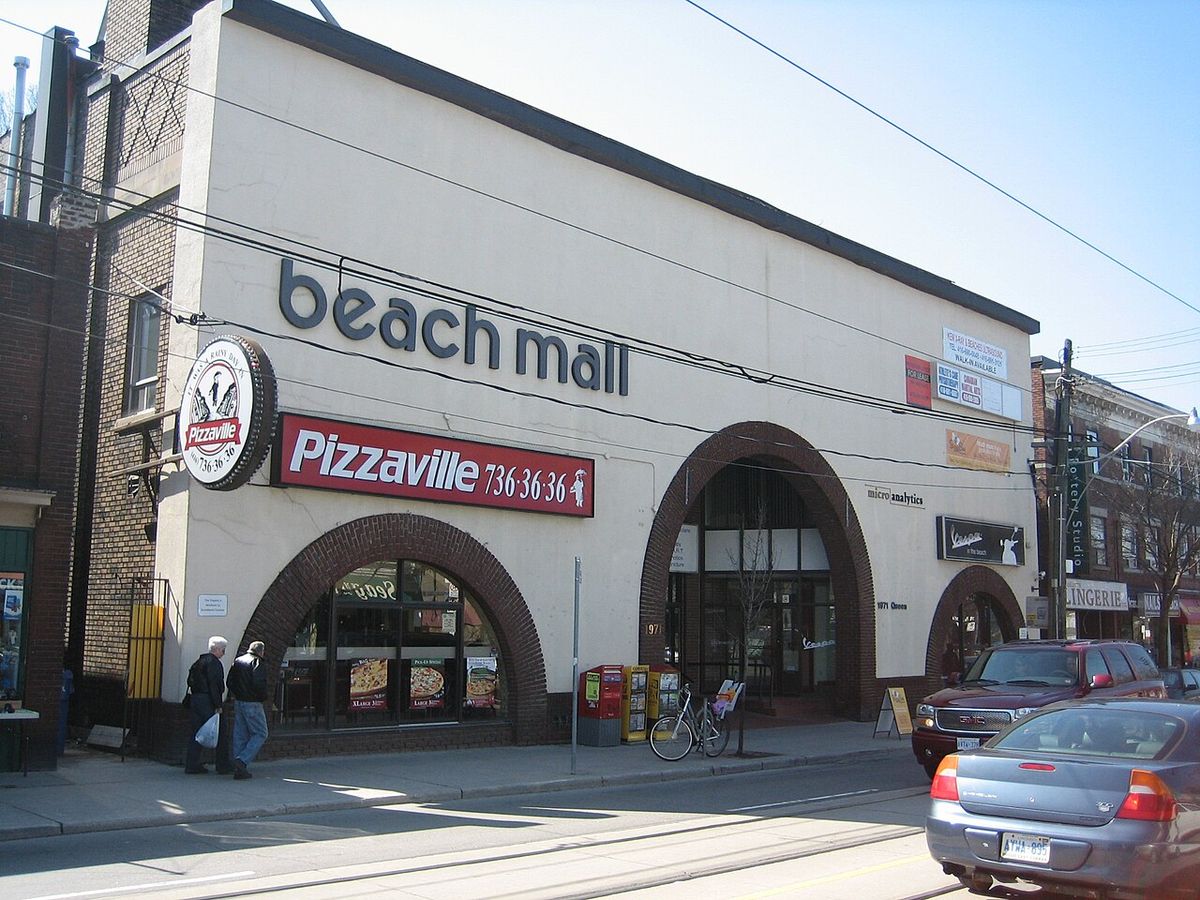
The Beaches neighbourhood is bounded roughly by Victoria Park Avenue to the east, Kingston Road to the north, Dundas Street to Coxwell Avenue on the west, and Lake Ontario to the south. Its defining geographical feature is the single, uninterrupted stretch of sandy shoreline along the lake, which is divided into four named sections from west to east: Woodbine Beach, Kew Beach, Scarboro Beach, and Balmy Beach. A long public boardwalk and a portion of the Martin Goodman Trail run along this waterfront, providing space for walking, cycling, and recreation. The commercial heart of the community is Queen Street East, characterized by a large number of independent specialty stores whose tenants change relatively frequently, altering the streetscape from year to year. The residential side streets are predominantly lined with semi-detached and detached houses in Victorian, Edwardian, and newer styles, though low-rise apartments and some row-houses are also present.
The area north of Queen Street, bounded by Queen, Woodbine, and Kingston Road, is locally nicknamed the 'Beach Triangle'. An extensive park system runs along the waterfront, with Kew Gardens being the only park that extends from the lake all the way north to Queen Street. Another chain of parks follows a partially buried ravine that bisects the neighbourhood from north to south at Glen Manor Road. The main thoroughfares include Kingston Road, a four-lane road along the northern section, and Woodbine Avenue, a five-lane primarily residential road running north from Lake Shore Boulevard. The neighbourhood's traditional cottage-like aesthetic has been a subject of local controversy in recent years, as new, denser housing developments have prompted some residents to seek heritage designations for certain streets.
History and Development
The area now known as The Beaches was originally a heavily wooded area dotted with private homes and swampland. In the early 1900s, the Toronto Harbour Commission appropriated the current shoreline and the grounds that would become Kew Gardens. The continuous beach was artificially enlarged and made whole in 1930 through the use of wooden groynes, with the public boardwalk and facilities officially opening in 1932. Historically, the sand on the beaches was replenished by erosion from the Scarborough Bluffs to the east, but municipal efforts to reduce that erosion have diminished this natural source. Rock groynes are now used to help stabilize the shoreline against the lake currents that continuously push sand from east to west.
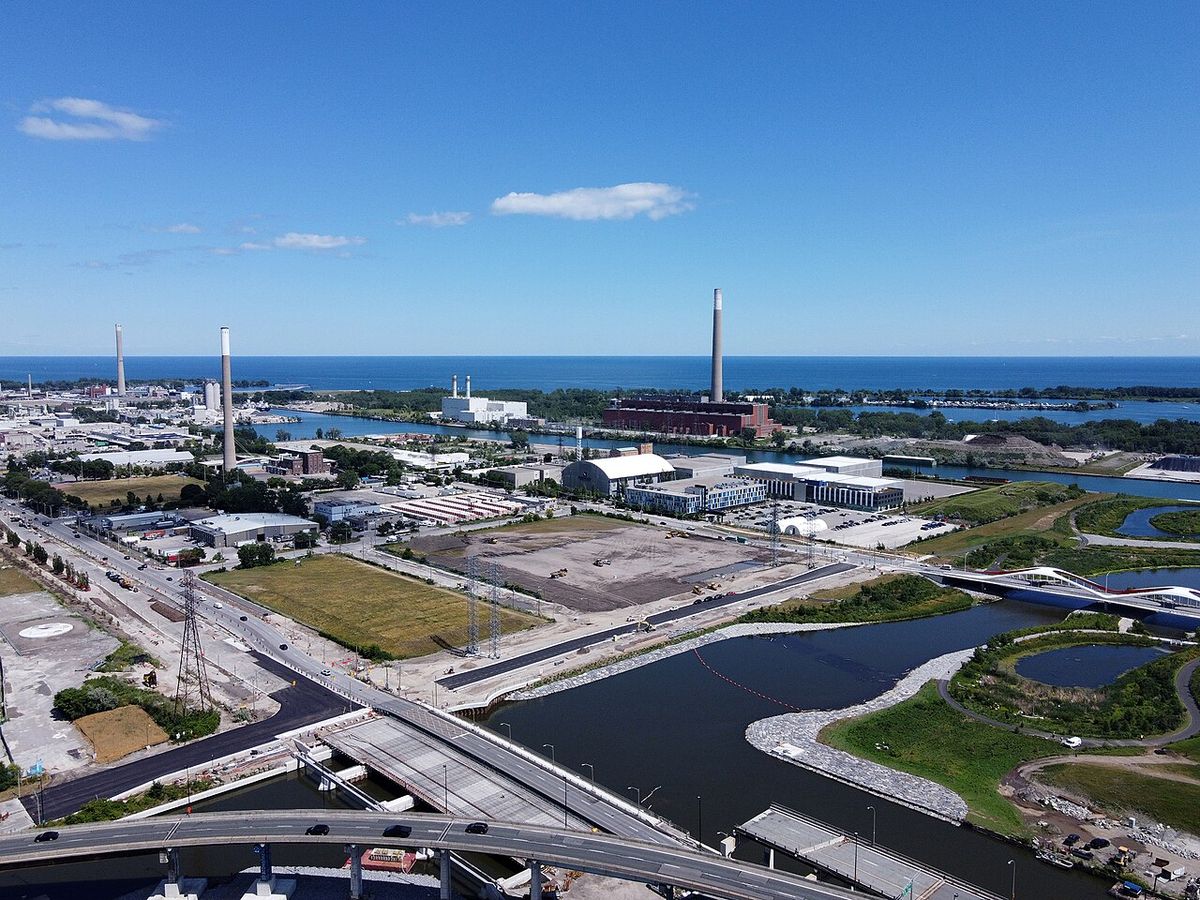
Ashbridge's Bay, a small body of water east of the beaches, was once part of a larger marsh system near Toronto Harbour. Named for the local Ashbridge family, the bay was significantly reduced in size by infill for the Port Lands and the construction of the R.C. Harris Water Treatment Plant. The remaining bay is now surrounded by marinas, the treatment plant, and a treed section along Lake Shore Boulevard East, with its original natural shoreline completely gone. The area's development was also supported by transportation links, including a ferry service from Yonge Street in the 1890s and early streetcar service along Queen Street.
The Name Controversy
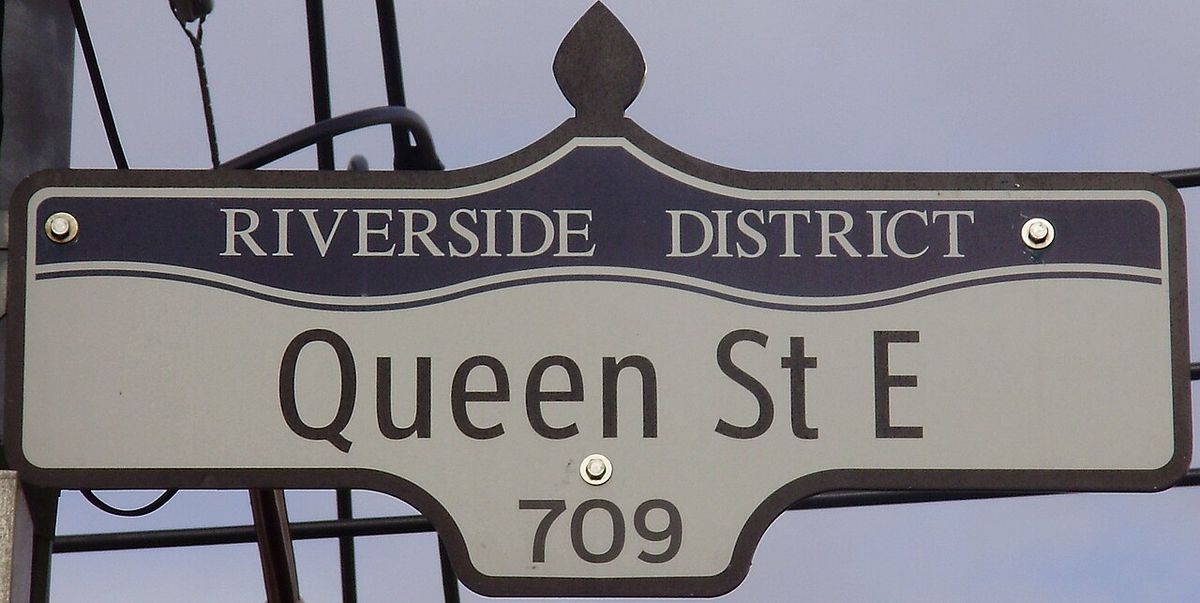
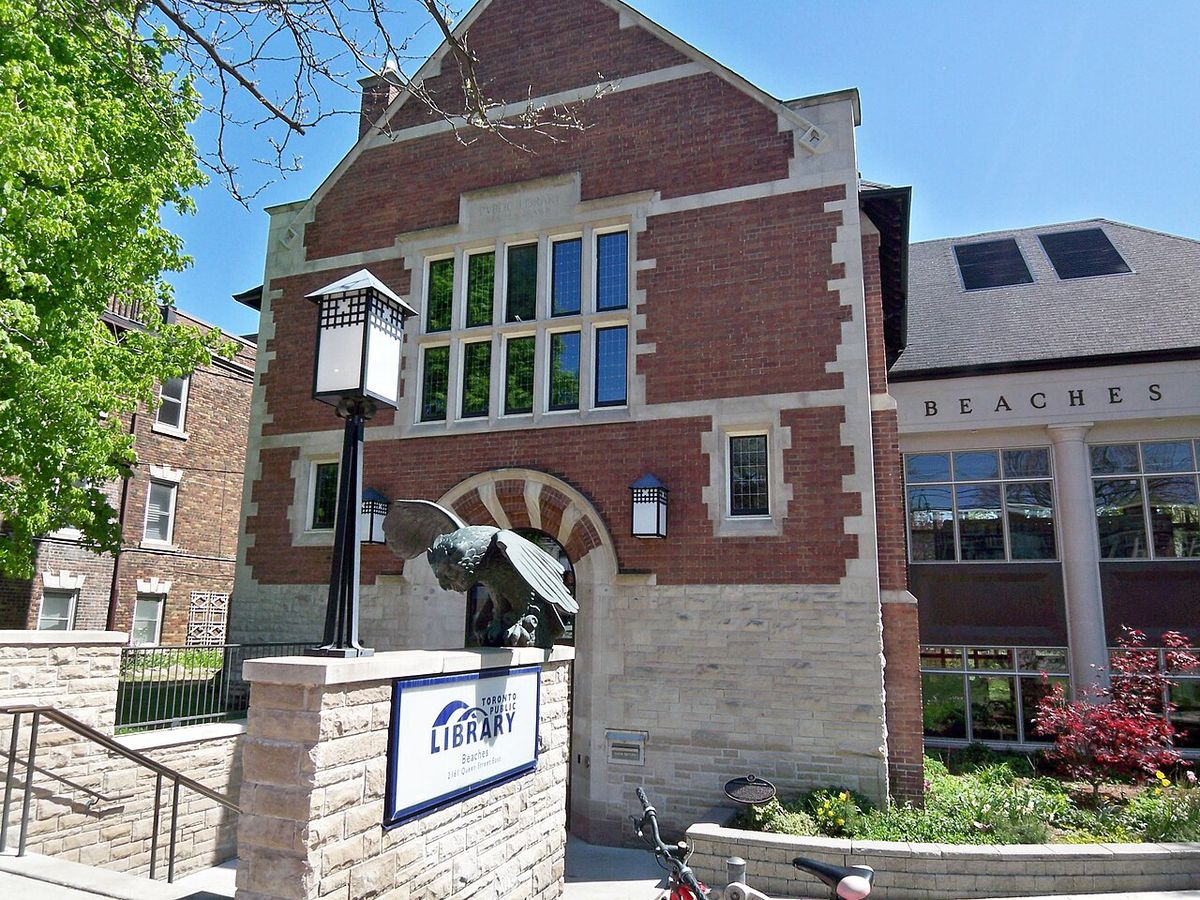
A long-standing local dispute concerns whether the neighbourhood should be called 'the Beach' or 'the Beaches'. Proponents of the singular 'Beach' argue it is the proper historical name and point to early institutions like the Beach telephone exchange (1903), the Beach Hebrew Institute (1920), and the Beach Theatre (1919). The local historical society, founded in 1974, is also named the Beach and East York Historical Society. Those who favour the plural 'Beaches' contend the name has equal historical provenance, logically references the four distinct beach areas, and is more universally recognized by non-residents. Early institutions using the plural include the Beaches Library (1915), Beaches Presbyterian Church (1926), and a local war monument erected by the Beaches Business Men's Association.
The debate intensified in 1985 when the City of Toronto installed neighbourhood signs reading 'the Beaches', leading to controversy and their eventual removal. In 2006, the Beaches Business Improvement Area held a poll which resulted in 58 percent of participants selecting 'the Beach' for new signage. Despite this, all levels of government use 'Beaches' in administrative names like the federal and provincial riding of Beaches, East York, and the City of Toronto officially categorizes the neighbourhood as 'the Beaches' for information management. In May 2009, the City began installing 'the Beach' signs along Queen Street, yet the municipal designation remains plural. Most Torontonians recognize either name as referring to this specific neighbourhood, distinguishing it from other beaches in the city.
Attractions and Landmarks
The Beaches offers a variety of attractions centred on its natural setting and community spaces. Kew Gardens is a central medium-sized park running from Queen Street to the lake and features the Alex Christie Bandstand, a venue for summer concerts. The neighbourhood hosts the annual Beaches International Jazz Festival every July, which draws thousands of visitors, though most performances now occur at Woodbine Beach Park. The waterfront is a major recreational asset, with Woodbine Beach and Kew-Balmy Beach holding Blue Flag certification for cleanliness and water quality. The park and beach areas are animal friendly, featuring both on and off leash dog parks, and have recently been home to a family of red foxes living under the boardwalk.
One of the area's most notable structures is the R. C. Harris Water Treatment Plant, a striking Art Deco facility on the eastern waterfront. Locally known as 'the water works', it has been featured in several films and television programs, as well as in Michael Ondaatje's novel In the Skin of a Lion. The neighbourhood contains a number of heritage buildings designated under the Ontario Heritage Act or listed on the City of Toronto's inventory. The continuous beach and boardwalk provide a defining recreational space for walking, cycling, and swimming throughout the year, making it a central gathering place for residents and visitors alike.
- Kew Gardens and the Alex Christie Bandstand
- The Beaches International Jazz Festival (July)
- Woodbine Beach Park and the Martin Goodman Trail
- R. C. Harris Water Treatment Plant
- The historic boardwalk along the lakefront
- Blue Flag certified swimming beaches
- On and off leash dog parks
Demographics and Education
According to the 2006 Canadian census, The Beaches had a population of 20,416 residents, representing a 7.8 percent increase from 2001. The average income in the neighbourhood was $67,536, which was well above the Toronto average at that time. The area is served by multiple public school boards. Secular English first language public schools are operated by the Toronto District School Board (TDSB), while publicly funded English first language separate (Catholic) schools are operated by the Toronto Catholic District School Board (TCDSB). French first language public education is provided by the Conseil scolaire Viamonde (secular) and the Conseil scolaire catholique MonAvenir (separate), though neither operates a school within the neighbourhood boundaries.
The local TDSB secondary school is Malvern Collegiate Institute, located on Malvern Avenue just north of Kingston Road. Primary schools operated by the TDSB within the neighbourhood include several institutions, while others like Blantyre Public School, Bowmore Road Public School, and Courcelette Public School, though technically just outside the boundaries in Scarborough, serve many Beaches residents. The TCDSB operates Notre Dame High School on Malvern Avenue and Neil McNeil Catholic Secondary School on Victoria Park Avenue in Scarborough for secondary students. Catholic elementary schools include St. Denis Catholic School on Balsam Avenue and St. John's Catholic School on Kingston Road. There are also a number of privately funded and Montessori schools in the neighbourhood, providing additional educational options for local families.
Transportation and Local Media
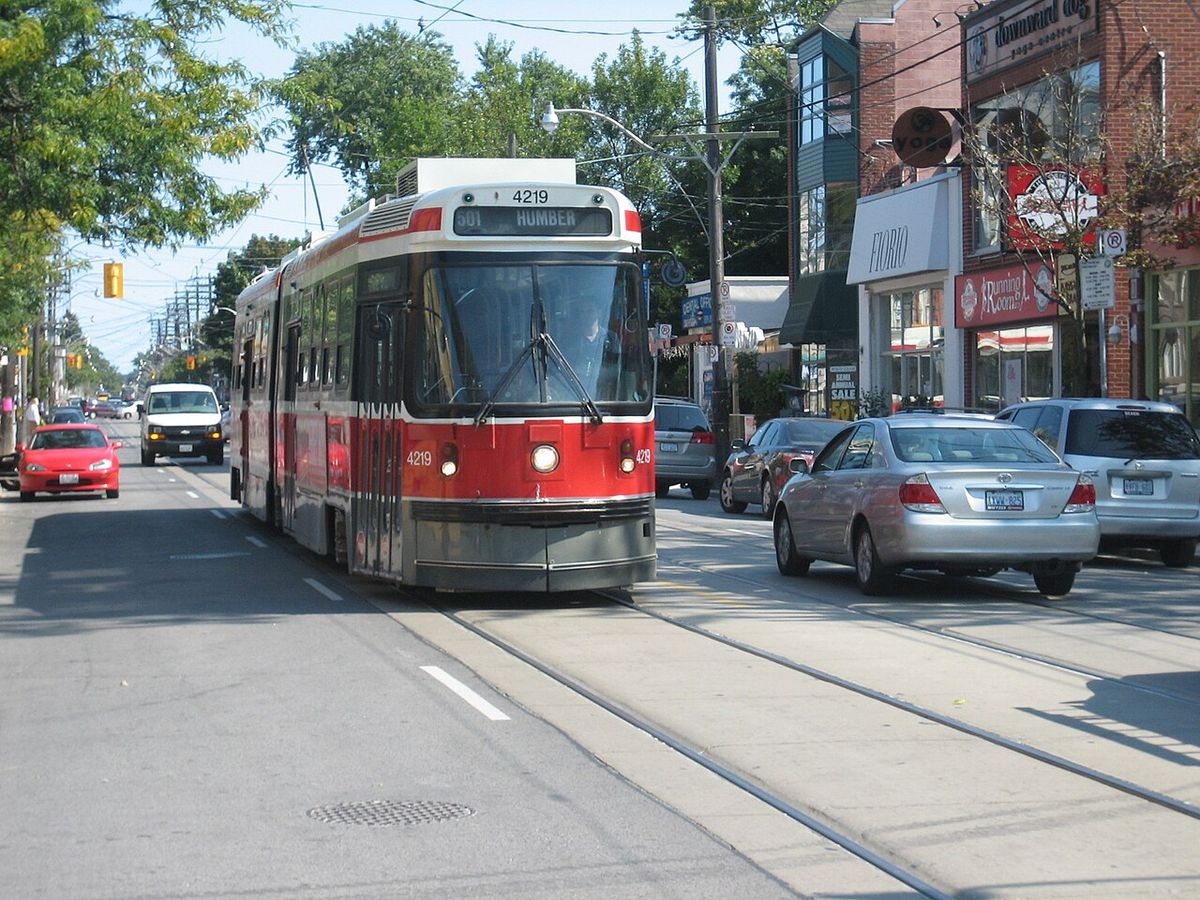
Public transportation in The Beaches is primarily served by the Toronto Transit Commission (TTC). Streetcars run east-west along Queen Street East (route 501), Kingston Road (routes 502 and 503), and Gerrard Street East (route 506). Bus routes provide north-south connections, including the 92 Woodbine bus which runs to Woodbine subway station, and the 64 Main bus which snakes through side streets to Main Street subway station. The 22A Coxwell bus runs north-south on Coxwell Avenue from Coxwell subway station and then travels east along Kingston Road to Victoria Park Avenue during evening and weekend hours. This network connects the neighbourhood to the broader Toronto subway system and downtown core, facilitating commuting and access to the wider city.
The community is served by several locally distributed newspapers and magazines. These include the Beach Metro Community News, the East York Mirror (run by Metroland, a subsidiary of the Toronto Star), and the Beaches Living magazine. These publications provide coverage of local news, events, and issues specific to The Beaches and surrounding east-end communities, fostering a strong sense of local identity and connection among residents. They serve as important forums for community discussion and information sharing.
Notable Residents
The Beaches has been home to a diverse array of notable individuals from the arts, sports, and other fields. Many prominent figures grew up in the neighbourhood, while others are current residents. The area has produced acclaimed artists, athletes, and cultural contributors who have gained recognition in Canada and internationally. The neighbourhood's cultural legacy is reflected in the achievements of these individuals across various disciplines, from film and music to literature and competitive sports.
- Norman Jewison, Academy Award-winning film director
- Glenn Gould, world-renowned concert pianist
- Penny Oleksiak, Olympic champion swimmer
- Robert Fulford, author and journalist
- Jack Kent Cooke, sports and media magnate
- The Beaches, an indie rock band named for the neighbourhood
- William Kurelek, a well-known Canadian artist
- Patrick J. Adams, actor and director
Current residents of The Beaches include author Peter Robinson, hockey player Rich Clune, actor Jamie Johnston, songwriter Dan Hill, television producer Stephen Stohn, flutist and composer Ron Korb, and actor Jay Baruchel. Notable people who grew up in the neighbourhood include Olympic sprinter Aaron Brown, musician Saya Gray, and professional soccer player Kobe Franklin. Disc sports pioneer Ken Westerfield also grew up there and started the first disc ultimate league in Canada on Kew Beach in 1979. Other notable individuals from the area are professional hockey player Jack McBain and Canadian public address announcer Herbie Kuhn.
Questions about The Beaches, Toronto
Where exactly is The Beaches neighbourhood in Toronto?
The Beaches is located in east-central Toronto, just east of downtown. Its approximate boundaries are Victoria Park Avenue to the east, Kingston Road to the north, Dundas Street to Coxwell Avenue on the west, and Lake Ontario to the south. The main commercial street is Queen Street East, which runs through the heart of the community. The area is part of the larger Beaches, East York political riding.
Why is it called The Beaches or The Beach?
The neighbourhood is named for its four beaches situated on Lake Ontario. There is a long standing dispute over the name, with some residents asserting 'the Beach' is proper and others viewing 'the Beaches' as having equal historical provenance. The City of Toronto government officially categorizes the neighbourhood as 'the Beaches' for administrative purposes. Both names have been used since the 19th century and most Torontonians recognize either name as referring to this particular neighbourhood.
What are the main attractions in The Beaches?
The main attractions are the lakefront itself, featuring a long boardwalk, the Martin Goodman Trail, and Blue Flag certified swimming beaches. Kew Gardens is a central park with a bandstand for concerts. The area hosts the annual Beaches International Jazz Festival in July. The R. C. Harris Water Treatment Plant is a notable architectural landmark, and Queen Street East offers a strip of independent shops and restaurants. The neighbourhood's parks are also known for being animal friendly with designated dog areas.
How do you get to The Beaches using public transit?
The Toronto Transit Commission (TTC) serves the area with several routes. The 501 Queen streetcar runs along Queen Street East through the neighbourhood. The 502 and 503 streetcars run on Kingston Road, and the 506 runs on Gerrard Street. Bus routes include the 92 Woodbine bus connecting to Woodbine subway station and the 64 Main bus connecting to Main Street station. The 22A Coxwell bus runs along Kingston Road during evenings and weekends, providing a north-south link from Coxwell station.
What schools serve The Beaches neighbourhood?
Public schools are operated by the Toronto District School Board (TDSB), with Malvern Collegiate Institute being the local secondary school. Catholic schools are run by the Toronto Catholic District School Board (TCDSB), including Notre Dame High School and Neil McNeil High School. French first language education is provided by the Conseil scolaire Viamonde and Conseil scolaire catholique MonAvenir, though they do not have schools within the neighbourhood. Several elementary schools, both public and Catholic, operate within and just outside the boundaries.
Who are some famous people from The Beaches?
The neighbourhood has been home to many notable individuals. Academy Award winning director Norman Jewison, pianist Glenn Gould, and Olympic swimmer Penny Oleksiak grew up there. The indie rock band The Beaches is named for the area. Current residents include author Peter Robinson and actor Jay Baruchel. Other notable figures with ties to the community include artist William Kurelek, actor Patrick J. Adams, sports magnate Jack Kent Cooke, and Olympic sprinter Aaron Brown.
Sources and further reading
- The Beaches, Toronto (Wikipedia)
- Chill Vibes, Beaches, Food & Local Shops (destinationtoronto.com)
- Ultimate Guide to Building and Living in The Beaches ... (lighthausbuilt.com)
- The Beach, Toronto Neighbourhood guide (neighbourhoodguide.com)
- The Beaches Neighbourhood Guide (hoodq.com)
Checked by the Your Space Hamilton desk. Last updated 2026-10-20.