John Polanyi
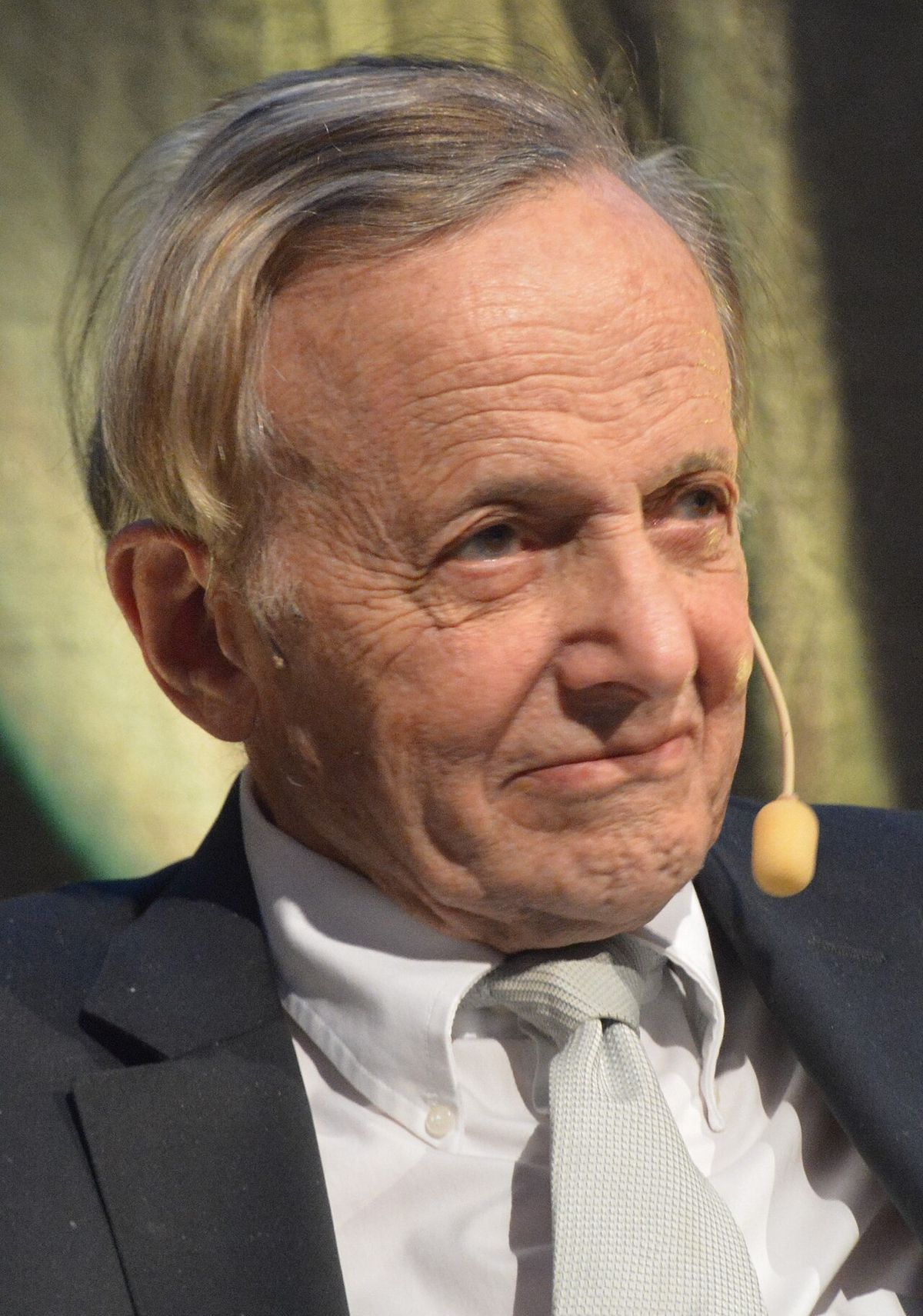
John Charles Polanyi is a Hungarian-Canadian chemist and Nobel laureate whose pioneering research fundamentally shaped the modern understanding of chemical reactions. Awarded the 1986 Nobel Prize in Chemistry for his work in chemical reaction dynamics, he has spent the vast majority of his distinguished career at the University of Toronto, where he remains a University Professor Emeritus as of 2025. Beyond the laboratory, Polanyi is a prominent public intellectual, known for decades of activism on nuclear disarmament, science policy, and human rights. His legacy is cemented in Canadian science through prestigious awards bearing his name, which continue to support and recognize groundbreaking research across the country.
Early Life and Education
John Charles Polanyi was born in Berlin in 1929 to Michael and Magda Polanyi, into a family of notable Hungarian intellectuals. His father, Michael, was a distinguished chemist and philosopher, while his uncle, Karl Polanyi, was a renowned economic historian and critic of market capitalism. The family, of Jewish heritage though his father later converted to Christianity, left Germany for England in 1933 to escape the rise of Nazism. During the Second World War, Polanyi’s father sent him to Canada for safety at age 11, where he attended the University of Toronto Schools in Toronto. After returning to Britain, he completed his secondary education and enrolled at the University of Manchester. He earned his Bachelor of Science degree in 1949 and his PhD in chemistry in 1952, conducting research under Ernest Warhurst on measuring the strengths of chemical bonds using thermal dissociation. His postgraduate work began with a postdoctoral fellowship at the National Research Council (NRC) in Ottawa from 1952 to 1954, where he collaborated with E.W.R. Steacie and spent time in Gerhard Herzberg’s spectroscopy lab. Polanyi then moved to Princeton University as a research associate from 1954 to 1956, working with Hugh Taylor and others, which further influenced his focus on the dynamics of chemical reactions.
Academic Career and Pioneering Research
John Polanyi joined the University of Toronto as a lecturer in 1956, beginning an association that would span nearly seven decades. He rose rapidly through the academic ranks, becoming an assistant professor in 1957, an associate professor in 1960, and a full professor in 1962. In 1974, he was appointed a University Professor, an honorary title recognizing exceptional scholarly achievement. His early research at Toronto, conducted with his first graduate student Kenneth Cashion, led to a seminal discovery published in 1958. They observed infrared chemiluminescence, the light emitted by newly formed, vibrationally excited hydrogen chloride molecules during a reaction. This work provided a revolutionary method for probing the energy distribution in chemical reactions at a molecular level. The technique of infrared chemiluminescence became the central foundation of the research for which he later won the Nobel Prize. It also had significant practical implications, contributing directly to the subsequent development of powerful chemical lasers. Throughout his career, Polanyi’s work has focused on elucidating the mechanics of chemical reactions and the properties of molecules in the transition state. A major shift in his methodology occurred after winning the Nobel Prize, when he incorporated scanning tunnelling microscopy (STM) into his research. Inspired by the 1986 Nobel Prize in Physics awarded for STM, Polanyi acquired this technology for his lab, allowing his team to image and manipulate single atoms and molecules on surfaces, bridging his foundational work with cutting-edge nanotechnology.
The Nobel Prize and Scientific Recognition
In 1986, John Polanyi was jointly awarded the Nobel Prize in Chemistry with Dudley Herschbach of Harvard University and Yuan T. Lee of the University of California, Berkeley. The Royal Swedish Academy of Sciences honoured them for their contributions to the dynamics of chemical elementary processes. Polanyi’s specific Nobel lecture was entitled "Some Concepts in Reaction Dynamics." His Nobel medal is on permanent display at Massey College at the University of Toronto, where he is a Senior Fellow. The prize recognized his development and use of infrared chemiluminescence to map the energy pathways of chemical reactions, a breakthrough that transformed physical chemistry. Beyond the Nobel, Polanyi has received an extraordinary array of honours reflecting his national and international stature. He was elected Fellow of the Royal Society (FRS) in 1971 and appointed an Officer of the Order of Canada in 1974, later promoted to Companion in 1979. He won the Wolf Prize in Chemistry in 1982, received the Royal Medal of the Royal Society in 1989, and was awarded the Gerhard Herzberg Canada Gold Medal for Science and Engineering in 2007. In 2022, he was honoured with the Andrei Sakharov Prize for his decades of activism for a nuclear-weapons-free world and defence of human rights. He has been elected to numerous prestigious academies, including the Royal Society of Canada, the U.S. National Academy of Sciences, and the Pontifical Academy of Sciences. Polanyi has also been awarded 33 honorary degrees from institutions worldwide, including Harvard University, the University of Waterloo, and Queen’s University, and was featured on a Canada Post commemorative stamp in 2011.
Public Advocacy and Policy Engagement
Parallel to his scientific career, John Polanyi has been a dedicated and influential voice on issues of peace, science policy, and social justice since the 1950s. Deeply concerned about the threat of nuclear war, he helped found the Canadian Pugwash Group in 1960 and served as its chairman until 1978. The Pugwash Conferences, a global movement of scientists advocating for nuclear disarmament, were awarded the Nobel Peace Prize in 1995. Polanyi has consistently championed the importance of basic, or "pure," scientific research, often critiquing government policies he viewed as undermining it. He has served on advisory bodies such as the Prime Minister’s Advisory Board on Science and Technology and the Premier’s Council of Ontario. His writings extend far beyond scientific journals, with over 100 articles published on policy, the social impact of science, and arms control. He is a frequent contributor to the editorial pages of The Globe and Mail and co-edited the book The Dangers of Nuclear War. Polanyi also supports democratic global governance, advocating for the Campaign for the Establishment of a United Nations Parliamentary Assembly. In 1992, he was appointed to the Queen’s Privy Council for Canada, and he remains active on the advisory board of the Center for Arms Control and Non-Proliferation in Washington, D.C.
Awards and Institutions in His Name
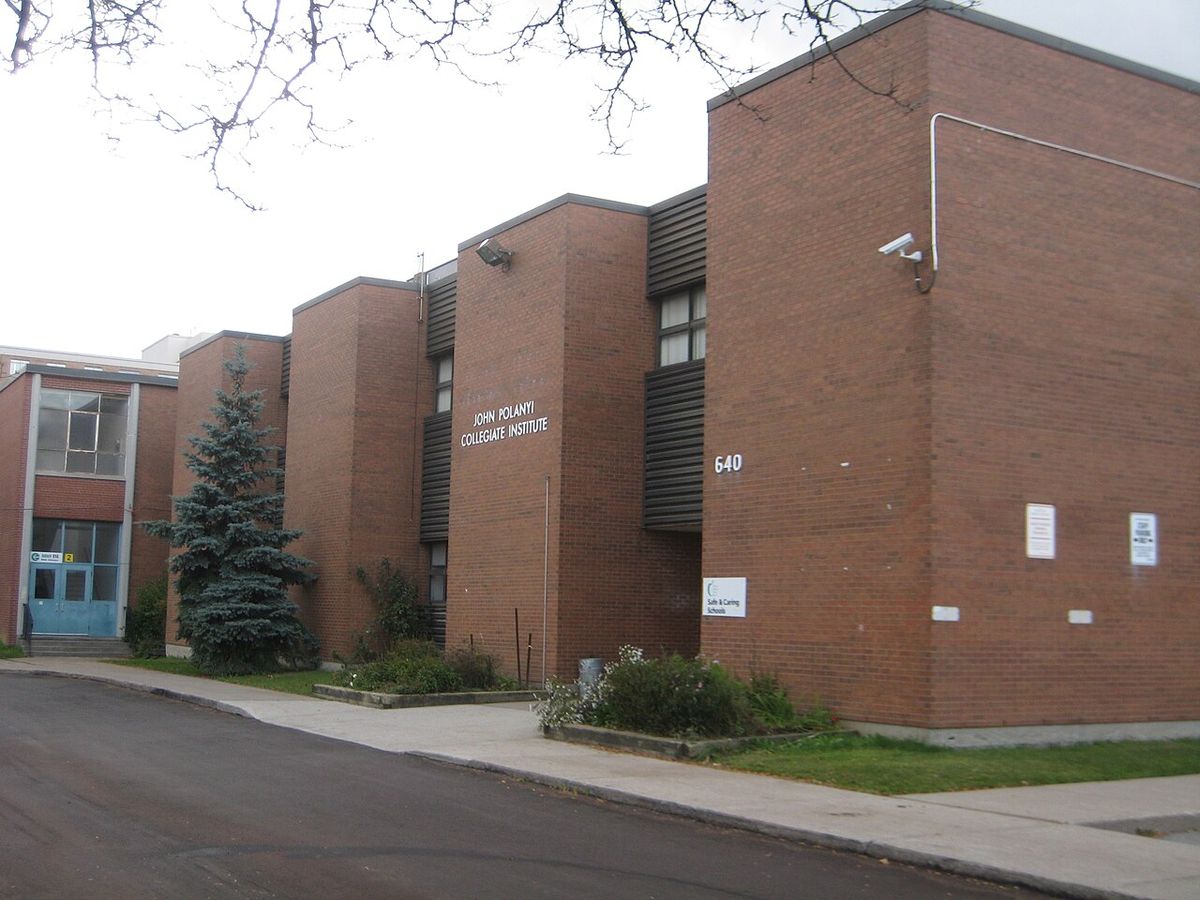
John Polanyi’s legacy is actively sustained in Canada through several major awards established in his honour. These prizes support researchers at various career stages, ensuring his impact endures by fostering future scientific excellence. The Ontario government created the John Charles Polanyi Prizes following his Nobel win. These are $20,000 awards given annually to up to five outstanding early-career researchers at Ontario universities in the fields of Physics, Chemistry, Physiology or Medicine, Literature, and Economic Science. The Natural Sciences and Engineering Research Council of Canada (NSERC) funds the NSERC John C. Polanyi Award. This award recognizes an individual or team whose Canadian-based research has led to a recent outstanding advance in natural sciences or engineering, and it includes a research grant of up to $250,000. The Canadian Society for Chemistry presents the John C. Polanyi Award for excellence in physical, theoretical, or computational chemistry or chemical physics by a scientist working in Canada. The 2026 winner of this award is Paul Woodson Ayers of McMaster University. In the area of education, the Toronto District School Board renamed a secondary school in his honour. The John Polanyi Collegiate Institute opened in North York in September 2011, with a motto reflecting his values: "scientia est potentia," or "knowledge is power."
- The John Charles Polanyi Prizes: $20,000 awards for early-career Ontario researchers, established by the Ontario government.
- The NSERC John C. Polanyi Award: Includes a research grant of up to $250,000 for outstanding advances in natural sciences or engineering.
- The Canadian Society for Chemistry John C. Polanyi Award: Recognizes excellence in physical or theoretical chemistry in Canada, with the 2026 winner being Paul Woodson Ayers of McMaster University.
- John Polanyi Collegiate Institute: A Toronto secondary school renamed in his honour, opened in September 2011.
Recent Honours and Ongoing Influence
Even in his nineties, John Polanyi continues to be recognized for his lifelong contributions. The awarding of the 2022 Andrei Sakharov Prize highlighted his seven decades of activism for nuclear disarmament, human rights, and the public understanding of science. The prizes bearing his name remain highly active and competitive. The 2025 John Charles Polanyi Prizes celebrated researchers in fields driving Ontario’s economic success. The selection process for the 2026 and 2027 rounds of these prizes is underway, with deadlines set for March 2026. His foundational research also continues to be cited and built upon in contemporary studies, including work published in journals like Nature Chemistry on cooperative molecular dynamics in surface reactions, which has implications for nanotechnology. Polanyi’s extensive publication record includes over 250 scientific papers and more than 100 articles on policy, demonstrating his dual commitment to scientific discovery and its responsible application in society.
Personal Life and Family
John Polanyi married Anne Ferrar Davidson in 1958, and they had two children, Margaret, born in 1961, and Michael, born in 1963. Anne died in 2013. His daughter is a journalist, and his son is a political scientist who began his career as a physicist. Polanyi is now married to portrait artist Brenda Bury. His personal interests have long extended beyond science to include art, literature, and poetry. In his youth, he was an avid whitewater canoeist, an activity he has since replaced with walking and skiing. The intellectual environment of his family was highly influential, with his father Michael being a leading chemist and philosopher, his uncle Karl a famous economist, and his brother George an economist known for defending market capitalism. This rich background shaped Polanyi’s own interdisciplinary outlook and his enduring engagement with the broader world of ideas and public affairs.
- Married Anne Ferrar Davidson in 1958. She died in 2013.
- Two children: daughter Margaret (born 1961), a journalist, and son Michael (born 1963), a political scientist.
- Currently married to portrait artist Brenda Bury.
- Father was chemist and philosopher Michael Polanyi.
- Uncle was economic historian Karl Polanyi.
- Brother was economist George Polanyi.
- Personal interests include art, literature, poetry, walking, and skiing.
Questions about John Polanyi
What did John Polanyi win the Nobel Prize for?
John Polanyi won the 1986 Nobel Prize in Chemistry jointly with Dudley Herschbach and Yuan T. Lee for their contributions to chemical reaction dynamics. Specifically, Polanyi was honoured for developing the technique of infrared chemiluminescence, which measures the weak infrared light emitted by newly formed excited molecules. This allowed scientists to map precisely how energy is distributed during a chemical reaction, providing unprecedented insight into the molecular mechanics of chemical processes. His work in this area also contributed to the later development of chemical lasers.
Where does John Polanyi work?
John Polanyi has been affiliated with the University of Toronto since 1956, when he joined as a lecturer. He rose to become a full professor in 1962 and was named a University Professor in 1974, an honorary title he retains. As of 2025, he holds the position of University Professor Emeritus at the University of Toronto. His research laboratory there is equipped with advanced tools like scanning tunnelling microscopes, which he began using after his Nobel win to study reactions at the atomic level.
What is the Polanyi Prize?
There are several awards named for John Polanyi. The John Charles Polanyi Prizes are $20,000 awards funded by the Ontario government for early-career researchers at Ontario universities in five fields mirroring the Nobel categories. The NSERC John C. Polanyi Award is a national award that includes a research grant of up to $250,000 for an individual or team whose work in Canada has led to an outstanding recent advance in natural sciences or engineering. The Canadian Society for Chemistry presents a John C. Polanyi Award for excellence in physical or theoretical chemistry.
What is John Polanyi known for outside of science?
Outside his scientific work, John Polanyi is renowned as a passionate advocate for peace, nuclear disarmament, and science policy. He was a founding member and longtime chairman of the Canadian Pugwash Group, part of the international movement that won the 1995 Nobel Peace Prize. He has written extensively on arms control and the social responsibilities of scientists, co-editing The Dangers of Nuclear War. Polanyi also frequently contributes to public discourse through newspaper editorials and serves on advisory boards related to science policy and non-proliferation.
Is there a school named after John Polanyi?
Yes, there is a school named after John Polanyi. The Toronto District School Board voted to rename Sir Sandford Fleming Academy as the John Polanyi Collegiate Institute, which opened at a new location in September 2011. The school's motto is 'scientia est potentia', which is Latin for 'knowledge is power'. This renaming honours Polanyi's 1986 Nobel Prize in Chemistry and his lifelong commitment to science and education. The school serves as a public secondary school in Toronto, Ontario.
What recent award did John Polanyi receive?
John Polanyi received the 2022 Andrei Sakharov Prize. This award specifically cited his seven decades of activism for a nuclear weapons free world, his work upholding human rights and global freedom of speech, and his public education on the essential role of science in society. This honour adds to his extensive list of accolades, which includes the 1986 Nobel Prize in Chemistry, the Wolf Prize in Chemistry, and the Gerhard Herzberg Canada Gold Medal. The Sakharov Prize highlights his long standing dedication to public policy and peace, areas he has been involved in since founding Canada's Pugwash group in 1960.
Sources and further reading
- John Polanyi (Wikipedia)
- John Charles Polanyi Prizes, School of Graduate Studies (sgs.utoronto.ca)
- John C. Polanyi Award (cheminst.ca)
- NSERC John C. Polanyi Award (nserc-crsng.canada.ca)
- John Charles Polanyi (thecanadianencyclopedia.ca)
Checked by the Your Space Hamilton desk. Last updated 2026-10-29.



