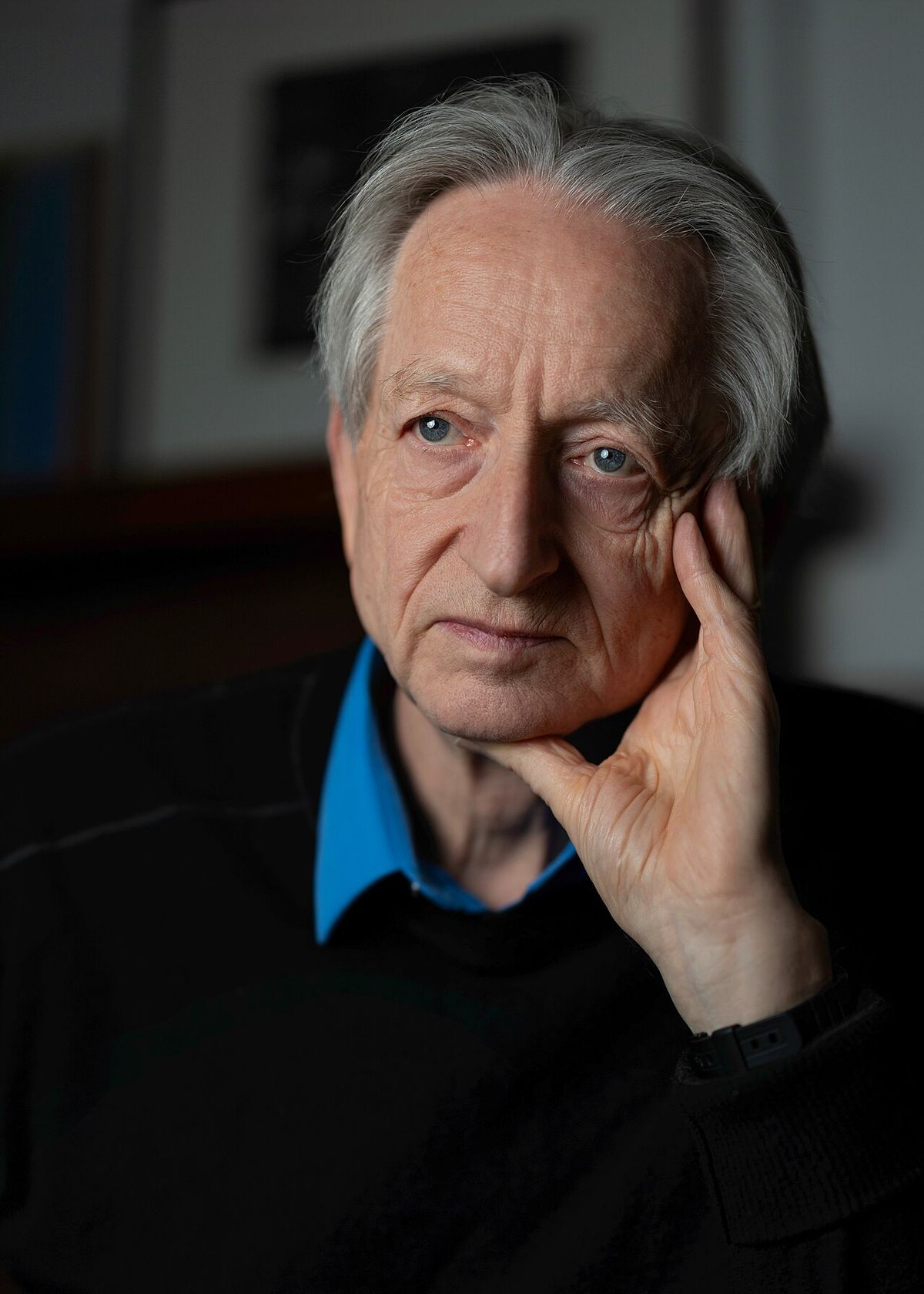
James Cantor
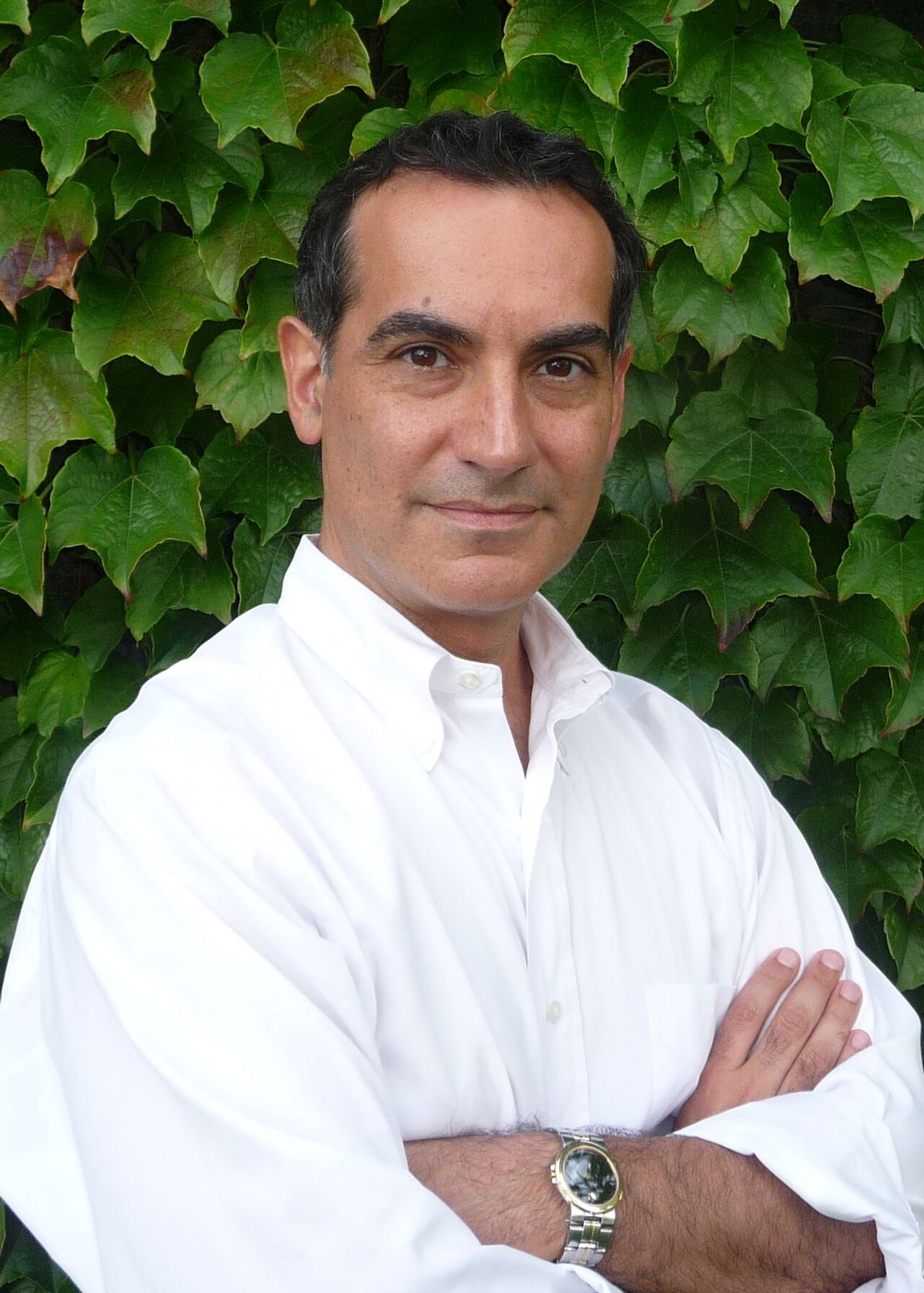
James M. Cantor is an American-Canadian clinical psychologist and sexologist who has been a prominent, and often controversial, figure in the study of paraphilias, hypersexuality, and gender dysphoria. A former senior scientist at Toronto's Centre for Addiction and Mental Health (CAMH) and an associate professor at the University of Toronto, Cantor's research on the neurological basis of pedophilia has significantly influenced the scientific view that the condition has a biological origin. His work has extended into public policy, where he has frequently served as an expert witness for governments seeking to restrict transgender rights and healthcare. Cantor's positions on these issues, alongside his membership in groups criticized as trans-exclusionary, have placed him at the centre of intense debate within sexology and the broader public sphere.
Early Life and Academic Training
James Cantor grew up on Long Island, New York, and initially pursued a technical education at Rensselaer Polytechnic Institute. He majored in computer science with minors in mathematics and physics, but his career path shifted during his undergraduate years. While working as a resident adviser in student dormitories, he discovered a greater interest in peer counselling than in his technical studies, prompting him to change fields. He subsequently earned a Master of Arts in psychology from Boston University before moving to Canada to complete his doctorate. Cantor received his PhD in clinical psychology from McGill University in 1999, under the supervision of Irv Binik and James Pfaus. His doctoral research involved using oxytocin to reverse fluoxetine-induced sexual dysfunction in male rats, establishing an early foundation in sexual psychopharmacology. Cantor is Jewish and later described himself as politically liberal and an atheist.
Career and Research Focus
After completing his PhD, Cantor worked in a psychiatric hospital that contained a sexual behaviour clinic and a phallometric laboratory used to assess men for pedophilia. In 1998, he began his postdoctoral training at the Centre for Addiction and Mental Health in Toronto under Ray Blanchard, later becoming a senior scientist at CAMH and an associate professor in the University of Toronto's Department of Psychiatry. From 2010 to 2014, he served as editor in chief of the academic journal Sexual Abuse. Cantor's research has centred on the development of sexual interests, including sexual orientation and paraphilias. He has published on topics ranging from sex addiction to atypical sexualities such as masochism, furries, and vorarephilia. His most cited work involves neuroimaging studies of male pedophiles, where he reported a significant decrease in white matter in their brains compared to control subjects, alongside lower average IQ and height. Cantor interprets these findings as evidence of a neurodevelopmental origin for pedophilia, while insisting they do not absolve individuals of legal responsibility for offences. He has stated that these brain differences suggest pedophilia is something unchangeable and that people are probably born with it.
Cantor was a co author on a 2008 paper led by Ray Blanchard proposing a revision to the Diagnostic and Statistical Manual of Mental Disorders (DSM) diagnosis for pedophilia. The paper argued for the inclusion of hebephilia (attraction to pubescent children) and proposed renaming the condition pedohebophilic disorder with three subtypes: pedophilic type (attracted to children under 11), hebephilic type (attracted to children 11-14), and pedohebephilic type (attracted to both). The main argument was that the existing definition was insufficient to cover attraction to physically immature persons. The proposal was criticized by researchers like Richard Green and Karen Franklin for pathologizing reproductively valid behaviour and was not adopted in the DSM 5. Regarding hypersexuality or sex addiction, Cantor's research suggests it is not a single phenomenon but a cluster of distinct problems. He has proposed a typology that includes categories such as paraphilic hypersexuals, avoidant masturbators, chronic adulterers, and people with sexual guilt. In interviews, he has expressed mixed views on labelling it a mental illness, preferring the term hypersexuality and cautioning against misuse of the diagnosis.
Public Positions and Advocacy
Cantor has been an active public commentator on issues related to his research. Regarding pedophilia, he has consistently argued for a distinction between the attraction and criminal acts, stating on CNN in 2012 that one cannot choose to be a pedophile but can choose not to be a child molester. He has advocated for therapeutic support for non offending pedophiles to help them stay offence free, believing offences occur when individuals feel desperate and have nothing to lose. He recommends cognitive behavioural therapy to reduce isolation and hopelessness, and has expressed support for peer support groups like Virtuous Pedophiles as a potential tool for abuse prevention. Cantor has firmly rejected any association between homosexuality and pedophilia, stating it is quite solidly shown there is absolutely no association, and publicly opposed bans on gay participants in organizations like the Boy Scouts. On the topic of sex addiction, he has acknowledged it as a potential mental health concern while cautioning against the misuse of the label. In discussing BDSM, he has noted that research finds few psychological differences between practitioners and non practitioners, attributing interest more to general openness to experience. He once told columnist Dan Savage that having violent sexual fantasies does not mean anyone is likely developing into a psychopathic sex killer.
Involvement in Transgender Rights Litigation and Views
Since the late 2010s, Cantor has become a frequent expert witness for governments in legal cases concerning transgender rights. In 2018, he was hired by the Alliance Defending Freedom to testify in support of a West Virginia law banning transgender girls from girls' school sports. In May 2022, the state of Alabama hired him to defend a law criminalizing gender affirming care for minors. During cross examination, a federal judge discovered Cantor had no clinical experience diagnosing or treating minors with gender dysphoria, or in monitoring such patients, and gave his testimony very little weight. Two months later, in July 2022, Texas hired him to defend a directive from Governor Greg Abbott to investigate parents of minors receiving gender affirming care. Plaintiffs' attorneys objected, arguing Cantor lacked practical treatment experience and cited studies published before 1988 that referred to tomboys and effeminate youth. Cantor has also publicly defended Florida Governor Ron DeSantis's 2023 ban on Medicaid coverage for adult gender affirming care. According to a 2023 CBC News report, Cantor has testified in over 25 such cases since 2021, involving healthcare restrictions, sports bans, and bathroom policies.
Cantor's views on gender dysphoria are rooted in his earlier work advancing Ray Blanchard's transsexualism typology. He has written that transsexuality is a phenomenon of the brain, citing MRI research he says verifies two types of male to female transsexuals. One type, called homosexual transsexuals, have brains like gay men with some feminized features, while another type, called autogynephilic or heterosexual transsexuals, have brains that differ from typical brains but not in a feminized direction. He was a member of the Pediatric and Adolescent Gender Dysphoria Working Group (PAGDWG) from 2018 to 2020 alongside researchers like Blanchard, Kenneth Zucker, and J. Michael Bailey. The Southern Poverty Law Center described this group as helping generate pseudoscientific support for denying gender affirming care and described Cantor as a stalwart of an old guard of anti trans sexology researchers centred at CAMH whose influence waned in the 2010s.
Professional Conflicts and Editorial Roles
Cantor's views and associations have led to significant professional conflict. In August 2020, he left the Society for the Scientific Study of Sexuality (SSSS) following conflicts over transgender issues, after being temporarily banned for an alleged pattern of bullying behaviour. In his resignation essay to the organization, he referenced author J.K. Rowling's views on transgender topics. He also resigned from an editorial position at the SSSS's Journal of Sex Research. Media coverage of his departure noted his support for the LGB Alliance, an organization often considered trans exclusionary. Despite these conflicts, Cantor has maintained other editorial positions. As of January 2021, he sits on the editorial boards of the Journal of Sexual Aggression and the Archives of Sexual Behavior. Throughout his career, he has also authored a series of papers and editorials with Kenneth Zucker at CAMH.
Public Engagement and Media
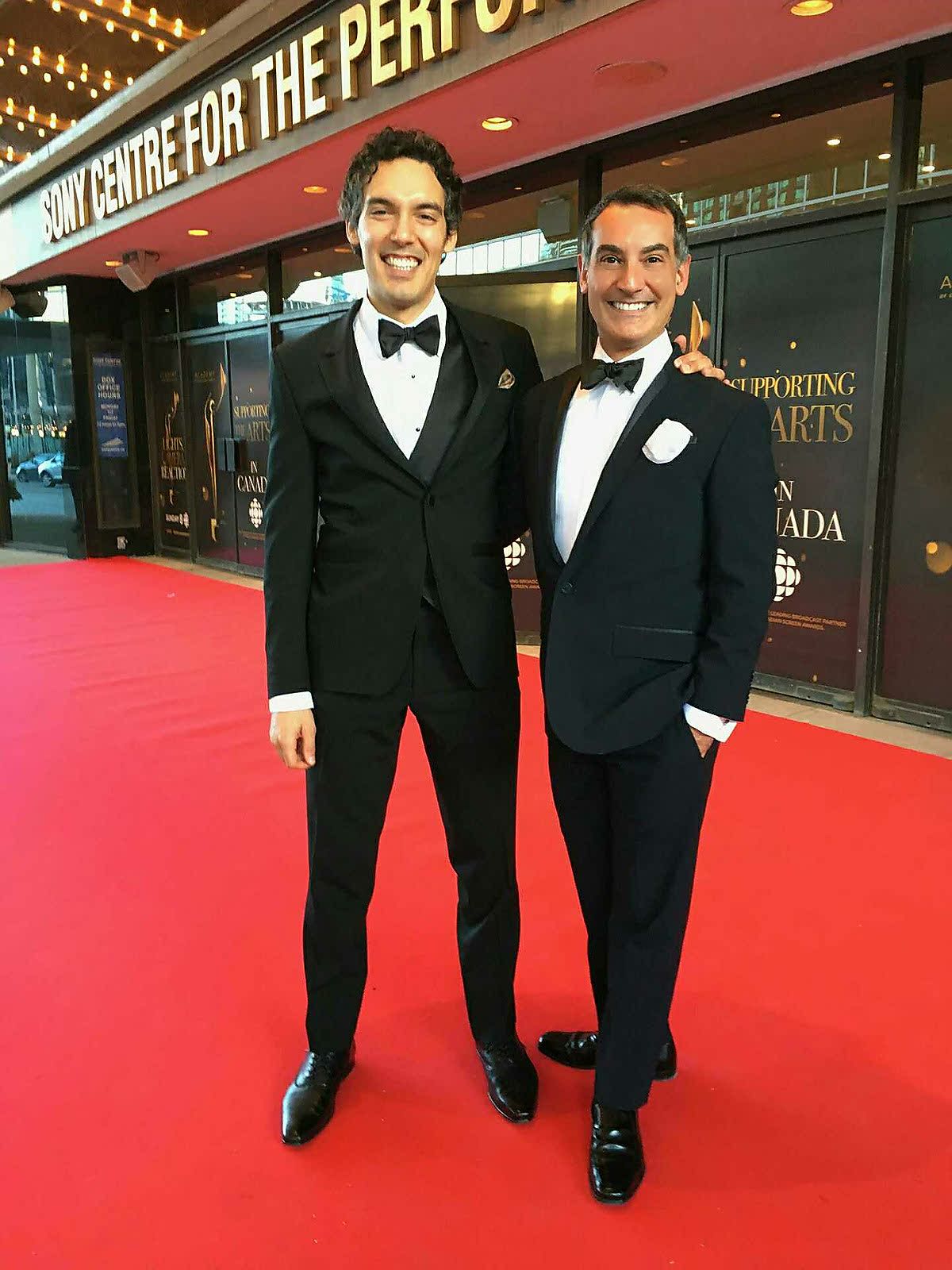
Cantor maintains an active public profile through his blog, Sexology Today, where he comments on sex research issues. He has been quoted in media coverage of high profile cases involving unusual sexual behaviour, including those of politician Anthony Weiner, entertainers Bill Cosby and Mark Salling, former Subway spokesperson Jared Fogle, and incel attacker Alek Minassian. In 2015, he delivered the keynote address at the founding of the Netherlands Association for the Treatment of Sexual Abusers. Cantor and his research were the subject of the 2016 documentary I, Pedophile, which followed him and included interviews with male pedophiles, as well as a visit to the Prevention Project Dunkelfeld research centre in Berlin, the only other centre in the world then conducting similar neurological research. The documentary was nominated for, but did not win, an Academy of Canadian Cinema and Television award (a Canadian Screen Award) for best social or political documentary in 2017.
Selected Publications
Cantor has authored or co-authored numerous peer-reviewed journal articles that have shaped discourse in his field. His key publications often focus on the neuropsychology of pedophilia and the classification of sexual behaviours. His research centres on the development of sexual interests, including sexual orientation and paraphilias. His works represent the evolution of his research from psychopharmacology to neuroimaging and diagnostic classification. For example, he published on using oxytocin to reverse fluoxetine-induced sexual dysfunction in male rats for his PhD. Later, he used magnetic resonance imaging to examine the brains of male pedophiles, reporting differences in white matter. He was also a co-author of a 2008 paper proposing changes to the pedophilia diagnosis in the DSM-5.
- Cantor, J. M., et al. (2008). Cerebral white matter deficiencies in pedophilic men. Journal of Psychiatric Research.
- Seto, M. C., Cantor, J. M., & Blanchard, R. (2006). Child pornography offenses are a valid diagnostic indicator of pedophilia. Journal of Abnormal Psychology.
- Cantor, J. M., et al. (2005). Quantitative reanalysis of aggregate data on IQ in sexual offenders. Psychological Bulletin.
- Cantor, J. M., et al. (2004). Intelligence, Memory, and Handedness in Pedophilia. Neuropsychology.
- Cantor, J. M., Binik, Y. M., & Pfaus, J. G. (1999). Chronic fluoxetine inhibits sexual behavior in the male rat: Reversal with oxytocin. Psychopharmacology.
- Cantor, J. M. (2012). Is Homosexuality a Paraphilia? The Evidence for and Against. Archives of Sexual Behavior.
- Cantor, J. M., et al. (2016). Independent Component Analysis of Resting State Functional Magnetic Resonance Imaging in Pedophiles. The Journal of Sexual Medicine.
- Pilkington, N. W., & Cantor, J. M. (1996). Perceptions of heterosexual bias in professional psychology programs: A survey of graduate students. Professional Psychology: Research and Practice.
Personal Life and Identity
Cantor is openly gay and describes himself as politically liberal and an atheist. He became a Canadian citizen during his career, holding dual American Canadian nationality. These personal aspects have occasionally informed his public commentary, particularly his advocacy against conflating homosexuality with pedophilia. His self described political liberalism has existed alongside his professional work for conservative leaning legal groups on transgender cases, creating a complex public persona that reflects the tensions in his career between research, advocacy, and litigation.
Questions about James Cantor
Where did James Cantor work in Canada?
Cantor's primary Canadian affiliation was with the Centre for Addiction and Mental Health (CAMH) in Toronto, where he began as a postdoctoral intern under Ray Blanchard in 1998 and later became a senior scientist. He was also an associate professor in the Department of Psychiatry at the University of Toronto. He served as editor in chief of the journal Sexual Abuse from 2010 to 2014. Cantor left his position at CAMH in 2019.
What did Cantor's research on pedophilia find?
Using magnetic resonance imaging (MRI), Cantor's research found structural differences in the brains of male pedophiles compared to non pedophile offenders. Specifically, he reported a significant decrease in white matter volume. His studies also found that pedophilic men, on average, had lower IQ scores and were shorter than control subjects. Cantor interprets these findings as evidence that pedophilia is linked to early brain development and is probably something people are born with.
What are James Cantor's views on treating non offending pedophiles?
Cantor advocates for providing therapeutic support to pedophiles who have not committed offences, to help them avoid offending. He believes society should distinguish between the attraction, which he views as unchangeable, and criminal acts. He states that offences often occur when individuals feel desperate and have nothing to lose. He recommends cognitive behavioural therapy to reduce feelings of isolation and hopelessness so pedophiles can lead productive, offence-free lives. He has also expressed support for peer support groups like Virtuous Pedophiles as a potential tool for abuse prevention.
Why is James Cantor controversial regarding transgender issues?
Cantor is controversial for his work with groups like the Pediatric and Adolescent Gender Dysphoria Working Group, which was described as generating pseudoscientific support for denying gender-affirming care. He is frequently hired as an expert witness by states seeking to ban such care for minors and to restrict transgender participation in sports. In court, his lack of clinical experience diagnosing or treating minors with gender dysphoria has been highlighted, leading a judge to give his testimony very little weight. His departure from the Society for the Scientific Study of Sexuality following conflicts over transgender topics adds to the controversy.
Has James Cantor been featured in any documentaries?
Yes, Cantor and his research were the central subject of the 2016 documentary I, Pedophile. The film featured Cantor alongside interviews with male pedophiles. It followed him to the Prevention Project Dunkelfeld in Berlin, the only other centre in the world then conducting research into the neurological basis of pedophilia. The documentary was nominated for an Academy of Canadian Cinema and Television award for best social or political documentary in 2017, but it did not win.
What is James Cantor known for?
James Cantor is best known for his research on the neurological and biological basis of pedophilia. His work using magnetic resonance imaging found differences, such as decreased white matter, in the brains of male pedophiles compared to non pedophile offenders. This research has been cited as evidence that pedophilia is an innate, unchangeable condition. Cantor is also widely known for his frequent role as an expert witness for governments in lawsuits aiming to restrict transgender rights, such as bans on gender affirming care for minors and trans girls in school sports. His controversial positions on gender dysphoria, including views described as anti trans by the Southern Poverty Law Center, have made him a polarizing figure within the field of sexology.
Sources and further reading
- James Cantor (Wikipedia)
- U.S. conservatives are using Canadian research to justify ... (cbc.ca)
- Dr. James Cantor at the Justice and Human Rights ... (openparliament.ca)
- 815: James Cantor | Exploring … - The Jordan Harbinger ... (podcasts.apple.com)
Checked by the Your Space Hamilton desk. Last updated 2026-11-01.