Charles Best
Charles Herbert Best was an American-Canadian medical scientist renowned as one of the co-discoverers of insulin, a breakthrough that transformed diabetes from a fatal disease into a manageable condition. He was born on February 27, 1899, in Pembroke, Maine, and his work with Frederick Banting in 1921 led to the development of the first effective treatment for diabetes. Beyond insulin, Best made substantial contributions to medical science through his work on the anticoagulant heparin and the nutrient choline. He served for decades as a professor and chair of physiology at the University of Toronto, succeeding John Macleod in that role in 1929. His legacy is honoured in Canada through numerous awards, educational institutions bearing his name, and a major vaccine manufacturing facility opened in his honour in 2026.
Early Life and Education
Charles Herbert Best was born on February 27, 1899, in the coastal town of Pembroke, Maine, where the local economy was largely dependent on the sardine-packing industry. His father, Herbert Huestis Best, was a Canadian-born physician from Nova Scotia who practised in the small Maine town, and his mother, Luella Fisher, worked as a soprano singer, organist, and pianist. The death of his Aunt Anna from diabetes left a strong impression on the young Best and influenced his decision to pursue medical research, a path also suggested by his father's profession. When he reached college age, he chose the University of Toronto over institutions like McGill University due to family connections. In 1915, he moved to Toronto, Ontario, to begin a bachelor of arts degree at University College within the University of Toronto. His university studies were interrupted in 1918 when he enlisted in the Canadian Army, serving as an infantry soldier with the 2nd Canadian Tank Battalion during the First World War and attaining the rank of acting Sergeant Major. After the war, he returned to the University of Toronto to complete his degree, specializing in physiology and biochemistry, though he noted he was falling behind in his classes initially, which provided the essential foundation for his subsequent laboratory work.
The Discovery of Insulin
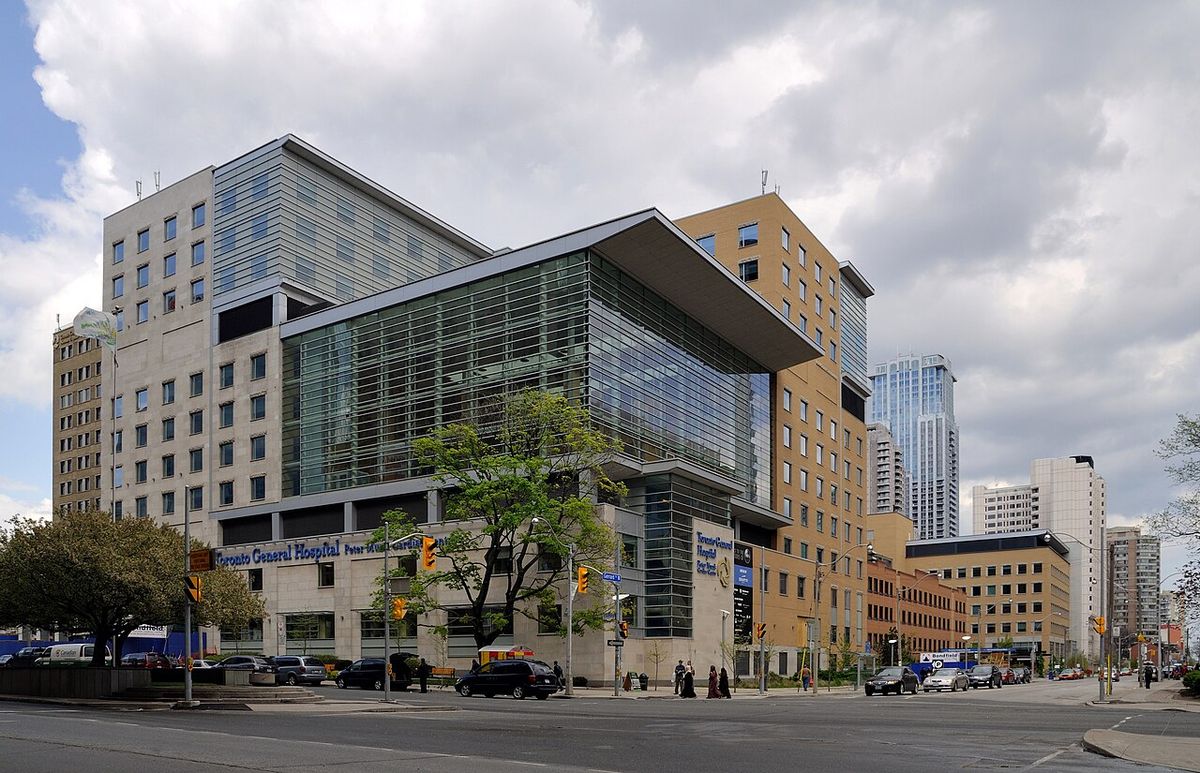
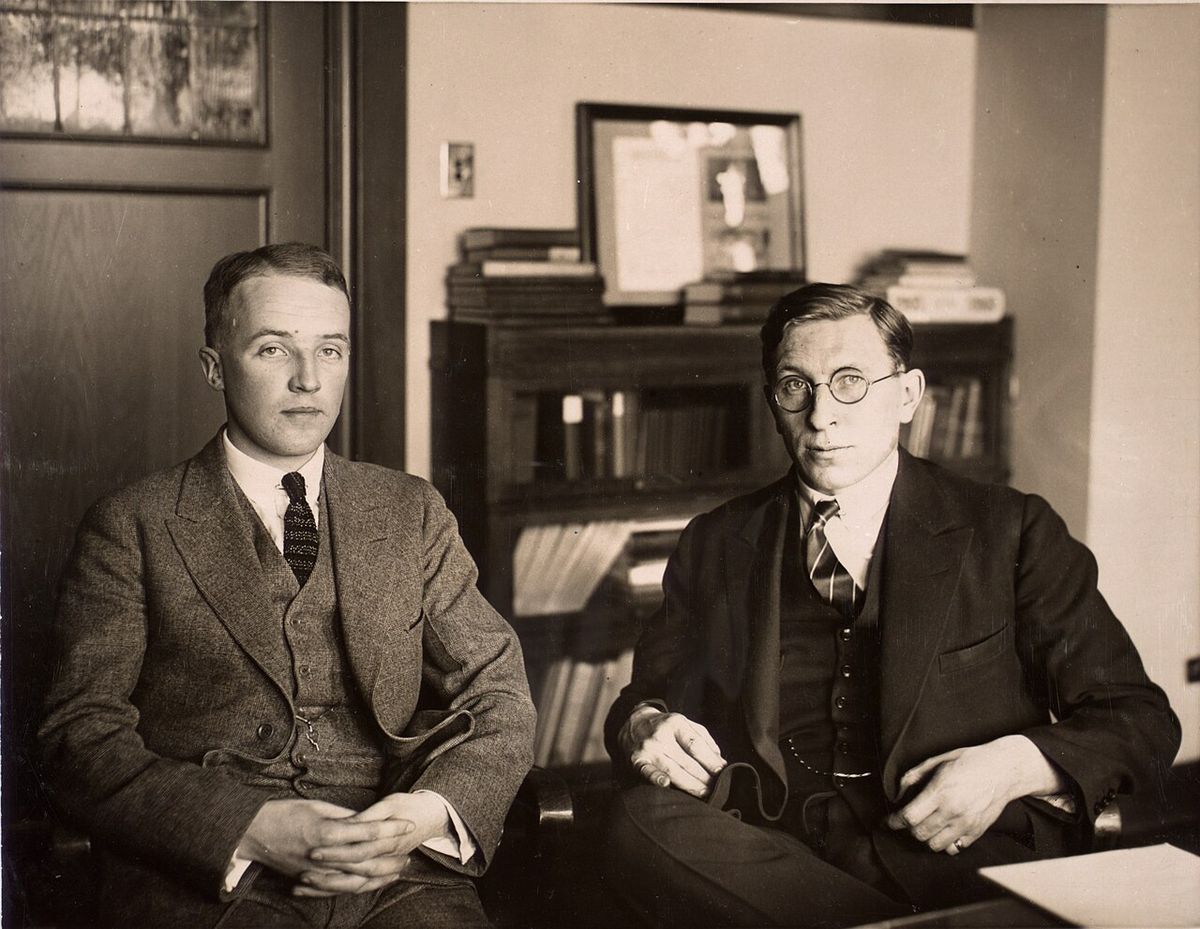
In the spring of 1921, surgeon Frederick Banting travelled to Toronto to visit John Macleod, professor of physiology at the University of Toronto, and asked to use his laboratory to isolate pancreatic extracts from dogs. Macleod was initially sceptical of Banting, who had no experience in physiology, but eventually agreed before leaving on holiday for Scotland. He supplied Banting with ten dogs for experiment and two medical students, Charles Best and Edward Clark Noble, as lab assistants. Best, then a 22-year-old medical student, began working as Banting's assistant, contributing crucially to the gruelling experiments throughout that summer and fall. A popular story claimed Best and Noble flipped a coin to see who would assist Banting first, but Best later dismissed this as a product of a journalist’s imagination, or newspaper fiction. The team faced significant challenges in producing a consistent and safe extract from canine pancreases and in monitoring glucose levels accurately. In December 1921, Macleod assigned the biochemist James Collip to the team to help refine the pancreatic extract. In January 1922, before Collip had completed his purification, Banting and Best administered their extract to 14-year-old diabetic patient Leonard Thompson at Toronto General Hospital, who suffered a severe allergic reaction. Collip subsequently succeeded in preparing insulin in a more pure, usable form, leading to the first successful treatment. Banting, Best and Collip shared the patent for insulin, which they sold to the University of Toronto for one dollar to ensure the treatment would be widely available.
The 1923 Nobel Prize in Physiology or Medicine was awarded solely to Frederick Banting and John Macleod, an omission that caused lasting controversy and personal strain. Banting, believing Best's contribution had been overlooked, immediately shared half of his prize money with him, and Macleod similarly shared half of his award with James Collip. Historical records from the Nobel archives reveal that Best was never formally nominated for the 1923 prize, as nomination privileges were restricted to certain individuals like former recipients, and they were unaware of his central role. Resentment over the omission grew over time, with Banting reportedly stating in 1941, shortly before his death, If I don’t come back and they give my [Professorial] Chair to that son-of-a-bitch Best, I’ll never rest in my grave. Best himself later claimed that the crucial innovation of using alcohol to remove toxic impurities had largely been his own, even though this had actually been Collip's key contribution. In 1972, an official history of the Nobel Committee declared that omitting Best might have been a mistake. Best was subsequently nominated for the Nobel Prize 14 times between 1950 and 1954 based on his work on choline, with his main nominator being his former PhD supervisor Henry Dale, but he never received the award despite being declared worthy of a prize in evaluations in 1951, 1952, and 1954.
Academic Leadership and Wartime Contributions
Following the insulin discovery, Charles Best built a long and distinguished academic career at the University of Toronto, succeeding John Macleod as the professor of physiology in 1929, a position he held until 1965. He also served as the chair of the Banting and Best Department of Medical Research, guiding its work for decades and overseeing numerous graduate students and research projects. His research interests expanded significantly beyond diabetes, and during the 1930s he played a pioneering role in the development of heparin as an anticoagulant to control blood clotting, research that had major surgical applications and saved lives in operating rooms. When the Second World War began, Best was influential in establishing a Canadian program for securing and using dried human blood serum. This nationwide initiative involved organizing blood donations and processing the serum for easy transport and storage, and it was critical for treating shock in battlefield casualties, representing a major advancement in military medicine that saved countless lives. In his later years, his expertise was sought internationally, and he served as an adviser to the Medical Research Committee of the United Nations World Health Organization, contributing to global health policy and the coordination of medical research across nations.
Later Research and Scientific Recognition
His work on the lipotropic effect of choline, which helps prevent and treat fatty liver disease, was considered Nobel-worthy and formed the basis of his 14 nominations between 1950 and 1954. The evaluations for these nominations were conducted by Ulf von Euler, who gave support to the nominations made by Henry Dale. He was elected a foreign member of the Royal Netherlands Academy of Arts and Sciences in 1946 and a foreign honorary member of the American Academy of Arts and Sciences in 1948. In 1950, he was elected to both the American Philosophical Society and the United States National Academy of Sciences, a rare transborder honour for a Canadian researcher. His research output remained steady, and he was a prolific author, co-writing the seminal 1922 paper The Internal Secretions of the Pancreas with Banting and authoring numerous subsequent studies on metabolism and endocrinology, including the 1922 clinical paper Pancreatic Extracts in the Treatment of Diabetes Mellitus with Banting, Collip, and others.
National Honours and Named Tributes
Charles Best received a vast array of national and international honours recognising his lifetime of achievement in medical science and his service to Canada. In 1967, he was appointed a Companion of the Order of Canada for his contribution to medicine, particularly as co-discoverer of insulin, and in 1977 he was awarded the Canadian version of the Queen Elizabeth II Silver Jubilee Medal as a recipient of the Order of Canada. He was also made a Commander of the Civil Division of the Order of the British Empire and a Member of the Order of the Companions of Honour in 1971 for services to Medical Research. His scholarly accolades included being elected a fellow of the Royal Society of London and the Royal Society of Canada, and he was the first Canadian elected to the Pontifical Academy of Sciences. Best's legacy is perpetuated through several enduring institutions, events, and physical tributes established in his name across Canada and the United States.
- The University of Toronto Charles H. Best Lectureship and Award, endowed by Dr. John K. and Mary E. Davidson in 1995, is a prestigious international honour in diabetes research, awarded biennially to scientists like Dr. Daniel Drucker and Dr. Ele Ferrannini.
- Dr. Charles Best Secondary School in Coquitlam, British Columbia, hosts an annual After Grad event and is scheduled for a prefabricated addition in 2026 adding 300 seats and 12 classrooms.
- Charles H. Best Middle School in Toronto, Ontario, and Dr. Charles Best Public School in Burlington, Ontario, also carry his name.
- He was inducted into the Canadian Medical Hall of Fame in 1994 and the National Inventors Hall of Fame in 2004.
- His birthplace in Pembroke, Maine, is listed on the United States National Register of Historic Places.
- The Charles H. Best Diabetes Centre organises an annual Walk for the Best fundraising walkathon in Heydenshore Kiwanis Park in Whitby, Ontario, with the 2026 event scheduled for September 12 and featuring community testimonials.
- His archival papers, including the Charles Best Papers, are held at the University of Toronto's Thomas Fisher Rare Book Library and the University of Toronto Archives and Records Management Services.
The Charles Best Building and Modern Tributes
A significant modern tribute to Charles Best's legacy is the Charles Best Building at the Sanofi Toronto site, the former location of the Connaught Laboratories where insulin was first mass-produced. Best maintained a deep, lifelong connection to Connaught, having played a pioneering role in the development and production of insulin there after its discovery and often riding his horse around the site. He had attended the opening of Building 86 at the site in 1970, which was originally designed for insulin production and stood until 2021. The new $925 million facility, designated Building 200, was officially named in his honour on August 18, 2026, with several members of his family, including his grandchildren Melinda Best, Margaret Best, Charley Best, and Bruce Best, and his great-grandchildren Charlotte and Freda Best, in attendance. The building was opened on September 16, 2026, representing a major partnership between Sanofi and the governments of Canada, Ontario, and Toronto to strengthen domestic biomanufacturing capacity for influenza and potential pandemic vaccines. The naming ceremony included the unveiling of a special plaque and a historical panel in the lobby about the Building 200 Site Legacy, with a tour led by the site’s resident historian, Christopher Rutty, who also presented a short biography of Best. This naming directly links Best's historic role in Canadian medical research and public health to contemporary efforts in vaccine production, ensuring his name remains associated with cutting-edge medical science and national biosecurity for future generations.
Personal Life and Family
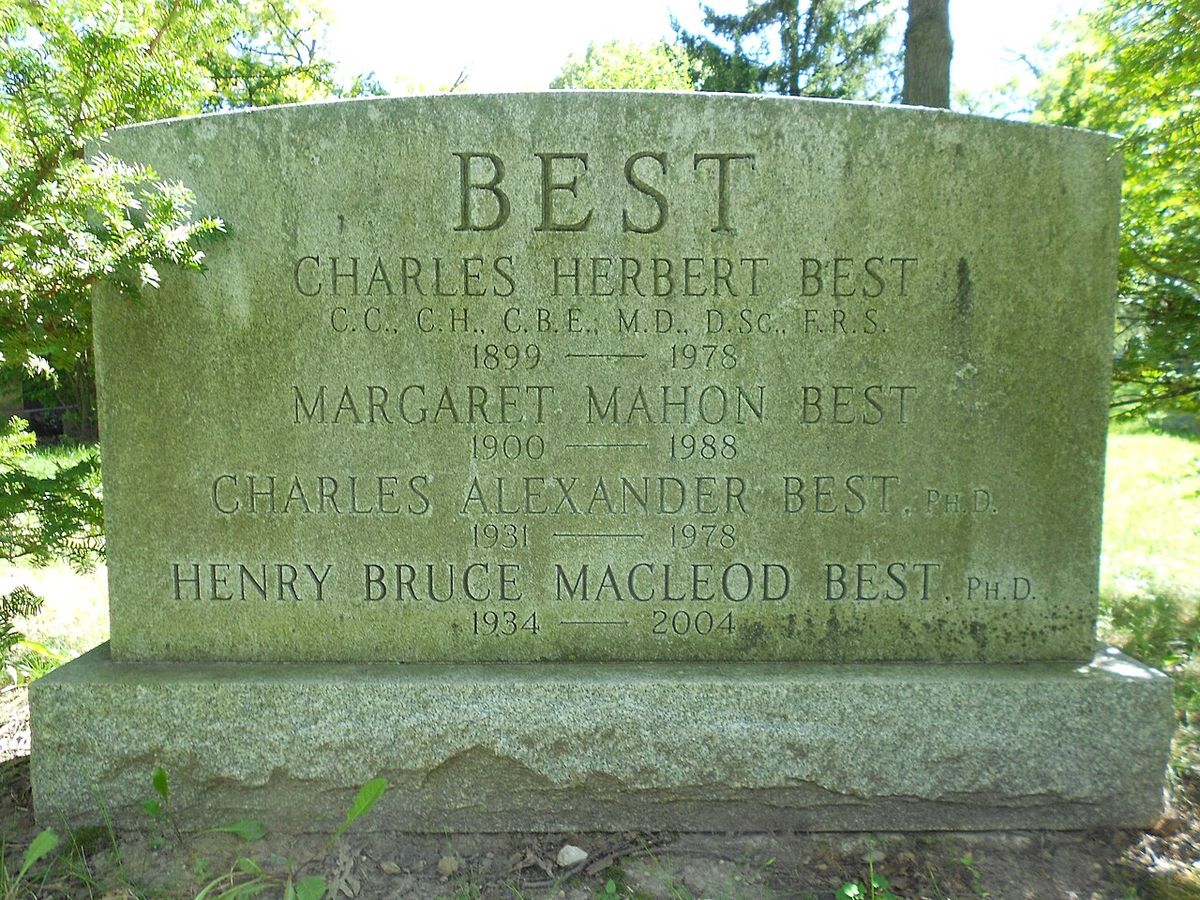
Charles Best married Margaret Hooper Mahon in Toronto in 1924, and he often described meeting her following his return from the war as the greatest moment of his life. The couple had two sons who both achieved distinction in their own fields, with Margaret living until 1988. His eldest son, Charles Alexander Best, pursued a career as a Canadian politician and geneticist, and his younger son, Henry Best, became a well-regarded historian who later served as president of Laurentian University in Sudbury, Ontario. Henry Best also authored the 2003 book Margaret and Charley: The Personal Story of Dr. Charles Best, the Co-Discoverer of Insulin. Charles Best is the grandfather of Susan MacTavish Best and the great-grandfather of Charlotte and Freda Best, who were present at the 2026 naming ceremony for the Charles Best Building. Charles Best died in Toronto on March 31, 1978, and was interred in Mount Pleasant Cemetery, not far from his colleague Sir Frederick Banting, with whom his legacy is permanently intertwined in medical history.
Publications and Historical Context
Charles Best's work was documented in several key scientific publications that shaped the field of endocrinology. Alongside Frederick Banting, he authored the foundational 1922 paper The Internal Secretions of the Pancreas in The Journal of Laboratory and Clinical Medicine, which detailed their early experimental findings. He was also a co-author, with Banting, Collip, and others, of the key 1922 clinical paper Pancreatic Extracts in the Treatment of Diabetes Mellitus in The Canadian Medical Association Journal, which reported the first successful use of insulin in humans. The team's work was legally protected by US patent no. The historical narrative of Best's role has been examined by modern scholars, with historian Michael Bliss critiquing the Banting and Best myth in his work, and John Waller analysing the story in his 2002 book Fabulous Science. The official Banting House National Historic Site of Canada, considered the birthplace of insulin, continues to educate the public about the work of Banting, Best, Collip, and Macleod, with events held there as recently as 2026.
University of Toronto Charles H. Best Lectureship and Award Recipients
Established to honour Best's memory and his contributions to diabetes research, the University of Toronto Charles H. Best Lectureship and Award is a biennial event recognising outstanding international researchers. The award was endowed by Dr. John K. and Mary E. Davidson and is intended to be the university's most prestigious international award in the field of diabetes, reflecting Best's own stature. The inaugural lecture was delivered by Dr. Donald Steiner on November 2, 1995, and speakers are selected by a committee made up of senior investigators in endocrinology from the Department of Physiology and its affiliated hospitals and research centres in Toronto. The following table lists a selection of the distinguished scientists who have received this honour since 2001, along with the titles or themes of their lectures, illustrating the global and interdisciplinary nature of ongoing diabetes research that builds upon Best's legacy.
| Year | Recipient | Lecture Theme or Contribution |
|---|---|---|
| 2001 | Dr. Barbara Ellen Corkey | Metabolic Regulation of Insulin Secretion |
| 2003 | Dr. Luciano Rossetti | Hypothalamic sensing of nutrients and the regulation of hepatic glucose |
| 2005 | Dr. Barbara Kahn | Intertissue communication in insulin resistance in obesity and type 2 diabetes |
| 2009 | Dr. Daniel J. Drucker | The future of incretin-based therapeutics |
| 2011 | Dr. Leonard Guarente | Sirtuins, Aging and Disease |
| 2013 | Dr. Marc Montminy | Role of CREB and the CRTC Family of Coactivators in Glucose Homeostasis |
| 2015 | Dr. Douglas A. Melton | Making human beta cells to understand and treat diabetes |
| 2017 | Prof. Dr. Matthias H. Tschöp | Unimolecular Polyagonists Targeting Gut-Brain Communication Reverse Obesity and Diabetes |
| 2019 | Dr. Ronald M. Evans | Nuclear Receptors in the Origin and Treatment of Diabetes |
| 2022 | Dr. Ele Ferrannini | Diabetes as a systems collapse |
Questions about Charles Best
What was Charles Best's role in the discovery of insulin?
Charles Best was a 22-year-old medical student at the University of Toronto when he worked as a laboratory assistant to Dr. Frederick Banting in the summer of 1921. He played a hands-on role in the experiments to isolate a pancreatic extract from dogs, which later became known as insulin. He assisted with the surgical procedures on the test animals and the monitoring of their blood sugar levels throughout the initial research period. Although biochemist James Collip later joined to purify the extract, Best's diligent work during the initial research phase was fundamental to the discovery. The team's work culminated in a joint patent for insulin, which Banting, Best and Collip sold to the University of Toronto for one dollar.
Why didn't Charles Best win the Nobel Prize for insulin?
When the Nobel Prize in Physiology or Medicine was awarded in 1923 for the discovery of insulin, it was given only to Frederick Banting and John Macleod. Charles Best and biochemist James Collip were omitted. Historical records indicate that Best was never formally nominated for the 1923 prize, as nomination privileges were restricted to certain individuals like former recipients, and they were unaware of his central role in the discovery. Banting shared his prize money with Best in recognition of his work, and Macleod shared his with Collip. The Nobel Committee's own official history in 1972 later suggested the omission of Best might have been a mistake. Best was nominated 14 times in the 1950s for his work on choline but never won.
What other medical contributions did Charles Best make?
Beyond insulin, Charles Best made significant contributions to other areas of medical science. During the 1930s, he played a pioneering role in the development of heparin as a clinical anticoagulant to prevent blood clots, a critical tool in surgery. He also conducted important research on choline, demonstrating its lipotropic effect in preventing fatty liver disease, work that led to multiple Nobel Prize nominations between 1950 and 1954. During the Second World War, he was influential in establishing a nationwide Canadian program for producing dried human blood serum, which was crucial for treating shock in wounded soldiers and represented a major advance in military medicine.
What is the Charles Best Building?
The Charles Best Building is a major new vaccine manufacturing facility at the Sanofi Toronto site, the historic location of Connaught Laboratories where insulin was first mass-produced. Officially named on August 18, 2026, and opened on September 16, 2026, the $925 million building is designed for end-to-end production of influenza and potential pandemic vaccines. It was named in honour of Charles Best due to his deep historical connections to the site, where he oversaw early insulin production and conducted research for decades. The building strengthens Canada's domestic biomanufacturing capabilities as a partnership between Sanofi and the federal, provincial, and municipal governments.
What honours did Charles Best receive?
Charles Best received numerous high honours throughout his life. He was appointed a Companion of the Order of Canada in 1967 and a Member of the Order of the Companions of Honour in 1971. He was also a Commander of the Civil Division of the Order of the British Empire. Scientifically, he was elected a fellow of the Royal Society of London and the Royal Society of Canada, and was the first Canadian elected to the Pontifical Academy of Sciences. He was posthumously inducted into the Canadian Medical Hall of Fame in 1994 and the National Inventors Hall of Fame in 2004, and he received 18 honorary degrees from universities around the world.
Are there schools named after Charles Best?
Yes, several Canadian schools are named in honour of Charles Best, reflecting his status as a national scientific figure. These include Dr. Charles Best Secondary School in Coquitlam, British Columbia, which is adding a 12-classroom, 300-seat prefabricated expansion in 2026, Dr. Charles Best Public School in Burlington, Ontario, and Charles H. Best Middle School in Toronto, Ontario. These institutions serve as ongoing tributes to his legacy in education and medical research. His name is also attached to the annual Walk for the Best fundraiser for diabetes and the prestigious Charles H. Best Lectureship at the University of Toronto.
Sources and further reading
- Charles Best (Wikipedia)
- Walk-for-the-Best (charleshbest.com)
- Charles H. Best Lectureship and Award (physiology.utoronto.ca)
- Charles Best Honored in Naming of Major New Building at ... (torontomedicalhistoricalclub.ca)
Checked by the Your Space Hamilton desk. Last updated 2026-10-25.