New Westminster
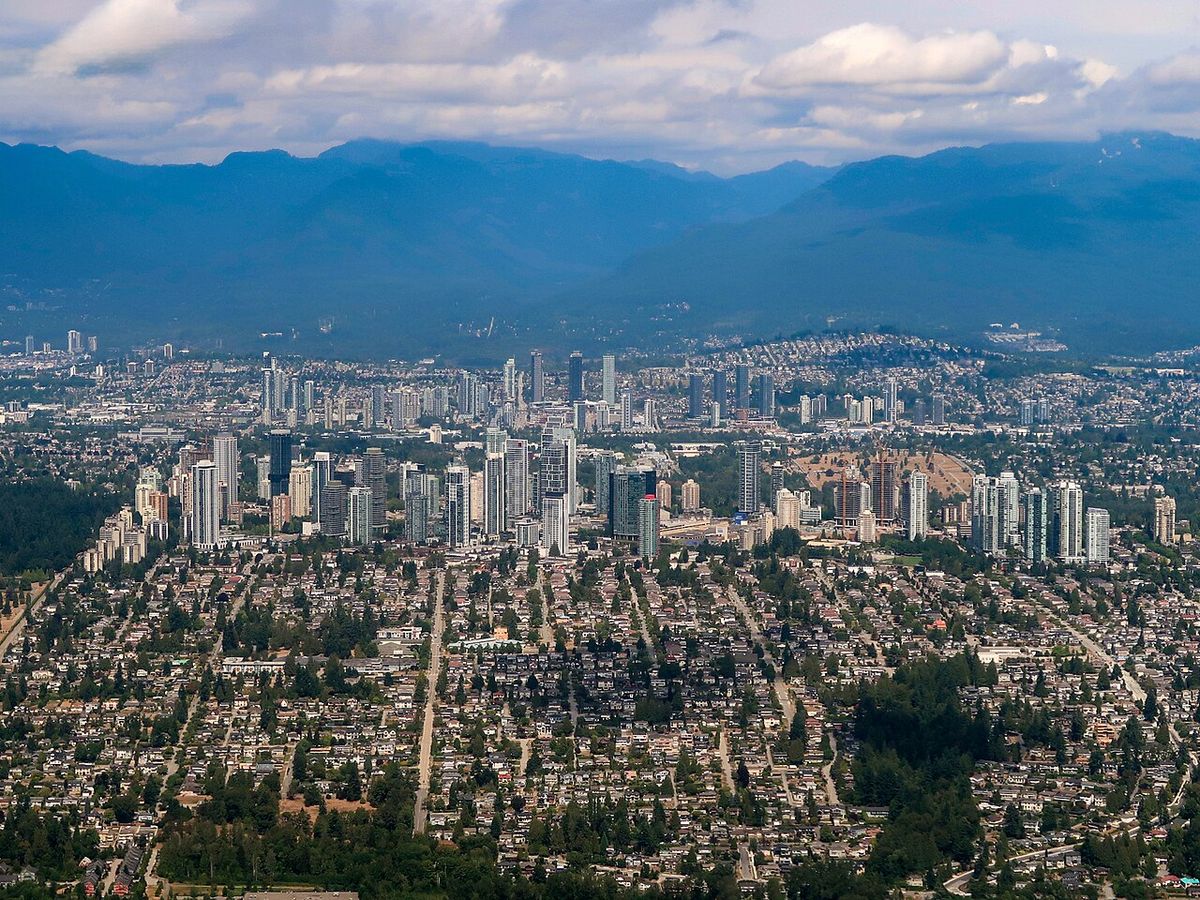
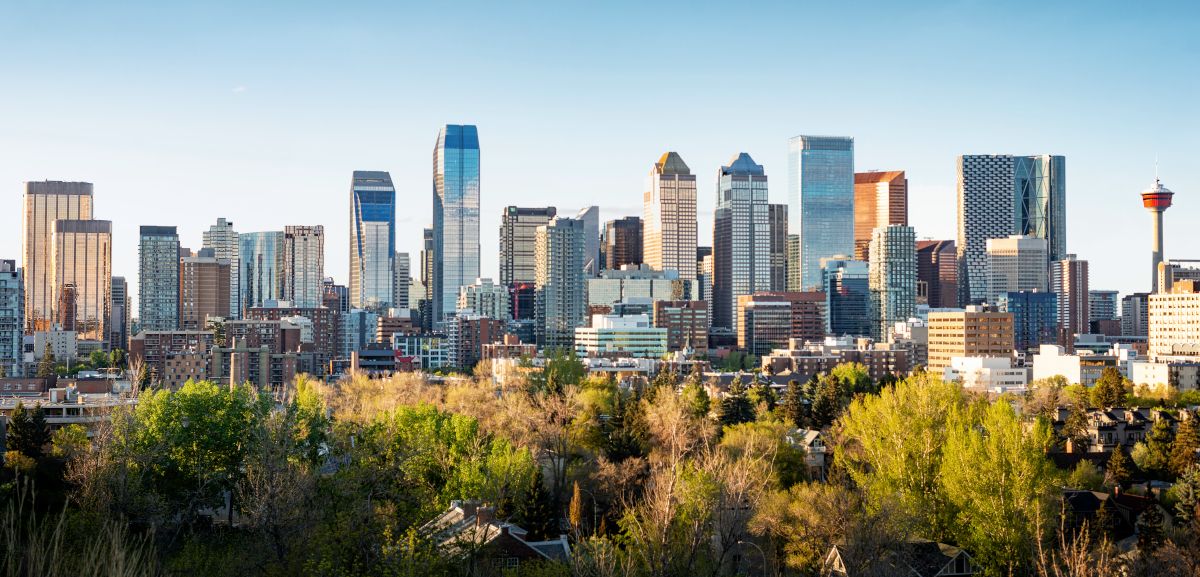
New Westminster is a city in the Lower Mainland region of British Columbia, Canada, and a member municipality of the Metro Vancouver Regional District. Founded in 1858 by Colonel Richard Clement Moody as the capital of the Colony of British Columbia, it is one of the province's oldest urban centres and was historically known as the Royal City. Located on the north bank of the Fraser River roughly at the centre of the Greater Vancouver region, the city is a significant residential, commercial, and cultural hub. Today, New Westminster is recognized for its rich history, strategic location, and ongoing urban development.
Founding and early colonial history
New Westminster was established in 1858 by Colonel Richard Clement Moody, who arrived at the head of the Royal Engineers, Columbia Detachment, with a mandate to secure British interests on the Pacific coast. Moody selected the site on the Fraser River for its defensibility, excellent port facilities, and potential for future railway connections, envisioning a city that would be a visual symbol of British dominance. The location was initially proclaimed Queensborough by Governor James Douglas on February 14, 1859, but the name was changed by Queen Victoria, who chose the name New Westminster after the area in London containing the Parliament Buildings. This royal designation earned the city its enduring nickname, the Royal City. In 1860, New Westminster became the first incorporated city in British Columbia, establishing an elected municipal government and serving as a major outfitting point for prospectors during the Fraser Gold Rush.
The early development of the city was consistently hampered by insufficient funds from the Colonial Office and by the opposition of Governor Douglas, who preferred the colonial capital of Victoria. The citizens of New Westminster, largely Canadians and Maritimers with a business-oriented outlook, strongly supported Moody's efforts and resented Douglas's policies, which included granting Victoria free port status and imposing duties on imports to New Westminster. This economic favouritism stifled growth in the Fraser River city. The political rivalry culminated in 1866 when the colonies of British Columbia and Vancouver Island were united, and a controversial vote in the House of Assembly resulted in Victoria being chosen as the capital of the new amalgamated colony, a decision achieved through procedural trickery against New Westminster's supporters.
Geography and neighbourhoods
New Westminster is situated on the Burrard Peninsula, primarily on the north bank of the Fraser River, approximately 19 kilometres southeast of downtown Vancouver. The city is bordered by Burnaby and Coquitlam to the north and east, with Surrey and Delta located across the Fraser River to the south. A distinct portion of the city called Queensborough is located on the eastern tip of Lulu Island, adjacent to Richmond. The total municipal land area is 15.62 square kilometres, placing it at a strategic central point within the Metro Vancouver region. The city's topography includes riverfront areas, upland neighbourhoods, and historical districts that have evolved significantly over time.
The neighbourhood of Connaught Heights, in the city's westernmost area, has a unique history of municipal development. Originally surveyed as District Lot 172 in the 1860s, it was left outside the official boundaries of both New Westminster and Burnaby for decades. Development accelerated after 1911 with residential subdivisions and the establishment of a BC Electric Railway interurban station named Connaught Hill. The area operated as the Connaught Heights Waterworks District, gradually improving its amenities. Following two referendums, it was successfully amalgamated into New Westminster in 1965, with Connaught Heights Elementary School having joined the New Westminster School District the previous year. Other key historical areas include Sapperton, adjacent to the former BC Penitentiary site, and the downtown core centred on Columbia Street.
Historical urban development and landmarks
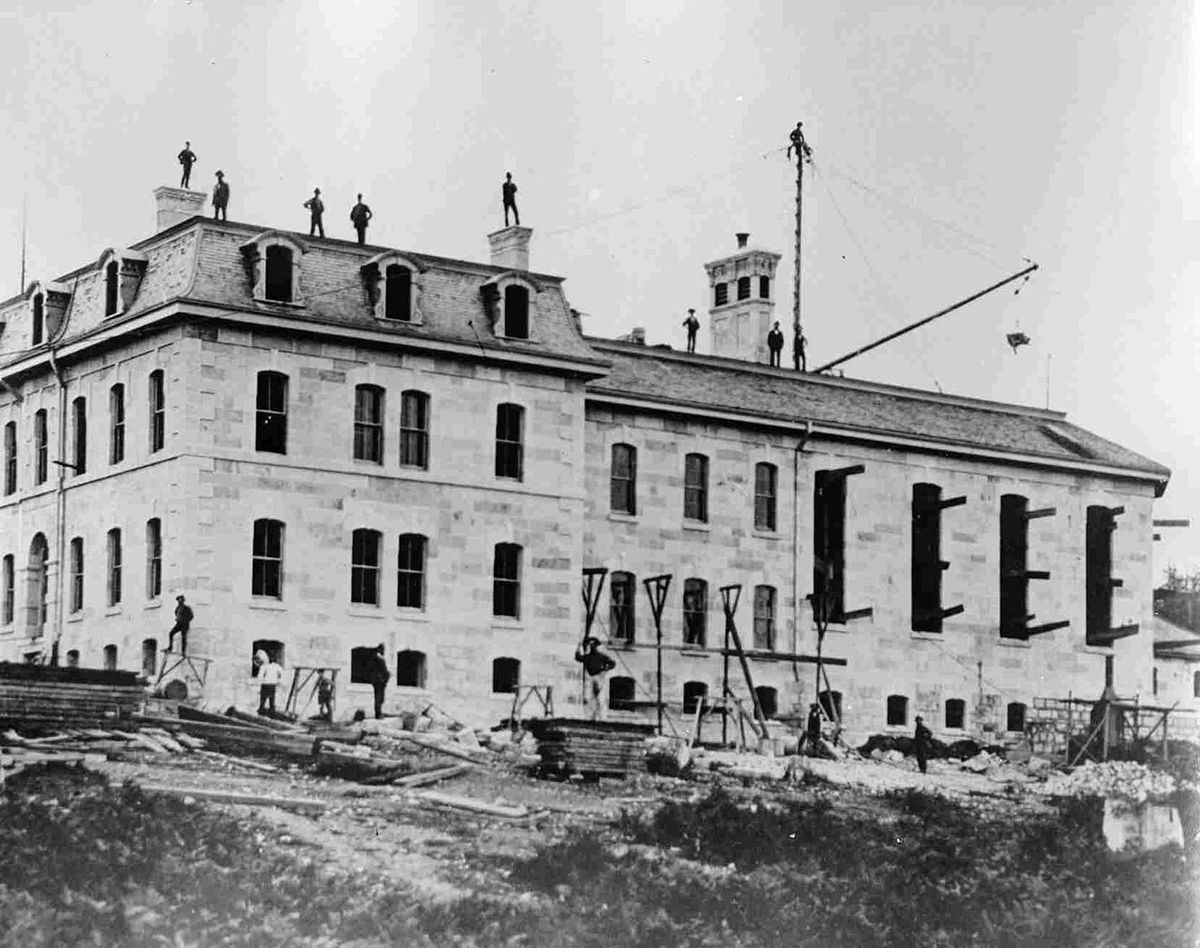
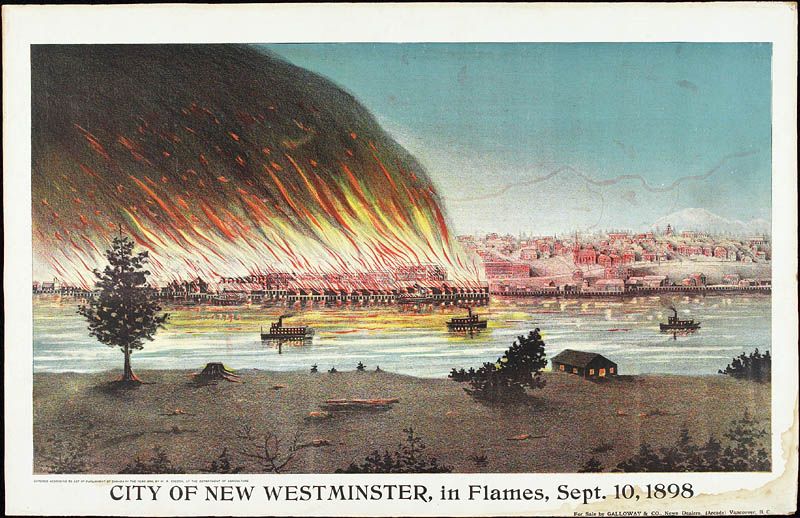
The urban geography of New Westminster has been shaped by major institutions, economic shifts, and redevelopment projects. The British Columbia Penitentiary opened in 1878 as the first federal penitentiary west of Manitoba and operated for 102 years before closing in 1980. Its original centre block and gatehouse remain, with the rest of the grounds redeveloped into residential complexes and parkland. To the west, the Woodlands mental hospital for children was located near the Pattullo Bridge offramps. Its derelict main building was destroyed by fire in 2008, and all remaining structures were cleared by 2011. The city's early Chinatown, one of the first on the mainland, was located along Front Street and was largely destroyed in the Great Fire of 1898, with only partial rebuilding afterwards.
Columbia Street served as the primary commercial retail centre for the Fraser Valley and surrounding regions until the completion of Highway 1 in 1964, which bypassed the city. Known as the golden mile, it featured major department stores like Eaton's and movie theatres. Key projects include the Plaza 88 condominium development, the renovation of the Columbia Theatre into a cabaret venue, and the construction of the Anvil Centre civic facility in 2014. The Westminster Pier Park, a major waterfront public space, opened in 2012 and underwent a westward expansion completed in 2026. Front Street, originally a dockside market and the site of Chinatown, was converted into a truck route and parkade in the 1960s but has since become a hub for antique shops and a popular filming location for major motion pictures.
- British Columbia Penitentiary: Operated from 1878 to 1980, with original structures converted for modern use.
- Anvil Centre: Civic centre and office tower completed on Columbia Street in September 2014.
- Westminster Pier Park: Waterfront park opened in 2012, with expansion completed in 2026.
- New Westminster CPR Station: Château-style railway station built in 1899, now occupied by a restaurant.
- Government House: Original colonial residence located near the present Royal City Manor.
Modern governance and demographics
The City of New Westminster operates under a council-manager system, with an elected mayor and six councillors. Council meetings are held on Monday evenings in the Council Chamber at City Hall, located at 511 Royal Avenue. The next general local election is scheduled for October 17, 2026, where eligible voters will elect one mayor and six councillors. For the 2026 election, 26 candidates were announced, comprising two candidates for mayor and 13 for the councillor positions. The city acknowledges that it is on the unceded and unsurrendered land of the Halkomelem speaking peoples and recognizes the impacts of colonialism. The annual State of the City Address, delivered by the mayor, provides residents with an overview of municipal priorities and progress.
According to data related to the 2026 local election, the city had an estimated 68,635 eligible voters, with 56,676 registered voters and a total of 22,674 ballots cast. In terms of policy, the city council adopted amendments to the Official Community Plan and Zoning Bylaw in June 2026 to permit up to six units of infill housing, such as secondary suites and laneway houses, on single-family lots. This move is part of broader efforts to increase housing density and affordability. The city also completed a rebranding of its official logo on June 9, 2025, moving away from its traditional Royal City moniker as part of a modernizing initiative.
Culture, events, and community life
New Westminster hosts a variety of cultural events and community markets that animate its public spaces throughout the year. The Anvil Centre serves as a key venue for performances, conferences, and community gatherings. Regular events include the New West Farmers Market, which operates seasonally, and specialized markets like craft fairs. The city's event calendar features diverse activities, including an annual murder mystery event and all-ages art workshops. The historic Columbia Theatre, now operating as a cabaret style venue, hosts concerts, weddings, fundraisers, and is the home of the Lafflines Comedy Club, contributing to the city's live entertainment scene.
The waterfront Westminster Pier Park is a central gathering place, offering scenic views, public art, and event space, with its recent expansion enhancing public access. The city also maintains a strong connection to its history through heritage buildings like the New Westminster Armoury, recognized as a Federal Heritage building in 1991, and the preserved Canadian Pacific Railway station. Community life is further supported by local institutions such as the New Westminster Public Library and numerous parks and recreational facilities. The city's commitment to public engagement is evident in its transparent governance and the promotion of events that foster community connection.
Economic development and transportation
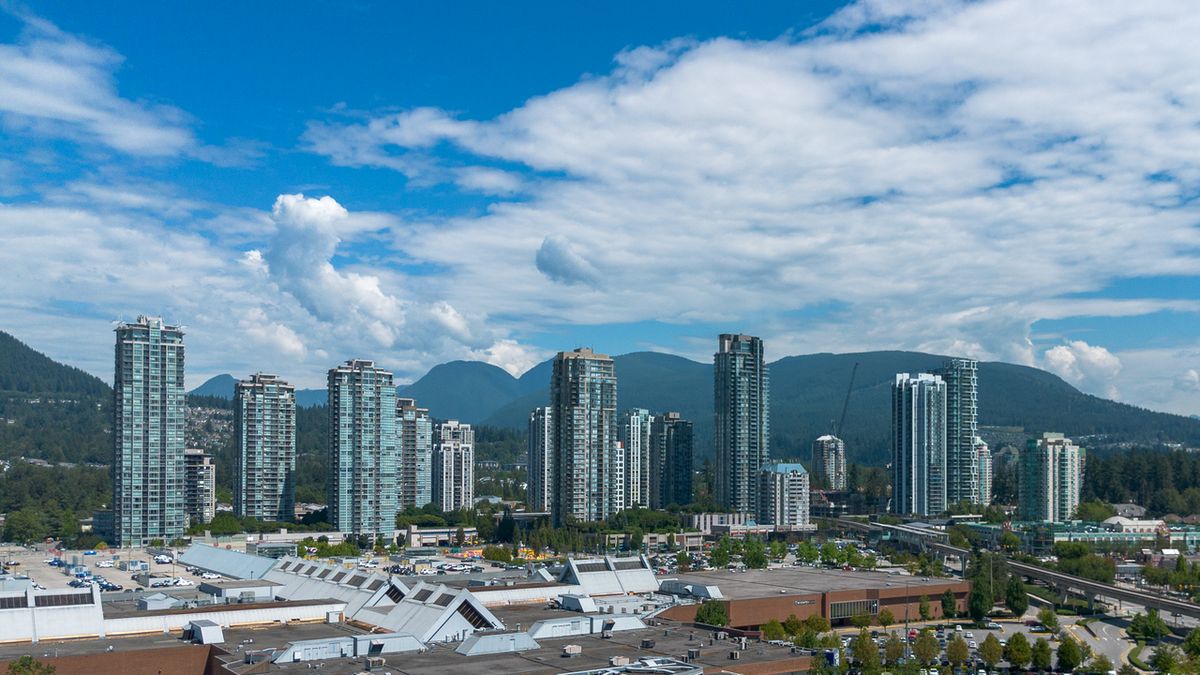
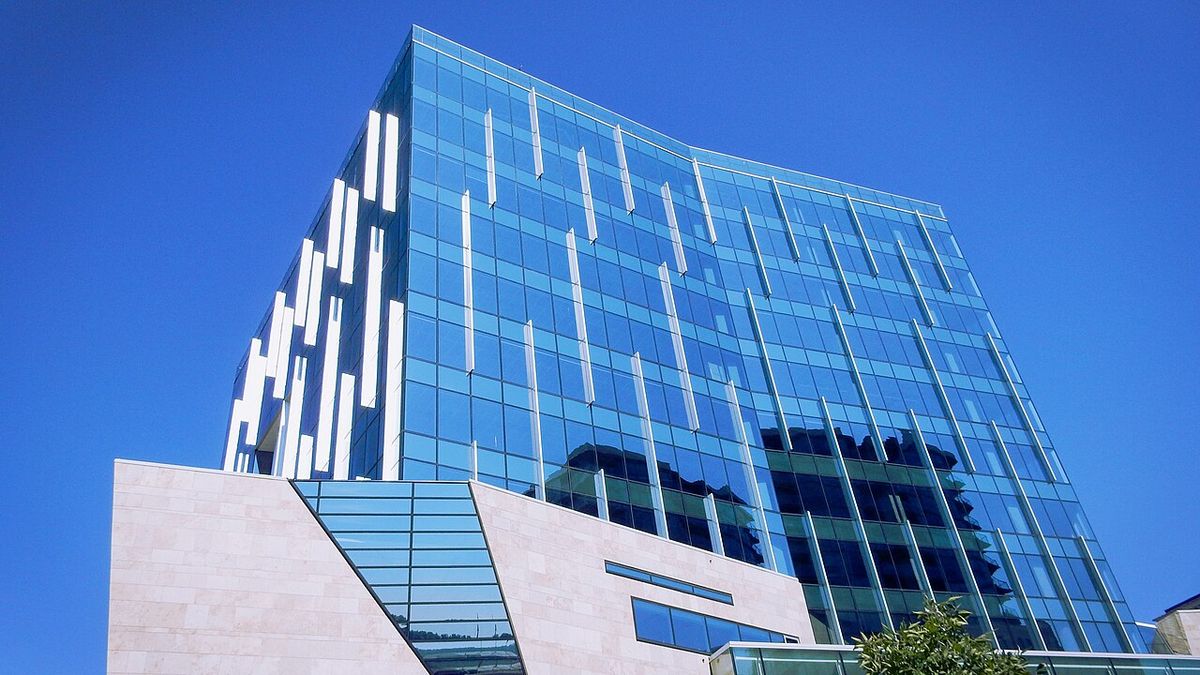
New Westminster's economy has transitioned from its historical role as a resource and retail hub to a more diversified base including residential development, professional services, and retail. The city's central location within Metro Vancouver makes it an attractive area for commuters and businesses. Major development projects have reshaped the skyline, particularly along the Columbia Street corridor and the waterfront, with high rise condominiums and mixed use buildings. The Plaza 88 development, with its three towers, and the Northbank condominium at the east entrance of Columbia Street are examples of this residential growth. The city's official community plan encourages densification and sustainable development.
Transportation infrastructure is critical to the city's function. New Westminster is served by the SkyTrain Expo Line, with stations including New Westminster Station, which is adjacent to the historic CPR station. The SkyTrain tracks follow the path of the historic interurban tramway that once connected the city to Vancouver. The city has also invested in active transportation, adding bike lanes and improving pedestrian access on streets like Columbia Street to encourage non vehicular travel. The ongoing redevelopment of the Front Street parkade area is part of efforts to enhance the waterfront and improve multimodal connectivity.
Questions about New Westminster
When was New Westminster founded and why was it important?
New Westminster was founded in 1858 by Colonel Richard Clement Moody as the capital of the Colony of British Columbia. It was strategically chosen for its defensible location on the Fraser River and its potential as a port and future railway terminus. The city served as the colonial capital until 1866, when Victoria was chosen as the capital after the merger with Vancouver Island. Its founding established it as the first incorporated city in British Columbia in 1860 and a major centre during the Fraser Gold Rush.
What are the main neighbourhoods in New Westminster?
Key neighbourhoods include the historic downtown core centred on Columbia Street, the Sapperton area near the former BC Penitentiary, and Queensborough located on Lulu Island. Connaught Heights, in the western part of the city, was amalgamated in 1965. Uptown New Westminster, centred around Sixth Street and Sixth Avenue, developed as a secondary retail hub. Each area has distinct characteristics, from the antique shops on Front Street to the modern condominium developments along the waterfront.
What major redevelopment projects have happened recently?
Significant recent projects include the westward expansion of Westminster Pier Park, completed in 2026, and the Anvil Centre civic building which opened on Columbia Street in 2014. The Plaza 88 development added three condominium towers, and the Columbia Theatre was renovated into a cabaret venue. The city has also adopted zoning bylaw changes in 2026 to permit up to six units of infill housing on single family lots to increase density. Ongoing efforts include the revitalization of the Front Street parkade area.
How is New Westminster connected to the rest of Metro Vancouver?
New Westminster is well connected by multiple transportation modes. It is served by the SkyTrain Expo Line, with New Westminster Station being a major hub. Major road bridges include the Pattullo Bridge to Surrey and the Queensborough Bridge to Richmond. The city is adjacent to Highway 1 and is roughly 19 kilometres from downtown Vancouver. Historically, it was a key stop on the interurban railway, and its central location continues to make it a strategic transit point within the region.
What is the population of New Westminster?
Data from the 2026 general local election indicates there were an estimated 68,635 eligible voters in the city. This number serves as a reasonable proxy for the adult population and suggests a mid sized municipality within Metro Vancouver. The city has seen significant residential development in recent years, which continues to shape its demographic profile. Historically, New Westminster was the largest city on the British Columbia mainland from its 1858 founding until the first decade of the 20th century, when it was surpassed by Vancouver. The city's total land area is 15.62 square kilometres, located at the centre of the Greater Vancouver region on the banks of the Fraser River.
When is the next municipal election in New Westminster?
The next general local election for the City of New Westminster is scheduled for October 17, 2026. In this election, eligible voters will cast ballots to elect one mayor and six councillors to the city council. For the 2026 election, 26 candidates were announced, comprising two candidates for mayor and 13 candidates competing for the six councillor positions. This electoral process continues the city's long tradition of municipal governance, as New Westminster became the first city in British Columbia to be incorporated and have an elected municipal government in 1860. City council meetings are held on Monday evenings in the Council Chamber at New Westminster City Hall.
Sources and further reading
- New Westminster (Wikipedia)
- About New Westminster, BC (tourismnewwestminster.com)
Checked by the Your Space Hamilton desk. Last updated 2026-10-30.