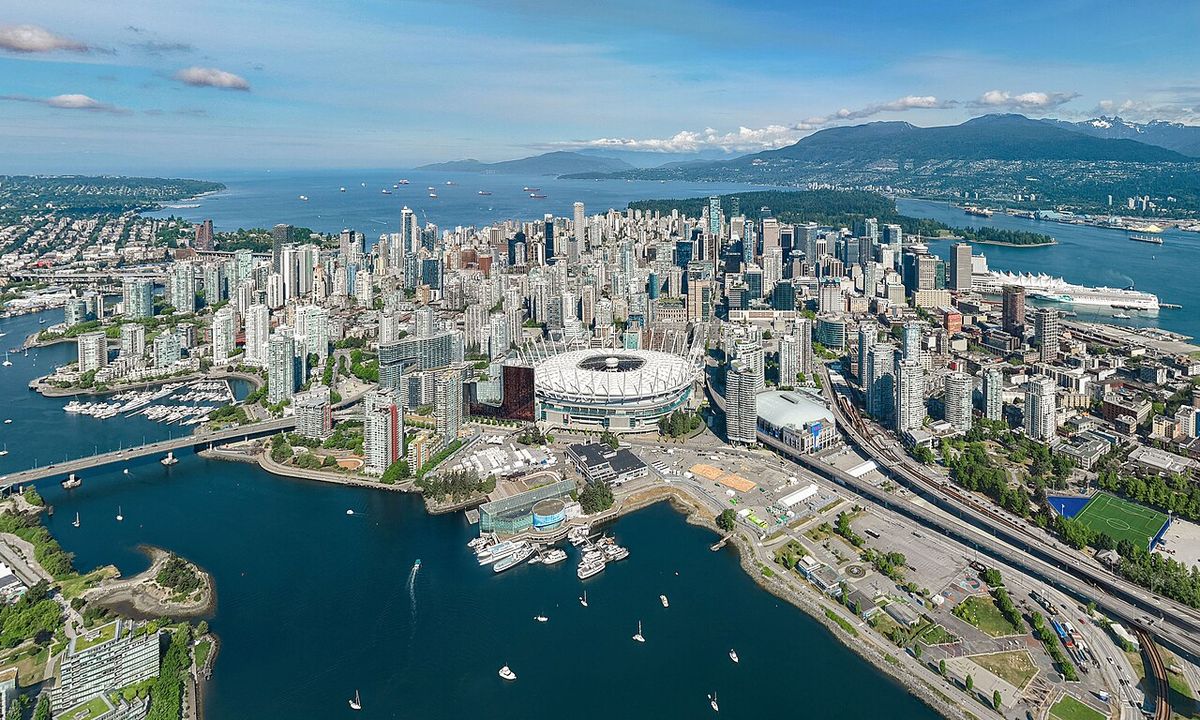
Milton, Ontario
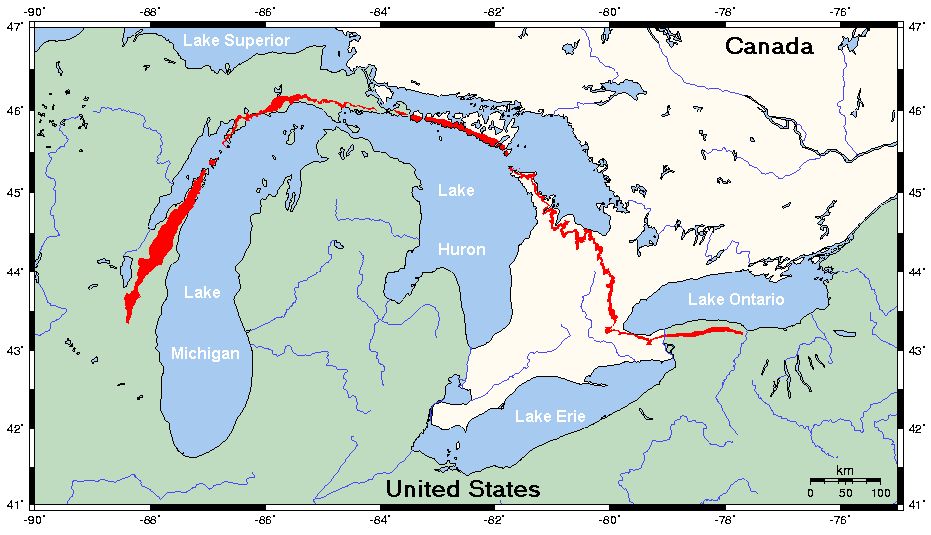
Milton is a town in Southern Ontario, Canada, and part of the Regional Municipality of Halton within the Greater Toronto Area. With a 2021 population of 132,979, Milton has been one of Canada's fastest-growing communities, experiencing a 71.4 percent population increase between 2001 and 2006. The town is situated on the Niagara Escarpment, a UNESCO World Biosphere Reserve, and serves as the western terminus for the GO Transit Milton line commuter train. Milton's economy and community are shaped by its strategic location along Highway 401, its rich agricultural heritage, and its ongoing rapid residential development.
History and Early Settlement
The land that became Milton is part of the Ajetance Purchase of 1818, where the Mississaugas of the Credit, led by Chief Ajetance, sold 648,000 acres to the Crown for an annual payment of goods worth £522.10. The Mississaugas agreed to the sale due to the continuous inflow of settlers which had weakened their traditional economy and left them in a state of impoverishment. Significant municipalities found within the lands of this purchase include Brampton and Milton. The town's origins are tied to Jasper Martin, an immigrant from Newcastle upon Tyne, England who arrived with his family on May 17, 1818 and was granted 100 acres of land, designated Lot 14, Concession 2, Township of Trafalgar, in 1820. Martin built a grist mill along the Sixteen Mile Creek, creating Mill Pond to power it, which became the focal point for further settlement.
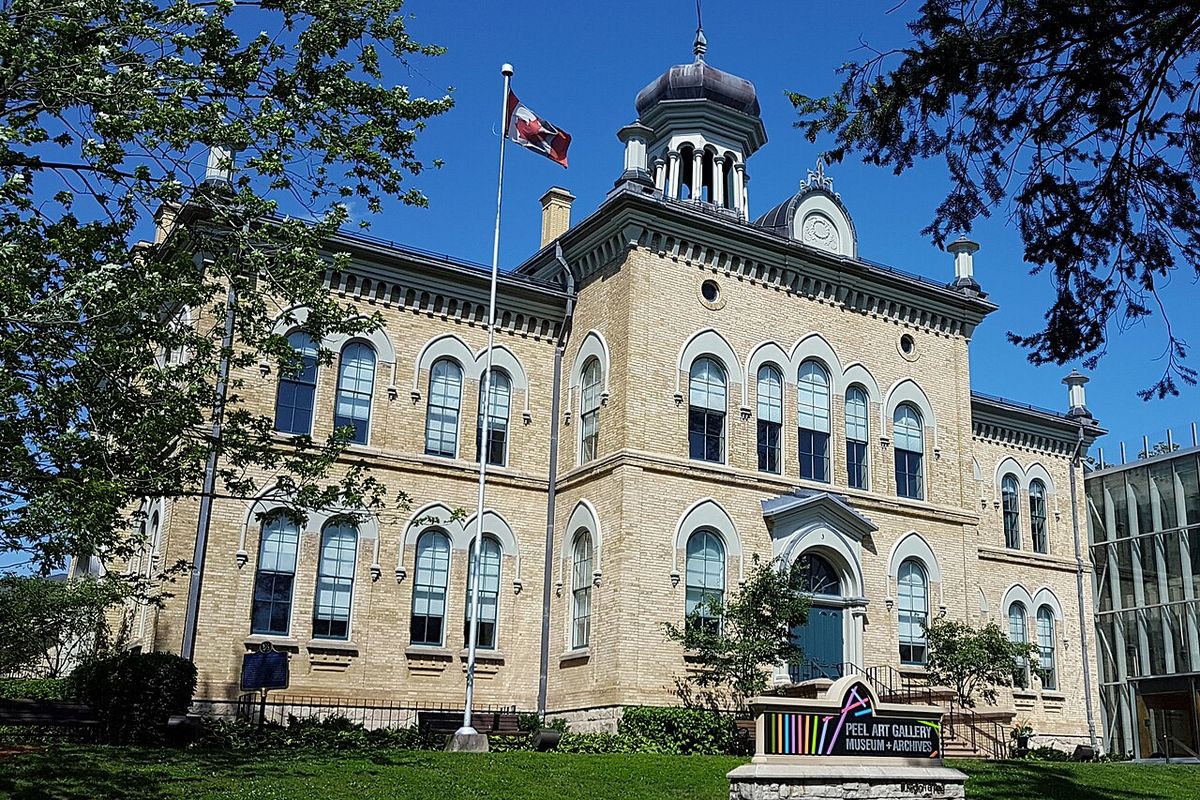
By 1837, the community had about 100 residents and was named after the English poet John Milton. The two principal property owners of the young town were the Martins and the Fosters, whose names are still reflected in numerous buildings and streets. The town was formally incorporated in 1857, with Hugh Foster donating 4 acres of land to the county to construct the Milton Town Hall, which still stands on Mary Street. By 1869, Milton's population had reached 1,000, and records from 1874 show it had county buildings, a telegraph office, a foundry, a tannery, a woolen factory, a grist mill and a saw mill, a weekly newspaper and a number of stores.
The town first used electricity to light its streets in 1891 and purchased the Milton Electric Light Company in 1905 to build its own power station. A significant early industrial presence was the P.L. Robertson Manufacturing Company, founded in Hamilton in 1907, which relocated to Milton in 1908 and was the first manufacturer of socket-head screws, inventing the square-socket drive. A major boundary change occurred in 1974 when Milton added parts of the former township of Esquesing, all of Nassagaweya Township including the village of Campbellville, and the northern sections of Trafalgar and Nelson from Oakville and Burlington. On January 1, 2010, the City of Mississauga bought land along Milton's eastern border, reducing Milton's area by 400 acres and affecting 25 residents.
Demographics and Population Growth
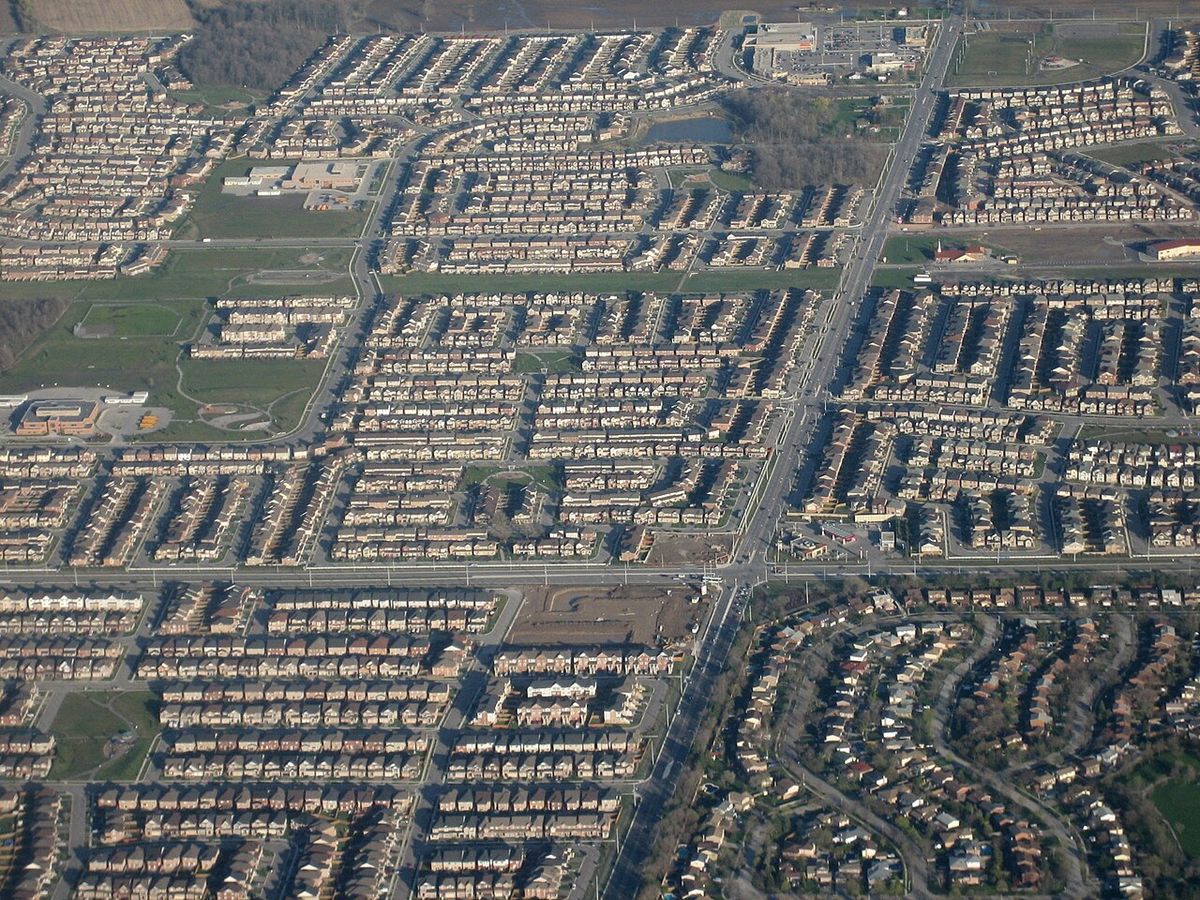
Milton's population was 132,979 in the 2021 census, a 20.7 percent increase from 110,128 in 2016, living in 40,038 of its 41,000 total private dwellings. The town has been a national leader in population growth, with a 71.4 percent increase from 2001 to 2006 and a 56.5 percent increase from 2006 to 2011, making it the fastest growing municipality in Canada during that decade. In 2016, it was deemed the sixth-fastest growing in Canada but remained the fastest growing community in Ontario, with an estimated growth to 228,000 by 2031. Its population density in 2021 was 365.5 people per square kilometre. An October 2019 report indicated the average household income was $111,875, the unemployment rate was 5.7 percent, and the town's crime rate was reported as low, at 2,133 incidents per 100,000 residents.
According to the 2021 census, English was the mother tongue for 55.6 percent of residents. Other common mother tongues included Urdu (9.7%), Arabic (4.1%), Spanish (2.3%), Punjabi (1.8%), Tagalog (Filipino) (1.5%), Polish (1.3%), Portuguese (1.3%), Mandarin (1.1%), French (1.1%), and Hindi (1.1%). In terms of religious affiliation, Christianity was the most reported religion at 48.2 percent, followed by Islam (23.1%), Hinduism (6.1%), Sikhism (2.4%), and Buddhism (0.6%). Some 18.9 percent of the population reported no religious affiliation. The town's planning department divides Milton into communities based on traditional neighbourhoods, though these divisions have little to do with politics.
Local Government and Services
The Town of Milton is governed by an elected council headed by Mayor Gordon Krantz, who has held the office since 1980, making him Canada's longest-serving mayor. The council for the 2022 to 2026 term includes four regional councillors and four local councillors representing the town's four wards. Milton is represented on Halton Regional Council by the mayor and the four regional councillors. The town finalized its 2026 budget on December 1, 2025, which includes $125.8 million for capital projects and $236.1 million for operating funds to deliver programs and services. The capital program includes 134 projects that support growth by building new infrastructure and renewing existing assets, while the operating budget funds day-to-day services such as fire protection, recreation, and transit. The town's portion of the residential property tax bill increased by 6.94 percent for 2026, with an estimated overall tax increase of 4.75 percent when combined with regional and provincial education levies. The town collects property taxes on behalf of itself, Halton Region, and the Province for school boards. The next municipal election is scheduled for Monday, October 26, 2026, when citizens will elect officials to the offices of mayor, regional councillor, and local councillor.
- Policing: Halton Regional Police
- Fire Protection: Milton Fire Department (five stations)
- Highway Patrol: Ontario Provincial Police (Highways 401 & 407)
- Federal Policing: RCMP Toronto West Detachment (~230 personnel in 2018)
- Healthcare: Milton District Hospital (Halton Healthcare), expanded 2016 to 2017
- Correctional: Maplehurst Correctional Complex, Vanier Centre for Women
- Regional Services: Waste management, water systems, public health, paramedics
Education and Cultural Institutions
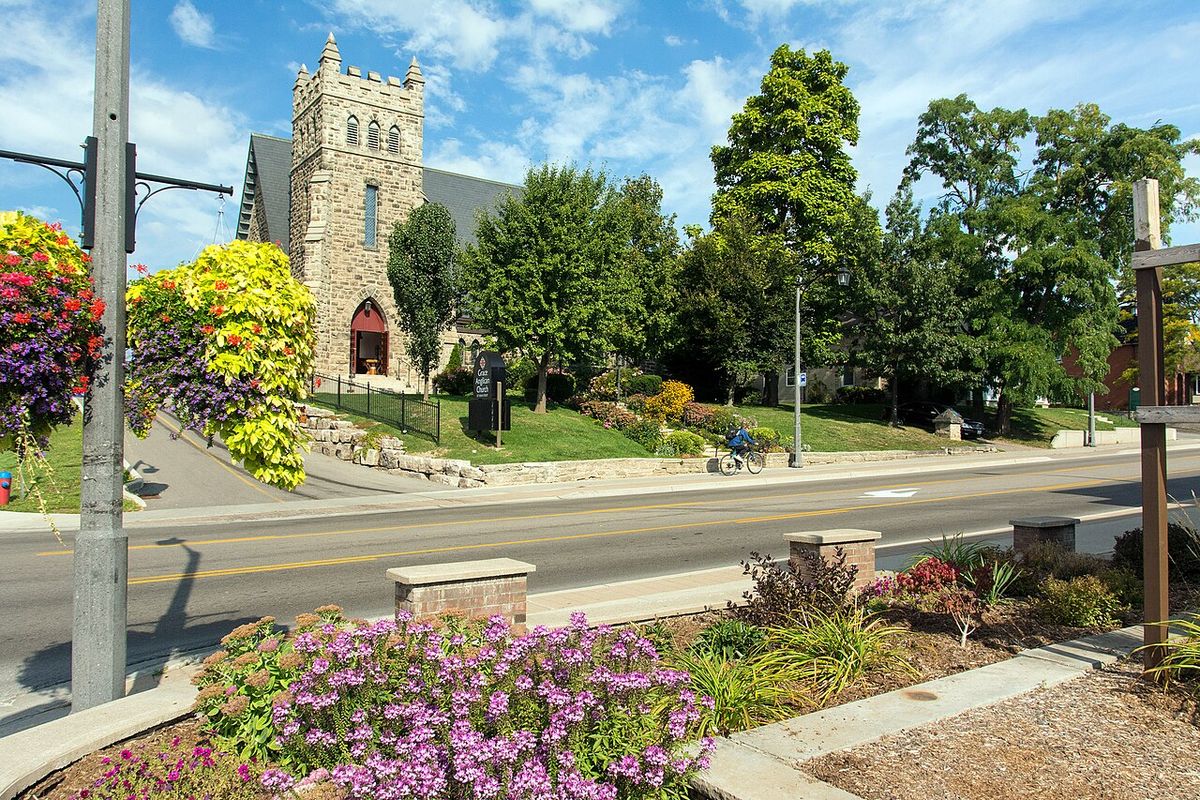
Public elementary and secondary schools in Milton are operated by the Halton District School Board, while Catholic schools fall under the Halton Catholic District School Board. The town also hosts French-language schools under Conseil Scolaire Catholique Mon Avenir and Conseil Scolaire Viamonde, as well as several private schools. In 2008, the town reached an agreement in principle with Wilfrid Laurier University to establish a satellite campus in the proposed Milton Education Village, which would also include a Conestoga College campus. Provincial funding of $90 million was approved in April 2018 but was withdrawn by the new Ontario government in October 2018 before construction began. As of fall 2019, Wilfrid Laurier University was offering some services in town, including a Master of Education program at the Milton Education Village Innovation Centre and a lecture series, and was operating the LEAP day camp in summer.
Milton's public library system consists of three branches: the Main Library, the Beaty Branch, and the Sherwood Branch. The FirstOntario Arts Centre Milton, which opened in 2012 and is operated by the town, is a key cultural venue for music, theatre, dance, and art exhibits, and is used by groups like the Milton Players. The town is also home to significant heritage and museum sites, including the Halton Region Museum with its historic agricultural buildings, the Halton County Radial Railway museum, and Country Heritage Park. Five large parks operated by Conservation Halton are located within the town, and Mohawk Raceway is located near Campbellville. The Niagara Escarpment lands have increased the importance of tourism, recreation, and heritage conservation in the area.
| School Board | Example Elementary Schools |
|---|---|
| Halton District School Board | Chris Hadfield PS, Tiger Jeet Singh PS |
| Halton Catholic District School Board | Holy Rosary, St. Peter |
| French Catholic (Mon Avenir) | École Ste-Anne, École St-Nicolas |
| French Public (Viamonde) | École élémentaire Dyane-Adam |
| Private Schools | Halton Waldorf, Hitherfield School |
| Provincial School | E. C. Drury School for the Deaf (JK-12) |
Transportation and Infrastructure
Milton's road network is anchored by Highway 401, which bisects the town, separating northern rural and industrial areas from southern residential and commercial developments. The highway was widened to ten lanes from James Snow Parkway to west of Regional Road 25 in a major project that started in 2019. The tolled Highway 407 runs through the rural east end, forming the boundary with Mississauga. Key east-west arterial roads maintained by Halton Region include Britannia Road (Regional Road 6), Derry Road (7), and Steeles Avenue (8). Major north-south routes are Tremaine Road (22) in the west, Halton Road 25 (formerly Highway 25, known as Ontario Street through older sections) linking to Oakville and Acton, and James Snow Parkway (4) in the east. Numerous overpass and underpass projects have been constructed for grade separation of railway crossings on these roads.
Public transportation is provided by Milton Transit, which operates conventional and Milton access+ paratransit bus services seven days a week. The system launched conventional service in August 2004 following recommendations from the North Halton Transit Strategy and began purchasing its own branded buses in 2008. Service is provided under contract by PWTransit Canada, with a fleet that included 23 low-floor accessible buses in 2018, when the system reported 552,654 revenue passenger trips and approximately 400 active bus stops. Milton is the western terminus for the GO Transit Milton line commuter train and bus corridor, offering one-way, weekday peak-service inbound to Toronto in the morning and outbound in the evening. GO Transit also provides bus service, including a route from Square One Shopping Centre in Mississauga to the University of Waterloo started in 2009.
Freight rail service is significant, with trains on the main Montreal-Toronto-Chicago CP line and a secondary CN line common. Canadian National Railway's controversial plan to build an intermodal truck-rail hub on rural land in south Milton was under review in 2019, with public hearings completed. The plan was opposed by local officials due to potential congestion and environmental impacts from an estimated 1,600 daily truck trips, and concerns about undisclosed plans for the remaining 800 acres of the site. A three-person panel was to file recommendations by early 2020. The nearest Via Rail station is in Oakville, and the nearest airport is the Burlington Airpark.
Economy, Healthcare, and Community
Milton's economy has historically been rooted in agriculture and manufacturing, with the P.L. Robertson Manufacturing Company being a prominent early employer. The town's location on the Niagara Escarpment has increased the importance of tourism, recreation, and heritage conservation. Major attractions include the five Conservation Halton parks, Mohawk Raceway near Campbellville, and the Halton Region Museum. The presence of the Maplehurst Correctional Complex, constructed in 1974 with a $79-million makeover from 1997 to 2001, and the Vanier Centre for Women represents a significant institutional employer. The town's rapid growth has spurred substantial development in the residential and commercial construction sectors, supported by the 2026 capital budget of $125.8 million for infrastructure projects.
The Milton District Hospital, part of the Halton Healthcare system which also includes hospitals in Georgetown and Oakville, is a major healthcare employer. The first section opened in 1959, expanded in 1967, and underwent a major expansion in 2016 to 2017 that added 330,000 square feet. The emergency department was tripled in size, with a new capacity for 45,000 patient visits per year. The town's strategic location within the Greater Toronto Area, with direct access to Highway 401, makes it attractive for logistics and distribution centres. Service clubs such as The Rotary Club of Milton, the Milton Lions Club, the Optimist Club of Milton, and the Milton & District Kinsmen Club play an active role in community life. The town also maintains community engagement through its 'Let's Talk Milton' online platform.
Geography, Climate, and Environment
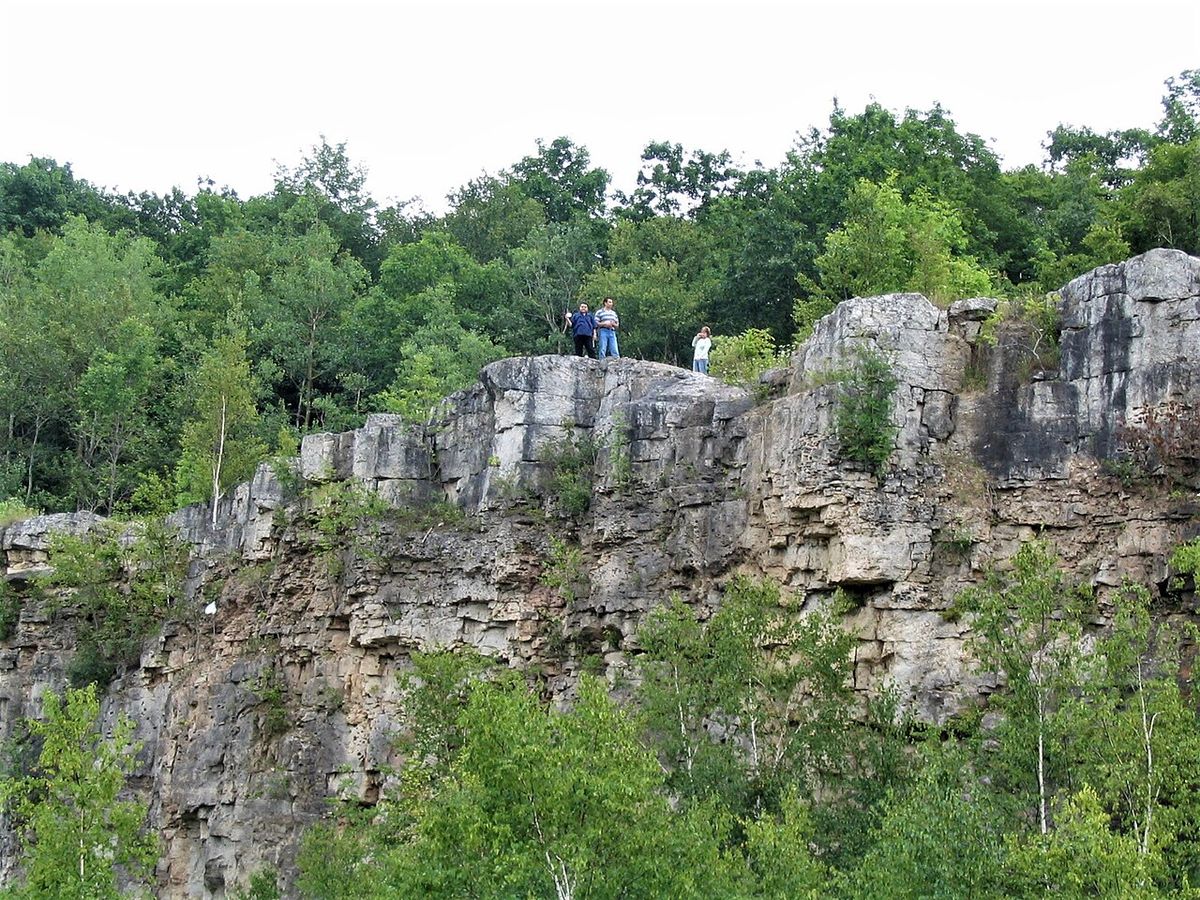
Milton is located approximately 54 kilometres west of Downtown Toronto on the Niagara Escarpment, a UNESCO World Biosphere Reserve that is also traversed by the Bruce Trail. The town has a total land area of 363.83 square kilometres. Its climate is classified as a humid continental climate (Köppen Dfb) with four distinct seasons. The area experiences warm, rainy summers with cool nights and long, cold, snowy winters, with year-round precipitation. This climate supports the region's agricultural activities and provides a setting for extensive outdoor recreational opportunities across the escarpment lands and conservation areas.
The natural environment of the Niagara Escarpment is a defining feature, influencing land use planning and community identity. The town's official plan was updated in 2026, marking the first major update in 30 years. Conservation Halton manages significant parklands within Milton's boundaries, protecting the escarpment ecosystem while providing recreational spaces. The environmental review process was a key part of the controversy surrounding the proposed CN intermodal facility, highlighting the community's engagement with development and conservation issues. The town's growth management must balance rapid residential expansion with the preservation of its unique natural heritage on the escarpment.
Questions about Milton, Ontario
What is the population of Milton, Ontario?
According to the 2021 census, Milton's population was 132,979. The town has experienced remarkable growth, being the fastest-growing municipality in Canada between 2001 and 2011, with increases of 71.4 percent and 56.5 percent over two five-year periods. Its population density in 2021 was 365.5 people per square kilometre. The population is projected to continue growing significantly, with an estimate of 228,000 residents by 2031.
Who is the mayor of Milton?
Gordon Krantz has been the mayor of Milton since 1980, making him the longest-serving mayor currently in Canada. He was re-elected for the 2022 to 2026 term. The town council consists of the mayor, four regional councillors, and four local councillors representing four wards. Mayor Krantz also represents Milton on the Halton Regional Council alongside the four regional councillors. The next municipal election is scheduled for October 26, 2026.
What are the property taxes in Milton?
Milton has among the lowest overall property taxes in Ontario. For the 2026 budget, the town's portion of the residential property tax bill increased by 6.94 percent. The estimated overall tax increase, including Halton Region and provincial education levies, is 4.75 percent. The 2026 budget includes $125.8 million for capital projects.
What schools are in Milton?
Milton has a comprehensive education system. Public schools are operated by the Halton District School Board, including Craig Kielburger Secondary School and Milton District High School. Catholic schools are run by the Halton Catholic District School Board, such as Bishop Reding Catholic Secondary School and St. Francis Xavier Catholic Secondary School. There are also French-language public and Catholic schools, and several private schools including Halton Waldorf School and Milton Christian School. Plans for a Wilfrid Laurier University campus have been stalled since provincial funding was withdrawn in 2018.
How do you commute from Milton to Toronto?
The primary commuter route to Toronto is the GO Transit Milton line, which provides train and bus service. Milton is the western terminus for the commuter train line, which offers weekday peak-service trains inbound to Toronto in the morning and outbound in the evening. The town is also bisected by Highway 401, providing a direct road link to Toronto approximately 54 kilometres east. Milton Transit provides local bus service with connections to the Milton GO Station, and GO Transit buses also connect to Oakville and other destinations.
What is Milton known for?
Milton is known for several key features. It is recognized as one of Canada's fastest-growing communities. It is situated on the Niagara Escarpment, a UNESCO World Biosphere Reserve, offering significant natural beauty and recreation. Historically, it was home to the P.L. Robertson Manufacturing Company, the first manufacturer of socket-head screws. The town is also known for its agricultural heritage, conservation parks, the Halton County Radial Railway museum, and as the home of Canada's longest-serving mayor, Gordon Krantz.
Sources and further reading
- Milton, Ontario (Wikipedia)
- Town of Milton: Home (milton.ca)
- Milton finalizes 2026 budget (letstalkmilton.ca)
Checked by the Your Space Hamilton desk. Last updated 2026-10-30.