Kitigan Zibi
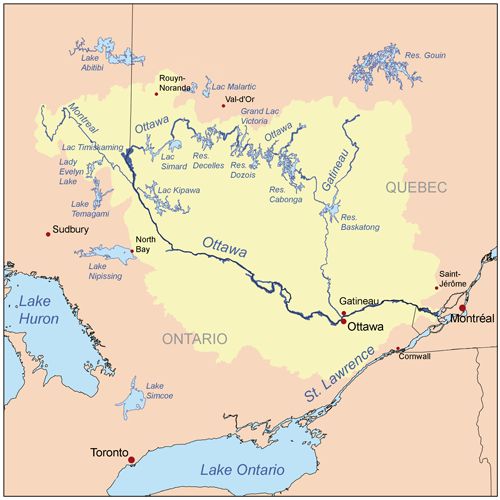
Kitigan Zibi is a First Nations reserve of the Kitigan Zibi Anishinabeg First Nation, an Algonquin band located in the Outaouais region of Quebec. The community, whose name means "Garden River" in the Algonquin language, is the largest Algonquin Nation in Canada by both land area and population. Situated near the confluence of the Désert and Gatineau Rivers, it borders the town of Maniwaki and serves as a vital centre for Algonquin culture, governance, and economic development. Its history is deeply intertwined with the surrounding region, and it remains actively engaged in asserting Aboriginal title over its vast traditional territories.
Geography and Natural Environment
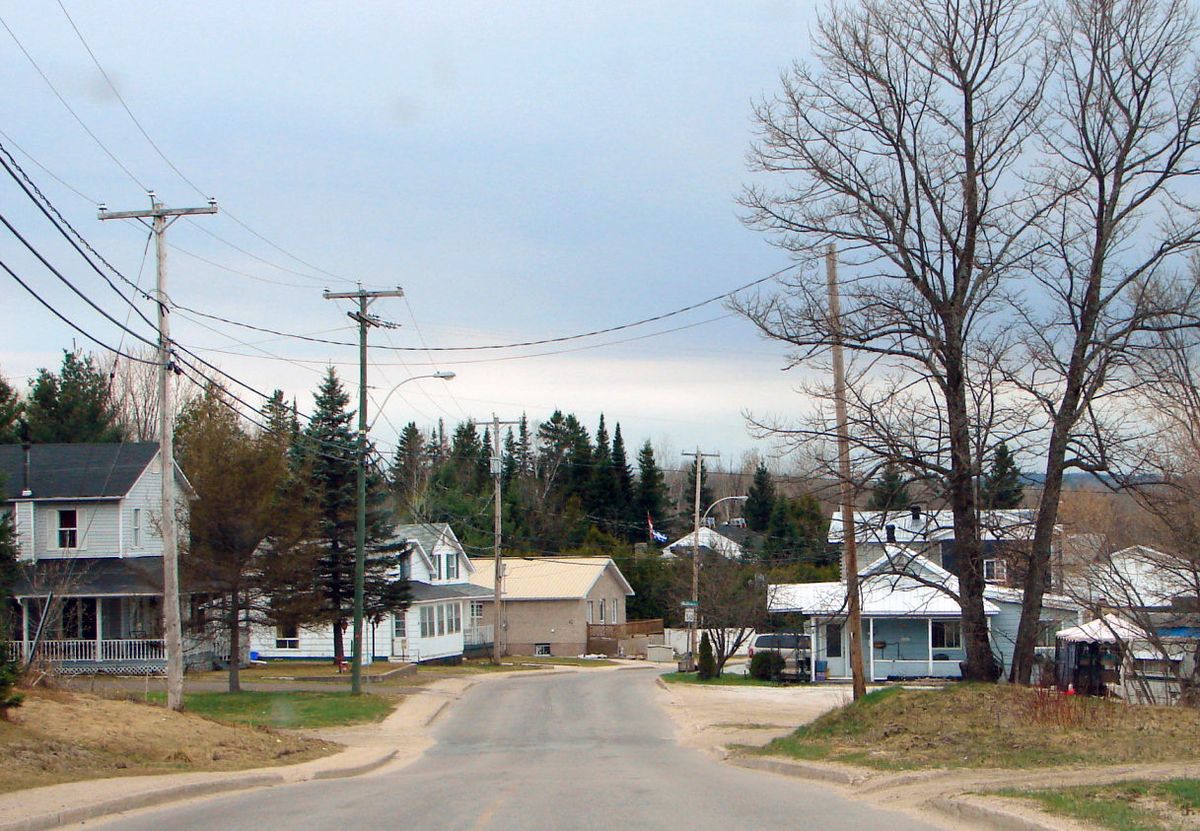
The Kitigan Zibi reserve encompasses 210.09 square kilometres of land bounded by three major waterways. The Eagle River forms its western boundary, the Désert River its northern side, and the Gatineau River its eastern flank. Most community development is concentrated along or near Quebec's Highway 105, while expansive forests cover much of the territory. The landscape is dotted with numerous freshwater bodies, including 13 lakes each with an area exceeding 250,000 square metres and approximately 29 smaller lakes and streams scattered throughout. These waters support a diverse array of fish species such as walleye, pike, bass, trout, carp, catfish, and freshwater sturgeon. The forests and wetlands are home to mammals including beaver, muskrat, fisher, marten, mink, otter, bobcat, lynx, cougar, deer, black bear, wolf, and moose.
History and Establishment
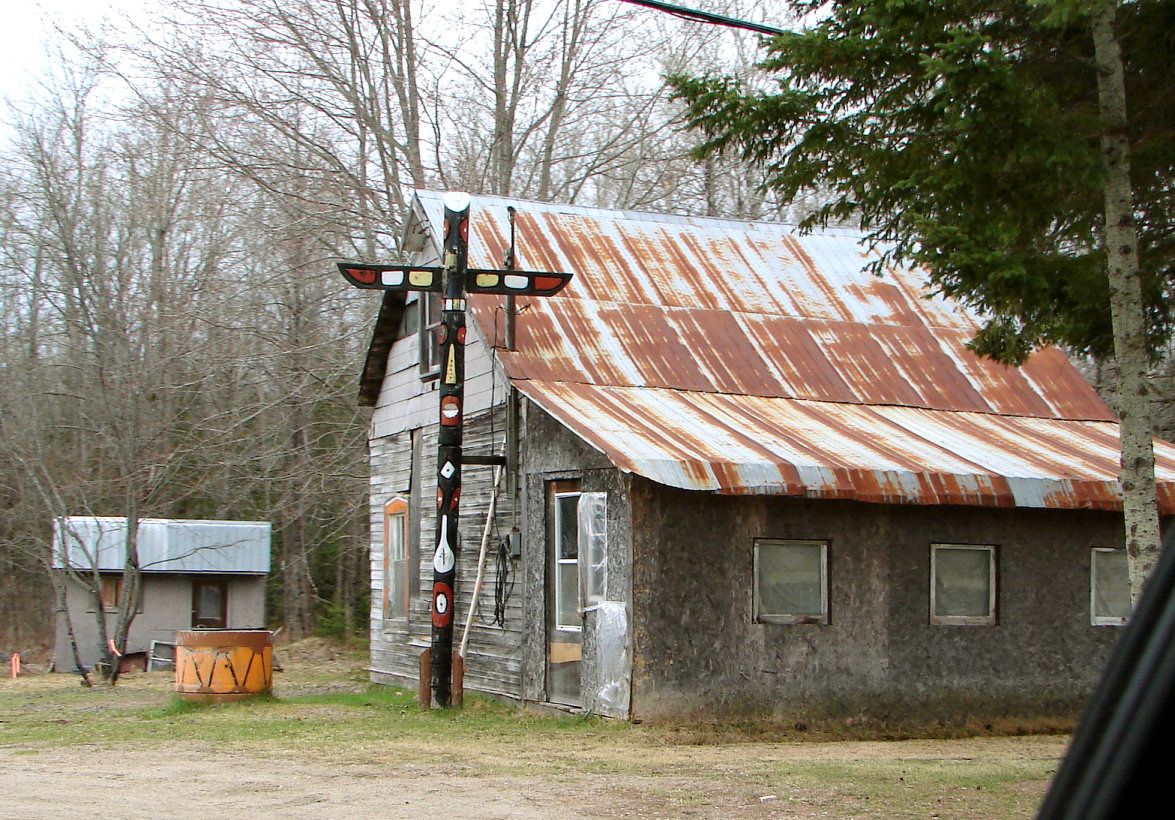
The history of Kitigan Zibi is closely linked to the development of the neighbouring town of Maniwaki. In the first half of the 19th century, Algonquins from the mission at Lake of Two Mountains, led by Chief Pakinawatik, arrived in the Désert River area. The Hudson's Bay Company established a trading post at the river's mouth in 1832, and Oblate missionaries founded the Notre-Dame-du-Desert mission a decade later. By 1849, the Oblates were petitioning authorities to demarcate a township for an Algonquin reserve. Chief Pakinawatik and other leaders made three canoe journeys to Upper Canada to negotiate the terms for setting aside this land. The township limits were drawn in 1850 and named Maniwaki by the Oblates, while the Algonquin name for the place was Kitigànsìpì or Kitigàn Zìbì. The reserve was legally established in 1851 and formally demarcated in 1853, referred to in the implementing decree as "Manawaki" or "River Desert." The name Kitigan Zibi officially replaced these on September 24, 1994, by band council resolution.
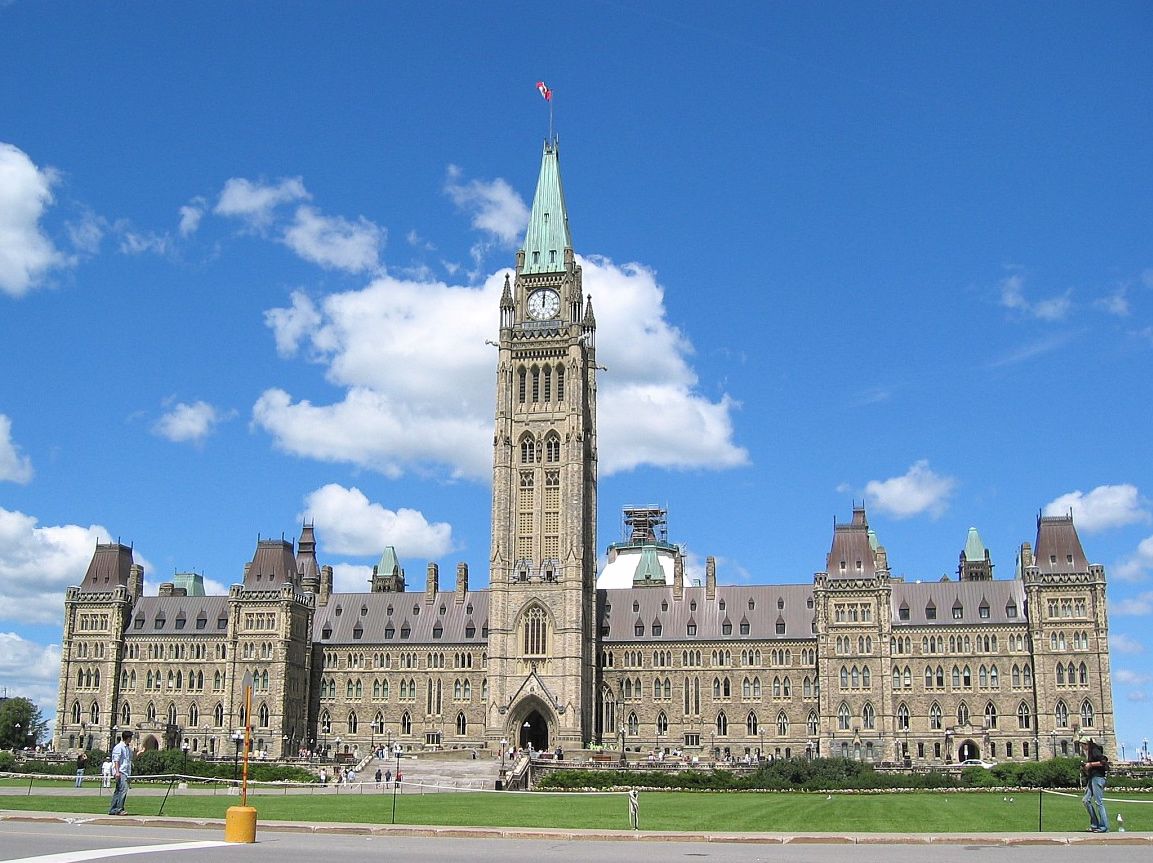
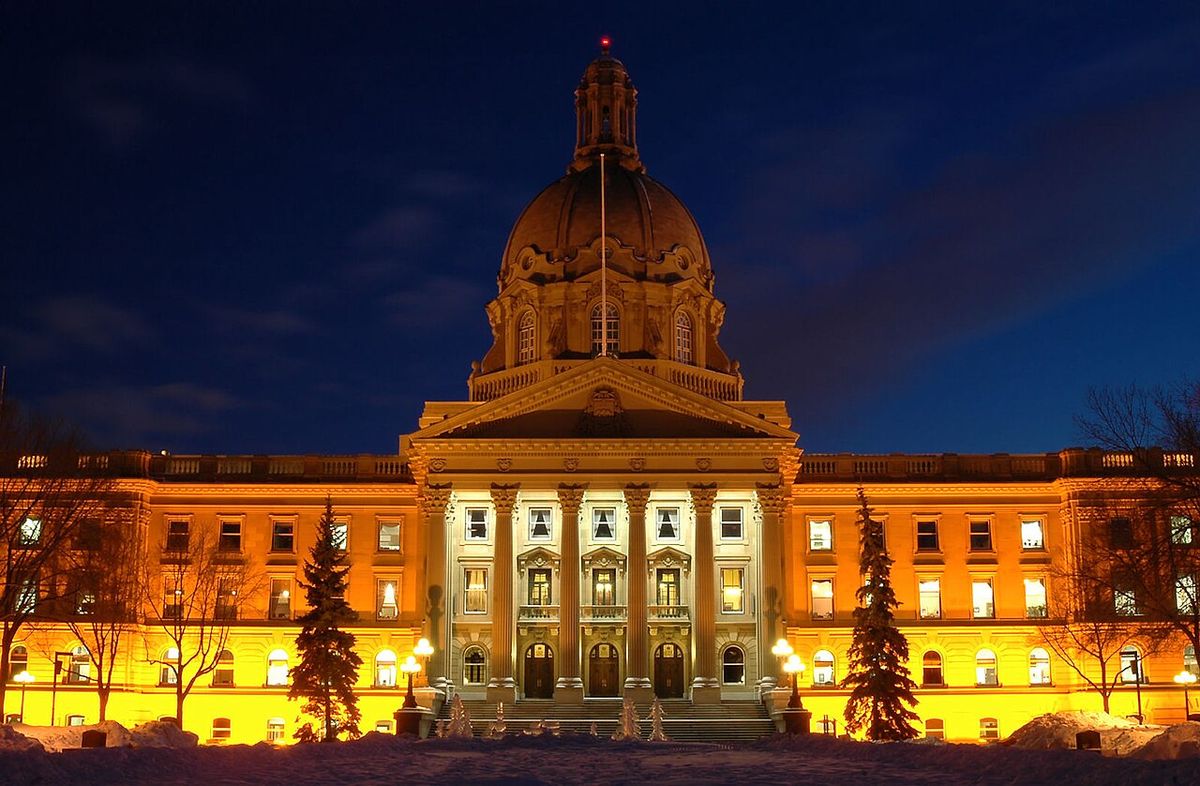
Land claim settlements have periodically altered the reserve's boundaries. In the late 1990s, small portions of the Town of Maniwaki were added to Kitigan Zibi. A significant settlement was reached on March 18, 2019, when the federal government agreed to pay the community $116 million to settle 29 specific claims for reserve land appropriated between 1873 and 1917 for the Maniwaki town site. The community's historical assertions extend far beyond its immediate borders. In December 2016, Kitigan Zibi Anishinabeg filed a claim in Ontario Superior Court asserting it never surrendered and still owns the land in Ottawa upon which the Parliament of Canada stands.
Community Infrastructure and Services
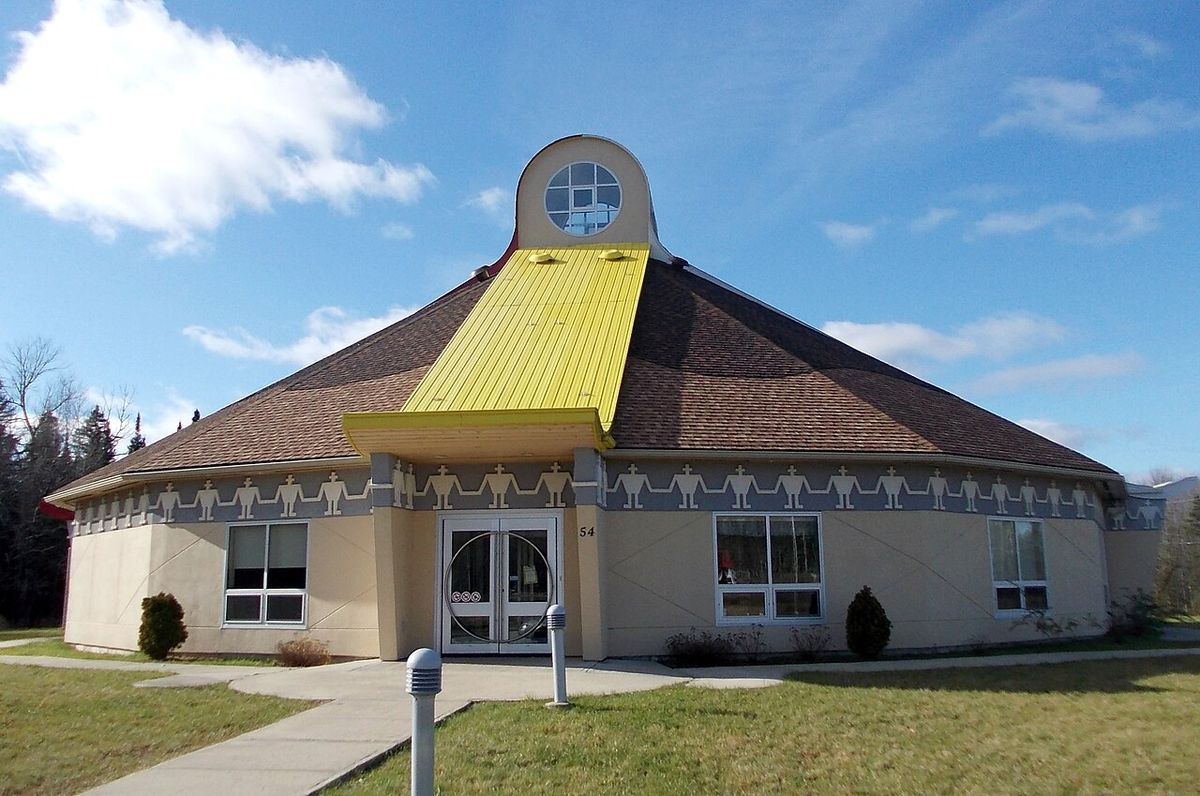
Kitigan Zibi functions as a full-service community with a range of infrastructure and public institutions that support daily life and cultural continuity. The reserve is home to shops, a community hall, a health centre, and a youth centre. Policing is provided by the Kitigan Zibi Police Service, and for seniors, the community operates a retirement home. Cultural life is supported by the Kitigan Zibi Cultural Centre and the community-owned radio station CKWE 103.9 FM. The band administration office can be reached at 819-449-5170, with a toll-free line at 1-888-449-5170, and is located at P.O. Box 309, 1 Paganakomin Mikan, Maniwaki, Quebec.
Education is served by two on-reserve schools. Pakinawatik Kikinamadinan provides pre-school education, while Kitigan Zibi Kikinamadinan is an elementary and high school. The community maintains an active digital presence, regularly posting newsletters and community flyers online to keep members informed about events and opportunities. These flyers, which cover announcements and local news, have been dated as recently as October 2026, indicating ongoing community engagement and communication. The community provides a wide array of public services and facilities for its residents.
- Kitigan Zibi Police Service for local law enforcement.
- CKWE 103.9 FM, the community-owned radio station.
- Kitigan Zibi Cultural Centre for cultural programming and events.
- A health centre and a retirement home for medical and senior care.
- Kitigan Zibi Kikinamadinan, an elementary and high school.
- Pakinawatik Kikinamadinan, a pre-school facility.
- A youth centre and a community hall for social and recreational activities.
- Regularly updated community flyers and newsletters, with postings from September to October 2026.
Economy and Land Use
The local economy is diverse, with a strong foundation in natural resource management and stewardship. The community created its own forestry company, Migot, which holds a forest management agreement allowing it to harvest trees on ancestral territories. Migot also collaborates with other forest operators in the region. Kitigan Zibi is an important partner in managing the Eagle Forest, a territory west of Maniwaki where sustainable logging, outdoor recreation, and wildlife protection are integrated. Another significant natural resource is a 12,000-tap maple grove, whose potential is still being developed. The community produces Awazibi pure maple syrup from this operation, adding value to its forest resources. These economic activities demonstrate a model of stewardship that balances resource use with environmental protection and cultural values.
Key economic and resource-based enterprises for the Kitigan Zibi Anishinabeg include a forestry company named Migot, which holds a forest management agreement for cutting trees on their ancestral territories. The community also works in collaboration with other forest operators and is an important partner in managing the Eagle Forest, where logging, outdoor activities, and wildlife protection are coordinated. Another significant enterprise is a 12,000-tap maple grove where Awazibi pure maple syrup is produced, though its full potential is not yet fully exploited. These operations represent the community's active role in sustainable resource management and economic development.
- Migot, the community's own forestry company with a forest management agreement.
- A 12,000-tap maple grove for syrup production.
- Awazibi brand pure maple syrup, produced from the community's grove.
- Partnership in the management of the Eagle Forest west of Maniwaki.
- Collaboration with other external forest operators on ancestral lands.
Ongoing Land Title and Legal Actions
Kitigan Zibi Anishinabeg is actively pursuing the recognition of Aboriginal title over its vast traditional territory, a legal and political effort that defines much of its contemporary relationship with governments. The case seeks legal recognition of Aboriginal title over eight specific areas of unceded territory totalling approximately 8,000 square kilometres. The claimed areas include Gatineau Park, the Baskatong Reservoir, the Reserve Faunique de Papineau-Labelle, and several islands along the Kichi Sibi, now known as the Ottawa River. Chief Jean-Guy Whiteduck, who has led this pursuit since the 1970s, states the claim aims to affirm Algonquin title, redistribute wealth generated from these lands, and involve community leadership in land-use decisions, focusing on Crown lands and public institutions rather than private property. This Quebec lawsuit follows an earlier action filed in an Ontario court in December 2016, which specifically targeted the land under Parliament Hill. The community must pursue claims in both provincial courts because its traditional territory spans the Ontario-Quebec border. In March 2026, the Ontario Superior Court ruled that Kitigan Zibi must prove it can represent the wider Algonquin Nation before its case there can proceed, citing potential conflicts with a separate treaty process involving the Algonquins of Ontario. The community's legal team, supported by archivist Aurel Dubé, is assembling extensive evidence including historical documents, maps, archaeological artifacts, and elder testimonies to substantiate their continuous use and occupation of the land. The Kitigan Zibi Anishinabeg First Nation has pursued major legal actions and land claims over several decades. In December 2016, the community filed a claim in Ontario Superior Court asserting it never surrendered and still owns the land in Ottawa where the Parliament of Canada stands. On March 18, 2019, the federal government concluded an agreement to pay the community $116 million, settling 29 claims for reserve land appropriated for the town site of Maniwaki between 1873 and 1917.
- A claim for the land under Parliament Hill filed in Ontario Superior Court in December 2016.
- A $116 million settlement for 29 specific claims, finalized with Canada on March 18, 2019.
- The ongoing title case over eight areas including Gatineau Park and the Baskatong Reservoir.
- The March 2026 Ontario court ruling requiring proof of representation of the wider Algonquin Nation.
Demographics and Language
As of May 2022, the Kitigan Zibi Anishinabeg First Nation has a total registered membership of 3,685 people. Of these, 1,624 members live on the Kitigan Zibi reserve itself, while 2,061 live off-reserve. The on-reserve population has seen fluctuations over recent decades, with an estimated population of 1,274 in 2026. Census data provides a detailed snapshot of the community's composition. According to the 2021 Canadian Census, 77.24 percent of the on-reserve population reported having only Indigenous ancestry, while 14.95 percent reported both Indigenous and non-Indigenous ancestries, and 7.81 percent reported non-Indigenous ancestry only. In terms of religious affiliation, 47.34 percent reported no religion or secular perspectives, 34.47 percent identified as Christian, and 15.78 percent practiced Indigenous Spirituality.
Language use on the reserve reflects a multilingual community. The 2021 census reported that 64.7 percent of residents listed English as their mother tongue, while 14.1 percent listed French. Anicinabemowin, the Algonquin language, was the mother tongue for 10.0 percent of the population, and 5.8 percent reported both English and French as mother tongues. The preservation and use of Anicinabemowin remains a vital aspect of the community's cultural identity, supported through education and community life.
Population Trends
The on-reserve population of Kitigan Zibi has shown growth over the past several decades, with some fluctuations between census periods. The following table illustrates the population figures from the 1996 to 2021 censuses, along with a recent estimate. The estimated population for 2026 represents a small increase from the 2021 census count, continuing a general trend of growth since the late 1990s. The total registered membership of the First Nation, which includes both on and off-reserve members, was 3,685 as of May 2022, indicating a significant and growing diaspora community that maintains ties to the reserve.
| Year | Population |
|---|---|
| 1996 | 969 |
| 2001 | 1,081 |
| 2006 | 1,165 |
| 2011 | 1,401 |
| 2016 | 1,221 |
| 2021 | 1,204 |
| 2026 (estimate) | 1,274 |
Questions about Kitigan Zibi
What does the name Kitigan Zibi mean?
The name Kitigan Zibi comes from the Algonquin language, specifically Anicinabemowin. "Kitigàn" can be translated as "garden," "cultivated land," or "cleared land," and "Zìbì" means "river. Therefore, Kitigan Zibi translates to "Garden River. The name is believed to have originated as a reference to a clearing made by the Hudson's Bay Company for its trading post and adjoining garden in the 19th century.
What land claims is Kitigan Zibi involved in?
Kitigan Zibi Anishinabeg is actively involved in several major land claims and title cases. In 2019, they settled 29 specific claims regarding reserve land taken for Maniwaki, receiving $116 million. They are also pursuing broader Aboriginal title recognition. In 2016, they filed a claim for the land under Parliament Hill in Ottawa.
What services and facilities are available in the community?
Kitigan Zibi operates as a comprehensive community with a full suite of services. It has an elementary and high school (Kitigan Zibi Kikinamadinan) and a pre-school (Pakinawatik Kikinamadinan). Other facilities include a health centre, a police service, a community hall, a youth centre, a retirement home, and a cultural centre. The community also has its own radio station, CKWE 103.9 FM, and various retail shops. Regular community flyers and newsletters keep members informed of events and opportunities.
Where is Kitigan Zibi located?
Kitigan Zibi is a First Nations reserve located in the Outaouais region of Quebec, Canada. It is situated near the confluence of the Désert and Gatineau Rivers and borders the southwest on the town of Maniwaki. The reserve is bounded by the Eagle River to the west, the Désert River to the north, and the Gatineau River to the east. Most of its development is along or near Highway 105, and it encompasses a total area of 210.09 square kilometres, making it the largest Algonquin Nation in Canada by area.
What is the population of Kitigan Zibi?
The population of Kitigan Zibi varies between on reserve residents and total band membership. According to the 2021 census, the on reserve population was 1,204 people, with a 2026 estimate of 1,274. As of May 2022, the total registered population of the Kitigan Zibi Anishinabeg First Nation is 3,685 members. This total includes 1,624 people living on the Kitigan Zibi reserve and 2,061 members living off reserve in other communities.
Who is the Chief of Kitigan Zibi?
As of 2026, the Chief of the Kitigan Zibi Anishinabeg First Nation is Jean-Guy Whiteduck. Chief Whiteduck first became chief in the 1970s and has long led the community's land rights advocacy. He is currently guiding a major constitutional lawsuit seeking Aboriginal title over ancestral territories, a pursuit he has been involved with for decades. The lawsuit, filed in Quebec Superior Court, seeks recognition of title and a redistribution of wealth from lands used by governments and public institutions.
Sources and further reading
- Kitigan Zibi (Wikipedia)
- Kitigan Zibi (kitiganzibi.ca)
- Kitigan Zibi | Reporting in Indigenous Communities 2026 (capitalcurrent.ca)
Checked by the Your Space Hamilton desk. Last updated 2026-10-26.