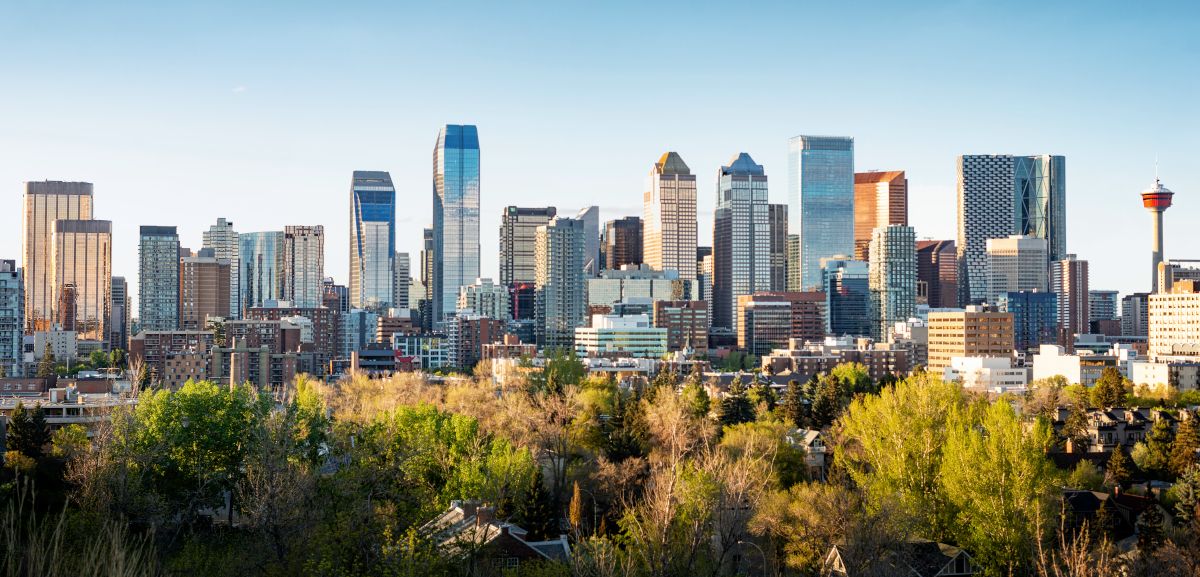
Kenora
Kenora is a city in northwestern Ontario, Canada, situated on the northern shores of Lake of the Woods near the Manitoba border. As the seat of Kenora District, it serves as an administrative and economic hub for the region. The city is renowned for its stunning natural setting, rich history tied to the fur trade and gold mining, and its unique distinction as the smallest community to ever win the Stanley Cup. Kenora's economy is anchored by tourism, forestry, and mining, drawing visitors and seasonal residents to its vast network of lakes and forests.
History and Naming
The area now known as Kenora is the traditional territory of the Ojibway (Anishinaabe) people. The original Ojibwe name, Wazhashk-Onigamiing, translates to "place of the muskrat portage." European exploration began with Jacques de Noyon sighting Lake of the Woods in 1688, followed by the establishment of Fort Saint Charles by Pierre de La Vérendrye in 1732. The Hudson's Bay Company established a post on Old Fort Island in 1836 and moved to the mainland in 1861, naming the settlement Rat Portage, an anglicized version of the Ojibwe name. The community was officially renamed Kenora in 1905, a portmanteau created from the first two letters of Keewatin, Norman, and Rat Portage, the three communities that amalgamated that year. A significant boundary dispute between Ontario and Manitoba saw both provinces claim Rat Portage from 1870 until 1889, when the Judicial Committee of the Privy Council definitively placed it within Ontario.
Gold discovery in 1850 spurred mining activity, with 20 mines operating near Rat Portage by 1893. The community gained national sporting fame when the Kenora Thistles won the Stanley Cup in 1907. A major moment in Canadian civil rights history occurred on November 22, 1965, when approximately 400 Aboriginal protesters marched down Main Street against anti-Indigenous racism, an event widely regarded as Canada's first civil rights march. The modern City of Kenora was formed in 2001 through the amalgamation of the former city of Kenora, the town of Keewatin, and the township of Jaffray Melick.
Geography and Climate
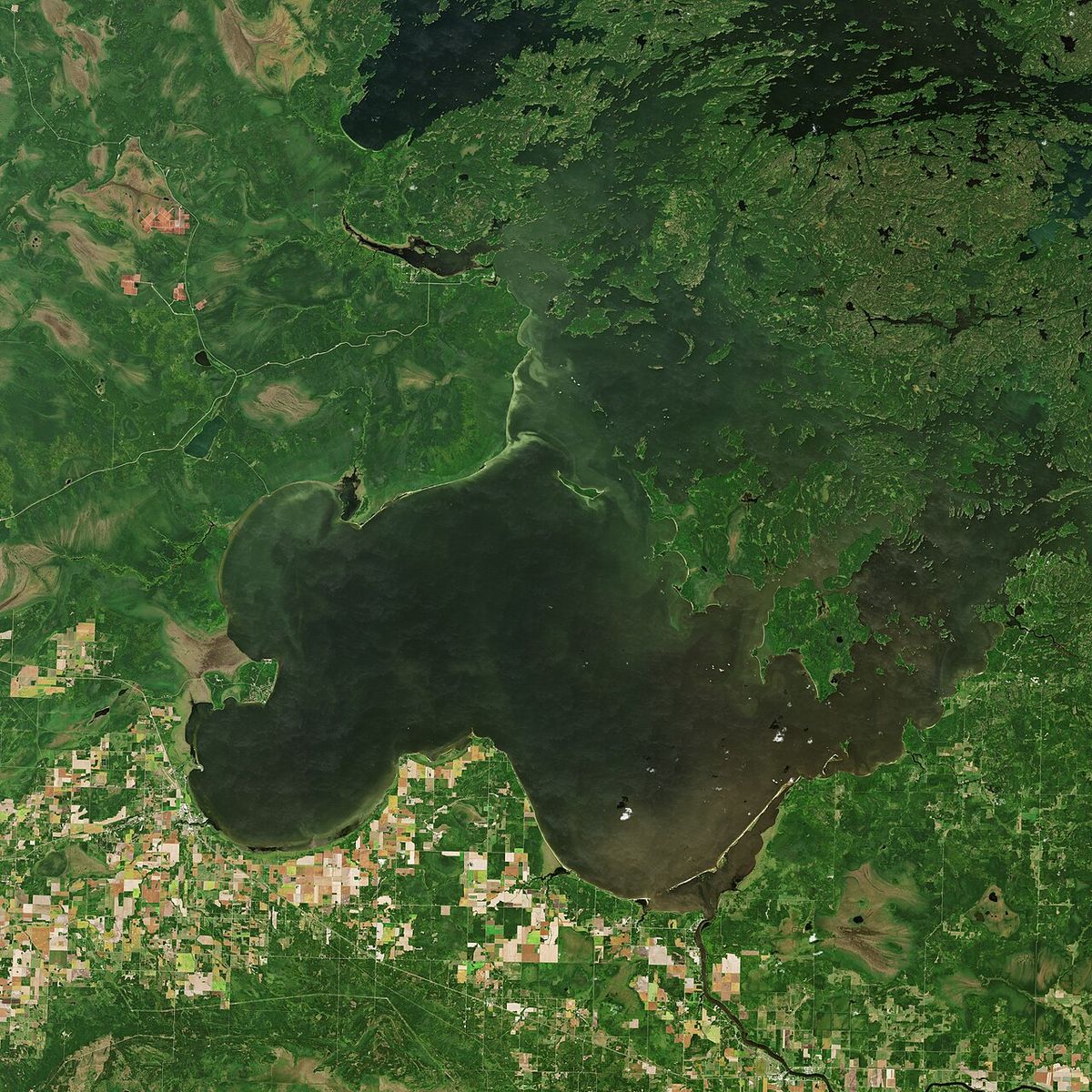
Kenora is located on the rugged Canadian Shield along the extensive shoreline of Lake of the Woods approximately 208 kilometres east of Winnipeg. The city encompasses several distinct neighbourhoods, including the former municipalities of Keewatin, Jaffray Melick, and Norman, as well as areas like Rabbit Lake, Rideout, and Lakeside. Keewatin forms the western section, while the more rural Jaffray Melick is in the northeast. The landscape is dominated by Precambrian rock, countless lakes, and dense boreal forest, contributing to its scenic appeal. Kenora experiences a humid continental climate characterized by warm summers and cold, dry winters.
Continental air masses heavily influence weather patterns. January averages see highs of -11 °C and lows of -21 °C, with temperatures dropping below -20 °C on about 45 days annually. Summers are warm, with July highs averaging 24 °C and lows of 15 °C. The city receives an average annual precipitation of 662 millimetres, with June typically being the wettest month. Snowfall averages 158 centimetres per year, which is relatively low for the region due to dry winter air from continental high-pressure systems. The highest temperature ever recorded was 40.6 °C on July 11, 1936, while the coldest was -43.9 °C on January 20, 1943.
Demographics and Economy
According to the 2021 Canadian census, Kenora had a population of 14,967, a slight decrease from 15,096 in 2016. The population density is 70.7 persons per square kilometre across a land area of 211.65 square kilometres. The city's population often swells in the spring and summer months with an influx of seasonal residents and tourists. The median household income in Kenora was $59,946 as of 2005, slightly below the Ontario provincial average at that time.
The local economy is a three-pillar structure based on tourism, forestry, and mining. Tourism is a year-round industry, with summer activities like boating, fishing, and hiking drawing visitors, while winter attracts people for ice fishing, snowmobiling, and skiing. The logging industry was historically dominant, with the last log boom arriving in Kenora in 1985. Mining remains a significant sector, rooted in the area's gold rush history. The city also serves as a regional service centre for Northwestern Ontario, providing government, health care, and retail services. In 2026, the Kenora region was selected as one of five Ontario communities for the Regional Economic Development through Immigration (REDI) initiative to support workforce development and economic growth.
Government and Infrastructure
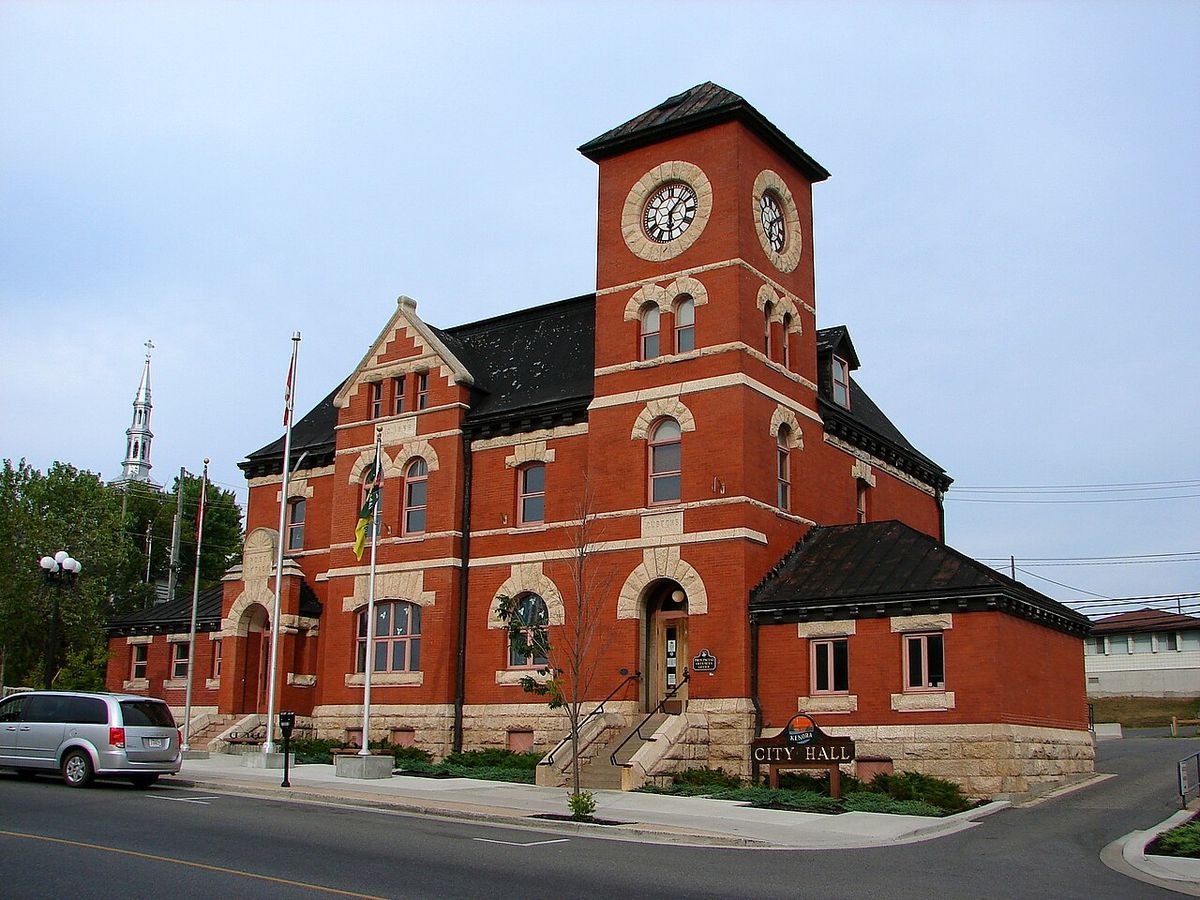
The City of Kenora is governed by a mayor and a six-member council, elected to four-year terms under the Ontario Municipal Act. As of 2026, the mayor is Andrew Poirier. The city operates under strategic plans including 'Charting Our Course to 2027' and a Sustainability Action Plan. In federal politics, Kenora is represented in the House of Commons by Conservative MP Eric Melillo. Provincially, it is represented in the Legislative Assembly of Ontario by Greg Rickford of the Progressive Conservative Party. Some residents have historically expressed a desire for the region to secede from Ontario and join Manitoba, citing dissatisfaction with provincial government services.
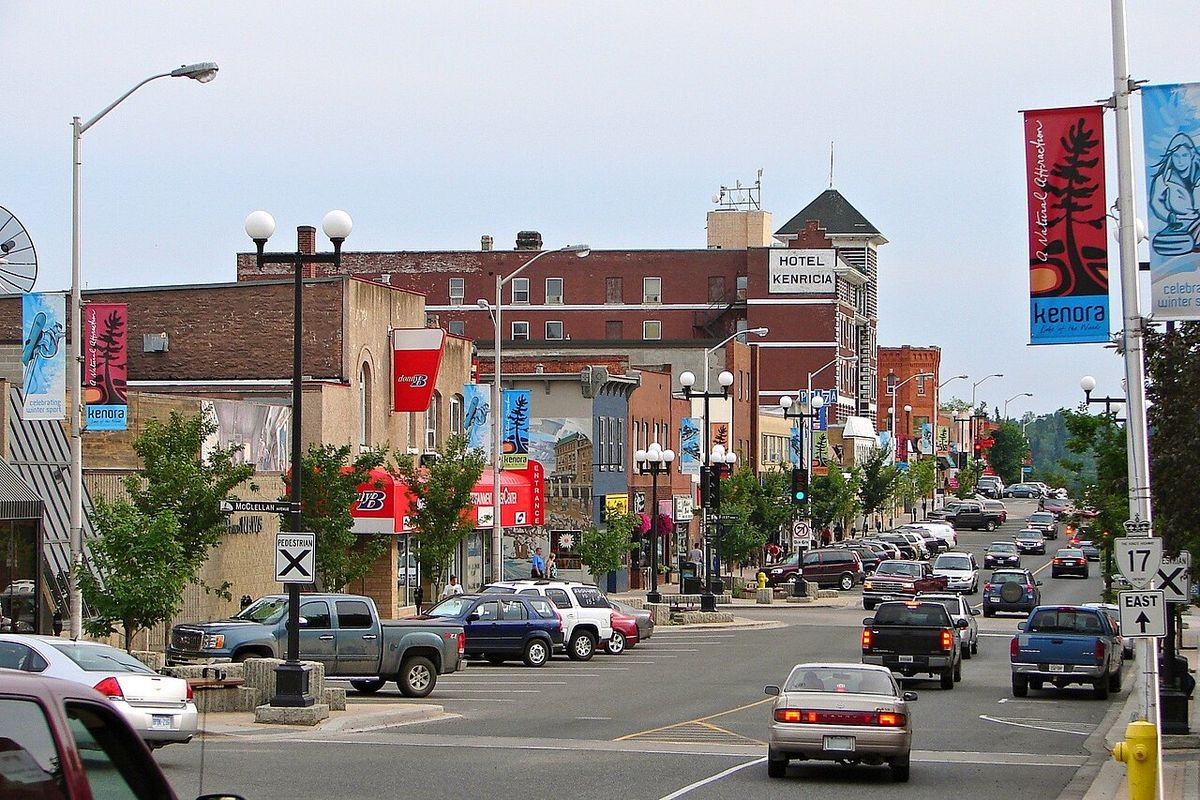
Key infrastructure includes the Trans-Canada Highway (Highway 17), which passes through the urban core, with a bypass route (Highway 17A) skirting the city. The Kenora Airport is located just east of the city centre. Via Rail provides passenger service to Redditt, north of Kenora, on the CN rail line, while the CP rail line runs directly through town. Public transit is provided by an on-demand microtransit system called The Wave. Health care is delivered through the Lake of the Woods District Hospital and its associated facilities, including the Morningstar Rehabilitation Centre and Mental Health and Addictions services. The city also faces a noted housing shortage, exacerbated by its role as one of two judicial districts in Northwestern Ontario.
Culture, Recreation, and Landmarks
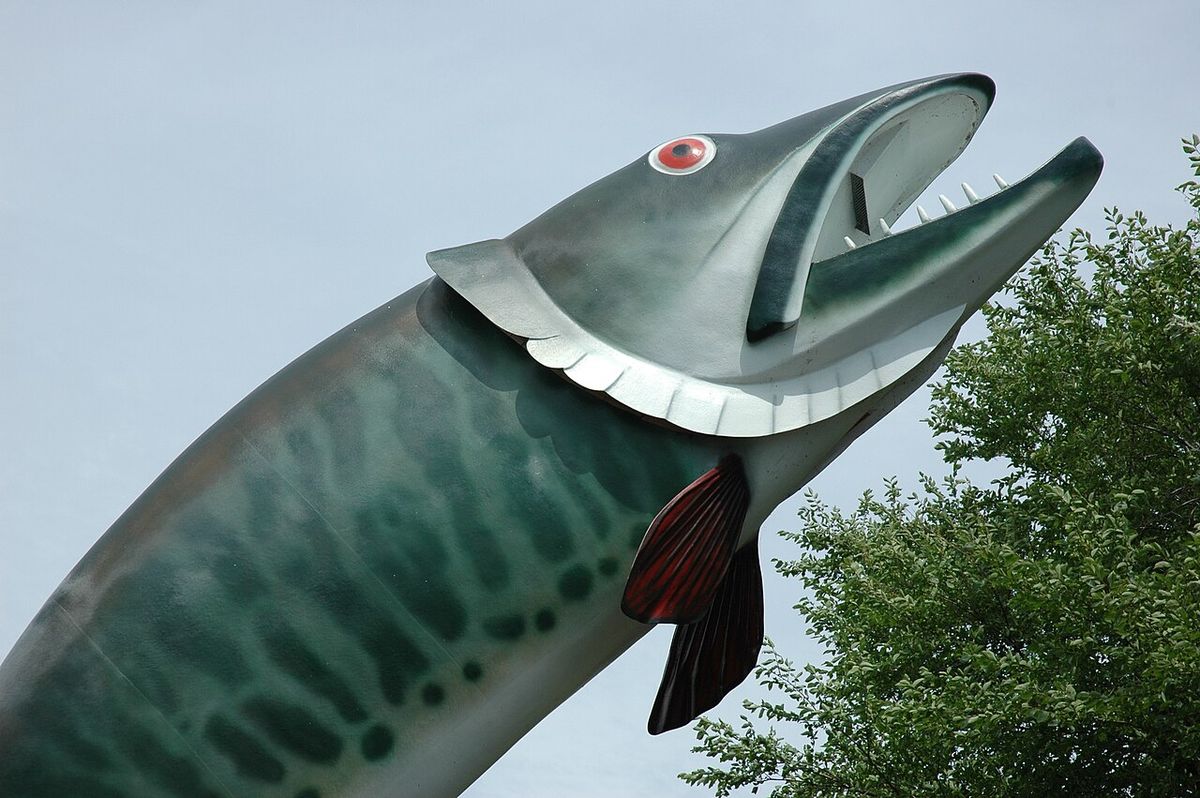
Kenora's cultural life is deeply connected to its natural environment and history. The Lake of the Woods Museum and the Douglas Family Art Centre, collectively known as The MUSE, are central cultural institutions. The Kenora Harbourfront park hosts major annual events, including summer and winter festivals. A prominent city landmark is Husky the Muskie, a 12-metre tall statue of a muskellunge located in McLeod Park, erected in 1967. The downtown core features a public arts project with over 20 murals depicting local history on building exteriors.
The city is famous in sports history as the home of the Kenora Thistles, the 1907 Stanley Cup champions, making Kenora the smallest city to win a major North American sports title. Local hockey teams continue to honour the Thistles name. Major annual events and festivals include:
- Kenora Canada Day Celebrations: A day-long festival with family activities and fireworks at the Harbourfront on July 1st.
- Shake the Lake: A major August Long Weekend party featuring entertainment, food trucks, and classic car shows.
- Kenora Bass International (KBI): A premier three-day freshwater bass fishing tournament on Lake of the Woods.
- Coney Island Music Festival: A free, family-friendly day of live music and activities on Coney Island.
- Frost Bites: An annual month-long winter culinary event held throughout March.
- Matiowski Farmers' Market: Northwestern Ontario's largest market, held weekly in the summer.
Education and Media
Kenora is served by two publicly funded school boards. The Keewatin-Patricia District School Board operates Beaver Brae Secondary School and four elementary schools: Keewatin Public School, Evergreen School, King George IV School, and Valleyview School. The Kenora Catholic District School Board operates Saint Thomas Aquinas High School and three elementary schools, including the French immersion École Ste. Marguerite-Bourgeois, Pope John Paul II School, and St. Louis School. Post-secondary and adult education are provided by the Kenora campus of Confederation College and the Seven Generations Education Institute, which focuses on Indigenous teachings and preparation for community work. Contact North, housed within the college, provides distance education access to programs from other Ontario institutions.
The primary local news source is the Kenora Miner and News newspaper. The local radio market includes stations such as CJRL-FM 89.5 (adult contemporary), CKWO-FM 101.3 (First Nations community radio), and relays of CBC and Radio-Canada services. Kenora was once Canada's smallest television market, served by CJBN-TV, a Global affiliate that ceased broadcasting in 2017. Residents now primarily receive television service from Winnipeg stations via cable, including CBC, Radio-Canada, CTV, Global, and Citytv.
Geological Significance and Recognition
Kenora holds a unique place in geological science. The Kenoran orogeny, a major mountain-building event approximately 2.72 billion years ago, was named after the town. Evidence from rocks in the Kenora area contributed to the identification of Kenorland, one of Earth's earliest supercontinents that predated Pangaea by about 2.4 billion years. This makes the region significant for understanding the formation of early continental crust. In a modern context, the city actively works on reconciliation and acknowledges it is on the traditional territory of the Anishinaabe of Treaty #3 and the Métis people. It recognizes the original land base of one collective First Nation community, now separated into Wauzhushk Onigum, Niisaachewan, and Washagamis Bay First Nations.
Recent Developments and Future Plans
The City of Kenora is engaged in several ongoing initiatives and projects as of 2026. Municipal elections for council and school board trustees are scheduled for October 26, 2026, with advanced voting available online, by phone, or in person. The city's 2026 operating budget, approved in February 2026, included a net tax levy increase of 3.74 per cent. Key capital projects include ongoing work on the Eighth Avenue South Bridge, scheduled to continue through October 2026. The city has also adopted a new Community Improvement Plan to guide development.
Tourism and economic development are being advanced through a 5-Year Tourism and Economic Development Strategy and a Special Events Grant program funded by the Municipal Accommodation Tax. The 2025 Holiday Trail campaign set record-breaking participation numbers, building on an award-winning 2024 campaign. Infrastructure and service improvements continue, with the city encouraging public engagement through tools like the online Kenora Leisure Guide and the Voyent Alert! system for emergency notifications. The city also maintains an armoury for the 116th Independent Field Battery, RCA, at 800-11th Avenue North.
Questions about Kenora
Why is Kenora famous?
Kenora is famous for several reasons. It is the smallest city to have ever won the Stanley Cup, achieved by the Kenora Thistles hockey team in 1907. Its stunning location on Lake of the Woods makes it a major tourist destination for fishing, boating, and outdoor recreation. Geologically, it lent its name to the Kenoran orogeny and the ancient supercontinent Kenorland. The city also gained historical significance for hosting what is considered Canada's first civil rights march by Aboriginal protesters in 1965.
What does the name Kenora mean?
The name Kenora is an invented word, not derived from an Indigenous language. It was created in 1905 when the communities of Rat Portage, Keewatin, and Norman amalgamated. The new name was formed by combining the first two letters of each: 'Ke' from Keewatin, 'No' from Norman, and 'Ra' from Rat Portage. The original Ojibwe name for the area is Wazhashk-Onigamiing, meaning 'place of the muskrat portage,' which was translated to Rat Portage by early European settlers.
What is there to do in Kenora?
Kenora offers a wide range of activities centred on its natural environment. In summer, visitors enjoy boating, fishing, swimming, and hiking on Lake of the Woods and surrounding lakes. The city hosts major events like the Kenora Bass International fishing tournament, Shake the Lake festival, and Canada Day celebrations. Winter activities include ice fishing, snowmobiling, and skiing. Cultural attractions include The MUSE (Lake of the Woods Museum and Douglas Family Art Centre), the Husky the Muskie statue, and a downtown mural tour. Year-round, the Matiowski Farmers' Market operates in the summer.
Is Kenora in Ontario or Manitoba?
Kenora is definitively in the province of Ontario. However, this was settled after a long boundary dispute. From 1870 to 1884, both Ontario and the newly created province of Manitoba claimed the settlement, then known as Rat Portage. The dispute was resolved by the Judicial Committee of the Privy Council in London, which ruled in Ontario's favour in 1884, with the boundary officially set in 1889. Kenora's proximity to the border, just east of Manitoba, still creates strong economic and social ties with the neighbouring province.
Who is the mayor of Kenora?
As of 2026, the mayor of Kenora is Andrew Poirier. The city is governed by a mayor and a six-member council, elected for four-year terms. Previous mayors have included Dave Canfield, who served from 2000 to 2006 and again from 2010, and Len Compton, who served from 2006 to 2010. The next municipal election is scheduled for October 26, 2026.
What is the population of Kenora?
According to the most recent Statistics Canada census data from 2021, the population of Kenora is 14,967. This represents a slight decrease of 0.9 per cent from the 2016 population of 15,096. The population density is 70.7 people per square kilometre. The population is seasonal, often swelling significantly during the spring and summer months with an influx of cottage owners and tourists to the Lake of the Woods area.
Sources and further reading
- Kenora (Wikipedia)
- City of Kenora: Home (kenora.ca)
- News and Notices | City of Kenora (kenora-018-ca.govstack.com)
- Events & Festivals, Visit Kenora & Lake of the Woods (visitkenora.ca)
Checked by the Your Space Hamilton desk. Last updated 2026-10-29.