Campbell River, British Columbia
Campbell River is a city on the east coast of Vancouver Island in British Columbia, Canada, situated at the south end of Discovery Passage along the Inside Passage shipping route. With a population of 35,138 as of the 2021 census, the city is renowned as the 'salmon capital of the world,' a title reflecting its deep historical and economic ties to sport and commercial fishing. Campbell River serves as a key service centre and gateway to the northern regions of Vancouver Island and the surrounding Discovery Islands, including Quadra Island, Sayward, and Gold River. Its economy has diversified from its foundational industries of forestry and fishing to include aquaculture, clean energy, technology, and tourism, supported by transportation links like the Island Highway and Campbell River Airport.
History and Indigenous Heritage
The area now known as Campbell River was originally inhabited by Kʼómoks (Island Comox) and related Coast Salish peoples. During the 18th century, a migration of Kwakwakaʼwakw people, specifically the Laich-kwil-tach (Lekwiltok) group, moved south from the Fort Rupert area. These newcomers established control, enslaving and later absorbing the local Kʼómoks, and became known as formidable raiders along the coast, referred to historically as the Euclataws or Yucultas. European contact began in 1792 when Captain George Vancouver arrived aboard HMS Discovery, with the adjacent waterway named Discovery Passage in the ship's honour, and his botanist Archibald Menzies recorded an encounter with a Salish-speaking group. The river and eventual city are believed to be named for Dr. Samuel Campbell, assistant surgeon aboard HMS Plumper, which charted the area around 1859 under Captain George Henry Richards. The community formally adopted the name Campbell River when its post office was established in 1907, and nearby Cape Mudge was named for First Lieutenant Zachary Mudge of HMS Discovery.
Sport fishing drew visitors from the 1880s onward, with tales from anglers like Sir Richard Musgrave and Sir John Rogers popularizing the region. The formation of the Campbell River Tyee Club in 1924, aimed at conserving salmon stocks from over-fishing, further cemented the city's reputation. Industrial logging expanded significantly in the 1920s with operations by companies like Merrill Ring and Company, Bloedel, Stewart and Welch, and Comox Logging at camps in Rock Bay, Menzies Bay, and Englewood. Following the Second World War, Campbell River experienced a boom with major projects including the John Hart Dam and the Elk Falls pulp mill, solidifying its role as an industrial and supply centre for northern Vancouver Island, Quadra Island, and Cortes Island, while nearby mining for lead, zinc, coal, and copper also prospered.
Geography and Climate
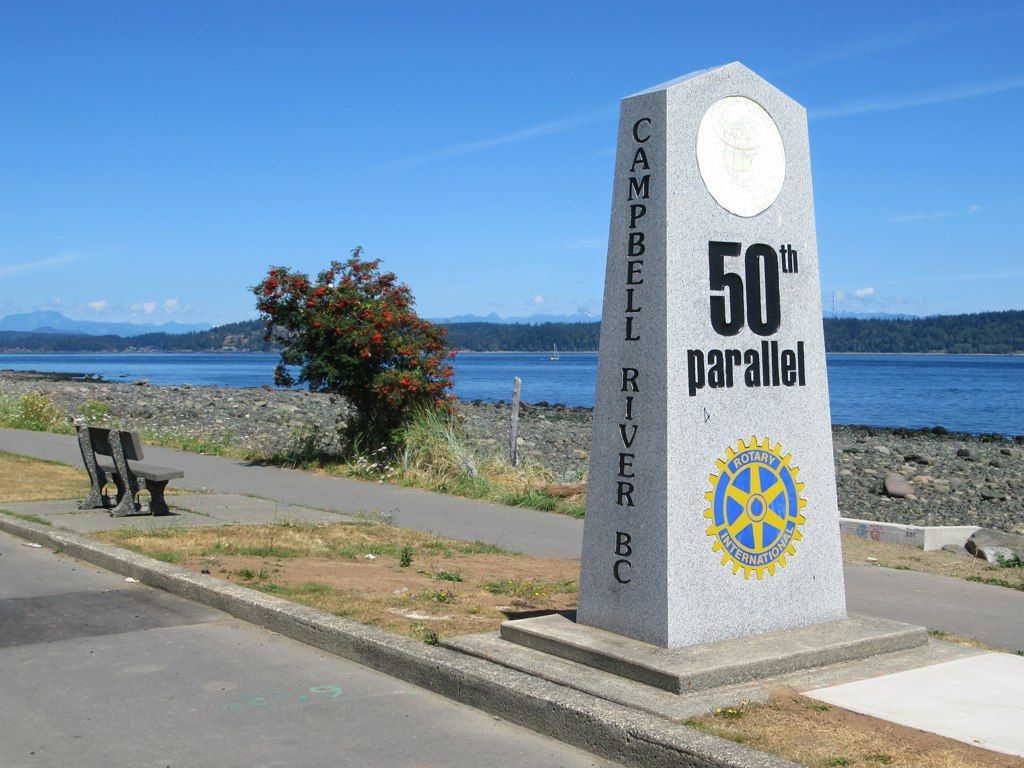
Campbell River is located on the east coast of Vancouver Island at the south end of Discovery Passage, which forms part of the important Inside Passage shipping route along the 50th parallel north. The city lies approximately halfway up the island, marking a transition between the more developed southern regions and the wilder northern areas, and is near the communities of Quadra Island, Sayward, Oyster River, Gold River, Tahsis, and Zeballos. Its land area encompasses 144.38 square kilometres, including urban areas and surrounding natural landscapes. The climate is classified as Mediterranean (Köppen Csb), very closely bordering on an oceanic climate, characterized by mild, wet winters and warm, drier summers, with the most precipitation falling in November at an average of 231 millimetres.
January typically sees the most snowfall, averaging 23.3 centimetres, and the city can experience extreme weather events, including Arctic outbreaks from the British Columbia interior that bring freezing temperatures and Pacific lows that deliver heavy snow. A record 24-hour snowfall of 53.3 centimetres was recorded in 1978, and snowfalls exceeding 45 centimetres in a day have occurred. Campbell River holds Vancouver Island's record lowest temperature of -23.9 °C, set on January 30, 1969. Conversely, the record high temperature of 39.6 °C was recorded on June 27, 2021, during a significant heat wave that also saw a record high dew point of 23.8 °C on June 28, 2021. The warmest month on record was July 1985, with an average mean temperature of 21.9 °C, an average daily maximum of 27.8 °C, and no daily maximum below 22.4 °C. Other notable records include the highest average monthly daily minimum of 13.9 °C in July 2009 and the most humid month being July 1998 with an average dew point of 13.8 °C.
Demographics and Community
According to the 2021 Canadian census, Campbell River had a population of 35,519 people living in 15,557 of its 16,194 total private dwellings. This represented a population increase of 7.6 percent from the 2016 count of 33,007, and with a land area of 144.38 square kilometres, the population density was 246.0 persons per square kilometre. The demographic profile reflects a predominantly non-religious population, with 63.7 percent of residents reporting no religious affiliation in the 2021 census. Christianity was the largest reported religion at 33.2 percent, followed by smaller communities of Sikhism (0.6%), Hinduism (0.5%), Buddhism (0.4%), Islam (0.2%), Judaism (0.1%), and Indigenous Spirituality (0.1%). The city functions as a regional hub for education and services, with public schools administered by School District 72 Campbell River.
School District 72 operates two public high schools: Carihi Secondary School, which is also part of School District 93 Conseil scolaire francophone, and Timberline Secondary School. The Conseil scolaire francophone de la Colombie-Britannique operates one Francophone school in the city, école Mer-et-montagne primary school. Post-secondary education is available at the Campbell River campus of North Island College. The city also hosts Campbell River Christian School, a private K-12 institution. An international student program accepting students from Germany, Austria, and various countries across Europe, South America, and Asia contributes to the community's cultural diversity and educational offerings.
Economy and Industry
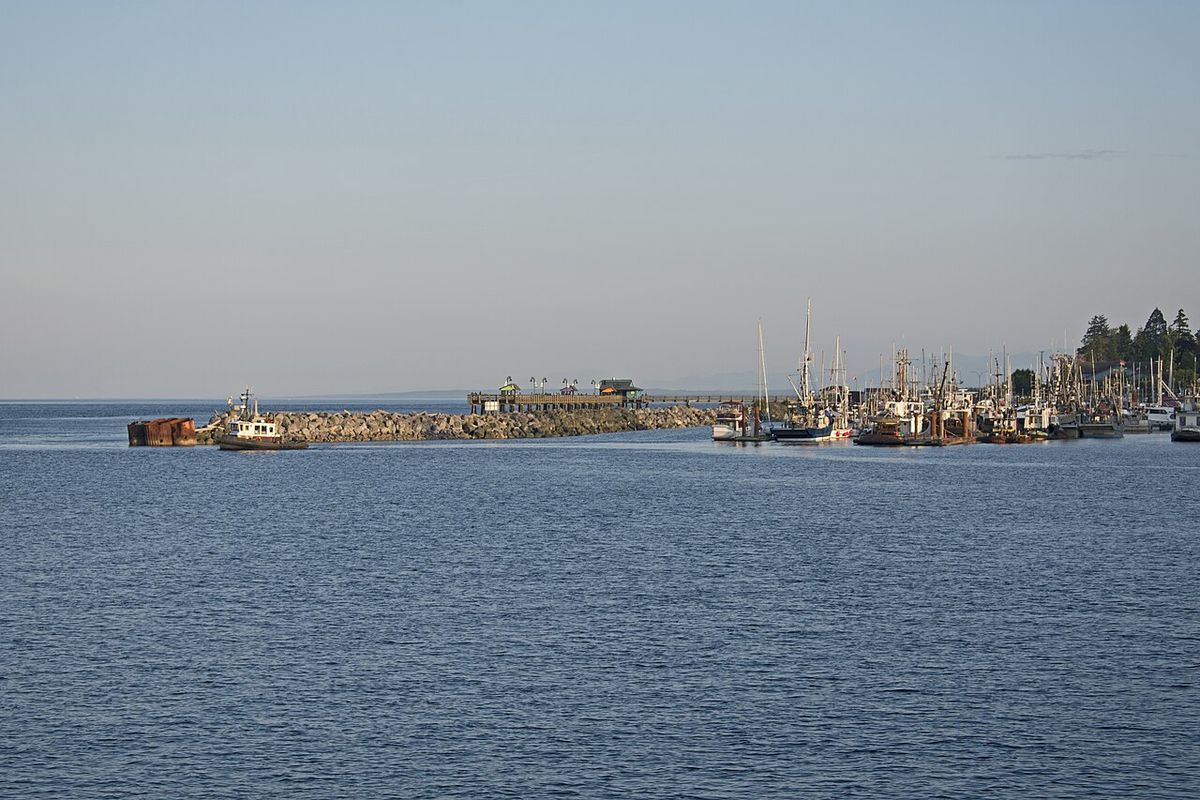
Campbell River's economy has historically been driven by resource extraction, particularly forestry, commercial fishing, and mining. The Elk Falls pulp mill was a major employer until its closure in 2009, though logging continues to be a significant source of employment, and many former mill employees have moved to other regions like Fort McMurray, Alberta. In recent decades, the economic focus has broadened to include a variety of growing sectors as of 2012, directed towards aquaculture, agrifoods, clean energy development, construction, creative industries, health care, international education, technology, and tourism. The city's famed salmon fishing remains central to both its cultural identity and its tourism sector, supported by local fish hatcheries that help maintain stocks for the fishing industry, and it has long been promoted as the salmon capital of the world.
The city's strategic location makes it a vital supply and service point for northern Vancouver Island, Quadra Island, and Cortes Island, a role it has held since 1912. While the historic E and N Railway was surveyed to Campbell River, it only reached Courtenay, 64 kilometres to the south, and in an original conception it would have been part of a transcontinental route via Bute Inlet after crossing the British Columbia Interior, connecting to Vancouver Island just north of Campbell River at Seymour Narrows. Modern transportation links are comprehensive, including the Island Highway. Despite economic shifts, Campbell River maintains a diverse small business community suitable to an ocean side community and continues to develop its profile in sectors like international education and clean technology, while nearby mining operations for lead, zinc, and coal contribute to the regional economy.
Transportation and Access
Campbell River is served by multiple modes of transportation connecting it to Vancouver Island and beyond. Road access is provided by the coast-spanning Island Highway, which links the community to the rest of Vancouver Island. The Campbell River Transit System, operated by Watson and Ash Transportation under a partnership between the City of Campbell River and BC Transit, provides bus service to the city and neighbouring communities. For air travel, the city is served by Campbell River Airport, designated YBL, which handles scheduled flights. The Campbell River Water Aerodrome at Campbell River Harbour facilitates seaplane access for both commercial and private travel, and marine transportation includes a BC Ferries route that connects the city to Quadra Island, providing vital access to the Discovery Islands.
The city is served by the coast spanning Island Highway and Campbell River Airport. Campbell River is also served by the nearby but now defunct Island Rail Corridor. The E and N Railway was surveyed to Campbell River, yet it only reached Courtenay, 64 km south. After 1912, Campbell River became a supply point for northern Vancouver Island, Quadra Island, and Cortes Island. The city's transportation infrastructure supports its role as a service centre and hub for the northern island.
Politics and Governance
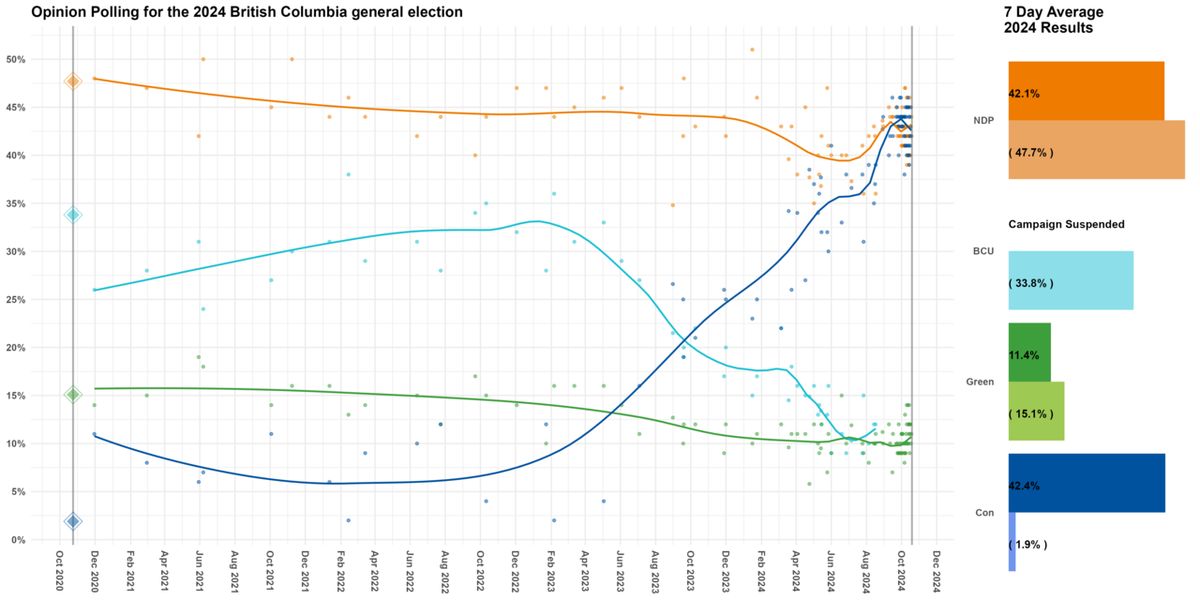
At the federal level, Campbell River is part of the riding of North Island, Powell River, represented in the House of Commons by Conservative Party of Canada MP Aaron Gunn. In the provincial Legislative Assembly of British Columbia, the city falls within the North Island riding, which has been represented by Conservative Party of British Columbia MLA Anna Kindy since the 2024 provincial election. Municipal governance is led by Mayor Kermit Dahl, who was elected on October 15, 2022. The city council manages local affairs, including partnerships for transit and community development, and oversees services within the Strathcona Regional District.
Since 1983, Campbell River has been a sister or twinned city of Ishikari, Hokkaido, Japan. This twinning was based on the importance of salmon to both cities. The mayor of Campbell River is Kermit Dahl, who was elected on 15 October 2022. The town's magistrate Roderick Haig Brown purchased a fishing cabin on Campbell River and wrote a number of books on fly fishing for both sport fishermen and conservationists. The city's political representation includes the riding of North Island Powell River in the House of Commons of Canada.
Culture, Media, and Notable Residents
Campbell River has been home to many individuals who have gained prominence in sports, arts, and other fields. The city's natural beauty and recreational opportunities have attracted and nurtured talent across generations. Notable residents include author, magistrate, and conservationist Roderick Haig-Brown, who purchased a fishing cabin on the river and wrote a number of books on fly fishing for both sport fishermen and conservationists. His daughter, Celia Haig-Brown, is a noted scholar and filmmaker. In sports, the city is associated with National Hockey League figures like Rod Brind'Amour, who learned to play hockey there and now coaches the Carolina Hurricanes, and players Brett Connolly and retired professional Kris Fredheim.
Olympic athletes from the area include freestyle skier Teal Harle, who placed fifth in slope style at the 2018 Winter Olympics, long-distance runner Cameron Levins, and gold medal rower Avalon Wasteneys. The local arts community includes artist Sybil Andrews, musician Nicholas Thorburn, and actress and filmmaker Krsy Fox. Other notable figures are actor Barry Pepper, LPGA Tour winner Dawn Coe-Jones, cricketer John Davison, and former actress and drama school operator Jacqueline Pirie, also known as Jacqueline Chadwick. Campbell River's media outlets include the Campbell River Mirror newspaper and several local radio stations, which serve the community with news and entertainment.
- CHVI-FM 88.7, Christian radio
- CKLR-FM 97.3, hot adult contemporary
- CIQC-FM 99.7, adult contemporary music
- CKCC-FM 100.7, country music
- Shaw Spotlight, community television, formerly Shaw TV and Campbell River TV Association
Climate Data and Records
Campbell River has a Mediterranean climate very closely bordering on oceanic. The average yearly maximum dew point is 17.7 °C and the average yearly maximum daily minimum temperature is 16.7 °C. The lowest yearly maximum temperature is 29.6 °C recorded in 1999. The lowest yearly maximum dew point is 15.4 °C recorded in 2001. The lowest yearly maximum daily minimum temperature is 14.0 °C recorded in 1983. These records illustrate the range of conditions experienced in the region.
| Record Type | Value | Date or Period |
|---|---|---|
| Highest Temperature | 39.6 °C | June 27, 2021 |
| Lowest Temperature | -23.9 °C | January 30, 1969 |
| Highest Daily Minimum Temperature | 21.7 °C | June 17, 1969 |
| Greatest Snowfall (24 hr) | 53.3 cm | 1978 |
| Warmest Month (Avg. Mean) | 21.9 °C | July 1985 |
| Highest Average Dew Point (Month) | 13.8 °C | July 1998 |
| Month with Highest Avg. Daily Minimum | 13.9 °C | July 2009 |
| Most Humid Month (Avg. Dew Point) | 13.8 °C | July 1998 |
A large forest fire started near Buttle Lake and burned much of the valley in 1938. The most precipitation is measured in November, at 231 mm on average. The record high temperature was 39.6 °C recorded June 27, 2021. The record high daily minimum was 21.7 °C recorded June 17, 1969. The record highest dew point was 23.8 °C recorded June 28, 2021. These figures demonstrate the potential for extreme summer humidity and warmth in the area.
Questions about Campbell River, British Columbia
Why is Campbell River called the salmon capital of the world?
Campbell River earned the nickname 'salmon capital of the world' due to its exceptional sport fishing, particularly for the large Chinook salmon known as Tyee. The area's rich salmon stocks in Discovery Passage have attracted anglers since the late 19th century, with early promoters including Sir Richard Musgrave and Sir John Rogers. The formation of the Campbell River Tyee Club in 1924 helped popularize and conserve the fishery, cementing the city's international reputation. This legacy continues to define the local culture and tourism industry, and the city's sister city relationship with Ishikari, Japan, is also based on the importance of salmon.
What is there to do in Campbell River for tourists?
Tourists in Campbell River can enjoy world-class salmon fishing, explore the extensive network of hiking trails in nearby Strathcona Provincial Park, and visit the Museum at Campbell River to learn about local history and Indigenous culture. The city offers wildlife viewing opportunities for whales, bears, and eagles, as well as kayaking and diving in the Discovery Passage. Visitors can also walk the Rotary Sea Walk, explore the Discovery Pier, and take BC Ferries to the scenic Quadra and Cortes Islands. Historical sites related to logging and the Tyee Club, along with cultural events, add to the visitor experience.
How do you get to Campbell River?
Campbell River is accessible by road via the Island Highway, which runs the length of Vancouver Island. The Campbell River Airport offers scheduled flights, and the Campbell River Water Aerodrome at Campbell River Harbour serves seaplanes. BC Ferries provides regular vehicle and passenger service from Campbell River to Quadra Island. The Campbell River Transit System, operated by Watson and Ash Transportation in partnership with BC Transit, offers bus connections within the city and to neighbouring communities. There is no active passenger rail service, as the Island Rail Corridor is now defunct.
What are the major industries in Campbell River today?
While historically dominated by forestry, fishing, and mining, Campbell River's economy has diversified. Major industries now include aquaculture, tourism, clean energy development, technology, health care, and construction, as well as agrifoods, creative industries, and international education. Logging remains a significant employer despite the closure of the Elk Falls pulp mill in 2009, and commercial fishing continues alongside fish hatcheries. The city also serves as an important service and supply centre for northern Vancouver Island and the surrounding island communities, with a variety of small businesses operating.
What is Campbell River's sister city and why?
Campbell River's sister city is Ishikari, located on the island of Hokkaido, Japan. The two cities formalized their twinning agreement in 1983. The relationship is founded on the shared cultural and economic significance of salmon to both communities, fostering cultural exchanges and mutual interests in fisheries, conservation, and community development. This connection highlights Campbell River's international identity as a centre for salmon fishing and stewardship.
Who is the current mayor of Campbell River?
The current mayor of Campbell River is Kermit Dahl. He was elected on 15 October 2022. This political leadership is part of the city's governance structure within the province of British Columbia. In the provincial Legislative Assembly, the riding of North Island is represented by Anna Kindy of the Conservative Party of British Columbia. Federally, the area is represented in the House of Commons by the riding of North Island, Powell River. The mayor works within this broader political framework to administer the city, which is a significant community on Vancouver Island.
Sources and further reading
- Campbell River, British Columbia (Wikipedia)
- City of Campbell River (campbellriver.ca)
- Destination Campbell River: Home (campbellriver.travel)
- Map of Campbell River, Vancouver Island, British Columbia (britishcolumbia.com)
Checked by the Your Space Hamilton desk. Last updated 2026-11-01.