Ajax, Ontario
Ajax is a waterfront town in Durham Region, Ontario, located within the eastern Greater Toronto Area. With a population of 126,666 as of 2021, it is a significant and growing suburban community. The town is named for HMS Ajax, a Royal Navy cruiser famed for its role in the Second World War. Ajax is known for its diverse population, extensive parkland along Lake Ontario, and its history rooted in wartime industry and subsequent planned development.
History
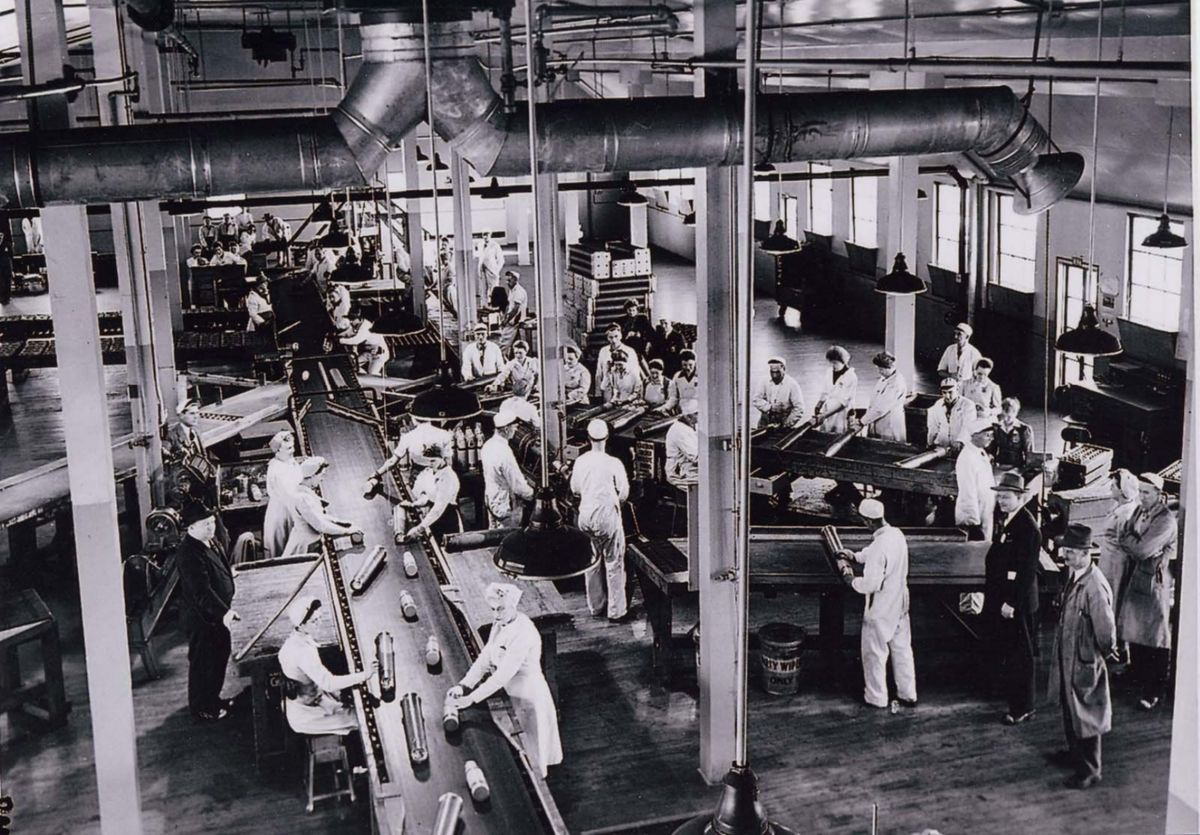
The area now known as Ajax has a long history of human activity, with Indigenous peoples present in the watersheds of Duffins Creek and Carruthers Creek since the Archaic period. European settlement began in the late 18th century, with Irish fur trader Mike Duffin among the earliest known settlers in the 1770s. The improvement of Kingston Road in 1799 spurred further development, and the community of Pickering Village emerged as a local centre in the early 19th century. Throughout the 19th and early 20th centuries, the land was primarily agricultural, with cottage communities like Pickering Beach developing along the lakeshore. The modern town was born from the Second World War, when the federal government expropriated farmland in 1939 to build the Defence Industries Limited Pickering Works munitions plant. The worker community that grew around the plant was named Ajax in a contest, honouring the British warship HMS Ajax. After the plant closed in 1945, the site saw various uses, including a University of Toronto campus and a refugee holding camp, before the Canada Mortgage and Housing Corporation was tasked with planning a modern industrial town.
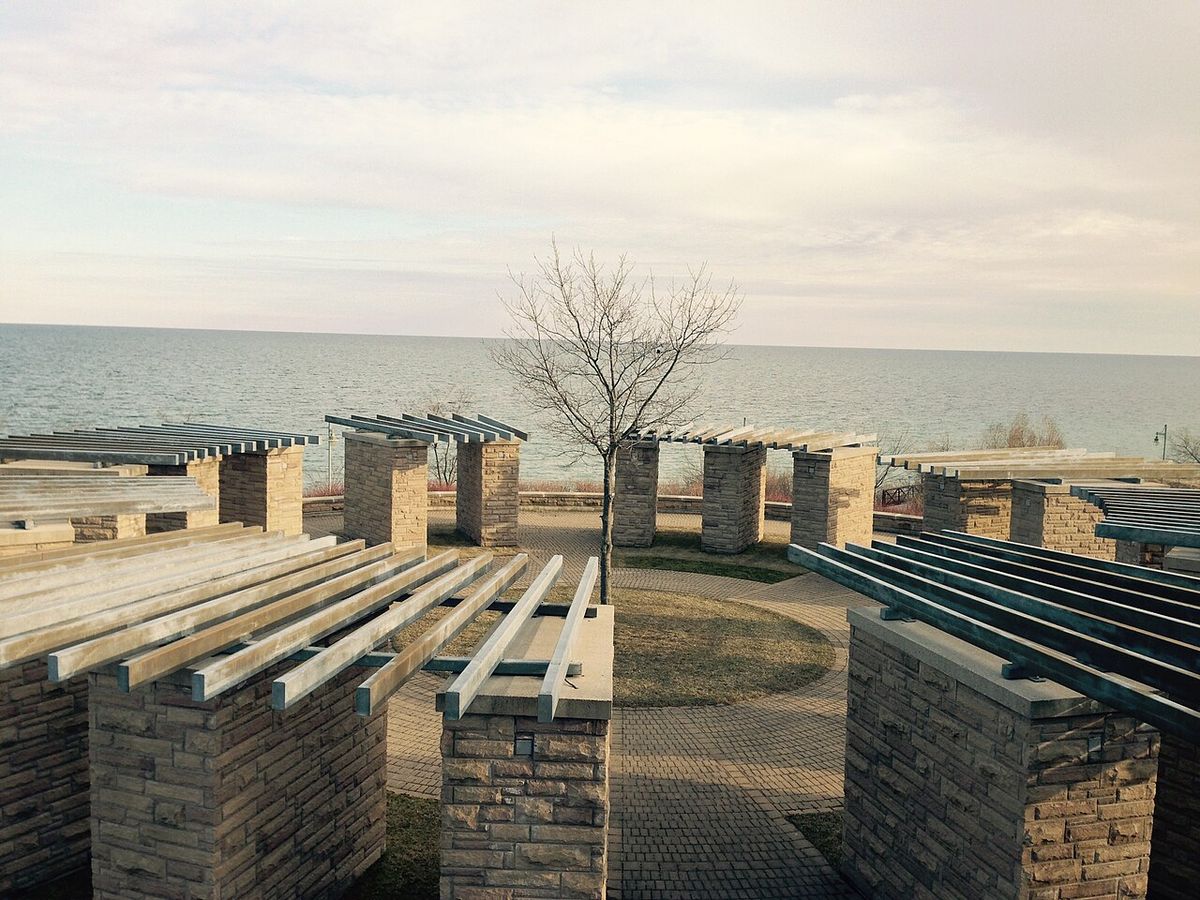
The community was incorporated as an Improvement District in 1950 and achieved full town status on 1 January 1955, with Pat Bayly as its first mayor. A significant expansion occurred on 1 January 1974, when Ajax became part of the new Regional Municipality of Durham and its boundaries were enlarged to include Pickering Village, Pickering Beach, and Audley from the former Pickering Township. Throughout the latter half of the 20th century, Ajax transformed from a planned industrial community into a major residential suburb, with extensive subdivision development north of Highway 2. The town has also prioritized its waterfront, opening a pedestrian trail in 1995, later named the William Parish Waterfront Trail in 2018.
Geography and neighbourhoods
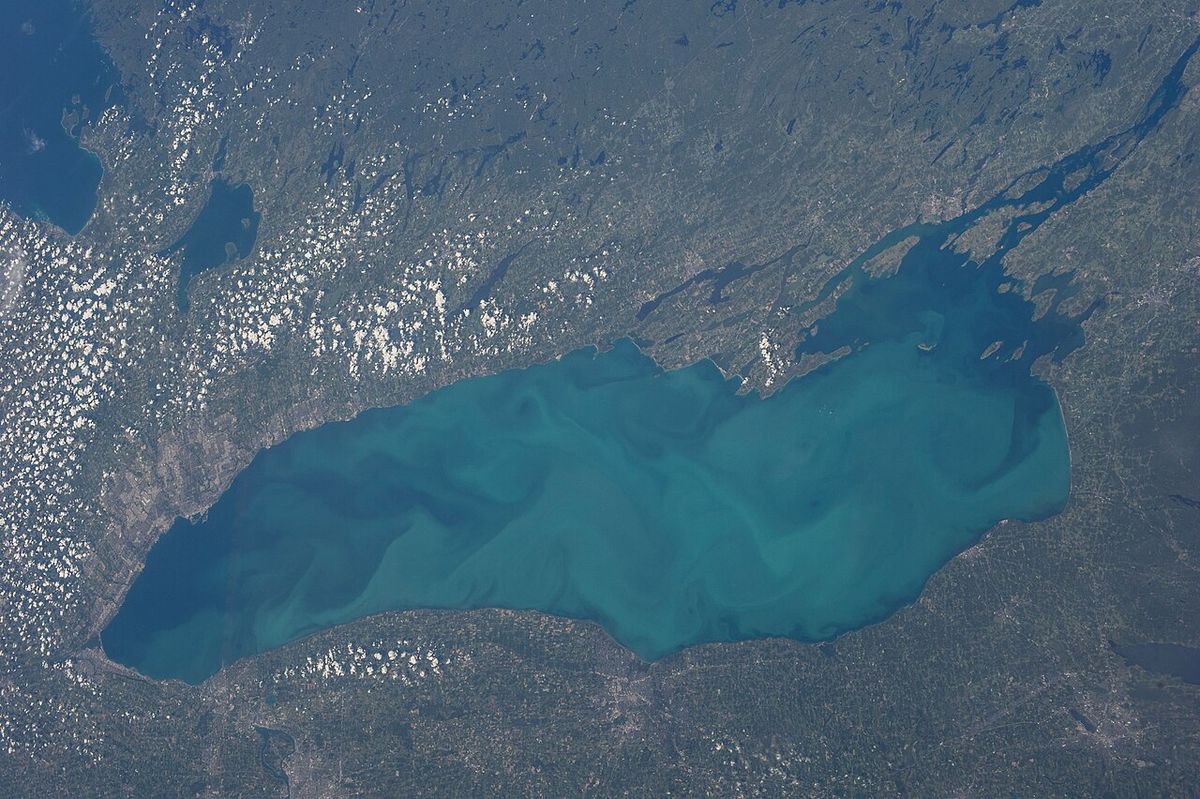
Ajax is situated on the north shore of Lake Ontario, approximately 11 kilometres east of Toronto. It is bordered by the City of Pickering to the west and north, the Town of Whitby to the east, and Lake Ontario to the south. The town's geography is characterized by creek ravines, including those of Duffins Creek and Carruthers Creek, and a significant portion of the lakeshore is protected parkland acquired by conservation authorities. The town is divided by the east-west corridor of Highway 401, which creates a distinct north-south division in the urban fabric. The town comprises several distinct neighbourhoods, many with historical roots, including the original town centre around the former munitions plant, the historic Pickering Village, the lakeside Pickering Beach community, and Audley.
Later suburban developments such as Westney Heights and Millers Creek expanded the town northward. A major recent development is the Pat Bayly Square project in downtown Ajax at the corner of Bayly Street and Harwood Avenue. This 9-acre mixed-use development, which opened in September 2018, includes residential, retail, and office space alongside a civic square and facility, representing a focus on intensifying the urban core. The project was the result of an agreement between Ajax Council and a private developer finalized in 2012 for the purchase and sale of the vacant town-owned land.
Demographics
Ajax is one of Canada's most diverse municipalities. According to the 2021 census, 65% of the population identified as a visible minority, with the largest groups being South Asian (26.2%) and Black (16.8%). In fact, Ajax has the highest percentage of Black residents of any major Canadian municipality with a population over 100,000. The immigrant population makes up 42% of residents, with India, Sri Lanka, Jamaica, the Philippines, and Pakistan being the leading places of birth. The town has a relatively young population, with a median age of 38.4 years, nearly three years below the national average. Approximately 18.8% of residents are under 15 years old, while 13.1% are aged 65 and over.
The linguistic and religious landscape reflects this diversity. While English is the predominant language, spoken by 97.97% of the population, only 64.79% report it as their sole mother tongue. Christianity is the largest religious affiliation at 50.83%, with Catholics forming the biggest single group at 22.25%. Islam (14.08%) and Hinduism (11.62%) are the next most reported religions, and 20.77% of the population reports no religious affiliation. The town also has a well-educated populace. The 2016 census indicated that 66.6% of adults aged 25 to 64 held a post-secondary certificate, diploma, or degree, while 25.3% had a high school diploma and 8.2% had no certificate.
Local government and services
Ajax is governed by a town council consisting of a mayor and six councillors. Three of these councillors hold dual roles as regional councillors, representing the town on both Ajax Council and Durham Regional Council. The current council was elected in the 2022 municipal election for a four-year term. Mayor Shaun Collier leads the council, with regional councillors Marilyn Crawford (Ward 1), Sterling Lee (Ward 2), and Joanne Dies (Ward 3). The local councillors are Rob Tyler-Morin (Ward 1), Nancy Henry (Ward 2), and Lisa Bower (Ward 3). The town provides local services, while the Region of Durham manages shared services such as policing, public health, and regional transit.
Emergency services are provided through regional and local partnerships. Policing is handled by the Durham Regional Police from a division in Pickering. Ajax Fire & Emergency Services operates from three fire stations within the town. Ambulance and emergency medical services are provided by Durham Region. For healthcare, the community is served by the Ajax Pickering Hospital, part of the Rouge Valley Health System. The hospital has undergone several expansions since its opening in 1954 to keep pace with the growing population, including a major expansion to 127 beds in 1964 and a $60 million expansion project that began in 2007.
Economy and infrastructure
Ajax's economy has evolved significantly from its origins. After the closure of the wartime munitions plant, industrial development began with companies like Dowty Aerospace establishing operations in 1949. By the late 1960s, major employers included Volkswagen Canada, DuPont, and AEG Bayly Engineering. Retail growth followed residential expansion, with shopping centres like Ajax Plaza and Harwood Place Mall built in the 1970s, and larger centres like the Durham Centre emerging later. The town's northern areas have developed as business parks and light industrial zones. A notable feature in the local entertainment economy is Ajax Downs, a casino and harness racing track located near Kingston Road and Audley Road. Its future became a topic of discussion following the 2022 opening of the larger Durham Live casino nearby on the Pickering border, which marked the first major casino operation in the Greater Toronto Area.
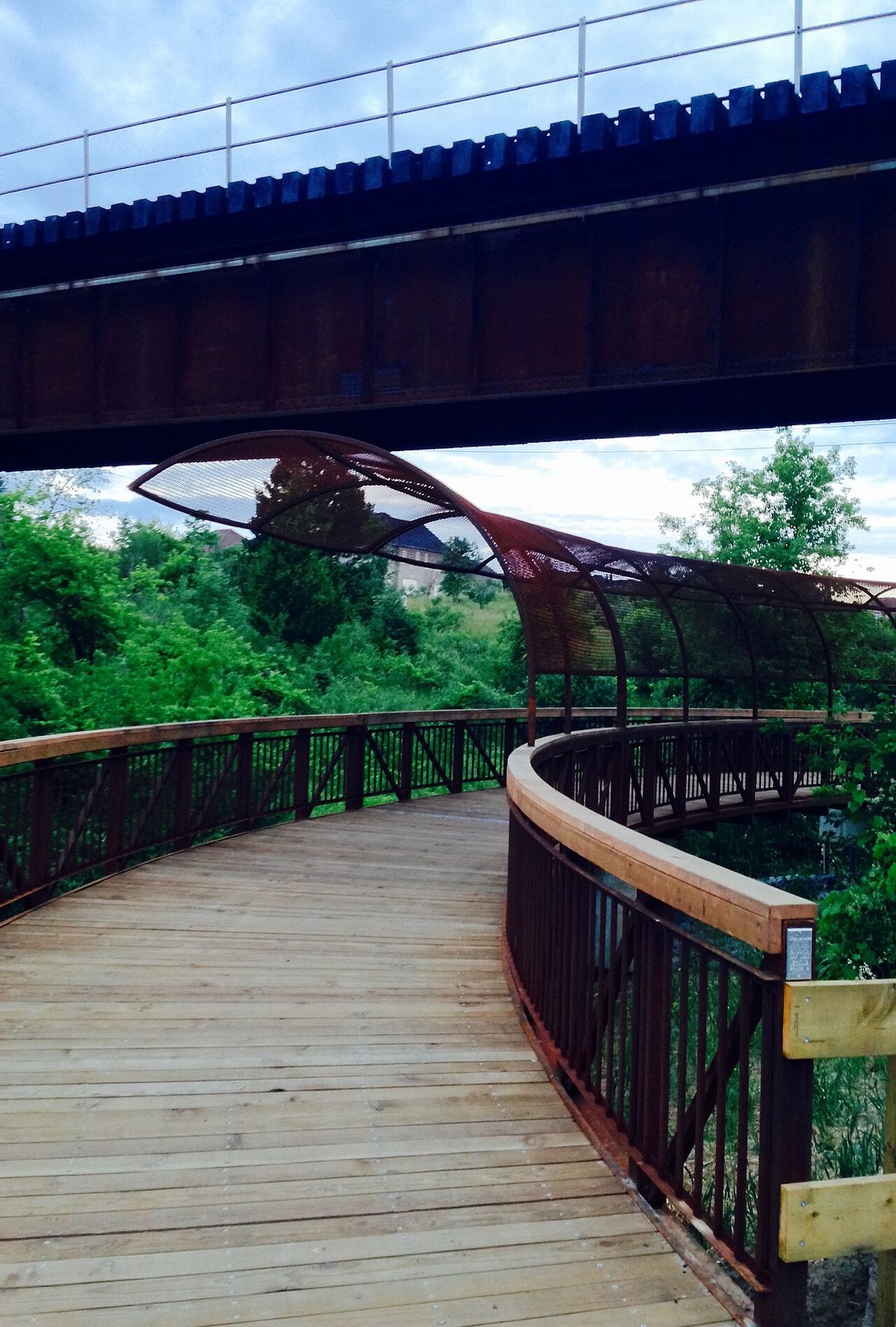
Transportation infrastructure is dominated by Highway 401, which bisects the town east-west. Only four main roads, Church Street, Westney Road, Harwood Avenue, and Salem Road, provide continuous north-south passage across the highway. Public transit is provided by Durham Region Transit (DRT), which consolidated several municipal services, including the former Ajax Pickering Transit Authority, in 2006. The Ajax GO Station on the Lakeshore East line offers frequent rail service to Toronto and Oshawa, forming a critical commuter link. The closest major airport is Toronto Pearson International Airport, located roughly 50 kilometres to the west in Mississauga.
Culture and community
Ajax has an active cultural scene with a notable history in music. This was spurred by the international success of the band Sum 41, after which record labels began looking for talent at local shows in the Durham region. Venues like the Chameleon Café, a converted auto body shop on Dowty Road, became weekend gathering spots for hundreds of teens and a launchpad for local talent, including members of Avril Lavigne's backing band. Earlier community traditions included the popular "Ajax Teen Town" dances held at the community centre in the 1950s and early 1960s, which attracted up to 500 teenagers at their peak before declining after the centre burned down.
The town maintains an extensive and distinctive collection of public art, largely featuring the work of local sculptor Geordie Lishman. His sculptures often use recycled industrial materials and incorporate kinetic elements, reflecting the region's natural and mechanical heritage. Other notable works in the collection include a 1968 Corten steel sculpture by Ron Baird commissioned for the former post office, the interactive light installation The Storm at Lion's Point by Amanda Berry and Henry Kortekaas, and the functional Solar Sail sculpture at the Ajax Operations Centre. The collection also includes Vasika mhuri, a Serpentine stone sculpture by Zimbabwean artist Passmore Masha.
- Ajax Elation: A stainless steel fountain in the reflecting pool at Ajax Town Hall, co-created with his father, Bill Lishman.
- Communitree (2012): A 5.5-metre steel sculpture at the McLean Community Centre featuring a wind-powered "Running Man."
- The Rock People (2013): Figurative sculptures made from gabion cages filled with river stone at the Audley Recreation Centre.
- Heritage Horse: A life-sized sculpture built from salvaged historical materials at the St. Francis Centre.
- The Running Man (Taunton & Salem): A standalone kinetic sculpture marking the town's northern gateway.
Education
The town's public education system is served by two main school boards. The Durham District School Board operates public elementary and secondary schools, while the Durham Catholic District School Board operates Catholic schools. Ajax is home to five high schools, offering a range of academic and specialized programs. The public secondary schools are Ajax High School, J. Clarke Richardson Collegiate, and Pickering High School. The Catholic secondary schools are Notre Dame Catholic Secondary School and Archbishop Denis O'Connor Catholic High School. These institutions serve the town's large student population and contribute to the community's high levels of educational attainment, with numerous elementary schools also operating throughout the municipality.
Population growth
Ajax has experienced steady and significant population growth over recent decades, evolving from a small post-war town into a major suburban centre. The following table illustrates this growth trend through recent census periods. This consistent growth has driven continuous residential development, particularly in the northern sections of the town, and necessitated the expansion of public services and infrastructure. The population increase is fueled by both natural growth and immigration, with the town remaining an attractive destination for new Canadians settling in the Greater Toronto Area.
In the 2021 Census, Ajax had 39,488 occupied private dwellings out of a total of 40,275. The median value of dwellings in Ajax is $850,000. This value is higher than the provincial median of $700,496 and the national figure of $472,000. According to the 2021 census, 8% of the population immigrated between 2011 and 2021. Among the 5,010 recent immigrants who arrived between 2016 and 2021, 34% were from India.
Questions about Ajax, Ontario
Is Ajax a diverse community?
Yes, Ajax is renowned for its cultural and ethnic diversity. As of the 2021 census, 65% of the population identified as a visible minority, with the largest groups being South Asian (26.2%) and Black (16.8%). In fact, Ajax has the highest percentage of Black residents of any major Canadian city with over 100,000 people. Forty-two percent of residents are immigrants, with India, Sri Lanka, and Jamaica being the most common countries of birth among the immigrant population.
How do you commute from Ajax to Toronto?
The primary commuter rail link is the GO Transit Lakeshore East line, which stops at the Ajax GO Station. This provides frequent train service to Toronto's Union Station and points east to Oshawa. Many residents also drive via Highway 401, though this corridor is often congested during peak hours and narrows to three lanes east of Salem Road. Local bus service within Ajax and to neighbouring communities is provided by Durham Region Transit.
What is there to do in Ajax?
Ajax offers a variety of recreational activities, particularly centred on its extensive waterfront parkland and trails, including the William Parish Waterfront Trail. The town has numerous community centres, sports fields, and parks. The town maintains a notable collection of public art, including kinetic sculptures by Geordie Lishman. For entertainment, Ajax Downs offers harness racing and casino gaming, and the downtown area features the mixed-use Pat Bayly Square development with retail and civic space.
What high schools are in Ajax?
There are five high schools serving the town. The public secondary schools, operated by the Durham District School Board, are Ajax High School, J. Clarke Richardson Collegiate, and Pickering High School. The Catholic secondary schools, operated by the Durham Catholic District School Board, are Notre Dame Catholic Secondary School and Archbishop Denis O'Connor Catholic High School. These schools serve the town's large and diverse student population across several neighbourhoods.
Why is Ajax, Ontario called Ajax?
Ajax is named for HMS Ajax, a Royal Navy cruiser that served in the Second World War. The name originated from a contest for the community that grew around the Defence Industries Limited Pickering Works munitions plant, established in 1939. DIL employee Frank Holroyd suggested the name to honour the British warship, which had damaged the German Panzerschiffe Admiral Graf Spee at the Battle of the River Plate in 1939. The government-owned plant and its worker residences evolved into a self-contained village that residents called Ajax. This name was formally adopted when the community was incorporated as an Improvement District in 1950 and later declared a town in 1954.
What is the population of Ajax, Ontario?
Ajax had a population of 126,666 according to the 2021 Census of Population conducted by Statistics Canada. This represents a change of 5.8% from its 2016 population of 119,677. With a land area of 66.64 square kilometres, the town had a population density of 1,900.8 people per square kilometre in 2021. The median age in Ajax is 38.4 years, which is around 3 years less than the national average of 41.6 years. The town is part of the Greater Toronto Area and is located within the Regional Municipality of Durham in Southern Ontario.
Sources and further reading
- Ajax, Ontario (Wikipedia)
- Town of Ajax | Durham Tourism (durham.ca)
- Ajax, Ontario (homeania.com)
Checked by the Your Space Hamilton desk. Last updated 2026-10-31.