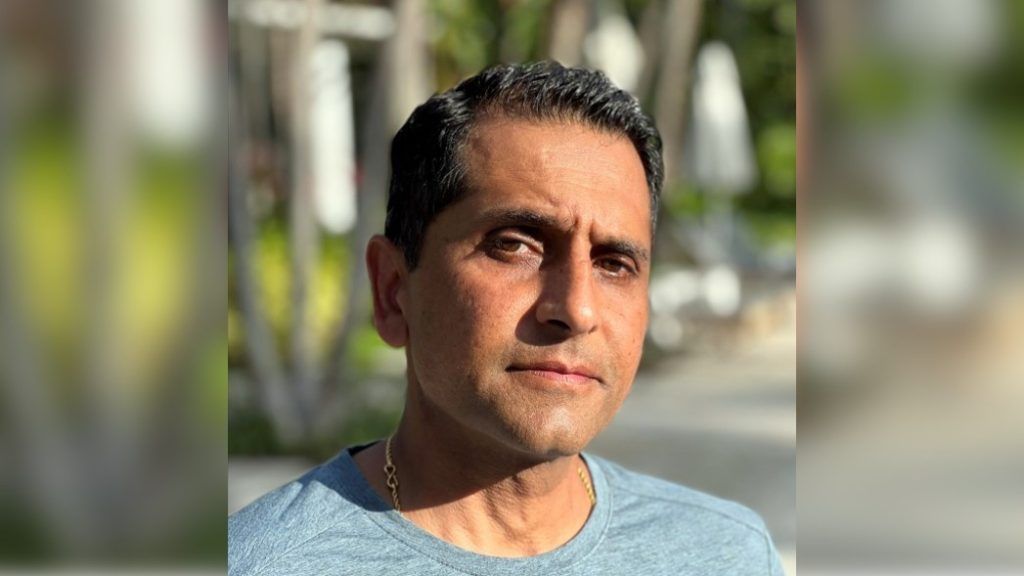
Couple convicted in Liberty Village filmmaker murder to be sentenced this week
Khoa Tran and Isabelle Nguyen face sentencing after being found guilty in the 2023 killing of Toronto filmmaker Reeyaz Habib, whose body was found in a garbage compactor following a dispute over barbecue smoke. Victim impact statements reveal the profound grief suffered by Habib's family and friends.
A Toronto couple convicted in the brutal 2023 killing of filmmaker Reeyaz Habib is expected to be sentenced this week, concluding a painful legal process that has left lasting scars on the victim's family and Toronto's creative community. The case has drawn significant attention for both its shocking details and the mundane origin of the conflict that led to tragedy.
The convictions and sentencing process
After a month-long trial that concluded in early June, a Toronto jury found Khoa Tran guilty of second-degree murder while convicting his wife Isabelle Nguyen on charges of accessory to murder and indignity to a human body. The convictions came nearly a year after the June 2023 discovery of 56-year-old Habib's body in a Liberty Village townhouse complex garbage compactor. Under Canadian law, Tran faces an automatic life sentence with the judge determining his parole eligibility period, typically ranging between 10 and 25 years. Prosecutors are recommending Nguyen serve five to seven years in prison for her role in the crime and subsequent cover-up.
Origins of a deadly neighbor dispute
Court evidence revealed the fatal conflict originated from an increasingly hostile disagreement over barbecue smoke drifting between apartments. Prosecutors demonstrated how tensions escalated between Tran, who resided below Habib in the Liberty Village complex, and the filmmaker. What began as a common urban living complaint about cooking odors transformed into a violent confrontation with irreversible consequences. The discovery of Habib's body in the building's garbage disposal system added particular horror to the case, suggesting deliberate attempts to conceal the crime.
Profound impact on Habib's family
Victim impact statements delivered Wednesday provided devastating insight into the emotional destruction wrought by Habib's killing. His 86-year-old mother submitted written testimony explaining her physical inability to attend court, describing how her health rapidly declined upon learning of her son's violent death. Her words captured the impossible grief of a parent losing a child: "Even though three years have gone by since he was killed, my heart still does not understand he's gone." Habib's sister spoke of existing with a "pulverized heart" and enduring persistent nightmares, while his teenage niece articulated how the violence permanently destroyed her sense of security and family stability. These statements collectively illustrated how a single act of violence can create concentric circles of trauma affecting multiple generations.
Remembering Reeyaz Habib
Friends and colleagues memorialized Habib as a cherished member of Toronto's artistic community whose absence continues to resonate. Pat Smith, a close friend, remembered him as "a kind, funny, charismatic, calm person" whose violent death defied comprehension. These testimonials emphasized the stark dissonance between Habib's peaceful disposition and the brutality of his final moments. Colleagues from Toronto's film industry described him as both a talented professional and generous mentor, making his loss particularly acute in creative circles where personal connections run deep.
Legal ramifications and sentencing considerations
This case presents complex sentencing considerations for the court. While second-degree murder carries a mandatory life sentence, the judge must determine an appropriate parole ineligibility period for Tran based on factors including the crime's brutality and degree of planning. Nguyen's sentencing for accessory charges requires balancing her lesser role against the seriousness of participating in concealing a homicide. The Crown's pursuit of maximum sentences reflects their assessment of the crimes' gravity, particularly given evidence of attempts to dispose of Habib's body. Legal experts note such cases test the justice system's ability to balance punishment with principles of rehabilitation.
Broader social implications
Beyond the courtroom, this tragedy has sparked discussions about conflict resolution in high-density urban living. The case serves as an extreme example of how ordinary neighbor disputes can escalate when left unresolved, prompting community organizations to revisit education about de-escalation strategies. Mental health professionals emphasize the importance of early intervention in simmering conflicts before they reach crisis points. For Liberty Village residents, the incident has prompted reflection about community safety and the importance of maintaining open communication channels between neighbors.
Path forward for those affected
While this week's sentencing provides legal closure, the emotional aftermath continues for Habib's loved ones. Grief counselors note that violent losses often create particularly complex bereavement processes, with families struggling to reconcile their memories of the victim with the circumstances of their death. Toronto's film community has begun discussing ways to honor Habib's legacy through creative tributes or memorials. As the legal process concludes, those affected now face the longer journey of living with loss while preserving the positive memories of a life ended too soon.