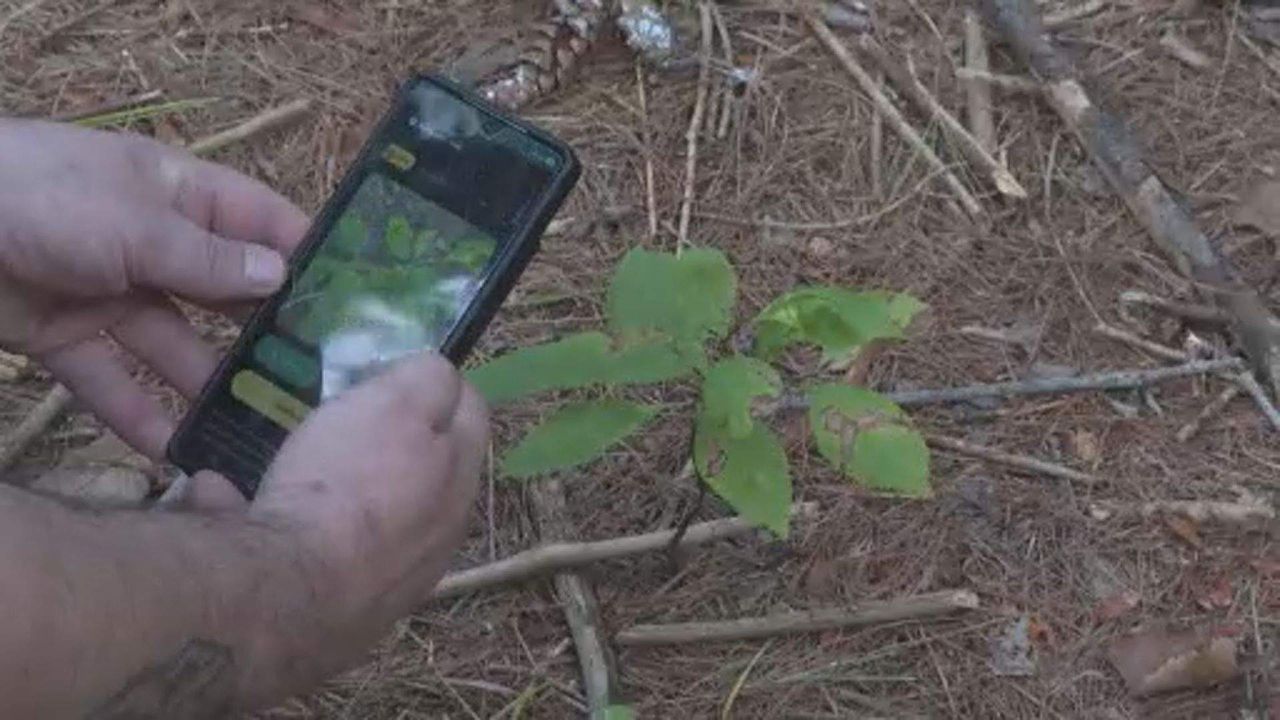
New app WildQuest turns wildlife photography into competitive game for citizen scientists
A Canadian-developed mobile game combines biodiversity documentation with gaming mechanics to engage citizen scientists worldwide while contributing to conservation efforts.
Canadian environmental enthusiasts have developed an innovative mobile application that successfully bridges outdoor exploration with digital gaming. WildQuest, created by St. Lawrence College Environmental Technician student Denis Allaire, represents a novel approach to citizen science by transforming wildlife photography into a collectible card game that simultaneously contributes valuable data to biodiversity research. This unique fusion of gaming mechanics and environmental documentation has already attracted international attention since its soft launch in July.
Roots in outdoor adventure
Denis Allaire's profound connection with nature began during his formative years and directly influenced the creation of WildQuest. His extensive background in outdoor activities provided both the inspiration and practical knowledge necessary to develop an app that genuinely engages people with their natural surroundings. "I enjoy nature hikes, I used to do 30-day and 45-day canoe trips when I was a teenager, so nature's always been a part of something I enjoy doing," Allaire told Global News. These early experiences with extended wilderness expeditions gave Allaire firsthand understanding of how to make environmental exploration appealing to diverse audiences.
Gamifying biodiversity documentation
WildQuest represents a significant evolution in citizen science platforms by incorporating elements from popular gaming genres. The app builds upon the foundation established by platforms like iNaturalist while adding compelling game mechanics that encourage sustained participation. "It does a similar thing to iNaturalist in that it collects data, so for me, it's a way of getting citizen scientists out in nature, playing with nature and adding more to do the data that's already out there but in a fun and engaging way," Allaire explained. Using advanced artificial intelligence and comprehensive biodiversity databases, the app instantly identifies species captured in user photographs and converts these observations into digital trading cards with varying rarity levels. This innovative approach transforms environmental documentation into a collectible game where players can compete while contributing to scientific research.
Rapid global adoption
Since its initial release in July, WildQuest has demonstrated remarkable international appeal, attracting more than 200 users across four continents. While the majority of current players reside in Canada and the United States, the app has seen enthusiastic participation from countries as distant as South Africa and Indonesia. This widespread interest suggests that the combination of nature exploration and gaming mechanics transcends cultural boundaries. The development team has actively pursued partnerships with conservation organizations worldwide, receiving positive feedback from environmental leaders. "We've contacted a bunch of conservation authorities around the world. A lot of their top executives really love the idea of it," Allaire noted, indicating potential for formal collaborations that could enhance the app's scientific impact.
Scientific foundation and educational value
Allaire's academic background as an Environmental Technician student provides WildQuest with a strong scientific foundation. The app represents a practical application of his environmental studies, creating an accessible tool that educates users about local ecosystems while generating valuable biodiversity data. By incorporating accurate species information and leveraging established identification algorithms, WildQuest ensures its gaming elements remain grounded in scientific reality. This careful balance between entertainment and education addresses a persistent challenge in citizen science: maintaining user engagement over time without compromising data quality. The app's design encourages repeated outdoor excursions as players seek to complete their digital collections, thereby increasing the quantity and geographic diversity of observations.
Technical architecture and user experience
WildQuest's technical implementation combines several cutting-edge technologies to create a smooth user experience. The app's artificial intelligence system draws from comprehensive biodiversity databases to accurately identify species in user-submitted photographs, providing immediate feedback that maintains engagement momentum. The digital card system introduces strategic gameplay elements, with different species assigned varying rarity levels that influence their value in competitions. This technical framework supports the app's dual mission of facilitating legitimate scientific contribution while delivering entertaining gameplay. The interface is designed to be intuitive for casual users while offering depth for more dedicated players, making environmental science accessible to audiences who might not otherwise participate in traditional citizen science projects.
Impending official launch and expansion plans
With the official launch scheduled for September 22, the WildQuest team is preparing for significant growth and new opportunities. Developers are currently engaged in discussions with potential investors to secure resources for expanding the app's features and global reach. The September launch timing is strategic, coinciding with fall migration periods in North America when many species become particularly active and observable. While specific details about new features remain confidential, the development team has emphasized their commitment to enhancing the user experience without compromising the app's core environmental mission. This careful balance between growth and integrity will likely play a crucial role in WildQuest's long-term success and scientific credibility.
Broader implications for environmental engagement
WildQuest represents an innovative solution to contemporary challenges in environmental education and conservation. As society becomes increasingly urbanized and digital-focused, the app provides a compelling bridge back to natural environments. By framing biodiversity documentation as an engaging game, WildQuest lowers traditional barriers to citizen science participation while generating legitimate research data. The project's early international adoption suggests potential for creating a truly global network of environmentally conscious participants. In an era of accelerating biodiversity loss due to climate change and habitat destruction, tools like WildQuest that make conservation accessible and enjoyable could play an increasingly vital role in both public education and scientific data collection. The app's success may inspire similar innovations that creatively merge technology, gaming, and environmental stewardship, potentially reshaping how society engages with conservation efforts in the digital age.