Calgary mayor warns of $50B infrastructure deficit, tough budget choices ahead
Mayor Jeromy Farkas says fiscal discipline will guide council through difficult decisions as Calgary faces a $50-billion infrastructure shortfall over the next decade, with potential property tax hikes and service prioritization looming.
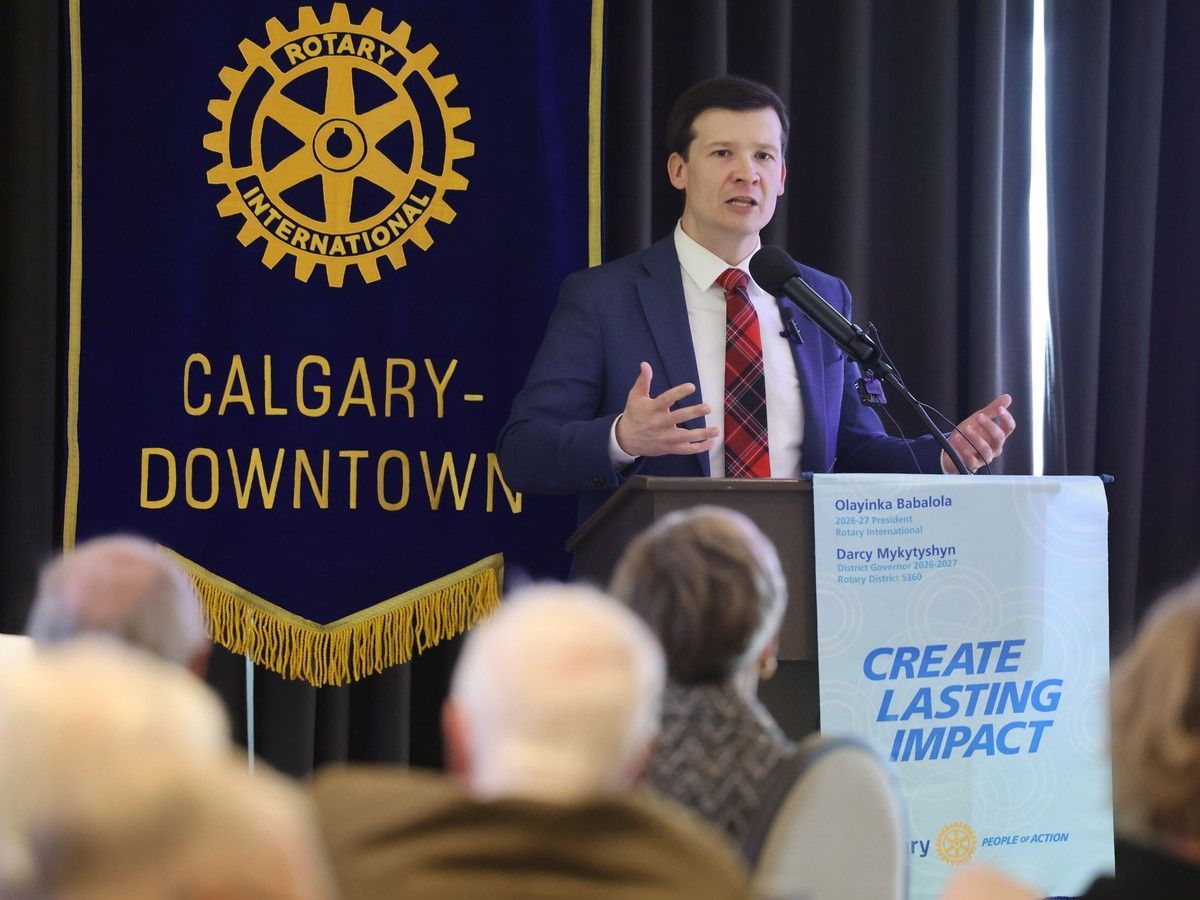
Calgary Mayor Jeromy Farkas delivered a sobering assessment of the city's financial future during his State of the City address this week, revealing a $50-billion infrastructure deficit that will require difficult budgetary choices in the coming years. Speaking to the Rotary Club of Calgary Downtown on Wednesday, the mayor framed this moment as a reckoning for decades of deferred maintenance and underinvestment across municipal systems, while attempting to balance fiscal restraint with necessary infrastructure spending.
The scale of Calgary's infrastructure challenge
The $50-billion shortfall identified by Farkas represents a comprehensive assessment of Calgary's infrastructure needs over the next decade. This staggering figure encompasses essential systems including transportation networks, water infrastructure, and recreational facilities that have failed to keep pace with the city's growth. The mayor pointed to concrete examples like the December 2023 rupture of the Bearspaw feeder main and subsequent emergency water line replacement project as evidence of aging infrastructure reaching its breaking point.
Farkas emphasized that this deficit didn't emerge overnight, but rather accumulated through successive administrations at all government levels deferring difficult decisions.
"Right now, we face incredibly serious challenges,"Farkas told attendees.
"Affordability, public safety, economic uncertainty, rapid growth, and infrastructure that hasn't kept pace with the city that we have become."While acknowledging the problem can't be solved in a single budget cycle, he stressed the importance of stopping the deficit from growing further through disciplined fiscal management.
The property tax dilemma
Confidential budget documents obtained by Global News reveal the difficult choices facing city administrators as they attempt to address infrastructure needs while minimizing taxpayer burden. Preliminary figures showed initial funding requests would require a 20.2 percent increase in property tax revenue by 2027, with staff currently working to reduce this to a more palatable 15 percent hike for council consideration.
The potential tax increase has sparked debate among council members about alternative funding mechanisms. Ward 10 Councillor Andre Chabot questioned whether property owners should shoulder the entire burden, suggesting alternative approaches for long-term projects.
"We could look at debt financing some of the capital infrastructure that has a long life expectancy, which would lessen the burden today on immediate taxpayers,"Chabot said during committee discussions. This tension between immediate tax increases and long-term debt financing represents one of several difficult tradeoffs council must evaluate.
Farkas's fiscal philosophy
The mayor articulated a nuanced approach to fiscal management that distinguishes between essential investments and discretionary spending.
"Fiscal discipline does not mean refusing to invest, it means knowing the difference between what we need and what we want,"Farkas told the Rotary audience. This philosophy was evident in his comments about current funding requests, including $37 million annually for sidewalk renewal and $13.5 million per year for public tree canopy maintenance moving through committee.
Farkas made clear that while some quality-of-life projects may receive funding, core infrastructure and essential services will take precedence.
"We have to choose water before wants, safety before nice-to-haves, and core infrastructure before projects that can wait,"he stated, adding this approach represents how the city can
"protect taxpayers, while still preparing Calgary for the future."This prioritization framework will likely guide difficult decisions as council evaluates hundreds of millions in competing funding requests.
Political context and strategic messaging
The mayor's address came amid political turbulence at city hall, following a closed-door council meeting about an alleged leak of confidential documents by Ward 14 Councillor Landon Johnston. Lori Williams, an associate professor of policy studies at Mount Royal University, suggested Farkas may have been attempting to redirect public attention.
"I think he's trying to shift the narrative or change the channel away from controversy towards forward thinking and planning,"Williams observed.
This political backdrop adds complexity to an already challenging budget process. Williams noted the changing nature of municipal budgeting, where cities must now account for
"investing in something that's been left off the list"regarding aging infrastructure. This paradigm shift from growth-focused spending to maintenance and replacement of existing assets represents a significant challenge for municipal leaders across Canada.
Planning for Calgary's future growth
Farkas emphasized that budget decisions must account not just for current needs but for Calgary's trajectory toward a population of two million residents. The city's rapid growth has strained systems originally designed for a much smaller municipality, with the Bearspaw water main failure serving as a recent and visible example. This growth pressure creates additional urgency for infrastructure investment, as systems failing under current demand will face even greater stress with population increases.
The mayor positioned the upcoming four-year budget as critical for laying groundwork to accommodate both immediate needs and future capacity requirements. This long-term perspective introduces additional complexity to budget deliberations, as councillors must weigh short-term affordability concerns against the potentially greater costs of continued deferral.
The municipal infrastructure crisis in context
Calgary's budget dilemma reflects broader challenges facing Canadian cities where infrastructure built during mid-century growth spurts is now reaching the end of its lifespan. The Federation of Canadian Municipalities has estimated a nationwide municipal infrastructure deficit exceeding $150 billion, with water systems, roads, and bridges representing particularly urgent concerns. This national context helps explain why Farkas described the problem as resulting from
"decades of deferred decisions from all orders of government."
The political calculus of raising taxes versus deferring maintenance creates particularly difficult choices during periods of economic uncertainty and affordability concerns. How Calgary navigates these challenges in its November budget deliberations may offer lessons for other municipalities facing similar infrastructure crises. The four-year budget will be made public in early November, followed by three weeks of deliberations that will test council's ability to balance competing priorities and make difficult choices about Calgary's future.