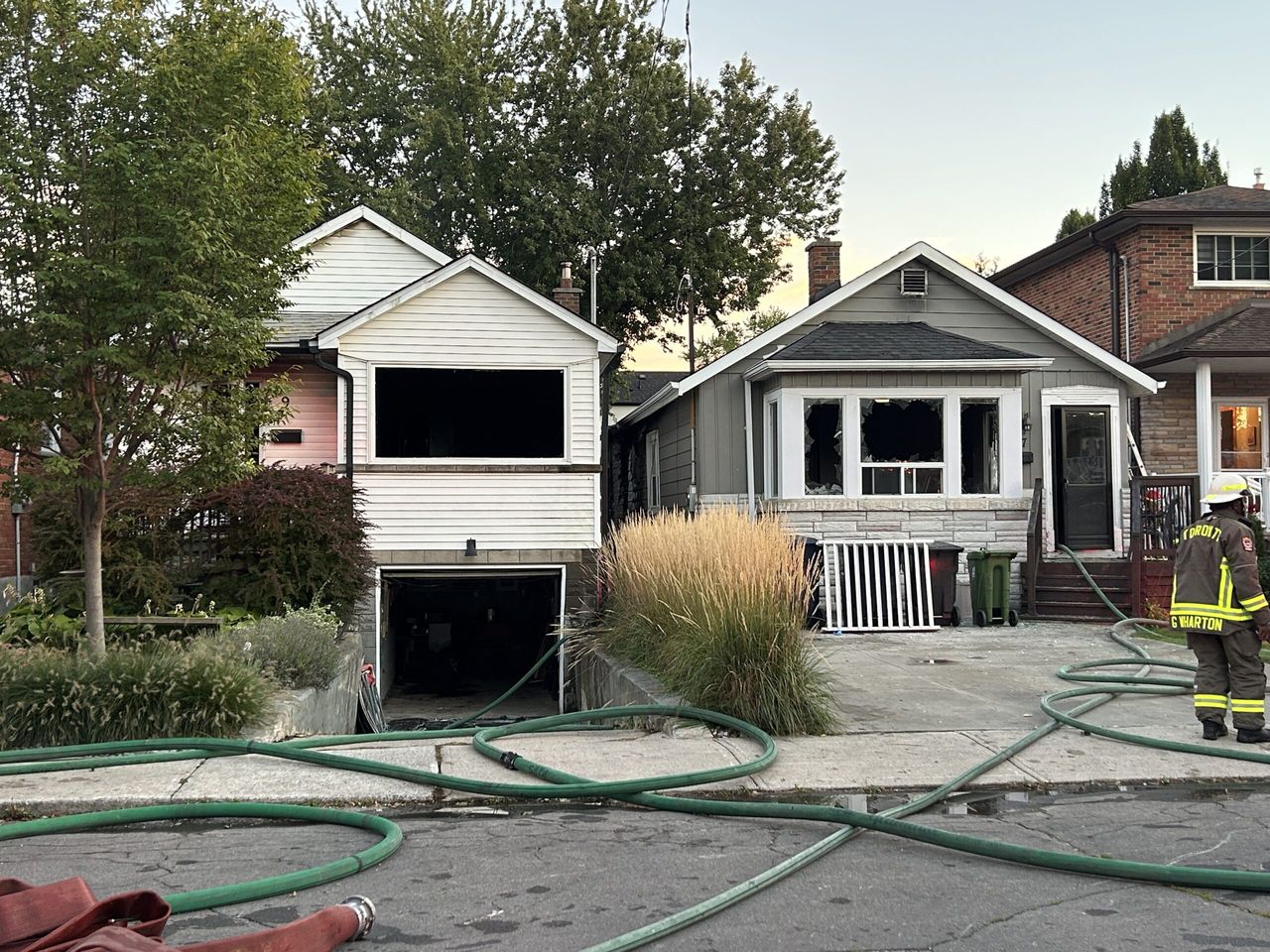
Porch fire damages 2 Scarborough homes, displaces 6 residents
A fast-moving porch fire spread to two homes in Scarborough, causing significant damage and displacing six residents. No injuries were reported as all occupants evacuated safely thanks to working smoke detectors.
A late afternoon porch fire in Scarborough rapidly spread to a neighbouring home Tuesday, leaving both properties uninhabitable and displacing six residents. Toronto Fire Services responded to the blaze near Haddon and Edgely avenues just after 5:30 p.m., according to CityNews Toronto. The fire serves as a stark reminder of how quickly residential fires can escalate, particularly in closely built urban neighborhoods where structures are often separated by mere feet.
Fire details and emergency response
Investigators determined the fire originated on the rear porch of one residence before extending to a second home through radiant heat and flying embers. Acting Platoon Chief Steve Primeau confirmed both structures sustained heavy structural damage, with the intensity of the blaze compromising load-bearing walls and support beams, making both properties temporarily unsafe for occupation. The four occupants of the primary home and two residents from the adjacent property were forced to relocate immediately, though all escaped without injury thanks to timely evacuation. Primeau noted the critical role of functioning smoke detectors in both homes, which alerted residents to the danger during the early stages of the fire.
"The homeowners noticed the blaze right away,"he told reporters, emphasizing how proper safety equipment prevented potential casualties. This incident highlights the importance of regular smoke detector maintenance and monthly testing, especially in older residential areas where wiring and construction materials may not meet current safety standards.
Investigation and community impact
Toronto Fire's investigative team conducted a thorough examination of the scene Wednesday morning to determine the fire's exact cause and origin. Standard procedure in such incidents involves assessing multiple potential factors including electrical faults from outdoor lighting or appliances, improperly stored flammable materials like gasoline or cleaning solvents, smoking materials, or other common porch ignition sources. The investigation will likely take several days to complete as officials carefully document evidence and interview witnesses to piece together the sequence of events. The displaced residents face significant challenges as they handle insurance claims and temporary housing arrangements. Properties with this level of structural damage typically require months of repairs before becoming habitable again, often necessitating complete rebuilding of affected areas. Local organizations including the Canadian Red Cross and neighborhood associations often assist in such emergencies by providing immediate shelter, clothing, and essential supplies while longer-term solutions are arranged.
READ MORE: Ajax parents demand action as students endure grueling 2-hour bus commutes to specialized program
READ MORE: DreamWorks' 'Forgotten Island' Celebrates Filipino Culture with Historic Animated Representation
Fire safety and prevention measures
This incident underscores several important fire safety considerations for homeowners, particularly during warmer months when porch areas see increased use for relaxation and social gatherings. Outdoor furniture made from synthetic materials, decorative items, and planters containing dry vegetation can become unexpected fire hazards if placed near potential ignition sources like grills or electrical outlets. Fire prevention experts recommend maintaining at least three feet of clearance around electrical outlets and lighting fixtures, along with proper storage of flammable liquids and materials in approved containers away from heat sources. The rapid spread between homes also demonstrates the importance of defensible space in urban residential areas, where embers can easily travel between closely spaced structures. Toronto Fire Services routinely advises homeowners to maintain proper clearance around structures and to address any vegetation that could facilitate fire transmission between properties. Proper disposal of smoking materials in metal containers filled with sand or water remains another critical safety measure, especially in outdoor areas where wind can carry embers considerable distances.
Community response and municipal support
Neighbors in the quiet Scarborough neighborhood expressed shock at both the fire's intensity and speed of spread, with many reporting they heard loud popping sounds as the fire consumed the structures. Many described the affected families as long-time community members who were active in local events and school activities, with several residents immediately offering spare rooms, clothing donations, and other assistance. This type of grassroots support often proves vital in the initial 48 hours following residential fires when displaced families must secure basic necessities while dealing with the emotional trauma of losing their homes. Local officials including Councillor Jennifer McKelvie's office confirmed they were monitoring the situation and connecting affected families with appropriate municipal support services like temporary housing assistance and mental health resources. Community centers in the area frequently serve as temporary hubs where displaced residents can access information about emergency financial assistance, emergency supplies, and social services during such crises. The municipal government typically coordinates with various agencies including Toronto Building, Social Services, and insurance providers to ensure comprehensive support for fire victims handling the complex recovery process.
Urban planning and fire safety policy implications
This fire incident reveals several vulnerabilities in Toronto's residential infrastructure, particularly in older neighborhoods with closely spaced homes built before modern fire codes were established. The proximity between structures in many urban areas creates inherent risks for rapid fire spread, requiring enhanced prevention measures like fire-resistant building materials, sprinkler systems, and community awareness programs. The successful evacuation despite the fire's intensity demonstrates the life-saving value of functional smoke detectors and prepared emergency exits, reinforcing why Toronto mandates these safety features in all residential properties. From a policy perspective, such events often prompt reviews of local fire codes and safety regulations, potentially leading to updates in requirements for exterior building materials, minimum separation distances, and outdoor electrical safety standards. The displacement of multiple families from a single incident also highlights the social and economic ripple effects of residential fires, which extend far beyond property damage to include temporary homelessness, insurance complexities, and community disruption that can take years to fully resolve. These broader impacts underscore why fire prevention remains a critical priority for urban municipalities seeking to protect both lives and neighborhood stability.
Seasonal fire risks and prevention strategies
Fire officials note that porch fires often increase during summer months when residents use outdoor spaces more frequently for cooking, entertaining, and relaxation. Common risk factors include improperly extinguished smoking materials discarded in planters or trash bins, overloaded electrical circuits from outdoor lighting or appliances, spontaneous combustion of oily rags or other materials stored in outdoor areas, and unattended cooking on grills or smokers. The Scarborough incident serves as a timely reminder for homeowners to inspect their outdoor spaces for potential hazards as warmer weather continues, paying special attention to electrical wiring, storage practices, and fire extinguisher accessibility. Toronto Fire Services typically sees a 30% increase in outdoor-related fires between May and September, making public education about seasonal risks an ongoing priority through community workshops and safety campaigns. Simple precautions like using surge protectors for outdoor electronics, installing outdoor-rated smoke detectors near patios and decks, and maintaining clear access for emergency responders can significantly reduce porch fire risks during peak usage periods while helping protect entire neighborhoods from devastating blazes.