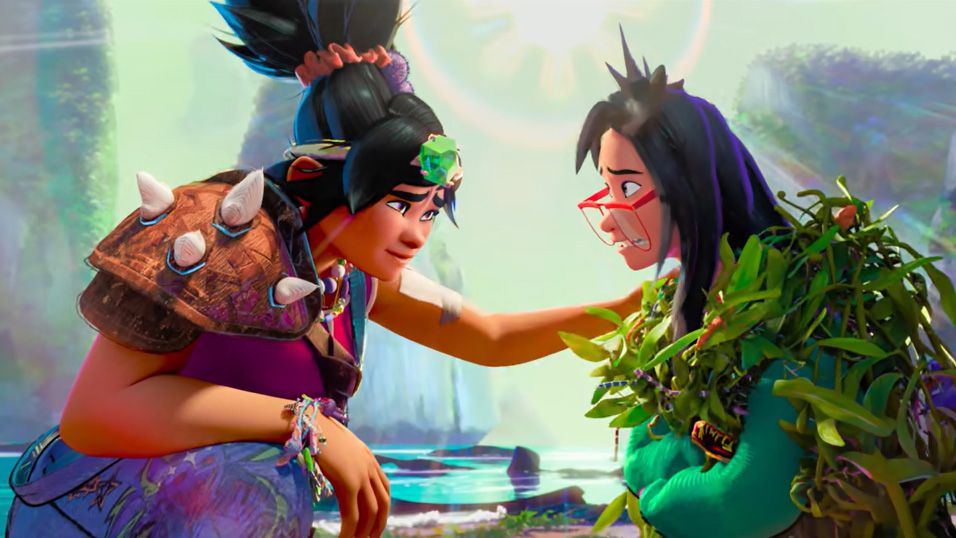
DreamWorks' 'Forgotten Island' Celebrates Filipino Culture with Historic Animated Representation
Toronto's Filipino community celebrates as 'Forgotten Island' becomes the first major animated film to feature Filipino leads and folklore, marking a significant moment in cultural representation on the global stage.
The global release of DreamWorks' animated feature "Forgotten Island" this Friday represents a groundbreaking moment in cinematic representation for Filipino communities worldwide. Toronto's vibrant Filipino population experienced this cultural milestone during an exclusive advanced screening at Queensway Cinema, where attendees witnessed what many are calling a historic first - a major studio animated film centered entirely on Filipino culture with Filipino women as the lead characters.
A Transformative Viewing Experience
For Filipino-Canadian Andrea Custodio, the screening transcended ordinary moviegoing to become a deeply personal cultural event. As she left the theater, the weight of what she had just seen resonated powerfully.
"All the representation and symbols like the sun, jeepney, and all that. I think it's pretty cool that now even non-Filipinos can see that and experience the culture,"Custodio reflected, highlighting how the film makes traditionally insular cultural elements accessible to broader audiences. The film's narrative follows two lifelong best friends, Raissa and Jo, on their quest to find the mythical island of 'Nakali' - a name derived from the Tagalog word 'nakalimutan' meaning 'forgotten.' This linguistic detail exemplifies the filmmakers' meticulous attention to authentic cultural representation throughout the production.
Preserving and Popularizing Filipino Folklore
The film's vibrant and respectful portrayal of Filipino mythology has drawn particular praise from community members and critics alike. Its inclusion of the Aswangs, shape-shifting supernatural beings from Philippine folklore, represents just one example of how the film introduces global audiences to traditional Filipino legends. Rosary Escano, vice president of the Canada-based Sine Institute which co-presented the screening, emphasized the film's educational significance for young Filipino-Canadians.
"There are many kids from the Filipino community that are interested to learn more about their identity, to really know about mythology, about their history,"Escano explained.
"The way this film was able to tell that story in a funny, emotional way is something different."This approach successfully bridges the gap between entertainment and cultural education, making complex Filipino traditions accessible to diverse audiences.
READ MORE: Mid-November remains best estimate for Toronto's first significant snowfall
The Power of Authentic Casting
The film's cultural authenticity extends beyond its narrative to its carefully curated voice cast, which features prominent Filipino and Filipino-American talent. Liza Soberano, a major star in the Philippines, brings protagonist Raissa to life, while Oscar-winning Filipino-American artist H.E.R. provides the voice for Jo. They're joined by legendary performer Lea Salonga, whose casting holds special significance as one of the first Filipino voices to achieve international recognition in animation through her work in Disney films. The ensemble, which also includes Dave Franco, Jenny Slate, and Filipino-Canadian actor Manny Jacinto, represents one of the most significant gatherings of Filipino voice talent in a major animated production, ensuring linguistic and cultural nuances are preserved with integrity.
Emotional Community Response
The advanced screening generated powerful emotional reactions from Toronto's Filipino community members, many of whom expressed feeling seen for the first time in mainstream animation.
"I did not expect a movie, an animated movie like that to be that powerful,"one visibly moved attendee shared.
"I cried, I laughed, it was so funny."Professional critics have mirrored this enthusiasm, with the film achieving the rare distinction of a 100% score on Rotten Tomatoes ahead of its wide release, a strong indicator of both its artistic merit and cultural significance in the eyes of film critics.
Cultural Specificity with Universal Appeal
While deeply rooted in Filipino culture, Sine Institute president Michaelangelo Masangkay believes the film's appeal will transcend cultural boundaries.
"I think this is going to be embraced beyond the community,"he predicted. The story's universal themes of friendship, adventure, and self-discovery, combined with its rich cultural specificity, create a narrative that resonates across demographics while maintaining authentic Filipino representation. This balance between cultural authenticity and broad accessibility represents a significant achievement in inclusive storytelling.
A Watershed Moment for Filipino Representation
The release of "Forgotten Island" marks a pivotal moment in animation history, particularly for Filipino representation. For decades, Filipino stories and characters have been largely absent from mainstream Western animation, with few exceptions. This film demonstrates how culturally specific storytelling can achieve both artistic excellence and commercial viability. The involvement of major studios DreamWorks and Universal Pictures signals growing industry recognition of the importance of diverse narratives in global entertainment and the market potential of underrepresented stories.
Strengthening Filipino-Canadian Identity
For Toronto's Filipino community, one of Canada's largest and most culturally active, the film provides an unprecedented opportunity to see their heritage celebrated in mainstream media. Younger generations in particular gain a valuable resource for connecting with their cultural roots in an engaging, contemporary format. As Escano poignantly noted,
"We felt seen,"capturing the profound emotional impact of representation that many community members experienced during the screening. This sentiment underscores the film's importance beyond entertainment, as a cultural touchstone, educational resource, and source of communal pride for Filipino-Canadians.
Industry Impact and Future Possibilities
The success of "Forgotten Island" could have far-reaching effects on the entertainment industry's approach to diverse storytelling. Its positive reception from both critics and early audiences demonstrates the commercial viability of authentic cultural narratives in animation. The film establishes a new benchmark for representation, proving that culturally specific stories can achieve critical and financial success when approached with respect, thorough research, and creative excellence. This breakthrough may encourage studios to greenlight more diverse projects, potentially leading to greater Filipino representation across all media formats and inspiring other underrepresented communities to share their stories.
The Road Ahead
As "Forgotten Island" prepares for its global release, the film already carries significant cultural momentum. Sine Institute anticipates packed theaters during the opening weekend, reflecting both the Filipino community's enthusiasm and broader audience interest. Beyond box office performance, the film's true legacy may lie in its ability to inspire future generations of Filipino creators and normalize diverse representation in animation. For many who attended the Toronto screening, the experience wasn't just about watching a movie, it was about witnessing a long-overdue cultural recognition that promises to open doors for more inclusive storytelling in the years to come.