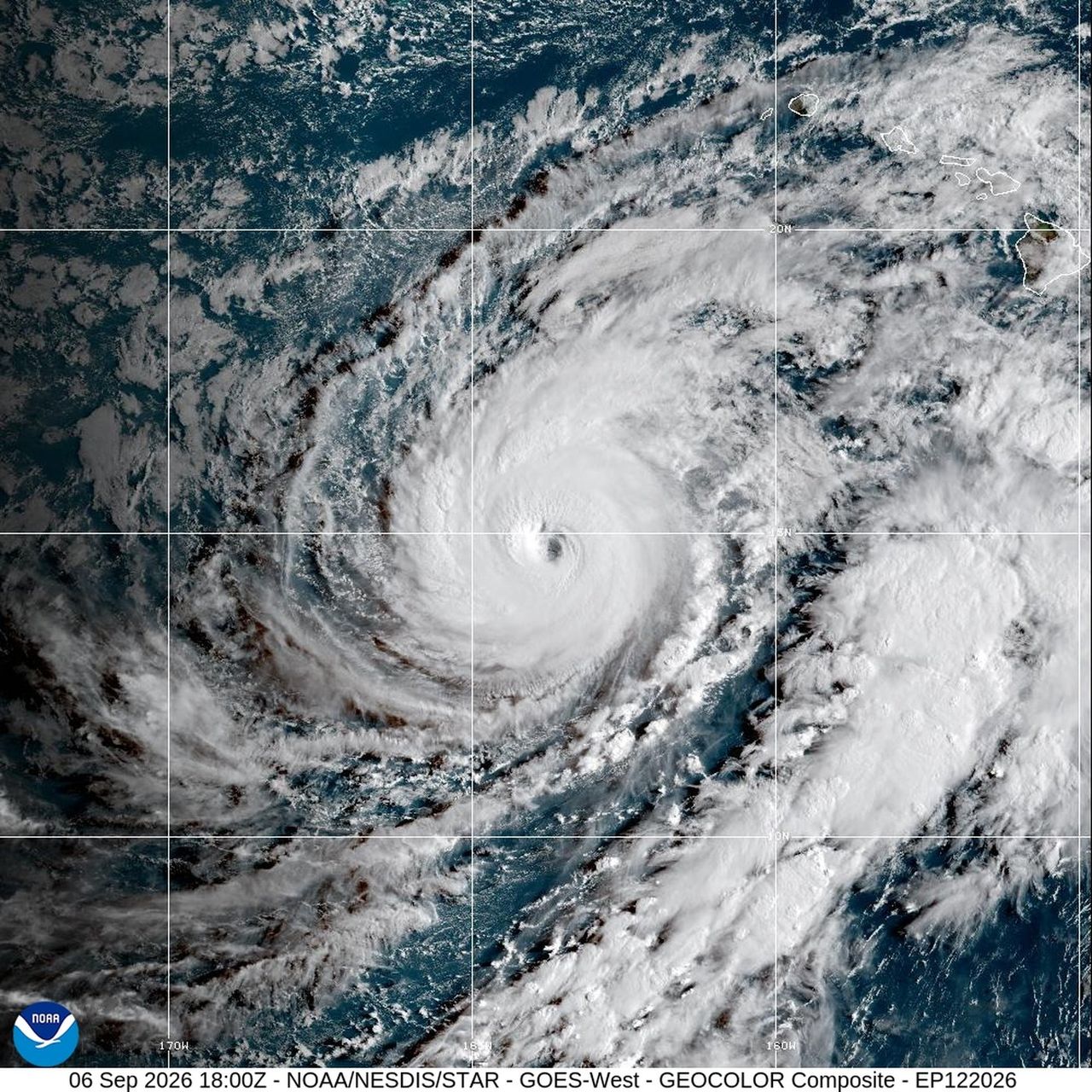
Hurricane Lowell Threatens Hawaii with Damaging Winds, Flooding as Schools and Offices Close
Hawaii's governor has ordered widespread closures and emergency preparations as Hurricane Lowell approaches with destructive winds, 16-inch rainfall, and dangerous conditions across Kauai County and surrounding waters.
Hawaii is mobilizing emergency resources as Hurricane Lowell bears down on the westernmost islands, triggering a series of precautionary closures and public safety measures. Governor Josh Green announced the shutdown of all schools, community colleges, and government offices across Kauai County effective Tuesday, with the National Hurricane Center maintaining its hurricane warning for the region. This decisive action comes as forecast models show Lowell maintaining hurricane strength during its closest approach to populated areas.
Storm System Analysis and Projected Path
As of Monday afternoon, Hurricane Lowell was classified as a Category 2 storm with sustained winds powerful enough to cause significant structural damage. The National Hurricane Center's tracking data indicates the storm's core will pass over or just west of Niihau late Monday through early Tuesday. While gradual weakening is expected, meteorologists emphasize the storm will remain dangerous throughout its closest approach phase.
The hurricane warning covers all of Kauai County, including the inhabited islands of Kauai with its 73,000 residents and the privately owned Niihau with fewer than 100 permanent residents. The warning area also extends to portions of the Papahanaumokuakea Marine National Monument, a UNESCO World Heritage Site and one of the largest marine conservation areas in the world. This expansive protected area northwest of the main Hawaiian islands faces potential ecological impacts from the storm's passage.
Multiple Hazard Threats Emerge
Hurricane Lowell presents a compound threat scenario with several simultaneous dangers. Beyond the direct wind impacts, forecasters warn of possible tornadoes embedded within the storm's outer bands. The mountainous terrain of Kauai creates ideal conditions for destructive mudslides when combined with the anticipated heavy rainfall. Coastal areas face additional risks from dangerous rip currents and storm surge, particularly along western-facing shores.
Governor Green outlined the comprehensive nature of the threat in his emergency declaration:
"Closing offices, schools and courts will help keep people off the roads during dangerous conditions and allow emergency crews to focus on protecting our communities."The coordinated closures represent a proactive approach to public safety, prioritizing early action over reactive measures.
Precipitation Patterns and Flood Forecasting
The rainfall projections for Hurricane Lowell indicate potentially historic accumulations across the island chain. Weather models suggest the western islands under direct hurricane threat could receive isolated totals reaching 16 inches (40 centimeters), with the heaviest precipitation expected along windward slopes and mountainous areas. The moisture plume extends far beyond the immediate storm center, creating flood risks across the entire state.
Oahu and Maui, under tropical storm warnings, face rainfall estimates up to 10 inches (25 centimeters), while portions of the Big Island could see 12-inch (30-centimeter) accumulations. These numbers take on greater significance given the Big Island's recent devastation from Tropical Storm Lala, which caused catastrophic flooding despite remaining offshore. The governor's emergency orders specifically warned residents:
"I urge everyone in Kaua’i County to remain indoors, avoid unnecessary travel and follow all official emergency instructions."This includes explicit prohibitions against shoreline activities and driving through floodwaters, which accounted for numerous fatalities during previous storms.
Comprehensive Emergency Response Activation
Hawaii's emergency management apparatus has activated at multiple levels to address Lowell's approach. The statewide response includes pre-positioning of National Guard units, coordination with county civil defense agencies, and activation of emergency operations centers. The decision to close public facilities serves dual purposes: reducing unnecessary road traffic during peak storm conditions while allowing first responders unimpeded access to affected areas.
Residents have been advised to complete final preparations including securing property, assembling emergency kits, and charging essential devices in anticipation of probable power outages. Emergency managers emphasize the importance of monitoring official updates through multiple channels as conditions may change rapidly. The tropical storm warning for Oahu, home to nearly 1 million residents, indicates secondary impacts will extend well beyond the hurricane warning zone.
Historical Context and Climate Considerations
The state's response to Hurricane Lowell reflects hard lessons learned from recent extreme weather events. Tropical Storm Lala's August impacts demonstrated how even non-landfalling systems can create devastating consequences. That storm caused approximately 100 homes to be washed away on the Big Island through catastrophic flooding and landslides, while widespread power outages lasted for days in some communities.
Climate researchers note that warming ocean temperatures in the Central Pacific may be contributing to both the frequency and intensity of tropical systems affecting Hawaii. While direct attribution to climate change requires detailed post-storm analysis, the pattern of increasingly volatile weather aligns with broader climate models. This context informs the state's more aggressive preparedness posture for Lowell compared to previous storms.
Marine and Economic Impacts
The hurricane's effects extend far beyond landfall considerations. Marine conditions are deteriorating rapidly across the archipelago, with forecasters predicting dangerously high surf and life-threatening currents around all islands. The commercial fishing industry has been advised to secure vessels in protected harbors, while cruise lines have altered itineraries to avoid the storm's path.
Economic repercussions will ripple through multiple sectors. The tourism industry, accounting for approximately 20% of Hawaii's economy, faces another disruption during what is traditionally a peak travel period. Agricultural operations, particularly the islands' important ranching and farming sectors, are implementing emergency protocols to protect livestock and crops. The duration of government closures will directly affect public sector productivity while creating cascading impacts for businesses dependent on government services.
Long-Term Implications for Island Communities
Hurricane Lowell's approach highlights the unique vulnerabilities of island communities to extreme weather events. Geographic isolation, limited evacuation routes, and infrastructure bottlenecks create complex emergency management challenges. This event serves as a real-time test of Hawaii's evolving disaster response systems, particularly following the implementation of new protocols after Tropical Storm Lala.
The storm also raises important questions about long-term adaptation strategies for Pacific islands facing changing climate patterns. Increased hurricane activity in traditionally quieter regions suggests the need for revised building codes, enhanced early warning systems, and more resilient critical infrastructure. As Lowell approaches, Hawaii's response may provide valuable case studies for other island communities preparing for similar events in an era of climate uncertainty.