Walrus
The walrus (Odobenus rosmarus) is a large pinniped marine mammal native to the Arctic Ocean and subarctic seas of the Northern Hemisphere. It is the only living species in its family and is distinguished by its prominent tusks, whiskers, and considerable bulk, with adult Pacific males capable of exceeding 2,000 kilograms. Walruses are a keystone species in Arctic marine ecosystems and have been culturally and economically significant to Indigenous peoples for millennia. Their populations, which were severely depleted by historical commercial hunting, have seen partial recoveries but remain vulnerable to environmental changes.
Taxonomy and Evolution
The walrus is a mammal within the order Carnivora and is the sole surviving member of the family Odobenidae. It is one of three lineages in the pinniped suborder, alongside true seals (Phocidae) and eared seals (Otariidae). Recent genetic evidence suggests all three lineages descended from a caniform ancestor most closely related to modern bears. The odobenids and otariids diverged from the phocids approximately 20 to 26 million years ago, with odobenids and otariids separating 15 to 20 million years ago. The Odobenidae family was once highly diverse, with at least twenty known species, but the modern walrus is the last relict species of the tusked subfamily Odobeninae.
Two subspecies are widely recognized: the Atlantic walrus (O. r. rosmarus) and the Pacific walrus (O. r. divergens). Fixed genetic differences indicate very restricted gene flow but a relatively recent separation, estimated between 500,000 and 785,000 years ago. This aligns with the fossil hypothesis that walruses evolved from a tropical ancestor isolated in the Atlantic Ocean that gradually adapted to Arctic conditions. An isolated population in the Laptev Sea was once considered a third subspecies but has since been determined to be of Pacific walrus origin. The species name rosmarus is Scandinavian, with references found in the 13th century Norwegian manuscript Konungs skuggsjá, which refers to the walrus as rosmhvalr in Iceland and rostungr in Greenland.
Physical Description and Anatomy
The walrus is the third largest pinniped species, surpassed in size only by the northern and southern elephant seals. Most Pacific males weigh between 800 and 1,700 kilograms, with outsized individuals historically reported over 2,000 kilograms, though verified records note a reliable maximum of 1,883 kilograms for a male measuring 3.8 metres. The Atlantic subspecies is generally 10 to 20 percent smaller, with males averaging 900 kilograms. Females weigh about two-thirds as much as males, with Pacific females averaging 800 kilograms and Atlantic females averaging 560 kilograms, sometimes as little as 400 kilograms. Length typically ranges from 2.2 to 3.5 metres, and newborns are already substantial, averaging 33 to 85 kilograms and 1 to 1.4 metres in length.
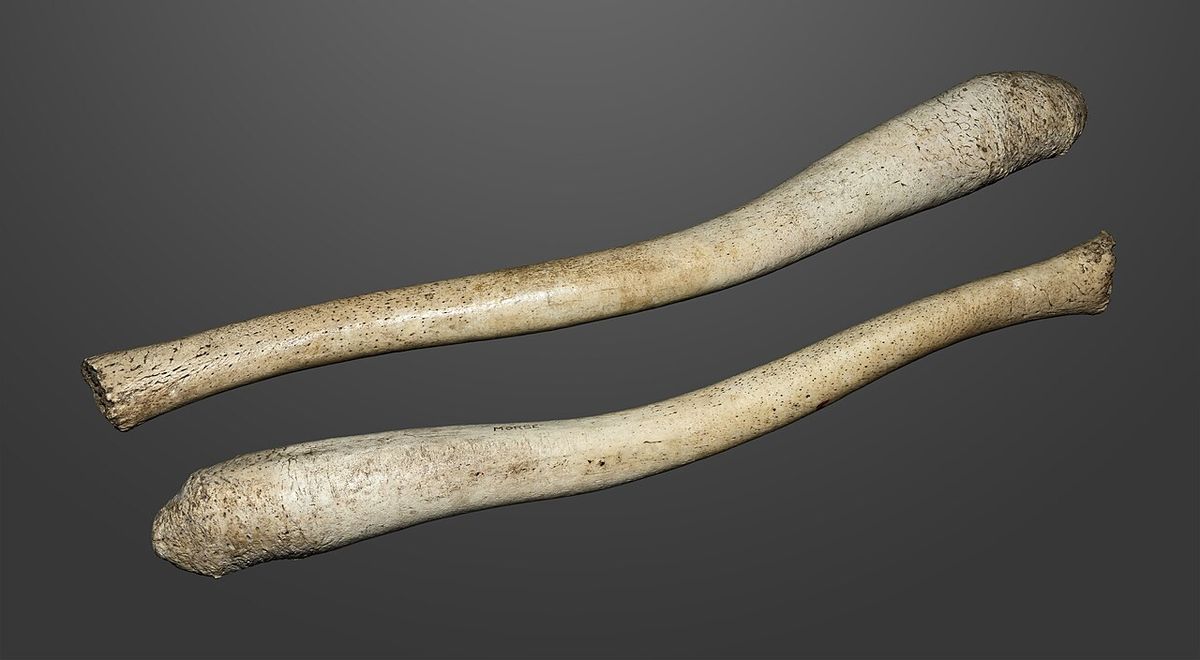
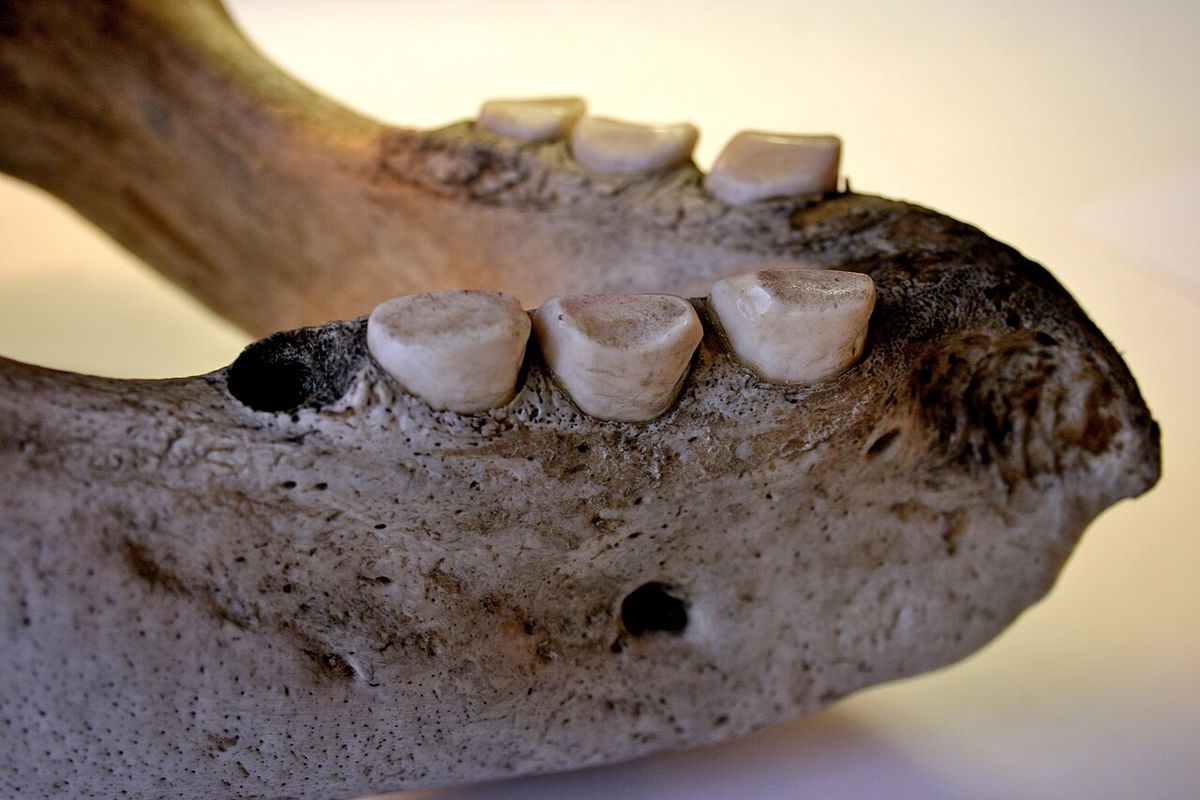
The walrus's body shape shares features with both eared and true seals. Like otariids, it can turn its rear flippers forward to move on land, but its swimming technique resembles that of phocids, relying on sinuous body movements. It lacks external ears. Its most prominent features are its elongated canine tusks, present in both sexes and used for fighting, display, and hauling out onto ice. Tusks can reach one metre in length and weigh up to 5.4 kilograms, and they are slightly longer and thicker in males. The walrus also possesses a broad mat of 400 to 700 highly sensitive vibrissae (whiskers) in 13 to 15 rows, used for foraging and capable of differentiating shapes 3 mm thick and 2 mm wide. Its skin is thick and wrinkled, up to 10 cm around the neck of males, with a blubber layer up to 15 centimetres thick for insulation and energy storage. Males develop skin nodules called bosses around the neck and shoulders as a secondary sexual characteristic, and they possess a large baculum (penis bone) up to 63 cm long, the largest of any land mammal relative to body size.
Life History and Reproduction
Walruses are relatively long-lived, with a lifespan of 20 to 30 years in the wild. The record for longevity is held by a captive walrus named Slowpoke, who lived to 49 years at SeaWorld Orlando. Males reach sexual maturity as early as seven years but typically do not mate until fully developed around age 15. Females begin ovulating between four and six years old and reach physical maturity between 10 and 12 years. Walruses have a low reproductive rate, the lowest of any pinniped, with females giving birth at most every two years due to suppressed ovulation until the previous calf is weaned. This reproductive strategy is linked to a long nursing period and significant maternal investment.
Breeding occurs from January to March, peaking in February. Males rut during this period, decreasing their food intake dramatically, and aggregate around estrous females on the ice to engage in competitive vocal displays. The females join them and copulation occurs in the water. Gestation lasts 15 to 16 months, including a period of delayed implantation of three to four months, which is common among pinnipeds and helps time birth with favourable ecological conditions. Calves are born during the spring migration from April to June, weighing 45 to 75 kilograms and able to swim immediately. Mothers nurse for over a year, and the young may stay with them for up to five years. Walrus milk has higher fat and protein than land animals but lower than phocid seals, resulting in a slower calf growth rate. Walruses are the only pinnipeds known to exhibit aquatic suckling, where young may nurse at sea. Adult walruses, including males, have been observed protecting calves and even caring for orphans when a group is threatened.
Ecology, Range and Habitat
Walruses have a discontinuous circumpolar distribution in the Arctic Ocean and subarctic seas. They are highly dependent on sea ice, spending significant amounts of time on it to rest and access foraging grounds. They primarily inhabit shallow waters above continental shelves, which provide access to their benthic prey. The Pacific walrus population summers north of the Bering Strait in the Chukchi and Beaufort Seas and winters in the Bering Sea. The Atlantic walrus is found in areas from the eastern Canadian Arctic to Greenland and the Barents Sea. A substantial breeding population historically existed on Sable Island, southeast of Nova Scotia, until the early Colonial period.
In late summer and fall, walruses tend to form massive aggregations of tens of thousands on rocky beaches or outcrops. Their migrations can be long-distance and dramatic. For example, several hundred thousand Pacific walruses migrate from the Bering Sea into the Chukchi Sea through the Bering Strait each year. Fossil evidence, such as a 28,000-year-old walrus dredged from San Francisco Bay, indicates their historical range extended much farther south during glacial periods, with other fossils found from Vancouver to North Carolina. Abundant remains from the southern North Sea also date to the Eemian interglacial period, when that region was submerged as it is today.
Diet and Foraging Behaviour
The walrus is a specialised benthic feeder, with a diet dominated by bottom-dwelling invertebrates. Its primary prey are bivalve molluscs such as clams, which it locates on the seafloor using its highly sensitive vibrissae. These whiskers can differentiate shapes as small as 3 millimetres thick and 2 millimetres wide. Contrary to old beliefs, walruses do not use their tusks to dig out prey. Analyses of abrasion patterns show tusks are dragged through the sediment while the upper edge of the snout is used for digging. They employ a powerful suction feeding mechanism, using their tongue as a piston to suck the soft body of the mollusc right out of its shell, a key evolutionary development of the odobenid family.
Walruses also consume a variety of other marine organisms, including worms, snails, shrimp, and slow-moving fish. They occasionally prey on seals, particularly ringed and bearded seals. An adult walrus can eat between 3 and 6 percent of its body weight per day, which translates to roughly 50 to 100 kilograms of food for a large male. This intensive foraging activity significantly disturbs the seafloor, recycling nutrients and altering the benthic community structure. Their role in the ecosystem is fundamental, as their feeding habits help shape the Arctic marine environment for other species and their presence indicates a healthy benthic community.
Historical and Cultural Significance
The walrus has been integral to the cultures and survival of Indigenous Arctic peoples for thousands of years. Communities across the North, including the Inuit, Inupiat, Yupik, and Chukchi, have sustainably hunted walrus for meat, fat (blubber), skin, tusks, and bone. Every part of the animal was used: the meat and blubber provided essential nutrition, the hide was used for boat coverings (umiaks) and ropes, and the tusks and bones were carved into tools, artwork, and traditional implements. This relationship is deeply embedded in oral histories, art, and spiritual practices. The Inuttitut and Inuktitut term for walrus is aivik (ᐊᐃᕕᖅ).
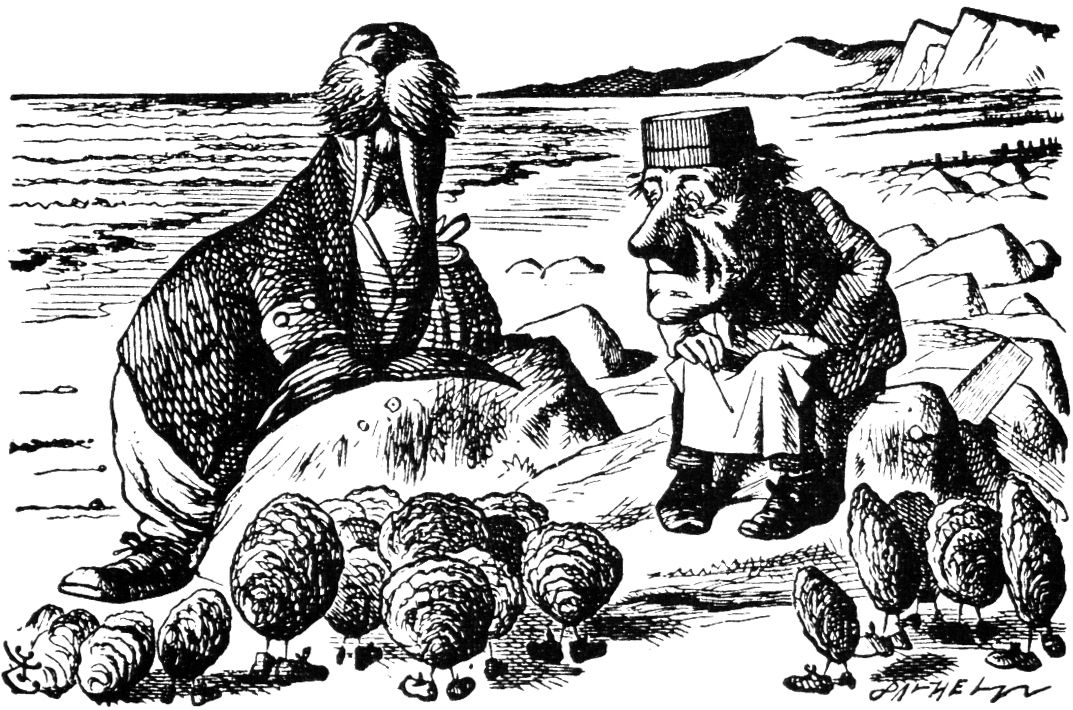
Beginning in the 19th century, commercial hunting by European and American whalers and traders devastated walrus populations across the Arctic. Walruses were hunted intensively for their blubber (rendered into oil), their ivory tusks, and their tough hides. This period of unregulated exploitation caused populations to drop rapidly. For example, commercial harvesting reduced the Pacific walrus population to between 50,000 and 100,000 individuals by the 1950s and 1960s. International agreements and conservation measures later allowed for some recovery, but populations of the Atlantic and Laptev walruses remain fragmented and at low levels compared to pre-industrial numbers. The walrus's reputation in European folklore was influenced by its archaic name morse, which bore a coincidental similarity to the Latin morsus (a bite), contributing to an image of a terrible monster as depicted by Olaus Magnus in the Carta Marina in 1539.
Population Trends and Modern Threats
Following severe depletion from commercial hunting, some walrus populations experienced recovery after the mid-20th century due to regulated harvests. Early aerial censuses of Pacific walrus conducted at five-year intervals between 1975 and 1985 estimated populations above 220,000 in each of the three surveys. As of 2018, the global population of mature walruses is estimated at approximately 112,500 individuals. The Pacific walrus population was estimated at around 129,000 in 2006 based on an aerial census combined with satellite data. However, numbers have declined since their late-20th century peak, and current populations are a fraction of their historical size.
Modern threats are primarily environmental. Climate change and the associated loss of summer sea ice is a major concern, as walruses depend on ice as a platform for resting, giving birth, and accessing foraging areas. With reduced ice, they are forced to haul out on land in extremely large, dense aggregations, which can lead to deadly stampedes, increased vulnerability to predators, and overgrazing of nearby benthic food sources. Other threats include increased shipping and industrial activity in the Arctic, potential oil spills, and disturbance from tourism and noise pollution. Indigenous subsistence hunting continues under co-management agreements designed to ensure sustainability. The walrus's future is closely tied to the stability of its Arctic habitat and the success of international conservation efforts.
Etymology and Naming
The word walrus has a Germanic origin, not Latin, and is largely attributed to either Dutch or Old Norse. Its first part is thought to derive from the Old Norse hvalr meaning 'whale', and the second part from hross meaning 'horse', forming hrosshvalr or 'horse-whale'. This inverted form passed into Dutch and northern German dialects as walros and Walross. An alternative theory suggests it comes from the Dutch wal ('shore') and reus ('giant'). The species name rosmarus is Scandinavian, and the archaic English word for walrus is morse, which is thought to come from Slavic languages and ultimately from a Pre-Finno-Ugric substrate language, seen in Russian морж (morž) and Finnish mursu.
The compound Odobenus, the genus name, comes from the Greek odous, meaning 'teeth', and baino, meaning 'walk'. This name is based on observations of walruses using their tusks to pull themselves out of the water. Olaus Magnus first referred to the walrus as the ros marus in 1539, a term likely derived from the Slavic word morž. Linnaeus later adopted this term in his binomial nomenclature for the species. Several place names in Iceland, Greenland, and Norway, such as Hvalfjord, Hvallatrar and Hvalsnes, may originate from historical walrus breeding grounds. These names indicate the species had a former wider distribution before walruses became extinct in areas like Iceland and Norway.
Notable Vagrant Walruses in Europe
Walruses are known for long-distance vagrancy, often travelling far south of their typical Arctic range. These individuals often attract significant public attention and media coverage, with many being given names and tracked by researchers and the public based on distinctive scars and tusk patterns. Historical records show vagrancy is not new, with 25 walruses recorded in Scotland between 1815 and 1954, and 31 along mainland Norway between 1900 and 1967. Several notable vagrants have been recorded in European waters in recent years, their journeys highlighting both the species' capacity for extraordinary movement and the risks they face in unfamiliar habitats.
- Wally (male): First sighted at Valentia Island, Ireland, in March 2021. He travelled to the Pembrokeshire coast in Wales, western France, Bilbao in Spain, back to the Isles of Scilly and Ireland, and finally to Iceland.
- Freya (female, 5 years old): First sighted in the northern North Sea in 2019, named after appearing in the Netherlands in October 2021. She was seen at multiple North Sea sites until she was shot near Oslo, Norway, on 13 August 2022.
- Stena (female, estimated over 20 years old): First seen at Vigra near Ålesund, Norway, in March 2022. She travelled via Denmark and southwest Sweden to the Baltic Sea at Rügen, Germany, in June 2022, becoming the first recorded walrus in the northern Baltic Sea. Unable to find adequate food, she became emaciated and died during a rescue attempt in Kymenlaakso, Finland.
- Thor (male, about 8 years old): First seen on 6 November 2022 in the Netherlands. He moved to Brittany in France, crossed to England, travelled up the east coast to Northumberland by 2 January 2023, and then returned to the Arctic, last seen at Breiðdalsvík, Iceland on 24 February 2023.
The extensive travels of these animals demonstrate the potential for walruses to explore far beyond their usual Arctic range. Walruses are prone to long-distance vagrancy, particularly southwards from their current range. However, these travels also present dangers, such as starvation and human conflict, when the animals enter areas without suitable food sources. The death of the vagrant walrus named Stena in the Baltic Sea specifically illustrates the difficulty these animals face in finding their specialised benthic bivalve mollusc diet in unfamiliar marine environments. Stena became emaciated and died when rescuers tried to transport it, highlighting the risks for vagrant individuals.
Questions about Walrus
What is the difference between Atlantic and Pacific walruses?
The Atlantic walrus (Odobenus rosmarus rosmarus) and the Pacific walrus (Odobenus rosmarus divergens) are the two recognized subspecies. The Pacific walrus is generally larger, with males often weighing between 800 and 1,700 kilograms, compared to Atlantic males averaging about 900 kilograms. Pacific walruses also tend to have longer and slightly thicker tusks and a less flattened snout. Their ranges are distinct, with the Pacific subspecies inhabiting the Bering, Chukchi, and Beaufort Seas, while the Atlantic subspecies is found from the eastern Canadian Arctic across Greenland to the Barents Sea. Genetic studies indicate they separated between 500,000 and 785,000 years ago with very restricted gene flow.
What do walruses use their tusks for?
Walrus tusks, which are elongated canine teeth present in both sexes, serve several important functions. They are used as tools for hauling the animal's massive body out of the water and onto ice, and for maintaining holes in the ice. Males use their larger tusks for fighting, establishing dominance within social groups, and for display during the breeding season, with the strongest males with the largest tusks typically dominating. Analyses of abrasion patterns indicate they are not primarily used for digging food from the seabed. That task is accomplished by the snout, with the tusks sometimes being dragged through the sediment.
How long do walruses live and how do they reproduce?
In the wild, walruses typically live for 20 to 30 years. The oldest recorded walrus was a captive male named Slowpoke at SeaWorld Orlando, who lived to be 49 years old. Males reach sexual maturity as early as seven years but usually do not mate until around age 15. Females begin ovulating between four and six years old. Walruses have the lowest reproductive rate of any pinniped, with females giving birth at most every two years after a 15 to 16 month gestation that includes a period of delayed implantation. Calves are born from April to June and nurse for over a year, often staying with the mother for up to five years.
Why are walruses considered a keystone species?
Walruses are considered a keystone species because their foraging behaviour has a disproportionate impact on the Arctic marine ecosystem. As specialised benthic feeders, they consume large quantities of bottom-dwelling invertebrates like clams. Their digging and rooting on the seafloor disturbs sediments, recycles nutrients, and alters the structure of benthic communities. This activity, sometimes called 'walrus gardening', creates conditions that benefit other species and helps maintain the ecological balance of their habitat. Their population health is a key indicator of the overall state of the Arctic marine environment.
What are the main threats to walrus populations today?
The primary modern threat to walruses is climate change, specifically the rapid loss of summer sea ice. Walruses depend on sea ice as a platform for resting, nursing calves, and accessing shallow foraging grounds. Ice loss forces them to haul out on land in large, crowded aggregations, leading to stampedes, increased energy expenditure, and vulnerability to predators and human disturbance. Other threats include increased Arctic shipping and industrial development, which raise the risk of oil spills, noise pollution, and habitat disruption. While historical commercial hunting is no longer a major factor, subsistence hunting by Indigenous communities continues under regulated management plans.
Have walruses ever been seen in places like the United Kingdom or Ireland?
Yes, walruses are known for long-distance vagrancy and have been recorded far south of their normal Arctic range. Historical records between 1815 and 1986 note over 30 walrus sightings in Scotland, England, and Ireland. In recent years, several individual walruses have gained fame for their extensive travels in European waters. Notable examples include 'Wally', who visited Ireland, Wales, France, Spain, and Iceland in 2021, and 'Thor', who travelled from the Netherlands to France, England, and back to Iceland in 2022 and 2023. These vagrants often struggle to find food in unfamiliar ecosystems and can face risks from human interaction, as was the case with 'Freya' who was shot in Norway in 2022.
Sources and further reading
- Walrus (Wikipedia)
- Walrus (nationalgeographic.com)
- Walrus Facts and Information | United Parks & Resorts (seaworld.org)
- Pacific Walrus Species Profile, Alaska ... (adfg.alaska.gov)
Checked by the Your Space Hamilton desk. Last updated 2026-10-19.