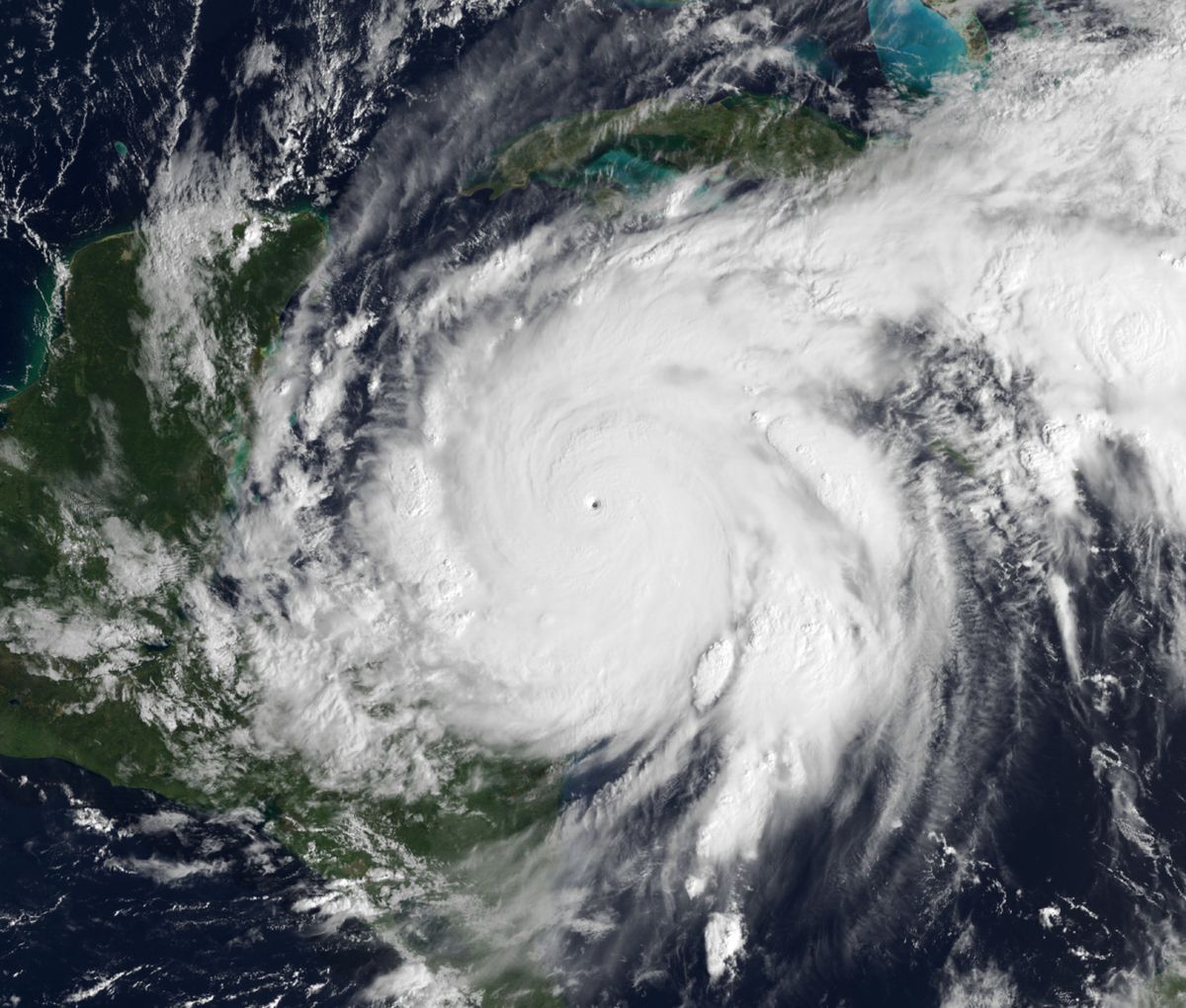
January 2016 United States blizzard
The January 2016 United States blizzard, unofficially known as Winter Storm Jonas or the Blizzard of 2016, was a historic and crippling winter storm that struck the Mid-Atlantic and Northeastern United States from January 22 to 24, 2016. The storm produced up to 110 centimetres of snow, caused at least 55 fatalities, and paralyzed travel and commerce across a region affecting approximately 103 million people. For Canadians, the event highlighted the interconnected nature of North American travel and commerce, as the storm's ripple effects led to flight cancellations in Canada and disrupted cross-border supply chains. The blizzard was ranked as a Category 5 "extreme" event on the Regional Snowfall Index for the Northeast, the highest possible classification, and was the last storm to receive such a rating until 2026.
Meteorological history
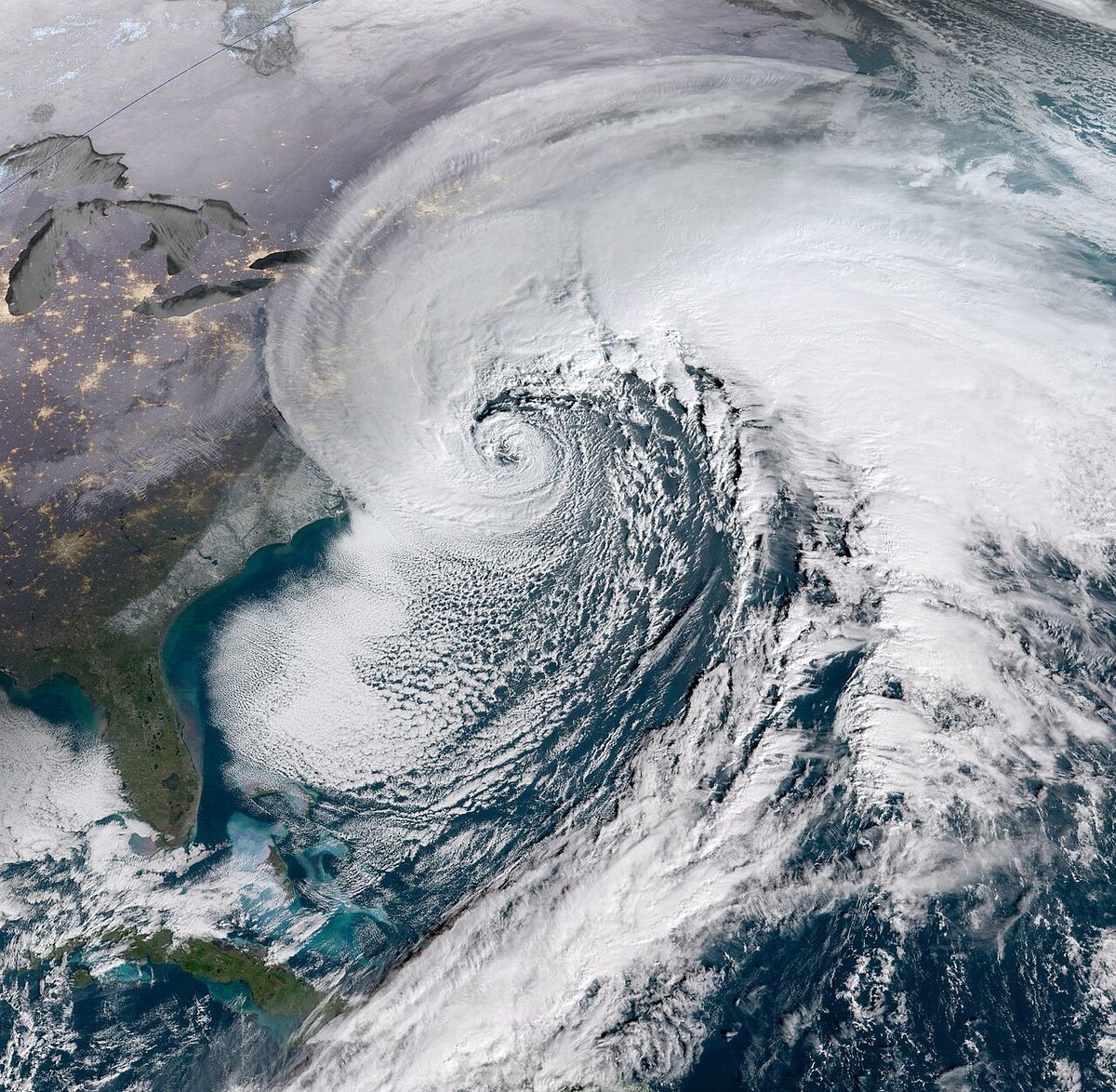
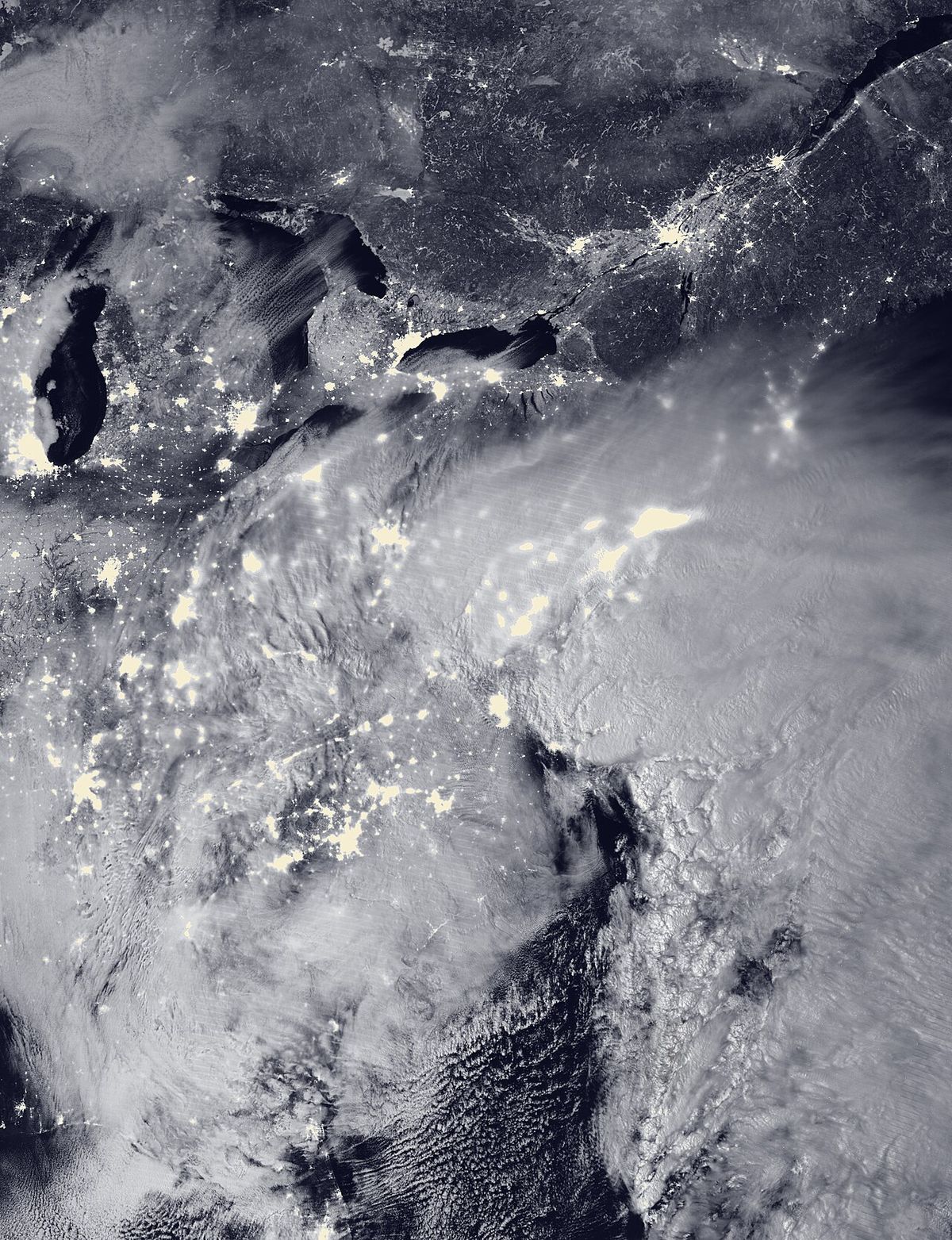
The development of the historic blizzard was anticipated by forecasters for at least a week before its arrival. The storm originated from a shortwave trough, a disturbance in the upper atmosphere, that moved ashore in the Pacific Northwest on January 19. This trough strengthened as it moved southeast through the Great Plains, spawning a weak low-pressure area over central Texas on January 21. The incipient storm system intensified as it tracked eastward through the Gulf Coast states, triggering severe thunderstorms and multiple tornado warnings from Louisiana to Florida. During the mid-afternoon of January 22, a new and more powerful low-pressure area developed over the coast of the Carolinas, while the original low moved into central Georgia, marking the beginning of the most intense phase of the storm.
As the storm moved north and rapidly strengthened, forecast models initially indicated a sharp northern edge to the precipitation, leading to predictions of 30 centimetres of snow or less for areas like New York City until just hours before snowfall began. It quickly became apparent that snowfall would be much heavier farther north, prompting meteorologists to significantly upgrade their totals across Pennsylvania, New Jersey, and New York. Early on January 24, as the storm was leaving New England, the system began to become elongated as a secondary low developed to the southwest of its central low. The storm was accompanied by a strong jet stream over the Atlantic, which carried its remnants across the British Isles by January 26, though with far less severity, bringing rain and strong winds rather than snow. On January 29, the storm system was absorbed by another system, Windstorm Leone, over Finland.
Preparations and declarations
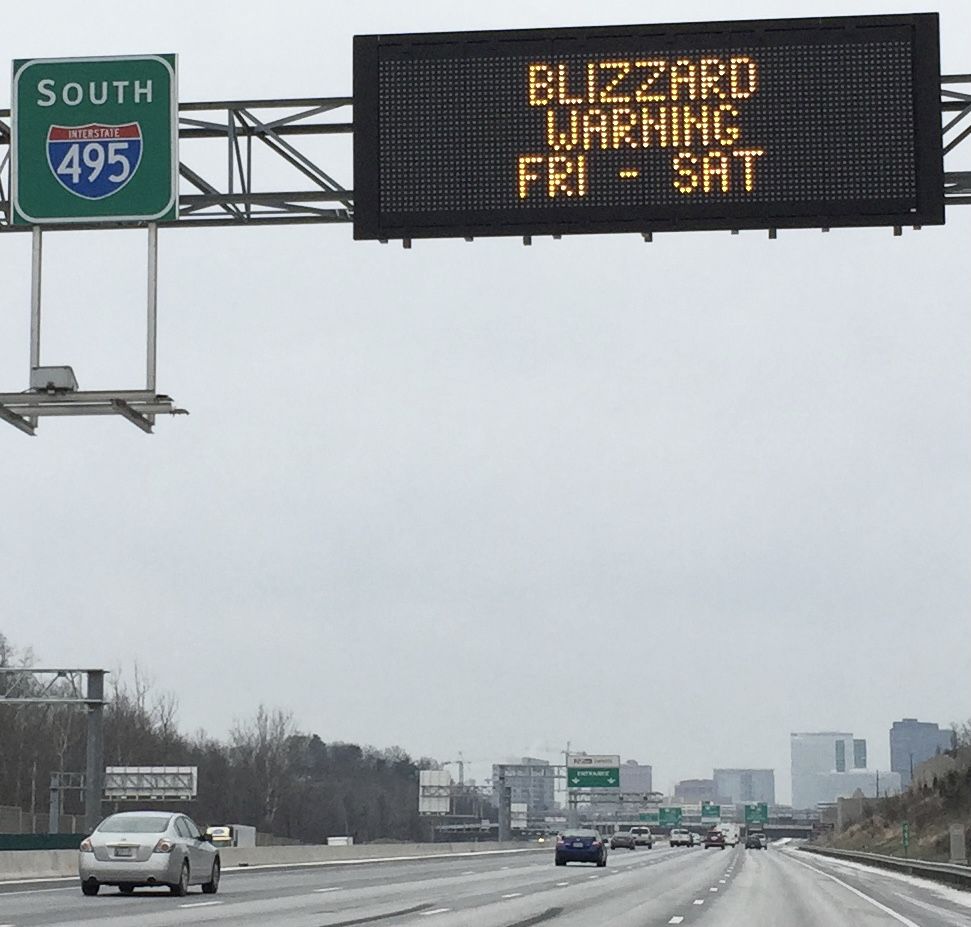
In anticipation of significant snowfall and blizzard conditions, the governors of eleven states and the mayor of Washington, D.C., declared states of emergency on January 21 and 22. These states included Delaware, Georgia, Kentucky, Maryland, New Jersey, New York, North Carolina, Pennsylvania, Tennessee, Virginia, and West Virginia. The National Weather Service issued a vast array of watches and warnings, with blizzard warnings covering areas from coastal Connecticut to Washington, D.C., and winter storm warnings extending from Arkansas to Massachusetts. Approximately 33 million people were placed under blizzard warnings, while winter weather advisories covered additional areas like eastern Kansas and northern Alabama.
Transportation systems undertook massive preparations and shutdowns. Airlines preemptively cancelled more than 1,000 flights by the afternoon of January 21, a number that would grow to over 10,100 by the afternoon of January 23 and ultimately reach 13,046 between January 22 and 26. Amtrak suspended service on numerous lines, including the Crescent service from New York City to New Orleans, the Cardinal to Chicago, and the Silver Meteor to Miami. Major airports in the Mid-Atlantic, including Baltimore-Washington International, Philadelphia International, and Washington's Reagan National and Dulles airports, closed through the evening of January 24. The Washington Metropolitan Area Transit Authority shut down its entire system, including the Metro and buses, for the weekend of January 22 and 23, marking the longest shutdown in the agency's history.
State and local governments mobilized enormous resources to combat the storm. Maryland mobilized 2,700 pieces of snow equipment and planned to distribute 365,000 tons of road salt, while Virginia deployed 500 vehicles to treat roads and placed 500 members of the National Guard on standby. Pennsylvania had 2,200 vehicles and over 733,000 tons of road salt ready, and crews deployed brine across major roads around Philadelphia. New York City prepared with 1,700 plows, 150,000 tons of salt, and placed 600 National Guard members on standby, also dispatching more than 50 power workers from Vermont to Long Island. North Carolina used two million gallons of brine to pre-treat roads and placed 4,500 linemen on standby for power repairs, with crews from across the country arriving to assist.
- Travel bans were instituted for all roads in New York City, Long Island, and Newark, New Jersey, from January 23 into the afternoon of January 24.
- Delaware declared a Level 2 driving restriction for New Castle and Kent counties, allowing only essential personnel on the roads.
- The Pennsylvania towns of Lancaster, Lebanon, Newberry Township, and York declared travel bans for January 23.
- SEPTA in Philadelphia issued a near-complete shutdown, suspending all bus services and closing all rail except for the Broad Street and Market-Frankford subway lines.
Public messaging was urgent, with New York City Mayor Bill de Blasio declaring a winter weather emergency and telling residents to get done what they needed and not to bring vehicles out. Washington, D.C., Mayor Muriel Bowser urged people to get home as soon as possible and remain home during the storm unless they absolutely had to be out. The Tennessee Highway Patrol asked people to remain off the roads, stating, "We are desperately asking you please DON'T DRIVE". Stores across Maryland, Virginia, and Washington, D.C., reported a substantial uptick in sales, with groceries, heaters, shovels, and similar items sold out in numerous locations.
Impact and aftermath
The blizzard's widespread effects paralyzed the eastern United States, with more than 51 centimetres of snow falling across a large swath along the Appalachian Mountains. The storm was directly responsible for at least 55 fatalities across multiple states, with the highest tolls in Virginia (12), Pennsylvania (9), and New Jersey, New York, and North Carolina (6 each). Additional fatalities occurred in South Carolina (4), Maryland and Washington, D.C. (3 each), and one each in Arkansas, Delaware, Georgia, Kentucky, Massachusetts, and Ohio. Power outages were extensive, affecting over 631,000 customers, with New Jersey experiencing the most at 270,000 outages, followed by North Carolina (147,000), Georgia (66,000), Virginia (55,000), and a collective 47,000 in Delaware and Maryland.
Economic losses from lost sales, wages, and damage were estimated to be between $500 million and $3 billion. Moody's Analytics provided the highest estimate at $2.5 to $3 billion, while Planalytics placed losses at $850 million and IHS Global Insight estimated between $500 million and $1 billion. The airline industry suffered approximately $200 million in lost revenue from the 13,000 cancelled flights. Analysts noted that because the storm's peak occurred on a weekend, the overall economic impact was less severe than a weekday event, though the costs were still substantial. AON Benfield noted similarities to the Blizzard of 1996, which caused $4.6 billion in losses.
On the Regional Snowfall Index (RSI), a scale that measures a winter storm's impact based on snowfall and population affected, the blizzard ranked as a Category 5 "extreme" event for the Northeast and a Category 4 "crippling" event for the Southeast. It was also ranked as a Category 3 "major" event in the Ohio Valley. Its RSI value of 20.138 in the Northeast was the fourth-highest on record for that region, while its RSI of 13.776 in the Southeast was the twelfth-highest. The storm's immense impact was driven by the sheer number of people in its path. Approximately 103 million people were affected, with 33 million under blizzard warnings and 21 million in the Northeast experiencing more than 51 centimetres of snow. This was the first Category 5 winter storm since the 2011 Groundhog Day blizzard and the last until 2026.
Snowfall and severe weather records
The storm set remarkable snowfall records across a multi-state region, with seven states observing accumulations in excess of 76 centimetres. The highest official total was 110 centimetres in Glengary, West Virginia. Major urban centres were deeply buried, disrupting life for millions. The table below highlights some of the notable snowfall accumulations recorded during the event, illustrating the storm's widespread intensity.
| Location | State | Snowfall (cm) | Snowfall (in) |
|---|---|---|---|
| Glengary | West Virginia | 110 | 42 |
| Little Rock, AR (area) | Arkansas | 18 | 7.2 |
Beyond the heavy snow, the storm system also spawned severe weather along the Gulf Coast in its formative stages. On January 21 and 22, severe thunderstorms brought damaging winds and hail to Louisiana, Mississippi, Alabama, and Florida. Five tornadoes touched down in Mississippi, rated from EF0 to EF2, with the EF2 near Sumrall causing significant damage. Straight-line winds near Improve, Mississippi, significantly damaged 10 to 12 homes, and hail up to 7 centimetres in diameter was reported in Wilmer, Louisiana. In the southeastern states, heavy snow and ice led to treacherous travel conditions, with hundreds of accidents reported. A single accident in Lexington, Kentucky, led to injuries among 17 other reported crashes, while multiple accidents in Rockcastle County prompted the closure of 19 kilometres of Interstate 75.
Travel and infrastructure disruption
The blizzard caused unprecedented disruption to travel and critical infrastructure across the Eastern Seaboard. The cancellation of 13,046 flights between January 22 and 26 created a domino effect that rippled internationally, leading to over 100 flight cancellations in Canada, Mexico, and the United Kingdom. On the ground, major highway closures stranded motorists for extended periods, most notably on a 56-kilometre stretch of Interstate 75 in Kentucky where hundreds of drivers were stuck for over 16 hours. In a separate incident, an 18-kilometre stretch of Interstate 77 in West Virginia was completely blocked by stuck tractor-trailers lying across the highway. Public transit systems in major metropolitan areas were shut down entirely, including the Washington Metro, New Jersey Transit, and most services of New York's MTA and SEPTA in Philadelphia. Coastal areas faced the dual threat of heavy snow and significant flooding. The storm's timing over a weekend mitigated some economic losses, as noted by analysts, but the cost to businesses from lost revenue and the immense public expenditure on emergency response and cleanup remained substantial.
The storm also had a significant impact on sporting and cultural events. Multiple games held by the Atlantic Coast Conference, National Basketball Association, and National Hockey League were postponed. However, the National Football League's NFC Championship game between the Arizona Cardinals and Carolina Panthers in Charlotte, North Carolina, went ahead as scheduled on January 24. The event's disruption was felt for days, with Washington Metro rail service on January 25 limited to underground portions of the Red, Green, and Orange Lines, and fares waived. Similarly, the Greater Richmond Transit Company in Virginia took the rare step of suspending all bus routes on January 24. The storm's legacy as a top-10 snowstorm, as described by winter weather expert Paul Kocin, was cemented by its extensive and widespread impact on daily life, commerce, and transportation across the eastern third of the United States.
Response and recovery efforts
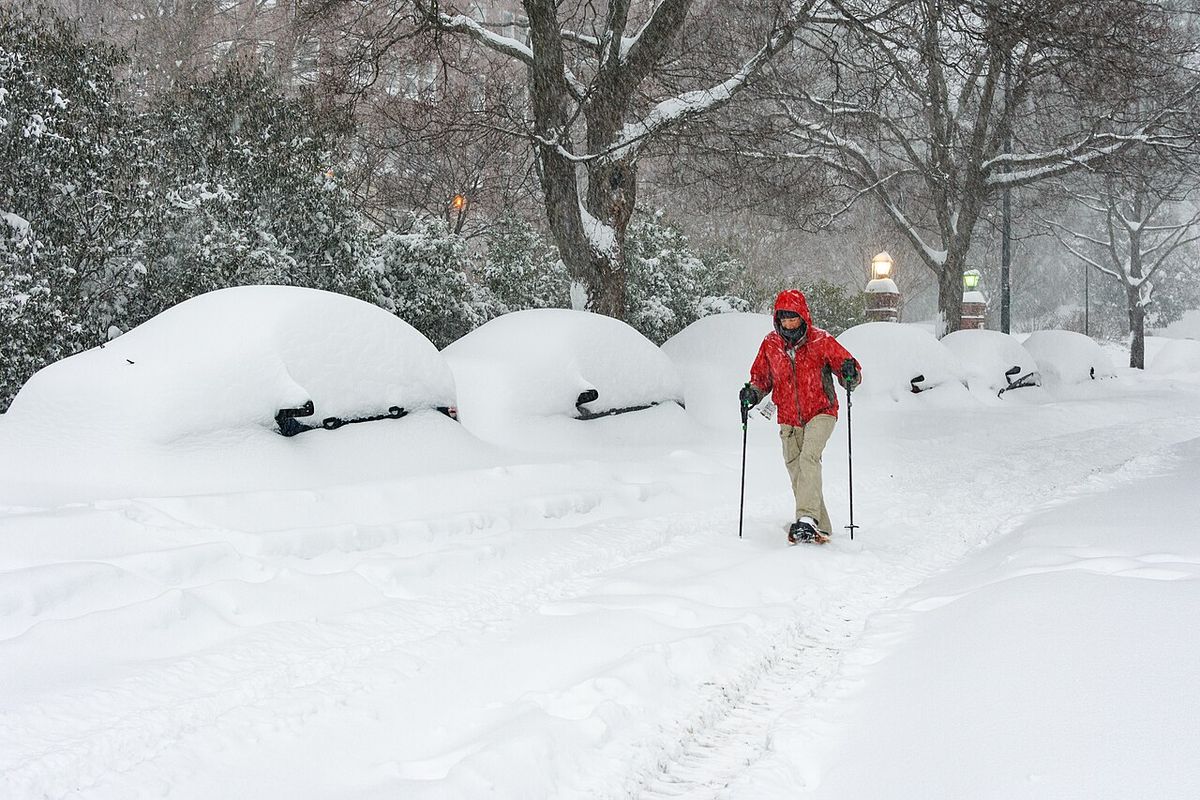
Recovery from the blizzard was a massive undertaking that involved local, state, and federal resources. Thousands of National Guardsmen were placed on standby across multiple states, with 500 activated in Virginia and 600 in New York. Utility companies worked around the clock to restore power to the over 631,000 affected customers, with crews from other states, like the more than 50 power workers dispatched from Vermont to Long Island, assisting in the efforts. In North Carolina, 1,000 state transportation workers were placed on 12-hour shifts to clear roads and assist with recovery, supported by the 4,500 linemen who had been placed on standby before the storm. Community support systems were activated to assist vulnerable populations, with warming centres opened in Tennessee and Delaware and shelters made available for homeless individuals in Delaware.
The cleanup in cities was monumental. New York City had thousands of sanitation workers, 1,700 plows, and 150,000 tons of road salt on standby to clear city roads. Washington, D.C., declared a snow emergency, meaning residents were not allowed to park on snow emergency routes after a specific time. Total economic losses from the storm are estimated to be up to $3 billion. This included lost sales revenue and wages, with the airline industry suffering approximately $200 million in lost revenue. The storm's impact on infrastructure included the extended shutdown of the Washington Metro system and the widespread use of travel bans in major cities like New York City and Newark, New Jersey.
The development of the winter storm was anticipated by forecasters for at least a week. Meteorologists indicated the resultant storm could produce more than 2 feet of snow across a wide swath of the Mid-Atlantic region and could paralyze the eastern third of the nation, regarding it as a potentially historic blizzard. However, owing to uncertainty in short-range guidance, many forecasts were predicting 12 inches of snow or less until just hours before snowfall began for some areas. As the storm moved further north and rapidly strengthened, it became apparent that snowfall would be much higher farther north, and forecasters quickly began upgrading their totals. The storm ranked as a Category 5 extreme event for the Northeast on the Regional Snowfall Index, and it was the first winter storm to rank as a Category 5 winter storm since the 2011 Groundhog Day blizzard.
Questions about January 2016 United States blizzard
How many people died because of the Blizzard of 2016?
At least 55 fatalities were attributed to the storm and its aftermath. The highest death tolls occurred in Virginia with 12 deaths, Pennsylvania with 9, and New Jersey, New York, and North Carolina each with 6 deaths. Additional fatalities were recorded in South Carolina (4), Maryland and Washington, D.C. (3 each), and one each in Arkansas, Delaware, Georgia, Kentucky, Massachusetts, and Ohio. Fatalities were caused by a variety of storm-related incidents, including traffic accidents on icy roads, carbon monoxide poisoning, and heart attacks from overexertion while shovelling snow.
Why was this storm considered historic or extreme?
The storm was classified as a Category 5 "extreme" event on the Regional Snowfall Index (RSI) for the Northeast, the highest possible rating. This classification is based on the combination of exceptional snowfall amounts and the enormous population affected, approximately 103 million people, with 33 million under blizzard warnings. Its RSI value of 20.138 was the fourth-highest on record for the Northeast. It was the first winter storm to achieve a Category 5 rating since the 2011 Groundhog Day blizzard and the last to do so until 2026. Winter weather expert Paul Kocin described it as "kind of a top-10 snowstorm".
How did the blizzard affect air travel?
Air travel was massively disrupted, with 13,046 flights cancelled between January 22 and 26. By the afternoon of January 23 alone, over 10,100 flights were cancelled nationwide. Major airports across the Mid-Atlantic, including Baltimore-Washington International, Philadelphia International, Reagan National, and Dulles, were completely closed through the evening of January 24. Flights at New York's LaGuardia, JFK, and Newark airports were largely cancelled. The cancellations had international ripple effects, leading to over 100 cancelled flights in Canada, Mexico, and the United Kingdom. The airline industry suffered an estimated $200 million in lost revenue.
What states declared a state of emergency beforehand?
Governors in eleven states and the mayor of Washington, D.C., declared states of emergency in anticipation of the storm on January 21 and 22. The states were Delaware, Georgia, Kentucky, Maryland, New Jersey, New York, North Carolina, Pennsylvania, Tennessee, Virginia, and West Virginia. These declarations allowed for the mobilization of National Guard troops, the release of emergency funds, and the implementation of travel bans and other safety measures. The coordinated response aimed to mitigate the storm's impact on the estimated 103 million people in its path.
What was the estimated economic cost of the storm?
Total economic losses, accounting for lost sales, wages, and damage, were estimated to be between $500 million and $3 billion. Moody's Analytics provided the highest estimate at $2.5 to $3 billion, while Planalytics placed losses at $850 million and IHS Global Insight estimated $500 million to $1 billion. AON Benfield noted losses would be in the billions, drawing comparisons to the 1996 blizzard that caused $4.6 billion in damage. The airline industry suffered approximately $200 million in lost revenue. Analysts noted that because the storm occurred on a weekend, the overall economic impact was less severe than a weekday event.
How much snow fell during the January 2016 blizzard?
The blizzard produced exceptionally heavy snowfall, with seven states recording accumulations over 76 centimetres. The highest official total was 110 centimetres (42 inches) in Glengary, West Virginia. A daily record of 18 cm was set just outside Little Rock, Arkansas. The storm produced up to 91 cm of snow in parts of the Mid Atlantic and Northeastern United States. It was a historic event, with winter weather expert Paul Kocin describing it as a top 10 snowstorm.
Sources and further reading
- January 2016 United States blizzard (Wikipedia)
- January 22-24, 2016 Blizzard (weather.gov)
- January 2016 blizzard ranked Category 4 on Northeast ... (noaa.gov)
- The historical 2016 snowstorm that impacted a third of ... (theweathernetwork.com)
Checked by the Your Space Hamilton desk. Last updated 2026-10-22.